We unleash your business potential by maximize the business innovation.
Send EmailDiethylene Triamine Penta Methylene Phosphonic Acid, DTPMPA, DETPMP, DTPMP, Dequest 2060, Dequest 2066, 22042-96-2
1. Product & Identification Information
| Property | Value / Description |
|---|---|
| Chemical Name (IUPAC) | Diethylenetriamine Penta(Methylene Phosphonic Acid) or [bis[2-(bis(phosphonomethyl)amino)ethyl]amino]methylphosphonic acid |
| Other Names & Synonyms | DTPMPA, DETPMP, DTPMP, Dequest 2060, Dequest 2066, Diethylene Triamine Penta Methylene Phosphonic Acid Sodium Salt |
| CAS Number (Acid Form) | 15827-60-8 |
| CAS Number (Sodium Salt) | 22042-96-2 |
| EINECS Number | 244-751-4 |
| Molecular Formula (Acid) | C₉H₂₈N₃O₁₅P₅ |
| Molecular Weight | 573.20 g/mol |
| Chemical Class | Organic Polyphosphonic Acid, Nitrogenous Organophosphonate |
2. Physical & Chemical Properties
| Property | Value / Description |
|---|---|
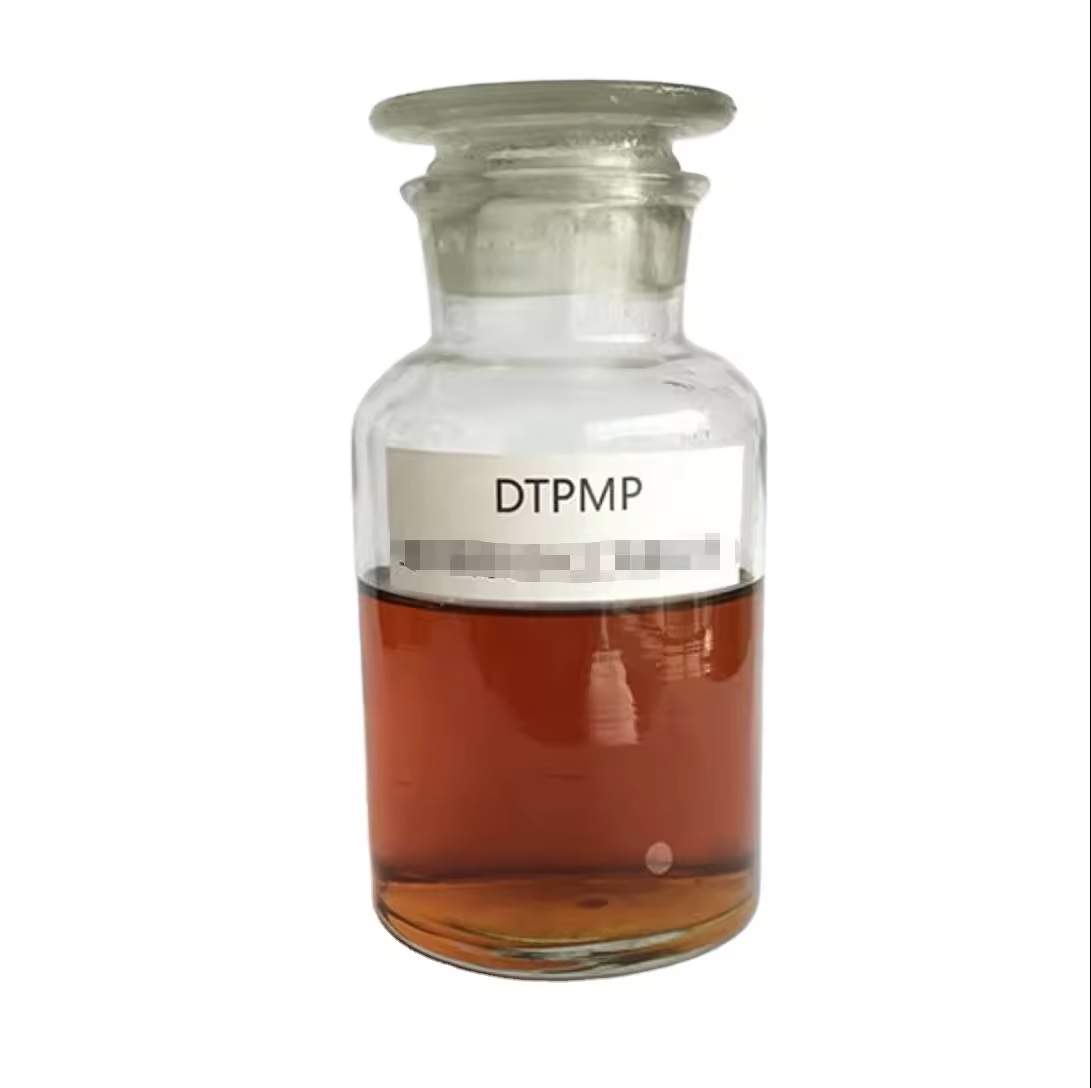
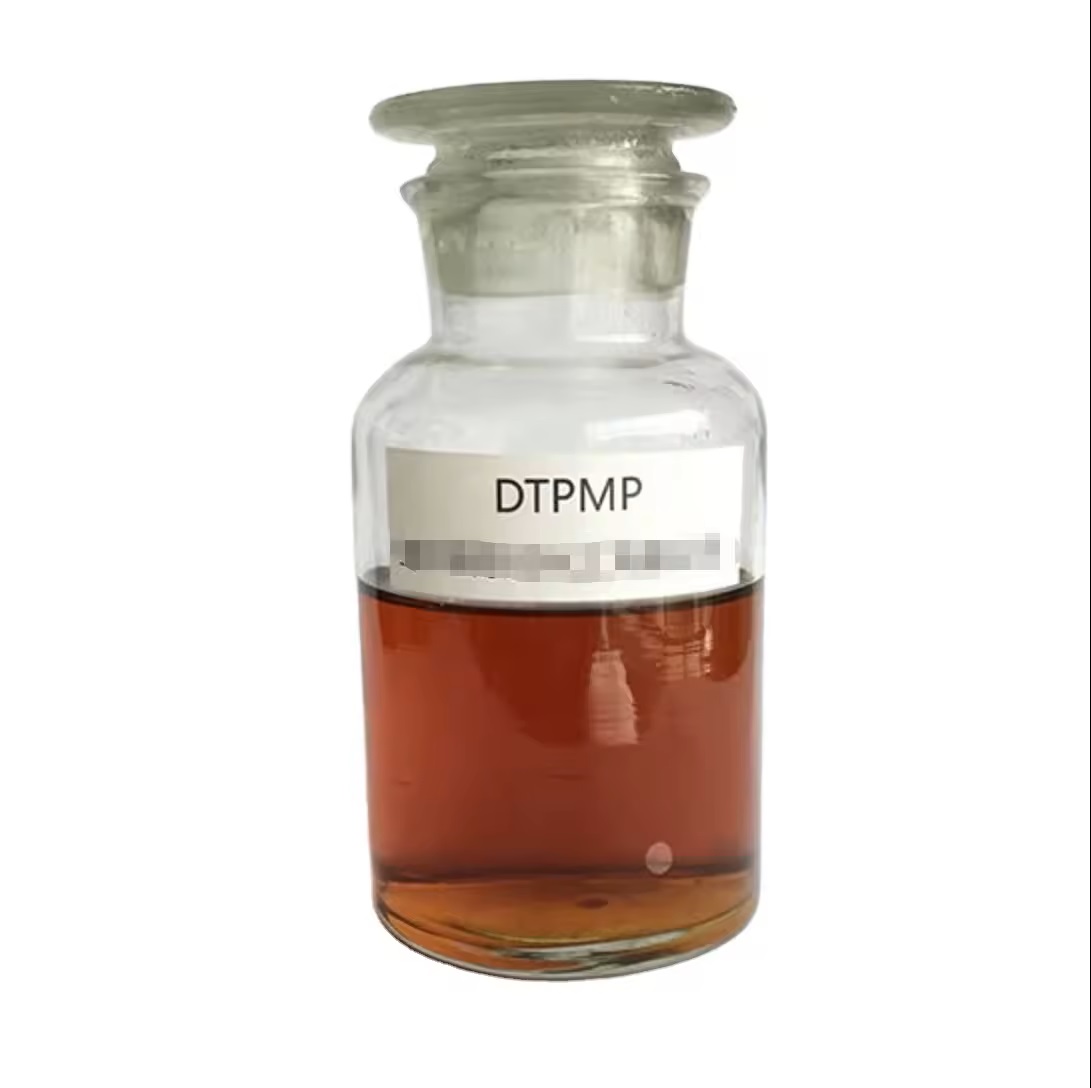
| Appearance | Brownish-yellow to brownish-red viscous liquid (acid form) White crystalline powder (sodium salt) |
| Odor | Odorless |
| pH (1% aqueous solution) | ≤ 2.0 (acid form) ~6.5 (sodium salt solution, 25% active) |
| Density (20°C) | 1.35 – 1.45 g/cm³ (acid form) 1.35 g/cm³ (sodium salt) |
| Active Content | ≥ 50.0% (acid form) |
| Phosphorous Acid (PO₃³⁻) | ≤ 3.0% (acid form) |
| Chloride (Cl⁻) Content | 12 – 17% (acid form) |
| Iron (Fe) Content | ≤ 35.0 mg/L (acid form) |
| Solubility | Limited in water; readily soluble in acidic solutions |
3. Applications
Dequest 2060 / DTPMPA is widely used across industries due to its excellent scale inhibition and corrosion inhibition properties.
Main Application Areas:
-
Water Treatment Systems: Scale and corrosion inhibitor in cooling towers, boiler water, geothermal water treatment, industrial and municipal cleaning waters. Performs effectively in alkaline environments without requiring pH adjustment.
-
Detergents & Cleaning Products: Chelating agent and anti-scale agent. Especially used in automatic dishwasher detergents and industrial cleaners.
-
Oil & Gas Industry: Scale and corrosion control in oilfield reinjection waters, waters containing high barium carbonate, and downhole equipment.
-
Pulp & Textile Industry: Peroxide bleaching stabilizer, oxygen delignification stabilizer, and chelating agent in textile printing/dyeing processes.
-
Other Industries:
-
Cosmetics and personal care products
-
Carrier for micronutrients in fertilizers
-
Concrete admixture
-
Electroplating and metal acid cleaning
-
Mining and ore processing
-
4. Superior Features & Advantages
-
High Thermal Stability & Performance: DTPMPA provides superior scale and corrosion inhibition compared to other organophosphonates at high alkalinity and temperatures up to 210°C.
-
Broad-Spectrum Scale Prevention: Effectively prevents formation of calcium carbonate (CaCO₃), calcium sulfate (CaSO₄), and especially the hard-to-dissolve barium sulfate (BaSO₄).
-
Strong Chelating & Dispersing Effect: A powerful multidentate chelating agent that binds metal ions, preventing unwanted reactions and precipitation.
-
Corrosion Inhibitor: Provides effective corrosion protection on metals such as steel, copper, and alloy steels.
-
Reduces Need for Separate Dispersants: Even when used alone, it minimizes scale formation without requiring an additional dispersant.
-
Environmentally Friendly Profile: Non‑toxic structure and biodegradable properties make this phosphonate generally considered environmentally compatible.
5. Usage Instructions & Dosage
Recommended concentrations vary depending on the application. General guidelines are as follows:
| Application Type | Recommended Dosage | Remarks |
|---|---|---|
| Scale Inhibitor | 1 – 30 mg/L | Often used together with polycarboxylate dispersants. |
| Cleaning Agent | 1000 – 2000 mg/L | For cleaning metal surfaces and equipment. |
| Antifreeze & Cooling Systems | 1000 – 1500 mg/L (initial) | Single addition to the system. |
Note: The optimal dosage should be determined by laboratory tests based on water analysis and system operating conditions.
6. Safety & Handling Information
-
Hazard Classification: The product is acidic. Avoid contact with skin and eyes.
-
First Aid: In case of eye or skin contact, wash with plenty of water for at least 15 minutes. Seek medical attention.
-
Personal Protective Equipment (PPE): Wear protective gloves, goggles, and appropriate work clothing during handling.
-
Transport Class (RIDADR): UN
-
Storage: Keep in original closed containers in a cool, dry, well-ventilated place away from direct sunlight. Protect from freezing.
-
Shelf Life: 12 months from date of manufacture when stored under appropriate conditions.
-
Packaging Options:
-
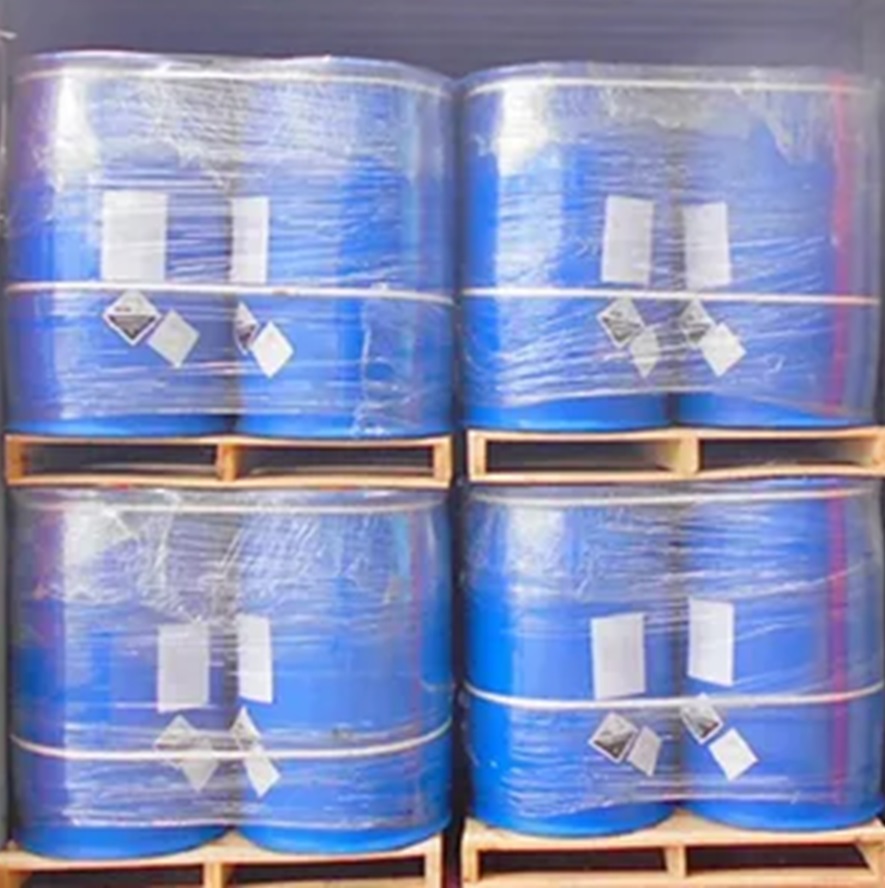
200 L HDPE drum or 1000 L IBC tank
-
25 kg, 30 kg, or 250 kg plastic drums
-
7. Regulatory Information
-
EINECS (Europe): 244-751-4
-
TSCA (USA): Listed
-
AICS (Australia): Listed
-
ECL (Korea): Listed
-
PICCS (Philippines): Listed
-
DSL (Canada): Listed
8. Product Variants (Sodium Salts)
Since the acid form of DTPMPA has limited solubility in water, it is commercially available mainly as sodium salts with different neutralization degrees. CAS 22042-96-2 indicated by the user refers to one of these salt forms.
| Product Name | Molecular Formula | CAS No. | EINECS | Description |
|---|---|---|---|---|
| DTPMPA·Na₂ (Disodium Salt) | C₉H₂₆O₁₅N₃P₅Na₂ | 22042-96-2 | 244-751-4 | Partially neutralized form of DTPMPA. |
| DTPMPA·Na₅ (Pentasodium Salt) | C₉H₂₃O₁₅N₃P₅Na₅ | 68155-78-2 | 215-687-4 | Typically used in highly alkaline environments. |
| DTPMPA·Na₇ (Heptasodium Salt) | Fully neutralized form of DTPMPA | - | - | Provides high solubility in water. |
9. Compatibility
Dequest 2060 / DTPMPA is compatible with the following chemicals:
-
Polycarboxylates (e.g., acrylic acid copolymers)
-
Other organophosphonates (e.g., ATMP, HEDP)
-
Zinc salts
-
Polyphosphates
Sectoral Compatibility Table & Recommended Usage Rates
DTPMPA is widely used across industries due to its strong chelating and scale inhibition properties. The table below details the key sectors and their typical dosages.
| Sector | Application Area | Recommended Dosage (mg/L) |
|---|---|---|
| Water Treatment | Cooling Towers & Boiler Water: Scale and corrosion inhibitor, especially effective in alkaline conditions without pH adjustment. | 1 – 30 |
| Reverse Osmosis (RO) & Process Waters: Prevents scale formation on membrane surfaces. | 1 – 30 (depending on system) | |
| Geothermal Water Treatment: Effective scale inhibition at high temperatures and alkaline conditions. | 1 – 30 | |
| Detergents & Cleaning | Industrial Cleaners: Scale remover and chelating agent for cleaning metal surfaces and equipment. | 1000 – 2000 (varies by use) |
| Automatic Dishwasher Detergents: Anti-scale and rinse aid additive. | Formulation dependent (0.5 – 5%) | |
| Oil & Gas | Oilfield Water Injection: Scale and corrosion inhibitor, especially for waters high in barium carbonate (BaCO₃). | 1 – 30 |
| Textile | Peroxide Bleaching Stabilizer: Controls peroxide decomposition, preventing fiber damage. | 20 – 50 |
| Pulp & Paper | Oxygen Delignification Stabilizer: Provides stabilization during pulp bleaching. | Process dependent |
| Other Industries | Cosmetics, electroplating, metal acid cleaning, fertilizer additive (micronutrient carrier), concrete admixture | Varies (determined by lab testing) |
Important Note: The values above are general guidelines. The optimal dosage must be determined by laboratory tests (jar tests, etc.) based on water chemistry and system operating conditions.
Alternatives to DTPMPA
While DTPMPA offers excellent performance, other organophosphonates may be preferred for specific conditions.
| Alternative | Key Characteristics | Best For |
|---|---|---|
| ATMP (Amino Tris Methylene Phosphonic Acid) | Lower cost. Performs better at low pH (2–4). | Acidic systems, cost-sensitive applications. |
| HEDP (1-Hydroxy Ethylidene-1,1-Diphosphonic Acid) | Good at pH 6–8; works well with zinc salts for corrosion inhibition. | Corrosion control in neutral to slightly alkaline waters. |
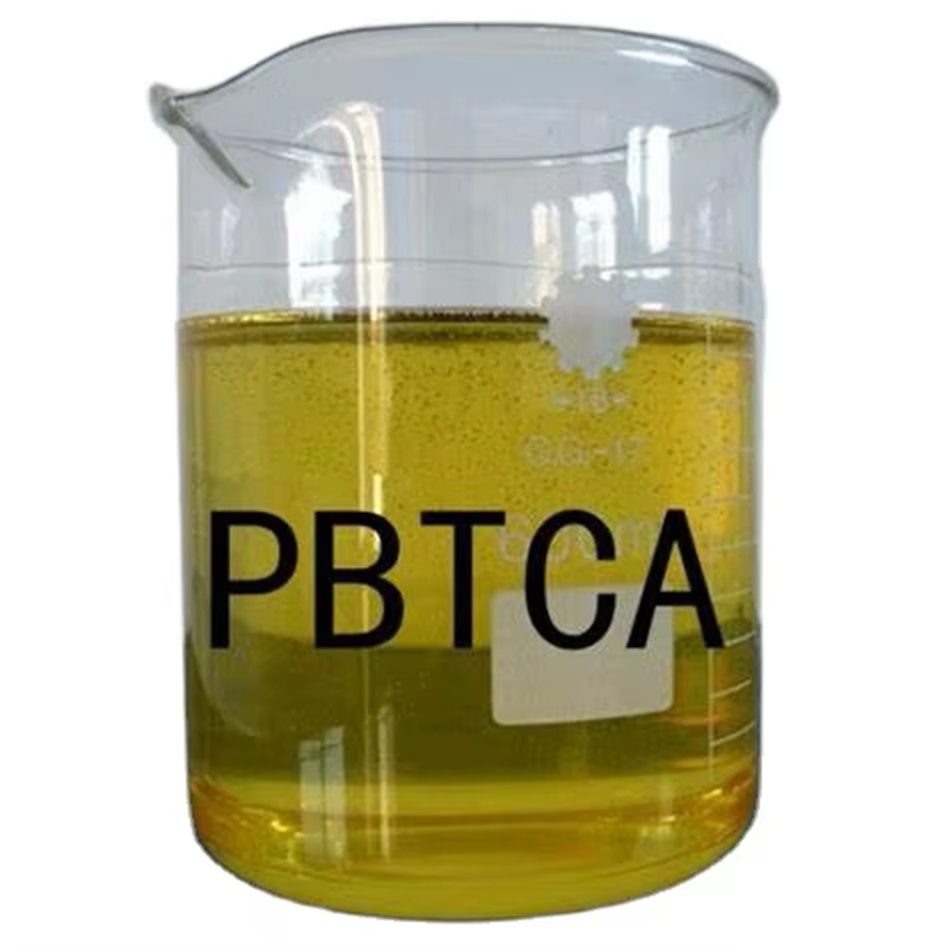
| PBTC (2-Phosphonobutane-1,2,4-Tricarboxylic Acid) | Superior stability in presence of free chlorine; excellent at high temperature/pH. | Systems using oxidizing biocides. |
| PAPEMP (Phosphonic Acid Polyethylene Maleic Ethylene Maleic Polymer) | Designed for high salinity and high turbidity; alternative to EDTA, DTPA, NTA. | Demanding conditions with high hardness and suspended solids. |
| TETHMP (Triethylene Tetramine Hexamethylene Phosphonic Acid) | More phosphonic acid groups than DTPMPA; superior crystal growth disruption. | Very hard waters requiring maximum scale control. |
English & Turkish Names
| Turkish | English |
|---|---|
| Dietilen Triamin Penta Metilen Fosfonik Asit (DTPMPA) | Diethylene Triamine Penta (Methylene Phosphonic Acid) (DTPMPA) |
| Dietilen Triamin Penta Metilen Fosfonik Asit Sodyum Tuzu (CAS 22042-96-2) | Diethylene Triamine Penta (Methylene Phosphonic Acid) Sodium Salt (CAS 22042-96-2) |
| DETPMP | DETPMP |
| Dietilentriaminpentakis(metilfosfonik asit) | Diethylenetriaminepentakis(methylphosphonic acid) |
| Dequest 2060 / 2066 (Ticari isim) | Dequest 2060 / 2066 (Trade name) |