We unleash your business potential by maximize the business innovation.
Send EmailDiethylenetriamine Pentamethylenephosphonic Acid, DTPMP, DETPMP, DTPMPA, DETPMPA, DETAPMP, EDTPMP, 15827-60-8, 67774-91-8, 244775-22-2, 291513-72-9
DIETHYLENETRIAMINE PENTA(METHYLENEPHOSPHONIC ACID) (DTPMP)
CAS 15827-60-8 | C₉H₂₈N₃O₁₅P₅
SECTION 1: PRODUCT IDENTITY AND DEFINITION
| Parameter | Description |
|---|---|
| Product Name | Diethylenetriamine Penta(methylenephosphonic Acid) |
| Other Names | DTPMP, DETPMP, DTPMPA, DETPMPA, DETAPMP, Dequest 2060, EDTPMP, Diethylenetriaminepentakis(methylphosphonic acid) |
| CAS Numbers | 15827-60-8 (Primary), 67774-91-8, 244775-22-2, 291513-72-9 |
| EC Number (EINECS) | 239-931-4 |
| Chemical Formula | C₉H₂₈N₃O₁₅P₅ |
| Molecular Weight | 573.2 g/mol |
| Chemical Class | Organophosphonate / Aminophosphonic Acid |
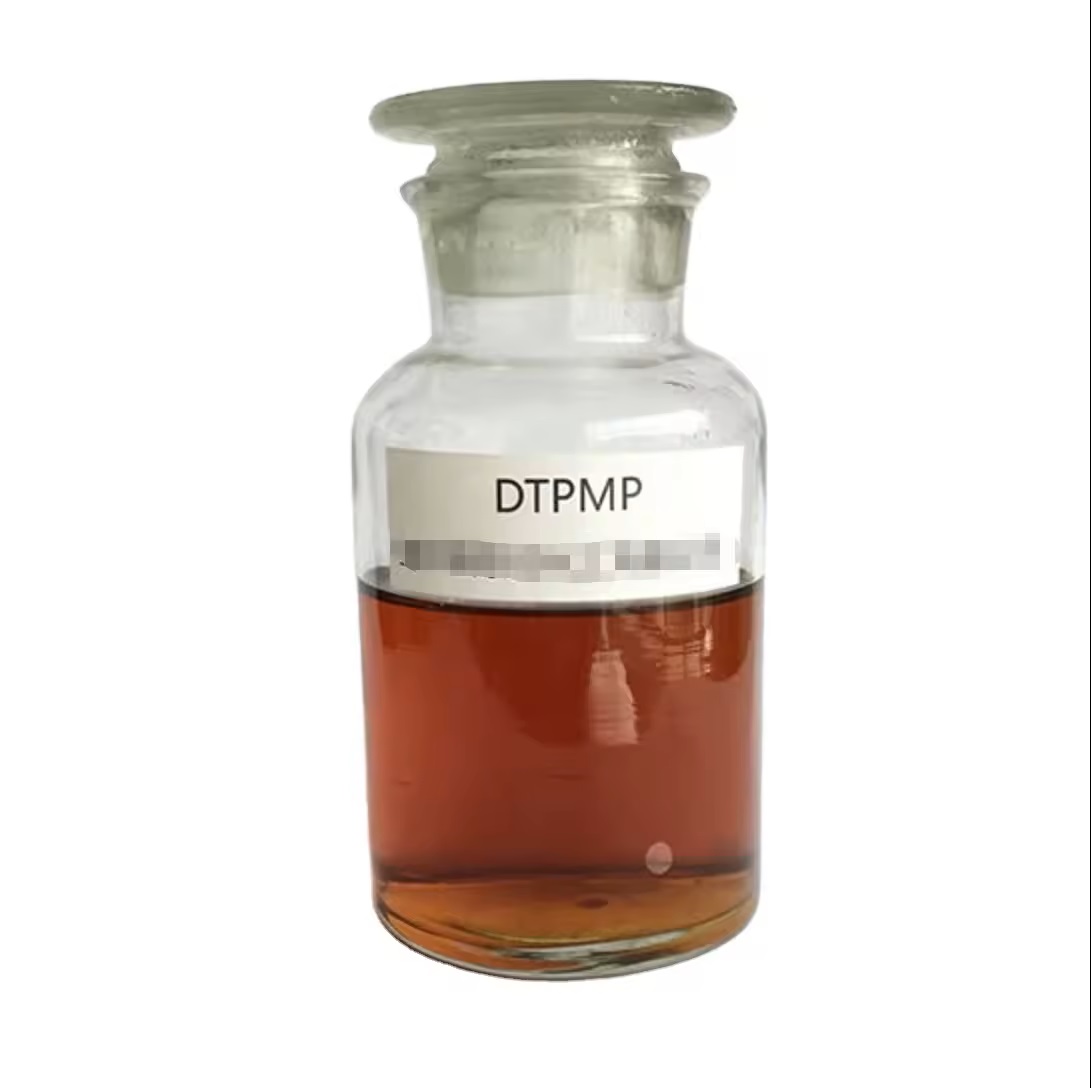
| Appearance | Orange to Pale Yellow Viscous Liquid (50% solution) or White Solid |
| Source | Synthetic |
Description: DTPMP (Diethylenetriamine Penta(methylenephosphonic Acid)) is a powerful organophosphonate chelating agent and corrosion inhibitor. It belongs to the aminophosphonic acid family and is characterized by its five phosphonic acid groups, providing exceptional metal ion binding capacity. DTPMP exhibits excellent scale and corrosion inhibition properties, particularly in alkaline environments and at high temperatures (up to 210°C). It is widely used in circulating cooling water systems, boiler water treatment, oilfield water injection, and as a stabilizer for peroxides and chlorine dioxide biocides. It is also used in textile printing and dyeing, papermaking, electroplating, metal pickling, and cosmetics.
SECTION 2: SYNONYMS AND OTHER NAMES
| No | Synonym / Other Name |
|---|---|
| 1 | DTPMP |
| 2 | DETPMP |
| 3 | DTPMPA |
| 4 | DETPMPA |
| 5 | DETAPMP |
| 6 | EDTPMP |
| 7 | Dequest 2060 |
| 8 | DEQUEST(R) 2060 |
| 9 | Diethylenetriaminepentakis(methylphosphonic acid) |
| 10 | Diethylene Triamine Pentamethylene Phosphonic Acid |
| 11 | Diethylene Triamine Penta(methylene phosphonic acid) |
| 12 | [(bis{2-[bis(phosphonomethyl)amino]ethyl}amino)methyl]phosphonic acid |
| 13 | 15827-60-8 |
| 14 | 67774-91-8 |
| 15 | 244775-22-2 |
| 16 | 291513-72-9 |
| 17 | EC 239-931-4 |
SECTION 3: CHEMICAL STRUCTURE AND PROPERTIES
| Parameter | Description |
|---|---|
| Chemical Family | Organophosphonate / Aminophosphonic Acid |
| Structure | Diethylenetriamine backbone with five methylenephosphonic acid groups (-CH₂PO₃H₂) |
| Functional Groups | Five Phosphonic Acids (-PO₃H₂), Three Amines (-NH-) |
| Chelation | Decadentate ligand; forms highly stable complexes with metal ions |
| pH Dependence | Anionic character increases with pH (phosphonate ionization) |
Structural Formula:
    (HO₃PCH₂)₂N - CH₂ - CH₂ - N(CH₂PO₃H₂) - CH₂ - CH₂ - N(CH₂PO₃H₂)₂

    Diethylenetriamine Penta(methylenephosphonic Acid) (DTPMP)
Key Characteristics:
-
Five phosphonic acid groups: Provide exceptional metal ion binding and chelation (decadentate ligand)
-
Three amine groups: Additional coordination sites
-
Diethylenetriamine backbone: Provides structural stability
-
High chelation capacity: Forms multiple-ring chelates with metal ions
-
Excellent thermal stability: Effective at high temperatures (up to 210°C)
-
Alkaline stability: Performs well in alkaline environments (pH 10-14)
-
Scale inhibition: Effective against carbonate and sulfate scales
SECTION 4: PHYSICAL AND CHEMICAL PROPERTIES
| Parameter | Specification | Typical Value | Test Method |
|---|---|---|---|
| Physical State (25°C) | Liquid (Solution) / Solid | Viscous Liquid | Visual |
| Appearance | Orange to Pale Yellow Liquid | - | Visual |
| Odor | Ammonia-like odor | - | Organoleptic |
| Chemical Formula | C₉H₂₈N₃O₁₅P₅ | - | - |
| Molecular Weight | 573.2 g/mol | - | - |
| Density (50% Solution) | 1.35 g/mL | ~1.35 g/mL | ASTM D4052 |
| Boiling Point | 1003.3 ± 75.0°C (Predicted) | - | - |
| Flash Point | 560.6°C | - | ASTM D93 |
| Water Solubility | 500 g/L at 25°C | - | - |
| Solubility in Aqueous Base | Sparingly soluble | - | - |
| Vapor Pressure (25°C) | 0 Pa | - | - |
| Refractive Index | 1.628 | - | ASTM D1218 |
| pKa | 0.59 ± 0.10 (Predicted) | - | - |
| Decomposition Temperature | 220 – 228°C (dry product) | - | TGA |
| pH (1% Solution) | Acidic | - | USP <791> |
SECTION 5: CHELATION AND INHIBITION MECHANISM
| Parameter | Description |
|---|---|
| Chelating Agent | Decadentate ligand (10-coordinate) |
| Donor Atoms | 5 Phosphonate Oxygen atoms + 3 Amine Nitrogen atoms |
| Metal Ion Binding | Forms highly stable multiple-ring chelates with metal ions |
| Scale Inhibition | Effective against carbonate (CaCO₃) and sulfate (CaSO₄) scales |
| Corrosion Inhibition | Cathodic corrosion inhibitor; forms protective film on metal surfaces |
| Crystal Distortion | Distorts crystal lattice of scale-forming salts |
| Threshold Effect | Effective at very low concentrations (< 3 mg/L achieves >95% inhibition) |
| pH Performance | Excellent in alkaline solutions (pH 10-14) |
| Temperature Resistance | Effective above 210°C |
| Synergistic Effects | Good synergistic ability with polycarboxylates and nitrites |
Description: DTPMP acts by forming highly stable, water-soluble multiple-ring chelates with metal ions. The chelation process involves the coordination of the metal ion by the five phosphonate groups and the three amine nitrogen atoms of the DTPMP molecule. This encapsulating structure effectively "traps" the metal ion, preventing it from participating in precipitation and scale formation. DTPMP is particularly effective as a cathodic corrosion inhibitor, forming a protective film on metal surfaces. It exhibits excellent performance in alkaline environments (pH 10-14) and at high temperatures (above 210°C). At concentrations below 3 mg/L, DTPMP achieves scale inhibition rates above 95%.
SECTION 6: COMPARISON WITH OTHER PHOSPHONATES
| Property | DTPMP | EDTMPA | ATMP | HEDP | PBTC |
|---|---|---|---|---|---|
| CAS Number | 15827-60-8 | 1429-50-1 | 6419-19-8 | 2809-21-4 | 37971-36-1 |
| Chemical Formula | C₉H₂₈N₃O₁₅P₅ | C₆H₂₀N₂O₁₂P₄ | C₃H₁₂NO₉P₃ | C₂H₈O₇P₂ | C₇H₁₁O₉P |
| Molecular Weight | 573.2 | 436.12 | 299.05 | 206.03 | 270.13 |
| Active Groups | 5 Phosphonic | 4 Phosphonic | 3 Phosphonic | 2 Phosphonic | 1 Phosphonic + 3 Carboxylic |
| Chelation Capacity | Very High | Very High | High | High | High |
| Calcium Binding | Excellent | Very High | High | High | Very High |
| Iron Binding | Excellent | Excellent | Very Good | Excellent | Good |
| Thermal Stability | Excellent (210°C+) | High | Good | Good (250°C) | Excellent (300°C) |
| Alkaline Performance | Excellent (pH 10-14) | Good | Good | Good | Very Good |
| Scale Inhibition | Excellent (>95% at 3 mg/L) | Excellent | Good | Excellent | Excellent |
| Corrosion Inhibition | Excellent (Cathodic) | Good | Good | Excellent | Excellent |
| Synergistic Effects | Good with polycarboxylates | Good | Good | Good | Excellent |
SECTION 7: APPLICATIONS
| Industry | Application | Function / Benefit | Typical Dosage |
|---|---|---|---|
| Water Treatment | |||
| Circulating Cooling Water | Scale & corrosion inhibitor | Prevents scale formation and corrosion | 1 – 10 mg/L |
| Alkaline Cooling Systems | Scale & corrosion inhibitor | Effective without pH adjustment | 1 – 10 mg/L |
| Boiler Water | Scale & corrosion inhibitor | Prevents scale in high-temperature systems | 1 – 10 mg/L |
| Power Plant Ash Flushing | Scale & corrosion inhibitor | Prevents scale in ash flushing systems | 1 – 10 mg/L |
| Oilfield Water Injection | Scale & corrosion inhibitor | Prevents scale in injection wells | 5 – 20 mg/L |
| Bleaching & Stabilization | |||
| Peroxide Stabilization | Stabilizer | Stabilizes hydrogen peroxide | 0.1 – 1.0% |
| Chlorine Dioxide Stabilization | Stabilizer | Stabilizes chlorine dioxide biocide | 0.1 – 1.0% |
| Oxygen Delignification | Stabilizer | Stabilizes oxygen delignification | 0.1 – 1.0% |
| Textile Industry | |||
| Textile Printing & Dyeing | Chelating agent, dispersant | Binds metal ions; improves dye dispersion | 0.1 – 1.0% |
| Metal Treatment | |||
| Metal Cleaning | Chelating agent | Removes metal surface grease | 1 – 5% |
| Cyanide-Free Electroplating | Additive | Improves plating quality | 0.1 – 1.0% |
| Metal Pickling | Chelating agent | Removes metal oxides | 1 – 5% |
| Pharmaceuticals | |||
| Antibiotic Synthesis | Raw material | Used in synthesis of antibiotics | - |
| Agriculture | |||
| Herbicide Synthesis | Raw material | Used in synthesis of herbicides | - |
| Fertilizer Additives | Trace element carrier | Carries micronutrients | 0.1 – 1.0% |
| Other Applications | |||
| Detergents | Chelating agent, scale inhibitor | Binds metal ions; prevents scale | 0.1 – 1.0% |
| Paper Industry | Scale inhibitor, dispersant | Prevents scale in paper machines | 1 – 5 mg/L |
| Pigment Dispersants | Dispersant | Improves pigment dispersion | 0.1 – 1.0% |
| Concrete Additives | Additive | Improves concrete properties | 0.1 – 0.5% |
| Cosmetics | Chelating agent | Binds metal ions | 0.05 – 0.5% |
| Precious Metal Extraction | Extracting agent | Extracts precious metals | Varies |
SECTION 8: DOSAGE AND PERFORMANCE
| Application | Dosage | Performance |
|---|---|---|
| Scale Inhibition (Alkaline Conditions) | < 3 mg/L | > 95% scale inhibition rate |
| Scale Inhibition (Neutral Conditions) | 1 – 10 mg/L | Excellent performance |
| Corrosion Inhibition | 5 – 20 mg/L | Cathodic protection |
| Peroxide Stabilization | 0.1 – 1.0% | Effective stabilization |
| Chlorine Dioxide Stabilization | 0.1 – 1.0% | Effective stabilization |
| Combined with Polycarboxylates | Variable | Synergistic effect |
| Combined with Nitrites | Variable | Synergistic effect |
SECTION 9: ADVANTAGES AND BENEFITS
| Advantage | Description |
|---|---|
| Exceptional Chelation Capacity | Five phosphonic acid groups (decadentate ligand) provide maximum metal ion binding |
| Excellent Scale Inhibition | >95% scale inhibition rate at <3 mg/L concentration |
| Superior Alkaline Performance | Excellent scale and corrosion inhibition in alkaline solutions (pH 10-14) |
| High Temperature Resistance | Effective above 210°C; decomposition at 220-228°C |
| No pH Adjustment Required | Can be used in alkaline systems without pH adjustment |
| Cathodic Corrosion Inhibition | Forms protective film on metal surfaces |
| Multiple-Ring Chelate Formation | Forms highly stable complexes with metal ions |
| Synergistic Effects | Good synergy with polycarboxylates and nitrites |
| Versatility | Used in water treatment, textiles, paper, electroplating, cosmetics, and more |
| Oxidizing Biocide Stabilization | Stabilizes peroxides and chlorine dioxide biocides |
| Dirt Deposition Control | Maintains low dirt deposition even when used alone |
SECTION 10: REGULATORY STATUS
| Region / Authority | Status | Description |
|---|---|---|
| European Union | Permitted | Water treatment chemical, industrial applications |
| Turkey | Permitted | Compliant with EU legislation |
| USA (EPA) | Permitted | Approved as water treatment chemical |
| Japan | Permitted | Approved as water treatment chemical |
| Canada | Permitted | Health Canada approved |
| REACH | Registered | Compliant with EU chemical regulations |
SECTION 11: SAFETY AND TOXICOLOGICAL PROFILE
| Parameter | Assessment |
|---|---|
| Acute Oral Toxicity | Low toxicity |
| Skin Irritation | May cause irritation |
| Eye Irritation | Risk of serious damage (R41) |
| Respiratory Irritation | May cause irritation (R37/38) |
| Aquatic Toxicity | Toxic to aquatic organisms; may cause long-term adverse effects (R51/53) |
| Biodegradability | Biodegradable |
GHS Classification:
-
R36/37/38 – Irritating to eyes, respiratory system, and skin
-
R41 – Risk of serious damage to eyes
-
R37/38 – Irritating to respiratory system and skin
-
R51/53 – Toxic to aquatic organisms; may cause long-term adverse effects
Safety Recommendations:
-
S26: In case of eye contact, rinse immediately with plenty of water and seek medical advice
-
S36: Wear suitable protective clothing
-
S33: Take precautionary measures against static discharges
-
S28: After contact with skin, wash immediately with plenty of soap-suds
-
S23: Do not breathe vapor
-
S39: Wear eye/face protection
-
PPE: Chemical resistant gloves, safety goggles, protective clothing
-
Avoid contact with eyes and skin; rinse thoroughly with water if contact occurs
SECTION 12: STORAGE AND SHELF LIFE
| Parameter | Information |
|---|---|
| Storage Temperature | 5 – 30°C (cool, dry) |
| Storage Conditions | Cool, dry, well-ventilated area |
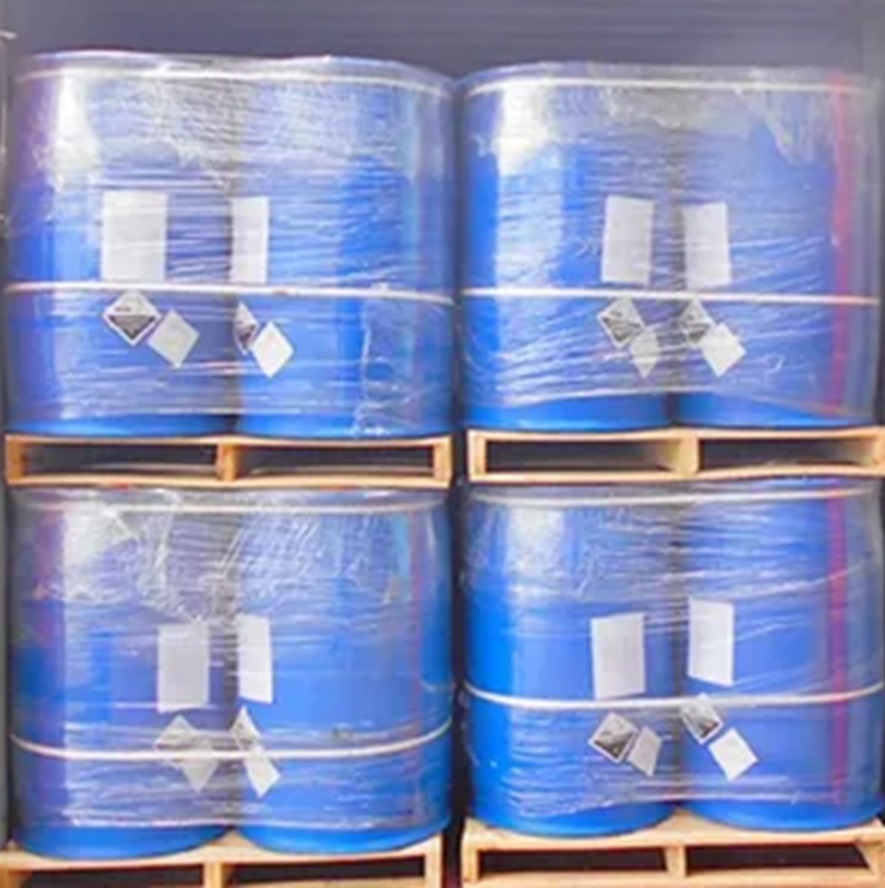
| Container Requirements | Sealed containers; protect from moisture |
| Protect From | Moisture, humidity, contamination, static discharges |
| Hygroscopicity | Hygroscopic |
| Shelf Life | 12 – 24 months (under proper storage) |
| Degradation Signs | Color change, precipitation, odor change |
| Compatibility | Compatible with most water treatment chemicals |
SECTION 13: QUALITY CERTIFICATES AND STANDARDS
| Certificate / Standard | Status | Description |
|---|---|---|
| ISO 9001:2015 | Certified | Quality management system |
| ISO 14001:2015 | Certified | Environmental management system |
| REACH | Registered | EU chemical regulation compliance |
| Certificate of Analysis (COA) | Provided with each batch | Includes binding specifications |
| Safety Data Sheet (SDS) | Available | Current 16-section document |
| Technical Data Sheet (TDS) | Available | Comprehensive technical information |
| GMP | Compliant | Manufacturing quality standards |
SECTION 14: DISCLAIMER AND LEGAL NOTICE
| Item | Description |
|---|---|
| Information Purpose | This Technical Data Sheet (TDS) is for informational purposes only and does not constitute a binding specification. |
| Typical Values | Values stated herein are based on typical laboratory results and may vary slightly between batches. |
| Binding Data | For binding specifications, the Certificate of Analysis (COA) for each batch should be requested. |
| User Responsibility | The user is solely responsible for determining the suitability of the product for the intended application and ensuring compliance with all applicable regulations. |
| SDS Requirement | A current Safety Data Sheet (SDS) should be requested from the supplier prior to use. |
| Safety Information | Safety information in this document is based on current knowledge but does not constitute a guarantee of the product's health and safety risks. |
| Regulatory Changes | The user is responsible for monitoring local and international regulatory changes. |
| Product Quality | Product quality is guaranteed in accordance with the standards specified in this document. |
| License / Patents | This document does not grant any license or patent rights for use of the product. |
| Side Effects | May cause skin and eye irritation; appropriate protective measures should be taken. Toxic to aquatic organisms. |
DISCLAIMER (LEGAL NOTICE): This Technical Data Sheet (TDS) is for informational purposes only and does not constitute a binding specification. The values stated herein are based on typical laboratory results. The user is solely responsible for determining the suitability of the product for the intended application and for ensuring compliance with all local regulations. A current Safety Data Sheet (SDS) and Certificate of Analysis (COA) should be requested prior to use. May cause skin and eye irritation; appropriate protective measures should be taken. Toxic to aquatic organisms; avoid release to the environment. This document does not grant any license or patent rights for use of the product.