We unleash your business potential by maximize the business innovation.
Send EmailAluminum Chlorohydrate, Aluminum Hydroxychloride, Aluminum Chloride Oxide, Aluminum Pentahydrate, Aluminum Chloro Hydroxide Dihydrate, ACH, 12042-91-0
🔹 Chemical Properties
-
General Formula: AlₙCl₍₃ₙ₋ₘ₎(OH)ₘ
-
Common Variant Formula: Al₂Cl(OH)₅
-
CAS Number: 12042-91-0
-
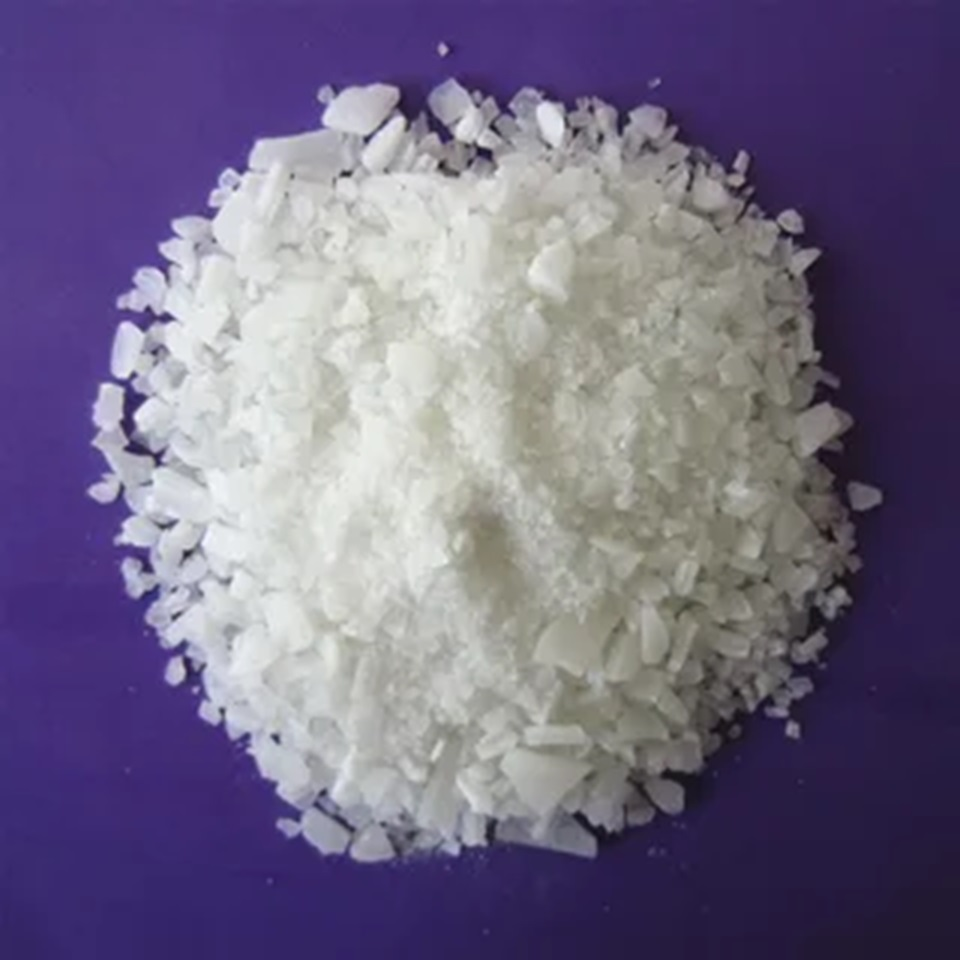
Appearance: White crystalline solid or colorless liquid
-
Solubility: Easily soluble in water
-
Structure: Polymeric, loosely hydrated inorganic salt
🔹 Production Methods
-
Raw Materials: Aluminum metal, aluminum trihydrate, aluminum sulfate, or combinations
-
Reaction: Aluminum compounds react with hydrochloric acid → hydrolysis → polymerization
-
Processes:
-
Boiling-pyrolysis method: AlCl₃ heated at ~170 °C, HCl recovered
-
Hydrolysis-aging method: Produces polyaluminum chloride solution
-
Concentration & drying: Solid PAC product obtained
-
🔹 Applications
| Sector | Usage | Explanation |
|---|---|---|
| Cosmetics | Antiperspirants & deodorants | Temporarily blocks sweat glands to reduce perspiration. FDA allows up to 25% concentration. |
| Water Treatment | Coagulant | Removes dissolved organic matter and colloidal particles. Often more effective than aluminum sulfate due to higher charge density. |
| Refractory Materials | Binder | During heating, Al₂O₃ formation aids sintering, improving binding strength. |
| Industrial | Paper, leather, pharmaceuticals | Used as binder and coagulant in various processes. |
| Wastewater Treatment | Heavy metal & oil removal | Effective in removing cadmium, fluoride, radioactive contaminants, and floating oil. |
🔹 Safety & Regulation
-
FDA Approval: Safe for use in antiperspirants up to 25% concentration
-
Health Effects: No significant long-term risks found in studies
-
pH Impact: Minimal effect on treated water compared to other aluminum/iron salts
🔹 Alternative Names
-
Aluminum pentahydrate
-
Polyaluminum chloride (PAC)
-
Aluminum chloride oxide
-
Aluminum hydroxychloride
-
Aluminum chlorohydroxide, dihydrate
🔹 Notes for Supplier Benchmarking
-
Cosmetic grade: INCI name and FDA limits must be documented
-
Water treatment grade: Coagulation efficiency, pH impact, heavy metal removal capacity should be specified
-
Refractory grade: Binding strength, alkalinity (46–72%), density (1.17–1.23 kg/m³) are critical parameters
🔹 Comparative Table — Aluminum Chlorohydrate Versions
| Product Name | Formula | Typical Applications | Key Properties | Notes |
|---|---|---|---|---|
| Aluminum Chlorohydrate (ACH) | Al₂Cl(OH)₅ | Antiperspirants, deodorants | White crystalline solid or colorless liquid, water-soluble | FDA-approved up to 25% in OTC antiperspirants |
| Polyaluminum Chloride (PAC) | [Al₂(OH)ₙCl₆₋ₙ]ₘ | Water treatment (coagulant) | Polymeric, high charge density, effective in colloid removal | More efficient than alum (Al₂(SO₄)₃) in coagulation |
| Aluminum Hydroxychloride | AlₙCl₍₃ₙ₋ₘ₎(OH)ₘ | Cosmetics, water treatment | Polymeric, loosely hydrated | Often interchangeable with ACH in cosmetic formulations |
| Aluminum Chlorohydroxide, Dihydrate | Al₂Cl(OH)₅·2H₂O | Cosmetics, pharmaceuticals | Hydrated crystalline form | Used where controlled hydration is required |
| Aluminum Chloride Oxide | AlOCl (generalized) | Specialty industrial, refractory | Oxide-rich, less common | Sometimes referenced in refractory binder applications |
| Aluminum Pentahydrate | Al₂Cl(OH)₅·5H₂O | Cosmetics, pharmaceuticals | Highly hydrated | Stability depends on storage conditions |
🔹 Key Differentiation
-
Cosmetic Grade (ACH, Hydroxychloride, Pentahydrate, Dihydrate):
-
Focus on purity, hydration state, and FDA/INCI compliance.
-
Used in antiperspirants, deodorants, and skin-care products.
-
-
Water Treatment Grade (PAC, Hydroxychloride):
-
Higher polymerization and charge density → better coagulation efficiency.
-
Preferred over alum due to lower impact on treated water pH.
-
-
Industrial/Refractory Grade (PAC, Chloride Oxide):
-
Acts as a binder in refractory materials.
-
Produces Al₂O₃ upon heating, aiding sintering.
-
-
Supplier validation: CAS number, production method (hydrolysis + polymerization), certifications (ISO, GMP, FDA) must be requested