We unleash your business potential by maximize the business innovation.
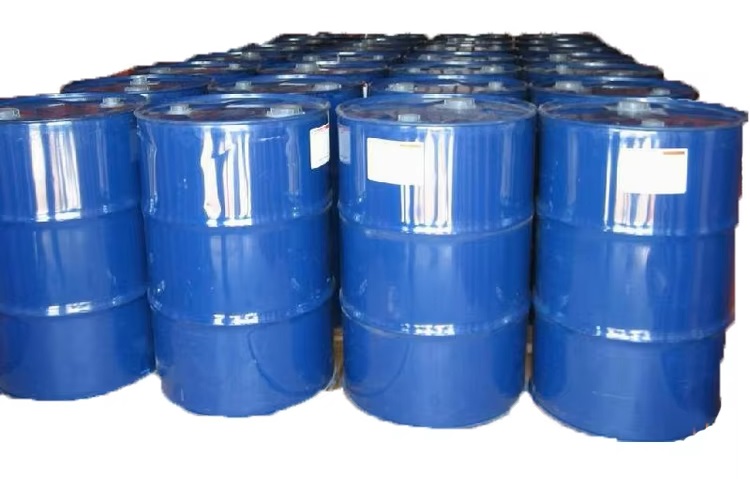
Send EmailIsopropyl Alcohol, Isopropanol, Rubbing Alcohol, IPA, 67-63-0
ISOPROPYL ALCOHOL (IPA)
1. PRODUCT DEFINITION AND CHEMICAL IDENTITY
| Parameter | Description |
|---|---|
| Chemical Name (IUPAC) | Propan-2-ol |
| Common Name | Isopropyl Alcohol (IPA), Isopropanol |
| Other Names | 2-Propanol, Sec-propyl alcohol, 1-Methylethyl alcohol, 2-Hydroxypropane, Rubbing alcohol |
| CAS Number | 67-63-0 |
| EC Number | 200-661-7 |
| Molecular Formula | C₃H₈O |
| Molecular Weight | 60.10 g/mol |
| Appearance | Clear, colourless, volatile liquid |
| Odour | Characteristic, sharp alcohol odour |
Note: Isopropyl alcohol is an isomer of 1-propanol and is a secondary alcohol. Due to its antiseptic and disinfectant properties, it is widely used in industry, healthcare, and household applications. It shares many properties with ethanol but is not suitable for human consumption and is more toxic than ethyl alcohol. It is miscible in all proportions with water and many organic solvents.
2. PHYSICAL AND CHEMICAL PROPERTIES
| Property | Value / Description |
|---|---|
| Physical form | Clear, colourless liquid |
| Molecular Weight | 60.10 g/mol |
| Melting point | −89.5 °C |
| Boiling point | 82.5 °C |
| Flash point (closed cup) | 12 °C (highly flammable) |
| Autoignition temperature | 399 °C |
| Density (25 °C) | 0.785 – 0.875 g/cm³ (anhydrous to aqueous) |
| Vapour pressure (20 °C) | 4.4 kPa (33 mmHg) |
| Vapour density (air=1) | 2.1 (vapours are heavier than air) |
| Solubility in water | Completely miscible in all proportions |
| Solubility in organic solvents | Miscible in all proportions with alcohol, ether, chloroform; insoluble in salt solutions |
| Viscosity (25 °C) | 2.0 mPa·s |
| Refractive index (n²⁰/D) | 1.377 |
| pH (10% aqueous solution) | Neutral (~7) |
| Stability | Stable in closed containers; volatile, so loss occurs in open containers. Keep away from heat and direct sunlight. |
3. FUNCTIONAL PROPERTIES AND APPLICATION AREAS
| Property / Function | Description |
|---|---|
| Disinfectant and Antiseptic | Exhibits broad-spectrum antimicrobial activity against bacteria, viruses, and fungi. The most effective concentration range is 60-70% (aqueous solution). Used as a skin antiseptic and surface disinfectant. |
| Solvent | Due to its excellent miscibility with water and organic solvents, it dissolves a wide range of resins, oils, waxes, inks, and paints. Widely used in industrial cleaning and formulations. |
| Cleaning and Degreasing | Preferred for cleaning electronics, optics, and precision surfaces due to its fast evaporation and degreasing ability. Cleans without leaving a residue. |
| Fast Evaporation | High volatility allows surfaces to dry quickly after application; this is an advantage in cleaning and disinfection applications. |
| Fuel Additive | Added to gasoline and diesel to prevent water in the fuel system from freezing (fuel system antifreeze). |
| Cosmetics and Personal Care | Found as a solvent and cooling agent in hair dyes, lotions, aftershaves, and mouthwashes. |
| Laboratory Use | Widely used for DNA/RNA precipitation, surface sterilization, and general laboratory cleaning. |
| Pharmaceutical | Used as a solvent and antiseptic in hand sanitizers, disinfectant wipes, and some topical drug formulations. |
4. TYPICAL SPECIFICATIONS (Industrial and Pharmaceutical Grade)
| Parameter | Specification |
|---|---|
| Purity (%) | ≥ 99.5 (anhydrous); 70% (aqueous disinfectant) |
| Water Content (%) | ≤ 0.5 (anhydrous grade) |
| Acidity (as acetic acid, %) | ≤ 0.002 |
| Non-Volatile Residue (ppm) | ≤ 10 |
| Colour (Pt-Co, APHA) | ≤ 10 |
5. USAGE RATES (Sectoral)
| Sector / Application | Typical Usage / Concentration |
|---|---|
| Hand and Skin Disinfection | 60 – 70% aqueous solution |
| Surface Disinfection and General Cleaning | 70 – 99% (neat or diluted) |
| Electronics / Precision Cleaning | ≥ 99% (anhydrous, residue-free) |
| Cosmetics and Personal Care | 1 – 50% in formulation |
| Laboratory (DNA/RNA precipitation) | ≥ 99% (cold application) |
| Fuel Additive (Antifreeze) | 0.5 – 2% added to fuel |
6. ADVANTAGES AND DISADVANTAGES
| ✅ Advantages | ❌ Disadvantages |
|---|---|
| Broad-spectrum, fast-acting disinfectant | Not suitable for human consumption (more toxic than ethyl alcohol) |
| Excellent miscibility with water and many organic solvents | Highly flammable (flash point 12 °C) |
| Evaporates quickly, leaves no residue | Vapours are heavier than air and can accumulate in confined spaces, posing a fire risk |
| Lower cost and subject to fewer regulations than ethanol | Has a drying effect on the skin; may cause irritation with frequent use |
| Versatile industrial solvent | Strong odour can be unpleasant in some applications |
| Not subject to special consumption tax like ethanol (in Türkiye) | Can react with acids and oxidizing agents |
7. ALTERNATIVES AND COMPARISON
| Alternative | Comparison with IPA |
|---|---|
| Ethyl Alcohol (Ethanol) | Similar efficacy as a disinfectant; suitable for food-grade and potable applications. More expensive than IPA and subject to special consumption tax in many countries. Evaporation is slightly slower. |
| n-Propanol (1-Propanol) | An isomer of IPA; has a stronger disinfectant effect but a more pungent odour and higher cost. |
| Methanol | Cheaper but has high toxicity; cannot be used as a disinfectant. IPA is a much safer alternative. |
| Acetone | Has similar solvent applications; evaporates faster but has no disinfectant properties and is more aggressive towards plastics. |
8. SAFETY, STORAGE, AND TRANSPORT
-
GHS Classification (CLP Regulation):
-
Signal Word: Danger
-
Hazard Statements:
-
H225: Highly flammable liquid and vapour.
-
H319: Causes serious eye irritation.
-
H336: May cause drowsiness or dizziness.
-
-
Precautionary Statements: P210, P233, P240, P241, P242, P243, P261, P264, P271, P280, P303+P361+P353, P304+P340, P305+P351+P338, P312, P337+P313, P403+P235, P405, P501.
-
-
Transport Class: UN 1219, Class 3 (Flammable Liquid), Packing Group II.
-
Storage:
-
Store in a cool (<25 °C), dry, and well-ventilated area, away from heat, sparks, and open flames.
-
Keep in tightly closed, original packaging.
-
Store separately from strong oxidizers, acids, and anhydrides.
-
Take precautionary measures against static electricity; ground containers.
-
-
Personal Protective Equipment (PPE): Chemical-resistant gloves (nitrile, neoprene), safety goggles, and adequate ventilation. Use a respirator with an organic vapour cartridge when working with large quantities or in confined spaces.
-
Fire Fighting: Use CO₂, dry chemical powder, or alcohol-resistant foam. A water spray may be ineffective as it can spread the fire.
9. FREQUENTLY ASKED QUESTIONS
Q1: What is the difference between isopropyl alcohol and ethyl alcohol?
Both are alcohols and are used as disinfectants. IPA (a secondary alcohol) evaporates faster, is a better degreaser, and is generally cheaper than ethyl alcohol (a primary alcohol). However, while ethyl alcohol is used to produce potable alcoholic beverages, IPA is toxic for human consumption and must never be ingested.
Q2: What is its most effective concentration as a disinfectant?
The most effective disinfectant concentration is in the 60-70% (aqueous solution) range. Pure 99% IPA can rapidly coagulate bacterial proteins, forming a protective layer that may reduce disinfection efficacy. Water optimizes the penetration of the alcohol through the microorganism's cell wall, thus increasing effectiveness.
Q3: Why is it called "rubbing alcohol"?
The term "rubbing alcohol" typically refers to products containing 70% IPA, used for massage and skin cleansing. These products provide a cooling sensation on the skin and evaporate quickly.
Q4: What materials can IPA damage?
Some plastics (acrylic, polystyrene), certain rubbers, painted surfaces, and varnished wood can be affected by IPA; they may dissolve, become dull, or change colour. It is recommended to test on an inconspicuous area before using on sensitive surfaces.
Q5: What is the shelf life?
When stored under proper conditions (cool, dry, sealed packaging), the shelf life is at least 24 months. Once opened, it is recommended to use it as soon as possible, as loss of concentration may occur due to its volatility.
10. QUICK REFERENCE TABLE
| Property | Value |
|---|---|
| CAS | 67-63-0 |
| Formula | C₃H₈O |
| Molecular Weight | 60.10 g/mol |
| Appearance | Clear, colourless liquid |
| Boiling Point | 82.5 °C |
| Flash Point | 12 °C |
| Density | ~0.785 g/cm³ |
| Main Uses | Disinfectant, solvent, cleaner, fuel additive |
| Hazard Class | UN 1219, Class 3 (Flammable Liquid) |