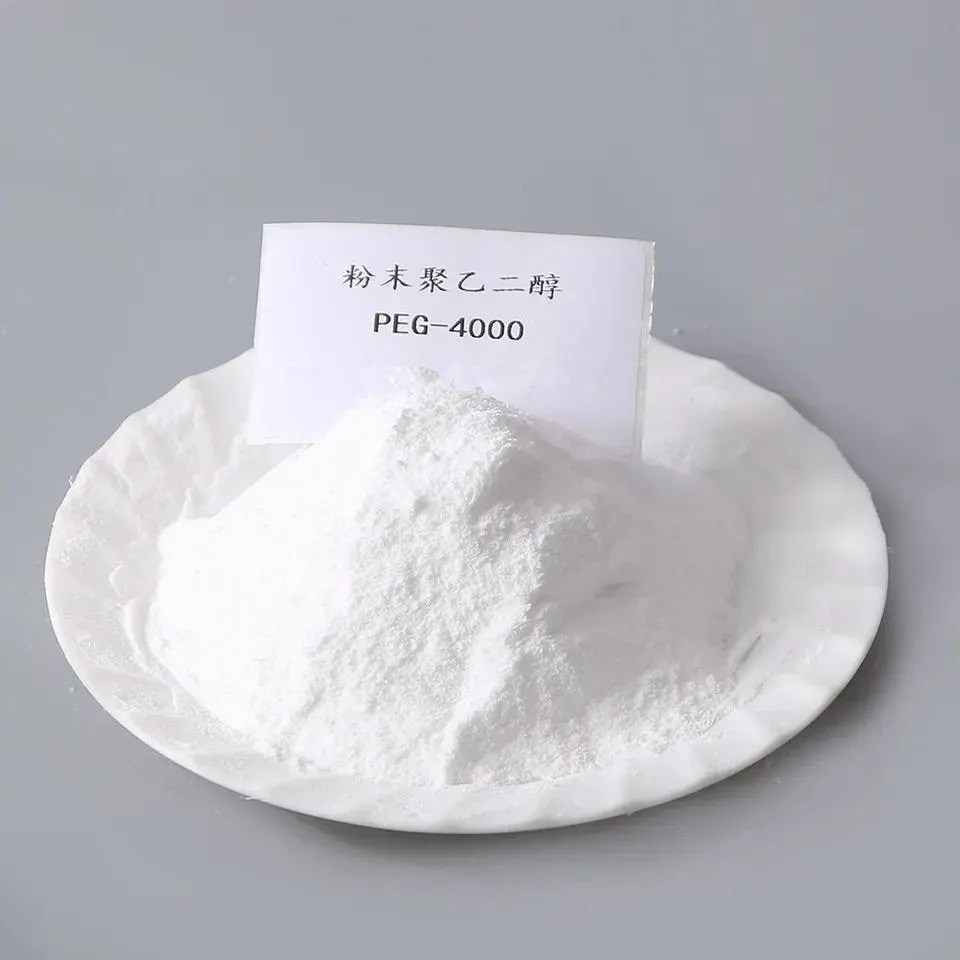
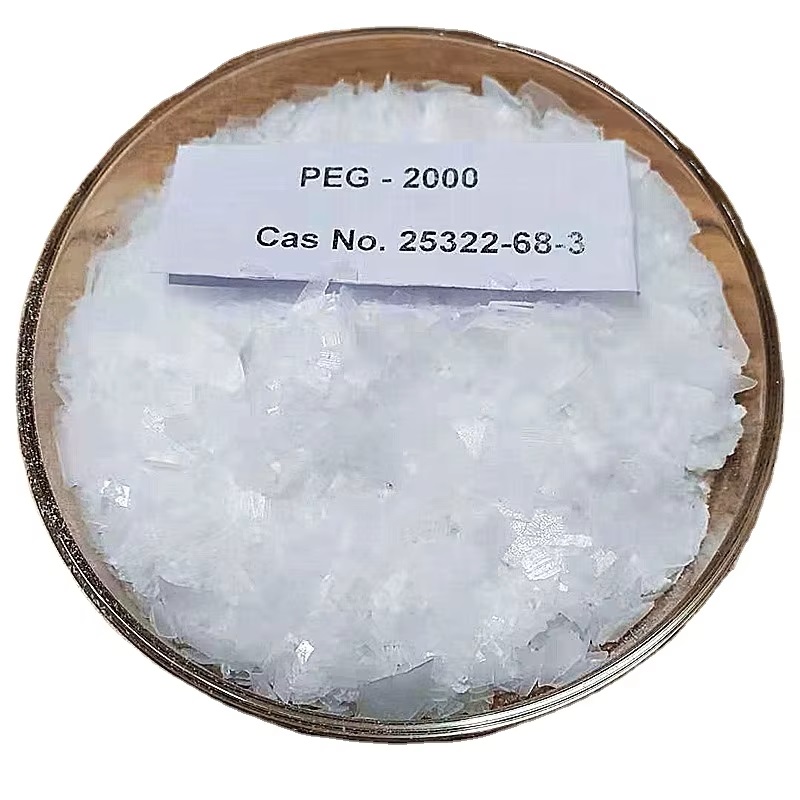
PEG 6000 Distearate, PEG-150 Distearate, Polyethylene Glycol 6000 Distearate, Polyoxyethylene 150 Distearate, POE 150 Distearate, 9005-08-7
PEG 6000 Distearate (PEG-150 Distearate)
CAS Number: 9005-08-7
Section 1: Product Identification
| Parameter |
Information |
| Product Name |
PEG 6000 Distearate |
| INCI Name |
PEG-150 Distearate |
| CAS Number |
9005-08-7 |
| Molecular Formula |
(C2H4O)nC36H70O3 |
| Synonyms |
Polyethylene Glycol Distearate, Polyoxyethylene (150) Distearate, POE(150) Distearate, Poly(oxy-1,2-ethanediyl), α-(1-oxooctadecyl)-ω-[(1-oxooctadecyl)oxy]- |
| Chemical Class |
Nonionic Surfactant, Polyethylene Glycol Fatty Acid Ester |
Section 2: Physicochemical Properties
| Parameter |
Value |
Condition |
| Physical Appearance |
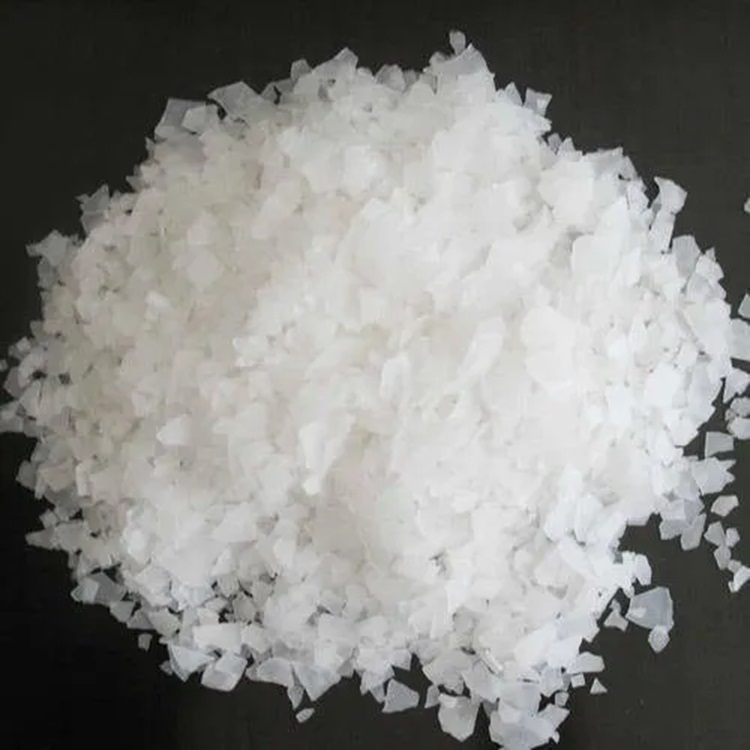
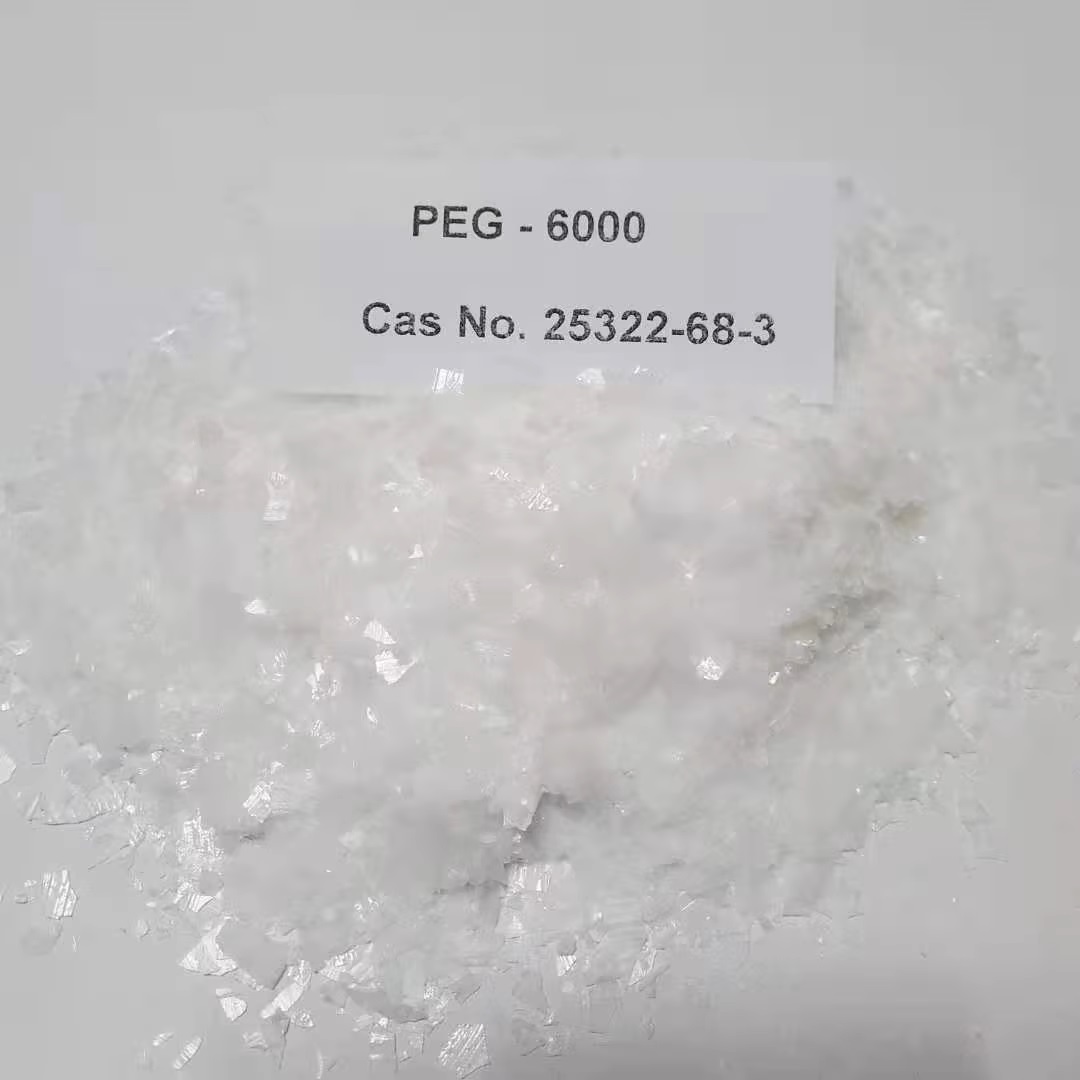
White to off-white solid, flakes or granules |
|
| Color |
1 Gard max |
|
| Melting Point |
54 - 62 °C |
|
| HLB Value |
16.5 - 18.4 |
|
| Density |
~0.968 g/cc |
At 65°C |
| Flash Point |
>150 °C (>300 °F) |
|
| pH (3% dispersion) |
4.0 - 7.0 |
|
| Moisture Content |
1.0% max |
|
Section 3: Chemical Specification Values
| Parameter |
Value |
Method |
| Acid Value |
5.0 - 9.0 mg KOH/g max |
Titration |
| Saponification Value |
14 - 22 mg KOH/g |
Titration |
| Hydroxyl Value |
2.5 mg KOH/g max |
Titration |
| Molecular Weight (PEG backbone) |
~6000 g/mol |
Calculated |
| EO Units (average) |
~150 |
Calculated |
Section 4: Solubility and Compatibility
| Solvent |
Solubility |
| Water |
Soluble in hot water |
| Ethanol |
Soluble |
| Vegetable Oil |
Insoluble |
| Mineral Oil |
Insoluble |
Compatibility: Compatible with nonionic, anionic, and amphoteric surfactants. Works synergistically with amphoteric surfactants such as Cocamidopropyl Betaine and anionic surfactants such as SLES .
Section 5: Functional Properties
| Function |
Description |
| Emulsifier |
High HLB (16.5-18.4) makes it suitable for oil-in-water (O/W) emulsions; stabilizes emulsions and prevents phase separation |
| Thickener/Viscosity Controller |
Effectively increases viscosity in surfactant-based systems; a 5% aqueous solution at pH 7 and 25°C yields viscosity ≥2,000 mPa·s |
| Surfactant |
Reduces surface tension; aids in cleaning by enabling oil and water to mix |
| Solubilizer |
Helps dissolve water-insoluble ingredients |
| Film Former |
Forms a thin film on hair, reducing static electricity and improving combability |
Section 6: Applications
Personal Care and Cosmetics
| Product Category |
Function |
| Shampoos (including baby shampoos) |
Thickener, foam stabilizer |
| Conditioners |
Film former, anti-static agent |
| Shower Gels and Body Washes |
Viscosity builder, texture enhancer |
| Hand Washes |
Thickener |
| Shaving Creams |
Consistency agent |
| Creams and Lotions |
Co-emulsifier, stabilizer |
| Facial Cleansers |
Viscosity control, mild cleansing |
| Sunscreens |
Emulsion stabilizer |
Industrial Applications
| Industry |
Application |
| Paints and Coatings |
Thickener, emulsifier |
| Dyes and Pigments |
Consistency control, emulsification |
| Textile Lubricants |
Emulsifier |
Section 7: Usage Guidelines
| Parameter |
Recommendation |
| Typical Use Concentration |
0.5% - 5.0% of formulation |
| Processing Temperature |
Heat to 60-70°C to melt completely |
| Incorporation Method |
Melt with other surfactants at 60°C; blend into water phase at 35°C; add oil phase and adjust pH |
Section 8: Stability and Storage
| Parameter |
Requirement |
| Storage Temperature |
15°C - 40°C |
| Container |
Keep tightly closed |
| Protection |
Protect from humidity, oxidizing agents, excessive heat, and ignition sources |
| Ventilation |
Store and use in well-ventilated areas |
| Shelf Life |
24 months under proper storage conditions |
| Special Precautions |
Keep away from sunlight; do not store near heat, sparks, or flame |
Section 9: Safety and Handling
Hazard Identification
| Route of Exposure |
Effects |
| Inhalation |
Negligible unless heated; vapors or mist may irritate mucous membranes, cause dizziness and nausea |
| Eye Contact |
May cause irritation |
| Skin Contact |
Prolonged or repeated contact may cause irritation of hair follicles and block sebaceous glands, potentially causing rash, acne, or dermatitis |
| Ingestion |
May irritate digestive tract |
| Hot Material |
Molten material can cause thermal burns |
GHS Classification Notes
According to EWG assessment: Potential concerns include evidence of acute aquatic toxicity, digestive system effects, and nervous system effects . Note that some sources list Proposition 65 and IARC concerns; however, CIR and FDA have generally recognized this ingredient as safe for cosmetic use under current practices .
Section 10: First Aid Measures
| Exposure |
First Aid Procedure |
| Eyes |
Irrigate with heavy stream of water for at least 15-20 minutes. Seek medical attention if symptoms persist |
| Skin |
Wash exposed areas with soap and water. For hot molten material, cool burned area by immersing in cold water or applying cold water |
| Inhalation |
Remove from exposure area. If breathing is difficult, give oxygen. Seek medical attention if symptoms persist |
| Ingestion |
Drink water. Do NOT induce vomiting. If gastrointestinal symptoms develop, consult medical personnel |
Section 11: Fire Fighting Measures
| Parameter |
Information |
| Flash Point |
>150 °C (>300 °F) |
| Extinguishing Media (small fires) |
Carbon dioxide or dry chemical |
| Extinguishing Media (large fires) |
Foam and water spray |
| Firefighter PPE |
Full firefighting turn-out gear with self-contained breathing apparatus (SCBA) operated in positive pressure mode |
Section 12: Accidental Release Measures
| Spill Size |
Procedure |
| Small Spills |
Remove sources of ignition. Pick up with absorbent materials such as paper towels, "Oil Dry", sand, or dirt |
| Large Spills |
Contain spill to smallest possible area. Stop leak if possible. Recover for salvage or disposal |
| Post-Cleanup |
Wash hard surfaces with safety solvent or detergent. Note: Greasy nature will result in slippery surfaces |
Section 13: Personal Protective Equipment (PPE)
| Protection Type |
Requirement |
| Eye and Face |
Chemical splash goggles |
| Skin (hot material) |
Neoprene-type gloves, rubber boots and apron |
| Skin (ambient) |
Working uniform is adequate |
| Respiratory |
In presence of mists or dusts, use NIOSH/OSHA approved mask and/or respirator |
| Engineering Controls |
Local ventilation if necessary to control dust or fumes from hot material |
| Hygienic Practices |
Wash hands with soap and water after handling. Remove and wash contaminated clothing |
Section 14: Regulatory Information
| Regulation/Region |
Status |
| USA (TSCA) |
Listed |
| Europe (EINECS) |
Polymer exempt |
| Canada (DSL) |
Listed |
| Australia (AICS) |
Listed |
| Japan (ENCS) |
Listed |
| Korea (ECL) |
Listed |
| China (IECSC) |
Listed |
| FDA |
21 CFR 73.1 (color additive regulations) |
| CIR |
Safe for use in cosmetics under current practices |
| RSPO |
Compliant (certified sustainable palm oil available) |
| COSMOS/ECOCERT |
Approved |
Section 15: Environmental Information
| Parameter |
Assessment |
| Aquatic Toxicity |
Low acute toxicity to aquatic life (EPA testing) |
| Biodegradability |
May be slowly biodegradable (polymer structure) |
| EWG Score |
Hazard score varies by application; low concern for aquatic toxicity, moderate concerns for other endpoints in concentrated industrial settings |
Section 16: Transport Information
| Parameter |
Information |
| UN Number |
Not regulated (not hazardous for transport under normal conditions) |
| Transport Hazard Class |
Not classified |
| Packaging Group |
Not applicable |
| Marine Pollutant |
No |
| Special Precautions |
Avoid melting during transport; keep below melting point (54°C) |
Section 17: Disposal Considerations
| Method |
Recommendation |
| Product Disposal |
Recover large quantities for salvage; small quantities may be disposed of in accordance with local regulations |
| Container Disposal |
Empty containers should be thoroughly cleaned and recycled or disposed of according to local regulations |
| Incineration |
May be incinerated in approved facility with energy recovery |
| Landfill |
Not recommended; consult local regulations for non-hazardous waste disposal |
Section 18: Comparison with Related Products
| Property |
PEG-150 Distearate (PEG 6000) |
PEG-400 Distearate (PEG 600) |
| HLB Value |
16.5 - 18.4 |
7.2 - 8.2 |
| Melting Point |
54 - 62 °C |
29 - 37 °C |
| Primary Function |
Thickener, O/W emulsifier |
W/O emulsifier, solubilizer |
| Saponification Value |
14 - 22 mg KOH/g |
118 - 135 mg KOH/g |
| Physical Form at 25°C |
Solid flakes |
Paste/semi-solid |
| Typical Use |
Shampoos, body washes |
Fragrance solubilizers, w/o creams |
Critical Note: PEG-150 Distearate and PEG-400 Distearate are NOT interchangeable. Substituting one for the other will result in formulation failure, phase inversion, or incorrect viscosity .
Section 19: Frequently Asked Questions (Technical)
| Question |
Answer |
| Why use PEG-150 Distearate instead of salt for thickening? |
PEG-150 Distearate provides crystal-clear gels with smooth, non-sticky feel, unlike salt-thickened systems which can become cloudy or stringy |
| Can it be used in cold-process formulations? |
No, it must be heated above its melting point (60-70°C) to properly incorporate |
| Is it safe for baby products? |
Yes, frequently used in baby shampoos (29% of baby shampoos contain this ingredient) and children's products |
| Does it contain ethylene oxide residues? |
As a PEG derivative, trace residues may be present; high-purity grades minimize this concern |
| Is it suitable for natural formulations? |
No, it is synthetic; not suitable for "natural" certified products (except with COSMOS approval for certain PEGs) |
Section 20: Summary and Conclusion
PEG 6000 Distearate (PEG-150 Distearate, CAS 9005-08-7) is a high-performance, nonionic surfactant that serves multiple functions in personal care and industrial formulations:
Key Advantages:
-
Effective thickening agent for surfactant systems (shampoos, body washes)
-
High HLB (16.5-18.4) makes it ideal for oil-in-water emulsions
-
Produces crystal-clear gels with smooth, non-sticky texture
-
Compatible with anionic, nonionic, and amphoteric surfactants
-
Stable over wide pH range (5-9)
-
Widely approved by global regulatory bodies (CIR, FDA, EU)
Critical Distinction: Not interchangeable with lower molecular weight PEG distearates (e.g., PEG-400 Distearate), which have different HLB values, melting points, and functions .
Safety Status: Considered safe for cosmetic use under current practices by CIR. FDA has approved related PEG compounds for food contact applications. Normal use in rinse-off and leave-on formulations at recommended concentrations (0.5-5.0%) presents low risk to consumers
 distearate, Poly ethylene glycol distearate, 9005-08-7 .jpg)