We unleash your business potential by maximize the business innovation.
Send EmailPEG 6000 Distearate, (PEG-150 Distearate), 9005-08-7
PEG 6000 Distearate (PEG-150 Distearate)
🔹 Chemical Identity
-
CAS Number: 9005-08-7
-
Molecular Formula: C₁₉H₄₀O₄
-
Molecular Weight: 332.52 g/mol
-
Melting Point: 35–37 °C (some sources: ~58 °C)
-
Flash Point: >230 °F
-
Dielectric Constant: 2.3 (at 0 °C)
-
LogP: ~6 (hydrophobic character)
-
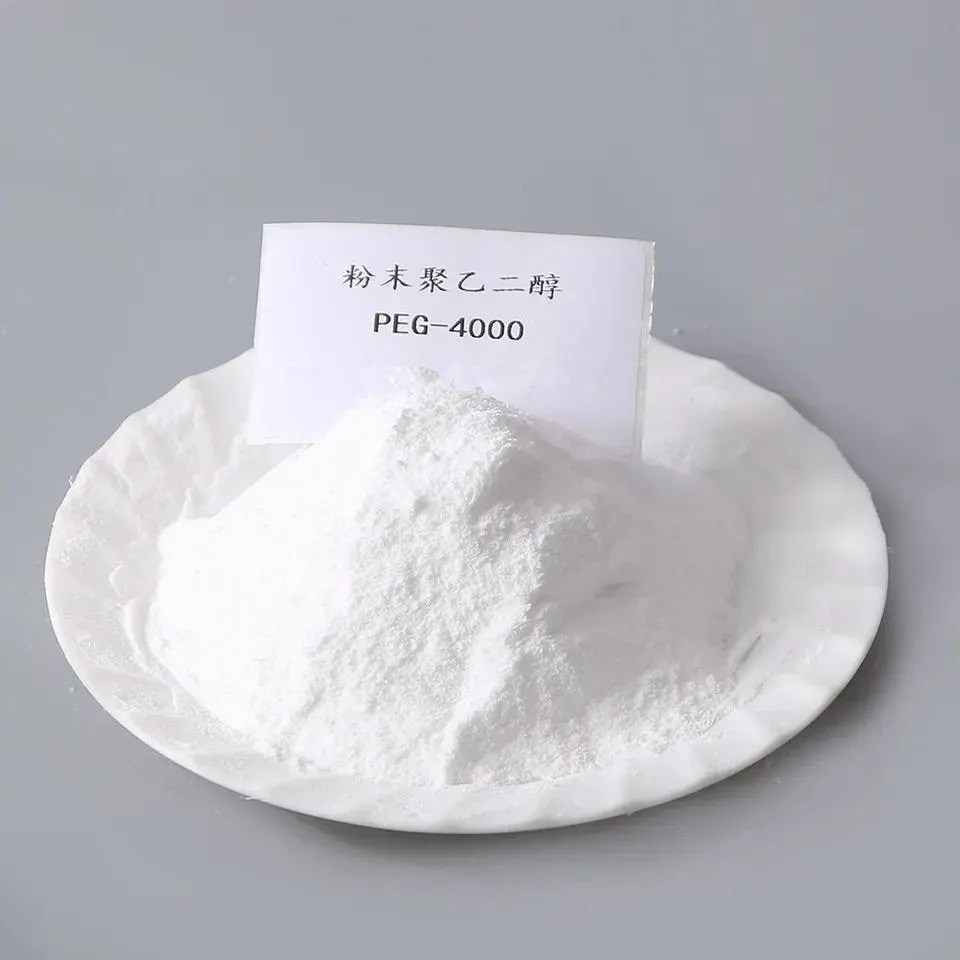
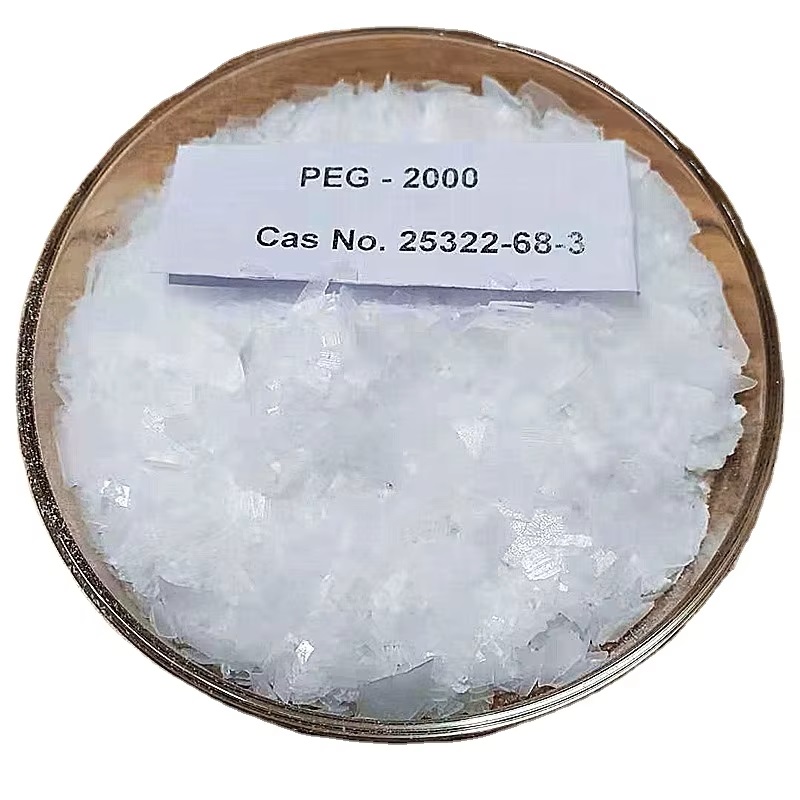
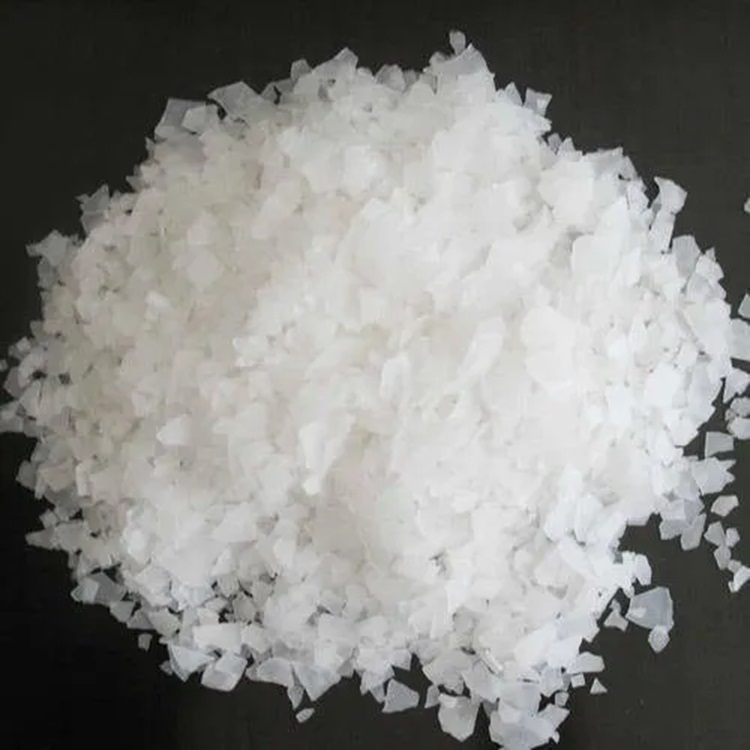
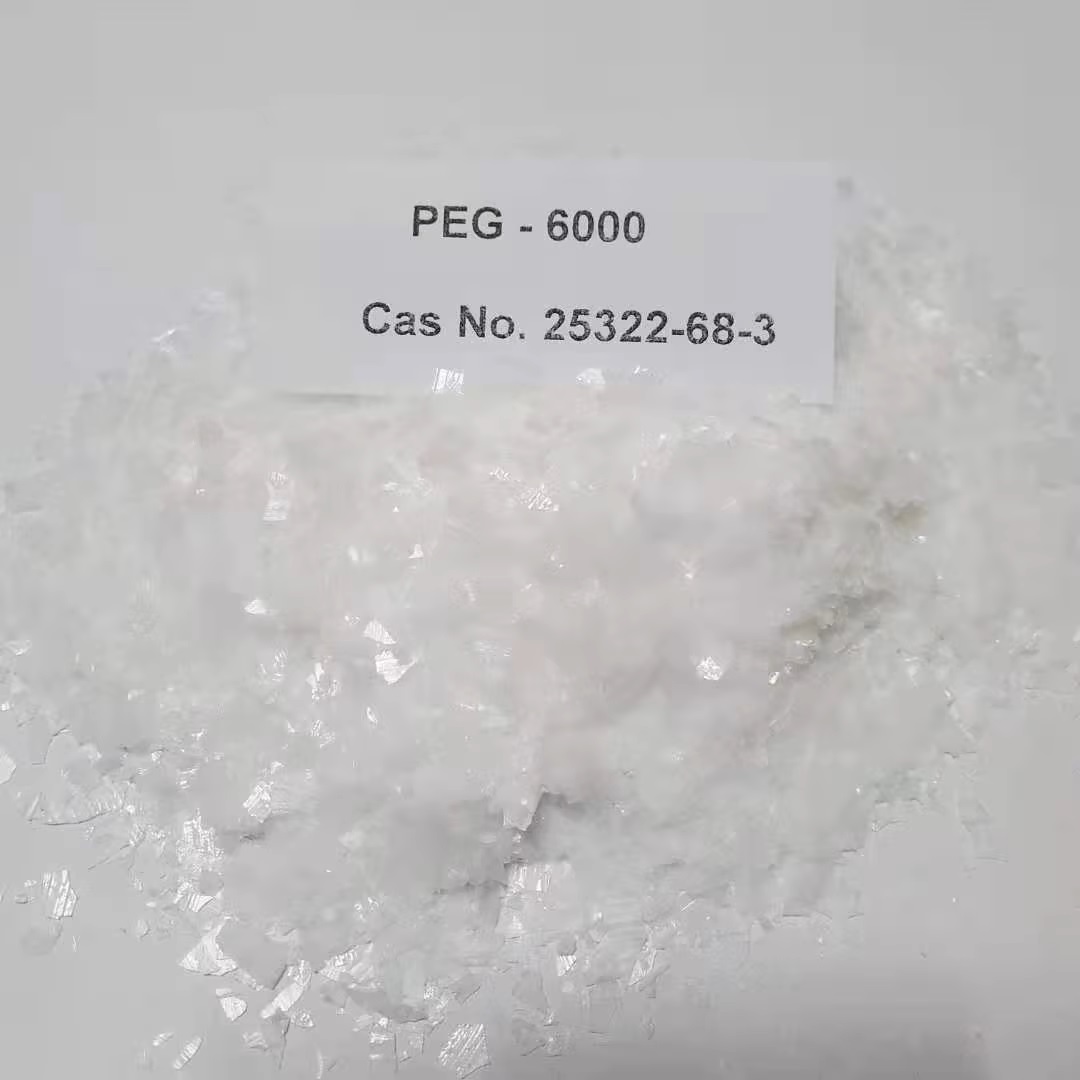
Appearance: White, flaky solid; free-flowing granules possible
-
Odor: Mild, waxy
🔹 Production & Structure
-
Derived from stearic acid (commonly from palm kernel oil).
-
Produced via esterification of stearic acid with ethylene oxide.
-
Structure: Polyethylene glycol diester of stearic acid.
🔹 Physical & Solubility Properties
-
Slightly turbid in water, but clear in surfactant solutions.
-
5% aqueous solution: neutral pH, low viscosity, high clarity.
-
Functions as a solvent for water-insoluble substances.
🔹 Functional Roles
-
Emulsifier: Stabilizes oil–water mixtures, prevents phase separation.
-
Thickener: Increases viscosity in shampoos, shower gels, conditioners.
-
Solubilizer: Dissolves fragrance oils and insoluble actives.
-
Film Former: Coats hair, reduces static electricity.
-
Mild Cleanser: Helps water mix with oils and dirt for easy rinsing.
🔹 Applications
-
Cosmetics & Personal Care:
-
Shampoos, conditioners, shower gels, body washes
-
Creams and lotions (co-emulsifier)
-
Skin cleansing and moisturizing products
-
-
Industrial:
-
Paints and coatings (thickener, emulsifier)
-
🔹 Regulatory & Safety
-
FDA (21 CFR 73.1): Approved for use.
-
CIR (Cosmetic Ingredient Review): Safe for topical use (not on broken skin).
-
EWG Food Score: 1–6 (depending on context).
-
Generally non-irritating, non-sensitizing.
🔹 Advantages
-
Multifunctional: emulsifier, thickener, solubilizer.
-
Provides stable texture in creams and lotions.
-
Improves hair softness, reduces static.
-
Compatible with a wide range of cosmetic ingredients.
🔹 Controversial Points
-
As a PEG derivative, sometimes debated due to potential skin penetration enhancement.
-
However, PEG 6000 Distearate is FDA and CIR approved, considered safe in normal cosmetic use.
Summary
PEG 6000 Distearate (PEG-150 Distearate) is a versatile cosmetic ingredient widely used as an emulsifier, thickener, and solubilizer. It enhances product stability, texture, and performance in shampoos, conditioners, creams, and lotions. Despite some debate around PEG compounds, it is regulator-approved and safe for cosmetic applications under normal conditions.
 distearate, Poly ethylene glycol distearate, 9005-08-7 .jpg)