We unleash your business potential by maximize the business innovation.
Send EmailPolyoxyethylene Stearate, PEG200 Stearate, Polyoxyl 40 Stearate, Polyoxyethylene Stearate, Polyethylene Glycol Monostearate, PEG40 Stearate, PEGMS, E431, 9004-99-3
Polyoxyethylene Stearate (PEG Stearates) – Detailed Overview
1. Identity
-
CAS Number: 9004-99-3
-
EC Number: 244-754-0
-
Molecular Formula: C20H40O3
-
Molecular Weight: 328.53
-
Synonyms: PEG 40 Stearate, PEG-100 Stearate, PEGMS, Polyoxyl 8/40/75/100/150 Stearate, Polyethylene glycol monostearate.
-
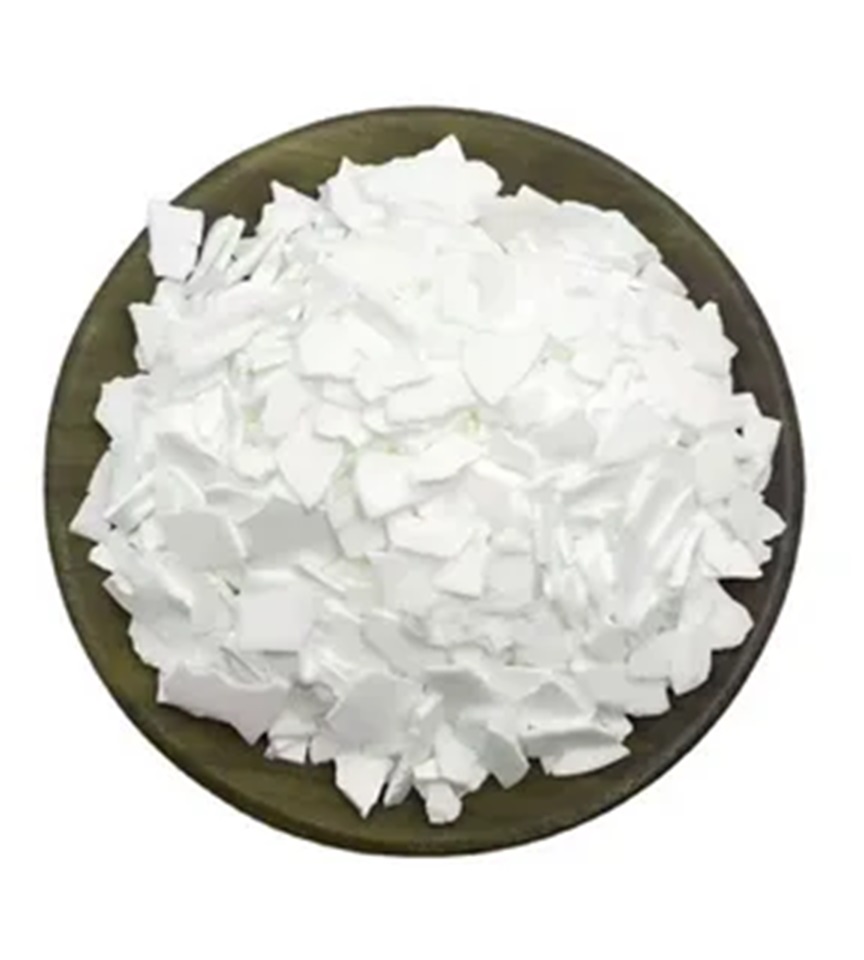
Appearance: White to off-white, waxy or flaky solid.
2. Applications
-
Cosmetics & Personal Care:
-
Emulsifier and surfactant in creams, lotions, shampoos, conditioners, cleansers.
-
Helps water mix with oil and dirt, enabling rinsability.
-
Secondary role as a skin softener.
-
-
Pharmaceuticals:
-
Used as an excipient.
-
Studied in drug delivery systems (nano-lipid carriers, MDR research).
-
Basis for certain laxatives.
-
-
Food Industry:
-
Approved as additive E431 (emulsifier, anti-foaming agent).
-
Found in processed foods, jellies, sauces.
-
-
Industrial Uses:
-
Lubricants, textile chemicals, polishes, paper.
-
Wood preservation (stabilizes waterlogged wood, prevents shrinkage).
-
Conservation of cultural heritage (e.g., painted artifacts, shipwreck wood).
-
Used in chromatography and electronics as heat transfer fluid.
-
3. Functional Properties
-
High HLB surfactant: Strong emulsifying capacity.
-
Lipophilic compatibility: Works well with fatty compounds.
-
Solubility: Practically insoluble in water, neutral molecule.
-
Other roles: Stabilizer, precipitant, calibration compound in mass spectrometry, DNA isolation, protein crystallization.
4. Safety & Toxicology
-
Regulatory Status: Approved by CIR and FDA for use in cosmetics and food (limited).
-
Irritation Potential: Minimal irritation in studies; not recommended on broken or damaged skin.
-
Concerns:
-
Cosmetic Database lists PEG-40 Stearate as medium-to-high hazard (linked to cancer, organ toxicity, irritation).
-
Possible contamination with harmful impurities:
-
Ethylene oxide (carcinogen)
-
1,4-dioxane (carcinogen)
-
PAHs (linked to breast cancer risk)
-
Heavy metals (lead, arsenic, iron).
-
-
-
Clinical Findings:
-
Safe on intact skin.
-
Burn patients treated with PEG-based creams showed kidney toxicity.
-
No systemic toxicity observed in healthy skin applications.
-
5. Special Uses & Research
-
Studied for effects on multidrug resistance (MDR).
-
Used in nano-emulsion systems for drug delivery.
-
Applied in heritage conservation (e.g., Chinese terracotta warriors, Vasa warship).
-
Functions as a crowding agent in cell experiments, DNA precipitation, and hybridoma formation.
Conclusion
Polyoxyethylene Stearate (PEG-40 Stearate) is a versatile emulsifier and surfactant widely used in cosmetics, food, pharmaceuticals, and industry. It is generally safe on healthy skin but should not be applied to damaged or irritated skin due to risks of contamination and toxicity. Its multifunctional role extends beyond consumer products into scientific research and cultural heritage preservation.