We unleash your business potential by maximize the business innovation.
Send EmailPolyethylene Glycol Stearate, Polyoxyethylene Stearate, Polyoxyl Stearate, PEG-40 Stearate, PEG-75 Stearate, PEG-100 Stearate, PEG-150 Stearate, PEGMS, E431, 9004-99-3
POLYETHYLENE GLYCOL STEARATE (PEG STEARATE)
CAS 9004-99-3 | C₂₀H₄₀O₃
SECTION 1: PRODUCT IDENTITY AND DEFINITION
| Parameter | Description |
|---|---|
| Product Name | Polyethylene Glycol Stearate |
| Other Names | Polyoxyethylene Stearate, Polyoxyl Stearate, PEG-40 Stearate, PEG-75 Stearate, PEG-100 Stearate, PEG-150 Stearate, PEGMS, Polyoxyl 40/75/100/150 Stearate, Polyethylene Glycol Monostearate, E431 |
| Chemical Formula | C₂₀H₄₀O₃ |
| Molecular Weight | 328.53 g/mol (base) |
| CAS Number | 9004-99-3 |
| EC Number | 244-754-0 |
| Chemical Class | Nonionic Surfactant / Polyoxyethylene Ester |
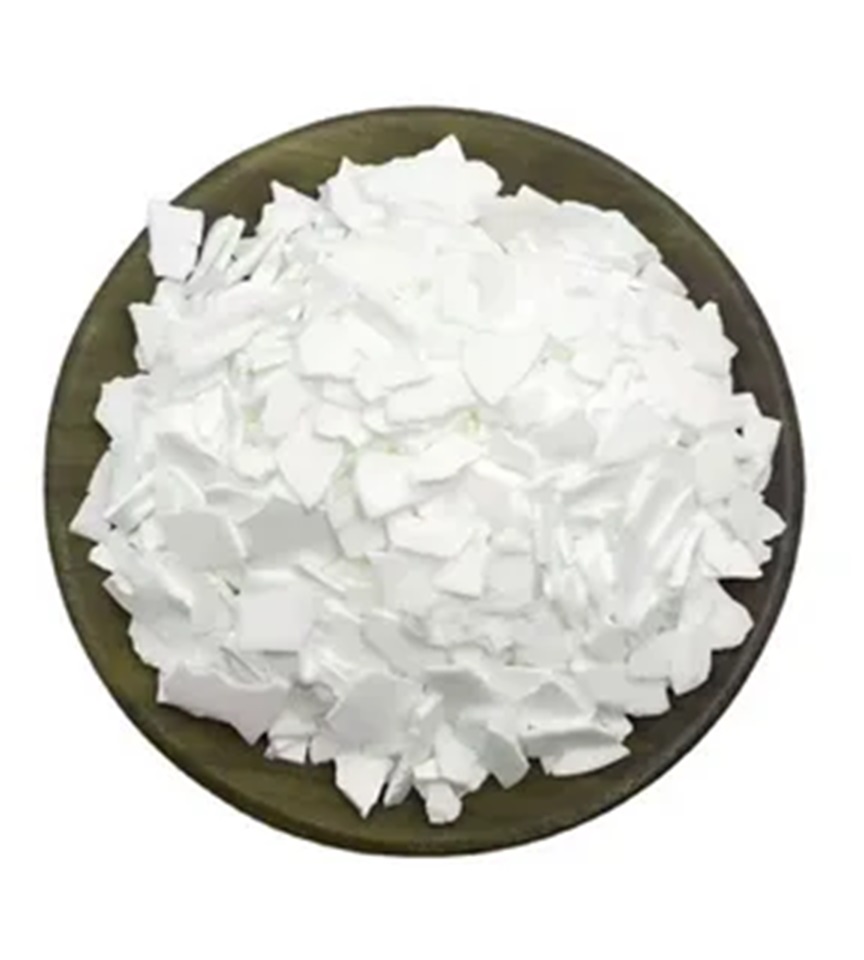
| Appearance | White to Cream-Colored, Soft or Waxy Solid |
| E Number | E431 (Food Additive) |
| Source | Synthetic (Esterification of PEG with Stearic Acid) |
Description: Polyethylene Glycol Stearate (PEG Stearate) is a nonionic surfactant and emulsifier obtained by the esterification of polyethylene glycol (PEG) with stearic acid. It is a white to cream-colored, soft or waxy solid. With a high HLB value, it functions as a strong emulsifier. It is widely used in cosmetics, personal care, food, pharmaceutical, and industrial applications. As a food additive, it is known as E431. Various grades are available with different PEG chain lengths (PEG-40, PEG-75, PEG-100, PEG-150 Stearate).
SECTION 2: SYNONYMS AND OTHER NAMES
| No | Synonym / Other Name |
|---|---|
| 1 | Polyethylene Glycol Stearate |
| 2 | Polyoxyethylene Stearate |
| 3 | Polyoxyl Stearate |
| 4 | PEGMS |
| 5 | PEG-40 Stearate |
| 6 | PEG-75 Stearate |
| 7 | PEG-100 Stearate |
| 8 | PEG-150 Stearate |
| 9 | Polyoxyl 40/75/100/150 Stearate |
| 10 | Polyethylene Glycol Monostearate |
| 11 | E431 |
| 12 | 9004-99-3 |
| 13 | EC 244-754-0 |
| 14 | Polyoxyethylene (40) Stearate |
| 15 | Polyethylene Oxide (40) Stearate |
SECTION 3: CHEMICAL STRUCTURE AND PROPERTIES
| Parameter | Description |
|---|---|
| Chemical Family | Nonionic Surfactant / Polyoxyethylene Ester |
| Structure | Stearic acid linked to a PEG chain via an ester bond |
| Functional Groups | Ester (-COO-), Ether (-O-) |
| HLB Value | Variable (depends on PEG chain length) |
| PEG Chain Length | 40, 75, 100, 150 (ethylene oxide units) |
Structural Formula:
    C₁₇H₃₅ - COO - (CH₂CH₂O)ₙ - H

    Polyethylene Glycol Stearate (n = 40, 75, 100, 150)
Key Characteristics:
-
Nonionic surfactant
-
Strong emulsifier with high HLB value
-
Lipophilic compatibility (due to free fatty acid content)
-
Practically insoluble in water
-
Neutral molecule
-
Functions as stabilizer and precipitant
SECTION 4: PHYSICAL PROPERTIES
| Parameter | Specification | Typical Value | Test Method |
|---|---|---|---|
| Physical State (25°C) | Solid (Soft/Waxy) | - | Visual |
| Appearance | White - Cream Colored | - | Visual |
| Odor | Slight, characteristic | - | Organoleptic |
| Chemical Formula | C₂₀H₄₀O₃ | - | - |
| Molecular Weight | 328.53 g/mol (base) | - | - |
| CAS Number | 9004-99-3 | - | - |
| Melting Point | 40 – 50 °C | ~45 °C | DSC |
| Water Solubility | Practically insoluble | - | - |
| Oil Solubility | Soluble | - | - |
| Organic Solvent Solubility | Soluble in ethanol, acetone, chloroform | - | - |
| HLB Value | ~12 – 16 (depending on PEG chain) | - | - |
| Acid Value | ≤ 2.0 mg KOH/g | < 1.0 | Titration |
| Saponification Value | ~60 – 80 mg KOH/g | - | Titration |
| Hydroxyl Value | Variable | - | Titration |
SECTION 5: PEG STEARATE GRADES AND PROPERTIES
| Grade | PEG Chain Length | HLB Value | Physical Form | Applications |
|---|---|---|---|---|
| PEG-40 Stearate | 40 EO | ~12 – 13 | Soft solid | Cosmetics, emulsifier |
| PEG-75 Stearate | 75 EO | ~13 – 14 | Waxy solid | Pharmaceuticals, food |
| PEG-100 Stearate | 100 EO | ~14 – 15 | Waxy solid | Cosmetics, emulsifier |
| PEG-150 Stearate | 150 EO | ~15 – 16 | Waxy solid | Special applications |
SECTION 6: COSMETIC AND PERSONAL CARE APPLICATIONS
| Application / Uygulama | Function / Benefit / Fonksiyon | Typical Use Level / Tipik Kullanım Seviyesi |
|---|---|---|
| Creams and Lotions / Kremler ve Losyonlar | Emulsifier, surfactant / Emülgatör, yüzey aktif | %1 – %5 |
| Shampoos / Şampuanlar | Emulsifier, emollient / Emülgatör, yumuşatıcı | %0.5 – %2 |
| Hair Conditioners / Saç Kremi | Emulsifier, emollient / Emülgatör, yumuşatıcı | %0.5 – %2 |
| Body Cleansers / Vücut Temizleyiciler | Emulsifier, emollient / Emülgatör, yumuşatıcı | %0.5 – %2 |
| Sunscreens / Güneş Kremleri | Emulsifier, dispersant / Emülgatör, dağıtıcı | %1 – %3 |
| Makeup Products / Makyaj Ürünleri | Emulsifier, stabilizer / Emülgatör, stabilizatör | %1 – %3 |
| Baby Care Products / Bebek Bakım Ürünleri | Emollient, emulsifier / Yumuşatıcı, emülgatör | %0.5 – %2 |
Functional Properties:
-
Emulsifier: Combines oil and water phases
-
Surfactant: Allows water to mix with oil and dirt
-
Emollient: Softens skin and hair
-
Rinseability: Provides easy rinsing of products
SECTION 7: FOOD APPLICATIONS (E431)
| Application / Uygulama | Function / Benefit / Fonksiyon | Typical Use Level / Tipik Kullanım Seviyesi |
|---|---|---|
| Processed Foods / İşlenmiş Gıdalar | Emulsifier, antifoaming agent / Emülgatör, köpük önleyici | %0.1 – %1.0 |
| Fruit Jellies / Meyve Jöleleri | Emulsifier, stabilizer / Emülgatör, stabilizatör | %0.1 – %0.5 |
| Sauces / Soslar | Emulsifier, thickener / Emülgatör, kıvam artırıcı | %0.2 – %1.0 |
| Chocolate / Çikolata | Emulsifier, viscosity modifier / Emülgatör, viskozite düzenleyici | %0.3 – %0.8 |
| Confectionery / Şekerleme | Emulsifier, glazing agent / Emülgatör, parlatıcı ajan | %0.1 – %0.5 |
E431 Specifications:
-
Purity: ≥ 90.0%
-
Acid Value: ≤ 2.0 mg KOH/g
-
Saponification Value: 60 – 80 mg KOH/g
-
Loss on Drying: ≤ 3.0%
-
Heavy Metals (Pb): ≤ 10 ppm
-
ADI (Acceptable Daily Intake): 0 – 25 mg/kg (JECFA)
SECTION 8: PHARMACEUTICAL APPLICATIONS
| Application | Function / Benefit |
|---|---|
| Excipient | Used as auxiliary substance |
| Drug Delivery Systems | Nano-lipid carrier systems |
| MDR Studies | Multi-drug resistance studies |
| Laxative Formulations | Key component |
| Creams and Ointments | Emulsifier |
SECTION 9: INDUSTRIAL APPLICATIONS
| Application | Function / Benefit |
|---|---|
| Textile Chemicals | Softener, lubricant |
| Polishes | Brightener, protectant |
| Paper Industry | Coating, softener |
| Lubricants | Industrial lubricant |
| Wood Preservation | Replaces water; stabilizes wood |
| Cultural Heritage Preservation | Color protectant for UNESCO artifacts |
| Gas Chromatography | Stationary phase |
| Heat Transfer Fluid | Electronic testing equipment |
SECTION 10: ADVANTAGES AND BENEFITS
| Advantage | Description |
|---|---|
| Strong Emulsifier | Stabilizes oil-water emulsions with high HLB value |
| Versatility | Used in cosmetics, food, pharmaceuticals, and industrial applications |
| Lipophilic Compatibility | Good compatibility with oily compounds |
| Emollient Properties | Softens skin and hair |
| Low Irritation | Safe for use on intact skin |
| Regulatory Approval | Approved by FDA, CIR, and JECFA |
| E431 Food Additive | Approved for food applications |
SECTION 11: REGULATORY STATUS
| Region / Authority | Status | Description |
|---|---|---|
| European Union | Permitted | E431; cosmetic and food ingredient |
| Turkey | Permitted | Compliant with EU legislation |
| USA (FDA) | Permitted | Food additive; GRAS |
| Japan | Permitted | Food and cosmetic ingredient |
| Canada | Permitted | Health Canada approved |
| CIR | Approved | Safe for cosmetic use |
| JECFA | Approved | ADI: 0 – 25 mg/kg |
SECTION 12: SAFETY AND TOXICOLOGICAL PROFILE
| Parameter | Assessment |
|---|---|
| Acute Oral Toxicity (LD50) | > 5,000 mg/kg (low toxicity) |
| Acute Dermal Toxicity | Low toxicity |
| Skin Irritation | Minimal irritation (up to 100% in studies) |
| Eye Irritation | Mildly irritating |
| Skin Sensitization | Low potential |
| Carcinogenicity | Not classified |
| Mutagenicity | Not mutagenic |
| Systemic Toxicity | No evidence on intact skin |
| Damaged Skin Warning | Do not use on broken or damaged skin |
Impurity Concerns:
-
Ethylene Oxide: Carcinogenic (controlled levels)
-
1,4-Dioxane: Carcinogenic (controlled levels)
-
PAHs: Polycyclic aromatic hydrocarbons
-
Heavy Metals: Lead, arsenic, iron
Safety Recommendations:
-
S24/25: Avoid contact with skin and eyes
-
S26: In case of eye contact, rinse with plenty of water
-
Do not use on damaged or irritated skin
SECTION 13: STORAGE AND SHELF LIFE
| Parameter | Information |
|---|---|
| Storage Temperature | 15 – 30°C (cool, dry place) |
| Storage Conditions | Well-ventilated, dry area |
| Container Requirements | Sealed containers; protect from moisture |
| Protect From | Heat, moisture, strong oxidizing agents |
| Shelf Life | 24 – 36 months (under proper storage) |
| Degradation Signs | Color change, rancid odor, liquefaction |
SECTION 14: SPECIAL APPLICATIONS AND SCIENTIFIC STUDIES
| Application | Description |
|---|---|
| MDR Research | Effects on multi-drug resistance studied |
| Nano-Lipid Carriers | Phase behavior in nano-structured lipid carrier systems |
| UNESCO Conservation | Used as color protectant for Terracotta Army artifacts in China |
| Underwater Archaeology | Used in preservation of wooden artifacts (e.g., Vasa warship) |
| Protein Crystallization | Used in protein crystallization |
| DNA Isolation | Used in DNA isolation |
SECTION 15: DISCLAIMER AND LEGAL NOTICE
| Item | Description |
|---|---|
| Information Purpose | This Technical Data Sheet (TDS) is for informational purposes only and does not constitute a binding specification. |
| Typical Values | Values stated herein are based on typical laboratory results and may vary slightly between batches. |
| Binding Data | For binding specifications, the Certificate of Analysis (COA) for each batch should be requested. |
| User Responsibility | The user is solely responsible for determining the suitability of the product for the intended application and ensuring compliance with all applicable regulations. |
| SDS Requirement | A current Safety Data Sheet (SDS) should be requested from the supplier prior to use. |
| Safety Information | Safety information in this document is based on current knowledge but does not constitute a guarantee of the product's health and safety risks. |
| Regulatory Changes | The user is responsible for monitoring local and international regulatory changes. |
| Product Quality | Product quality is guaranteed in accordance with the standards specified in this document. |
| License / Patents | This document does not grant any license or patent rights for use of the product. |
| Side Effects | Not recommended for use on damaged skin; allergic reactions may occur in sensitive individuals. |
DISCLAIMER (LEGAL NOTICE): This Technical Data Sheet (TDS) is for informational purposes only and does not constitute a binding specification. The values stated herein are based on typical laboratory results. The user is solely responsible for determining the suitability of the product for the intended application and for ensuring compliance with all local regulations. A current Safety Data Sheet (SDS) and Certificate of Analysis (COA) should be requested prior to use. Not recommended for use on damaged skin; allergic reactions may occur in sensitive individuals. This document does not grant any license or patent rights for use of the product.