We unleash your business potential by maximize the business innovation.
Send EmailMyristyl Alcohol, Myristic Alcohol, Tetradecanol, Tetradecyl Alcohol, Alcohol C-14, 112-72-1
MYRISTYL ALCOHOL (TETRADECANOL) - 112-72-1
SECTION 1: PRODUCT IDENTITY AND DEFINITION
| Parameter | Description |
|---|---|
| Product Name | Myristyl Alcohol |
| Chemical Name (IUPAC) | Tetradecan-1-ol |
| Other Names | Myristic Alcohol, Tetradecanol, Alcohol C-14, 1-Tetradecanol, n-Tetradecanol, Tetradecyl Alcohol |
| Chemical Formula | C₁₄H₃₀O |
| Molecular Weight | 214.39 g/mol |
| CAS Number | 112-72-1 |
| EC Number | 204-000-3 |
| Chemical Class | Fatty Alcohol / Long-Chain Primary Alcohol |
| REACH Status | Registered and compliant |
| TSCA (USA) | Listed |
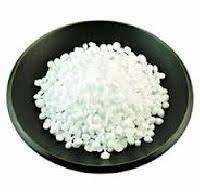
Description: Myristyl Alcohol is a saturated, straight-chain fatty alcohol produced by the hydration of myristic acid. Myristic acid can be obtained from natural sources such as coconut oil, palm kernel oil, and nutmeg oil (from which it derives its name). It appears as a white, waxy, crystalline solid at room temperature. In cosmetic and personal care products, it functions as a thickening agent, emulsion stabilizer, and emollient.
SECTION 2: SYNONYMS AND OTHER NAMES
| No | Synonym / Other Name |
|---|---|
| 1 | Myristyl Alcohol |
| 2 | Myristic Alcohol |
| 3 | Tetradecanol |
| 4 | Alcohol C-14 |
| 5 | 1-Tetradecanol |
| 6 | n-Tetradecanol |
| 7 | Tetradecyl Alcohol |
| 8 | Tetradecan-1-ol |
| 9 | C14 Alcohol |
| 10 | Myristyl Alkohol (German) |
| 11 | Alcool Myristylique (French) |
| 12 | Miristil Alkol (Turkish) |
| 13 | Miristik Alkol (Turkish) |
| 14 | Tetradecyl Alcohol |
| 15 | n-Tetradecyl Alcohol |
| 16 | 112-72-1 |
| 17 | Fatty Alcohol C14 |
| 18 | C14 Linear Primary Alcohol |
| 19 | Myristyl Monohydric Alcohol |
| 20 | Tetradecane-1-ol |
SECTION 3: CHEMICAL STRUCTURE AND MOLECULAR PROPERTIES
| Parameter | Description |
|---|---|
| Chemical Family | Fatty Alcohols / Long-Chain Primary Alcohols |
| Structure | Linear saturated hydrocarbon chain with terminal primary alcohol group |
| Molecular Structure | CH₃-(CH₂)₁₂-CH₂OH |
| SMILES Notation | CCCCCCCCCCCCCCO |
| InChI | InChI=1S/C14H30O/c1-2-3-4-5-6-7-8-9-10-11-12-13-14-15/h15H,2-14H2,1H3 |
| InChI Key | DTLBZHAOWOBZOS-UHFFFAOYSA-N |
| Functional Groups | Primary Alcohol (-CH₂OH), Long Hydrocarbon Chain |
| Log P (Hydrophobicity) | 5.95 (highly lipophilic) |
| HLB (Hydrophilic-Lipophilic Balance) | ~1.5 (very low, oil-soluble) |
Structural Formula:
text
CH₃ - CH₂ - CH₂ - CH₂ - CH₂ - CH₂ - CH₂ - CH₂ - CH₂ - CH₂ - CH₂ - CH₂ - CH₂ - CH₂ - OH
       |
       └─── 14 Carbon Chain (Tetradecyl) ───┘
Description: Myristyl Alcohol is a long-chain primary fatty alcohol with a 14-carbon saturated alkyl chain. The terminal hydroxyl group (-OH) provides a slight polar character, allowing it to function as a non-ionic surfactant and emulsifier. However, the long hydrocarbon chain makes it highly lipophilic (Log P = 5.95), giving it excellent oil solubility and emollient properties.
SECTION 4: PHYSICAL APPEARANCE AND FORM
| Parameter | Specification | Typical Value | Test Method |
|---|---|---|---|
| Physical State | Solid (waxy, crystalline) | - | Visual |
| Color | White to off-white | - | Visual |
| Odor | Mild, characteristic, waxy | - | Organoleptic |
| Form | Flakes, pellets, or pastilles | - | Visual |
| Crystal Structure | Waxy crystalline | - | Microscopic |
| Dropping Point | - | ~38-40 °C | - |
| Acid Value | ≤ 0.5 mg KOH/g | < 0.2 | Titration |
| Saponification Value | ≤ 2.0 mg KOH/g | < 1.0 | Titration |
Description: Myristyl Alcohol is a white to off-white, waxy, crystalline solid at room temperature. It has a mild, characteristic waxy odor. It is supplied in the form of flakes, pellets, or pastilles for ease of handling and incorporation into formulations. The crystalline structure gives it a smooth, elegant texture when incorporated into creams and lotions.
SECTION 5: MELTING POINT AND THERMAL PROPERTIES
| Parameter | Specification | Typical Value | Test Method |
|---|---|---|---|
| Melting Point Range | 36 – 40 °C | 38 – 39 °C | DSC / Capillary Tube |
| Melting Point Onset | ≥ 36 °C | 37.5 °C | Capillary Tube |
| Melting Point Endset | ≤ 40 °C | 39.0 °C | Capillary Tube |
| Boiling Point | ~260 – 290 °C | 289 °C | ASTM D86 |
| Boiling Point (10 mmHg) | ~180-190 °C | - | - |
| Flash Point | > 150 °C | ~160 °C | ASTM D93 |
| Melting Enthalpy (ΔHm) | ~55 kJ/mol | - | DSC |
| Specific Heat Capacity | ~2.2 J/g·°C | - | DSC |
Description: Myristyl Alcohol has a melting point range of 36-40°C, which is slightly above body temperature. This allows it to melt upon skin contact, providing a smooth, luxurious feel in cosmetic formulations. The narrow melting range indicates high purity. It has a relatively high boiling point (289°C) and flash point (>150°C), making it thermally stable during processing.
SECTION 6: DENSITY AND BULK PROPERTIES
| Parameter | Specification | Typical Value | Test Method |
|---|---|---|---|
| Density (20°C) | - | ~0.824 g/cm³ | Pycnometer |
| Density (Solid, 25°C) | - | ~0.82 g/cm³ | Pycnometer |
| Density (Liquid, 50°C) | - | ~0.80 g/cm³ | Pycnometer |
| Bulk Density (Flakes) | - | ~0.40 – 0.50 g/cm³ | Graduated Cylinder |
| Bulk Density (Pellets) | - | ~0.50 – 0.60 g/cm³ | Graduated Cylinder |
| Specific Gravity (60°C/25°C) | - | 0.815 – 0.825 | Hydrometer |
Description: Myristyl Alcohol has a density of approximately 0.824 g/cm³ at 20°C in its liquid state. As a solid, the density is approximately 0.82 g/cm³. The bulk density varies depending on the physical form (flakes vs. pellets), which affects handling, storage, and blending operations. The density decreases with increasing temperature, as with most fatty alcohols.
SECTION 7: SOLUBILITY AND MISCIBILITY
| Solvent / Medium | Solubility / Miscibility (25°C) | Temperature Effect |
|---|---|---|
| Water | Practically insoluble (< 0.01 g/L) | Negligible |
| Ethanol (Absolute) | Soluble (~50-100 g/L) | Increases with heat |
| Methanol | Soluble (~40-80 g/L) | Increases with heat |
| Isopropyl Alcohol | Soluble (~30-60 g/L) | Increases with heat |
| Acetone | Soluble (~100-200 g/L) | Increases with heat |
| Mineral Oil | Highly soluble | – |
| Vegetable Oils | Highly soluble | – |
| Silicone Oils | Partially soluble | Increases with heat |
| Propylene Glycol | Slightly soluble | Increases with heat |
| Glycerin | Insoluble | – |
| Nonionic Surfactants | Compatible | – |
| Anionic Surfactants | Compatible | – |
| Cationic Surfactants | Compatible | – |
Description: Myristyl Alcohol is practically insoluble in water due to its long hydrophobic hydrocarbon chain. It is soluble in alcohols (ethanol, methanol, isopropanol), acetone, and most organic solvents. It is highly soluble in oils, including mineral oil and vegetable oils, which makes it an excellent emollient and oil-phase component. The solubility in polar solvents increases with temperature.
SECTION 8: PURITY AND ANALYTICAL SPECIFICATIONS
| Parameter | Specification | Typical Value | Test Method |
|---|---|---|---|
| Purity (GC) | ≥ 95.0% | 97.0 – 99.0% | GC (FID) |
| Myristyl Alcohol Content | ≥ 95.0% | 97.0 – 98.5% | GC |
| C12 Alcohol Content | ≤ 3.0% | < 2.0% | GC |
| C16 Alcohol Content | ≤ 3.0% | < 2.0% | GC |
| Melting Point | 36 – 40 °C | 38 – 39 °C | Capillary Tube |
| Acid Value | ≤ 0.5 mg KOH/g | < 0.2 | USP <401> |
| Saponification Value | ≤ 2.0 mg KOH/g | < 1.0 | USP <401> |
| Iodine Value | ≤ 1.0 g I₂/100g | < 0.5 | USP <401> |
| Hydroxyl Value | 258 – 266 mg KOH/g | 260 – 264 | USP <401> |
| Loss on Drying | ≤ 0.5% | < 0.2% | USP <731> |
| Ash Content (Sulfated) | ≤ 0.1% | < 0.05% | USP <281> |
| Color (APHA, Melted) | ≤ 50 | < 20 | ASTM D1209 |
| Heavy Metals (Pb) | ≤ 10 ppm | < 5 ppm | USP <231> |
| Arsenic | ≤ 2 ppm | < 1 ppm | USP <211> |
| Water Content (KF) | ≤ 0.5% | < 0.2% | Karl Fischer |
| Cloud Point | - | ~35-37 °C | - |
| Gardner Color | ≤ 1 | < 0.5 | ASTM D1544 |
Description: Myristyl Alcohol is supplied in high purity (≥95% C14 alcohol). The purity and carbon chain distribution are determined by GC analysis. The hydroxyl value (258-266 mg KOH/g) confirms the presence of the primary alcohol group. Low acid and saponification values indicate high purity and low contamination with free fatty acids and esters. The iodine value (<1.0) confirms the saturated nature of the molecule.
SECTION 9: SPECTROSCOPIC PROPERTIES
| Parameter | Value / Description |
|---|---|
| IR (ATR) Characteristic Bands | 3300-3350 cm⁻¹ (O-H stretch, broad), 2950-2860 cm⁻¹ (C-H aliphatic stretch), 1460-1470 cm⁻¹ (CH₂ bending), 1380-1390 cm⁻¹ (CH₃ bending), 1050-1070 cm⁻¹ (C-O primary alcohol stretch), 720-730 cm⁻¹ (CH₂ rocking, long chain) |
| ¹H-NMR (CDCl₃) | δ 3.63 (t, 2H, CH₂OH), 1.55 (m, 2H, CH₂-CH₂OH), 1.35-1.20 (m, 22H, CH₂ chain), 0.88 (t, 3H, terminal CH₃) |
| ¹³C-NMR (CDCl₃) | δ 63.0 (CH₂OH), 33.0 (CH₂-CH₂OH), 32.0-22.5 (CH₂ chain), 14.1 (terminal CH₃) |
| Mass Spectrum (MS - EI) | m/z 214 [M⁺], 196 [M-H₂O]⁺, 168, 154, 125, 111, 97, 83, 69, 57, 43 |
| GC-MS Retention Index | ~1700 (on non-polar column) |
Description: These spectroscopic data are used for structural identification and purity control of Myristyl Alcohol. The IR spectrum shows the characteristic broad O-H stretch at 3300-3350 cm⁻¹ and the C-O stretch at 1050-1070 cm⁻¹ for primary alcohol. The ¹H-NMR spectrum clearly shows the terminal methyl group at δ 0.88 ppm and the methylene protons adjacent to the hydroxyl group at δ 3.63 ppm. The mass spectrum shows the molecular ion at m/z 214.
SECTION 10: THERMAL PROPERTIES AND STABILITY
| Parameter | Value / Description |
|---|---|
| Decomposition Onset Temperature | ~250 °C (by TGA) |
| Maximum Decomposition Rate | ~300-320 °C (by TGA) |
| Melting Enthalpy (ΔHm) | ~55 kJ/mol |
| Crystallization Temperature | ~32-35 °C (on cooling) |
| Thermal Stability | Stable up to 150°C for processing |
| pH Stability | Stable in pH 3 – 12 range |
| Light Stability | Stable under normal light conditions |
| Hydrolytic Stability | Stable in aqueous systems |
| Oxidative Stability | Susceptible to oxidation at high temperatures; stable at room temperature |
| Storage Stability | Stable when stored in sealed containers away from heat and light |
Description: Myristyl Alcohol is thermally stable up to 150°C, which is sufficient for most cosmetic and personal care processing conditions. It begins to decompose above 250°C. It is stable across a wide pH range (pH 3-12). While it is resistant to hydrolysis, it may be susceptible to oxidation at elevated temperatures, requiring the use of antioxidants in long-term storage or high-temperature applications. It crystallizes upon cooling at approximately 32-35°C.
SECTION 11: FUNCTIONAL PROPERTIES AND MECHANISM
| Property | Description / Mechanism |
|---|---|
| Emollient | Forms a protective, occlusive film on the skin surface, preventing moisture loss and providing a soft, smooth feel. The long hydrocarbon chain allows it to penetrate the stratum corneum, replenishing lipid content. |
| Emulsion Stabilizer / Co-emulsifier | Positions itself at the oil-water interface, lowering interfacial tension and stabilizing emulsions. It works synergistically with primary emulsifiers to enhance emulsion stability. Prevents coalescence of oil droplets and phase separation. |
| Thickener / Viscosity Modifier | Increases the viscosity of oil phases and formulations. Forms a crystalline network that imparts structure and body to creams and lotions, improving spreadability and application properties. |
| Occlusive Agent | Forms a barrier on the skin surface, reducing transepidermal water loss (TEWL). Provides long-lasting moisturization. |
| Texture Enhancer | Imparts a smooth, elegant, non-greasy feel to formulations. Reduces the watery feel of lotions and provides a soft, waxy after-feel. |
| Penetration Enhancer | Aids in the penetration of other active ingredients into the skin by disrupting the stratum corneum lipid barrier temporarily. |
Description: Myristyl Alcohol is a multifunctional ingredient. As an emollient, it softens and soothes the skin. As an emulsion stabilizer, it prevents the separation of oil and water phases, improving product stability. As a thickener, it provides body and structure to formulations, improving spreadability. Its occlusive properties help retain moisture in the skin. The combination of these properties makes it a versatile and valuable ingredient in cosmetic formulations.
SECTION 12: COSMETIC AND PERSONAL CARE APPLICATIONS
| Application Category | Function / Benefit | Typical Use Level |
|---|---|---|
| Skin Care Products | ||
| Moisturizing Creams | Emollient, thickener, emulsion stabilizer | 1.0 – 5.0% |
| Body Lotions | Emollient, thickener, texture enhancer | 1.0 – 3.0% |
| Night Creams | Emollient, occlusive moisturizer | 2.0 – 5.0% |
| Hand Creams | Emollient, thickener, protective barrier | 2.0 – 5.0% |
| Facial Moisturizers | Emollient, texture enhancer | 1.0 – 3.0% |
| Sunscreens | Emulsion stabilizer, thickener | 1.0 – 3.0% |
| Anti-aging Creams | Emollient, penetration enhancer | 1.0 – 3.0% |
| Hair Care Products | ||
| Hair Conditioners | Emollient, thickener, detangling agent | 0.5 – 3.0% |
| Hair Masks | Emollient, smoothing agent | 1.0 – 3.0% |
| Leave-in Conditioners | Emollient, texture enhancer | 0.5 – 2.0% |
| Shampoos (Mild) | Thickener, foam stabilizer | 0.5 – 2.0% |
| Decorative Cosmetics | ||
| Foundations | Emulsion stabilizer, texture enhancer | 1.0 – 3.0% |
| Lipsticks | Thickener, texture enhancer, gloss | 2.0 – 5.0% |
| Cream Blushes | Emollient, thickener | 1.0 – 3.0% |
| Other Personal Care | ||
| Deodorants (Sticks/Rolls) | Thickener, texture enhancer | 1.0 – 3.0% |
| Shaving Creams | Emollient, foam stabilizer | 1.0 – 3.0% |
| Baby Care Products | Emollient, gentle moisturizer | 1.0 – 3.0% |
| Pharmaceutical Ointments | Emollient, penetration enhancer | 2.0 – 10.0% |
Formulation Recommendations: Myristyl Alcohol is typically added to the oil phase of emulsions. For stable emulsions, it should be melted and mixed with other oil-phase components before emulsification. It is compatible with most nonionic, anionic, and cationic surfactants. The recommended use level is 0.5-5.0% depending on the desired consistency and application. For thickened formulations, it is often combined with other fatty alcohols such as Cetyl Alcohol or Stearyl Alcohol.
SECTION 13: PHARMACEUTICAL AND MEDICAL APPLICATIONS
| Application | Function / Description | Typical Use Level |
|---|---|---|
| Topical Ointments | Emollient, penetration enhancer, thickener | 2.0 – 10.0% |
| Transdermal Delivery Systems | Penetration enhancer for drug delivery | 2.0 – 10.0% |
| Medicated Creams | Emollient, emulsion stabilizer | 2.0 – 5.0% |
| Suppository Bases | Hardening agent, texture modifier | 5.0 – 15.0% |
| Vaginal Creams | Emollient, thickener | 1.0 – 5.0% |
| Dermatological Products | Skin conditioning, emollient | 1.0 – 5.0% |
| Wound Care Products | Emollient, protective barrier | 1.0 – 5.0% |
Description: Myristyl Alcohol is widely used in pharmaceutical formulations, particularly in topical ointments and transdermal delivery systems. Its ability to enhance skin penetration makes it valuable for drug delivery applications. It is used as a penetration enhancer to increase the absorption of active pharmaceutical ingredients through the skin. In suppository formulations, it acts as a hardening agent to provide the required consistency and melting characteristics.
SECTION 14: SOURCES AND PRODUCTION
| Parameter | Description |
|---|---|
| Natural Sources | Coconut oil, palm kernel oil, nutmeg oil, milk fat, butterfat |
| Extraction Method | Hydrolysis of triglycerides followed by fractional distillation and hydrogenation/reduction |
| Synthetic Route | Hydrogenation of myristic acid (tetradecanoic acid) or reduction of methyl myristate |
| Production Process | 1. Extraction of oils from natural sources (coconut, palm kernel) 2. Hydrolysis to obtain mixed fatty acids 3. Fractional distillation to isolate myristic acid 4. Catalytic hydrogenation/reduction to convert myristic acid to myristyl alcohol 5. Purification by distillation or crystallization |
| Reaction Equation | CH₃(CH₂)₁₂COOH + H₂ → CH₃(CH₂)₁₂CH₂OH |
| Production Capacity | Varies by manufacturer |
Description: Myristyl Alcohol is produced primarily from natural sources. The major sources are coconut oil and palm kernel oil, which contain significant amounts of myristic acid (approximately 14-20% in coconut oil and 16-20% in palm kernel oil). The production process involves extraction of the oil, hydrolysis to release fatty acids, fractional distillation to isolate myristic acid, and catalytic hydrogenation to convert the acid to the primary alcohol. Purification is achieved through distillation or crystallization.
SECTION 15: REGULATORY STATUS AND HALAL/KOSHER CONSIDERATIONS
| Parameter | Description |
|---|---|
| EU Cosmetics Regulation | Permitted for use; no restrictions |
| FDA (USA) | GRAS (Generally Recognized as Safe) for cosmetic use |
| CIR (Cosmetic Ingredient Review) | Safe for use in cosmetics |
| REACH | Registered and compliant |
| Halal Status | Permitted if derived from plant sources (coconut, palm kernel). If derived from animal sources (e.g., milk fat), must be from halal-certified animals and processed according to Islamic guidelines. Synthetic production is generally halal. |
| Kosher Status | Permitted if derived from kosher-certified plant sources. Synthetic production can be kosher certified. |
| Global Regulations | Permitted in cosmetics worldwide with no significant restrictions |
Halal Guidelines for Myristyl Alcohol:
-
Plant Source (Coconut, Palm Kernel): Generally considered halal if processed without contamination with haram substances.
-
Animal Source (Milk Fat): Must come from halal-certified animals (e.g., cows, goats) and processed according to Islamic requirements.
-
Synthetic Source: Generally halal as long as no haram substances are used in the synthesis process.
-
Contamination: Must be free from cross-contamination with haram substances during production and packaging.
Recommendation: If halal compliance is required, it is recommended to:
-
Verify the source of the myristyl alcohol (plant vs. animal vs. synthetic)
-
Request halal certification from the supplier
-
Ensure the production facility follows halal guidelines
-
Confirm that no haram additives or processing aids are used
SECTION 16: SAFETY AND TOXICOLOGICAL PROFILE
| Parameter | Value / Assessment | Test System |
|---|---|---|
| Acute Oral Toxicity (LD50) | > 5,000 mg/kg | Rat |
| Acute Dermal Toxicity (LD50) | > 2,000 mg/kg | Rabbit |
| Acute Inhalation Toxicity (LC50) | > 5 mg/L | Rat |
| Skin Irritation | Non-irritating (at use levels) | Rabbit (Draize test) |
| Eye Irritation | Non-irritating to mildly irritating | Rabbit (Draize test) |
| Skin Sensitization | Not a sensitizer | Human Patch Test / GPMT |
| Phototoxicity | Not phototoxic | In vitro / In vivo studies |
| Carcinogenicity | Not classified (IARC, NTP) | - |
| Mutagenicity | Not mutagenic (Ames test negative) | Ames Test / Micronucleus Test |
| Reproductive Toxicity | Not classified | Animal studies |
| Endocrine Disruption | No potential concern | In vitro studies |
| NOAEL | > 1,000 mg/kg/day | Rat (chronic studies) |
| Comedogenicity | Moderate (may clog pores in susceptible individuals) | Clinical observations |
| Skin Penetration | Low (due to long hydrocarbon chain) | In vitro skin penetration studies |
| Bioaccumulation Potential | Low (metabolized in the body) | - |
Description: Myristyl Alcohol has an excellent safety profile. It has very low acute oral and dermal toxicity (LD50 > 5,000 mg/kg). It is non-irritating to the skin and non-sensitizing. It is not classified as carcinogenic, mutagenic, or reproductive toxicant. It is not considered an endocrine disruptor. However, like many fatty alcohols, it is moderately comedogenic (pore-clogging potential) and may cause breakouts in acne-prone individuals at high concentrations. At typical use levels (1-5%), it is well-tolerated.
SECTION 17: ADVANTAGES AND DISADVANTAGES
| Parameter | Description |
|---|---|
| Advantages | |
| Excellent Emollient Properties | Provides soft, smooth, non-greasy skin feel |
| Emulsion Stabilizer | Prevents phase separation and improves shelf life |
| Thickening Properties | Adds body and structure to formulations |
| Versatility | Suitable for multiple product types (skin, hair, cosmetics) |
| Natural Source | Can be derived from renewable plant sources (coconut, palm kernel) |
| Non-Sensitizing | Low allergenic potential |
| Cost-Effective | Relatively inexpensive compared to other fatty alcohols |
| Good Thermal Stability | Stable during hot processing |
| pH Stability | Stable across a wide pH range |
| Enhances Penetration | Aids in delivery of active ingredients |
| Disadvantages | |
| Comedogenic Potential | May clog pores in acne-prone individuals |
| Water Insolubility | Requires incorporation into oil phase |
| Crystalline Nature | Requires melting during processing (above 38°C) |
| Waxy Texture | May feel heavy in some formulations |
| Oxidative Susceptibility | May require antioxidant protection at high temperatures |
| Crystallization | May recrystallize upon cooling, affecting texture if not properly processed |
| Halal Considerations | Source-dependent; requires verification for halal compliance |
Description: Myristyl Alcohol offers many advantages as a multifunctional ingredient, including excellent emollient properties, emulsion stabilization, thickening capabilities, and cost-effectiveness. However, its comedogenic potential and water insolubility are important considerations for formulation design. Proper processing (melting and cooling conditions) is essential to achieve the desired texture and stability.
SECTION 18: STORAGE, SHELF LIFE AND PACKAGING
| Parameter | Description |
|---|---|
| Storage Temperature | 15 – 30°C (cool and dry) |
| Storage Conditions | Well-ventilated, moisture-protected area |
| Light Protection | Normal light conditions acceptable |
| Moisture Sensitivity | Protect from excessive moisture |
| Materials to Avoid | Strong oxidizing agents, strong acids, strong bases |
| Shelf Life | 24 – 36 months (unopened, recommended conditions) |
| Degradation Signs | Color change (yellowing), odor (rancidity), acid value increase |
| Standard Packaging | 25 kg, 50 kg PE-lined multi-layer bags or boxes |
| Bulk Packaging | 500 kg, 1000 kg big-bags (FIBC) |
| Small Packaging (Upon Request) | 1 kg, 5 kg, 10 kg |
| Packaging Material | PE-lined bags, PE-lined boxes, HDPE drums (for molten form) |
| Closure Recommendation | Keep tightly closed when not in use |
Description: Myristyl Alcohol should be stored in a cool, dry place in its original packaging. It should be protected from excessive moisture to prevent caking and oxidation. Contact with strong oxidizing agents, acids, and bases should be avoided. Shelf life is 24-36 months under recommended storage conditions. Signs of degradation include yellowing, rancid odor, and increased acid value. Each package should bear the manufacturing date and batch number for traceability.
SECTION 19: TRANSPORTATION AND SHIPPING INFORMATION
| Parameter | Description |
|---|---|
| UN Number | Not regulated (non-hazardous) |
| Hazard Class | Not classified as dangerous goods |
| Packing Group | Not applicable |
| Marine Pollutant | No |
| Transport Classification | |
| ADR (Road) | Not classified |
| RID (Rail) | Not classified |
| ADN (Inland Waterway) | Not classified |
| IMDG (Maritime) | Not classified |
| IATA/ICAO (Air) | Not classified |
| Transport Temperature | Ambient temperature (15-30°C) |
| Transport Precautions | Protect from moisture and crushing; avoid temperatures above 40°C to prevent melting |
| Packaging Precautions | Use sturdy packaging to prevent damage; keep away from heat sources |
Description: Myristyl Alcohol is not classified as dangerous goods for transportation. It does not require UN number or hazard labeling. However, proper packaging should be used to prevent physical damage and moisture ingress. Transport should be at ambient temperatures (15-30°C), and the product should be protected from excessive heat that could cause melting or deformation of packaging. The GTIP/HS code for Myristyl Alcohol is 2905.17.00.00.00.
SECTION 20: ENVIRONMENTAL INFORMATION AND ECOTOXICOLOGY
| Parameter | Value / Assessment |
|---|---|
| Aquatic Toxicity (Fish, LC50, 96h) | > 100 mg/L (Zebra fish) |
| Aquatic Toxicity (Daphnia, EC50, 48h) | > 100 mg/L |
| Algal Toxicity (EC50, 72h) | > 100 mg/L |
| Bioaccumulation Factor (BCF) | Low to moderate (due to high Log P) |
| Biodegradability | Readily biodegradable (OECD 301F) |
| Biochemical Oxygen Demand (BOD5) | ~0.5 – 1.0 g O₂/g |
| Chemical Oxygen Demand (COD) | ~2.5 – 3.0 g O₂/g |
| Hydrolysis | Not hydrolytically degradable; metabolized by microorganisms |
| Persistence | Low (biodegradable) |
| Environmental Classification | Slightly hazardous to the environment |
| Water Hazard Class (WGK, Germany) | Class 1 (slightly hazardous to water) |
Description: Myristyl Alcohol is readily biodegradable and does not persist in the environment. It exhibits low to moderate toxicity to aquatic organisms. Due to its high lipophilicity (Log P = 5.95), it has the potential for bioaccumulation, but its rapid biodegradation minimizes environmental persistence. It is classified as slightly hazardous to the aquatic environment. Appropriate waste management practices should be followed to minimize environmental release.
SECTION 21: QUALITY CERTIFICATES AND STANDARDS
| Certificate / Standard | Status | Description |
|---|---|---|
| ISO 9001:2015 | Certified | Manufacturing facilities have quality management system |
| ISO 14001:2015 | Certified | Environmental management system (optional) |
| REACH (EC 1907/2006) | Registered | Compliant with EU chemical regulations |
| FDA 21 CFR | Compliant | Suitable for cosmetic and pharmaceutical applications |
| USP/EP | Available | Pharmaceutical quality standard |
| Halal | Upon request | Certified according to Islamic standards (when sourced from plant origin) |
| Kosher | Upon request | Certified according to Jewish standards |
| Certificate of Analysis (COA) | Provided with each batch | Includes binding specifications |
| Safety Data Sheet (SDS/MSDS) | Available | Current 16-section document |
| Technical Data Sheet (TDS) | Available | Comprehensive technical information |
| Good Manufacturing Practices (GMP) | Compliant | Cosmetic / Pharmaceutical GMP |
SECTION 22: DISCLAIMER AND LEGAL NOTICE
| Item | Description |
|---|---|
| Information Purpose | This Technical Data Sheet (TDS) is for informational purposes only and does not constitute a binding specification. |
| Typical Values | Values stated herein are based on typical laboratory results and may vary slightly between production batches. |
| Binding Data | For binding specifications, the Certificate of Analysis (COA) for each batch should be requested. |
| User Responsibility | The user is solely responsible for determining the suitability of the product for the intended application and ensuring compliance with all applicable regulations. |
| SDS Requirement | A current Safety Data Sheet (SDS) should be requested from the supplier prior to use. |
| Safety Information | Safety information in this document is based on current knowledge but does not constitute a guarantee of the product's health and safety risks. |
| Regulatory Changes | The user is responsible for monitoring local and international regulatory changes. |
| Product Quality | Product quality is guaranteed in accordance with the standards specified in this document. |
| License / Patents | This document does not grant any license or patent rights for use of the product. |
| Side Effects | Allergic reactions are rare but possible in sensitive individuals; users should conduct suitability tests. |
DISCLAIMER (LEGAL NOTICE): This Technical Data Sheet (TDS) is for informational purposes only and does not constitute a binding specification. The values stated herein are based on typical laboratory results. The user is solely responsible for determining the suitability of the product for the intended application and for ensuring compliance with all local regulations. A current Safety Data Sheet (SDS) and Certificate of Analysis (COA) should be requested prior to use. Allergic reactions are rare but may occur in sensitive individuals; suitability tests should be conducted. This document does not grant any license or patent rights for use of the product.