We unleash your business potential by maximize the business innovation.
Send EmailTetraacetylethylenediamine, Tetra Acetyl Ethylene Diamine, Bleach Activator, TAED, 10543-57-4
TETRAACETYLETHYLENEDIAMINE (TAED)
CAS 10543-57-4 | C₁₀H₁₆N₂O₄
SECTION 1: PRODUCT IDENTITY AND DEFINITION
| Parameter | Description |
|---|---|
| Product Name | Tetraacetylethylenediamine |
| Other Names | TAED, Tetra Acetyl Ethylene Diamine, N,N,N',N'-Tetraacetylethylenediamine, N,N'-Ethane-1,2-diylbis(N-acetylacetamide), N,N'-Ethylenebis(N-acetylacetamide), 3,4-Diacetyl-3,4-diaminohexane-2,5-dione, Bleach Activator |
| Chemical Formula | C₁₀H₁₆N₂O₄ |
| Molecular Weight | 228.24 g/mol |
| CAS Number | 10543-57-4 |
| EC Number (EINECS) | 234-123-8 |
| MDL Number | MFCD00014967 |
| Merck Index | 14, 9028 |
| Beilstein Reference | 1795711 |
| Chemical Class | Diamide / Bleach Activator |
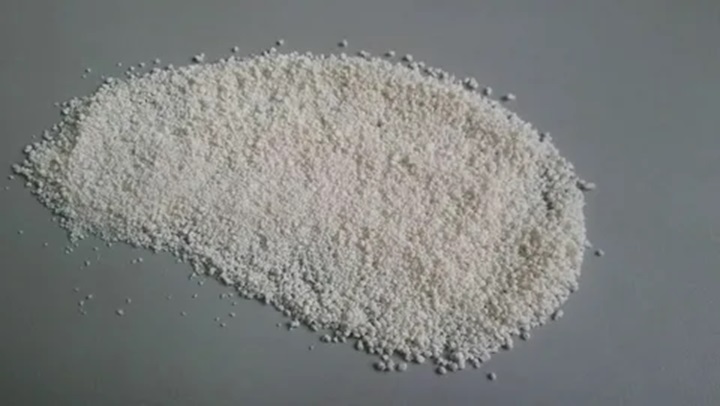
| Appearance | White to Off-White Crystalline Powder or Free-Flowing Granules |
| Melting Point | 149 – 154 °C |
Description: Tetraacetylethylenediamine (TAED) is one of the most important organic compounds in the modern chemical industry. It is widely recognized for its role as a low-temperature bleach activator in laundry and dishwashing detergents. It is an ethylenediamine derivative classified as a diamide. Its molecular structure exhibits high symmetry, contributing to the stability of its crystalline solid form. TAED reacts with hydrogen peroxide to form peracetic acid, providing effective bleaching, stain removal, and disinfection at low temperatures (20-60°C).
SECTION 2: SYNONYMS AND OTHER NAMES
| No | Synonym / Other Name |
|---|---|
| 1 | Tetraacetylethylenediamine |
| 2 | TAED |
| 3 | Tetra Acetyl Ethylene Diamine |
| 4 | N,N,N',N'-Tetraacetylethylenediamine |
| 5 | N,N'-Ethane-1,2-diylbis(N-acetylacetamide) |
| 6 | N,N'-Ethylenebis(N-acetylacetamide) |
| 7 | N,N'-Ethylenebis(diacetamide) |
| 8 | 3,4-Diacetyl-3,4-diaminohexane-2,5-dione |
| 9 | N-Acetyl-N-[2-(diacetylamino)ethyl]acetamide |
| 10 | 10543-57-4 |
| 11 | EC 234-123-8 |
| 12 | Bleach Activator |
SECTION 3: CHEMICAL STRUCTURE AND PROPERTIES
| Parameter | Description |
|---|---|
| Chemical Family | Diamide / Bleach Activator |
| Structure | Ethylenediamine backbone with four acetyl groups |
| Functional Groups | Four Amide (-CON-) groups |
| Symmetry | High molecular symmetry |
Structural Formula:
    CH₃-CO      CO-CH₃
         \      /
          N - CH₂ - CH₂ - N
         /      \
    CH₃-CO      CO-CH₃

    N,N,N',N'-Tetraacetylethylenediamine (TAED)
Key Characteristics:
-
White crystalline solid or free-flowing granules
-
High thermal stability (149-154°C melting point)
-
Low water solubility (~1 g/L at 20°C)
-
Undergoes perhydrolysis reaction with hydrogen peroxide in alkaline conditions
-
Readily biodegradable
-
Non-toxic
-
Non-volatile (0 mmHg vapor pressure at 25°C)
SECTION 4: PHYSICAL AND CHEMICAL PROPERTIES
| Parameter | Specification | Typical Value | Test Method |
|---|---|---|---|
| Physical State (25°C) | Solid (Crystalline Powder/Granules) | - | Visual |
| Appearance | White – Off-White | - | Visual |
| Odor | Slight characteristic | - | Organoleptic |
| Chemical Formula | C₁₀H₁₆N₂O₄ | - | - |
| Molecular Weight | 228.24 g/mol | - | - |
| CAS Number | 10543-57-4 | - | - |
| Melting Point | 149 – 154 °C | 151 – 153 °C | DSC |
| Density | ~0.9 g/cm³ | - | ASTM D4052 |
| Boiling Point | 140°C (decomposes at 1.5002 mmHg) | - | - |
| Vapor Pressure (25°C) | 0 mmHg | - | - |
| Water Solubility (20°C) | Slightly soluble (~1 g/L) | - | - |
| pKa | -1.23 ± 0.70 | - | - |
| Refractive Index | ~1.4550 | - | - |
| Purity | ≥ 99.0% | 99.0 – 99.5% | GC |
| Water Content | ≤ 0.5% | < 0.2% | Karl Fischer |
| pH (1% Aqueous Suspension) | ~6.0 – 7.0 | - | USP <791> |
SECTION 5: PERHYDROLYSIS REACTION MECHANISM
| Parameter | Description |
|---|---|
| Reaction Type | Perhydrolysis (Nucleophilic acyl substitution) |
| Reactants | TAED + Hydrogen Peroxide (H₂O₂) |
| Products | Peracetic Acid (PAA) + TriAED + DAED |
| Temperature Range | 20 – 60°C |
| pH Range | 9 – 11 (optimal) |
Reaction Steps:
Step 1:
TAED + H₂O₂ → Triacetylethylenediamine (TriAED) + Peracetic Acid
Step 2:
TriAED + H₂O₂ → Diacetylethylenediamine (DAED) + Peracetic Acid
Overall Reaction:
TAED + 2 H₂O₂ → DAED + 2 Peracetic Acid
Peracetic Acid Action:
Peracetic Acid + Stain → Oxidation → Colorless + Water-Soluble Fragments
Mechanism of Action:
-
TAED reacts rapidly with the hydroperoxide anion (HOO⁻) present in alkaline wash water
-
This reaction produces peracetic acid (CH₃C(O)OOH)
-
Peracetic acid is a much stronger oxidizing agent than hydrogen peroxide
-
Each TAED molecule produces two molecules of peracetic acid
-
The produced peracetic acid oxidizes the chromophores (color-giving chemical bonds) in stains, breaking them into smaller, colorless, water-soluble fragments
SECTION 6: APPLICATIONS
| Industry | Application | Function / Benefit | Typical Concentration |
|---|---|---|---|
| Household Care Products | |||
| Laundry Detergents (Powder) | Bleach activator | Low-temperature stain removal, whitening | 1.4 – 13% |
| Compact Powder Detergents | Bleach activator | Energy savings, hygiene | 1.4 – 13% |
| Concentrated Detergents | Bleach activator | Low-temperature effectiveness | 1.4 – 13% |
| Bleach Boosters | Bleach activator | Stain removal, whitening | 2 – 5% |
| Automatic Dishwashing Detergents | Bleach activator | Tea/coffee stains, hygiene, shine | 2 – 4% |
| Denture Cleaners | Bleach activator | Stain removal, disinfection | 1 – 3% |
| Industrial & Institutional Cleaning | |||
| Disinfectant Cleaners | Biocidal agent | Bactericidal, virucidal, fungicidal | 0.5 – 2% |
| Hard Surface Cleaners | Bleach activator | Stain removal, disinfection | 1 – 3% |
| Industrial Detergents | Bleach activator | Hygiene, odor removal | 1 – 3% |
| Textile Industry | |||
| Textile Bleaching | Activator | Bleaching of cotton and cellulosic fibers | 1 – 3 g/L |
| Paper Industry | |||
| Pulp Bleaching | Activator | Whiteness and brightness improvement | 0.5 – 1.0 kg/ton |
| Other Applications | |||
| Carpet Shampoos | Bleach activator | Deep stain removal | 1 – 3% |
| Biocide Production | Raw material | Peracetic acid production | - |
| Agricultural Applications | Garment impregnation | Disease control | - |
| Water Treatment | Disinfection | Special disinfection applications | - |
SECTION 7: COMMERCIAL FORMS AND COLORS
| Form | Color | Description | Application |
|---|---|---|---|
| Standard TAED | White | Uncolored pure form | General use |
| Blue TAED | Blue | Coated with Na-CMC, may contain optical brighteners | Most common; masks yellowing |
| Green TAED | Green | For specific formulations | "Environmentally friendly" products |
| Red TAED | Red | Special industrial applications | Brand differentiation |
Granulation Features:
-
Binder: Sodium carboxymethyl cellulose (Na-CMC)
-
Advantages: Free-flowing, reduced dusting, rapid dissolution, stable storage
SECTION 8: ADVANTAGES AND BENEFITS
| Advantage | Description |
|---|---|
| Low-Temperature Effectiveness | Effective bleaching at 20-60°C; provides energy savings |
| Superior Stain Removal | Effective on tea, coffee, red wine, fruit juices, blood, grass stains |
| Hygiene and Disinfection | Peracetic acid provides strong bactericidal, virucidal, fungicidal effects |
| Odor Elimination | Neutralizes malodors through oxidation |
| Material Safety | Gentler on fibers and colors compared to chlorine bleaches |
| Environmentally Friendly | Readily biodegradable; non-toxic |
| Compatibility | Compatible with enzymes, optical brighteners, and other detergent ingredients |
| Efficiency | Reduces total bleach system volume by up to 50% |
| Energy Savings | Effective washing at 30-60°C; reduces carbon footprint |
SECTION 9: EXAMPLE FORMULATION RECIPES
9.1 High-Performance Laundry Detergent
| Component | Proportion (%) |
|---|---|
| Powder detergent base (Sulfonate, Carbonate, etc.) | 80 – 85 |
| Sodium Percarbonate (Oxygen source) | 5 – 10 |
| TAED | 2 – 5 |
| Enzymes, Optical Brighteners and other additives | 1 – 3 |
9.2 Chlorine-Free Dishwasher Tablet
| Component | Proportion (%) |
|---|---|
| Tablet base (Citrate, Carbonate, Complexing agents) | 80 – 85 |
| Sodium Percarbonate | 5 – 10 |
| TAED | 2 – 4 |
| Enzymes, Dissolution retardants and other additives | 1 – 3 |
9.3 Textile Bleaching
| Component | Quantity |
|---|---|
| Water | ~1,000 L |
| Hydrogen Peroxide (35%) | 5 – 15 mL/L |
| Sodium Hydroxide (NaOH) | 2 – 5 g/L |
| TAED (Activator) | 1 – 3 g/L |
| Wetting and chelating agents | As per manufacturer instructions |
9.4 Pulp Bleaching
| Component | Quantity |
|---|---|
| Pulp (Dry basis) | 100 kg |
| Water | Volume (depending on pulp density) |
| Hydrogen Peroxide (50%) | 2 – 4 kg |
| TAED | 0.5 – 1.0 kg |
| Sodium Silicate (stabilizer) and MgSO₄ (chelator) | As per manufacturer instructions |
SECTION 10: ENVIRONMENTAL AND TOXICOLOGICAL PROFILE
| Parameter | Assessment |
|---|---|
| Biodegradability | Readily biodegradable (OECD standards) |
| Aquatic Toxicity | Very low; non-toxic to fish, daphnia, and algae |
| Bioaccumulation | Does not accumulate in the food chain |
| Soil Toxicity | Low risk to soil organisms |
| Acute Oral Toxicity | Practically non-toxic |
| Skin Irritation | Non-irritating |
| Eye Irritation | Mild irritation potential |
| Skin Sensitization | Does not cause sensitization |
| Carcinogenicity | Not classified (IARC, NTP) |
| Mutagenicity | Not mutagenic |
| Reproductive Toxicity | Not toxic |
| Metabolites | No harmful metabolites; converts to CO₂, H₂O and biomass |
SECTION 11: ALTERNATIVES
| Alternative | Description | Advantages | Disadvantages |
|---|---|---|---|
| PERAKT | Alternative bleach activator | More effective at lower temperatures | Higher cost |
| Chlorine Bleaches (Sodium Hypochlorite) | Chlorine-based bleach | Reactive at low temperatures, strong disinfectant | Damages fibers, environmental concerns, chlorine odor |
| Nonyloxybenzenesulfonate (NOBS) | Alternative bleach activator | Effective at low temperatures | More expensive, less common |
| Phthalimidoperoxycaproic Acid (PAP) | Direct peracid bleach | High bleaching power | High cost |
SECTION 12: STORAGE AND SHELF LIFE
| Parameter | Information |
|---|---|
| Storage Temperature | 2 – 8°C (long-term) / 15 – 30°C (short-term) |
| Storage Conditions | Cool, dry, well-ventilated area |
| Container Requirements | Sealed containers; protect from moisture |
| Protect From | Direct sunlight, moisture, heat |
| Shelf Life | 12 – 24 months (under proper storage) |
| Degradation Signs | Caking, color change, odor change |
Packaging Options:
-
25 kg multi-layer paper bags
-
500 kg big-bags
-
1,000 kg palletized big-bags
SECTION 13: QUALITY CERTIFICATES AND STANDARDS
| Certificate / Standard | Status | Description |
|---|---|---|
| ISO 9001:2015 | Certified | Quality management system |
| ISO 14001:2015 | Certified | Environmental management system |
| REACH | Registered | EU chemical regulation compliance |
| TSCA | Listed | US Toxic Substances Control Act |
| EINECS | Listed | 234-123-8 |
| Certificate of Analysis (COA) | Provided with each batch | Includes binding specifications |
| Safety Data Sheet (SDS) | Available | Current 16-section document |
| Technical Data Sheet (TDS) | Available | Comprehensive technical information |
| GMP | Compliant | Manufacturing quality standards |
SECTION 14: FREQUENTLY ASKED QUESTIONS (FAQ)
Q1: Is TAED a bleach?
A: TAED is a bleach activator; it is not a bleach itself. When used with oxygen-based bleaches (percarbonate, perborate), it converts them into a stronger bleaching agent called peracetic acid.
Q2: Is TAED safe to use?
A: Yes, TAED is considered safe for use. It is non-toxic and readily biodegradable. As an oxygen-based system, it is much more environmentally friendly than chlorine-based products.
Q3: Can TAED be used on colored fabrics?
A: Yes. When used at the correct dosage and in the proper formulation, it is effective for stain removal and brightening on colored fabrics without damaging the color.
Q4: What is the difference between TAED and regular detergent?
A: Regular detergents use surfactants, builders, and enzymes for cleaning. TAED is an activator that adds superior bleaching and hygiene performance to this system, especially in low-temperature washes.
Q5: What is the optimum working temperature for TAED?
A: TAED shows its most effective performance in the 30-60°C range.
SECTION 15: DISCLAIMER AND LEGAL NOTICE
| Item | Description |
|---|---|
| Information Purpose | This Technical Data Sheet (TDS) is for informational purposes only and does not constitute a binding specification. |
| Typical Values | Values stated herein are based on typical laboratory results and may vary slightly between batches. |
| Binding Data | For binding specifications, the Certificate of Analysis (COA) for each batch should be requested. |
| User Responsibility | The user is solely responsible for determining the suitability of the product for the intended application and ensuring compliance with all applicable regulations. |
| SDS Requirement | A current Safety Data Sheet (SDS) should be requested from the supplier prior to use. |
| Safety Information | Safety information in this document is based on current knowledge but does not constitute a guarantee of the product's health and safety risks. |
| Regulatory Changes | The user is responsible for monitoring local and international regulatory changes. |
| Product Quality | Product quality is guaranteed in accordance with the standards specified in this document. |
| License / Patents | This document does not grant any license or patent rights for use of the product. |
| Side Effects | Safe under proper usage conditions; rinse with plenty of water in case of eye contact. |
DISCLAIMER (LEGAL NOTICE): This Technical Data Sheet (TDS) is for informational purposes only and does not constitute a binding specification. The values stated herein are based on typical laboratory results. The user is solely responsible for determining the suitability of the product for the intended application and for ensuring compliance with all local regulations. A current Safety Data Sheet (SDS) and Certificate of Analysis (COA) should be requested prior to use. Safe under proper usage conditions; rinse with plenty of water in case of eye contact. This document does not grant any license or patent rights for use of the product.