We unleash your business potential by maximize the business innovation.
Send EmailMonoethanolamine, Mono Ethanol Amine, MEA, 141-43-5
MONOETHANOLAMINE (MEA)
CAS 141-43-5 | C₂H₇NO
SECTION 1: PRODUCT IDENTITY AND DEFINITION
| Parameter | Description |
|---|---|
| Product Name | Monoethanolamine |
| Other Names | MEA, Ethanolamine, 2-Aminoethanol, 2-Hydroxyethylamine, Olamine, H-Glycinol, Ethanolamine (INCI) |
| Chemical Formula | C₂H₇NO |
| Molecular Weight | 61.08 g/mol |
| CAS Number | 141-43-5 |
| EC Number (EINECS) | 205-483-3 |
| Chemical Class | Amino Alcohol / Primary Alkanolamine |
| Appearance | Colorless to Light Yellow Viscous Liquid |
| Odor | Ammoniacal, characteristic |
| Source | Synthetic (Reaction of Ethylene Oxide with Ammonia) |
Description: Monoethanolamine (MEA) is the simplest member of the ethanolamine family, classified as an amino alcohol. It is a colorless to light yellow viscous liquid with an ammoniacal odor. It is highly hygroscopic and is completely miscible with water, ethanol, and acetone. MEA is widely used for the removal of acid gases (CO₂, H₂S) from natural gas and petroleum gas, and in the production of surfactants, emulsifiers, pharmaceuticals, pesticides, dyes, and cosmetic products. It is also used in the textile industry as an antistatic agent, mothproofing agent, and detergent.
SECTION 2: SYNONYMS AND OTHER NAMES
| No | Synonym / Other Name |
|---|---|
| 1 | Monoethanolamine |
| 2 | MEA |
| 3 | Ethanolamine |
| 4 | 2-Aminoethanol |
| 5 | 2-Hydroxyethylamine |
| 6 | Olamine |
| 7 | H-Glycinol |
| 8 | Ethanolamine (INCI) |
| 9 | 141-43-5 |
| 10 | EC 205-483-3 |
SECTION 3: CHEMICAL STRUCTURE AND PROPERTIES
| Parameter | Description |
|---|---|
| Chemical Family | Amino Alcohol / Primary Alkanolamine |
| Structure | Ethane backbone with an amine and an alcohol group |
| Functional Groups | Primary Amine (-NH₂), Primary Alcohol (-OH) |
| Basicity | Weak base (pKa 9.5) |
| Hygroscopicity | High (absorbs moisture and CO₂ from air) |
Structural Formula:
    NH₂ - CH₂ - CH₂ - OH

    2-Aminoethanol (Monoethanolamine / MEA)
Key Characteristics:
-
Viscous liquid with ammoniacal odor
-
Highly hygroscopic
-
Fully miscible with water, ethanol, and acetone
-
Slightly soluble in benzene, ether, and carbon tetrachloride
-
Weak base; forms salts with acids
-
Absorbs acid gases (CO₂, H₂S, SO₂)
-
Reacts with fatty acids to form alkanolamides
-
Flammable (flash point ~93°C)
SECTION 4: PHYSICAL AND CHEMICAL PROPERTIES
| Parameter | Specification | Typical Value | Test Method |
|---|---|---|---|
| Physical State (25°C) | Viscous Liquid | - | Visual |
| Appearance | Colorless – Light Yellow | - | Visual |
| Odor | Ammoniacal, characteristic | - | Organoleptic |
| Chemical Formula | C₂H₇NO | - | - |
| Molecular Weight | 61.08 g/mol | - | - |
| CAS Number | 141-43-5 | - | - |
| Density (25°C) | ~1.012 g/mL | - | ASTM D4052 |
| Melting Point | 10 – 11 °C | - | DSC |
| Boiling Point | 170 °C | - | ASTM D86 |
| Flash Point | ~93 °C (200°F) | - | ASTM D93 |
| Vapor Pressure (20°C) | 0.2 mmHg | - | - |
| Vapor Density | 2.1 (vs air) | - | - |
| Refractive Index (n²⁰/D) | ~1.454 | - | ASTM D1218 |
| pH (100 g/L, H₂O, 20°C) | ~12.1 | - | USP <791> |
| pKa | 9.5 (at 25°C) | - | - |
| Water Solubility | Fully miscible | - | - |
| Ethanol Solubility | Fully miscible | - | - |
| Acetone Solubility | Fully miscible | - | - |
| Benzene Solubility | Slightly soluble | - | - |
| Ether Solubility | Slightly soluble | - | - |
| Carbon Tetrachloride Solubility | Slightly soluble | - | - |
| Color (APHA) | ≤ 15 | - | ASTM D1209 |
| Purity | ≥ 99.0% | - | GC |
| Water Content | ≤ 0.3% | - | Karl Fischer |
| Explosive Limit (Lower) | 3.4% (V) | - | - |
| Explosive Limit (Upper) | 27.0% (V) | - | - |
| Autoignition Temperature | 410°C | - | - |
| Henry's Law Constant (20°C) | 1.61 x 10⁻¹⁰ atm·m³/mol | - | - |
| RTECS Number | KJ5775000 | - | - |
| HS Code | 29221100 | - | - |
SECTION 5: REACTIVITY AND STABILITY
| Parameter | Description |
|---|---|
| Stability | Stable under normal conditions |
| Hygroscopicity | High; absorbs moisture and CO₂ from air |
| Incompatible Materials | Strong acids, strong oxidizing agents, nitrites (nitrosamine formation), acid chlorides |
| Decomposition Products | Toxic nitrogen oxides and ammonia fumes (upon combustion) |
| Polymerization | Does not polymerize |
| Corrosivity | Corrosive to copper, aluminum, and zinc |
| Air Sensitivity | Absorbs CO₂ from air, forming carbonates |
| Critical Warning | Should not be used with nitrite corrosion inhibitors (nitrosamine carcinogen formation) |
SECTION 6: APPLICATIONS
| Industry | Application | Function / Benefit |
|---|---|---|
| Gas Purification | Acid gas absorbent | Removes CO₂, H₂S, and SO₂ from natural gas, petroleum gas, and synthesis gas |
| Water Treatment | Corrosion inhibitor | Boiler water treatment, cooling water systems |
| Automotive | Engine coolant | Corrosion inhibitor in antifreeze formulations |
| Metalworking | Lubricant | Drilling and cutting oils, metalworking fluids |
| Surfactants | Nonionic detergent raw material | Fatty acid alkanolamides, ethoxylates; effective foam synergists |
| Cosmetics & Personal Care | Emulsifier, pH adjuster | Creams, lotions, shampoos; acts as emulsifier |
| Pharmaceuticals | Intermediate, salt former | Pharmaceutical compounds, salts, inhibitors; taurine, furazolidone, piperazine synthesis |
| Agriculture | Pesticide intermediate | Carbamate insecticides, herbicides |
| Textile Industry | Antistatic agent, mothproofing | Printing and dyeing brighteners, detergents |
| Dyes | Intermediate | Dye synthesis |
| Plastics & Rubber | Plasticizer, vulcanization aid | Synthetic resins, rubber accelerators, and foaming agents |
| Organic Synthesis | Intermediate | Piperazine, taurine, furazolidone, aminoquinolones |
| Analytical Chemistry | GC stationary phase, buffer | Separation of low-carbon alcohols, pyridine and derivatives; buffer solutions |
| Food Industry | Processing aid | Permitted processing aid per GB 2760-96 |
| Coatings, Resins, Adhesives | Solvent, intermediate | Used as substitute for ammonia and ethylene glycol |
SECTION 7: PREPARATION METHOD
Synthesis Route (Ethylene Oxide Ammoniation Process):
C₂H₄O + NH₃ → MEA (Monoethanolamine)
C₂H₄O + MEA → DEA (Diethanolamine)
C₂H₄O + DEA → TEA (Triethanolamine)
Process Steps:
-
Ethylene oxide and ammonia water are fed to the reactor (30-40°C, 0.7-3 MPa)
-
Condensation reaction forms MEA, DEA, and TEA mixture
-
Ammonia is recovered in the deamination column
-
Dehydration and concentration at 90-120°C
-
Vacuum distillation in three distillation columns to separate products by boiling point (168-174°C fraction is MEA)
-
Final product purity 98-99%
Reaction Stoichiometry:
-
NH₃/EO ratio adjusted to control MEA/DEA/TEA distribution
-
Ethylene oxide conversion ~100%
-
Ethanolamine yield ~95%
SECTION 8: ADVANTAGES AND BENEFITS
| Advantage | Description |
|---|---|
| Excellent Acid Gas Absorption | Highly effective for CO₂, H₂S, and SO₂ removal |
| Corrosion Inhibition | Protects metal surfaces in water treatment and coolant systems |
| Reactive Intermediate | Key raw material for surfactants, pharmaceuticals, pesticides, and dyes |
| Emulsifying Capability | Functions as an emulsifier in cosmetic and detergent formulations |
| Hygroscopicity | Absorbs moisture; useful in humectant applications |
| Weak Base Character | Forms salts with acids; useful as buffering agent |
| Good Solubility | Fully miscible with water and polar organic solvents |
| Fatty Acid Reactivity | Effective in producing alkanolamides (foam synergists) |
| Biodegradable | Environmentally friendly |
SECTION 9: REGULATORY STATUS
| Region / Authority | Status | Description |
|---|---|---|
| European Union | Permitted | REACH registered; restricted in certain cosmetic uses |
| Turkey | Permitted | Compliant with EU legislation |
| USA (FDA) | Permitted | Limited use in food contact applications; not GRAS |
| Japan | Permitted | Approved for industrial use |
| Canada | Permitted | Health Canada approved |
| REACH | Registered | EU chemical regulation compliance |
| TSCA | Listed | US Toxic Substances Control Act |
| EINECS | 205-483-3 | European Inventory of Existing Chemical Substances |
| UN Number | 2924 | Flammable liquid, corrosive, n.o.s. (3/PG 3) |
| Hazard Class | 8 (Corrosive) | - |
| Packing Group | III | - |
SECTION 10: SAFETY AND TOXICOLOGICAL PROFILE
| Parameter | Assessment |
|---|---|
| Acute Oral Toxicity (LD50) | 1,720 – 10,200 mg/kg (rat) |
| Acute Dermal Toxicity | 505 mg (rabbit, moderate) |
| Acute Inhalation Toxicity | Irritating to respiratory tract; high concentrations cause headache, nausea, vomiting |
| Skin Irritation | Mild – Moderate irritant |
| Eye Irritation | Severe (760 µg rabbit, severe) |
| Skin Sensitization | Low potential |
| Carcinogenicity | Not classified (IARC, NTP) |
| Mutagenicity | Not classified |
| Chronic Exposure | May cause liver and kidney damage with prolonged exposure |
| TLV-TWA (ACGIH, MSHA, OSHA) | 3 ppm (~7.5 mg/m³) |
| TLV-STEL (ACGIH) | 6 ppm (~15 mg/m³) |
| IDLH (NIOSH) | 1,000 ppm |
| Biodegradability | Readily biodegradable |
| Critical Warning | Should not be used with nitrite corrosion inhibitors (nitrosamine carcinogen formation) |
GHS Classification:
-
R10 – Flammable
-
R20/21/22 – Harmful by inhalation, in contact with skin, and if swallowed
-
R34 – Causes burns
-
R52/53 – Harmful to aquatic organisms; may cause long-term adverse effects in the aquatic environment
Safety Recommendations:
-
S26: In case of eye contact, rinse with plenty of water and seek medical advice
-
S36/37/39: Wear suitable protective clothing, gloves, and eye/face protection
-
S45: In case of accident, seek medical advice
-
S61: Avoid release to the environment
-
PPE: Chemical resistant gloves (nitrile/butyl), safety goggles, protective clothing, and respiratory protection
-
Store in a cool, dry, well-ventilated area; separate from acids, oxidizing agents, and nitrites
SECTION 11: STORAGE AND SHELF LIFE
| Parameter | Information |
|---|---|
| Storage Temperature | 15 – 25°C (cool, dry) |
| Storage Conditions | Well-ventilated, moisture-protected area; inert atmosphere preferred |
| Container Requirements | Sealed containers (stainless steel, carbon steel, or HDPE) |
| Protect From | Moisture, CO₂, heat, strong acids, strong oxidizing agents, nitrites |
| Hygroscopicity | High (absorbs moisture and CO₂) |
| Air Sensitivity | Absorbs CO₂ from air, forming carbonates |
| Shelf Life | 24 – 36 months (under proper storage) |
| Degradation Signs | Color change (darkening), contamination, odor change |
Packaging Options:
-
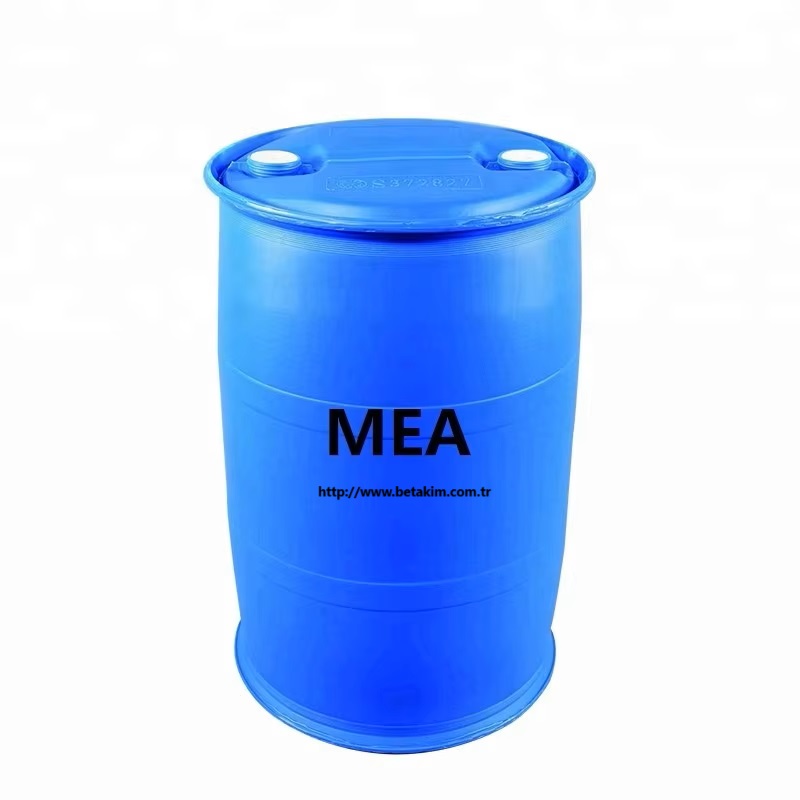
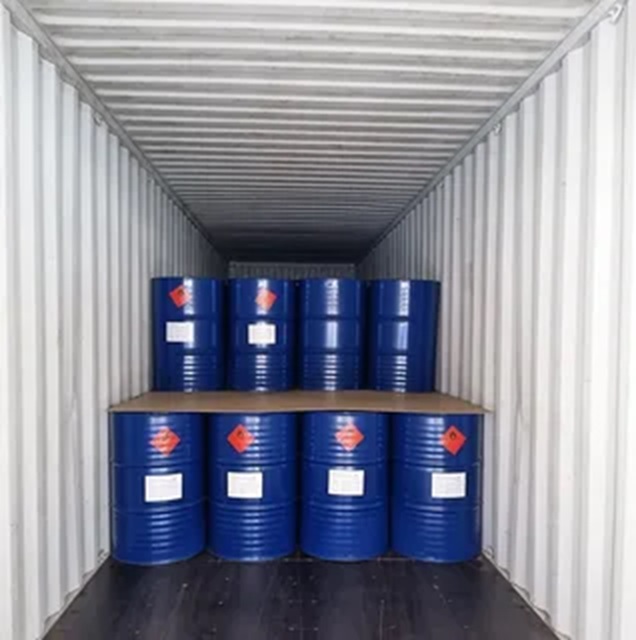
200 kg carbon steel or stainless steel drums
-
1,000 kg IBC containers
-
Bulk tanker deliveries
SECTION 12: QUALITY CERTIFICATES AND STANDARDS
| Certificate / Standard | Status | Description |
|---|---|---|
| ISO 9001:2015 | Certified | Quality management system |
| ISO 14001:2015 | Certified | Environmental management system |
| REACH | Registered | EU chemical regulation compliance |
| TSCA | Listed | US Toxic Substances Control Act |
| EINECS | Listed | 205-483-3 |
| Certificate of Analysis (COA) | Provided with each batch | Includes binding specifications |
| Safety Data Sheet (SDS) | Available | Current 16-section document |
| Technical Data Sheet (TDS) | Available | Comprehensive technical information |
| GMP | Compliant | Manufacturing quality standards |
SECTION 13: DISCLAIMER AND LEGAL NOTICE
| Item | Description |
|---|---|
| Information Purpose | This Technical Data Sheet (TDS) is for informational purposes only and does not constitute a binding specification. |
| Typical Values | Values stated herein are based on typical laboratory results and may vary slightly between batches. |
| Binding Data | For binding specifications, the Certificate of Analysis (COA) for each batch should be requested. |
| User Responsibility | The user is solely responsible for determining the suitability of the product for the intended application and ensuring compliance with all applicable regulations. |
| SDS Requirement | A current Safety Data Sheet (SDS) should be requested from the supplier prior to use. |
| Safety Information | Safety information in this document is based on current knowledge but does not constitute a guarantee of the product's health and safety risks. |
| Regulatory Changes | The user is responsible for monitoring local and international regulatory changes. |
| Product Quality | Product quality is guaranteed in accordance with the standards specified in this document. |
| License / Patents | This document does not grant any license or patent rights for use of the product. |
| Side Effects | May cause skin and eye irritation; appropriate protective measures should be taken. Should not be used with nitrite corrosion inhibitors (nitrosamine carcinogen formation). |
DISCLAIMER (LEGAL NOTICE): This Technical Data Sheet (TDS) is for informational purposes only and does not constitute a binding specification. The values stated herein are based on typical laboratory results. The user is solely responsible for determining the suitability of the product for the intended application and for ensuring compliance with all local regulations. A current Safety Data Sheet (SDS) and Certificate of Analysis (COA) should be requested prior to use. May cause skin and eye irritation; appropriate protective measures should be taken. Should not be used with nitrite corrosion inhibitors (nitrosamine carcinogen formation risk). This document does not grant any license or patent rights for use of the product.