We unleash your business potential by maximize the business innovation.
Send EmailCetrimonium Chloride, Cetyl Trimethyl Ammonium Chloride, Hexadecyl Trimethyl Ammonium Chloride, CTAC, HTAC, 112-02-7
CETRIMONIUM CHLORIDE (CETYL TRIMETHYL AMMONIUM CHLORIDE)
CAS 112-02-7 | C₁₉H₄₂ClN
SECTION 1: PRODUCT IDENTITY AND DEFINITION
| Parameter | Description |
|---|---|
| Product Name | Cetrimonium Chloride |
| Other Names | CTAC, HTAC, Cetyl Trimethyl Ammonium Chloride, Hexadecyl Trimethyl Ammonium Chloride, N-Hexadecyltrimethylammonium Chloride, C16-alkyltrimethylammonium chloride, 1631, Barquat CT 29 |
| Chemical Formula | C₁₉H₄₂ClN |
| Molecular Weight | 320.0 g/mol |
| CAS Number | 112-02-7 |
| EC Number (EINECS) | 203-928-6 |
| Chemical Class | Cationic Surfactant / Quaternary Ammonium Salt |
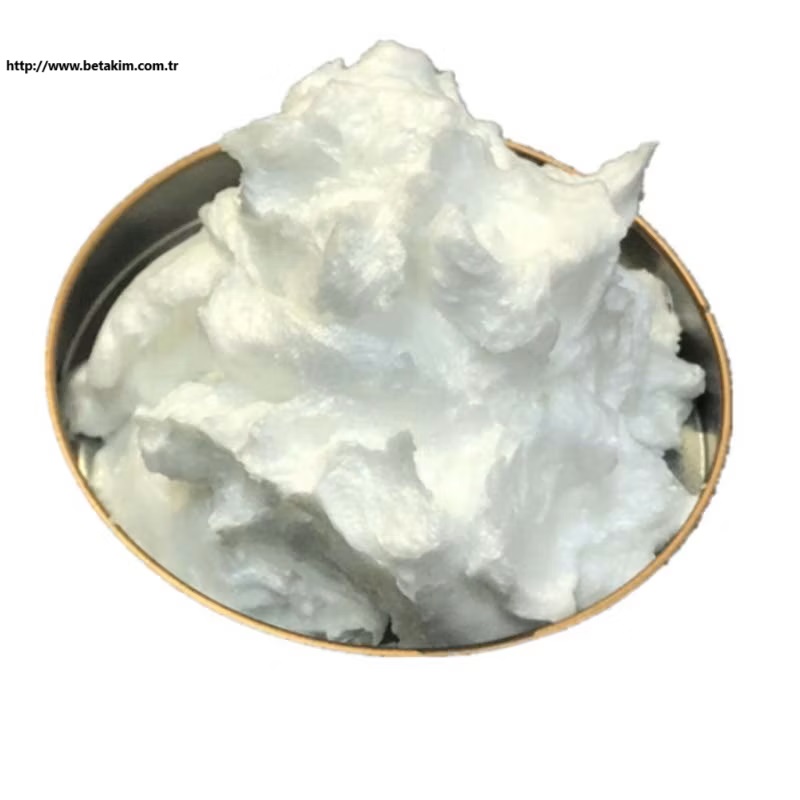
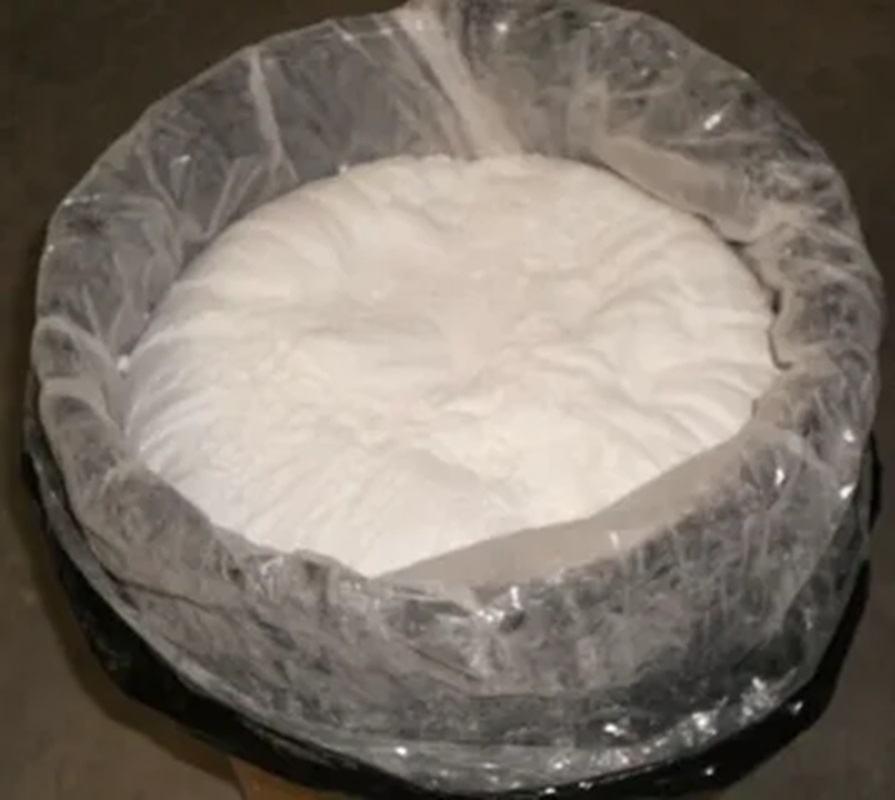
| Appearance | White to Off-White Powder, Paste, or Flakes |
| Odor | Slight characteristic |
| Source | Synthetic |
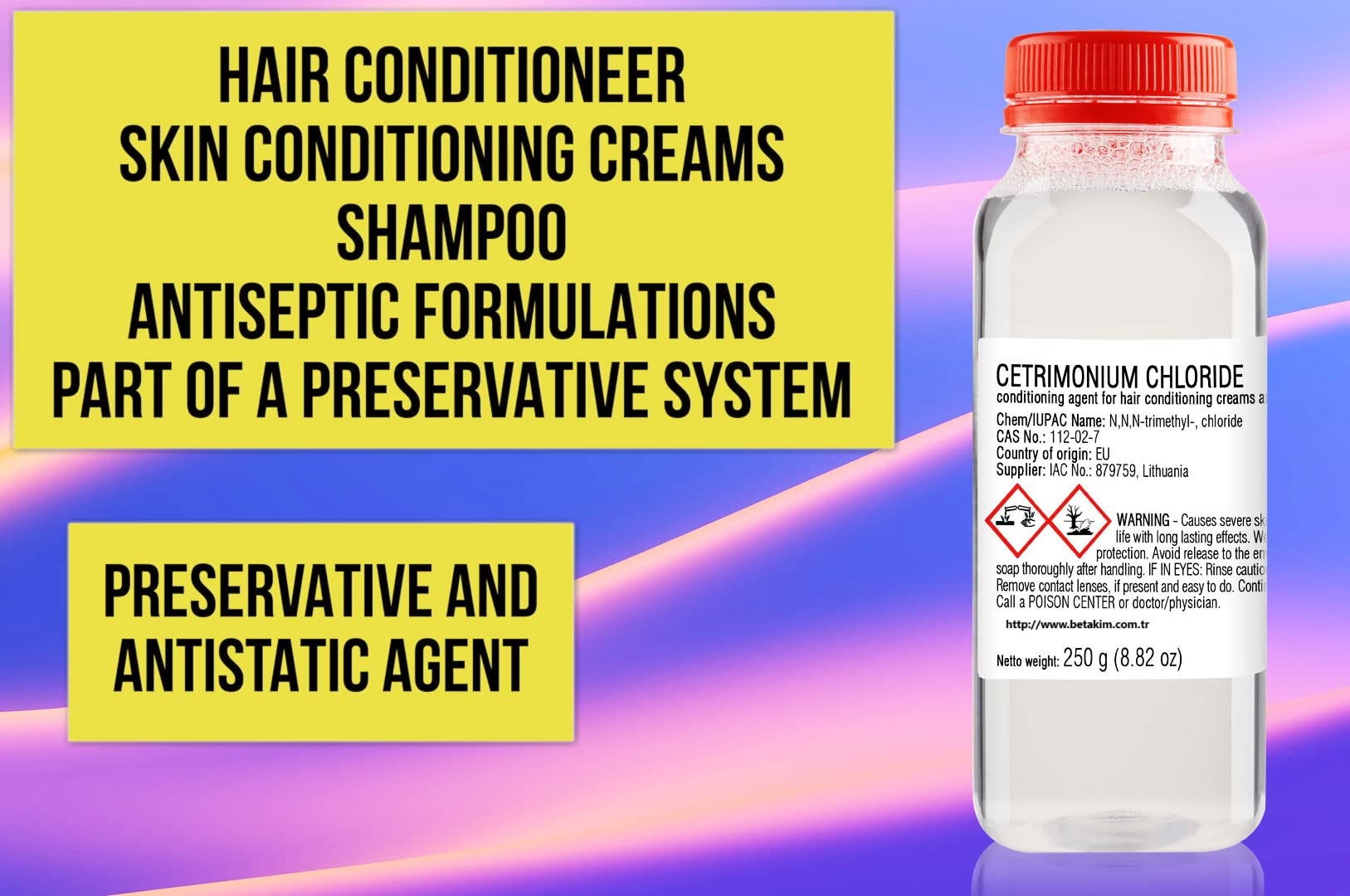
Description: Cetrimonium Chloride (Cetyl Trimethyl Ammonium Chloride) is a cationic quaternary ammonium salt surfactant. It is a white to off-white powder, paste, or flake solid with excellent water solubility. It is heat-resistant, light-resistant, and stable against strong acids and strong bases. It exhibits excellent surface activity, stability, and biodegradability. It has good compatibility with cationic, nonionic, and amphoteric surfactants, but is incompatible with anionic surfactants. It is widely used in hair care products (conditioners, shampoos), fabric softeners, antistatic agents, emulsifiers, corrosion inhibitors, and biocides.
SECTION 2: SYNONYMS AND OTHER NAMES
| No | Synonym / Other Name |
|---|---|
| 1 | Cetrimonium Chloride |
| 2 | Cetyl Trimethyl Ammonium Chloride |
| 3 | CTAC |
| 4 | HTAC |
| 5 | Hexadecyl Trimethyl Ammonium Chloride |
| 6 | N-Hexadecyltrimethylammonium Chloride |
| 7 | C16-alkyltrimethylammonium chloride |
| 8 | 1631 |
| 9 | Barquat CT 29 |
| 10 | Cetyl Trimithyl Ammonium Chloride |
| 11 | (1-Hexadecyl)trimethylammonium chloride |
| 12 | Cetyltrimethylammonium Chloride (CTMAC) |
| 13 | 112-02-7 |
| 14 | EC 203-928-6 |
SECTION 3: CHEMICAL STRUCTURE AND PROPERTIES
| Parameter | Description |
|---|---|
| Chemical Family | Cationic Surfactant / Quaternary Ammonium Salt |
| Structure | Cetyl (C16) alkyl chain with trimethylammonium head group and chloride counterion |
| Functional Groups | Quaternary Ammonium (N⁺), Chloride (Cl⁻) |
| Ionic Character | Cationic (positive charge on nitrogen) |
| Critical Micelle Concentration (CMC) | ~0.9 – 1.0 mM |
| HLB Value | ~15 – 16 |
Structural Formula:
    CH₃
    |
CH₃-(CH₂)₁₅ - N⁺ - CH₃  Cl⁻
    |
    CH₃

    Hexadecyltrimethylammonium Chloride (Cetrimonium Chloride)
Key Characteristics:
-
Cationic quaternary ammonium surfactant
-
Excellent water solubility (especially in hot water)
-
Good compatibility with cationic, nonionic, and amphoteric surfactants
-
Incompatible with anionic surfactants (precipitates)
-
Heat-resistant, light-resistant, acid/alkali-resistant
-
Good stability and biodegradability
-
Excellent softening, antistatic, and emulsifying properties
-
Biocidal and antimicrobial activity
SECTION 4: PHYSICAL AND CHEMICAL PROPERTIES
| Parameter | Specification | Typical Value | Test Method |
|---|---|---|---|
| Physical State (25°C) | Solid/Powder/Paste/Flakes | - | Visual |
| Appearance | White – Off-White | - | Visual |
| Odor | Slight characteristic | - | Organoleptic |
| Chemical Formula | C₁₉H₄₂ClN | - | - |
| Molecular Weight | 320.0 g/mol | - | - |
| CAS Number | 112-02-7 | - | - |
| Density (25°C) | ~0.968 g/mL | - | ASTM D4052 |
| Melting Point | 232 – 234 °C | - | DSC |
| Boiling Point | 475.5 °C (estimated) | - | - |
| Water Solubility | Soluble (hot water, alcohols) | - | - |
| Vapor Pressure (25°C) | 0.006 Pa | - | - |
| Refractive Index (n²⁰/D) | ~1.3778 | - | ASTM D1218 |
| pH (50 g/L, 25°C) | 6.0 – 8.5 | 6.5 – 7.5 | USP <791> |
| Active Content | ≥ 95% | 98 – 99% | Titration |
| Free Amine | ≤ 0.5% | < 0.2% | Titration |
| Ash Content | ≤ 0.5% | < 0.2% | USP <281> |
| Loss on Drying | ≤ 0.5% | < 0.3% | USP <731> |
| Heavy Metals (Pb) | ≤ 10 ppm | < 5 ppm | USP <231> |
| Moisture Content | ≤ 1.0% | < 0.5% | Karl Fischer |
| BRN | 3657974 | - | - |
| HS Code | 29239000 | - | - |
SECTION 5: FUNCTIONAL PROPERTIES
| Property | Description |
|---|---|
| Surfactant | Cationic surfactant with excellent surface activity |
| Conditioning | Provides softening and conditioning effects on hair and skin |
| Antistatic | Excellent antistatic properties for fibers and fabrics |
| Emulsification | Effective emulsifier for oils, silicone oils, and waxes |
| Softening | Softens fibers, fabrics, and hair |
| Biocidal | Antimicrobial and disinfectant properties |
| Thickening | Provides viscosity build in formulations |
| Compatibility | Compatible with cationic, nonionic, and amphoteric surfactants |
| Incompatibility | Incompatible with anionic surfactants (forms precipitates) |
SECTION 6: COSMETIC AND PERSONAL CARE APPLICATIONS
| Application | Function / Benefit | Typical Use Level |
|---|---|---|
| Hair Conditioners | Conditioning agent, antistatic, softener | 0.5 – 3.0% |
| Shampoos | Conditioning agent, antistatic | 0.5 – 2.0% |
| Hair Masks | Deep conditioning, softening | 1.0 – 3.0% |
| Leave-in Conditioners | Conditioning, detangling, antistatic | 0.5 – 2.0% |
| Creams and Lotions | Emulsifier, stabilizer | 0.5 – 2.0% |
| Hair Serums | Conditioning, antistatic | 0.5 – 1.5% |
| Silicone Oil Emulsifiers | Emulsifier for silicone oils | 5 – 15% |
| Baby Care Products | Mild conditioning agent | 0.5 – 1.5% |
| Color Protection Products | Conditioning, color retention | 0.5 – 2.0% |
Formulation Tips:
-
Do not mix directly with anionic surfactants (precipitation)
-
Can be combined with cationic and nonionic surfactants
-
Pre-dissolve in hot water (50-60°C) for easier incorporation
-
Compatible with quaternary ammonium compounds
-
pH range: 4.0 – 8.0
SECTION 7: INDUSTRIAL APPLICATIONS
| Industry | Application | Function / Benefit |
|---|---|---|
| Textile Industry | Fabric softener, antistatic agent | Softens fibers, reduces static electricity |
| Fiber Processing | Softening agent | Glass fiber softening, polyester silk additives |
| Paper Industry | Softening and isolation paper | Softens paper, provides isolation properties |
| Petroleum Industry | Corrosion inhibitor | Prevents internal pipeline corrosion; acid treatment systems |
| Pickling Industry | Corrosion inhibitor | Protects metals during acid cleaning |
| Oilfield | Emulsifier, corrosion inhibitor | Asphalt emulsification, water treatment |
| Water Treatment | Biocide, coagulant aid | Disinfectant, flocculation, algae control |
| Paints & Coatings | Emulsifier, dispersant | Architectural coatings, waterproof coatings |
| Latex Industry | Anti-adhesion agent | Prevents sticking in latex products |
| Organic Synthesis | Phase transfer catalyst | Catalyzes organic reactions |
| Asphalt Emulsification | Emulsifier | Oil-in-water emulsion slurries |
| Disinfectants | Biocide, sanitizer | Disinfection and sterilization |
SECTION 8: BIOCIDAL AND ANTIMICROBIAL PROPERTIES
| Microorganism | Activity |
|---|---|
| Bacteria (Gram-positive) | High |
| Staphylococcus aureus | Effective |
| Bacteria (Gram-negative) | Moderate |
| Pseudomonas aeruginosa | Moderate |
| Escherichia coli | Moderate |
| Fungi | Moderate |
| Candida albicans | Moderate |
| Aspergillus niger | Moderate |
| Algae | Effective |
Application as Biocide:
-
Water treatment systems
-
Cooling water treatment
-
Silkworm room disinfectants
-
Hospital disinfectants
-
Food processing sanitation
SECTION 9: ADVANTAGES AND BENEFITS
| Advantage | Description |
|---|---|
| Excellent Conditioning | Provides superior softening and conditioning for hair and fabrics |
| Antistatic Properties | Reduces static electricity in fibers and hair |
| Good Stability | Heat-resistant, light-resistant, acid/alkali-resistant |
| Biodegradable | Environmentally friendly |
| Versatile | Suitable for cosmetics, textiles, water treatment, and industrial applications |
| Compatibility | Good compatibility with cationic, nonionic, and amphoteric surfactants |
| Emulsifying Power | Effective emulsifier for silicone oils and waxes |
| Biocidal Activity | Effective antimicrobial and disinfectant properties |
| Ease of Formulation | Readily soluble in hot water and alcohols |
SECTION 10: COMPARISON WITH OTHER QUATERNARY AMMONIUM COMPOUNDS
| Property | Cetrimonium Chloride (C16) | Cetrimonium Bromide (C16) | Behentrimonium Chloride (C22) | Benzalkonium Chloride |
|---|---|---|---|---|
| CAS Number | 112-02-7 | 57-09-0 | 17301-53-6 | 8001-54-5 |
| Alkyl Chain | C16 | C16 | C22 | C8-C18 |
| Counter Ion | Cl⁻ | Br⁻ | Cl⁻ | Cl⁻ |
| Conditioning | Excellent | Excellent | Superior | Low |
| Antistatic | Excellent | Excellent | Excellent | Good |
| Biocidal Activity | Good | Good | Low | Excellent |
| Water Solubility | Good | Good | Moderate | Excellent |
| Cosmetic Use | Common | Less common | Common | Disinfectant |
SECTION 11: REGULATORY STATUS
| Region / Authority | Status | Description |
|---|---|---|
| European Union | Permitted | Cosmetic ingredient; restricted concentrations |
| Turkey | Permitted | Compliant with EU legislation |
| USA (FDA) | Permitted | OTC monograph for certain uses |
| Japan | Permitted | Approved for cosmetic use |
| Canada | Permitted | Health Canada approved |
| REACH | Registered | EU chemical regulation compliance |
| TSCA | Listed | US Toxic Substances Control Act |
| EINECS | 203-928-6 | European Inventory of Existing Chemical Substances |
| UN Number | 3082 | Environmentally Hazardous Substance, Liquid, N.O.S. |
| Hazard Class | 9 | - |
| Packing Group | III | - |
| WGK Germany | 3 (Severely hazardous to water) | - |
SECTION 12: SAFETY AND TOXICOLOGICAL PROFILE
| Parameter | Assessment |
|---|---|
| Acute Oral Toxicity (LD50) | 250 – 300 mg/kg (rat) |
| Acute Dermal Toxicity (LD50) | 4,300 µL/kg/24h (rabbit) |
| Skin Irritation | Irritating (R38) |
| Eye Irritation | Risk of serious damage (R41) |
| Skin Sensitization | May cause sensitization (R43) |
| Aquatic Toxicity | Very toxic to aquatic organisms (R50/53) |
| Carcinogenicity | Not classified (IARC, NTP) |
| Mutagenicity | Not classified |
| Biodegradability | Readily biodegradable |
| Inhalation | Irritating to respiratory system |
GHS Classification:
-
R22 – Harmful if swallowed
-
R38 – Irritating to skin
-
R41 – Risk of serious damage to eyes
-
R43 – May cause sensitization by skin contact
-
R50/53 – Very toxic to aquatic organisms; may cause long-term adverse effects in the aquatic environment
Safety Recommendations:
-
S26: In case of eye contact, rinse with plenty of water and seek medical advice
-
S37/39: Wear suitable gloves and eye/face protection
-
S60: This material and its container must be disposed of as hazardous waste
-
S61: Avoid release to the environment
-
PPE: Chemical resistant gloves (nitrile), safety goggles, protective clothing
-
Do not mix with anionic surfactants (precipitation)
SECTION 13: STORAGE AND SHELF LIFE
| Parameter | Information |
|---|---|
| Storage Temperature | Store below +30°C |
| Storage Conditions | Cool, dry, well-ventilated area |
| Container Requirements | Sealed containers; protect from moisture |
| Protect From | Moisture, heat, anionic surfactants |
| Hygroscopicity | Easily absorbs moisture |
| Shelf Life | 24 – 36 months (under proper storage) |
| Degradation Signs | Caking, color change, odor change |
Packaging Options:
-
25 kg HDPE bags/pails
-
50 kg, 100 kg drums
-
500 kg, 1000 kg big-bags
SECTION 14: QUALITY CERTIFICATES AND STANDARDS
| Certificate / Standard | Status | Description |
|---|---|---|
| ISO 9001:2015 | Certified | Quality management system |
| ISO 14001:2015 | Certified | Environmental management system |
| REACH | Registered | EU chemical regulation compliance |
| TSCA | Listed | US Toxic Substances Control Act |
| EINECS | Listed | 203-928-6 |
| Certificate of Analysis (COA) | Provided with each batch | Includes binding specifications |
| Safety Data Sheet (SDS) | Available | Current 16-section document |
| Technical Data Sheet (TDS) | Available | Comprehensive technical information |
| GMP | Compliant | Manufacturing quality standards |
SECTION 15: DISCLAIMER AND LEGAL NOTICE
| Item | Description |
|---|---|
| Information Purpose | This Technical Data Sheet (TDS) is for informational purposes only and does not constitute a binding specification. |
| Typical Values | Values stated herein are based on typical laboratory results and may vary slightly between batches. |
| Binding Data | For binding specifications, the Certificate of Analysis (COA) for each batch should be requested. |
| User Responsibility | The user is solely responsible for determining the suitability of the product for the intended application and ensuring compliance with all applicable regulations. |
| SDS Requirement | A current Safety Data Sheet (SDS) should be requested from the supplier prior to use. |
| Safety Information | Safety information in this document is based on current knowledge but does not constitute a guarantee of the product's health and safety risks. |
| Regulatory Changes | The user is responsible for monitoring local and international regulatory changes. |
| Product Quality | Product quality is guaranteed in accordance with the standards specified in this document. |
| License / Patents | This document does not grant any license or patent rights for use of the product. |
| Side Effects | May cause skin and eye irritation; appropriate protective measures should be taken. Very toxic to aquatic organisms; avoid environmental release. |
DISCLAIMER (LEGAL NOTICE): This Technical Data Sheet (TDS) is for informational purposes only and does not constitute a binding specification. The values stated herein are based on typical laboratory results. The user is solely responsible for determining the suitability of the product for the intended application and for ensuring compliance with all local regulations. A current Safety Data Sheet (SDS) and Certificate of Analysis (COA) should be requested prior to use. May cause skin and eye irritation; appropriate protective measures should be taken. Very toxic to aquatic organisms; avoid environmental release. This document does not grant any license or patent rights for use of the product.