We unleash your business potential by maximize the business innovation.
Send EmailBehentrimonium Chloride, Quartamin AB, Docosyl Trimethyl Ammonium Chloride, Behenyl Trimethyl Ammonium Chloride, BTAC, 17301-53-0
QUARTAMIN AB (BEHENTRIMONIUM CHLORIDE)
CAS 17301-53-0 | C₂₅H₅₄ClN
SECTION 1: PRODUCT IDENTITY AND DEFINITION
| Parameter | Description |
|---|---|
| Product Name | Quartamin AB |
| Other Names | Behentrimonium Chloride, Docosyl Trimethyl Ammonium Chloride, Behenyl Trimethyl Ammonium Chloride, Docosyltrimethylammonium Chloride, N,N,N-Trimethyldocosan-1-aminium Chloride, BTAC-228, HYQM-2231C |
| Chemical Formula | C₂₅H₅₄ClN |
| Molecular Weight | 404.16 g/mol |
| CAS Number | 17301-53-0 |
| EC Number (EINECS) | 241-327-0 |
| Chemical Class | Cationic Surfactant / Quaternary Ammonium Salt |
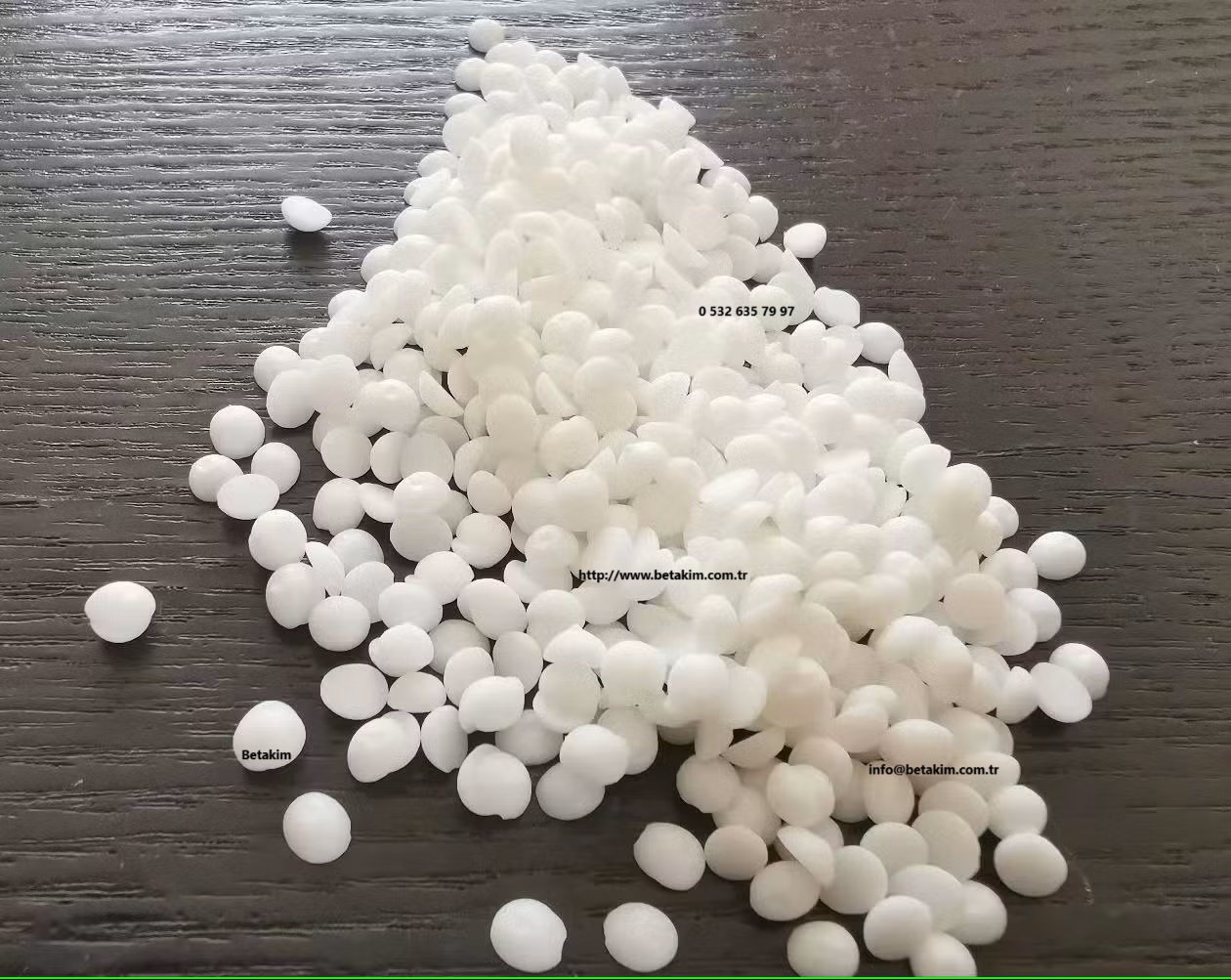
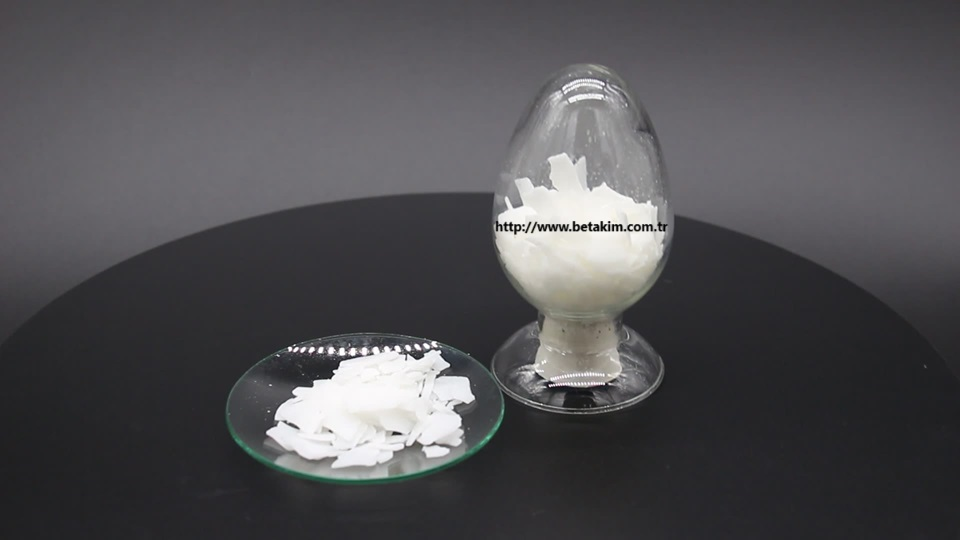
| Appearance | Yellow, Waxy Solid (tablets or flakes) |
| Odor | Slight characteristic |
| Source | Plant-based (derived from Brassica rapa olifera – canola/rapeseed) |
Description: Quartamin AB (Behentrimonium Chloride) is a cationic quaternary ammonium salt surfactant derived from plant-based sources (canola/rapeseed). It is a yellow, waxy solid that functions primarily as an antistatic agent, hair conditioner, and emulsifier. It has poor water solubility, which allows it to remain on hair and fabric surfaces, providing long-lasting conditioning and softening effects. It is widely used in hair care products (conditioners, hair dyes, styling foams), skin care products, textiles, and detergents. It is particularly effective for thick, damaged, and curly hair, providing superior softening, detangling, and shine.
SECTION 2: SYNONYMS AND OTHER NAMES
| No | Synonym / Other Name |
|---|---|
| 1 | Behentrimonium Chloride |
| 2 | Docosyl Trimethyl Ammonium Chloride |
| 3 | Behenyl Trimethyl Ammonium Chloride |
| 4 | Docosyltrimethylammonium Chloride |
| 5 | BTAC-228 |
| 6 | HYQM-2231C |
| 7 | 2231 (BTAC) |
| 8 | N,N,N-Trimethyldocosan-1-aminium Chloride |
| 9 | Docosane-1-yltrimethylaminium Chloride |
| 10 | N-Behenyl-N,N,N-trimethylammonium Chloride |
| 11 | 1-Docosanaminium, N,N,N-trimethyl-, Chloride |
| 12 | 17301-53-0 |
| 13 | EC 241-327-0 |
SECTION 3: CHEMICAL STRUCTURE AND PROPERTIES
| Parameter | Description |
|---|---|
| Chemical Family | Cationic Surfactant / Quaternary Ammonium Salt |
| Structure | Docosyl (C22) alkyl chain with trimethylammonium head group and chloride counterion |
| Functional Groups | Quaternary Ammonium (N⁺), Chloride (Cl⁻) |
| Ionic Character | Cationic (positive charge on nitrogen) |
| HLB Value | ~15 – 16 |
| Chain Length | C22 (Behenyl/Docosyl) |
Structural Formula:
    CH₃
    |
CH₃-(CH₂)₂₁ - N⁺ - CH₃  Cl⁻
    |
    CH₃

    Docosyltrimethylammonium Chloride (Behentrimonium Chloride)
Key Characteristics:
-
Cationic quaternary ammonium surfactant with C22 alkyl chain
-
Poor water solubility (remains on hair/fabric surfaces)
-
Excellent conditioning and antistatic properties
-
Superior softening effect for thick and hard-to-manage hair
-
Plant-based (derived from canola/rapeseed)
-
Good stability over a wide pH range
-
Not readily biodegradable
-
Provides smoothness, shine, and anti-static effect to hair
SECTION 4: PHYSICAL AND CHEMICAL PROPERTIES
| Parameter | Specification | Typical Value | Test Method |
|---|---|---|---|
| Physical State (25°C) | Solid (Waxy) | - | Visual |
| Appearance | Yellow, Waxy Solid | - | Visual |
| Odor | Slight characteristic | - | Organoleptic |
| Chemical Formula | C₂₅H₅₄ClN | - | - |
| Molecular Weight | 404.16 g/mol | - | - |
| CAS Number | 17301-53-0 | - | - |
| EC Number | 241-327-0 | - | - |
| Melting Point | ~50 – 60°C | - | DSC |
| Water Solubility | Poor (remains on hair/fabric) | - | - |
| Solubility in Alcohols | Soluble in hot alcohols | - | - |
| pH (1% Aqueous Dispersion) | 5.0 – 7.0 | - | USP <791> |
| Active Content | ≥ 90% | 95 – 98% | Titration |
| Free Amine | ≤ 1.0% | < 0.5% | Titration |
| Ash Content | ≤ 1.0% | < 0.5% | USP <281> |
| Loss on Drying | ≤ 1.0% | < 0.5% | USP <731> |
| Heavy Metals (Pb) | ≤ 10 ppm | < 5 ppm | USP <231> |
| Moisture Content | ≤ 1.0% | < 0.5% | Karl Fischer |
| IPA Content | Low (favorable for low-odor products) | - | GC |
SECTION 5: FUNCTIONAL PROPERTIES
| Property | Description |
|---|---|
| Antistatic | Neutralizes surface charge, reducing static electricity on hair and fabrics |
| Hair Conditioning | Softens, detangles, adds shine, manageability, and volume |
| Emulsifier | Helps blend oil and water phases in formulations |
| Substantivity | Absorbs onto negatively charged surfaces (hair, skin, fabrics) without visible film |
| Softening | Provides superior softening effect for thick and hard-to-manage hair |
| Penetration | Penetrates the hair shaft for potent conditioning effects |
| Antimicrobial | Some antimicrobial and preservative benefits |
| pH Stability | Excellent stability over a wide pH range |
SECTION 6: COSMETIC AND PERSONAL CARE APPLICATIONS
| Application | Function / Benefit | Typical Use Level |
|---|---|---|
| Hair Conditioners | Primary conditioning agent, antistatic, softener | 1.0 – 3.0% |
| Hair Masks | Deep conditioning, softening, detangling | 1.0 – 3.0% |
| Leave-in Conditioners | Conditioning, detangling, antistatic | 1.0 – 2.0% |
| Shampoos | Conditioning agent, antistatic | 0.5 – 1.5% |
| Hair Dyes | Conditioning, color retention | 1.0 – 2.0% |
| Styling Foams | Conditioning, antistatic | 0.5 – 1.5% |
| Hair Serums | Conditioning, shine, anti-frizz | 1.0 – 2.0% |
| Creams and Lotions | Emulsifier, conditioner | 1.0 – 2.0% |
| Baby Care Products | Mild conditioning agent | 0.5 – 1.5% |
| Color Protection Products | Conditioning, color retention | 0.5 – 1.5% |
| Curly Hair Products | Softening, restoring dryness, defrizzing | 1.0 – 3.0% |
Key Benefits for Hair:
-
Easy combing and finishing
-
Soft, silky, and smooth hair feel
-
Anti-static effect (prevents hair flying)
-
Volume, lightness, and shine
-
Superior conditioning for damaged and thick hair
-
Penetrates hair shaft for potent conditioning
SECTION 7: INDUSTRIAL APPLICATIONS
| Industry | Application | Function / Benefit |
|---|---|---|
| Textile Industry | Fabric softener, antistatic agent | Softens fibers, reduces static electricity |
| Detergents | Conditioning agents | Provides softening properties |
| Surface Active Agents | Surfactant formulations | Emulsification, antistatic |
| Personal Care | Antistatic, conditioner, emulsifier | Hair and skin care products |
SECTION 8: ADVANTAGES AND BENEFITS
| Advantage | Description |
|---|---|
| Superior Conditioning | Provides excellent softening, detangling, and conditioning for hair |
| Plant-Based | Derived from renewable plant sources (canola/rapeseed) |
| Substantivity | Remains on hair/fabric surfaces for long-lasting effects |
| Penetration | Penetrates the hair shaft for deep conditioning |
| Anti-Static | Effectively neutralizes static electricity |
| Defrizzing | Reduces frizz and improves manageability |
| Versatile | Suitable for various hair care and personal care products |
| Wide pH Stability | Excellent stability over a wide pH range |
| No Visible Film | Absorbs without leaving a visible residue |
| Low Odor | Low IPA content for favorable low-odor products |
SECTION 9: COMPARISON WITH OTHER CONDITIONING AGENTS
| Property | Behentrimonium Chloride (C22) | Cetrimonium Chloride (C16) | Behentrimonium Methosulfate | Quaternium-87 |
|---|---|---|---|---|
| CAS Number | 17301-53-0 | 112-02-7 | 81646-13-1 | - |
| Alkyl Chain | C22 | C16 | C22 | - |
| Counter Ion | Cl⁻ | Cl⁻ | Methosulfate | - |
| Water Solubility | Poor | Good | Moderate | Good |
| Conditioning | Superior | Excellent | Superior | Good |
| Penetration | Penetrates shaft | Surface | Penetrates shaft | Surface |
| Plant-Based | Yes | Synthetic | Yes | Synthetic |
| Biodegradability | Not readily | Good | Good | Moderate |
| Best For | Damaged/thick hair | General conditioning | High-end conditioners | General conditioning |
SECTION 10: REGULATORY STATUS
| Region / Authority | Status | Description |
|---|---|---|
| European Union | Permitted | Cosmetic ingredient; restricted concentrations |
| Turkey | Permitted | Compliant with EU legislation |
| USA (FDA) | Permitted | OTC monograph for certain uses |
| Japan | Permitted | Approved for cosmetic use |
| Canada | Permitted | Health Canada approved |
| REACH | Registered | EU chemical regulation compliance |
| TSCA | Listed | US Toxic Substances Control Act |
| EINECS | 241-327-0 | European Inventory of Existing Chemical Substances |
| Organic Status | Prohibited | Not allowed in organic-certified formulations |
SECTION 11: SAFETY AND TOXICOLOGICAL PROFILE
| Parameter | Assessment |
|---|---|
| Acute Oral Toxicity | Low toxicity |
| Acute Dermal Toxicity | Low toxicity |
| Skin Irritation | May cause mild irritation |
| Eye Irritation | May cause irritation |
| Skin Sensitization | Low potential |
| Carcinogenicity | Not classified (IARC, NTP) |
| Mutagenicity | Not classified |
| Biodegradability | Not readily biodegradable |
| Environmental Toxicity | Moderate concern |
Safety Recommendations:
-
S26: In case of eye contact, rinse with plenty of water
-
S36/37: Wear suitable protective clothing and gloves
-
PPE: Chemical resistant gloves, safety goggles, protective clothing
SECTION 12: STORAGE AND SHELF LIFE
| Parameter | Information |
|---|---|
| Storage Temperature | 15 – 30°C (cool, dry) |
| Storage Conditions | Well-ventilated, moisture-protected area |
| Container Requirements | Sealed containers; protect from moisture |
| Protect From | Moisture, heat, contamination |
| Hygroscopicity | Low to moderate |
| Shelf Life | 24 – 36 months (under proper storage) |
| Degradation Signs | Color change, odor change, caking |
Packaging Options:
-
25 kg HDPE bags/pails
-
50 kg, 100 kg drums
-
500 kg, 1000 kg big-bags
SECTION 13: QUALITY CERTIFICATES AND STANDARDS
| Certificate / Standard | Status | Description |
|---|---|---|
| ISO 9001:2015 | Certified | Quality management system |
| ISO 14001:2015 | Certified | Environmental management system |
| REACH | Registered | EU chemical regulation compliance |
| TSCA | Listed | US Toxic Substances Control Act |
| EINECS | Listed | 241-327-0 |
| Certificate of Analysis (COA) | Provided with each batch | Includes binding specifications |
| Safety Data Sheet (SDS) | Available | Current 16-section document |
| Technical Data Sheet (TDS) | Available | Comprehensive technical information |
| GMP | Compliant | Manufacturing quality standards |
SECTION 14: DISCLAIMER AND LEGAL NOTICE
| Item | Description |
|---|---|
| Information Purpose | This Technical Data Sheet (TDS) is for informational purposes only and does not constitute a binding specification. |
| Typical Values | Values stated herein are based on typical laboratory results and may vary slightly between batches. |
| Binding Data | For binding specifications, the Certificate of Analysis (COA) for each batch should be requested. |
| User Responsibility | The user is solely responsible for determining the suitability of the product for the intended application and ensuring compliance with all applicable regulations. |
| SDS Requirement | A current Safety Data Sheet (SDS) should be requested from the supplier prior to use. |
| Safety Information | Safety information in this document is based on current knowledge but does not constitute a guarantee of the product's health and safety risks. |
| Regulatory Changes | The user is responsible for monitoring local and international regulatory changes. |
| Product Quality | Product quality is guaranteed in accordance with the standards specified in this document. |
| License / Patents | This document does not grant any license or patent rights for use of the product. |
| Side Effects | May cause skin and eye irritation; appropriate protective measures should be taken. Not readily biodegradable; consider environmental impact. |
DISCLAIMER (LEGAL NOTICE): This Technical Data Sheet (TDS) is for informational purposes only and does not constitute a binding specification. The values stated herein are based on typical laboratory results. The user is solely responsible for determining the suitability of the product for the intended application and for ensuring compliance with all local regulations. A current Safety Data Sheet (SDS) and Certificate of Analysis (COA) should be requested prior to use. May cause skin and eye irritation; appropriate protective measures should be taken. Not readily biodegradable; consider environmental impact. This document does not grant any license or patent rights for use of the product.