We unleash your business potential by maximize the business innovation.
Send EmailAlpha Olefin Sulfonate, Sodium Tetradecene Sulfonate, AOS, 68439-57-6
General Information
-
Chemical Name: Alpha Olefin Sulfonate (AOS)
-
Formula: CnH2n-1SO3Na (n = 14–16)
-
Molecular Weight: ~324 g/mol
-
CAS Number: 68439-57-6
-
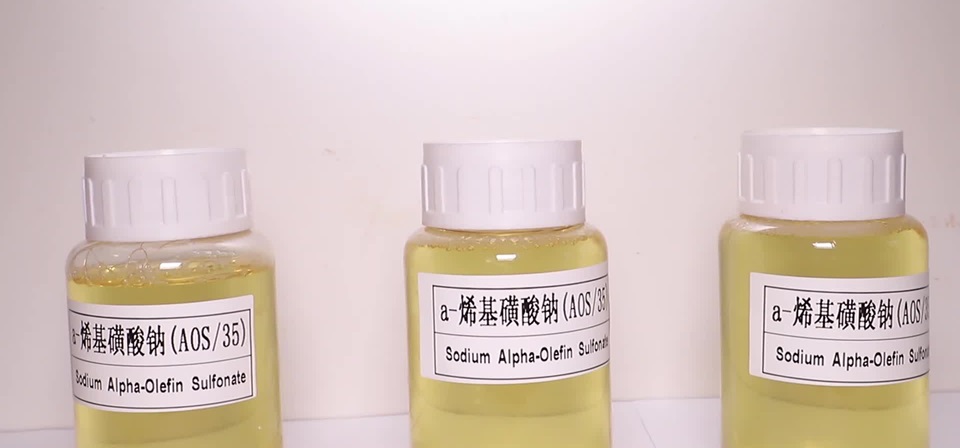
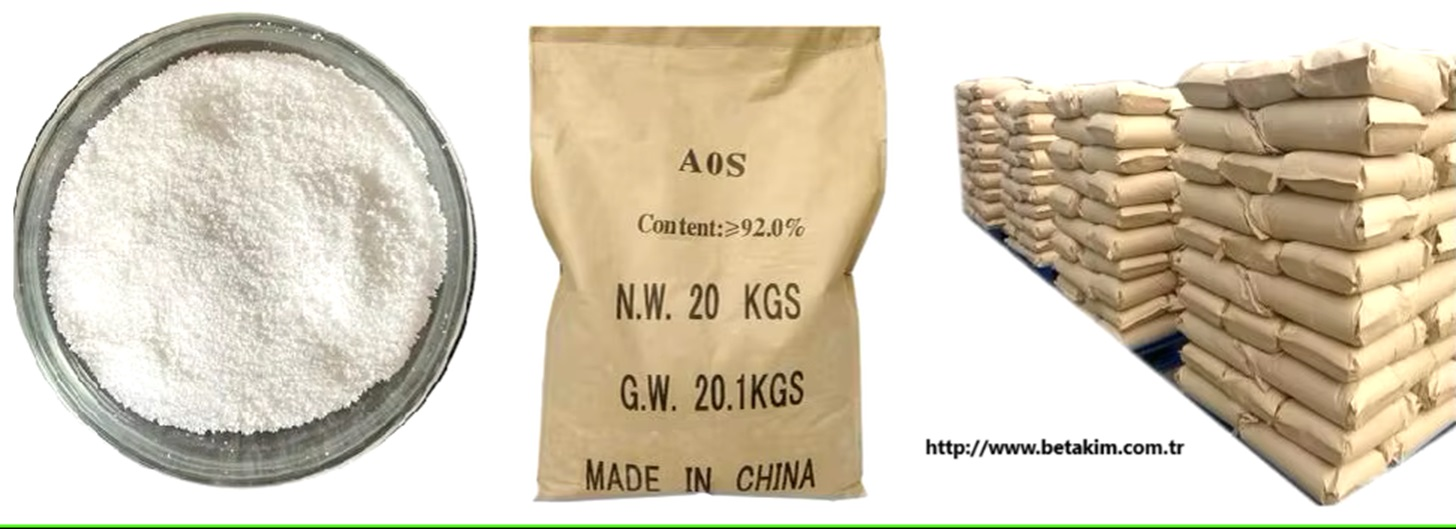
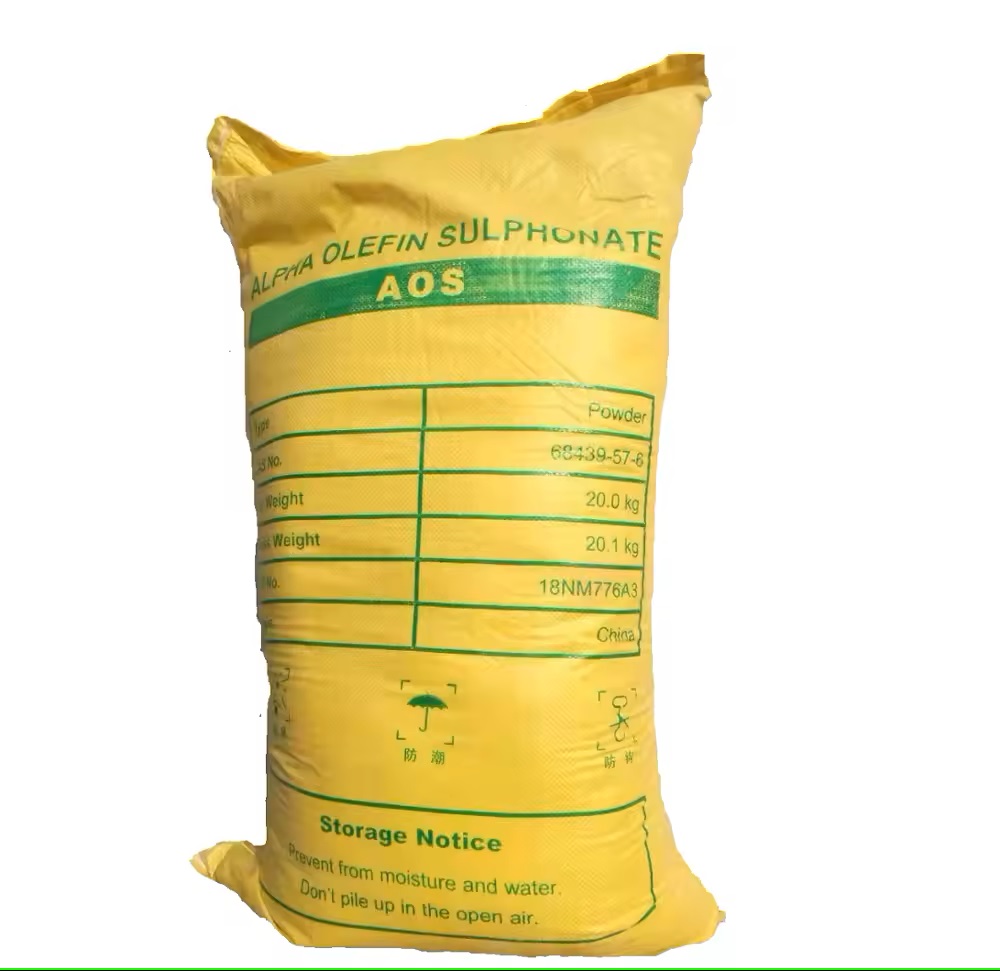
Appearance: Light yellowish powder or liquid form
-
Nature: Anionic surfactant, biodegradable, mild on skin
Production Process
-
Derived from alpha-olefins (C14–C16 carbon chains).
-
Produced via sulfonation of alpha-olefins.
-
Steps include:
-
Sulfonation reaction
-
Hydrolysis and neutralization (with sodium hydroxide)
-
Purification
-
-
Raw materials often come from petrochemical processes (ethylene oligomerization, Fischer-Tropsch synthesis).
Applications
-
Household Cleaning: Laundry detergents, dishwashing liquids, liquid soaps.
-
Personal Care: Shampoos, shower gels, facial cleansers, toothpaste, hand soaps.
-
Industrial Uses:
-
Textile, printing, dyeing
-
Firefighting foams
-
Concrete additives (air entrainment)
-
Pesticide emulsifiers
-
Emulsion polymerization
-
Advantages
-
Excellent foaming and foam stability
-
Works well in both hard and soft water
-
Gentle on skin, low irritation
-
Biodegradable and eco-friendly
-
Compatible with other surfactants (nonionic, amphoteric)
-
Ideal for sulfate-free formulations (alternative to SLS)
Difference from Sodium Lauryl Sulfate (SLS)
-
AOS: Milder, less irritating, preferred for sulfate-free shampoos and body washes.
-
SLS: Stronger, cheaper, but can be harsh and irritating to skin.
Storage
-
Store in a cool, dry place, away from moisture and heat.
Other Names for AOS
-
Alpha Olefin Sulfonate
-
AOS Powder
-
Sodium Alpha Olefin Sulfonate
-
Sodium C14–16 Olefin Sulfonate
-
Sodium Tetradecene Sulfonate
-
Linear Alpha Olefin Sulfonate
-
AOS
Sectoral Usage, Suitability, and Dosage
| Sector | Suitability | Typical Usage Levels |
|---|---|---|
| Household Cleaning | Laundry detergents, dishwashing liquids, liquid soaps. Strong foaming, good in hard water. | 5–20% of formulation |
| Personal Care | Shampoos, shower gels, facial cleansers, toothpaste, hand soaps. Gentle, sulfate-free alternative. | 4–15% of formulation |
| Cosmetics | Creams, lotions, pet shampoos, face washes. Mild surfactant, good emulsifier. | 2–10% depending on product |
| Industrial Cleaning | Car wash liquids, heavy-duty detergents. High foaming, strong degreasing. | 10–30% of formulation |
| Textile & Dyeing | Wetting agent, detergent in textile processing. Compatible with polymers. | 5–15% |
| Construction | Concrete additives (air entrainment, density improvement). | Small amounts (<5%) |
| Agriculture | Pesticide emulsifier, wetting agent. | 2–8% depending on formulation |
| Firefighting Foams | Foam stabilizer in fire suppression systems. | Variable, usually 5–10% |
Key Notes
-
Mildness: Less irritating than Sodium Lauryl Sulfate (SLS), making it ideal for sulfate-free shampoos and body washes.
-
Flexibility: Can be used alone or combined with nonionic/amphoteric surfactants.
-
Eco-Friendly: Biodegradable, low toxicity, safe for personal care and environmental applications.
-
Concentration Range: Generally used between 4–30% depending on product type and desired foaming/cleaning effect.
, AOS toz, ALFONAT30,.jpg)
, 68439-57-6.jpg)