We unleash your business potential by maximize the business innovation.
Send EmailSodium Lauroyl Sarcosinate, Sodium Lauryl Sarcosinate, Sodium Dodecyl Sarcosinate, SLS, 137-16-6, 7631-98-3
SODIUM LAUROYL SARCOSINATE (SODIUM LAURYL SARCOSINATE)
CAS 137-16-6 | CAS 7631-98-3 | C₁₅H₂₈NNaO₃
SECTION 1: PRODUCT IDENTITY AND DEFINITION
| Parameter | Description |
|---|---|
| Product Name | Sodium Lauroyl Sarcosinate |
| Other Names | Sodium Lauryl Sarcosinate, Sodium Dodecyl Sarcosinate, Sodium N-Lauroylsarcosinate, N-Lauroylsarcosine Sodium Salt, Gardol, Sarkosyl, SLS, Medialan LD, Hamposyl L, Crodasinic LS |
| Chemical Formula | C₁₅H₂₈NNaO₃ |
| Molecular Weight | 293.38 g/mol |
| CAS Numbers | 137-16-6 (Primary), 7631-98-3 |
| EC Number (EINECS) | 205-281-5 |
| Chemical Class | Anionic Surfactant / Amino Acid Based Surfactant / N-Acyl Sarcosinate |
| Appearance | Clear to Slightly Yellow Viscous Liquid |
| Odor | Characteristic, mild |
| pH (as supplied) | 7.0 – 8.5 |
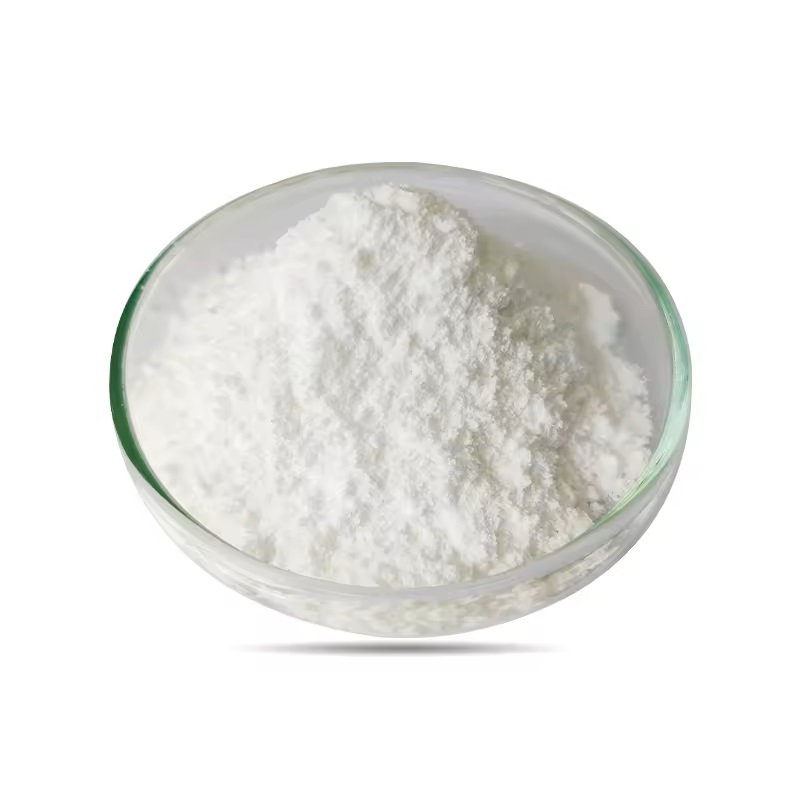
| Active Content | 28 – 30% (liquid) / 90 – 95% (powder) |
| Source | Synthetic (from natural fatty acids and sarcosine) |
Description: Sodium Lauroyl Sarcosinate is a mild, anionic amino acid-based surfactant derived from natural fatty acids (lauric acid) and sarcosine. It is widely used in personal care and cosmetic products due to its excellent foaming, cleansing, and mildness properties. It is particularly suitable for sensitive skin and hair formulations, toothpastes, facial cleansers, shampoos, and body washes. It has good compatibility with other surfactants and is stable in the presence of calcium and magnesium salts, hydrogen peroxide, and chlorine. It exhibits anticaries properties and inhibits lactic acid bacteria in the oral cavity at low concentrations.
SECTION 2: SYNONYMS AND OTHER NAMES
| No | Synonym / Other Name |
|---|---|
| 1 | Sodium Lauroyl Sarcosinate |
| 2 | Sodium Lauryl Sarcosinate |
| 3 | Sodium Dodecyl Sarcosinate |
| 4 | Sodium N-Lauroylsarcosinate |
| 5 | N-Lauroylsarcosine Sodium Salt |
| 6 | Gardol |
| 7 | Sarkosyl |
| 8 | Sodium N-Lauroyl Sarcosinate |
| 9 | N-Dodecanoyl-N-methylglycine Sodium Salt |
| 10 | N-Lauroyl-N-methylglycine Sodium Salt |
| 11 | Medialan LD |
| 12 | Hamposyl L |
| 13 | Crodasinic LS |
| 14 | Maprosyl 30 |
| 15 | Oramix L 30 |
| 16 | Sarcosinate LN |
| 17 | Nikkol Sarcosinate LN |
| 18 | Perlastan L 30 |
| 19 | 137-16-6 |
| 20 | 7631-98-3 |
| 21 | EC 205-281-5 |
SECTION 3: CHEMICAL STRUCTURE AND PROPERTIES
| Parameter | Description |
|---|---|
| Chemical Family | Anionic Surfactant / N-Acyl Sarcosinate / Amino Acid Surfactant |
| Structure | Lauric acid (C12) fatty chain attached to sarcosine via amide bond, neutralized with sodium |
| Functional Groups | Amide (-CON-), Carboxylate (-COO⁻), Sodium (Na⁺) |
| Ionic Character | Anionic (negative charge on carboxylate) |
| Amphiphilic Nature | Hydrophilic head (sarcosine carboxylate) + Hydrophobic tail (lauryl C12 chain) |
| Critical Micelle Concentration (CMC) | ~0.02 – 0.05% |
| pKa | ~5.0 – 5.5 |
| Optimal pH Range | 5.5 – 7.0 |
Structural Formula:
    CH₃ - (CH₂)₁₀ - CO - N - CH₂ - COO⁻  Na⁺
                    |
                   CH₃

    Sodium Lauroyl Sarcosinate
Key Characteristics:
-
Anionic amino acid-based surfactant
-
Mild and gentle on skin and hair
-
Excellent foaming properties
-
Biodegradable
-
Good hard water tolerance
-
Stable in presence of calcium, magnesium salts, H₂O₂, and chlorine
-
Exhibits anticaries properties
-
Inhibits lactic acid bacteria in oral cavity at 0.3% concentration
-
Good compatibility with other surfactants
SECTION 4: PHYSICAL AND CHEMICAL PROPERTIES
| Parameter | Specification | Typical Value | Test Method |
|---|---|---|---|
| Physical State (25°C) | Liquid (Viscous) | - | Visual |
| Appearance | Clear to Slightly Yellow | - | Visual |
| Odor | Characteristic, mild | - | Organoleptic |
| Color | Transparent to Light Yellow | - | Visual |
| Chemical Formula | C₁₅H₂₈NNaO₃ | - | - |
| Molecular Weight | 293.38 g/mol | - | - |
| CAS Number | 137-16-6 | - | - |
| Melting Point | ~140 °C | - | DSC |
| Boiling Point | ~100 °C (decomposes) | - | - |
| pH (as supplied) | 7.0 – 8.5 | 7.5 – 8.0 | USP <791> |
| Active Content (Liquid) | 28 – 30% | 29.0 – 29.5% | Titration |
| Active Content (Powder) | 90 – 95% | 92 – 94% | Titration |
| Density (25°C) | ~1.05 – 1.10 g/cm³ | ~1.08 g/cm³ | ASTM D4052 |
| Water Solubility | Soluble | - | - |
| Solubility in Mineral Oils | Soluble | - | - |
| Solubility in Silicone Fluids | Soluble | - | - |
| Solubility in Glycerin | Soluble | - | - |
| Solubility in Hydrocarbons | Soluble | - | - |
| Viscosity (25°C) | ~300 – 800 cP | ~500 cP | Brookfield |
| Surface Tension | ~28 – 32 mN/m | - | - |
| Foaming Height | Good | - | - |
| Sodium Chloride Content | ≤ 1.5% | < 1.0% | Titration |
| Free Fatty Acid | ≤ 1.0% | < 0.5% | Titration |
SECTION 5: PRODUCTION PROCESS
| Stage | Description |
|---|---|
| 1. Methylation of Glycine | Glycine is methylated to form sarcosine (N-methylglycine) |
| 2. Acylation | Sarcosine is reacted with lauroyl chloride (derived from lauric acid) |
| 3. Neutralization | The resulting lauroyl sarcosine is neutralized with sodium hydroxide |
| 4. Purification | The product is purified and adjusted to the desired concentration |
Reaction Steps:
Step 1: Glycine + Formaldehyde → N-Methylglycine (Sarcosine)
Step 2: Sarcosine + Lauroyl Chloride → N-Lauroylsarcosine
Step 3: N-Lauroylsarcosine + NaOH → Sodium Lauroyl Sarcosinate + H₂O
Key Production Advantages:
-
Derived from natural fatty acids (coconut oil, palm oil)
-
Biodegradable
-
Mild and gentle compared to other anionic surfactants
SECTION 6: FUNCTIONAL PROPERTIES
| Property | Description |
|---|---|
| Cleansing | Effective and mild cleansing agent |
| Foaming | Excellent foaming and foam stabilization |
| Mildness | Gentle on skin and mucous membranes |
| Anticaries | Inhibits lactic acid bacteria in oral cavity at 0.3% concentration |
| Hard Water Stability | Stable in calcium and magnesium salt solutions |
| Chemical Stability | Stable with hydrogen peroxide and chlorine |
| Solubility | Soluble in water, mineral oils, silicone fluids, glycerin, hydrocarbons |
| Compatibility | Compatible with anionic, nonionic, and amphoteric surfactants |
| Biodegradability | Readily biodegradable |
SECTION 7: COSMETIC AND PERSONAL CARE APPLICATIONS
| Application | Function / Benefit | Typical Use Level |
|---|---|---|
| Shampoos | Mild cleanser, foam booster, conditioner | 5 – 15% |
| Facial Cleansers | Mild cleanser, foam booster | 5 – 15% |
| Body Washes | Mild cleanser, foam booster | 5 – 15% |
| Liquid Soaps | Mild cleanser, foam booster | 5 – 15% |
| Toothpastes | Cleanser, foam stabilizer, anticaries agent | 0.5 – 2.0% |
| Shaving Foams | Mild cleanser, lubricant, foam booster | 5 – 10% |
| Baby Shampoos | Mild cleanser, gentle surfactant | 5 – 10% |
| Sensitive Skin Products | Primary surfactant, non-irritating | 5 – 15% |
| Makeup Removers | Mild cleanser, emulsifier | 5 – 10% |
| Hair Conditioners | Mild cleanser, conditioning agent | 0.5 – 3.0% |
| Oral Care Products | Cleanser, foam stabilizer | 0.5 – 2.0% |
Recommended Use Levels:
-
Rinse-off Products: 5 – 15%
-
Leave-on Products: 0.5 – 3.0%
-
Oral Care: 0.5 – 2.0%
SECTION 8: DETERGENT AND CLEANING APPLICATIONS
| Application | Function / Benefit | Typical Use Level |
|---|---|---|
| Chlorine-Based Cleaners | Surfactant, stable with chlorine | 5 – 15% |
| Industrial Cleaners | Mild surfactant | 5 – 15% |
| Institutional Cleaners | Surfactant | 5 – 15% |
Advantages in Cleaning:
-
Stable in chlorine-based formulations
-
Good hard water tolerance
-
Mild on surfaces and skin
SECTION 9: ADVANTAGES AND BENEFITS
| Advantage | Description |
|---|---|
| Mild Surfactant | Gentle on skin and hair; suitable for sensitive skin |
| Excellent Foaming | Produces rich, stable foam |
| Anticaries Properties | Inhibits lactic acid bacteria in oral cavity |
| Hard Water Compatibility | Stable in calcium and magnesium salts |
| Chemical Stability | Stable with hydrogen peroxide and chlorine |
| Biodegradable | Environmentally friendly |
| Versatile | Suitable for various personal care and cleaning products |
| Good Compatibility | Compatible with other surfactant types |
| Wide Solubility | Soluble in water, oils, and organic solvents |
| Low Irritation | Lower irritation compared to many other anionic surfactants |
SECTION 10: MILDNESS AND SAFETY COMPARISON
| Surfactant | Skin Mildness | Eye Irritation | Foaming | Cleansing Power |
|---|---|---|---|---|
| Sodium Lauroyl Sarcosinate | Excellent | Mild | Good | Good |
| Sodium Lauryl Sulfate (SLS) | Poor | Severe | Excellent | Excellent |
| Sodium Laureth Sulfate (SLES) | Moderate | Moderate | Excellent | Good |
| Cocamidopropyl Betaine | Good | Mild | Good | Moderate |
| Sodium Cocoyl Isethionate | Excellent | Mild | Good | Good |
| Sodium Methyl Cocoyl Taurate | Excellent | Mild | Good | Good |
SECTION 11: REGULATORY STATUS
| Region / Authority | Status | Description |
|---|---|---|
| European Union | Permitted | Cosmetic ingredient; no specific restrictions |
| Turkey | Permitted | Compliant with EU legislation |
| USA (FDA) | Permitted | OTC monograph for oral care; GRAS for some applications |
| Japan | Permitted | Approved for cosmetic use |
| Canada | Permitted | Health Canada approved |
| CIR | Approved | Safe for cosmetic use |
| REACH | Registered | EU chemical regulation compliance |
| TSCA | Listed | US Toxic Substances Control Act |
| EINECS | 205-281-5 | European Inventory of Existing Chemical Substances |
SECTION 12: SAFETY AND TOXICOLOGICAL PROFILE
| Parameter | Assessment |
|---|---|
| Acute Oral Toxicity (LD50) | > 2,000 mg/kg (low toxicity) |
| Acute Dermal Toxicity (LD50) | > 2,000 mg/kg (low toxicity) |
| Skin Irritation | Mild irritant; non-irritating at use levels |
| Eye Irritation | Mild to moderate irritant |
| Skin Sensitization | Low potential |
| Carcinogenicity | Not classified (IARC, NTP) |
| Mutagenicity | Not mutagenic (Ames test negative) |
| Reproductive Toxicity | Not classified |
| Endocrine Disruption | No known potential |
| Biodegradability | Readily biodegradable |
| Aquatic Toxicity | Low to moderate |
Safety Recommendations:
-
S24/25: Avoid contact with skin and eyes
-
S26: In case of eye contact, rinse with plenty of water
-
S36/37: Wear suitable protective clothing and gloves
-
PPE: Chemical resistant gloves, safety goggles, protective clothing
First Aid Measures:
| Exposure Route | Action |
|---|---|
| Inhalation | Move to fresh air; seek medical attention if symptoms persist |
| Skin Contact | Wash with soap and water |
| Eye Contact | Rinse with plenty of water for 15 minutes; seek medical attention |
| Ingestion | Rinse mouth; do not induce vomiting; seek medical attention |
SECTION 13: STORAGE AND SHELF LIFE
| Parameter | Information |
|---|---|
| Storage Temperature | 15 – 30°C (cool, dry) |
| Storage Conditions | Well-ventilated, moisture-protected area |
| Container Requirements | Sealed containers (HDPE, stainless steel) |
| Protect From | Freezing, excessive heat, contamination |
| Hygroscopicity | Low to moderate |
| Shelf Life | 24 – 36 months (under proper storage) |
| Degradation Signs | Color change, odor change, phase separation |
Packaging Options:
-
25 kg, 50 kg, 200 kg HDPE drums
-
1000 kg IBC containers
-
1 kg, 5 kg, 10 kg (upon request)
SECTION 14: QUALITY CERTIFICATES AND STANDARDS
| Certificate / Standard | Status | Description |
|---|---|---|
| ISO 9001:2015 | Certified | Quality management system |
| ISO 14001:2015 | Certified | Environmental management system |
| REACH | Registered | EU chemical regulation compliance |
| TSCA | Listed | US Toxic Substances Control Act |
| EINECS | Listed | 205-281-5 |
| Certificate of Analysis (COA) | Provided with each batch | Includes binding specifications |
| Safety Data Sheet (SDS) | Available | Current 16-section document |
| Technical Data Sheet (TDS) | Available | Comprehensive technical information |
| GMP | Compliant | Manufacturing quality standards |
| Halal | Available | Upon request |
| Kosher | Available | Upon request |
SECTION 15: DISCLAIMER AND LEGAL NOTICE
| Item | Description |
|---|---|
| Information Purpose | This Technical Data Sheet (TDS) is for informational purposes only and does not constitute a binding specification. |
| Typical Values | Values stated herein are based on typical laboratory results and may vary slightly between batches. |
| Binding Data | For binding specifications, the Certificate of Analysis (COA) for each batch should be requested. |
| User Responsibility | The user is solely responsible for determining the suitability of the product for the intended application and ensuring compliance with all applicable regulations. |
| SDS Requirement | A current Safety Data Sheet (SDS) should be requested from the supplier prior to use. |
| Safety Information | Safety information in this document is based on current knowledge but does not constitute a guarantee of the product's health and safety risks. |
| Regulatory Changes | The user is responsible for monitoring local and international regulatory changes. |
| Product Quality | Product quality is guaranteed in accordance with the standards specified in this document. |
| License / Patents | This document does not grant any license or patent rights for use of the product. |
| Side Effects | May cause mild skin and eye irritation; appropriate protective measures should be taken. |
DISCLAIMER (LEGAL NOTICE): This Technical Data Sheet (TDS) is for informational purposes only and does not constitute a binding specification. The values stated herein are based on typical laboratory results. The user is solely responsible for determining the suitability of the product for the intended application and for ensuring compliance with all local regulations. A current Safety Data Sheet (SDS) and Certificate of Analysis (COA) should be requested prior to use. May cause mild skin and eye irritation; appropriate protective measures should be taken. This document does not grant any license or patent rights for use of the product.