We unleash your business potential by maximize the business innovation.
Send EmailCationic Polyelectrolyte, Cationic Polyacrylamide, Cationic Flocculant, Cationic PAM, CPAM, 9003-05-8
CATIONIC POLYELECTROLYTE (CATIONIC POLYACRYLAMIDE - CPAM)
PRODUCT IDENTIFICATION INFORMATION
| Parameter | Information |
|---|---|
| Product Name | Cationic Polyelectrolyte |
| Chemical Name | Polyacrylamide (cationic modified) |
| Synonyms (Turkish) | Katyonik Polielektrolit, Katyonik Poliakrilamid, CPAM, Katyonik Flokülant |
| Synonyms (English) | Cationic Polyelectrolyte, Cationic Polyacrylamide, CPAM, Cationic Flocculant, Polyacrylamide, PAM |
| CAS Number | 9003-05-8 |
| Molecular Formula | (C₃H₅NO)ₙ |
| Charge Type | Positive (Cationic) |
| Molecular Weight | 5 – 15 million Daltons (application-dependent) |
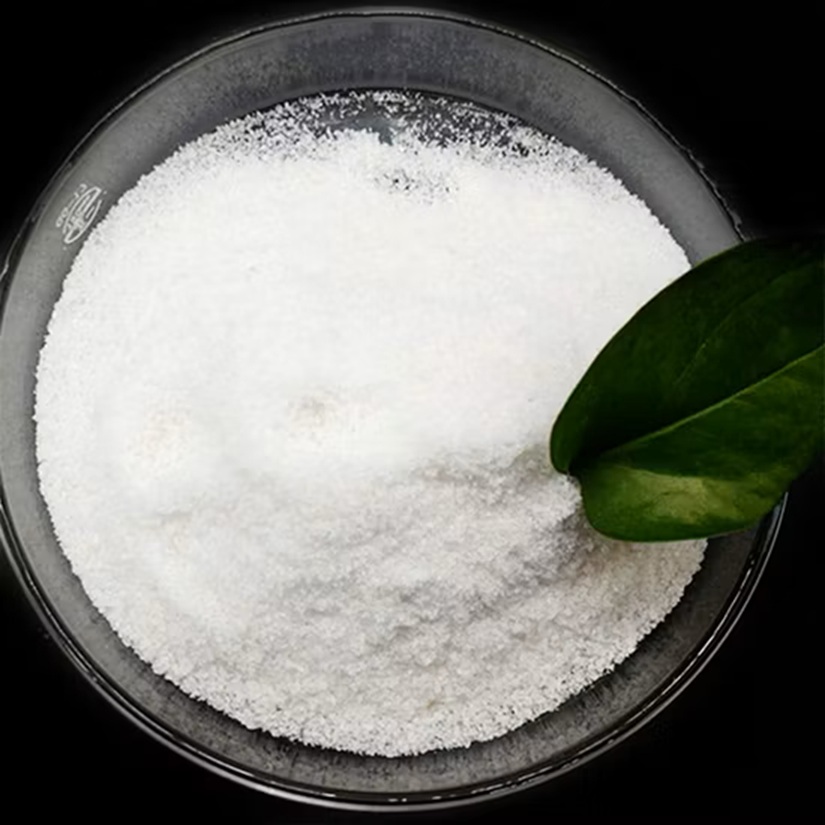
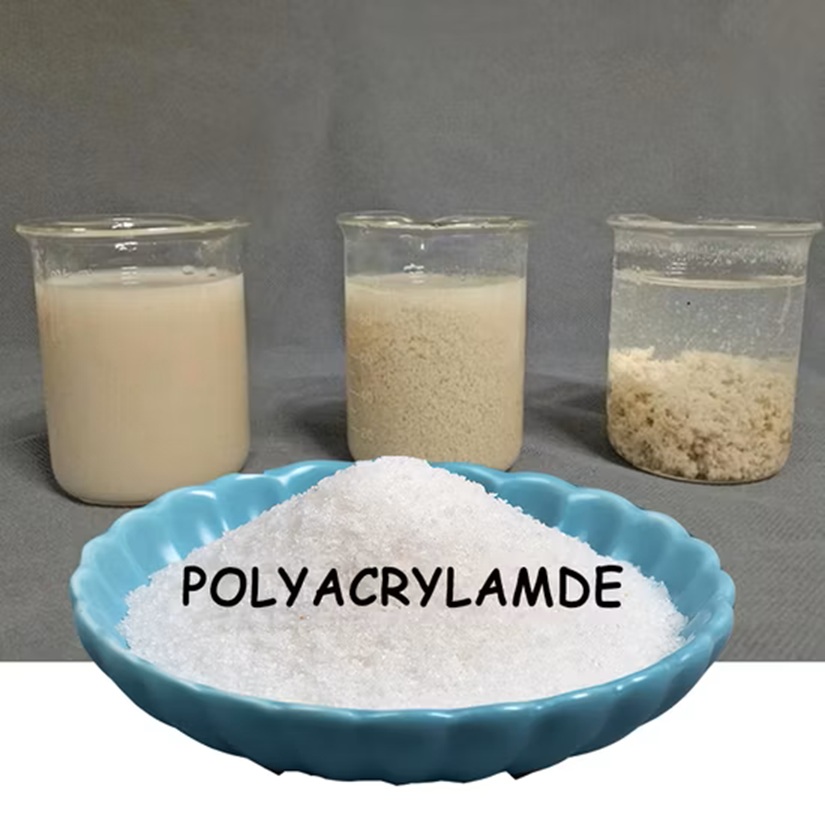
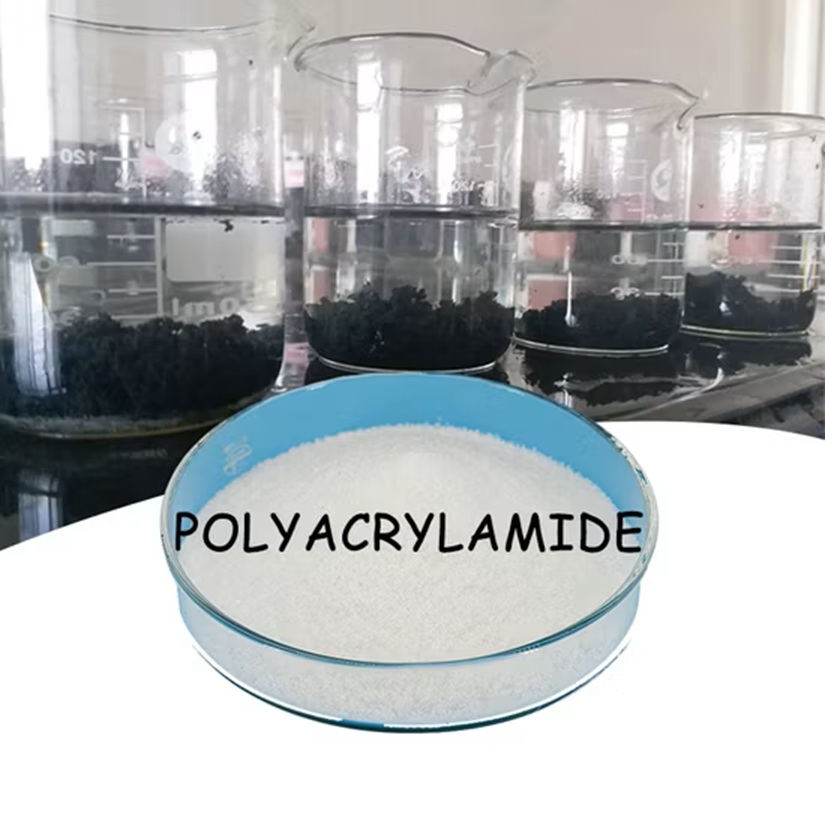
| Appearance | White crystalline powder |
CHEMICAL STRUCTURE
Cationic Polyacrylamide (CPAM)
—(CH₂—CH)—(CH₂—CH)—
| |
C=O C=O
| |
NH₂ NH—R—N⁺(CH₃)₃
(Amide) (Cationic group)
Molecular Formula: (C₃H₅NO)ₙ (modified with cationic monomers)
SMILES: Not applicable (polymer)
InChI: Not applicable (polymer)
Structure: Polyacrylamide chain with cationic groups (quaternary ammonium salts, amines, etc.); High molecular weight linear polymer; Cationic charge density adjustable during production.
SECTION 1: CHEMICAL IDENTITY AND DESCRIPTION
| Parameter | Information |
|---|---|
| Product Name | Cationic Polyelectrolyte |
| Chemical Name | Polyacrylamide (cationic modified) |
| Synonyms (Turkish) | Katyonik Polielektrolit, Katyonik Poliakrilamid, CPAM, Katyonik Flokülant |
| Synonyms (English) | Cationic Polyelectrolyte, Cationic Polyacrylamide, CPAM, Cationic Flocculant, Polyacrylamide, PAM |
| CAS Number | 9003-05-8 |
| Molecular Formula | (C₃H₅NO)ₙ |
| Charge Type | Positive (Cationic) |
| Molecular Weight | 5 – 15 million Daltons (application-dependent) |
| Chemical Class | Synthetic water-soluble polymer; Cationic polyelectrolyte; Flocculant |
| Physical State (20°C) | Solid (powder or granules) |
| Odor | Odorless |
| Color | White to off-white |
SECTION 2: PHYSICAL AND CHEMICAL PROPERTIES
| Property | Value | Test Method / Note |
|---|---|---|
| Appearance | White to off-white crystalline powder or granules | Visual |
| Odor | Odorless | Olfactometric |
| Molecular Weight | 5 – 15,000,000 Daltons (grade dependent) | GPC / Viscometry |
| Charge Density | 0.5 – 3.0 meq/g (grade dependent) | Titration |
| Melting Point | 246 – 250°C | DSC |
| Bulk Density | ~0.75 – 0.85 g/cm³ | ASTM D1895 |
| pH (0.1% Solution) | 5.0 – 7.0 (neutral to slightly acidic) | pH Meter |
| Solubility in Water | Fully soluble | General Method |
| Solubility in Polar Solvents | Fully soluble | General Method |
| Solubility in Organic Solvents | Insoluble | General Method |
| Moisture Content | ≤ 10% | Gravimetric (105°C) |
| Solution Shelf Life | 24 – 48 hours (with mild agitation) | – |
| Shelf Life (Powder) | 24 – 36 months | – |
| Hygroscopicity | Moderate to high | – |
| Ionic Character | Cationic (positively charged) | – |
SECTION 3: POLYELECTROLYTE TYPES AND COMPARISON
| Property | Cationic Polyelectrolyte | Anionic Polyelectrolyte | Non-ionic Polyelectrolyte |
|---|---|---|---|
| Charge Type | Positive (+) | Negative (-) | Neutral (0) |
| Charge Density | 0.5 – 3.0 meq/g | 0.5 – 2.5 meq/g | 0 meq/g |
| Target Particle | Negatively charged (organic, biological) | Positively charged (inorganic, metal hydroxides) | All particles (weak) |
| Typical Use | Biological sludge, activated sludge | Chemical precipitation, mineral processing | Stabilizer, gel carrier |
| pH Compatibility | Neutral – slightly acidic (5-8) | Neutral – slightly basic (6-9) | Wide pH range |
| Typical Dosage | 0.5 – 5 ppm | 1 – 10 ppm | 1 – 5 ppm |
| Primary Application | Organic contaminant removal, biological sludge | Inorganic particle removal | Stabilization, filtration |
SECTION 4: CHEMICAL PROPERTIES AND REACTIVITY
| Parameter | Information | |
|---|---|---|
| Chemical Character | High molecular weight cationic polymer; Water-soluble; Non-toxic; Flocculant | |
| Stability | Stable under normal conditions; Hygroscopic; Degrades at >40°C over prolonged periods | |
| Reactivity | Electrostatic interaction with negatively charged particles; Charge neutralization and bridging; Precipitates with anionic polymers | |
| Incompatible Materials | Anionic polymers (precipitation), strong oxidizing agents (degradation), high temperature (>40°C) | |
| Polymerization | Does not polymerize (polymer is finished product) | |
| Degradation Products (Heating) | Carbon monoxide, carbon dioxide, ammonia, nitrogen oxides (NOx) | |
| Shear Sensitivity | High molecular weight chains are sensitive to mechanical shear; Avoid high-speed mixing | |
| Temperature Sensitivity | Performance decreases above 40°C; Degradation accelerates >60°C | |
| Dissolution Time | 30 – 60 minutes (with mechanical stirring) | – |
SECTION 5: MECHANISM OF ACTION
Cationic polyelectrolyte releases its positive charges in aqueous medium and interacts electrostatically with negatively charged particles. The process occurs in four stages:
| Stage | Process | Description |
|---|---|---|
| 1. Adsorption | Polymer chain attaches to particle surface | Cationic groups electrostatically bond to negatively charged particle surfaces |
| 2. Flocculation | Particles come together to form micro-flocs | Polymer chains bridge multiple particles |
| 3. Coagulation | Micro-flocs grow into macro-flocs | Charge neutralization and bridging form large flocs |
| 4. Dewatering | Flocs are separated from water by mechanical equipment | Filter press, centrifuge, belt press dewater sludge |
Advantages of Cationic Polyelectrolyte Mechanism:
-
Direct interaction with negatively charged organic particles
-
Combination of charge neutralization and bridging
-
Rapid floc formation
-
High efficiency at low dosages
SECTION 6: APPLICATION AREAS AND DOSAGES
6.1 Municipal (Domestic) Wastewater Treatment
| Application | Purpose | Typical Dosage |
|---|---|---|
| Biological Sludge Dewatering | Water separation from sludge, sludge volume reduction | 0.5 – 5 ppm or 2 – 8 kg/ton dry solids |
| Activated Sludge Separation | Flocculation in settling tanks | 0.5 – 5 ppm |
| Sludge Thickening | Sludge volume reduction | 1 – 3 kg/ton dry solids |
Usage Method:
-
Powder product is dissolved in water at 0.05-0.1% to prepare a dilute solution
-
Solution is injected into static mixer or directly into sludge line
-
Mechanical dewatering follows with belt press, centrifuge, or filter press
6.2 Industrial Wastewater Treatment
| Application | Purpose | Typical Dosage |
|---|---|---|
| Organic Particle Flocculation | Precipitation of negatively charged particles | 1 – 10 ppm |
| Dye, Ink, Oil Emulsions | Precipitation of pollutants | 2 – 10 ppm |
| Sludge Dewatering | Food, chemical, metal, textile wastewater | 3 – 12 kg/ton dry solids |
Usage Method:
-
Dosed at wastewater inlet or sludge line depending on sector
-
Generally used together with coagulants (aluminum or iron salts)
6.3 Drinking Water Treatment
| Application | Purpose | Typical Dosage |
|---|---|---|
| Colloidal Pollutant Removal | Removal of clay, organic matter, algae | 0.1 – 2 ppm |
| Turbidity Reduction | Improvement of water clarity | 0.1 – 2 ppm |
Warning: Cationic polyelectrolyte used in drinking water must be food grade (NSF/ANSI 60) certified. Not all cationic polymers can be used for this purpose.
Usage Method:
-
Added after coagulant (e.g., aluminum sulfate) in coagulation-flocculation process
-
Flocs are enlarged with slow mixing
6.4 Paper Industry
| Application | Purpose | Typical Dosage |
|---|---|---|
| Fiber Bonding | Increasing paper strength | 0.2 – 2 kg/ton paper |
| Water Retention Capacity | Improving paper quality | 0.2 – 2 kg/ton paper |
| Filler Retention | Calcium carbonate, clay retention | 0.2 – 2 kg/ton paper |
| De-inking | Waste paper recovery | 50 – 500 ppm (to pulp water) |
Usage Method:
-
Added to pulp as a solution
-
Dosed together with wet-end chemicals
6.5 Textile Industry
| Application | Purpose | Typical Dosage |
|---|---|---|
| Dye Fixation | Improving color fastness | 0.1 – 0.5% of fabric weight (1 – 5 kg/ton fabric) |
| Fabric Softening | Improving hand feel | 0.1 – 0.5% of fabric weight |
| Wastewater Color Removal | Color removal from dye baths | 2 – 10 ppm |
Usage Method:
-
Added to rinse bath after dyeing (as fixative)
-
Used in separate flocculation tank for wastewater treatment
6.6 Mining Industry
| Application | Purpose | Typical Dosage |
|---|---|---|
| Ore Concentrate Settling | Separation after flotation | 0.5 – 5 ppm or 5 – 50 g/ton dry solids |
| Tailings Dewatering | Flocculation of fine tailings | 5 – 50 g/ton dry solids |
| Process Water Recovery | Water reuse | 0.5 – 5 ppm |
Usage Method:
-
High molecular weight cationic polymers used (selected based on ore type)
-
Applied in mixing tanks or pipeline injection
6.7 Oil and Gas Industry (Produced Water)
| Application | Purpose | Typical Dosage |
|---|---|---|
| Emulsion Breaking | Oil-water emulsion separation | 1 – 10 ppm (normal); 5 – 50 ppm (severe emulsion) |
| Solid Particle Removal | Removal of clay, sand | 1 – 10 ppm |
| Injection Water Preparation | Water quality improvement | 1 – 10 ppm |
Usage Method:
-
Injected into water line before oil-water separators (API separator, flotation unit)
-
Generally used together with anionic or non-ionic polymers
6.8 Cosmetics and Personal Care
| Application | Purpose | Typical Dosage |
|---|---|---|
| Antistatic Effect | Softening in hair conditioners | 0.1 – 1.5% of formulation weight |
| Styling Agent | Volume enhancement in shampoos | 0.1 – 1.5% |
| Film Former | Gels and lotions | 0.1 – 1.5% |
Usage Method:
-
Added to formulation as 0.1-2% solution
-
Added at final stage (may degrade at high temperature)
6.9 Construction and Soil Applications
| Application | Purpose | Typical Dosage |
|---|---|---|
| Concrete Superplasticizer | Water reducer, workability enhancer | 0.1 – 0.5% of cement weight (1 – 5 kg/ton cement) |
| Soil Stabilization | Soil strength, erosion resistance | 0.05 – 0.2% of soil weight |
| Grouting | Waterproofing, soil strengthening | 0.5 – 2% of grout weight |
| Drilling Mud Stabilization | Filtration control, mud performance | 0.5 – 5 ppm |
| Construction Site Wastewater | Treatment of concrete mixing water, wash water | 1 – 10 ppm |
SECTION 7: USAGE INSTRUCTIONS (GENERAL)
| Parameter | Value / Recommendation |
|---|---|
| Preparation Solution Concentration | 0.05 – 0.1% (500 – 1000 ppm) |
| Stock Solution Concentration | 0.5% (5000 ppm) maximum |
| Dissolution Time | 30 – 60 minutes (with mechanical stirring) |
| Application Temperature | 5 – 40°C (high temperature degrades polymer) |
| Optimum pH Range | 5 – 8 (neutral – slightly acidic) |
| Dosing Point | Turbulent zone (static mixer or pump inlet) |
| Solution Shelf Life | 24 – 48 hours (with mild agitation) |
SECTION 8: QUALITY SPECIFICATIONS
| Parameter | Standard Grade | Drinking Water Grade (NSF) | Test Method |
|---|---|---|---|
| Appearance | White to off-white powder | White to off-white powder | Visual |
| Molecular Weight | 5 – 15 million Da | 8 – 15 million Da | GPC / Viscometry |
| Charge Density | 0.5 – 3.0 meq/g | 1.0 – 2.5 meq/g | Titration |
| pH (0.1% Solution) | 5.0 – 7.0 | 5.0 – 7.0 | pH Meter |
| Moisture Content | ≤ 10% | ≤ 8% | Gravimetric |
| Acrylamide Monomer | ≤ 0.05% | ≤ 0.01% | HPLC |
| Insolubles | ≤ 0.1% | ≤ 0.05% | Gravimetric |
| Heavy Metals (as Pb) | ≤ 10 ppm | ≤ 5 ppm | AAS / ICP |
| NSF/ANSI 60 Certification | No | Yes | – |
SECTION 9: TOXICOLOGICAL PROFILE
| Parameter | Value |
|---|---|
| Acute Oral Toxicity (LD50, Rat) | > 5,000 mg/kg (practically non-toxic) |
| Acute Dermal Toxicity | Non-irritating |
| Acute Inhalation Toxicity | May cause mechanical irritation (dust) |
| Skin Irritation | Mildly irritating (dust) |
| Eye Irritation | May cause mechanical irritation (dust) |
| Chronic Toxicity | Non-toxic; Stable polymer |
| Carcinogenicity | Not classified as carcinogenic |
| Mutagenicity | Not mutagenic |
| Reproductive Toxicity | No reproductive toxicity |
| Target Organs | None (polymer) |
| Special Toxicity Note | Non-toxic; Cationic form may be slightly more irritating than anionic form; Acrylamide monomer residue is controlled; Avoid inhalation of dust |
SECTION 10: GHS CLASSIFICATION AND LABELING
GHS Classification (in accordance with CLP and UN GHS):
| Hazard Class | Category | H-Statement |
|---|---|---|
| Not classified as hazardous | – | – |
SIGNAL WORD: NONE (not classified as hazardous)
Hazard Pictograms: NONE
Hazard Statements (H-Codes): Not classified as hazardous under GHS regulations.
NFPA 704 Hazard Classification:
| Health | Flammability | Reactivity | Special |
|---|---|---|---|
| 1 | 1 | 0 | - |
| (Slight health hazard – dust) | (Combustible – dust cloud may form explosive mixture) | (Stable) | (None) |
SECTION 11: PRECAUTIONARY STATEMENTS (P-CODES)
| Code | Statement |
|---|---|
| P261 | Avoid breathing dust/fume/gas/mist/vapors/spray |
| P264 | Wash hands thoroughly after handling |
| P271 | Use only outdoors or in a well-ventilated area |
| P280 | Wear protective gloves/protective clothing/eye protection/face protection |
| P302+P352 | IF ON SKIN: Wash with plenty of soap and water |
| P304+P340 | IF INHALED: Remove person to fresh air and keep comfortable for breathing |
| P305+P351+P338 | IF IN EYES: Rinse cautiously with water for several minutes. Remove contact lenses if present and continue rinsing |
| P312 | Call a POISON CENTER/doctor if you feel unwell (dust irritation) |
| P332+P313 | If skin irritation occurs: Get medical advice/attention |
| P337+P313 | If eye irritation persists: Get medical advice/attention |
| P362+P364 | Take off contaminated clothing and wash it before reuse |
| P403+P233 | Store in a well-ventilated place. Keep container tightly closed |
| P501 | Dispose of contents/container in accordance with local/regional/national/international regulations |
SECTION 12: FIRST AID MEASURES
| Exposure Route | Action to Take |
|---|---|
| Inhalation | Remove to fresh air immediately. If respiratory irritation develops (dust inhalation), seek medical attention. |
| Skin Contact | Wash with plenty of soap and water. If irritation persists, get medical attention. |
| Eye Contact | Rinse immediately with plenty of water for at least 15 minutes. Keep eyelids open. Remove contact lenses if present. If irritation persists, seek medical attention. |
| Ingestion | Rinse mouth. Drink plenty of water. Generally non-toxic. If large quantities are ingested and symptoms occur, seek medical attention. |
SECTION 13: FIREFIGHTING MEASURES
| Parameter | Information |
|---|---|
| Fire Hazard | Combustible organic material. Dust cloud may form explosive mixture with air (if finely dispersed). |
| Hazards Arising from Fire | Thermal decomposition produces carbon monoxide, carbon dioxide, ammonia, nitrogen oxides (NOx). |
| Suitable Extinguishing Media | Water spray, CO₂, dry chemical powder, foam. |
| Unsuitable Extinguishing Media | Water jet (may spread dust) |
| Special Protective Equipment | Self-contained breathing apparatus (SCBA), full protective clothing (for surrounding fire). |
| Special Precautions | Prevent dust from entering sewers and waterways. Avoid dust cloud formation. |
SECTION 14: STORAGE AND SHELF LIFE
| Parameter | Information |
|---|---|
| Storage Conditions | Store in a cool, dry, well-ventilated area; Protect from direct sunlight and moisture; Store at room temperature (max 30°C) |
| Container Requirements | Tightly closed, moisture-proof containers (PE bags, fiber drums) |
| Materials to Protect From | Moisture, high humidity, anionic polymers (precipitation), strong oxidizing agents |
| Shelf Life | 24 – 36 months (in unopened original packaging, under proper storage conditions) |
| Stability Note | Hygroscopic – absorbs moisture; Keep container tightly closed after opening; Protect from excessive humidity and temperature fluctuations |
| Special Storage Requirements | Store in a dry, well-ventilated warehouse; Avoid exposure to rain and moisture; Opened packages must be resealed immediately |
SECTION 15: PACKAGING OPTIONS
| Packaging Type | Quantity | Material |
|---|---|---|
| Plastic Bag | 10 kg, 20 kg, 25 kg | PE bag (inner-lined, sealed, moisture-proof) |
| Fiber Drum | 20 kg, 25 kg | PE-lined fiberboard drum |
| Plastic Drum | 25 kg, 50 kg | HDPE / Polypropylene (moisture-proof) |
| FIBC / Big Bag | 500 kg, 1000 kg | PE-lined, moisture-resistant PP woven bag |
| Small Pack | 1 kg, 5 kg | Foil-lined plastic bags (laboratory/sample) |
SECTION 16: TRANSPORT INFORMATION
| Parameter | Information |
|---|---|
| UN Number | Not regulated (non-hazardous) |
| Hazard Class | Not applicable |
| Packing Group | Not applicable |
| ADR/RID | Not regulated |
| IMDG Code | Not regulated (non-hazardous) |
| IATA (Air) | Not regulated (non-hazardous) |
| Marine Pollutant | No |
| Transport Temperature | Ambient temperature; Protect from moisture. |
SECTION 17: REGULATORY STATUS
| Region / Authority | Status |
|---|---|
| European Union | REACH registered; Not classified as hazardous; Drinking water grade available |
| USA (TSCA) | Listed (TSCA Inventory) |
| USA (FDA) | Limited food contact applications; Drinking water treatment (NSF/ANSI 60) |
| Turkey | Industrial chemical; Subject to KKDIK regulation; Drinking water treatment approved |
| IARC | Not classified (non-toxic, non-carcinogenic) |
| NTP | Not listed |
| OSHA | Not regulated as toxic or carcinogenic substance |
| California (Prop 65) | Not listed |
| Drinking Water Standards | NSF/ANSI 60 certified (drinking water grade); Acrylamide residue <0.01% |
SECTION 18: OTHER NAMES AND SYNONYMS
| Type | Name |
|---|---|
| Turkish Names | Katyonik Polielektrolit, Katyonik Poliakrilamid, CPAM, Katyonik Flokülant |
| English Names | Cationic Polyelectrolyte, Cationic Polyacrylamide, CPAM, Cationic Flocculant, Polyacrylamide, PAM |
| Chemical Names | Poly(acrylamide); Poly(2-propenamide); Cationic modified polyacrylamide |
| CAS Number | 9003-05-8 |
| Molecular Formula | (C₃H₅NO)ₙ |
| HS Code | 3906.90 |
| Synonyms | Cationic PAM, CPAM, Cationic Flocculant, Sludge Dewatering Polymer, Wastewater Clarifier |
SECTION 19: SUMMARY TABLE
| Parameter | Value |
|---|---|
| Product | Cationic Polyelectrolyte (CPAM) |
| CAS Number | 9003-05-8 |
| Molecular Formula | (C₃H₅NO)ₙ |
| Molecular Weight | 5 – 15 million Daltons (grade dependent) |
| Charge Type | Positive (Cationic) |
| Appearance | White to off-white powder or granules |
| pH (0.1% Solution) | 5.0 – 7.0 |
| Melting Point | 246 – 250°C |
| Primary Function | Flocculant, coagulant aid, sludge dewatering agent |
| Main Application Areas | Wastewater treatment (municipal & industrial), drinking water, paper, textile, mining, oil & gas, cosmetics, construction |
| Shelf Life | 24 – 36 months |
| GHS Signal Word | NONE (not classified as hazardous) |
| UN Number | Not regulated |
| Special Properties | Cationic (positive) charge; High interaction with negatively charged organic particles; Essential for biological sludge dewatering |
SECTION 20: CRITICAL WARNINGS AND BEST PRACTICES
CRITICAL WARNINGS:
-
Not classified as hazardous under GHS. Non-toxic, non-carcinogenic.
-
Hygroscopic – absorbs moisture from air. Store in tightly closed, moisture-proof containers.
-
Dust may cause mechanical irritation to eyes, skin, and respiratory system. Use appropriate dust control measures.
-
Combustible (organic material). Keep away from open flames and high heat. Dust cloud may form explosive mixture.
-
Shear-sensitive – high molecular weight chains break under high shear. Avoid high-speed mixing. Use gentle agitation (200-400 rpm).
-
Temperature sensitive – performance decreases above 40°C. Degradation accelerates >60°C.
-
Dissolution method critical – ALWAYS ADD POWDER TO WATER, NEVER ADD WATER TO POWDER. Add slowly with agitation to prevent lump formation.
-
Do not mix with anionic polymers – causes precipitation.
-
Cationic polyelectrolyte may be slightly more irritating than anionic polyelectrolyte. Gloves and goggles recommended.
-
Drinking water applications – use only NSF/ANSI 60 certified products. Not all cationic polymers are suitable for drinking water.
BEST PRACTICE RECOMMENDATIONS:
Solution Preparation (CRITICAL):
-
ALWAYS ADD POWDER TO WATER, NEVER ADD WATER TO POWDER.
-
Use cold or warm water (10-30°C, max 40°C).
-
Sprinkle powder slowly onto vigorously agitated water surface (vortex).
-
Maintain low to medium agitation (200-400 rpm) – avoid high shear.
-
Allow 30-60 minutes for complete dissolution.
-
Recommended solution concentration: 0.05-0.1% (500-1000 ppm).
-
Use fresh solutions within 24-48 hours (with gentle agitation).
Dosage Optimization:
-
Perform jar tests to determine optimal dosage.
-
Optimal dosage: largest flocs + clearest supernatant.
-
Underdosing: small flocs, slow settling.
-
Overdosing: floc dispersion, turbid water (overdosing).
-
Factors affecting dosage: solids concentration, particle size, pH, temperature, ionic strength.
Injection Point:
-
Inject into turbulent zone (static mixer or pump inlet).
-
Inject into slow mixing zone (not high shear area).
-
Avoid injection before high-shear pumps (centrifugal pumps).
Wastewater Treatment (Biological Sludge):
-
Cationic polyelectrolyte is ideal for negatively charged biological sludge.
-
Dosage: 2-8 kg/ton dry solids (depending on sludge characteristics).
-
Dewater with belt press, centrifuge, or filter press.
-
Reduces sludge volume and disposal costs.
Paper Industry:
-
Use for fiber bonding and strength improvement.
-
Improves filler retention.
-
De-inking for waste paper recovery.
Textile Industry:
-
Dye fixation: 0.1-0.5% of fabric weight.
-
Add to rinse bath after dyeing.
-
Improves color fastness and fabric quality.
Handling:
-
Use in well-ventilated areas.
-
Avoid dust formation.
-
Use dust masks (N95/FFP2) when handling powder.
-
Use gloves and safety goggles.
Personal Protective Equipment:
-
Dust mask (N95/FFP2 or higher).
-
Safety goggles.
-
Protective gloves (nitrile, neoprene).
-
Protective clothing.
Hygiene:
-
Wash hands thoroughly after handling.
-
Do not eat, drink, or smoke while using.
Storage:
-
Store in tightly closed, moisture-proof containers.
-
Store in a cool, dry, well-ventilated area (max 30°C).
-
Protect from direct sunlight, moisture, and high humidity.
-
Opened packages should be resealed immediately.
Spill Management:
-
Sweep or vacuum (HEPA) and place in suitable sealed container.
-
Avoid dust formation.
-
Do NOT wash with water (creates slippery surface).
-
Do not allow entry into drains or waterways.
Disposal:
-
Dispose of in accordance with local, regional, and national regulations.
-
Non-hazardous waste.
-
Can be incinerated in compliance with regulations.
CATIONIC VS ANIONIC POLYELECTROLYTE COMPARISON:
| Property | Cationic Polyelectrolyte | Anionic Polyelectrolyte |
|---|---|---|
| Charge Type | Positive (+) | Negative (-) |
| Target Particle | Negatively charged (organic, biological) | Positively charged (inorganic, metal hydroxides) |
| Typical Use | Biological sludge, activated sludge | Chemical precipitation, mineral processing |
| pH Compatibility | Neutral – slightly acidic (5-8) | Neutral – slightly basic (6-9) |
| Typical Dosage | 0.5 – 5 ppm | 1 – 10 ppm |
| Floc Formation | Fast, large flocs | Moderate speed, medium flocs |
| Sludge Dewatering | Ideal for biological sludge | Ideal for industrial sludge |
| Irritation Potential | Slightly higher | Lower |
| Drinking Water | NSF/ANSI 60 certification required | NSF/ANSI 60 certification required |
MANDATORY APPLICATION AREAS:
| Process | Justification |
|---|---|
| Biological Sludge Dewatering | Mechanical dewatering does not work without flocculant |
| Activated Sludge Separation | Centrifuge/belt press systems require flocculant |
| Paper Fiber Recovery | Essential for fiber bonding and water recovery |
| Textile Dye Fixation | Required for color fastness and fabric quality |
| Oil Produced Water Separation | Acts as emulsion breaker |
LEGAL DISCLAIMER:
The information provided in this document is based on our current knowledge and experience and is presented in good faith. However, as all conditions of use are beyond our control, it does not constitute a binding specification or warranty. This Technical Data Sheet is for informational purposes only. Users are responsible for testing the suitability for their own applications. For complete safety, storage, use, handling, waste, and regulatory compliance information, please refer to the official Safety Data Sheet (SDS/MSDS) provided by the manufacturer/supplier. Specific applications require laboratory jar tests and field trials. For drinking water applications, only NSF/ANSI 60 certified products should be used.