We unleash your business potential by maximize the business innovation.
Send EmailDioctyl Sodium Sulfosuccinate, Docusate Sodium, Sodium Diethylhexyl Sulfosuccinate, DOSS, DOS, 577-11-7
DIOCTYL SODIUM SULFOSUCCINATE (DOSS)
CAS 577-11-7 | EC 209-406-4 | C₂₀H₃₇NaO₇S
SECTION 1: PRODUCT IDENTITY AND DEFINITION
| Parameter | Description |
|---|---|
| Product Name | Dioctyl Sodium Sulfosuccinate |
| Other Names | DOSS, DOS, Docusate Sodium, Sodium Diethylhexyl Sulfosuccinate, Aerosol OT, Texin DOS 75, Mackanate DOS-75 |
| Chemical Formula | C₂₀H₃₇NaO₇S |
| Molecular Weight | 444.56 g/mol |
| CAS Number | 577-11-7 |
| EC Number (EINECS) | 209-406-4 |
| Chemical Class | Anionic Surfactant / Sulfosuccinate |
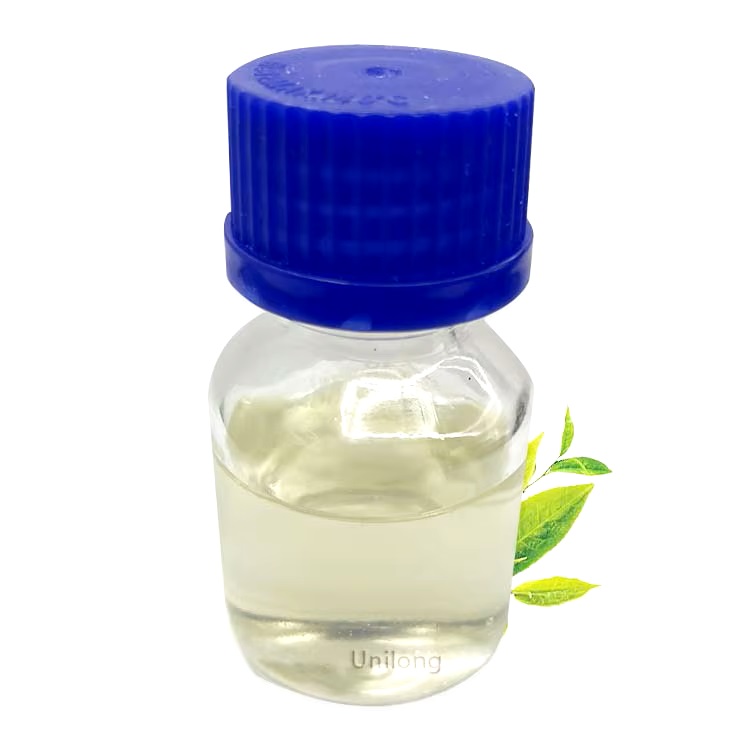
| Appearance | Colorless to Light Yellow Liquid or White to Off-White Powder/Flakes |
| Source | Synthetic (Esterification of maleic anhydride with 2-ethylhexanol, followed by sulfonation with sodium bisulfite) |
Description: Dioctyl Sodium Sulfosuccinate (DOSS) is a highly effective anionic surfactant renowned for its exceptional wetting, emulsifying, and dispersing properties. It is one of the most efficient wetting agents available, capable of reducing surface tension significantly at very low concentrations. It is widely used in personal care, pharmaceuticals (as docusate sodium laxative), industrial cleaning, textile processing, paper manufacturing, agriculture, coatings, and inks. The BASF product Lutensit® A-BO and Disponil® SUS IC series are commercial examples of this surfactant class.
SECTION 2: SYNONYMS AND OTHER NAMES
| No | Synonym / Other Name |
|---|---|
| 1 | Dioctyl Sodium Sulfosuccinate |
| 2 | DOSS |
| 3 | DOS |
| 4 | Docusate Sodium |
| 5 | Sodium Diethylhexyl Sulfosuccinate |
| 6 | Aerosol OT |
| 7 | Texin DOS 75 |
| 8 | Mackanate DOS-75 |
| 9 | Di-2-ethylhexyl Sodium Sulfosuccinate |
| 10 | 577-11-7 |
| 11 | EC 209-406-4 |
SECTION 3: CHEMICAL STRUCTURE AND PROPERTIES
| Parameter | Description |
|---|---|
| Chemical Family | Anionic Surfactant / Sulfosuccinate |
| Structure | Dioctyl ester of sulfosuccinic acid, sodium salt |
| Functional Groups | Sulfonate (-SO₃Na), Two Ester Groups (-COO-) |
| Ionic Character | Anionic (negative charge) |
| HLB Value | ~10 – 12 |
Structural Formula:
    CH₂ - COO - CH₂ - CH(C₂H₅) - C₄H₉
    |
    CH - SO₃Na
    |
    COO - CH₂ - CH(C₂H₅) - C₄H₉

    Dioctyl Sodium Sulfosuccinate (DOSS)
Key Characteristics:
-
Anionic surfactant with exceptional wetting power
-
Extremely efficient at reducing surface tension
-
Effective at very low concentrations
-
Excellent emulsifying and dispersing properties
-
Soluble in water and organic solvents
-
Good hard water tolerance
-
Biodegradable
-
Wide pH stability
SECTION 4: PHYSICAL AND CHEMICAL PROPERTIES
| Parameter | Specification | Typical Value | Test Method |
|---|---|---|---|
| Physical State (25°C) | Liquid or Solid (Powder/Flakes) | - | Visual |
| Appearance | Colorless to Light Yellow / White to Off-White | - | Visual |
| Odor | Mild characteristic | - | Organoleptic |
| Chemical Formula | C₂₀H₃₇NaO₇S | - | - |
| Molecular Weight | 444.56 g/mol | - | - |
| CAS Number | 577-11-7 | - | - |
| pH (1% Aqueous Solution) | 5.0 – 7.0 | - | USP <791> |
| Active Content (Liquid) | ~70 – 75% | - | Titration |
| Active Content (Solid) | ≥ 85% | - | Titration |
| Density (25°C) | ~1.05 – 1.10 g/cm³ | - | ASTM D4052 |
| Water Solubility | Soluble | - | - |
| Organic Solvent Solubility | Soluble in alcohols, ketones, hydrocarbons | - | - |
| Flash Point | > 100°C | - | ASTM D93 |
| Surface Tension (0.1%) | ~25 – 30 mN/m | - | - |
| CMC (Critical Micelle Concentration) | Very low (~0.02%) | - | - |
SECTION 5: FUNCTIONAL PROPERTIES
| Property | Description |
|---|---|
| Wetting | Exceptional wetting agent; reduces surface tension dramatically |
| Emulsification | Excellent emulsifier for oils and solvents |
| Dispersion | Effective dispersant for solids and pigments |
| Penetration | Outstanding penetrating properties |
| Solubilization | Solubilizes water-insoluble compounds |
| Surface Activity | Effective at very low concentrations |
| Hard Water Tolerance | Good performance in hard water |
| Biodegradability | Biodegradable |
| Low Foaming | Relatively low foaming compared to other surfactants |
SECTION 6: PERSONAL CARE AND PHARMACEUTICAL APPLICATIONS
| Application | Function / Benefit | Typical Use Level |
|---|---|---|
| Pharmaceuticals (Docusate Sodium) | Stool softener/laxative | 50 – 100 mg/dose |
| Shampoos | Wetting agent, emulsifier | 0.5 – 2.0% |
| Bubble Baths | Wetting agent, foam booster | 0.5 – 2.0% |
| Liquid Soaps | Wetting agent, emulsifier | 0.5 – 2.0% |
| Skin Cleansers | Wetting agent | 0.5 – 2.0% |
| Denture Cleaners | Wetting agent, dispersant | 1.0 – 3.0% |
| Oral Care Products | Wetting agent | 0.5 – 1.5% |
SECTION 7: DETERGENT AND CLEANING APPLICATIONS
| Application | Function / Benefit | Typical Use Level |
|---|---|---|
| Laundry Detergents | Wetting agent, emulsifier | 1.0 – 3.0% |
| Dishwashing Detergents | Wetting agent, emulsifier | 1.0 – 3.0% |
| Hard Surface Cleaners | Wetting agent, penetrant | 0.5 – 2.0% |
| Industrial Cleaners | Wetting agent, emulsifier | 1.0 – 5.0% |
| Metal Cleaning | Wetting agent, degreaser | 1.0 – 5.0% |
| Dry Cleaning | Wetting agent, emulsifier | 0.5 – 2.0% |
| Institutional Cleaners | Wetting agent, penetrant | 0.5 – 2.0% |
SECTION 8: INDUSTRIAL APPLICATIONS
| Industry | Application | Function / Benefit |
|---|---|---|
| Textile Industry | Desizing, carbonizing, wetting, leveling | Penetrant, wetting agent, leveling agent |
| Paper Industry | Wetting, de-inking | Wetting agent, penetrant |
| Agriculture | Pesticide formulations | Wetting agent, adjuvant, synergist |
| Paints & Coatings | Pigment dispersion | Dispersant, wetting agent |
| Printing Inks | Pigment dispersion | Dispersant, wetting agent |
| Plastics & Rubber | Emulsifier, plasticizer | Emulsifier, processing aid |
| Mineral Processing | Dewatering aid | Dewatering agent, flotation aid |
| Fertilizers | Wetting agent, synergist | Wetting agent |
| Mold Release Agents | Release agent | Release agent |
| Adhesives | Wetting agent | Wetting agent |
SECTION 9: ADVANTAGES AND BENEFITS
| Advantage | Description |
|---|---|
| Exceptional Wetting | One of the most efficient wetting agents available |
| Low Concentration Effectiveness | Effective at very low concentrations |
| Versatile Applications | Suitable for personal care, pharmaceuticals, industrial, and agriculture |
| Good Hard Water Tolerance | Effective in hard water conditions |
| Biodegradable | Environmentally friendly |
| Excellent Emulsification | Effective emulsifier for oils and solvents |
| Good Compatibility | Compatible with other surfactants |
| Low Foaming | Relatively low foaming |
| GRAS Status (Pharmaceutical) | FDA approved for pharmaceutical use as docusate sodium |
SECTION 10: COMPARISON WITH RELATED COMPOUNDS
| Property | DOSS (C8) | DOS (C8) | Disodium Laureth Sulfosuccinate | Disodium Cocamido MEA Sulfosuccinate |
|---|---|---|---|---|
| Alkyl Chain | C8 (2-ethylhexyl) | C8 (2-ethylhexyl) | C12 (lauryl) | C12 (coconut) |
| Ionic Character | Anionic | Anionic | Anionic | Anionic |
| Wetting Power | Excellent | Excellent | Good | Good |
| Foaming | Low-Moderate | Low-Moderate | Excellent | Excellent |
| Mildness | Moderate | Moderate | Excellent | Excellent |
| HLB | ~10-12 | ~10-12 | ~13-15 | ~13-15 |
| Main Application | Wetting, industrial | Wetting, industrial | Personal care | Personal care |
SECTION 11: BASF PRODUCT SERIES
| Product | Description | Active Content | Form | Notes |
|---|---|---|---|---|
| Disponil® SUS IC 10 | Di-isodecyl sulfosuccinate, sodium salt in water/ethanol | ~65% | Liquid | Di-isodecyl variant |
| Disponil® SUS IC 875 | Di-isooctyl sulfosuccinate, sodium salt in water/neopentyl glycol | ~75% | Liquid | Di-isooctyl variant |
| Lutensit® A-BO | Dioctyl sulfosuccinate, sodium salt | ~60% | Liquid | Dioctyl variant |
SECTION 12: REGULATORY STATUS
| Region / Authority | Status | Description |
|---|---|---|
| European Union | Permitted | Cosmetic, pharmaceutical, and industrial ingredient |
| Turkey | Permitted | Compliant with EU legislation |
| USA (FDA) | Permitted | GRAS for pharmaceutical use (Docusate Sodium) |
| Japan | Permitted | Approved for cosmetic, pharmaceutical, and industrial use |
| Canada | Permitted | Health Canada approved |
| REACH | Registered | EU chemical regulation compliance |
| TSCA | Listed | US Toxic Substances Control Act |
| EINECS | 209-406-4 | European Inventory of Existing Chemical Substances |
SECTION 13: SAFETY AND TOXICOLOGICAL PROFILE
| Parameter | Assessment |
|---|---|
| Acute Oral Toxicity (LD50) | > 1,000 mg/kg (moderate toxicity) |
| Acute Dermal Toxicity | Low toxicity |
| Skin Irritation | Mild to moderate irritant |
| Eye Irritation | Moderate irritant |
| Skin Sensitization | Low potential |
| Carcinogenicity | Not classified (IARC, NTP) |
| Mutagenicity | Not mutagenic |
| Biodegradability | Biodegradable |
| Aquatic Toxicity | Moderate |
Safety Recommendations:
-
S26: In case of eye contact, rinse with plenty of water
-
S36/37: Wear suitable protective clothing and gloves
-
PPE: Chemical resistant gloves, safety goggles, protective clothing
First Aid Measures:
| Exposure Route | Action |
|---|---|
| Inhalation | Move to fresh air; seek medical attention if symptoms persist |
| Skin Contact | Wash with soap and water |
| Eye Contact | Rinse with plenty of water for 15 minutes; seek medical attention |
| Ingestion | Rinse mouth; do not induce vomiting; seek medical attention |
SECTION 14: STORAGE AND SHELF LIFE
| Parameter | Information |
|---|---|
| Storage Temperature | 5 – 30°C (cool, dry) |
| Storage Conditions | Well-ventilated, moisture-protected area |
| Container Requirements | Sealed containers (HDPE, stainless steel) |
| Protect From | Freezing, excessive heat, contamination |
| Shelf Life | 12 – 24 months (under proper storage) |
| Degradation Signs | Color change, odor change, precipitation |
Packaging Options:
-
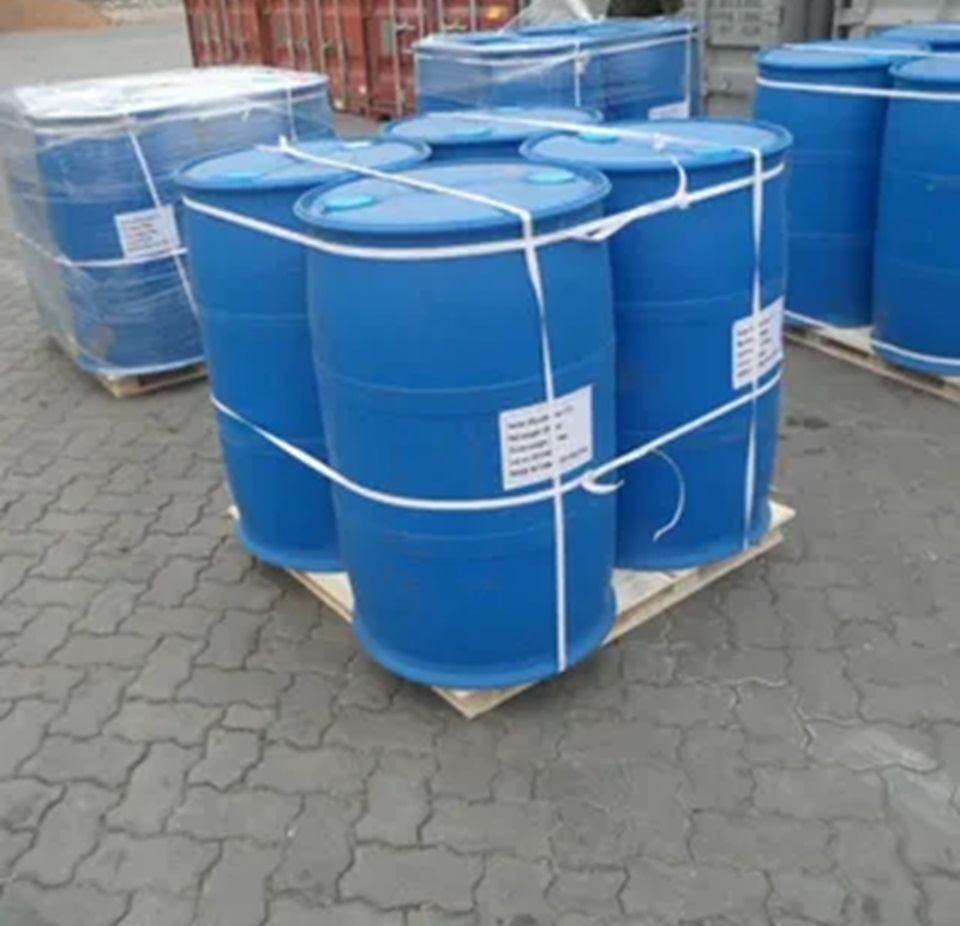
25 kg, 50 kg, 200 kg HDPE drums
-
1000 kg IBC containers
-
1 kg, 5 kg, 10 kg (upon request)
SECTION 15: QUALITY CERTIFICATES AND STANDARDS
| Certificate / Standard | Status | Description |
|---|---|---|
| ISO 9001:2015 | Certified | Quality management system |
| ISO 14001:2015 | Certified | Environmental management system |
| REACH | Registered | EU chemical regulation compliance |
| TSCA | Listed | US Toxic Substances Control Act |
| EINECS | Listed | 209-406-4 |
| USP | Available | Pharmaceutical grade (Docusate Sodium) |
| Certificate of Analysis (COA) | Provided with each batch | Includes binding specifications |
| Safety Data Sheet (SDS) | Available | Current 16-section document |
| Technical Data Sheet (TDS) | Available | Comprehensive technical information |
| GMP | Compliant | Manufacturing quality standards |
SECTION 16: DISCLAIMER AND LEGAL NOTICE
| Item | Description |
|---|---|
| Information Purpose | This Technical Data Sheet (TDS) is for informational purposes only and does not constitute a binding specification. |
| Typical Values | Values stated herein are based on typical laboratory results and may vary slightly between batches. |
| Binding Data | For binding specifications, the Certificate of Analysis (COA) for each batch should be requested. |
| User Responsibility | The user is solely responsible for determining the suitability of the product for the intended application and ensuring compliance with all applicable regulations. |
| SDS Requirement | A current Safety Data Sheet (SDS) should be requested from the supplier prior to use. |
| Safety Information | Safety information in this document is based on current knowledge but does not constitute a guarantee of the product's health and safety risks. |
| Regulatory Changes | The user is responsible for monitoring local and international regulatory changes. |
| Product Quality | Product quality is guaranteed in accordance with the standards specified in this document. |
| License / Patents | This document does not grant any license or patent rights for use of the product. |
| Side Effects | May cause skin and eye irritation; appropriate protective measures should be taken. |
DISCLAIMER (LEGAL NOTICE): This Technical Data Sheet (TDS) is for informational purposes only and does not constitute a binding specification. The values stated herein are based on typical laboratory results. The user is solely responsible for determining the suitability of the product for the intended application and for ensuring compliance with all local regulations. A current Safety Data Sheet (SDS) and Certificate of Analysis (COA) should be requested prior to use. May cause skin and eye irritation; appropriate protective measures should be taken. This document does not grant any license or patent rights for use of the product.