We unleash your business potential by maximize the business innovation.
Send EmailAnionic Polyelectrolyte, Anionic Poly Electrolite, Anionic Polyacrylamide, Polyacrylamide, Poliakrilamid, Anionic Flocculant, PAM, APAM, 9003-05-8
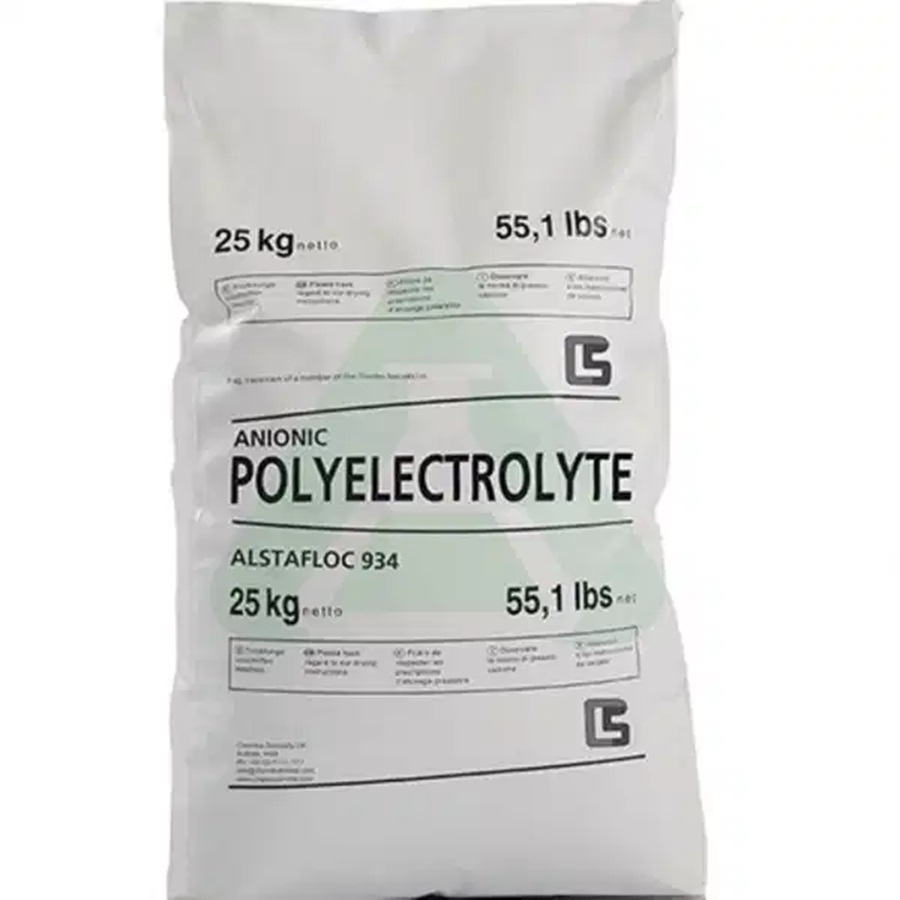
ANIONIC POLYELECTROLYTE (ANIONIC POLYACRYLAMIDE)
1. PRODUCT IDENTITY AND CHEMICAL INFORMATION
| Parameter | Value |
|---|---|
| Chemical Name | Anionic Polyelectrolyte |
| Common Name | Anionic Polyacrylamide, APAM, Anionic Flocculant |
| CAS Number | 9003-05-8 |
| Molecular Formula | (C₃H₅NO)ₙ |
| Charge Type | Negative (Anionic) |
| Molecular Weight | 5 – 20 million Daltons (application-dependent) |
General Description: Anionic polyelectrolytes are high molecular weight, water-soluble polymers. These polyacrylamide derivatives contain negatively charged ionic groups (carboxylate, sulfonate, etc.) and function as flocculants in many industrial processes, especially water treatment. When used with coagulants, they accelerate the sedimentation of suspended solids and improve sludge dewatering efficiency.
2. CHEMICAL STRUCTURE AND PROPERTIES
| Property | Description |
|---|---|
| Structural Feature | Polyacrylamide backbone with anionic groups (carboxylate, sulfonate, etc.) |
| Charge Density | Variable (titratable) |
| Degree of Hydrolysis | Adjustable based on production parameters |
| Functional Groups | -COOH, -SO₃H (in neutralized form -COO⁻, -SO₃⁻) |
3. PHYSICAL PROPERTIES
| Property | Description |
|---|---|
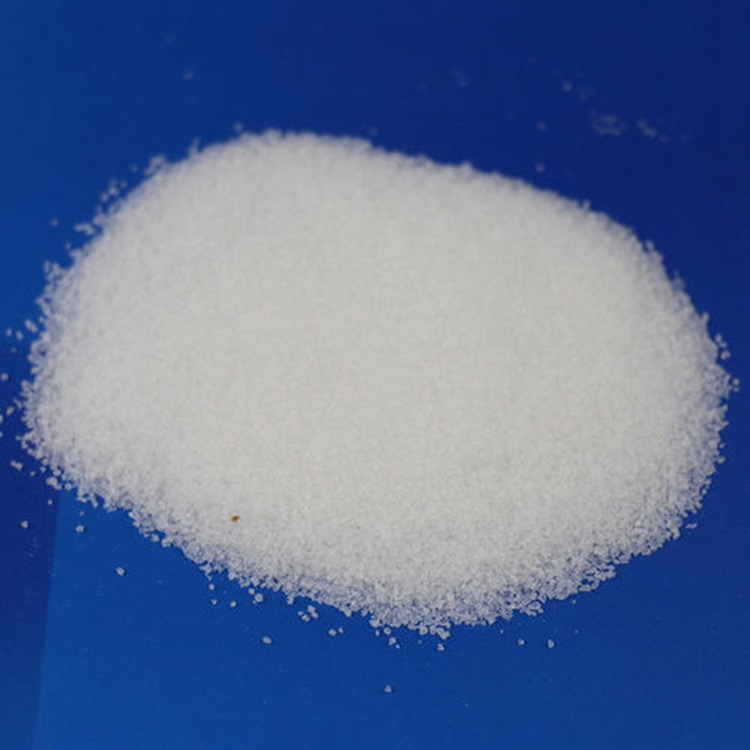
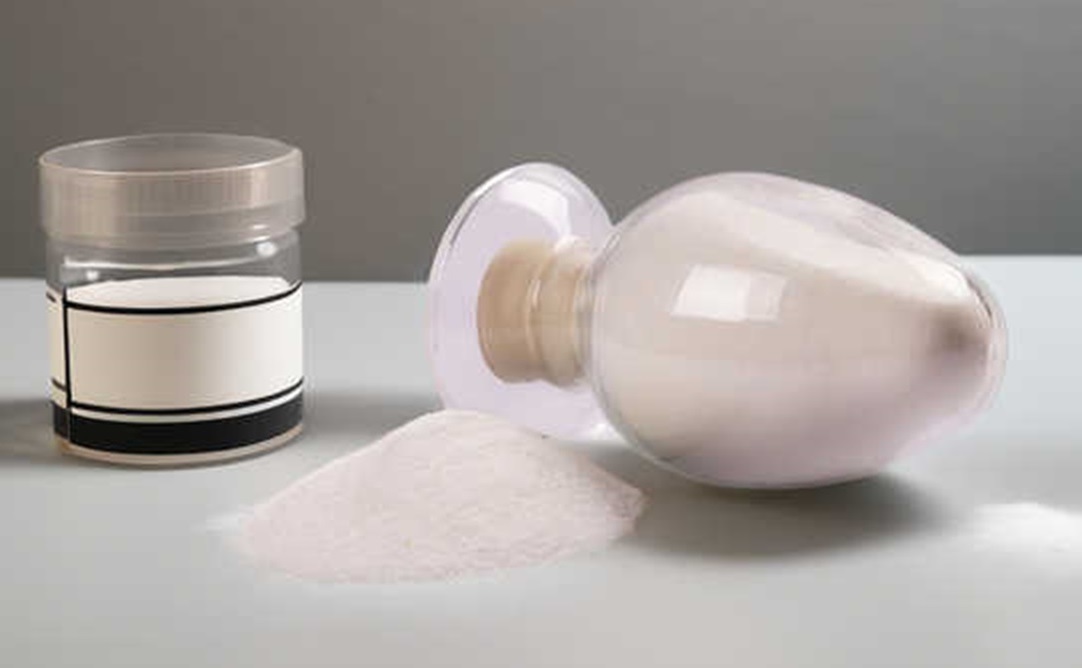
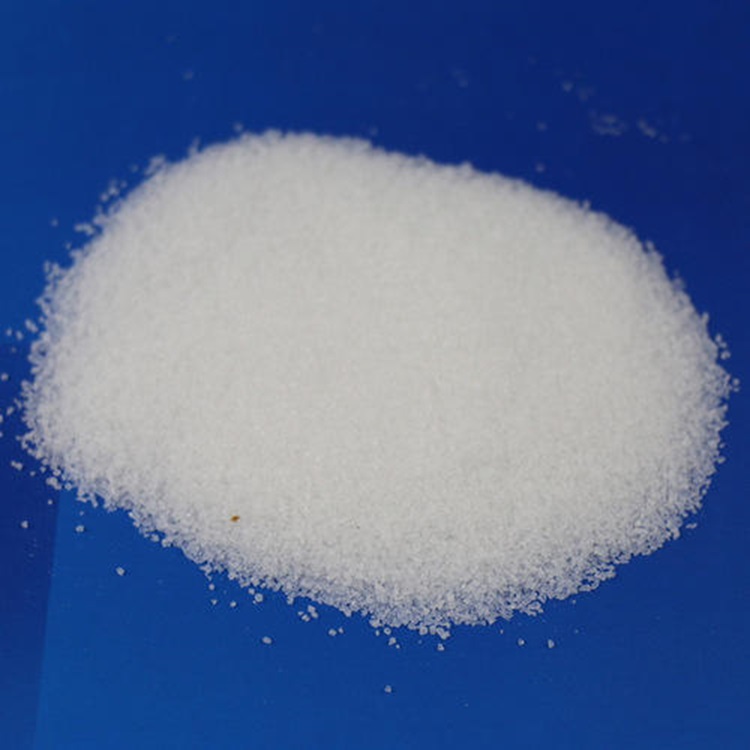
| Appearance | White powder or granules |
| Odor | Odorless |
| Solubility | Completely soluble in water |
| pH (0.1% solution) | 6 – 8 |
| Density (powder) | Approx. 0.75 – 0.85 g/cm³ |
| Moisture Content | ≤ 10% (typical) |
| Bulk Density | 600 – 800 kg/m³ |
4. SOLUBILITY AND PREPARATION
| Parameter | Powder Form | Emulsion Form |
|---|---|---|
| Dissolution Time | 30 – 60 minutes (depending on mixing conditions) | 5 – 10 minutes |
| Solvent | Cold or lukewarm water (max 40°C) | Cold or lukewarm water |
| Mixing Speed | Low to moderate (200-400 rpm) | Low to moderate |
| Recommended Solution Concentration | 0.1% – 0.5% | 0.1% – 0.5% |
| Solution Shelf Life | 24 – 48 hours (under agitation) | 24 – 48 hours |
Important Notes:
-
Powder should be added slowly and with continuous stirring to prevent lump formation.
-
High mixing speeds cause polymer chain degradation and performance loss.
-
Emulsion form provides rapid solubility even at low temperatures and is compatible with automated dosing systems.
5. MECHANISM AND PERFORMANCE
5.1 Flocculation Process (4 Steps)
| Step | Process | Description |
|---|---|---|
| 1. Coagulation | Cationic coagulants (FeCl₃, Al₂(SO₄)₃, poly-aluminum chloride) neutralize particle surface charges. | |
| 2. Flocculation | Anionic polyelectrolyte bridges neutralized particles, forming large flocs. | |
| 3. Sedimentation | Flocs settle by gravity or with auxiliary systems (lamella, DAF); water becomes clear. | |
| 4. Dewatering | Sludge is separated using filter press, belt press, or centrifuge. |
5.2 Detailed Mechanism
-
Bridging: High molecular weight polymer chains connect multiple particles, forming agglomerates.
-
Charge Neutralization (auxiliary): Anionic polymers are optimized for bridging after coagulant addition, not for direct charge neutralization.
-
Adsorption: Polymer chains attach to particle surfaces via hydrogen bonds and van der Waals forces.
6. POLYELECTROLYTE TYPES AND COMPARISON
| Type | Charge Type | Application Area |
|---|---|---|
| Anionic Polyelectrolyte | Negative | Wastewater, drinking water, textiles, mining, paper |
| Cationic Polyelectrolyte | Positive | Organic pollutant removal, biological sludge, dye removal |
| Amphoteric Polyelectrolyte | Both + and - | Balanced systems, special processes, variable pH conditions |
| Nonionic Polyelectrolyte | Neutral | Stabilizer, gel carrier, special filtration applications |
7. INDUSTRIAL APPLICATION AREAS
7.1 Wastewater and Drinking Water Treatment
-
Post-coagulation flocculation
-
Sludge dewatering (centrifuge, belt press, filter press)
-
Low-turbidity water treatment (high efficiency at low dosages)
-
Municipal and industrial wastewater treatment plants
7.2 Paper and Pulp Industry
-
Fiber recovery
-
White water reuse
-
Paper strength enhancement
-
Homogeneous distribution of fillers
7.3 Oil and Gas Industry
-
Viscosity control and solids stabilization in drilling fluids
-
Flocculant for oil-water separation
-
Produced water management
7.4 Mining
-
Ore beneficiation
-
Wastewater recovery
-
Increased sedimentation rate after flotation
-
Coal washing and thickening processes
7.5 Textile Industry
-
Dye bath treatment
-
Process water recovery
-
Sludge dewatering in biological treatment plants
7.6 Agriculture and Irrigation
-
Particle removal and filter protection in irrigation systems
-
Treatment of agricultural drainage water
7.7 Sugar Industry
-
Syrup filtration
-
Impurity removal
-
Flocculation of calcium phosphate precipitate
7.8 Cosmetics and Pharmaceuticals
-
Gel-forming and absorbent agent
-
Carrier polymer for controlled release systems
-
Rheological modifier
7.9 Other Industries
-
Food industry (emulsifier, gel former – special grade required)
-
Concrete additives (water retention)
-
Metal recovery (enhances electrolytic precipitation efficiency)
-
Phosphoric acid treatment (gypsum separation)
8. EMULSION FORM (LIQUID) PROPERTIES
| Form | Advantages | Application Area |
|---|---|---|
| Powder | Long shelf life (24-36 months), low transport cost, high active content | General treatment, dry dosing systems |
| Emulsion | Rapid solubility, automated dosing compatibility, dust-free, low-temperature performance | Biological sludge, continuous processes, automated systems |
Emulsion Form Technical Data:
-
Active content: 30 – 50%
-
Viscosity: 500 – 5000 cP (type-dependent)
-
Shelf life: 6 – 12 months (protect from freezing)
9. DOSAGE AND OPERATING CONDITIONS
| Parameter | Value Range |
|---|---|
| Typical Dosage Range | 1 – 10 ppm (water treatment) |
| Sludge Dewatering Dosage | 2 – 8 kg/ton dry solids |
| pH Compatibility | 5 – 9 |
| Temperature Range | 5 – 40°C (optimum performance) |
| Contact/Mixing Time | 1 – 5 min (rapid mix), 10 – 30 min (slow mix) |
Factors for Dosage Optimization:
-
Suspended solids concentration and type
-
Water temperature and pH
-
Ionic strength (salinity)
-
Type and dosage of coagulant used
-
Flocculation equipment type
10. TECHNICAL CHARACTERIZATION PARAMETERS
| Test Method | Parameter Measured | Significance |
|---|---|---|
| Surface Charge Measurement (Titration) | Charge density (meq/g) | Directly affects flocculation efficiency |
| Hydrophobicity Analysis | Water repellency tendency | Influences sludge dewatering performance |
| Salt Sensitivity / Ionic Strength | Tolerance to ionic strength | Stability in seawater and high-conductivity environments |
| Molecular Weight Determination (GPC/Viscosity) | Viscosity-average molecular weight | High MW preferred for larger flocs and faster settling |
| Dissolution Time | Complete dissolution time | Critical parameter for powder form |
11. SYNTHESIS METHODS (PRODUCTION TECHNOLOGY)
| Method | Description | Product Characteristic |
|---|---|---|
| Solution Polymerization | Monomers dissolved in water react with initiator | Low-viscosity products, most common method |
| Bulk Polymerization | Monomers polymerized in pure state | High molecular weight products |
| Emulsion Polymerization | Monomers polymerized in oil-in-water phase | Emulsion form products |
| Crosslinking & Modification | Covalent bonds formed between polymer chains | Gel structures, biocompatible forms |
12. INDUSTRY SUITABILITY TABLE
| Industry / Sector | Suitability | Application Type |
|---|---|---|
| Wastewater Treatment (Municipal & Industrial) | Full Compatibility | Post-coagulation flocculation, sludge dewatering |
| Drinking Water Treatment | Full Compatibility | Flocculation, turbidity removal |
| Paper & Pulp | Full Compatibility | Fiber recovery, filler homogeneity |
| Oil & Gas | Partial Compatibility | Drilling fluid stabilization (cationic recommended if organic load high) |
| Mining | Full Compatibility | Post-flotation sedimentation, ore separation |
| Textile | Full Compatibility | Dye bath treatment, process water management |
| Agriculture & Irrigation | Partial Compatibility | Particle removal for filter protection |
| Sugar Industry | Full Compatibility | Syrup filtration, calcium phosphate precipitation |
| Cosmetics & Pharma | Partial Compatibility | Gel former, carrier polymer |
| Food Industry | Limited Compatibility | Requires special food-grade approval |
| Concrete & Construction Chemicals | Limited Compatibility | Cationic/nonionic forms more suitable |
| Metal Recovery | Partial Compatibility | Electrolytic precipitation aid |
| Biomedical | Limited Compatibility | Requires biocompatible modification |
13. APPLICATIONS REQUIRING MANDATORY USE
| Process / Sector | Mandatory | Technical Justification |
|---|---|---|
| Chemical Wastewater Treatment Plants | Mandatory | Post-coagulant flocculation; sedimentation of inorganic suspended solids cannot be completed without polyelectrolyte |
| Biological Sludge Dewatering | Mandatory | Polymer required for sludge separation in centrifuges, belt presses; solid-liquid separation impossible without polyelectrolyte |
| Drinking Water Treatment (Low Turbidity) | Mandatory | Low-dose anionic polyelectrolyte required for floc formation when coagulants are insufficient |
| Sugar Industry – Syrup Purification | Mandatory | Flocculation and filtration of calcium phosphate precipitate inevitable without polyelectrolyte |
| Paper Industry – Fiber Recovery | Mandatory | White water reuse and filler stabilization require polyelectrolyte |
| Mining – Post-flotation Sedimentation | Mandatory | Sedimentation of suspended particles after ore separation requires polyelectrolyte |
| Oil & Gas – Produced Water Management | Mandatory | Oil-water separation impossible without flocculation |
| Coal Washing – Thickening Processes | Mandatory | Fine particle sedimentation after flotation requires polyelectrolyte |
| Phosphoric Acid Production – Gypsum Separation | Mandatory | Effective separation of gypsum precipitate requires polyelectrolyte |
14. PACKAGING AND SHELF LIFE
| Parameter | Powder Form | Emulsion Form |
|---|---|---|
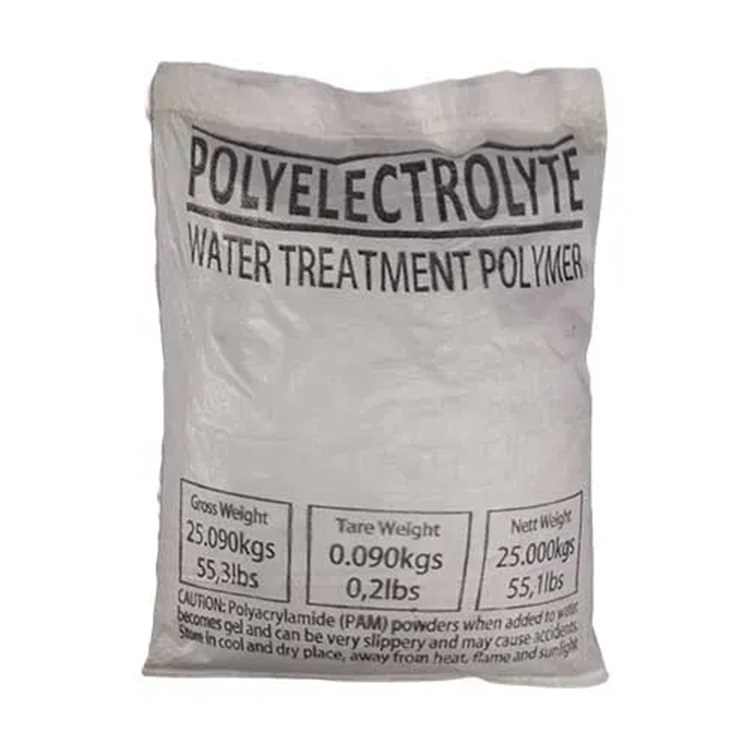
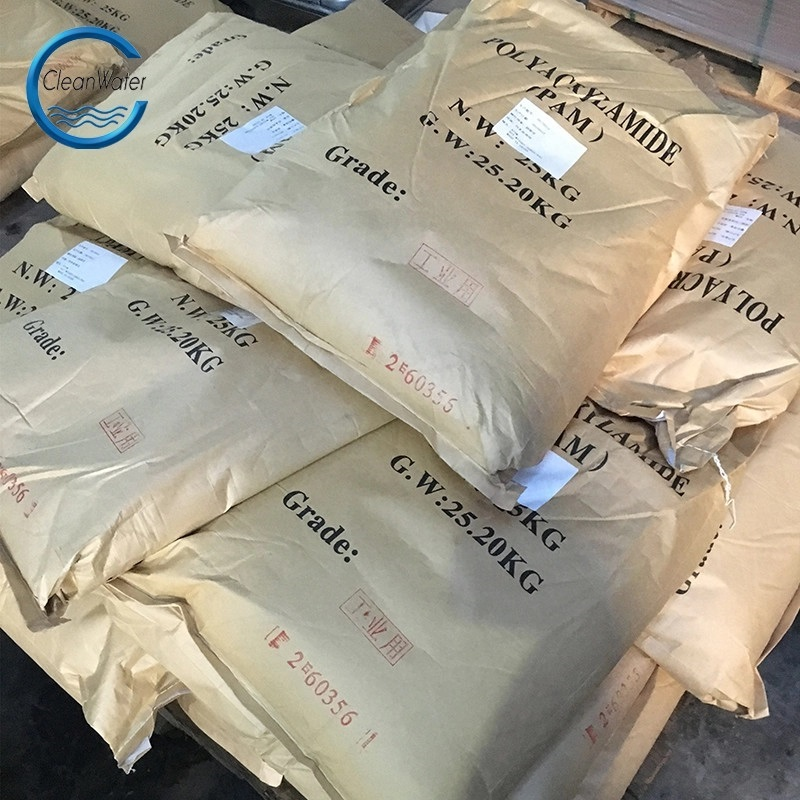
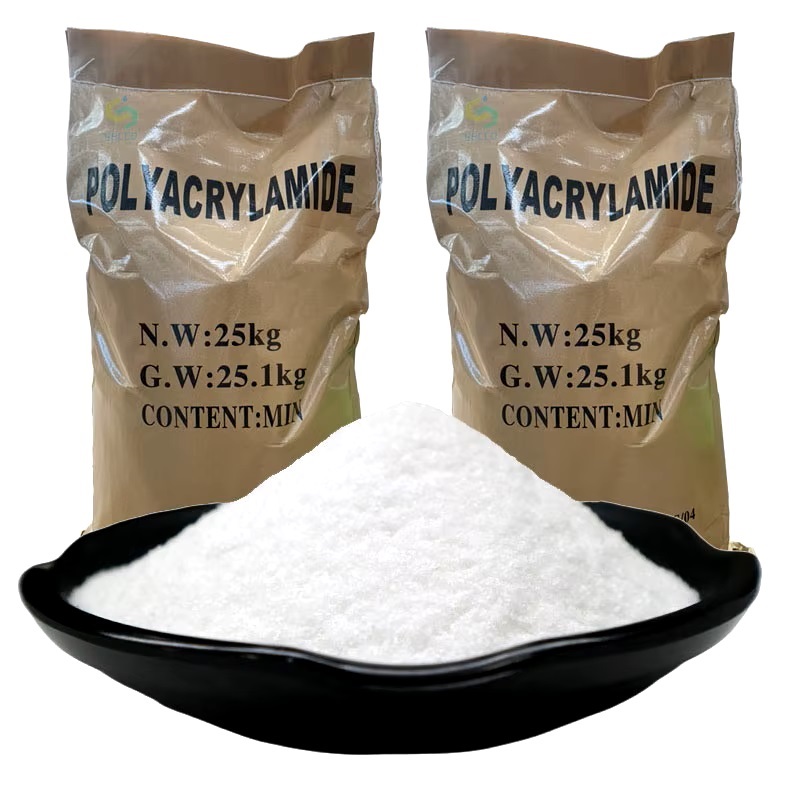
| Packaging Type | 20 – 25 kg PE bags/sacks | 200 – 1000 kg IBC tanks or drums |
| Shelf Life | 24 – 36 months | 6 – 12 months |
| Storage Conditions | Cool, dry, away from direct sunlight | Cool (5-30°C), protect from freezing |
| Palletizing | 40-50 bags/pallet (1000-1250 kg) | 1-2 IBC/pallet |
15. STORAGE AND HANDLING PRECAUTIONS
-
Moisture Protection: Polyelectrolyte powder is hygroscopic; caking occurs in humid environments.
-
Temperature: Prolonged storage above 40°C causes polymer degradation.
-
Freezing (emulsion form): Emulsion products degrade irreversibly if frozen.
-
Dust Control: Use ventilation and personal protective equipment (dust mask) to avoid inhalation of powder.
-
Spill Management: Sweep up dry; do not wash with water (creates slippery surfaces).
16. ENVIRONMENTAL IMPACT AND SUSTAINABILITY
| Factor | Description |
|---|---|
| Biodegradability | Standard polyacrylamide has limited biodegradability; natural polyelectrolytes (chitosan, alginate) offer environmentally friendly alternatives |
| Toxicity | Anionic form has lower toxicity than cationic forms. Overdosing may pose risk to aquatic life. |
| Dosage Management | Automated dosing systems minimize chemical usage |
| Energy Savings | Faster settling reduces pumping and filtration needs |
| Acrylamide Residue | Residual monomer after production < 0.05% ( < 0.01% for drinking water certified products) |
17. OTHER NAMES AND TECHNICAL SYNONYMS
General Chemical Names:
-
Anionic Polyelectrolyte
-
Anionic Polyacrylamide
-
Polyacrylamide (PAM)
-
APAM (Anionic Polyacrylamide)
CAS and Structure References:
-
Poly(acrylamide)
-
Acrylamide Resin
-
Hydrolyzed Polyacrylamide
-
Acrylamide Gel Solution
Sectoral Usage Variations:
-
Flocculant
-
Coagulant Aid
-
Sludge Dewatering Polymer
-
Water Treatment Polymer
-
Organic Coagulant
-
Filtration Aid
-
Process Polymer
International Trade Names:
-
Anionic PAM
-
Anionic Flocculant
-
Sludge Dewatering Agent
-
Wastewater Clarifier
-
APAM Powder / APAM Emulsion
-
High Molecular Weight Anionic Polymer
18. TECHNICAL COMPARISON TABLE
| Property / Parameter | Anionic Polyelectrolyte | Cationic Polyelectrolyte | Emulsion Form |
|---|---|---|---|
| Charge Type | Negative | Positive | Variable |
| Dissolution Time | 30 – 60 min | 20 – 40 min | 5 – 10 min |
| Floc Size | Medium – Large | Large | Large |
| pH Compatibility | 5 – 9 | 4 – 8 | 3 – 10 |
| Dosage Range | 1 – 10 ppm | 0.5 – 5 ppm | 0.2 – 2 ppm |
| Application Area | Inorganic particles | Organic sludge | Continuous processes |
| Shelf Life | 24 – 36 months | 24 – 36 months | 6 – 12 months |
19. BIOMEDICAL APPLICATIONS (SPECIAL GRADE)
| Application Area | Description |
|---|---|
| Drug Delivery Systems | Controlled release, targeted delivery |
| Tissue Engineering | Cell adhesion, biosynthetic scaffold carrier |
| Soft Contact Lenses | Comfort and durability via hydrogel structures |
| Biosensors | Signal enhancement through surface modification |
Note: Biomedical applications require special purity grade products with low monomer residue and biocompatibility certification.
20. SAFETY AND WARNING INFORMATION
| Topic | Information |
|---|---|
| GHS Classification | Generally not hazardous; powder form may cause respiratory irritation if inhaled |
| Personal Protective Equipment | Dust mask (N95 or higher), safety goggles, gloves |
| First Aid | Eye contact: Rinse with plenty of water; Inhalation: Move to fresh air; Ingestion: Drink plenty of water, seek medical advice |
| Ecology | Do not discharge high concentrations into aquatic environments |
Important: This technical data sheet is for informational purposes only. Laboratory testing and field trials are recommended for specific applications. Consult the manufacturer's technical support team.
ANIONIC POLYELECTROLYTE APPLICATION GUIDE – INDUSTRY-SPECIFIC DETAILED EXPLANATION
Below, for each sector where anionic polyelectrolyte (anionic polyacrylamide) is used, the application method is described step by step, including equipment, dosage, process conditions, and key points.
1. WASTEWATER TREATMENT PLANTS (Municipal & Industrial)
Application Type: Post-Coagulation Flocculation + Sludge Dewatering
Process Flow:
-
Pre-Coagulation (Chemical):
-
Add cationic coagulant to wastewater (FeCl₃, Al₂(SO₄)₃, PAC).
-
Rapid mixing (1-3 minutes, 200-400 rpm) to neutralize charges.
-
Adjust pH to 6-8 (depending on coagulant type).
-
-
Anionic Polyelectrolyte Preparation:
-
Powder form: Prepare 0.1-0.2% solution. Sprinkle powder slowly onto water surface, mix at low speed for 30-60 minutes (prevents lumping).
-
Emulsion form: Dilute directly to 0.1-0.5% solution, mix for 5-10 minutes.
-
-
Dosing into Flocculation Unit:
-
Dosage: 1-10 ppm (mg/L) active polymer (depending on wastewater characteristics).
-
Injection point: Immediately after coagulant addition, into the slow-mix zone (flocculator).
-
Slow mixing (20-40 rpm, 10-20 minutes) to grow flocs.
-
-
Sedimentation (Lamella or DAF):
-
Flocs settle by gravity or float via DAF (dissolved air flotation).
-
Settling time: 1-4 hours (shorter with lamella).
-
-
Sludge Dewatering:
-
Settled sludge (2-5% solids) is fed to belt press, centrifuge, or filter press.
-
Add anionic polyelectrolyte again to sludge (2-8 kg/ton dry solids).
-
Dewatering increases cake solids to 15-40%.
-
Key Points:
-
Overdosing causes floc disintegration.
-
If temperature <10°C, dissolution time increases; use lukewarm water (30°C).
-
Centrifuge speed must be adjusted to floc strength.
2. DRINKING WATER TREATMENT
Application Type: Low-Turbidity Water – Coagulant Aid
Steps:
-
Coagulation: Add aluminum sulfate or ferric chloride (10-50 ppm).
-
pH Adjustment: Adjust to 6.5-7.5 (suitable for anionic polymer).
-
Anionic Polyelectrolyte Preparation:
-
For low dosage (0.1-1 ppm), prepare dilute solution (0.05-0.1%).
-
If using powder, allow at least 45 minutes for dissolution.
-
-
Injection: 1-2 minutes after coagulant, into flocculation tank.
-
Slow Mixing: 10-15 minutes, floc size reaches 1-5 mm.
-
Sedimentation & Filtration: Hold in sedimentation basin (30-60 minutes) before sand filter or membrane.
-
Disinfection (Chlorine/UV).
Note: Polymer residue in drinking water must be <0.5 ppm; use “drinking water grade” product with acrylamide monomer residue <0.01%.
3. PAPER AND PULP INDUSTRY
Application 1: Fiber Recovery from White Water
Process:
-
White water from paper machine (0.1-0.5% fiber) is collected in a tank.
-
Prepare 0.1% anionic polyelectrolyte solution.
-
Dosage: 0.5-2 ppm (based on water volume).
-
In a DAF unit, flocs are floated and skimmed from surface.
-
Recovered fiber is returned to pulp.
Application 2: Filler Retention Enhancement (Kaolin, CaCO₃)
-
Add anionic polyelectrolyte to filler suspension (50-200 g/ton filler).
-
Polymer binds filler particles to fiber surface, increasing paper opacity and strength.
Equipment: Static mixer or low-shear dynamic mixer.
4. OIL AND GAS INDUSTRY
Application: Oil-Water Emulsion Breaking (Produced Water Management)
Problem: Produced water from wells (10-90% water + oil + solids) is emulsified.
Solution:
-
Primary Separation: Three-phase separator removes free water and gas.
-
Chemical Dosing:
-
Prepare 0.05-0.1% anionic polyelectrolyte solution.
-
Dosage: 5-50 ppm (depending on emulsion stability).
-
Often used together with a demulsifier.
-
-
Mixing: Static mixer or in-line mixer, contact time 1-2 seconds.
-
Settling Tank (Gunbarrel or API separator):
-
Hold time 30-120 minutes.
-
Oil rises to top; water and flocculated solids exit from bottom.
-
-
Water Treatment: Separated water may undergo additional flocculation or filtration before discharge.
Drilling Fluid Application:
-
Add anionic polyelectrolyte (100-500 ppm) to drilling mud.
-
Increases viscosity, stabilizes solid particles (cuttings).
-
Performance drops in high salinity (seawater-based mud); use salt-tolerant grade.
5. MINING
Application: Post-Flotation Tailings Sedimentation & Ore Beneficiation
Steps (e.g., Copper, Gold, Coal):
-
Flotation: Ore is ground; valuable mineral separated by froth flotation.
-
Tailings Suspension: Flotation tailings contain 10-40% solids.
-
Anionic Polyelectrolyte Preparation:
-
Use very high molecular weight (>15 million Da) product.
-
Prepare 0.05-0.1% solution, dissolve for 45-60 minutes.
-
-
Dosage: 20-200 g/ton dry solids (optimize by lab jar test).
-
Injection: Into thickener feed pipe using static mixer.
-
Thickener (Conical or Inclined Plate):
-
Slow rotating rake (0.1-1 rpm) promotes floc formation.
-
Clear water overflows (recovered), sludge discharges from bottom.
-
-
Pumping to Tailings Dam: Dewatered tailings pumped to dam.
Coal Washing Specific:
-
Fine coal particles (<0.5 mm) after flotation are flocculated with anionic polyelectrolyte.
-
Then dewatered by filter press or centrifuge.
6. TEXTILE INDUSTRY
Application: Dye Bath Wastewater Treatment
Process:
-
Equalization Tank: Colored wastewater (pH 8-12, high COD) is collected.
-
pH Adjustment: Reduce to 6-8 (with acid or base).
-
Coagulation (Optional):
-
For high color removal, add FeCl₃ or Al₂(SO₄)₃ (100-500 ppm).
-
-
Anionic Polyelectrolyte Dosing:
-
0.1% solution, dosage 2-10 ppm.
-
Slow mixing (10-15 minutes) to form flocs.
-
-
Sedimentation or DAF: Colored flocs settle or float.
-
Dewatering: Sludge is pressed into cake by filter press.
Note: Reactive dyes are anionic; direct flocculation with anionic polymer may be weak. Pre-coagulation with cationic coagulant is essential.
7. AGRICULTURE AND IRRIGATION SYSTEMS
Application: Removal of Suspended Solids from Irrigation Water (Filter Protection)
Process (especially for drip irrigation):
-
Water Source: River, pond, or well water (turbidity 10-500 NTU).
-
Anionic Polyelectrolyte Preparation:
-
Use low molecular weight (5-8 million Da) product.
-
Prepare 0.05% solution, connect to injection pump.
-
-
Dosage: 0.5-2 ppm (depending on turbidity).
-
Injection Point: After pump, before disk or sand filter.
-
Flocculation Pipe: Flocs grow in 10-20 meters of straight pipe.
-
Filtration: Disk filter (130 micron) or sand filter captures flocs.
-
Backwash: Filter automatically backwashes.
Benefit: Reduces dripper clogging and filter washing frequency.
8. SUGAR INDUSTRY (Beet/Cane)
Application: Raw Syrup Purification (Post-Carbonation)
Process (Beet sugar example):
-
Diffusion: Raw syrup from beet (turbid, contains calcium, pectin).
-
Liming and Carbonation:
-
Add lime (CaO), then precipitate with CO₂. CaCO₃ forms.
-
-
Anionic Polyelectrolyte Dosing:
-
Prepare 0.05-0.1% solution.
-
Dosage: 5-20 ppm (based on syrup volume).
-
Inject at carbonation tank outlet.
-
-
Flocculation: CaCO₃ and other impurities form flocs.
-
Filtration: Pressure filter (or vacuum drum filter) clarifies syrup.
-
Decolorization & Crystallization: Clear syrup proceeds.
Note: Temperature is 70-85°C; check polymer thermal stability.
9. COSMETICS AND PHARMACEUTICALS
Application: Rheology Control in Gels and Creams (Special Grade Polyelectrolyte)
Note: Standard anionic polyelectrolyte is not used in cosmetics; special biocompatible, low-monomer carbomers or modified polyacrylamide derivatives are used. However, technical principle is similar.
Formulation Steps:
-
Add to Cold Water: Sprinkle 0.1-1% polymer powder slowly into deionized water.
-
Neutralization: Adjust pH to 5.5-7 with triethanolamine or NaOH (activates anionic groups).
-
Swelling & Gel Formation: Let stand 1-4 hours; viscosity increases.
-
Add Other Ingredients: Actives, preservatives, oils emulsified.
-
Homogenization: High-shear mixer to homogenize.
Controlled Drug Release:
-
Drug-loaded anionic polyelectrolyte microparticles are prepared.
-
Oral or injectable form; pH-sensitive release.
10. FOOD INDUSTRY (Limited Suitability)
Application: Fruit Juice Clarification (Special Food Grade)
Process (Example: Apple juice):
-
Juice Extraction: Turbid, contains pectin and cellulose.
-
Enzymatic Pectin Removal (Pectinase).
-
Anionic Polyelectrolyte (Food-Approved):
-
Very low dosage (0.5-2 ppm) for flocculation.
-
Must use only FDA/EFSA-approved polymer.
-
-
Filtration: Diatomaceous earth filter or ultrafiltration.
-
Pasteurization.
Warning: Standard industrial anionic polyelectrolyte cannot contact food. Special “food grade” products are expensive and rarely used.
11. CONCRETE AND CONSTRUCTION CHEMICALS
Application: Water Retention and Rheology Modifier (Limited Use)
Process:
-
Dissolve anionic polyelectrolyte in concrete mixing water at 0.01-0.1% concentration.
-
When mixed with cement, polymer retains water and improves workability.
-
However, cationic or nonionic polymers (e.g., polyethylene glycol) are more common.
Note: Anionic polymer may crosslink with calcium ions, forming a gel – sometimes desired for sealing materials.
12. METAL RECOVERY (ELECTROLYTIC PRECIPITATION)
Application: Particle Flocculation in Metal-Bearing Wastewater
Process (Example: Copper recovery):
-
Wastewater (pH 2-5, Cu²⁺ 100-1000 ppm) sent to neutralization tank.
-
pH Raise: Add lime or NaOH to pH 6-7; copper hydroxide precipitates (fine particles).
-
Anionic Polyelectrolyte Dosing:
-
5-20 ppm, 0.05% solution.
-
Slow mixing in flocculation tank.
-
-
Sedimentation: Large flocs settle rapidly.
-
Filtration: Press filter produces cake; cake sent to metal recovery facility.
13. COAL WASHING (THICKENING)
Application: Flotation Tailings Dewatering
Steps:
-
Coal Flotation: Fine coal (<0.5 mm) separated by froth; tailings (shale, clay) remain in water.
-
Tailings Suspension: Solids 5-15%, very fine clay particles.
-
Anionic Polyelectrolyte Preparation: High molecular weight (>12 million Da).
-
Dosage: 50-300 g/ton dry solids.
-
Thickener:
-
Conical tank 10-30 meters diameter.
-
Flocs settle to bottom; clear water overflows (recovered).
-
Underflow sludge (40-60% solids) goes to filter press or dam.
-
-
Final Dewatering with Filter Press: Cake solids reach 70-80%.
14. PHOSPHORIC ACID PRODUCTION (GYPSUM SEPARATION)
Application: Flocculation of Calcium Sulfate (Gypsum) in Crude Acid
Process:
-
Reaction of Phosphate Rock with Acid:
-
Phosphoric acid produced; by-product CaSO₄·2H₂O (gypsum) forms.
-
-
Reaction Mixture: Acid (25-30% P₂O₅) + gypsum crystals + impurities.
-
Anionic Polyelectrolyte Dosing:
-
Use special grade resistant to high temperature (70-80°C) and low pH (1.5-2).
-
Dosage 10-50 ppm.
-
-
Thickener: Gypsum flocs settle; clear acid overflows.
-
Gypsum Washing & Filtration: Gypsum cake filtered; acid recovered.
SUMMARY TABLE: APPLICATION METHOD BY INDUSTRY
| Sector | Application Method | Dosage | Equipment | Critical Parameters |
|---|---|---|---|---|
| Wastewater Treatment | Post-coagulation slow mixing + sedimentation | 1-10 ppm | Flocculator, clarifier, belt press | pH 6-8, mixing time |
| Drinking Water | Low dosage before sand filter | 0.1-1 ppm | Static mixer, filter | Monomer residue <0.01% |
| Paper | DAF flotation in white water | 0.5-2 ppm | DAF unit, skimmer | Low shear mixing |
| Oil & Gas | Emulsion breaking, separator | 5-50 ppm | Static mixer, gunbarrel | Salinity, temperature |
| Mining | Thickener flocculation | 20-200 g/ton | Thickener, centrifuge | High molecular weight |
| Textile | Post-coagulation DAF | 2-10 ppm | DAF, filter press | Pre-coagulation needed for dyes |
| Agriculture | Injection before filter | 0.5-2 ppm | Injection pump, disk filter | Critical for drip irrigation |
| Sugar | Post-carbonation filtration | 5-20 ppm | Pressure filter, drum filter | Temperature 70-85°C |
| Metal Recovery | Post-neutralization flocculation | 5-20 ppm | Settling tank, filter press | pH control |
| Coal Washing | Thickener | 50-300 g/ton | Thickener, filter press | Higher dosage for clay |
| Phosphoric Acid | Gypsum flocculation | 10-50 ppm | Thickener, filter | Low pH, high temp tolerance |
GENERAL APPLICATION RULES (All Sectors)
-
Solution Preparation:
-
Powder: Water temperature 10-30°C, mixing speed 200-400 rpm. Sprinkle powder onto water surface (not water onto powder) to prevent lumps.
-
Emulsion: Add directly to dilution water, mix 5-10 minutes.
-
-
Dosage Optimization:
-
Use laboratory jar test to determine optimum dosage (largest flocs, clearest water).
-
Overdosing: Flocs disintegrate, water becomes turbid.
-
Underdosing: Small flocs, slow settling.
-
-
Injection Point:
-
After coagulant, into slow-mix zone.
-
Do not inject before high-shear pumps (e.g., centrifugal pumps).
-
-
Equipment Selection:
-
Static mixer: Low shear, good mixing.
-
Slow-speed paddle mixer: Preserves flocs.
-
-
Safety:
-
Use N95 mask for powder handling.
-
Sweep up spills dry; do not wash with water (creates slippery surfaces).
-
, Poly Acryl Amide, 9003-05-8 .jpg)