We unleash your business potential by maximize the business innovation.
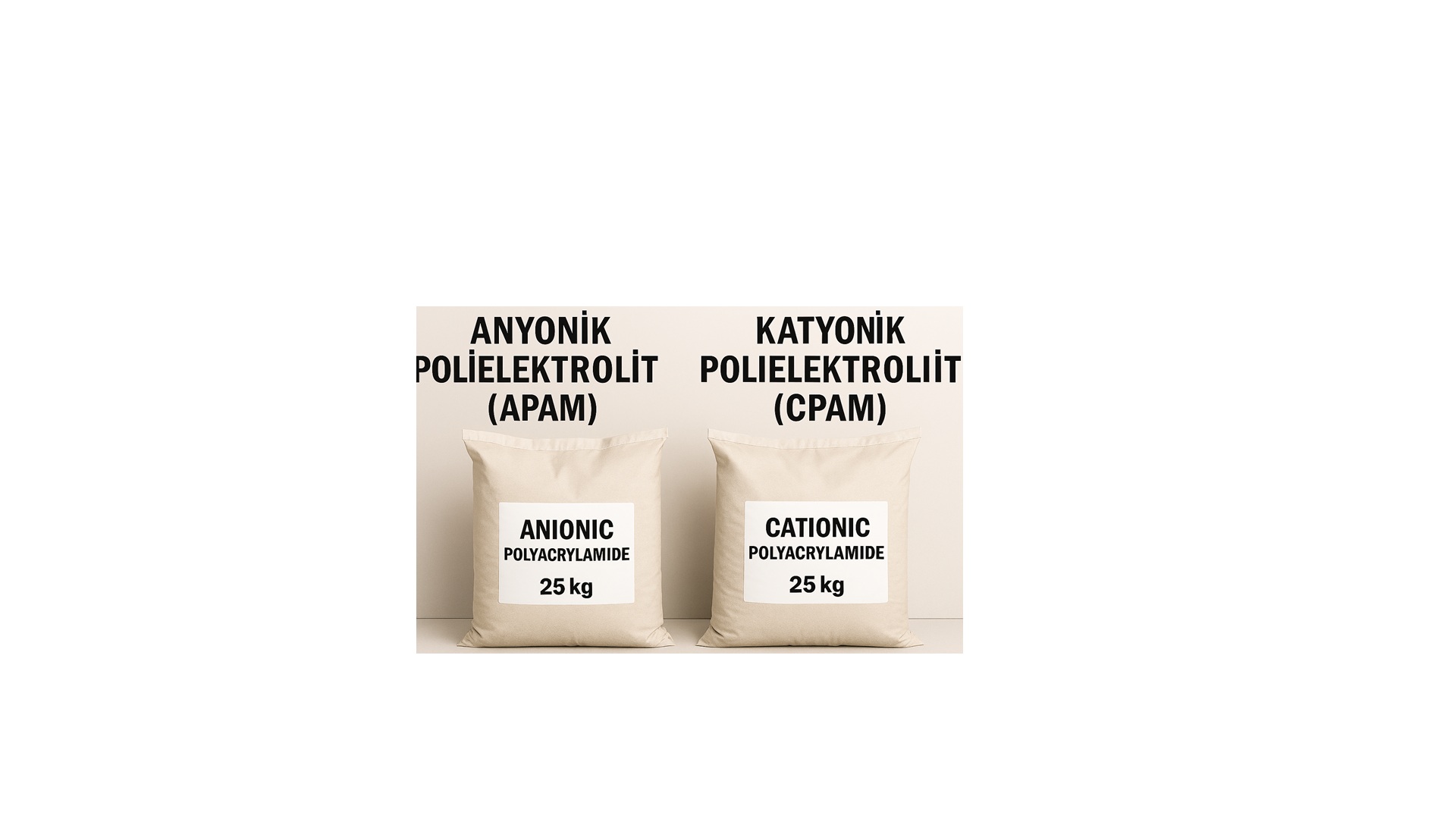
Send EmailAnionic Polyelectrolyte, Anionic Poly Electrolite, Anionic Polyacrylamide, Polyacrylamide, Anionic Flocculant, PAM, APAM, 9003-05-8
ANIONIC POLYELECTROLYTE (ANIONIC POLYACRYLAMIDE - APAM)
PRODUCT IDENTIFICATION INFORMATION
| Parameter | Information |
|---|---|
| Product Name | Anionic Polyelectrolyte |
| Chemical Name (IUPAC) | Poly(acrylamide) - partially hydrolyzed |
| Synonyms (Turkish) | Anyonik Polielektrolit, Anyonik Poliakrilamid, APAM, Anyonik Flokülant |
| Synonyms (English) | Anionic Polyelectrolyte, Anionic Polyacrylamide, APAM, Anionic Flocculant, Polyacrylamide, PAM |
| CAS Number | 9003-05-8 |
| Molecular Formula | (C₃H₅NO)ₙ |
| Charge Type | Negative (Anionic) |
| Molecular Weight | 5 – 20 million Daltons (application-dependent) |
CHEMICAL STRUCTURE
Anionic Polyacrylamide (APAM)
—(CH₂—CH)—(CH₂—CH)—
| |
C=O C=O
| |
NH₂ O⁻Na⁺
(Amide) (Carboxylate)
Molecular Formula: (C₃H₅NO)ₙ (with carboxylate groups on some monomers)
SMILES: Not applicable (polymer)
InChI: Not applicable (polymer)
Structure: Polyacrylamide chain with anionic groups (carboxylate -COO⁻, sulfonate -SO₃⁻) attached; High molecular weight linear polymer; Anionic charge density can be adjusted during production.
SECTION 1: CHEMICAL IDENTITY AND DESCRIPTION
| Parameter | Information |
|---|---|
| Product Name | Anionic Polyelectrolyte |
| Chemical Name (IUPAC) | Poly(acrylamide) - partially hydrolyzed |
| Synonyms (Turkish) | Anyonik Polielektrolit, Anyonik Poliakrilamid, APAM, Anyonik Flokülant |
| Synonyms (English) | Anionic Polyelectrolyte, Anionic Polyacrylamide, APAM, Anionic Flocculant, Polyacrylamide, PAM |
| CAS Number | 9003-05-8 |
| Molecular Formula | (C₃H₅NO)ₙ |
| Charge Type | Negative (Anionic) |
| Molecular Weight | 5 – 20 million Daltons (application-dependent) |
| Chemical Class | Synthetic water-soluble polymer; Polyelectrolyte; Flocculant |
| Physical State (20°C) | Solid (powder or granules) / Liquid (emulsion) |
| Odor | Odorless |
| Color | White to off-white |
SECTION 2: PHYSICAL AND CHEMICAL PROPERTIES
| Property | Value | Test Method / Note |
|---|---|---|
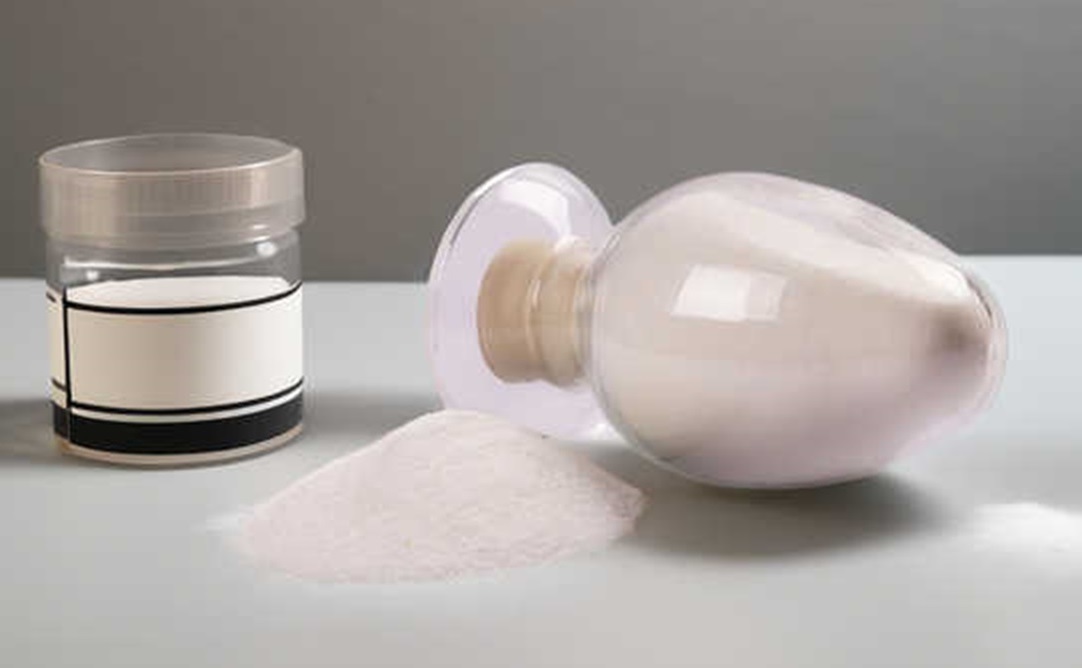
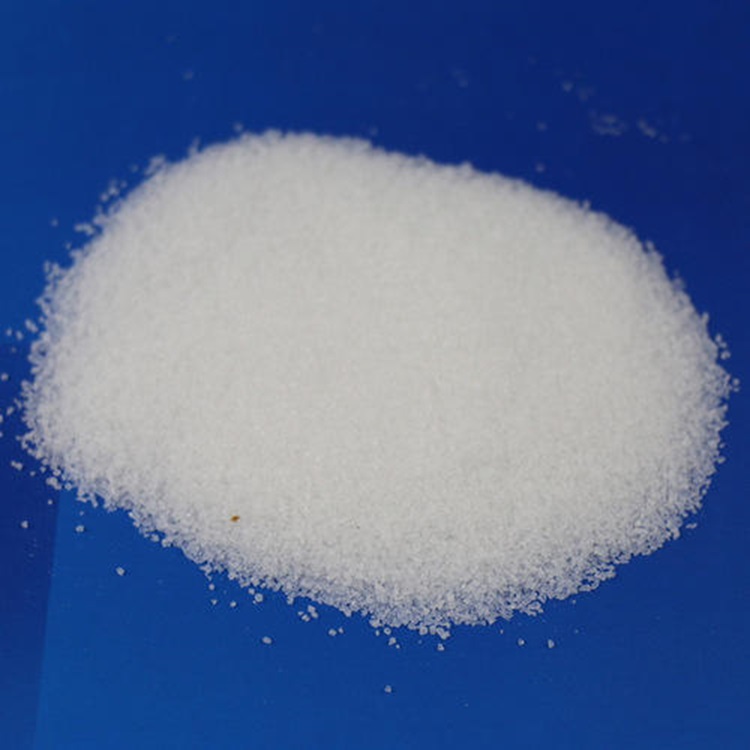
| Appearance (Powder) | White to off-white powder or granules | Visual |
| Appearance (Emulsion) | White to yellowish viscous liquid | Visual |
| Odor | Odorless | Olfactometric |
| Molecular Weight | 5 – 20,000,000 Daltons (grade dependent) | GPC / Viscometry |
| Charge Density | 0.5 – 2.5 meq/g (variable, grade dependent) | Titration |
| Density (Powder) | ~0.75 – 0.85 g/cm³ (bulk) | ASTM D1895 |
| Density (Emulsion) | ~1.02 – 1.05 g/cm³ | ASTM D4052 |
| pH (0.1% Solution) | 6.0 – 8.0 | pH Meter |
| Solubility in Water | Fully soluble (cold or warm water) | General Method |
| Solubility in Organic Solvents | Insoluble | General Method |
| Moisture Content | ≤ 10% (powder) | Gravimetric (105°C) |
| Bulk Density (Powder) | 600 – 800 kg/m³ | – |
| Viscosity (0.1% Solution) | 50 – 500 cP (grade dependent) | Brookfield |
| Solution Stability | 24 – 48 hours (with mild agitation) | – |
| Biodegradability | Limited (standard grades) | – |
| Acrylamide Residue | ≤ 0.05% (standard); ≤ 0.01% (drinking water grade) | HPLC |
SECTION 3: POLYELECTROLYTE TYPES AND COMPARISON
| Type | Charge Type | Charge Density | Primary Applications |
|---|---|---|---|
| Anionic Polyelectrolyte | Negative (-) | 0.5 – 2.5 meq/g | Wastewater, drinking water, textile, mining, paper, sugar industry |
| Cationic Polyelectrolyte | Positive (+) | 0.5 – 3.0 meq/g | Organic contaminant removal, biological sludge, dye removal |
| Amphoteric Polyelectrolyte | Both (+/-) | Variable | Balanced systems, specialty processes, variable pH conditions |
| Non-ionic Polyelectrolyte | Neutral (0) | 0 meq/g | Stabilizer, gel carrier, specialty filtration applications |
SECTION 4: FORMS AND CHARACTERISTICS
| Parameter | Powder Form | Emulsion Form |
|---|---|---|
| Appearance | White to off-white powder/granules | White to yellowish viscous liquid |
| Active Content | ≥ 90% | 30 – 50% |
| Dissolution Time | 30 – 60 minutes (with stirring) | 5 – 10 minutes |
| Solvent | Cold or warm water (max 40°C) | Cold or warm water |
| Mixing Speed | Low to medium (200-400 rpm) | Low to medium |
| Recommended Solution Concentration | 0.1 – 0.5% | 0.1 – 0.5% |
| Solution Shelf Life | 24 – 48 hours (with agitation) | 24 – 48 hours |
| Shelf Life | 24 – 36 months | 6 – 12 months |
| Transport Cost | Low | Higher (water content) |
| Dust Generation | Moderate | None |
| Automatic Dosing | Suitable (with dissolution system) | Excellent (direct pump) |
SECTION 5: CHEMICAL PROPERTIES AND REACTIVITY
| Parameter | Information |
|---|---|
| Chemical Character | High molecular weight anionic polymer; Water-soluble; Non-toxic; Flocculant |
| Stability | Stable under normal conditions; Degrades at >40°C over prolonged periods; Shear-sensitive |
| Reactivity | Reacts with cationic coagulants (charge neutralization); Adsorbs onto particle surfaces via hydrogen bonding and van der Waals forces; Hydrolyzes slowly in water (amide → carboxylate) |
| Incompatible Materials | Strong oxidizing agents (degradation), cationic coagulants (precipitation), high shear (chain breakage) |
| Polymerization | Does not polymerize (polymer is finished product) |
| Degradation Products (Heating) | Carbon monoxide, carbon dioxide, ammonia, nitrogen oxides (NOx) |
| Hydrolysis | Slow hydrolysis in aqueous solution (amide groups convert to carboxylate over time) |
| Cross-linking | Can be cross-linked with multivalent cations (Ca²⁺, Al³⁺) in high concentrations |
| Shear Sensitivity | High molecular weight chains are sensitive to mechanical shear; Avoid high-speed mixing |
| Temperature Sensitivity | Performance decreases above 40°C; Degradation accelerates >60°C |
SECTION 6: PRODUCTION METHODS
Method 1: Solution Polymerization
Reaction: n(CH₂=CHCONH₂) → (CH₂-CHCONH₂)ₙ
Description: Acrylamide monomer is dissolved in water; Initiator (persulfate, AIBN, redox system) is added; Polymerization proceeds at controlled temperature (30-60°C); Partial hydrolysis introduces carboxylate groups; The polymer solution is dried and ground to powder form. Most common industrial method.
Method 2: Emulsion Polymerization
Process: Acrylamide monomer (aqueous) + Oil phase + Emulsifier → Polymerization → Emulsion product
Description: Acrylamide monomer solution is emulsified in oil phase with surfactant; Polymerization initiated in the aqueous droplets; Produces high molecular weight polymers with rapid dissolution; Used to produce emulsion form products.
Method 3: Bulk Polymerization
Process: Monomer + Initiator → Bulk polymerization → Grinding
Description: Acrylamide is polymerized in bulk (without solvent); Produces very high molecular weight polymers; Product is ground to powder; Requires careful temperature control.
Method 4: Hydrolysis and Modification
Process: Polyacrylamide + NaOH → Hydrolyzed polyacrylamide (anionic)
Description: Polyacrylamide is treated with sodium hydroxide to introduce carboxylate groups; Degree of hydrolysis (charge density) is controlled by NaOH concentration and reaction conditions; Produces anionic products with tailored charge density.
SECTION 7: FUNCTIONAL PROPERTIES AND MECHANISM OF ACTION
| Property | Description |
|---|---|
| Flocculation (Bridging) | High molecular weight polymer chains adsorb onto multiple particles; Creates bridges between particles; Forms large, dense flocs that settle rapidly; Primary mechanism for anionic polyelectrolytes |
| Charge Neutralization (Coagulation Aid) | Anionic polymers do not directly neutralize positive charges; They work in conjunction with cationic coagulants (FeCl₃, Al₂(SO₄)₃); Cationic coagulants neutralize particle charges first; Anionic polymers then bridge the neutralized particles |
| Adsorption | Polymer chains attach to particle surfaces via hydrogen bonding; Van der Waals forces also contribute; Adsorption is enhanced by prior coagulation |
| Dewatering / Sludge Conditioning | Polymers bind water molecules and particles; Forms a porous floc structure that releases water easily; Improves cake solids content in filter presses, belt presses, and centrifuges; Reduces sludge volume for disposal |
| Suspension Stabilization | In some applications (e.g., drilling fluids), polymers stabilize particle suspensions; Prevents settling of solid particles; Provides viscosity control |
| Filtration Aid | Forms flocs that are easily captured by filters; Improves filtrate clarity; Reduces filter cake resistance |
SECTION 8: APPLICATION PROCESS - STEP BY STEP
8.1 Wastewater Treatment (Municipal & Industrial)
Application Type: Post-Coagulation Flocculation + Sludge Dewatering
Process Flow:
-
Pre-Coagulation (Chemical): Cationic coagulant added to wastewater (FeCl₃, Al₂(SO₄)₃, PAC); Rapid mixing (1-3 min, 200-400 rpm) neutralizes charges; pH adjusted to 6-8 (depending on coagulant type).
-
Anionic Polyelectrolyte Preparation: Powder: Prepare 0.1-0.2% solution; Sprinkle powder slowly onto water surface; Mix at low speed for 30-60 minutes (to prevent lumps). Emulsion: Direct dilution to 0.1-0.5% solution; 5-10 minutes mixing is sufficient.
-
Dosing to Flocculation Unit: Dosage: 1-10 ppm (mg/L) active polymer (depending on wastewater characteristics); Injection point: Immediately after coagulant addition, into slow mixing zone (flocculator); Slow mixing (20-40 rpm, 10-20 minutes) to grow flocs.
-
Sedimentation (Lamella or DAF): Formed flocs settle by gravity or float with DAF (Dissolved Air Flotation); Settling time: 1-4 hours (lamella reduces time).
-
Sludge Dewatering: Settled sludge (2-5% solids) sent to belt press, centrifuge, or filter press; Additional anionic polyelectrolyte added to sludge (2-8 kg/ton dry solids); Dewatering increases cake solids to 15-40%.
Critical Points: Overdosing causes floc dispersion; Temperature <10°C increases dissolution time; Centrifuge speed must match floc strength.
8.2 Drinking Water Treatment
Application Type: Low Turbidity Water - Coagulation Aid
Process Flow:
-
Coagulation: Aluminum sulfate or ferric chloride added (10-50 ppm).
-
pH Adjustment: Adjust to 6.5-7.5 (optimal for anionic polymer).
-
Anionic Polyelectrolyte Preparation: Low dosage (0.1-1 ppm); Prepare dilute solution (0.05-0.1%); Powder requires ≥45 minutes dissolution.
-
Injection: 1-2 minutes after coagulant, into flocculation tank.
-
Slow Mixing: 10-15 minutes; Floc size reaches 1-5 mm.
-
Sedimentation and Filtration: Settling basin (30-60 min) before sand filter or membrane.
-
Disinfection: Chlorine/UV.
Note: Polymer residue must be <0.5 ppm; Acrylamide monomer residue must be <0.01% for drinking water grade products.
8.3 Paper and Pulp Industry
Application 1: Fiber Recovery from White Water
Process: White water (0.1-0.5% fiber) from paper machine collected; Anionic polyelectrolyte solution (0.1%) prepared; Dosage: 0.5-2 ppm (by water volume); DAF unit floats and skims flocs from surface; Recovered fiber returned to pulp.
Application 2: Filler Retention Improvement
Process: Filler suspension (Kaolin, CaCO₃) treated with anionic polyelectrolyte (50-200 g/ton filler); Polymer holds filler particles on fiber surface; Improves paper opacity and strength; Equipment: Static mixer or low-shear dynamic mixer.
8.4 Oil and Gas Industry
Application: Produced Water Treatment (Oil-Water Separation)
Problem: Produced water from well (10-90% water + oil + solids) is emulsified.
Solution:
-
Pre-Separation: Free water and gas removed in three-phase separator.
-
Chemical Dosing: Anionic polyelectrolyte solution (0.05-0.1%) injected; Dosage: 5-50 ppm (depending on emulsion stability); Usually used with demulsifier.
-
Mixing: Static mixer or in-line mixer for 1-2 seconds contact.
-
Settling Tank (Gunbarrel or API separator): Hold-up time 30-120 minutes; Oil floats to top; Water and flocculated solids removed from bottom.
-
Water Treatment: Separated water undergoes additional flocculation or filtration before discharge.
Drilling Fluid Application: Anionic polyelectrolyte (100-500 ppm) added to drilling mud; Viscosity increases; Solid particles (rock cuttings) stabilized; Performance decreases at high salinity; Salt-tolerant grades required.
8.5 Mining Industry
Application: Tailing Flocculation and Dewatering
Example: Copper, Gold, Coal
-
Flotation: Ore ground; Valuable mineral separated by froth flotation.
-
Tailing Suspension: Flotation tailing contains 10-40% solids.
-
Anionic Polyelectrolyte Preparation: Very high molecular weight product (>15 million Da); 0.05-0.1% solution; 45-60 minutes dissolution.
-
Dosage: 20-200 g/ton dry solids (optimized by jar test).
-
Injection: Into thickener feed pipe with static mixer.
-
Thickener (Conical or Inclined Plate): Slow rotating agitator (0.1-1 rpm) supports floc formation; Clear water overflows (recovered); Sludge removed from bottom.
-
Tailings Dam Pumping: Dewatered tailing pumped to dam.
Coal Washing Specific: Fine coal particles (<0.5 mm) flocculated after flotation; Dewatered with filter press or centrifuge.
8.6 Textile Industry
Application: Dye Bath Wastewater Treatment
Process:
-
Equalization Tank: Colored wastewater (pH 8-12, high COD) collected.
-
pH Adjustment: Reduced to 6-8 with acid or base.
-
Coagulation (Optional): FeCl₃ or Al₂(SO₄)₃ added for high color removal (100-500 ppm).
-
Anionic Polyelectrolyte Dosage: 0.1% solution; Dosage 2-10 ppm.
-
Slow Mixing: Floc formation (10-15 min).
-
Sedimentation or DAF: Colored flocs settle.
-
Dewatering: Sludge pressed into cake with filter press.
Note: Reactive dyes are anionic; Direct flocculation with anionic polymer is weak; Cationic coagulant is required first.
8.7 Agriculture and Irrigation
Application: Suspended Solids Removal for Irrigation (Filter Protection)
Process (Especially Drip Irrigation):
-
Water Source: River, pond, or well water (turbidity 10-500 NTU).
-
Anionic Polyelectrolyte Preparation: Low molecular weight grade (5-8 million Da); 0.05% solution connected to injection pump.
-
Dosage: 0.5-2 ppm (depending on turbidity).
-
Injection Point: After pump outlet, before disk or sand filter.
-
Flocculation Pipe: 10-20 meter straight pipe allows floc growth.
-
Filtration: Disk filter (130 micron) or sand filter traps flocs.
-
Backwash: Filter automatically backwashed for cleaning.
-
Benefit: Reduced dripper clogging; Lower filter washing frequency.
8.8 Sugar Industry (Beet/Cane)
Application: Raw Syrup Purification (After Carbonation)
Process (Beet Sugar Example):
-
Diffusion: Raw syrup extracted from beets (cloudy, contains calcium, pectin).
-
Liming and Carbonation: Lime (CaO) added; CO₂ precipitates CaCO₃.
-
Anionic Polyelectrolyte Dosage: 0.05-0.1% solution prepared; Dosage: 5-20 ppm (based on syrup volume); Injection after carbonation tank outlet.
-
Flocculation: CaCO₃ and impurities form flocs.
-
Filtration: Pressure filter (or vacuum drum filter) clarifies syrup.
-
Decolorization and Crystallization: Clear syrup proceeds to further processing.
Note: Temperature is 70-85°C; Polymer thermal stability must be monitored.
8.9 Metal Recovery (Electrolytic Precipitation)
Application: Particle Flocculation in Metal-Containing Wastewater
Example: Copper Recovery
-
Wastewater: pH 2-5, Cu²⁺ 100-1000 ppm.
-
pH Raise: Lime or NaOH raises pH to 6-7; Copper hydroxide precipitates (fine particles).
-
Anionic Polyelectrolyte Dosage: 5-20 ppm; 0.05% solution.
-
Flocculation: Slow mixing in flocculation tank.
-
Sedimentation: Large flocs settle rapidly.
-
Filtration: Filter press produces cake; Cake sent to metal recovery facility.
8.10 Coal Washing (Thickening)
Application: Flotation Tailings Dewatering
Steps:
-
Coal Flotation: Fine coal (<0.5 mm) separated by froth; Waste (shale, clay) remains in water.
-
Waste Suspension: 5-15% solids, very fine clay particles.
-
Anionic Polyelectrolyte Preparation: High molecular weight (>12 million Da) product.
-
Dosage: 50-300 g/ton dry solids.
-
Thickener: Conical tank 10-30 meters diameter; Flocs settle to bottom; Clear water overflows (recovered); Underflow sludge (40-60% solids) goes to filter press or dam.
-
Final Dewatering: Filter press increases cake solids to 70-80%.
8.11 Phosphoric Acid Production (Gypsum Separation)
Application: Calcium Sulfate (Gypsum) Flocculation in Crude Acid
Process:
-
Phosphate Rock Acid Reaction: Phosphoric acid produced; By-product CaSO₄·2H₂O (gypsum) forms.
-
Reaction Mixture: Acid (25-30% P₂O₅) + gypsum crystals + impurities.
-
Anionic Polyelectrolyte Dosage: Special grade with high temperature (70-80°C) and low pH (1.5-2) tolerance; Dosage 10-50 ppm.
-
Thickener: Gypsum flocs settle; Clear acid overflows.
-
Gypsum Washing and Filtration: Gypsum cake filtered; Acid recovered.
SECTION 9: QUALITY SPECIFICATIONS
| Parameter | Standard Grade | Drinking Water Grade | Food Grade (Limited) | Test Method |
|---|---|---|---|---|
| Appearance | White to off-white powder | White to off-white powder | White to off-white powder | Visual |
| Molecular Weight | 5 – 20 million Da | 10 – 20 million Da | 5 – 10 million Da | GPC / Viscometry |
| Charge Density | 0.5 – 2.5 meq/g | 1.0 – 2.0 meq/g | 0.5 – 1.5 meq/g | Titration |
| pH (0.1% Solution) | 6.0 – 8.0 | 6.0 – 8.0 | 6.0 – 8.0 | pH Meter |
| Moisture Content | ≤ 10% | ≤ 10% | ≤ 8% | Gravimetric |
| Acrylamide Monomer | ≤ 0.05% | ≤ 0.01% | ≤ 0.01% | HPLC |
| Bulk Density | 600 – 800 kg/m³ | 600 – 800 kg/m³ | 600 – 800 kg/m³ | – |
| Solution Viscosity (0.1%) | 50 – 500 cP | 100 – 500 cP | 50 – 300 cP | Brookfield |
| Insolubles | ≤ 0.1% | ≤ 0.05% | ≤ 0.05% | Gravimetric |
| Heavy Metals (as Pb) | ≤ 10 ppm | ≤ 5 ppm | ≤ 2 ppm | AAS / ICP |
SECTION 10: TOXICOLOGICAL PROFILE
| Parameter | Value |
|---|---|
| Acute Oral Toxicity (LD50, Rat) | > 5,000 mg/kg (practically non-toxic) |
| Acute Dermal Toxicity | Non-irritating |
| Acute Inhalation Toxicity | May cause mechanical irritation (dust) |
| Skin Irritation | Mildly irritating (dust) |
| Eye Irritation | May cause mechanical irritation (dust) |
| Chronic Toxicity | Non-toxic; Stable polymer; Acrylamide monomer is neurotoxic (residue controlled) |
| Carcinogenicity | Not classified as carcinogenic (polymer) |
| Mutagenicity | Not mutagenic (polymer) |
| Reproductive Toxicity | No reproductive toxicity |
| Target Organs | None (polymer); Nervous system (acrylamide monomer - trace levels) |
| Occupational Exposure Limit (8h TWA) | General dust limit: 10 mg/m³ (total) |
| Special Toxicity Note | Non-toxic; Acrylamide monomer residue is strictly controlled (<0.05% standard, <0.01% drinking water grade); Polymer is considered safe for water treatment; Avoid inhalation of dust (mechanical irritation) |
SECTION 11: GHS CLASSIFICATION AND LABELING
GHS Classification (in accordance with CLP and UN GHS):
| Hazard Class | Category | H-Statement |
|---|---|---|
| Not classified as hazardous | – | – |
SIGNAL WORD: NONE (not classified as hazardous)
Hazard Pictograms: NONE
Hazard Statements (H-Codes): Not classified as hazardous under GHS regulations.
NFPA 704 Hazard Classification:
| Health | Flammability | Reactivity | Special |
|---|---|---|---|
| 1 | 1 | 0 | - |
| (Slight health hazard – dust) | (Combustible – dust cloud may form explosive mixture) | (Stable) | (None) |
SECTION 12: PRECAUTIONARY STATEMENTS (P-CODES)
| Code | Statement |
|---|---|
| P261 | Avoid breathing dust/fume/gas/mist/vapors/spray |
| P264 | Wash hands thoroughly after handling |
| P271 | Use only outdoors or in a well-ventilated area |
| P280 | Wear protective gloves/protective clothing/eye protection/face protection |
| P302+P352 | IF ON SKIN: Wash with plenty of soap and water |
| P304+P340 | IF INHALED: Remove person to fresh air and keep comfortable for breathing |
| P305+P351+P338 | IF IN EYES: Rinse cautiously with water for several minutes. Remove contact lenses if present and continue rinsing |
| P312 | Call a POISON CENTER/doctor if you feel unwell (dust irritation) |
| P332+P313 | If skin irritation occurs: Get medical advice/attention |
| P337+P313 | If eye irritation persists: Get medical advice/attention |
| P362+P364 | Take off contaminated clothing and wash it before reuse |
| P403+P233 | Store in a well-ventilated place. Keep container tightly closed |
| P501 | Dispose of contents/container in accordance with local/regional/national/international regulations |
SECTION 13: FIRST AID MEASURES
| Exposure Route | Action to Take |
|---|---|
| Inhalation | Remove to fresh air immediately. If respiratory irritation develops (dust inhalation), seek medical attention. |
| Skin Contact | Wash with plenty of soap and water. If irritation persists, get medical attention. |
| Eye Contact | Rinse immediately with plenty of water for at least 15 minutes. Keep eyelids open. Remove contact lenses if present. If irritation persists, seek medical attention. |
| Ingestion | Rinse mouth. Drink plenty of water. Generally non-toxic. If large quantities are ingested and symptoms occur, seek medical attention. |
SECTION 14: FIREFIGHTING MEASURES
| Parameter | Information |
|---|---|
| Fire Hazard | Combustible organic material. Dust cloud may form explosive mixture with air (if finely dispersed). |
| Hazards Arising from Fire | Thermal decomposition produces carbon monoxide, carbon dioxide, ammonia, nitrogen oxides (NOx). |
| Suitable Extinguishing Media | Water spray, CO₂, dry chemical powder, foam. |
| Unsuitable Extinguishing Media | Water jet (may spread dust) |
| Special Protective Equipment | Self-contained breathing apparatus (SCBA), full protective clothing (for surrounding fire). |
| Special Precautions | Prevent dust from entering sewers and waterways. Avoid dust cloud formation. |
SECTION 15: STORAGE AND SHELF LIFE
| Parameter | Powder Form | Emulsion Form |
|---|---|---|
| Storage Conditions | Store in a cool, dry, well-ventilated area; Protect from moisture and direct sunlight | Store in a cool (5-30°C), dry area; Protect from freezing |
| Container Requirements | Tightly closed, moisture-proof containers (PE bags, fiber drums) | Tightly closed containers (IBC, drums) |
| Materials to Protect From | Moisture, high humidity, strong oxidizing agents | Freezing, high temperatures (>40°C), strong oxidizing agents |
| Shelf Life | 24 – 36 months | 6 – 12 months |
| Stability Note | Hygroscopic – absorbs moisture; Keep container tightly closed after opening | Emulsion may separate if frozen (irreversible) |
| Special Storage Requirements | Store in a dry, well-ventilated warehouse; Avoid exposure to rain and moisture | Store at 5-30°C; Protect from freezing; Mix before use if separation occurs |
SECTION 16: PACKAGING OPTIONS
| Packaging Type | Quantity | Material |
|---|---|---|
| Multi-layer Paper Bag (Powder) | 20 kg, 25 kg | PE-lined kraft paper bag (moisture-proof) |
| Plastic Bag (Powder) | 10 kg, 20 kg, 25 kg | PE bag (inner-lined, sealed, moisture-proof) |
| Fiber Drum (Powder) | 20 kg, 25 kg | PE-lined fiberboard drum |
| Plastic Drum (Emulsion) | 200 L, 1000 L | HDPE / Polypropylene (moisture-proof) |
| IBC Container (Emulsion) | 1000 L | HDPE (moisture-proof) |
| FIBC / Big Bag (Powder) | 500 kg, 1000 kg | PE-lined, moisture-resistant PP woven bag (with inner liner) |
SECTION 17: TRANSPORT INFORMATION
| Parameter | Information |
|---|---|
| UN Number | Not regulated (non-hazardous) |
| Hazard Class | Not applicable |
| Packing Group | Not applicable |
| ADR/RID | Not regulated |
| IMDG Code | Not regulated (non-hazardous) |
| IATA (Air) | Not regulated (non-hazardous) |
| Marine Pollutant | No |
| Transport Temperature | Ambient temperature; Protect from moisture (powder); Protect from freezing (emulsion). |
SECTION 18: REGULATORY STATUS
| Region / Authority | Status |
|---|---|
| European Union | REACH registered; Not classified as hazardous; Drinking water grade available |
| USA (TSCA) | Listed (TSCA Inventory) |
| USA (FDA) | Limited food contact applications (food grade only); Drinking water treatment approved |
| Turkey | Industrial chemical; Subject to KKDIK regulation; Drinking water treatment approved; Food grade regulated |
| IARC | Not classified (non-toxic, non-carcinogenic) |
| NTP | Not listed |
| OSHA | Not regulated as toxic or carcinogenic substance |
| California (Prop 65) | Not listed |
| Drinking Water Standards | NSF/ANSI 60 certified (drinking water grade); Acrylamide residue <0.01% |
SECTION 19: OTHER NAMES AND SYNONYMS
| Type | Name |
|---|---|
| Turkish Names | Anyonik Polielektrolit, Anyonik Poliakrilamid, APAM, Anyonik Flokülant, Poliakrilamid |
| English Names | Anionic Polyelectrolyte, Anionic Polyacrylamide, APAM, Anionic Flocculant, Polyacrylamide, PAM |
| Chemical Names | Poly(acrylamide); Acrylamide resin; Hydrolyzed polyacrylamide; Acrylamide gel solution |
| CAS Number | 9003-05-8 |
| Chemical Formula | (C₃H₅NO)ₙ |
| HS Code | 3906.90 |
| Synonyms | Anionic PAM, Anionic Flocculant, Sludge Dewatering Agent, Wastewater Clarifier, APAM Powder, APAM Emulsion, High Molecular Weight Anionic Polymer |
SECTION 20: SUMMARY TABLE
| Parameter | Value |
|---|---|
| Product | Anionic Polyelectrolyte (APAM) |
| CAS Number | 9003-05-8 |
| Molecular Formula | (C₃H₅NO)ₙ |
| Molecular Weight | 5 – 20 million Daltons (grade dependent) |
| Charge Type | Negative (Anionic) |
| Appearance (Powder) | White to off-white powder or granules |
| Appearance (Emulsion) | White to yellowish viscous liquid |
| pH (0.1% Solution) | 6.0 – 8.0 |
| Primary Function | Flocculant, coagulant aid, sludge dewatering agent |
| Main Application Areas | Wastewater treatment, drinking water, paper & pulp, mining, oil & gas, textile, sugar, agriculture, metal recovery |
| Shelf Life (Powder) | 24 – 36 months |
| Shelf Life (Emulsion) | 6 – 12 months |
| GHS Signal Word | NONE (not classified as hazardous) |
| UN Number | Not regulated |
| Special Properties | High molecular weight; Water-soluble; Non-toxic; Shear-sensitive; Biodegradability limited |
SECTION 21: CRITICAL WARNINGS AND BEST PRACTICES
CRITICAL WARNINGS:
-
Not classified as hazardous under GHS. Non-toxic, non-carcinogenic.
-
Hygroscopic – absorbs moisture from air. Store in tightly closed, moisture-proof containers.
-
Dust may cause mechanical irritation to eyes, skin, and respiratory system. Use appropriate dust control measures.
-
Combustible (organic material). Keep away from open flames and high heat. Dust cloud may form explosive mixture.
-
Shear-sensitive – high molecular weight chains break under high shear. Avoid high-speed mixing. Use gentle agitation (200-400 rpm).
-
Temperature sensitive – performance decreases above 40°C. Degradation accelerates >60°C.
-
Dissolution method critical – ALWAYS ADD POWDER TO WATER, NEVER ADD WATER TO POWDER. Add slowly with agitation to prevent lump formation.
-
Solution stability – prepare fresh solutions daily. Maximum 24-48 hours with continuous agitation.
-
Acrylamide monomer residue – neurotoxic in monomer form. Drinking water grade requires <0.01% residue.
BEST PRACTICE RECOMMENDATIONS:
Solution Preparation (Powder Form - CRITICAL):
-
ALWAYS ADD POWDER TO WATER, NEVER ADD WATER TO POWDER.
-
Use cold or warm water (10-30°C, max 40°C).
-
Sprinkle powder slowly onto vigorously agitated water surface (vortex).
-
Maintain low to medium agitation (200-400 rpm) – avoid high shear.
-
Allow 30-60 minutes for complete dissolution.
-
Solution concentration: 0.1-0.5% recommended.
-
Use fresh solutions within 24-48 hours (with gentle agitation).
Solution Preparation (Emulsion Form):
-
Directly dilute with cold or warm water.
-
Mix for 5-10 minutes only.
-
Use within 24-48 hours.
-
Protect from freezing (emulsion breaks irreversibly).
Dosage Optimization:
-
Perform jar tests to determine optimal dosage.
-
Optimal dosage: largest flocs + clearest supernatant.
-
Underdosing: small flocs, slow settling.
-
Overdosing: floc dispersion, turbid water.
-
Factors affecting dosage: solids concentration, particle size, pH, temperature, ionic strength.
Injection Point:
-
Inject after coagulant addition (if used).
-
Inject into slow mixing zone (not high shear area).
-
Avoid injection before high-shear pumps (centrifugal pumps).
-
Use static mixer or low-shear dynamic mixer.
Equipment Selection:
-
Static mixer: low shear, good mixing.
-
Slow rotating paddle mixer: protects flocs.
-
Dosing pumps: peristaltic or progressive cavity pumps (avoid high-shear pumps).
Wastewater Treatment:
-
Always use with cationic coagulant first (FeCl₃, Al₂(SO₄)₃, PAC).
-
Coagulant dosage: optimize for charge neutralization.
-
Flocculation: 10-20 minutes slow mixing.
-
Sedimentation: allow sufficient retention time.
Sludge Dewatering:
-
Dosage: 2-8 kg/ton dry solids (optimize by jar test).
-
Inject directly into sludge stream before dewatering equipment.
-
Belt press: optimize polymer dosage for cake solids.
-
Centrifuge: adjust speed and differential for floc strength.
-
Filter press: build cake progressively.
Textile Wastewater:
-
Reactive dyes require cationic coagulant first.
-
Anionic polymer bridges neutralized particles.
-
pH adjustment to 6-8 essential.
Mining Applications:
-
Use very high molecular weight grades (>15 million Da).
-
Higher dosage for high clay content (up to 300 g/ton).
-
Thickener feed pipe injection with static mixer.
Handling:
-
Use in well-ventilated areas.
-
Avoid dust formation.
-
Use dust masks (N95/FFP2) when handling powder.
-
Use gloves and safety goggles.
Personal Protective Equipment:
-
Dust mask (N95/FFP2 or higher).
-
Safety goggles.
-
Protective gloves (nitrile, neoprene).
-
Protective clothing.
Hygiene:
-
Wash hands thoroughly after handling.
-
Do not eat, drink, or smoke while using.
Storage:
-
Store in tightly closed, moisture-proof containers (PE bags, fiber drums).
-
Store in a cool, dry, well-ventilated area.
-
Protect from direct sunlight, moisture, and high humidity.
-
Opened packages should be resealed immediately.
-
Emulsion: protect from freezing (5-30°C).
Spill Management:
-
Sweep or vacuum (HEPA) and place in suitable sealed container.
-
Avoid dust formation.
-
Do NOT wash with water (creates slippery surface).
-
Do not allow entry into drains or waterways.
Disposal:
-
Dispose of in accordance with local, regional, and national regulations.
-
Non-hazardous waste.
-
Can be incinerated in compliance with regulations.
SPECIAL NOTE ON FLOCCULATION MECHANISM:
The flocculation process with anionic polyelectrolyte involves four stages:
| Stage | Process | Description |
|---|---|---|
| 1. Coagulation | Cationic coagulant (FeCl₃, Al₂(SO₄)₃, PAC) | Particle surface charges are neutralized |
| 2. Flocculation | Anionic polyelectrolyte | Bridges neutralized particles; Forms large flocs |
| 3. Sedimentation | Gravity or DAF | Flocs settle or float; Water clarifies |
| 4. Dewatering | Filter press, belt press, centrifuge | Sludge dewatered and separated |
Mechanism Details:
-
Bridging: High molecular weight polymer chains adsorb onto multiple particles; Creates agglomerates.
-
Charge Neutralization (Auxiliary): Anionic polymers are not for direct charge neutralization; Optimized for bridging after coagulation.
-
Adsorption: Polymer chains attach to particle surfaces via hydrogen bonds and van der Waals forces.
SPECIAL NOTE ON DRINKING WATER GRADE:
For drinking water applications:
-
Certification: NSF/ANSI 60 certified products required.
-
Acrylamide Monomer Residue: ≤ 0.01% (strictly controlled).
-
Heavy Metals: Strict limits (Pb ≤ 5 ppm, As ≤ 1 ppm).
-
Polymer Residue: Must be <0.5 ppm in treated water.
-
Injection: Low dosage (0.1-1 ppm) only.
-
Filtration: Sand filter or membrane after flocculation.
-
Disinfection: Chlorine or UV after polymer addition.
SPECIAL NOTE ON ENVIRONMENTAL AND SUSTAINABILITY:
| Factor | Description |
|---|---|
| Biodegradability | Standard polyacrylamide has limited biodegradability; Natural polyelectrolytes (chitosan, alginate) are environmentally friendly alternatives |
| Toxicity | Anionic form has lower toxicity than cationic forms; Overdosing may be harmful to aquatic life |
| Dosage Management | Automatic dosing systems minimize chemical usage |
| Energy Savings | Faster settling reduces pumping and filtration needs |
| Acrylamide Residue | Post-production monomer residue <0.05% (standard); <0.01% (drinking water grade) |
| Alternatives | Biopolymers (starch derivatives, chitosan) available for specific applications |
LEGAL DISCLAIMER:
The information provided in this document is based on our current knowledge and experience and is presented in good faith. However, as all conditions of use are beyond our control, it does not constitute a binding specification or warranty. This Technical Data Sheet is for informational purposes only. Users are responsible for testing the suitability for their own applications. For complete safety, storage, use, handling, waste, and regulatory compliance information, please refer to the official Safety Data Sheet (SDS/MSDS) provided by the manufacturer/supplier. Specific applications require laboratory jar tests and field trials. Please consult the manufacturer's technical support team for application-specific recommendations.