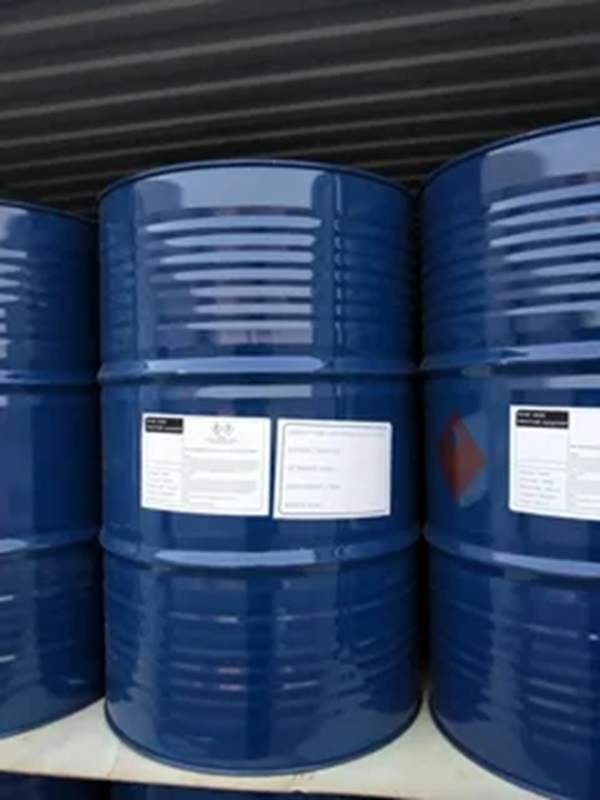
We unleash your business potential by maximize the business innovation.
Send EmailMonoisopropanol Amine, Monoisopropanolamine, Threamine, Amino Propanol, Iso‑propanolamine, MIPA, 78-96-6
MONOISOPROPANOLAMINE (MIPA)
1. Chemical Identity and Material Classification
-
Chemical Name: Monoisopropanolamine, 1-Amino-2-propanol, 2-Hydroxypropylamine
-
Synonyms: MIPA, Threamine, Aminopropanol, Amino-2-propanol, Iso-propanolamine, 2-aminopropan-2-ol, 1-Aminoisopropyl alcohol, DL-Isopropanolamine, (2R)-2-hydroxypropan-1-aminium
-
CAS Number: 78-96-6
-
Molecular Formula: C₃H₉NO
-
Molecular Weight: 75.11 g/mol
-
EC Number (EINECS): 201-162-7
-
MDL Number: MFCD00008136
-
Chemical Class: Primary alkanolamine (primary amine + primary alcohol)
-
UN Number: 2735 (Amines, liquid, corrosive, n.o.s.)
2. Physical Properties
| Property | Value |
|---|---|
| Appearance | Clear, colorless to pale yellow viscous liquid |
| Physical state | Liquid (viscous) |
| Odor | Mild, characteristic amine odor (fishy/ammoniacal) |
| Molecular weight | 75.11 g/mol |
| Density (20°C) | 0.9681 g/cm³ |
| Density (25°C) | 0.960–0.965 g/cm³ |
| Melting point / Freezing point | 1.4–2°C (34°F) – note: supercools; can remain liquid below freezing point |
| Boiling point (at 760 mmHg) | 159–160°C (318–320°F) |
| Flash point (closed cup) | 80–85°C (176–185°F) – combustible |
| Autoignition temperature | 345°C (653°F) |
| Vapor pressure (20°C) | 0.58 hPa (0.44 mmHg) |
| Vapor pressure (50°C) | 2.3 hPa |
| Vapor density (air = 1) | 2.6 (heavier than air) |
| Refractive index (nD20) | 1.4479 |
| Viscosity (20°C) | 31 mPa·s (cps) |
| Viscosity (40°C) | 15 mPa·s (cps) |
| Surface tension (40°C) | 30.5 mN/m |
| Dipole moment | 1.74 Debye |
| log P (octanol/water) | -0.96 (very hydrophilic) |
| pKa (25°C) | 9.70 (conjugate acid) |
| Optical activity | Optically active (chiral center) |
3. Solubility and Solution Properties
3.1 Solubility in Various Solvents
| Solvent | Solubility | Temperature |
|---|---|---|
| Water | Completely miscible | 20°C |
| Ethanol | Completely miscible | 20°C |
| Methanol | Completely miscible | 20°C |
| Acetone | Completely miscible | 20°C |
| Benzene | Soluble | 20°C |
| Ether | Sparingly soluble | 20°C |
| Chloroform | Soluble | 20°C |
| Aliphatic hydrocarbons | Immiscible | 20°C |
3.2 Aqueous Solution Properties
| Parameter | Value |
|---|---|
| pH (0.1 M solution) | 11.0–11.5 (strongly alkaline) |
| pH (1% solution) | ~11.0 |
| Heat of dilution with water | Exothermic (heats up) |
4. Chemical Properties
4.1 Molecular Structure
MIPA is a primary alkanolamine consisting of:
-
One primary amine group (–NH₂) – reacts with acids, CO₂, H₂S, isocyanates
-
One primary alcohol group (–OH) – undergoes typical alcohol reactions
-
Chiral center at the 2-carbon (optically active)
Structure: CH₃–CH(OH)–CH₂–NH₂ (1-Amino-2-propanol)
4.2 Chemical Reactivity
| Reaction Type | Description |
|---|---|
| Acid neutralization | Forms amine salts with mineral and organic acids |
| CO₂ absorption | Forms carbamate salts (gas sweetening, amine scrubbing) |
| H₂S absorption | Forms amine sulfides (gas purification) |
| Esterification | With fatty acids → alkanolamide emulsifiers |
| Amidation | With acid chlorides → amides |
| Carbamation | With alkyl/aryl chloroformates → carbamates |
| Quaternization | With alkylating agents → quaternary ammonium compounds |
| Epoxy reactions | Reacts with epoxides → polyols |
| Isocyanate reaction | Forms urethanes (polyurethane catalysts/intermediates) |
| Oxidation | Primary amine oxidizes; can form nitrosamines with nitrites |
4.3 Carbamate Formation (Gas Sweetening Mechanism)
Reaction: RNH₂ + CO₂ ⇌ RNHCOO⁻ + H⁺ (carbamate salt)
MIPA reacts with CO₂ to form a reversible carbamate, enabling solvent regeneration in gas treating processes.
4.4 Thermal Decomposition
| Parameter | Value |
|---|---|
| Decomposition temperature | >200°C (slow decomposition) |
| Products | Ammonia, propylene oxide, water (at very high temperatures) |
4.5 Stability
| Parameter | Behavior |
|---|---|
| Stability | Stable under normal conditions |
| Hygroscopicity | Hygroscopic (absorbs moisture from air) |
| Air sensitivity | Can react with CO₂ from air to form carbamate/carbonate |
| Light sensitivity | May discolor upon prolonged light exposure |
| Thermal stability | Stable up to 150°C; decomposes slowly at higher temperatures |
4.6 Incompatibilities
-
Strong oxidizing agents (nitric acid, hydrogen peroxide, permanganates)
-
Strong acids (exothermic neutralization)
-
Acid anhydrides and acid chlorides
-
Isocyanates (exothermic reaction)
-
Halogenated compounds
-
Nitrosating agents (forms potentially carcinogenic nitrosamines)
5. Quality Specifications
5.1 Commercial / Industrial Grade
| Parameter | Specification |
|---|---|
| Purity (MIPA, w/w) | ≥ 99.0% |
| Water content (K. Fischer) | ≤ 0.5% |
| Color (APHA) | ≤ 20 (fresh; may yellow with age) |
| Density (20°C) | 0.968 ± 0.005 g/cm³ |
| Refractive index (nD20) | 1.4479 ± 0.0005 |
| Distillation range (95%) | Within 156–163°C (at 760 mmHg) |
| Equivalent weight | 75.11 g/eq |
| Monoisopropanolamine content | ≥ 99% (remainder: diisopropanolamine, triisopropanolamine, water) |
| Iron (Fe) | ≤ 10 ppm |
5.2 High Purity Grade (Pharma/Laboratory)
| Parameter | Specification |
|---|---|
| Purity (MIPA, w/w) | ≥ 99.5% |
| Water content | ≤ 0.2% |
| Monoisopropanolamine | ≥ 99.5% |
| Diisopropanolamine | ≤ 0.3% |
| Triisopropanolamine | ≤ 0.1% |
| Heavy metals (as Pb) | ≤ 5 ppm |
| Residue on evaporation | ≤ 0.05% |
6. Production Methods
6.1 Reaction of Ammonia with Propylene Oxide (Industrial Standard)
-
Reaction: NH₃ + CH₃CH(O)CH₂ → CH₃CH(OH)CH₂NH₂ (plus MIPA, DIPA, TIPA mixture)
-
Process: Excess ammonia reacts with propylene oxide under controlled conditions (pressure, temperature) → mixture of mono-, di-, and triisopropanolamines → separation by fractional distillation
-
Excess ammonia: Used to favor MIPA formation
-
Temperature: 30–60°C (exothermic; cooling required)
-
Pressure: 3–10 bar
-
Yield: 70–80% MIPA (depending on ratio)
-
Co-products: Diisopropanolamine (DIPA) and Triisopropanolamine (TIPA)
6.2 Purification
-
Fractional distillation under reduced pressure
-
Steam stripping for impurity removal
7. Industrial Applications
7.1 Textile and Fiber Industry (Primary Application – Mandatory)
| Parameter | Value |
|---|---|
| Application | Refining agent (scouring), antistatic agent, dyeing auxiliary, wetting agent for fibers |
| Function | Removes natural impurities (waxes, oils) from fibers; reduces static charge; improves dye penetration |
| Typical concentration | 0.5–5 g/L in processing baths |
| Fiber types | Cotton, wool, synthetic fibers (polyester, nylon) |
| Process stages | Scouring, dyeing, finishing |
Why mandatory? MIPA is essential for certain textile processes due to its unique combination of:
-
Alkaline pH (effective for saponification)
-
Surface activity (wetting and emulsifying)
-
Compatibility with anionic and non-ionic surfactants
-
Good water solubility
7.2 Surfactant Intermediate
| Parameter | Value |
|---|---|
| Application | Raw material for synthetic surfactant production |
| Derivatives | Fatty acid alkanolamides (e.g., Monoisopropanolamide) |
| End products | Detergents, emulsifiers, dispersants, wetting agents, antistatic agents |
| Benefits | Good foaming, excellent emulsification, mild to skin |
7.3 Metalworking Fluids and Lubricants
| Parameter | Value |
|---|---|
| Application | Solvent for lubricating oils, cutting oils, and metalworking fluids; corrosion inhibitor |
| Function | Neutralizes acidic components, improves lubricity, prevents rust |
| Typical concentration | 1–10% in concentrate |
7.4 Detergents and Cleaning Products
| Parameter | Value |
|---|---|
| Application | Builder, neutralizing agent, surfactant intermediate |
| Function | pH adjustment, emulsification, soil suspension |
| Typical concentration | 0.5–5% in formulations |
7.5 Cosmetics and Personal Care
| Parameter | Value |
|---|---|
| Function | pH adjuster, emulsifier, humectant, solvent |
| Typical products | Shampoos, conditioners, lotions, creams, facial cleansers |
| INCI name | Aminopropanediol (for some derivatives) |
| Typical concentration | 0.1–2% (as pH adjuster); 1–10% (as humectant/solvent) |
7.6 Gas Treating (Amine Scrubbing)
| Parameter | Value |
|---|---|
| Application | Removal of acid gases (CO₂, H₂S) from natural gas, refinery gas, synthesis gas |
| Typical concentration | 10–30% in aqueous solution |
| Advantages | Higher CO₂ loading capacity than MEA; better stability |
| Limitations | Higher vapor pressure than MEA; used less frequently than MEA/MDEA for large-scale |
7.7 Chemical Synthesis Intermediate
| Parameter | Value |
|---|---|
| Application | Raw material for esters, amides, carbamates, and other derivatives |
| Products | Monoisopropanolamide surfactants, Isopropanolamine salts (herbicide neutralization), Chiral building blocks for pharmaceuticals |
7.8 Agricultural Chemicals
| Parameter | Value |
|---|---|
| Application | Neutralization of acidic herbicides (e.g., 2,4-D, MCPA, glyphosate) |
| Function | Forms water-soluble amine salts |
| Advantage | Produces liquid formulations with good stability |
7.9 Polyurethane Catalysts
| Parameter | Value |
|---|---|
| Application | Catalyst for polyurethane foam production (rigid and flexible foams) |
| Function | Promotes reaction between isocyanates and polyols; co-catalyst with tertiary amines |
| Typical concentration | 0.1–2% |
7.10 Electroplating and Metal Cleaning
| Parameter | Value |
|---|---|
| Application | Cleaning agent for metal surfaces before plating |
| Function | Emulsifies oils, neutralizes acids, provides alkaline cleaning |
7.11 Pharmaceuticals
| Parameter | Value |
|---|---|
| Application | Chemical intermediate for active pharmaceutical ingredients (APIs) |
| Function | Building block for chiral molecules; salt formation for drug solubility |
7.12 Paints and Coatings
| Parameter | Value |
|---|---|
| Application | Neutralizing agent, pH adjuster in water-based coatings |
| Function | Improves stability, reduces odor compared to ammonia |
7.13 Cement Grinding Aids
| Parameter | Value |
|---|---|
| Application | Additive in cement production to improve grinding efficiency |
| Typical dosage | 0.01–0.05% by weight of cement |
| Function | Prevents agglomeration of cement particles; improves flowability |
8. Comparison with Other Alkanolamines
| Property | MIPA (Monoisopropanolamine) | MEA (Monoethanolamine) | DEA (Diethanolamine) | DIPA (Diisopropanolamine) |
|---|---|---|---|---|
| Structure | C₃H₉NO | C₂H₇NO | C₄H₁₁NO₂ | C₆H₁₅NO₂ |
| Molecular weight | 75.11 | 61.08 | 105.14 | 133.19 |
| pKa (conjugate acid) | 9.70 | 9.50 | 8.88 | ~9.0 |
| Melting point | 1.4°C | 10.5°C | 28°C | 42–45°C |
| Boiling point | 160°C | 170°C | 268°C | 249–250°C |
| Viscosity (20°C) | 31 cP | 24 cP | 380 cP | Solid |
| Basicity | Moderate | High | Moderate | Moderate |
| CO₂ capacity | High | Very high | High | Moderate |
| Biodegradability | Readily biodegradable | Readily biodegradable | Readily biodegradable | Readily biodegradable |
| Primary use | Textiles, surfactants | Gas treating, surfactants | Gas treating, surfactants | Gas treating, metalworking |
9. Toxicology and Safety
9.1 Acute Toxicity
| Parameter | Value |
|---|---|
| Oral LD₅₀ (rat) | 2,586–4,260 mg/kg (moderate toxicity) |
| Dermal LD₅₀ (rabbit) | 1,640–2,560 mg/kg |
| Inhalation LC₅₀ (rat, 4 hours) | > 2.1 mg/L (vapor) |
| Eye irritation (rabbit) | Severe irritation – Category 1 (causes serious eye damage) |
| Skin irritation (rabbit) | Moderate irritation – Category 2 |
| Skin sensitization | Non-sensitizer |
| Respiratory sensitization | Not expected |
9.2 Subchronic / Chronic Toxicity
| Endpoint | Classification |
|---|---|
| Carcinogenicity | Not classified as carcinogen (IARC/OSHA/ACGIH: not listed) |
| Mutagenicity | Negative (AMES test) |
| Reproductive toxicity | Not classified |
| Developmental toxicity | Not classified |
| Target organ toxicity | Respiratory system (upon repeated inhalation of vapor/mist) |
9.3 GHS Classification (EU CLP)
| Classification | Category |
|---|---|
| Signal word | Danger |
| Hazard statements | H302 – Harmful if swallowed |
| H312 – Harmful in contact with skin | |
| H314 – Causes severe skin burns and eye damage | |
| H332 – Harmful if inhaled | |
| Precautionary statements | P280, P301+P330+P331, P302+P352, P304+P340, P305+P351+P338, P310 |
9.4 NFPA Rating
| Health | Flammability | Instability |
|---|---|---|
| 3 (Severe) | 1 | 0 |
9.5 Occupational Exposure Limits
| Authority | Limit | Type |
|---|---|---|
| ACGIH TLV | Not established | N/A |
| OSHA PEL | Not established | N/A |
| Supplier recommended | 5 mg/m³ (as amine vapor) | TWA (8 hour) |
10. Safety Precautions and Personal Protective Equipment (PPE)
-
Hazards:
-
Corrosive – causes severe skin burns and eye damage (H314)
-
Harmful if swallowed, inhaled, or absorbed through skin
-
Hygroscopic – absorbs moisture from air
-
Combustible – keep away from ignition sources
-
Vapor is heavier than air; may accumulate in low-lying areas
-
-
PPE (mandatory):
-
Chemical-resistant gloves (nitrile or neoprene, EN 374, minimum thickness 0.4 mm)
-
Chemical splash goggles (EN 166) or full face shield – mandatory due to eye hazard
-
Protective clothing (acid/alkali-resistant coverall)
-
Respiratory protection: P2/P3 filter for mists; SCBA for high concentrations
-
-
Engineering controls:
-
Local exhaust ventilation (LEV) for heated applications or mist generation
-
Eyewash stations and safety showers in immediate vicinity
-
-
First aid:
-
Eye contact: Rinse immediately with water for at least 15 minutes; remove contact lenses; seek immediate medical attention
-
Skin contact: Remove contaminated clothing; wash with copious soap and water for 15 minutes; seek medical attention if burns occur
-
Inhalation: Move to fresh air; if breathing difficult, give oxygen; if stopped, give artificial respiration; seek medical attention
-
Ingestion: Do NOT induce vomiting; rinse mouth; drink milk or water; seek immediate medical attention
-
11. Environmental Fate
| Parameter | Value |
|---|---|
| Biodegradability | Readily biodegradable (OECD 301) |
| Hydrolysis | Not applicable (does not hydrolyze in water) |
| Bioaccumulation | Low (BCF < 10; log P < 1) |
| Aquatic toxicity (fish, LC₅₀, 96 hours) | 1,000–5,000 mg/L (low toxicity) |
| Daphnia magna (EC₅₀, 48 hours) | 100–500 mg/L |
| Algal toxicity (EC₅₀, 72 hours) | 10–100 mg/L |
| Mobility in soil | High (high water solubility) |
| WGK Germany | 1 (low hazard to water) |
12. Storage and Handling
12.1 Handling Precautions
| Parameter | Recommendation |
|---|---|
| Ventilation | Use adequate ventilation; local exhaust for heated applications |
| Personal hygiene | Wash thoroughly after handling; do not eat, drink, or smoke in work area |
| Spill response | Absorb with inert material (sand, vermiculite); collect in sealed containers |
12.2 Storage Conditions
| Parameter | Requirement |
|---|---|
| Temperature | Store at 15–30°C (room temperature) |
| Container | Keep tightly closed in original container (HDPE, stainless steel, or lined steel) |
| Prevent from | Freezing (freezing point 1.4°C – can remain liquid below this temperature if supercooled, but crystallization may occur) |
| Incompatibles | Separate from strong oxidizing agents, strong acids, acid chlorides, isocyanates |
| Environment | Cool, dry, well-ventilated area; protect from direct sunlight |
| Material compatibility | Compatible with: HDPE, polypropylene, stainless steel (304/316), Teflon |
| Incompatible materials | Copper, brass, aluminum, carbon steel (may corrode over time) |
12.3 Container Materials
| Container Type | Suitability |
|---|---|
| HDPE (High-Density Polyethylene) | Suitable |
| Polypropylene | Suitable |
| Stainless steel (304, 316) | Suitable |
| Teflon/PTFE | Suitable |
| Carbon steel | Not recommended (corrosion risk) |
| Copper, brass, bronze | Not suitable (corrosion) |
| Aluminum | Not suitable (corrosion) |
13. Transport Information
| Regulation | Classification |
|---|---|
| UN Number | 2735 |
| Proper shipping name | Amines, liquid, corrosive, n.o.s. (Monoisopropanolamine) |
| ADR/RID | Class 8 (Corrosive), Packing group II |
| IMDG | Class 8, PG II |
| IATA | Class 8, PG II |
| DOT | Class 8, PG II |
| Hazard label | Corrosive (8) |
| Marine pollutant | No |
14. Synonyms and Common Names
-
English: Monoisopropanolamine, MIPA, 1-Amino-2-propanol, 2-Hydroxypropylamine, Isopropanolamine, DL-Isopropanolamine, 1-Aminoisopropyl alcohol, Threamine, Aminopropanol, Amino-2-propanol
-
Trade names: MIPA, MIPA 99, MIPA 85, MIPA 70 (various concentrations)
-
Chemical names: Propylamine, 2-hydroxy-; 2-Amino-1-propanol (isomer; not the same compound)
-
French: Monoisopropanolamine
-
German: Monoisopropanolamin
-
Spanish: Monoisopropanolamina
-
Turkish: Monoizopropanolamin, MIPA
15. Regulatory Status
| Regulation | Status |
|---|---|
| TSCA (US) | Listed |
| REACH (EU) | Registered (active) |
| EINECS | 201-162-7 |
| FDA | Indirect food contact permitted (as component of adhesives, paper/paperboard) |
| EU Cosmetics Regulation | Permitted as pH adjuster/emulsifier |
| Canada DSL | Listed |
| Australia AICS | Listed |
| Korea KECI | Listed |
| China IECSC | Listed |
16. Why Choose Monoisopropanolamine (MIPA)? (Technical Summary)
| Advantage | Description |
|---|---|
| Essential for textile processing | Mandatory ingredient for certain fiber refining, scouring, and antistatic applications – no cost-effective substitute |
| Excellent surfactant intermediate | Produces alkanolamides with superior foaming and emulsification properties |
| Good CO₂/H₂S absorption | Effective for gas sweetening (amine scrubbing) – higher capacity than MEA for certain applications |
| Low freezing point | Remains liquid down to ~1.4°C (no heating required in most climates) |
| Versatile pH adjuster | Effective neutralizing agent for acids in coatings, cosmetics, and metalworking |
| Biodegradable | Environmentally friendly; readily biodegradable |
| Good compatibility | Miscible with water, alcohols, and many organic solvents |
| Chiral building block | Optically active; useful for pharmaceutical synthesis |
| Cost-effective | Lower cost than specialty amines for many applications |
Limitations:
-
Corrosive – Causes severe skin burns and eye damage; requires PPE (goggles, gloves)
-
Hygroscopic – Absorbs moisture from air, affecting handling
-
Combustible – Flash point 80°C; keep away from ignition sources
-
Vapor heavier than air – May accumulate in low-lying areas (ventilation required)
-
Metallic corrosion – Corrosive to copper, brass, aluminum, and carbon steel (use stainless steel or plastic equipment)
-
Higher vapor pressure than MEA – May lead to evaporative losses in some applications
17. Typical Applications Summary Table
| Sector | Application | Mandatory/Optional | Typical Concentration | Alternatives |
|---|---|---|---|---|
| Textile & Fiber | Scouring, antistatic, dyeing auxiliary | ✅ Mandatory | 0.5–5 g/L | Limited substitutes |
| Surfactants | Intermediate for alkanolamides | ⚪ Optional | 1–20% of formulation | DEA, MEA |
| Cosmetics | pH adjuster, humectant, emulsifier | ⚪ Optional | 0.1–10% | TEA, AMP, NaOH |
| Detergents | Builder, neutralizing agent | ⚪ Optional | 0.5–5% | DEA, MEA, TEA |
| Metalworking | Solvent, corrosion inhibitor | ⚪ Optional | 1–10% | DEA, DIPA, TEA |
| Gas Treating | CO₂/H₂S removal | ⚪ Optional | 10–30% | MEA, MDEA, DIPA |
| Paints/Coatings | pH adjuster, neutralizing agent | ⚪ Optional | 0.1–1% | AMP, ammonia, TEA |
| Agriculture | Herbicide neutralization (2,4-D, glyphosate) | ⚪ Optional | Stoichiometric | Other amine salts |
| Polyurethanes | Catalyst, reaction intermediate | ⚪ Optional | 0.1–2% | Tertiary amines, other alkanolamines |
| Pharmaceuticals | Chiral building block, API intermediate | ⚪ Optional | Variable | Other chiral amines |
| Cement | Grinding aid | ⚪ Optional | 0.01–0.05% | TEA, DIPA, glycols |
18. Available Commercial Grades
| Grade | Purity | Form at 20°C | Applications |
|---|---|---|---|
| MIPA 99% | ≥ 99% | Liquid | High-purity applications, chemical synthesis |
| MIPA Industrial Grade | ≥ 98% | Liquid | General industrial use (textiles, surfactants, metalworking) |
| MIPA Aqueous Solutions | 50–85% | Liquid | Textile applications, easier handling |
| MIPA Ultra-Pure | ≥ 99.5% | Liquid | Pharmaceutical, electronics, specialty synthesis |
19. Reactivity and Incompatibility – Important Notes
-
Reaction with CO₂: MIPA absorbs CO₂ from air to form carbamate salts; store in tightly sealed containers
-
Reaction with isocyanates: Exothermic; can lead to rapid polymerization; use appropriate cooling
-
Corrosion of metals: Corrosive to copper, brass, aluminum, zinc, and galvanized surfaces; use stainless steel (304, 316) or plastic (HDPE, PP) equipment
-
Nitrosamine formation: May form potentially carcinogenic nitrosamines when in contact with nitrites or nitrosating agents; avoid such combinations
20. Summary Table – Key Specifications at a Glance
| Parameter | Value |
|---|---|
| Product Name | Monoisopropanolamine (MIPA) |
| CAS Number | 78-96-6 |
| Molecular Formula | C₃H₉NO |
| Molecular Weight | 75.11 g/mol |
| Appearance | Clear, colorless to pale yellow viscous liquid |
| Odor | Mild amine (fishy/ammoniacal) |
| Density (20°C) | 0.968 g/cm³ |
| Melting Point | 1.4°C |
| Boiling Point | 160°C |
| Flash Point | 80–85°C |
| Viscosity (20°C) | 31 cP |
| pH (0.1 M solution) | 11.0–11.5 (strongly alkaline) |
| Water Solubility | Completely miscible |
| log P | -0.96 |
| pKa | 9.70 |
| Primary Applications | Textile processing, surfactant intermediate, metalworking, cosmetics, gas treating |
| GHS Signal Word | Danger |
| Hazard Statements | H302, H312, H314, H332 |
| UN Number | 2735 |
| Biodegradability | Readily biodegradable |
This TDS is prepared in compliance with ISO 11014-1 format and is intended for textile chemists, surfactant formulators, metalworking fluid specialists, cosmetic chemists, gas processing engineers, and procurement professionals. Certificates of Analysis (CoA), Safety Data Sheets (SDS), and sample validation reports are available upon request.