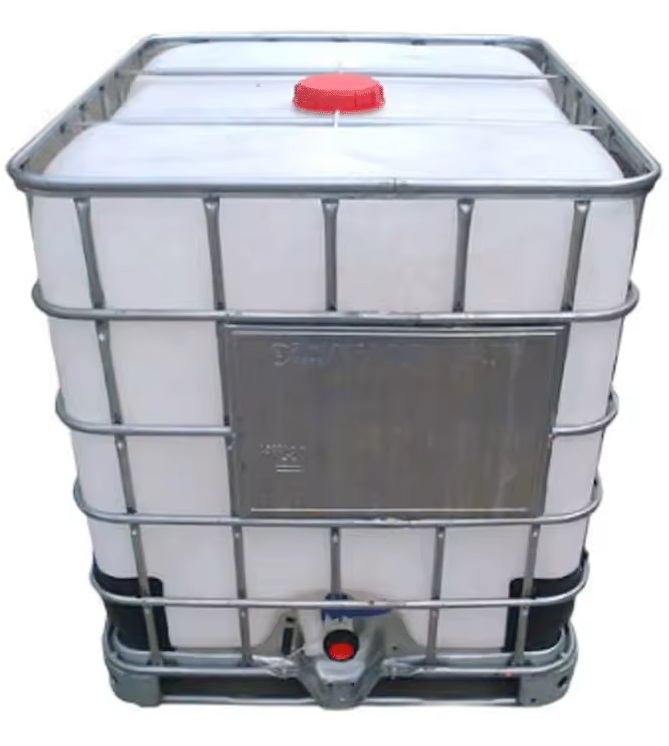
Formic Acid, Methanoic Acid, Aminic Acid, Formylic Acid, 64-18-6
Formic Acid (Methanoic Acid)
CAS Number: 64-18-6
Chemical Formula: CH₂O₂ (also written as HCOOH)
Molecular Weight: 46.03 g/mol
EINECS Number: 200-579-1
UN Number: 1779
Synonyms: Methanoic Acid, Aminic Acid, Formylic Acid, Hydrogen Carboxylic Acid, Metanoik Asit, Aminat, Formilat, Metanoat, Hidrojen Karboksilat, Meta Karbonoik Asit, Aminik Asit, Formira, Add-F, Amasil, Bilorin, Collo-Bueglatt, Collo-Didax, Ensilox, Formisoton, Myrmicyl, Sybest, Wonde
1. CHEMICAL IDENTITY
| Parameter |
Information |
| Product Name |
Formic Acid |
| IUPAC Name |
Methanoic Acid |
| CAS Number |
64-18-6 |
| Molecular Formula |
CH₂O₂ / HCOOH |
| Molecular Weight |
46.03 g/mol |
| EINECS Number |
200-579-1 |
| UN Number |
1779 |
| Chemical Class |
Carboxylic Acid, Organic Acid |
| pKa (20°C) |
3.75 |
2. PHYSICAL PROPERTIES
| Parameter |
Value |
| Physical State |
Liquid |
| Color |
Colorless |
| Odor |
Pungent, stinging, penetrating |
| Melting Point |
8.2 - 8.4 °C |
| Boiling Point |
100.8 - 101 °C (at 760 mmHg) |
| Flash Point |
69 °C (156 °F) |
| Autoignition Temperature |
520 °C (1114 °F) |
| Density (20°C) |
1.21 - 1.22 g/cm³ |
| Vapor Density (air = 1) |
1.6 (heavier than air) |
| Vapor Pressure (20°C) |
35 - 44 mmHg |
| Refractive Index (20°C) |
1.3690 - 1.3740 |
| Molarity (neat liquid) |
~26.5 M |
| Viscosity (20°C) |
1.6 cP |
3. SOLUBILITY PROPERTIES
| Parameter |
Value |
| Water Solubility |
Miscible in all proportions |
| Alcohol Solubility |
Miscible |
| Ether Solubility |
Miscible |
| Other Polar Solvents |
Miscible |
| Log Pow (Octanol/Water) |
-0.54 (hydrophilic) |
4. THERMODYNAMIC PROPERTIES
| Parameter |
Value |
| Heat of Vaporization |
22.7 kJ/mol |
| Specific Heat Capacity (20°C) |
2.1 J/g·K |
| Thermal Conductivity |
0.18 W/m·K |
| Critical Temperature |
306.8 °C |
| Critical Pressure |
8.6 MPa |
5. CHEMICAL REACTIVITY
| Reaction Type |
Description |
| Acidity |
Medium strong acid; pKa = 3.75 |
| Decomposition |
On heating or contact with strong acids (e.g., sulfuric acid) produces carbon monoxide (CO) |
| Reaction with Bases |
Exothermic reaction with all bases, both organic and inorganic |
| Reaction with Active Metals |
Reacts with active metals to form gaseous hydrogen (H₂) and a metal salt |
| Reaction with Cyanides |
Reacts with cyanide salts to generate gaseous hydrogen cyanide (HCN) |
| Oxidation |
Can be oxidized by strong oxidizing agents |
| Reduction |
Can be reduced by strong reducing agents |
| Polymerization |
May initiate polymerization reactions or catalyze other chemical reactions |
6. STABILITY AND REACTIVITY HAZARDS
| Parameter |
Information |
| Chemical Stability |
Normally stable, even under fire conditions (NFPA Instability: 0) |
| Incompatible Materials |
Strong oxidants, strong bases, strong acids, cyanides, sulfides, carbonates, bicarbonates |
| Materials to Avoid |
Active metals (aluminum, zinc, iron), cyanide salts, diazo compounds, dithiocarbamates, isocyanates, mercaptans, nitrides |
| Hazardous Decomposition Products |
Carbon monoxide (CO), carbon dioxide (CO₂) |
| Polymerization Hazard |
May initiate polymerization in other materials |
| Special Note |
Fumes in air; attacks many plastics and metals |
7. SAFETY AND HAZARD CLASSIFICATION (GHS)
| Hazard Class |
Description |
| H226 |
Flammable liquid and vapor (flash point 69°C) |
| H302 |
Harmful if swallowed |
| H312 |
Harmful in contact with skin |
| H314 |
Causes severe skin burns and eye damage |
| H331 |
Toxic if inhaled |
| H335 |
May cause respiratory irritation |
GHS Pictograms: GHS05 (Corrosive), GHS07 (Exclamation mark), GHS02 (Flame - depending on concentration)
NFPA 704 Diamond: Health: 3 | Flammability: 2 | Instability: 0
-
Health 3: Can cause serious or permanent injury
-
Flammability 2: Must be moderately heated before ignition
-
Instability 0: Normally stable
8. FLAMMABILITY AND EXPLOSION HAZARDS
| Parameter |
Value |
| Flash Point |
69 °C (156 °F) closed cup |
| Lower Explosive Limit (LEL) |
18% by volume (90% solution) |
| Upper Explosive Limit (UEL) |
57% by volume (90% solution) |
| Autoignition Temperature |
520 °C (1114 °F) |
| Explosive Vapor/Air Mixtures |
Form above 69°C |
| Combustion Products |
Toxic vapor (CO) generated in fires |
| Fire Fighting Media |
Dry chemical, CO₂, alcohol-resistant foam, water spray |
ERG Guide Number: 153 (Substances - Toxic and/or Corrosive - Combustible)
9. EXPOSURE LIMITS AND OCCUPATIONAL STANDARDS
| Agency |
Limit |
Value |
| ACGIH TLV (TWA) |
5 ppm |
9.4 mg/m³ |
| ACGIH TLV (STEL) |
10 ppm |
19 mg/m³ |
| NIOSH IDLH |
30 ppm |
|
| MAK (Germany) |
5 ppm |
9 mg/m³ |
Emergency Response Planning Guidelines (ERPG)
| Level |
Value |
Effect |
| ERPG-1 |
3 ppm |
Maximum airborne concentration without other effects |
| ERPG-2 |
25 ppm |
Maximum concentration without irreversible health effects |
| ERPG-3 |
250 ppm |
Maximum concentration without life-threatening health effects |
10. TOXICOLOGICAL PROFILE
| Parameter |
Value |
| Acute oral toxicity (rat, LD₅₀) |
1,800 mg/kg |
| Acute dermal toxicity (rabbit, LD₅₀) |
>2,500 mg/kg |
| Acute inhalation (rat, LC₅₀, 4 hours) |
7.4 mg/L |
| Skin corrosion/irritation |
Corrosive; causes serious skin burns |
| Eye damage/irritation |
Very corrosive; causes severe deep burns |
| Skin sensitization |
Not a sensitizer |
| Carcinogenicity |
Not classified as carcinogenic by IARC, NTP, or OSHA |
| Mutagenicity |
Negative in standard tests |
| Target Organs |
Respiratory tract, eyes, skin, metabolic system (may cause acidosis) |
11. FIRST AID MEASURES
| Exposure |
First Aid Procedure |
| Inhalation |
Remove to fresh air. Keep half-upright position. Rest. Symptoms may be delayed. Refer for medical attention immediately |
| Skin Contact |
Remove contaminated clothes. Rinse skin with plenty of water or shower. Refer for medical attention immediately |
| Eye Contact |
Rinse with plenty of water for 20-30 minutes (remove contact lenses). Refer for medical attention immediately |
| Ingestion |
Rinse mouth. Do NOT induce vomiting (risk of aspiration and further tissue damage). Refer for medical attention immediately |
Critical Notes:
-
Lung edema symptoms may not become manifest until a few hours after exposure
-
Do not put any ointments, oils, or medication in eyes without physician instruction
12. FIRE FIGHTING MEASURES
| Parameter |
Information |
| Suitable Extinguishing Media |
Dry chemical powder, CO₂, alcohol-resistant foam, water spray |
| Unsuitable Extinguishing Media |
Do not get water inside containers |
| Firefighter PPE |
Full protective clothing with positive pressure SCBA |
| Special Firefighting Procedures |
Fight fire from maximum distance. Cool containers with flooding quantities of water |
| Isolation Distance (Tank fire) |
800 meters (1/2 mile) in all directions |
| Isolation Distance (Spill) |
50 meters (150 feet) for liquids |
13. ACCIDENTAL RELEASE MEASURES
| Step |
Procedure |
| Personal Protection |
Wear complete protective clothing including self-contained breathing apparatus (SCBA) |
| Immediate Action |
Eliminate all ignition sources. Do not touch damaged containers or spilled material without proper PPE |
| Containment |
Prevent entry into waterways, sewers, basements, or confined areas |
| Spill Collection |
Absorb with dry earth, sand, or other non-combustible material |
| Neutralization |
Cautiously neutralize spilled liquid with weak alkaline solution (e.g., disodium carbonate/sodium bicarbonate) |
| Disposal |
Collect leaking liquid in sealable containers. Wash away residue with plenty of water |
14. PERSONAL PROTECTIVE EQUIPMENT (PPE)
| Protection Type |
Requirement |
| Respiratory Protection |
SCBA in confined spaces or for unknown atmospheres; organic vapor cartridge for lower concentrations |
| Hand Protection |
Butyl rubber, neoprene, or nitrile gloves (breakthrough time >480 minutes for 50-95% solutions) |
| Eye Protection |
Chemical splash goggles + face shield |
| Skin Protection |
Full protective clothing (Tychem® or equivalent) |
| Engineering Controls |
Local exhaust ventilation; eyewash fountains and safety showers in work area |
| Hygiene Measures |
Wash skin when contaminated; remove wet or contaminated clothing immediately |
15. STORAGE CONDITIONS
| Parameter |
Requirement |
| Storage Temperature |
15-25°C (room temperature) |
| Container Material |
Stainless steel, polyethylene, polypropylene, glass (avoid carbon steel, aluminum) |
| Incompatible Storage |
Separate from strong oxidants, strong bases, strong acids, cyanides, sulfides |
| Ventilation |
Keep in well-ventilated area |
| Container Closure |
Well closed, tightly sealed |
| Special Precautions |
Do not transport or store with food and feedstuffs |
| Shelf Life |
24-36 months under proper storage conditions |
16. TRANSPORT INFORMATION
| Parameter |
Information |
| UN Number |
1779 |
| Hazard Class |
8 (Corrosive substance) |
| Subsidiary Risk |
Flammable liquid |
| Packing Group |
II |
| DOT Hazard Label |
Corrosive, Flammable Liquid |
| Marine Pollutant |
No |
| Special Precautions |
Do not transport with food and feedstuffs |
17. APPLICATIONS AND INDUSTRIAL USES
| Industry |
Application |
| Textile Industry |
Dyeing and finishing processes; pH adjustment |
| Leather Processing |
Tanning; deliming; pH control |
| Animal Feed |
Preservative and antibacterial agent in livestock feed; silage additive; kills E. coli |
| Agriculture |
Pesticide to control pests and parasites |
| Pharmaceuticals |
Intermediate in drug synthesis |
| Chemical Synthesis |
Production of formate salts, formamide, and other derivatives; reducing agent |
| Oilfield Applications |
Acidizing and well stimulation |
| Pigment Production |
Intermediate in pigment manufacturing |
| Electroplating |
pH adjustment and metal cleaning |
| Pulp and Paper |
pH control in mill systems |
| Renewable Energy |
Fuel cell development and hydrogen storage |
| Laboratory |
Reverse-phase HPLC; synthesis of other chemicals |
18. TYPICAL PRODUCT SPECIFICATIONS
| Parameter |
85% Grade |
94% Grade |
96% Grade |
99% Grade |
| Purity (min.) |
85% |
94% |
96% |
99% |
| Color |
Colorless |
Colorless |
Colorless |
Colorless |
| Density (20°C) |
1.20 |
1.21 |
1.22 |
1.22 |
| Water Content |
Balance |
Balance |
Balance |
<0.5% |
| Reducing Substances |
Pass |
Pass |
Pass |
Pass |
| Chlorides (Cl) |
<10 ppm |
<5 ppm |
<5 ppm |
<5 ppm |
| Sulfates (SO₄) |
<20 ppm |
<10 ppm |
<10 ppm |
<10 ppm |
| Heavy Metals (as Pb) |
<5 ppm |
<5 ppm |
<2 ppm |
<2 ppm |
19. ENVIRONMENTAL INFORMATION
| Parameter |
Value |
| Ecotoxicity (Fish LC₅₀, 96h) |
175 mg/L |
| Daphnia magna EC₅₀ (48h) |
120 mg/L |
| Algae EC₅₀ (72h) |
150 mg/L |
| Biodegradability |
Readily biodegradable |
| Log Pow |
-0.54 (low bioaccumulation potential) |
| Aquatic Toxicity |
Harmful to aquatic organisms |
| Environmental Precautions |
Do not let chemical enter the environment |
| WGK (Germany) |
1 (weakly hazardous to water) |
20. SUMMARY AND CRITICAL SAFETY WARNINGS
Description: Formic acid (Methanoic acid, CAS 64-18-6) is the simplest carboxylic acid. It is a colorless, fuming liquid with a pungent odor, naturally found in ant venom and stinging nettles . It serves as a versatile industrial intermediate and preservative across multiple industries.
Critical Safety Warnings:
| Topic |
Warning |
| Primary Hazard |
Highly corrosive to skin, eyes, and respiratory tract; causes severe burns |
| Secondary Hazard |
Combustible (flash point 69°C); forms explosive vapor/air mixtures above 69°C |
| Inhalation Risk |
Vapors can cause lung edema; symptoms may be delayed by several hours |
| Chemical Incompatibility |
Reacts violently with strong bases, oxidizers, and active metals; generates toxic CO gas when heated |
| PPE Requirements |
Full protective clothing, chemical goggles, face shield, and respiratory protection |
| Storage |
Separate from incompatible materials; well-ventilated area; tightly sealed containers |
| Never Do |
Add water to acid (always add acid to water); induce vomiting if ingested; use on food products without proper authorization |
Regulatory Status: Highly regulated due to corrosivity and health hazards. Requires proper labeling, SDS, and training for handling. Carcinogenicity not established.