We unleash your business potential by maximize the business innovation.
Send EmailTributyl Phosphate, TBP, 126-73-8 , 20046-30-4
TRIBUTYL PHOSPHATE (TBP)
Tributyl Phosphate / Tributil Fosfat / Tri-n-butyl Phosphate / Phosphoric Acid Tributyl Ester
CAS Numbers: 126-73-8, 20046-30-4
EC Number: 204-800-2
1. IDENTIFICATION INFORMATION
| Property | Information |
|---|---|
| Chemical Name | Tributyl Phosphate |
| Other Names | Tributyl Phosphate, Tri-n-butyl Phosphate, Phosphoric Acid Tributyl Ester, TBP, Tributil Fosfat |
| Chemical Formula | C₁₂H₂₇O₄P |
| Structure | (CH₃CH₂CH₂CH₂O)₃PO |
| Molecular Weight | 266.32 g/mol |
| CAS Numbers | 126-73-8, 20046-30-4 |
| EC Number (EINECS) | 204-800-2 |
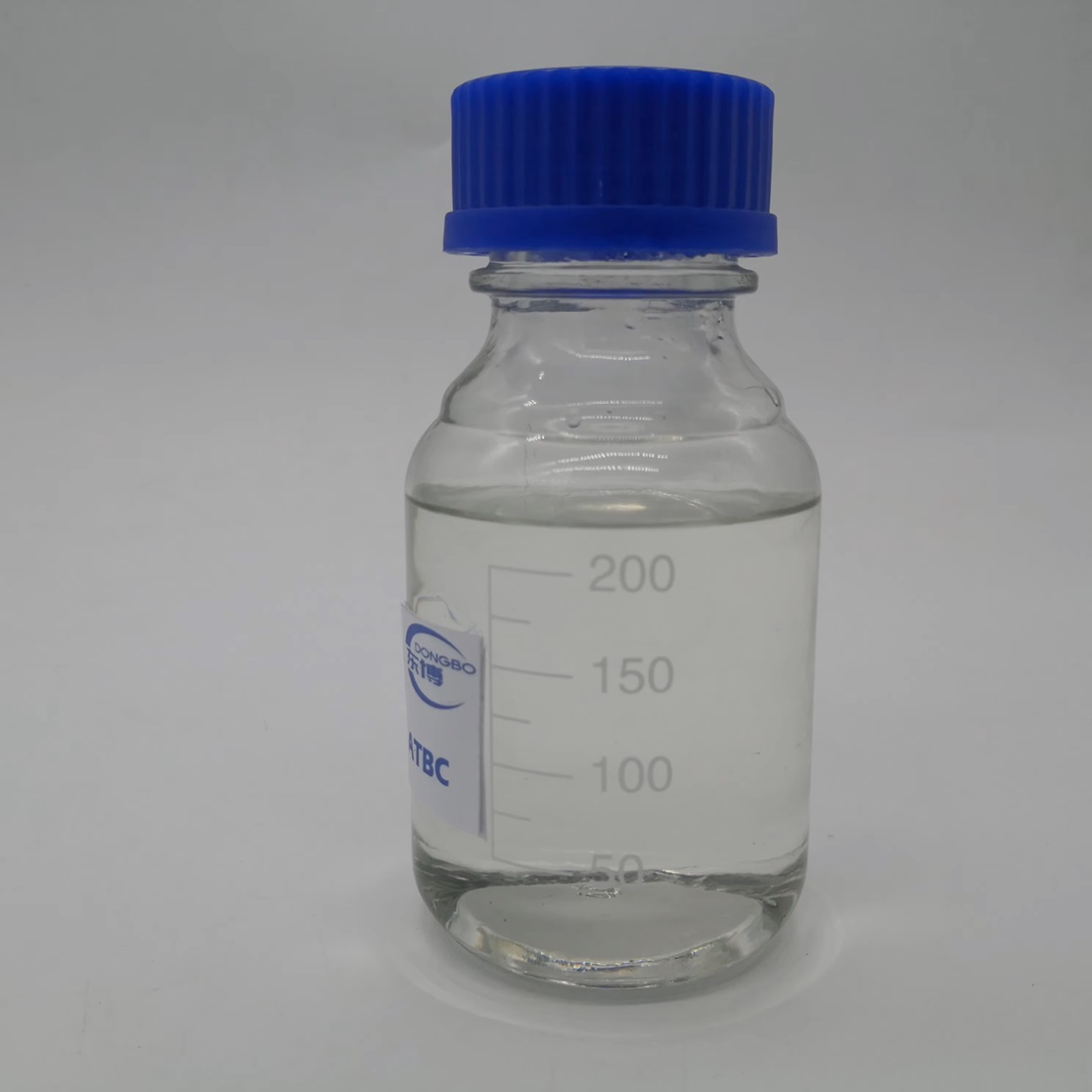
| Appearance | Colorless, odorless liquid |
| Physical State | Liquid |
2. PHYSICAL PROPERTIES
| Property | Value |
|---|---|
| Physical State (20°C) | Liquid |
| Appearance | Colorless, odorless liquid |
| Odor | Odorless or very faint |
| Chemical Formula | C₁₂H₂₇O₄P |
| Molecular Weight | 266.32 g/mol |
| Density (20°C) | 0.976 g/cm³ |
| Density (25°C) | 0.973 - 0.978 g/cm³ |
| Melting Point | -79°C |
| Boiling Point | 289°C |
| Flash Point | 146°C (294°F) (closed cup) |
| Autoignition Temperature | >300°C |
| Vapor Pressure (20°C) | 0.001 mmHg (very low) |
| Vapor Density (air=1) | 9.2 |
| Water Solubility (25°C) | ~0.6 g/L (600 mg/L, low) |
| Solubility in Organic Solvents | Miscible with alcohols, ketones, ethers, aromatic hydrocarbons, chlorinated solvents |
| pH (aqueous extract) | ~7 (neutral) |
| Viscosity (25°C) | 3.5 - 4.0 mPa·s |
| Refractive Index (n20/D) | 1.424 - 1.425 |
| Dielectric Constant | ~8.0 |
| Surface Tension (25°C) | 27.8 mN/m |
| Heat of Vaporization | ~80 kJ/mol |
| Specific Heat (25°C) | ~2.0 J/g·K |
| Thermal Conductivity | ~0.15 W/m·K |
3. CHEMICAL PROPERTIES
| Property | Information |
|---|---|
| Chemical Formula | C₁₂H₂₇O₄P |
| Molecular Weight | 266.32 g/mol |
| Chemical Class | Organophosphate ester (Trialkyl phosphate) |
| Functional Group | Phosphate ester (P=O with three butoxy groups) |
| Structure | (C₄H₉O)₃P=O |
| Stability | Stable under normal conditions |
| Hydrolysis | Slow hydrolysis in water; faster in acidic or basic conditions |
| Thermal Decomposition | >200°C decomposes to produce toxic phosphorus oxides (POx) |
| Chemical Resistance | Resistant to dilute acids and alkalis |
| Complexation | Strong complexing agent for metal ions (especially actinides) |
| Incompatible Materials | Strong oxidizing agents, strong bases, reactive metals, strong acids (at high temperature) |
General Structure:
        O
        ||
(C₄H₉O) - P - (OC₄H₉)
        |
        (OC₄H₉)
Hydrolysis Reaction:
(C₄H₉O)₃P=O + H₂O  —[H⁺/OH⁻]—> (C₄H₉O)₂P=O(OH) + C₄H₉OH (Dibutyl phosphate)
(C₄H₉O)₂P=O(OH) + H₂O  —[H⁺/OH⁻]—> (C₄H₉O)P=O(OH)₂ + C₄H₉OH (Monobutyl phosphate)
(C₄H₉O)P=O(OH)₂ + H₂O  —[H⁺/OH⁻]—> H₃PO₄ + C₄H₉OH (Phosphoric acid)
Metal Complexation (Uranium - PUREX Process):
UO₂²⁺ (uranyl ion) + 2 (C₄H₉O)₃P=O → [UO₂((C₄H₉O)₃P=O)₂]²⁺
4. PRODUCTION PROCESS
| Method | Description |
|---|---|
| Esterification (Industrial Standard) | Phosphorus oxychloride (POCl₃) + Butanol → Tributyl phosphate + HCl |
| Reaction Conditions | Controlled temperature, excess butanol, with base to neutralize HCl |
| Purification | Distillation under reduced pressure, washing, drying |
| Yield | >90% |
Reaction Equation:
POCl₃ + 3 C₄H₉OH —[Base]—> (C₄H₉O)₃P=O + 3 HCl
Alternative Production Routes:
| Method | Description |
|---|---|
| Direct Esterification | Phosphoric acid + Butanol (with catalyst) |
| Transesterification | Trialkyl phosphate + Butanol |
5. AVAILABLE FORMS AND SPECIFICATIONS
| Form | Purity | Description | Applications |
|---|---|---|---|
| Technical Grade | ≥99.0% | Colorless liquid | Industrial solvent, plasticizer, extraction |
| High Purity Grade | ≥99.5% | Colorless liquid | Nuclear fuel processing, pharmaceutical |
| Extraction Grade | ≥99.0% | Colorless liquid | PUREX process, metal extraction |
Typical Specifications (Technical Grade):
| Parameter | Specification | Test Method |
|---|---|---|
| Assay (C₁₂H₂₇O₄P) | ≥99.0% | GC |
| Appearance | Colorless clear liquid | Visual |
| Odor | Odorless or very faint | Organoleptic |
| Density (20°C) | 0.973 - 0.978 g/cm³ | ASTM D4052 |
| Refractive Index (n20/D) | 1.423 - 1.425 | Refractometer |
| Water Content | ≤0.1% | Karl Fischer |
| Acidity (as H₃PO₄) | ≤0.05% | Titration |
| Color (APHA) | ≤20 | ASTM D1209 |
| Viscosity (25°C) | 3.5 - 4.0 mPa·s | ASTM D445 |
| Flash Point | ≥146°C | ASTM D93 |
| Residue after Evaporation | ≤0.01% | Gravimetric |
| Dibutyl Phosphate (DBP) | ≤0.5% | GC |
| Monobutyl Phosphate (MBP) | ≤0.1% | GC |
| Chlorides (Cl) | ≤0.01% | Colorimetric |
6. APPLICATIONS
6.1. Nuclear Industry (Solvent Extraction – PUREX Process) – Largest Use
| Application | Function |
|---|---|
| Uranium Extraction | Extracts uranium from nitric acid solutions |
| Plutonium Extraction | Co-extraction with uranium |
| Thorium Extraction | Extraction from nuclear fuel solutions |
| Actinide Separation | Chromatographic separation of actinide elements |
| Nuclear Fuel Reprocessing | PUREX (Plutonium Uranium Reduction EXtraction) process |
| Spent Nuclear Fuel Treatment | Recovery of fissile materials |
PUREX Process Details:
-
TBP concentration: 15-40% (typically 30% TBP in kerosene or dodecane)
-
Extraction medium: Nitric acid solution
-
Complexation: UO₂(NO₃)₂ + 2 TBP → UO₂(NO₃)₂·2TBP
6.2. Plasticizer Industry
| Application | Function |
|---|---|
| Cellulose Esters | Plasticizer for nitrocellulose, cellulose acetate |
| Vinyl Resins | Plasticizer for PVC and other vinyl polymers |
| Plastics | Improves flexibility and processability |
| Rubber | Plasticizer for synthetic and natural rubber |
| Adhesives | Improves flexibility and reduces brittleness |
6.3. Functional Fluids
| Application | Function |
|---|---|
| Aircraft Hydraulic Fluids | Fire-resistant hydraulic fluid component |
| Brake Fluids | Component in specialty brake fluids |
| Lubricant Additives | Anti-wear, extreme pressure additive |
| Heat Transfer Fluids | Heat exchange medium (high thermal stability) |
| Transformer Oils | Dielectric fluid component |
6.4. Flame Retardants
| Application | Function |
|---|---|
| Textiles | Flame retardant treatment for fabrics |
| Plastics | Reduces flammability of polymers |
| PVC Compounds | Flame retardant plasticizer |
| Polyurethane Foams | Flame retardant additive |
| Engineering Plastics | Reduces fire propagation |
6.5. Solvent and Processing Aids
| Application | Function |
|---|---|
| Inks | Solvent for printing inks |
| Synthetic Resins | Solvent and processing aid |
| Adhesives | Solvent for plywood glues and laminating adhesives |
| Pigment Grinding | Aids pigment dispersion |
| Paint Strippers | Component in industrial paint removers |
6.6. Defoamer (Antifoam Agent)
| Application | Function |
|---|---|
| Detergent Solutions | Foam suppression in liquid detergents |
| Emulsions | Prevents foam formation in emulsion systems |
| Paints | Defoamer in water-based paints |
| Antifreeze Solutions | Foam control in coolant systems |
| Industrial Processes | General foam control |
| Textile Processing | Foam suppression in dyeing and finishing |
6.7. Metal Extraction and Hydrometallurgy
| Application | Function |
|---|---|
| Rare Earth Extraction | Separation of rare earth elements |
| Base Metal Extraction | Extraction of cobalt, nickel, zinc from leach solutions |
| Lithium Extraction | Recovery of lithium from brines |
| Phosphoric Acid Purification | Solvent extraction of impurities |
6.8. Textile Industry
| Application | Function |
|---|---|
| Mercerization | Improves wetting properties during mercerization |
| Dyeing Auxiliary | Leveling agent and dispersant |
| Flame Retardant Treatment | Reduces fabric flammability |
6.9. Chemical Industry
| Application | Function |
|---|---|
| Hydrogen Peroxide Extraction | Purification of hydrogen peroxide |
| Organic Synthesis | Solvent and reagent |
| Catalyst Carrier | Support for homogeneous catalysts |
6.10. Other Applications
| Application | Function |
|---|---|
| Photographic Chemicals | Solvent and processing aid |
| Agricultural Chemicals | Solvent for pesticide formulations |
| Construction Materials | Component in specialty building materials |
| Inks/Toners | Colorant products, toners, printing inks |
| Surface Coatings | Leveling agent and flow modifier |
7. PUREX PROCESS DETAILS
| Parameter | Information |
|---|---|
| Process Name | Plutonium Uranium Reduction EXtraction |
| TBP Concentration | 15-40% (typically 30% TBP) |
| Diluent | Kerosene, dodecane, or other aliphatic hydrocarbons |
| Extraction Medium | Nitric acid (2-4 M) |
| Uranium Complex | UO₂(NO₃)₂·2TBP |
| Plutonium Complex | Pu(NO₃)₄·2TBP (Pu(IV)) |
| Stripping Agent | Dilute nitric acid or reducing agents |
Extraction Chemistry:
| Metal Ion | Extraction Reaction | Distribution Coefficient |
|---|---|---|
| U(VI) | UO₂²⁺ + 2NO₃⁻ + 2TBP → UO₂(NO₃)₂·2TBP | High (40-50) |
| Pu(IV) | Pu⁴⁺ + 4NO₃⁻ + 2TBP → Pu(NO₃)₄·2TBP | High (30-40) |
| Th(IV) | Th⁴⁺ + 4NO₃⁻ + 2TBP → Th(NO₃)₄·2TBP | Moderate (10-20) |
| Pu(III) | Pu³⁺ + 3NO₃⁻ + 3TBP → Pu(NO₃)₃·3TBP | Low (<1) |
Note: The PUREX process is used for reprocessing spent nuclear fuel to recover plutonium and uranium.
8. TBP VS OTHER PHOSPHATE ESTERS
| Property | TBP (Tributyl Phosphate) | TIBP (Triisobutyl Phosphate) | TOP (Trioctyl Phosphate) | TEHP (Triethylhexyl Phosphate) |
|---|---|---|---|---|
| Molecular Weight | 266.32 | 266.31 | 434.63 | 434.63 |
| Density (20°C) | 0.976 | 0.965 | 0.925 | 0.925 |
| Boiling Point | 289°C | ~205°C | >200°C | >200°C |
| Flash Point | 146°C | 150°C | >200°C | >200°C |
| Viscosity | 3.5-4.0 | ~4.0 | ~12 | ~12 |
| Water Solubility | 0.6 g/L | 0.26 g/L | Very low | Very low |
| Primary Use | Nuclear extraction, plasticizer | Textile auxiliaries, defoamer | Plasticizer, lubricant | Plasticizer, lubricant |
9. SAFETY AND HEALTH INFORMATION (GHS CLASSIFICATION)
| Hazard Class | Category |
|---|---|
| Skin Irritation | Category 2 (H315) |
| Eye Irritation | Category 2 (H319) |
| Specific Target Organ Toxicity (Single exposure) | Category 3 (H335, H336) |
| Acute Toxicity (Oral) | Category 4 (H302) |
10. HAZARD STATEMENTS (H-CODES)
| Code | Statement |
|---|---|
| H302 | Harmful if swallowed |
| H315 | Causes skin irritation |
| H319 | Causes serious eye irritation |
| H335 | May cause respiratory irritation |
| H336 | May cause drowsiness or dizziness |
11. SAFETY STATEMENTS (P-CODES)
| Code | Statement |
|---|---|
| P261 | Avoid breathing mist/vapors/spray |
| P264 | Wash hands thoroughly after handling |
| P271 | Use only outdoors or in a well-ventilated area |
| P280 | Wear protective gloves, protective clothing, eye protection, face protection |
| P301+P312 | IF SWALLOWED: Call a POISON CENTER or doctor if you feel unwell |
| P302+P352 | IF ON SKIN: Wash with plenty of water |
| P304+P340 | IF INHALED: Remove person to fresh air and keep comfortable for breathing |
| P305+P351+P338 | IF IN EYES: Rinse cautiously with water for several minutes. Remove contact lenses if present and easy to do. Continue rinsing |
| P312 | Call a POISON CENTER or doctor if you feel unwell |
| P332+P313 | If skin irritation occurs: Get medical advice/attention |
| P337+P313 | If eye irritation persists: Get medical advice/attention |
| P403+P233 | Store in a well-ventilated place. Keep container tightly closed |
| P405 | Store locked up |
| P501 | Dispose of contents/container in accordance with local regulations |
12. TOXICOLOGICAL INFORMATION
| Parameter | Value |
|---|---|
| Oral LD50 (rat) | ~1,200 - 3,000 mg/kg |
| Dermal LD50 (rabbit) | >2,000 mg/kg |
| Inhalation LC50 (rat) | >0.5 mg/L (4 hours) |
| Skin Irritation | Mild to moderate irritant |
| Eye Irritation | Mild to moderate irritant |
| Skin Sensitization | Not sensitizing |
| Mutagenicity | Negative |
| Carcinogenicity | Not classified as carcinogenic (IARC: Not listed) |
| Reproductive Toxicity | Not classified |
Health Effects:
| Exposure | Effect |
|---|---|
| Acute (Inhalation) | Respiratory tract irritation, drowsiness, dizziness (H335, H336) |
| Acute (Skin Contact) | Redness, irritation (H315) |
| Acute (Eye Contact) | Redness, tearing, irritation (H319) |
| Acute (Ingestion) | Nausea, vomiting, gastrointestinal discomfort (H302) |
| Chronic | No known chronic effects (low toxicity) |
13. FIRST AID MEASURES
| Exposure Route | Action |
|---|---|
| Inhalation | Remove to fresh air. Give oxygen if breathing difficulty. Seek medical attention if symptoms persist. |
| Skin Contact | Remove contaminated clothing. Wash with soap and plenty of water for at least 15 minutes. Seek medical attention if irritation persists. |
| Eye Contact | Rinse immediately with plenty of water for at least 15 minutes. Remove contact lenses. Seek medical attention if irritation persists. |
| Ingestion | Do NOT induce vomiting. Rinse mouth. Drink water. Seek medical attention if large amount ingested. |
14. FIRE FIGHTING MEASURES
| Parameter | Information |
|---|---|
| Fire Hazard | Combustible liquid (flash point 146°C) |
| Extinguishing Media | Water spray, CO₂, dry chemical powder, alcohol-resistant foam |
| Special Hazards | Thermal decomposition produces toxic phosphorus oxides (POx), carbon monoxide, and carbon dioxide |
| Protective Equipment | Self-contained breathing apparatus (SCBA), full protective clothing |
15. ENVIRONMENTAL INFORMATION
| Parameter | Information |
|---|---|
| Aquatic Toxicity | Moderate toxicity to aquatic organisms |
| Biodegradability | Readily biodegradable |
| Bioaccumulation | Low to moderate potential (Log P = 3.8) |
| Mobility in Water | Low (0.6 g/L solubility) |
| Waste Disposal | Dispose according to local regulations. Controlled incineration recommended. |
16. STORAGE AND HANDLING
| Parameter | Information |
|---|---|
| Storage Conditions | Cool (15-30°C), dry, well-ventilated area |
| Container Requirements | Tightly closed containers (HDPE, stainless steel, glass) |
| Protect from | Heat, strong oxidizing agents, strong bases, reactive metals |
| Shelf Life | 12-24 months (unopened, proper storage) |
| Hygroscopicity | Low to moderate |
| Incompatible Materials | Strong oxidizing agents, strong bases, reactive metals, strong acids |
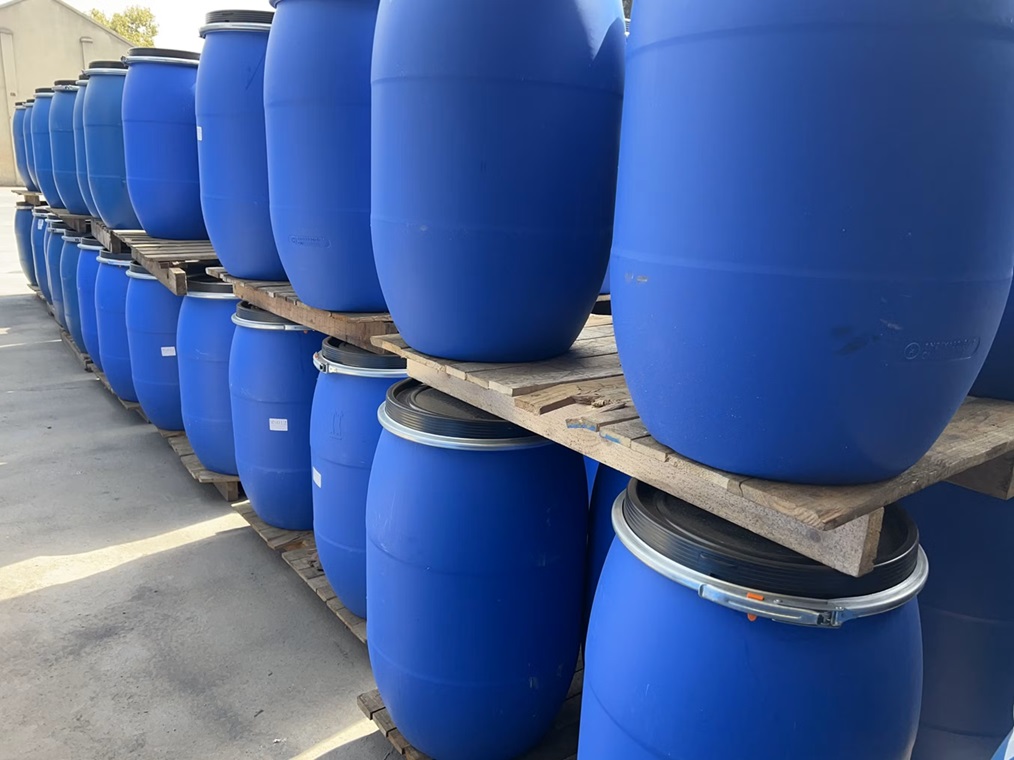
| Packaging Options | 25 kg drum, 200 kg drum, 1000 kg IBC, bulk container |
Handling Notes:
-
Use in well-ventilated areas
-
Avoid skin and eye contact
-
Use appropriate PPE (nitrile or neoprene gloves, safety goggles)
-
Keep away from ignition sources (combustible)
-
Avoid release to the environment
17. TRANSPORT INFORMATION
| Parameter | Information |
|---|---|
| UN Number | Not classified as dangerous goods for transport (may be considered combustible liquid) |
| Hazard Class | Not applicable |
| Packing Group | Not applicable |
| Proper Shipping Name | Tributyl phosphate |
| Marine Pollutant | No |
| ADR/RID | Not classified as dangerous goods |
Note: Some classifications may consider TBP as a combustible liquid with flash point >140°C.
18. REGULATORY INFORMATION
| Region | Status |
|---|---|
| EU | REACH registered; approved for industrial use |
| Türkiye (KKDİK) | Mandatory compliance; registration required |
| USA (TSCA) | Listed |
| Canada (DSL) | Listed |
| Australia (AICS) | Listed |
| Japan (ENCS) | Listed |
| Korea (KECL) | Listed |
| China (IECSC) | Listed |
Nuclear Regulatory: Subject to nuclear regulatory controls in many countries (used in nuclear fuel reprocessing)
19. OTHER NAMES AND SYNONYMS
| Name |
|---|
| Tributyl Phosphate |
| Tri-n-butyl Phosphate |
| Phosphoric Acid Tributyl Ester |
| TBP |
| Tributil Fosfat (Turkish) |
| Butyl Phosphate (tris) |
| Tri-n-butoxyphosphine Oxide |
Database Identifiers:
| Database | Identifier |
|---|---|
| CAS | 126-73-8, 20046-30-4 |
| EC | 204-800-2 |
| MDL | MFCD00009436 |
| PubChem CID | 31357 |
| RTECS | TC8225000 |
| Beilstein | 1710582 |
| Merck | 14,9635 |
20. SUMMARY AND IMPORTANT WARNINGS
SUMMARY:
Tributyl phosphate (TBP, C₁₂H₂₇O₄P, CAS 126-73-8) is a colorless, odorless liquid with a density of 0.976 g/cm³ at 20°C, boiling point of 289°C, and flash point of 146°C. It is an organophosphate ester (trialkyl phosphate) produced by the esterification of phosphorus oxychloride (POCl₃) with butanol. TBP is best known as the primary extractant in the PUREX process (Plutonium Uranium Reduction EXtraction) for nuclear fuel reprocessing, where it extracts uranium, plutonium, and thorium from nitric acid solutions (typically 30% TBP in kerosene or dodecane). Other major applications include plasticizer for cellulose esters (nitrocellulose, cellulose acetate), vinyl resins, plastics, and rubber; functional fluids (aircraft hydraulic fluids, brake fluids, lubricant additives, heat transfer fluids); flame retardants for textiles and plastics; solvent and processing aid for inks, resins, adhesives, and pigment grinding; defoamer (antifoam agent) for detergent solutions, emulsions, paints, and antifreeze; metal extraction for rare earth elements and base metals; textile processing (mercerization aid); and various other industrial applications.
Key Properties:
| Property | Value |
|---|---|
| Appearance | Colorless, odorless liquid |
| Chemical Formula | C₁₂H₂₇O₄P |
| Molecular Weight | 266.32 g/mol |
| Density (20°C) | 0.976 g/cm³ |
| Boiling Point | 289°C |
| Flash Point | 146°C |
| Water Solubility | 0.6 g/L (low) |
| Viscosity (25°C) | 3.5 - 4.0 mPa·s |
| Primary Use | Nuclear extraction, plasticizer, flame retardant |
Main Application Areas:
| Industry | Applications |
|---|---|
| Nuclear Industry | PUREX process (U, Pu, Th extraction), actinide separation |
| Plasticizers | Cellulose esters, vinyl resins, plastics, rubber |
| Functional Fluids | Aircraft hydraulic fluids, brake fluids, lubricants, heat transfer |
| Flame Retardants | Textiles, plastics, PVC, polyurethane foams |
| Solvents | Inks, synthetic resins, adhesives, pigment grinding |
| Defoamer | Detergent solutions, emulsions, paints, antifreeze |
| Metal Extraction | Rare earth elements, cobalt, nickel, lithium |
| Textile | Mercerization aid, dyeing auxiliary |
Key Safety Points:
-
IRRITANT: Causes skin and eye irritation (H315, H319)
-
HARMFUL: Harmful if swallowed (H302)
-
RESPIRATORY EFFECTS: May cause respiratory irritation, drowsiness, dizziness (H335, H336)
-
COMBUSTIBLE: Flash point 146°C; keep away from heat and ignition sources
-
LOW TOXICITY: Oral LD50 ~1,200-3,000 mg/kg; not classified as carcinogen
-
USE PPE: Protective gloves (nitrile, neoprene), safety goggles, protective clothing
-
VENTILATION: Use in well-ventilated area
-
STORAGE: Cool, dry area; avoid strong oxidizing agents and strong bases
IMPORTANT WARNINGS:
Nuclear Industry Applications (PUREX Process): TBP is the primary extractant used in the PUREX (Plutonium Uranium Reduction EXtraction) process for reprocessing spent nuclear fuel. It selectively extracts uranium (UO₂²⁺) and plutonium (Pu⁴⁺) from nitric acid solutions while leaving fission products in the aqueous phase. The extraction efficiency is highly dependent on nitric acid concentration (optimal at 2-4 M). TBP is typically used as a 15-40% solution (most commonly 30%) in an aliphatic diluent such as kerosene or dodecane. The process involves extraction, scrubbing, and stripping steps to recover fissile materials. Due to its nuclear applications, TBP is subject to strict regulatory controls in many countries.
Plasticizer Applications: TBP is an effective plasticizer for cellulose esters (nitrocellulose, cellulose acetate, cellulose acetobutyrate), vinyl resins (PVC), and various plastics and rubbers. It improves flexibility, reduces brittleness, and enhances processability. In adhesives, TBP increases flexibility and reduces brittleness of the cured adhesive film.
Functional Fluids: TBP is used as a component in fire-resistant aircraft hydraulic fluids (Type IV fluids) due to its high flash point and thermal stability. It is also used in specialty brake fluids, as a lubricant additive (anti-wear and extreme pressure properties), and as a heat transfer fluid (high thermal stability up to ~200°C). In transformer oils, TBP can be used as a dielectric fluid component.
Flame Retardant Properties: TBP acts as a flame retardant in plastics and textiles by promoting char formation and reducing flammability. It is particularly effective in PVC compounds (as a flame retardant plasticizer), polyurethane foams, and engineering plastics. The phosphorus content of TBP (approximately 11.6% P) contributes to its flame retardant efficacy.
Defoamer (Antifoam) Applications: TBP is an effective defoamer in various industrial processes due to its low water solubility and surface-active properties. It is used in detergent solutions, aqueous emulsions, water-based paints, antifreeze solutions, and textile processing baths. TBP destabilizes foam bubbles by reducing surface tension and spreading on the liquid surface.
Metal Extraction and Hydrometallurgy: Beyond nuclear applications, TBP is used in hydrometallurgy for extracting and separating rare earth elements, base metals (cobalt, nickel, zinc), and lithium from leach solutions. It is also used in the purification of phosphoric acid (removal of impurities by solvent extraction). The selectivity of TBP for different metal ions depends on the acid concentration and the presence of complexing agents.
Hydrolysis and Degradation: TBP slowly hydrolyzes in water, especially at elevated temperatures or in acidic/basic conditions. The primary degradation products are dibutyl phosphate (DBP) and monobutyl phosphate (MBP), and ultimately phosphoric acid and butanol. In nuclear applications, radiation-induced degradation produces DBP and MBP, which can form undesirable complexes and reduce extraction efficiency. TBP used in nuclear applications is typically treated for radiolytic stability.
Storage Compatibility: TBP is compatible with stainless steel, glass, HDPE, and PTFE. Avoid storage in aluminum or other reactive metal containers (potential for slow reaction). Protect from strong oxidizing agents (nitric acid at high concentrations, perchlorates, permanganates) and strong bases. TBP should be stored in tightly closed containers to prevent moisture absorption (hydrolysis) and contamination.
Environmental Fate: TBP is readily biodegradable and has low bioaccumulation potential (Log P = 3.8). It has moderate aquatic toxicity. However, its degradation products (DBP, MBP, phosphoric acid) are less toxic and more environmentally benign. Do not discharge concentrated TBP to sewers or water bodies.
Regulatory Status in Nuclear Applications: The use and transport of TBP for nuclear applications (especially for reprocessing spent nuclear fuel) are subject to strict national and international regulations, including IAEA safeguards and export controls. TBP itself is not a controlled substance, but its use in nuclear fuel cycles is regulated.
Industrial vs Consumer Products: TBP is primarily an industrial chemical used in manufacturing and processing. Consumer products containing TBP include construction/building materials (flame retardant plastics), hydraulic fluids (in industrial equipment), and ink/toner/colorant products. Direct consumer exposure is limited.
Important Disclaimer: This Technical Data Sheet (TDS) is for informational purposes only. For complete safety, handling, storage, and regulatory compliance information, always refer to the official Safety Data Sheet (SDS) provided by the manufacturer/supplier. Tributyl phosphate is an irritant and is harmful if swallowed. Use appropriate personal protective equipment. Use in well-ventilated areas. Keep away from ignition sources. For nuclear applications, follow all applicable regulatory requirements and safety protocols. In case of spill or fire, follow emergency procedures. Seek medical attention for significant exposures.