We unleash your business potential by maximize the business innovation.
Send EmailMethylene Chloride, Methylene Dichloride, Dichloromethane, Methane Dichloride, DCM, 75-09-2
METHYLENE CHLORIDE (DICHLOROMETHANE)
Methylene Chloride / Methylene Dichloride / Dichloromethane / DCM
CAS Number: 75-09-2
EC Number: 200-838-9
1. IDENTIFICATION INFORMATION
| Property | Information |
|---|---|
| Chemical Name | Dichloromethane |
| Other Names | Methylene Chloride, Methylene Dichloride, DCM, Solaesthin, Narkotil |
| Chemical Formula | CH₂Cl₂ |
| Molecular Weight | 84.93 g/mol |
| CAS Number | 75-09-2 |
| EC Number (EINECS) | 200-838-9 |
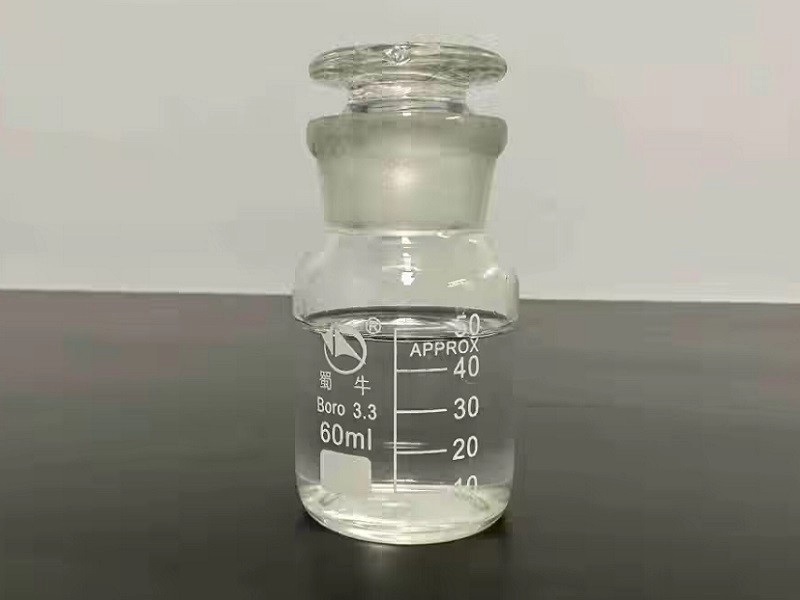
| Appearance | Colorless, volatile liquid |
| Odor | Sweetish, ether-like |
| Physical State | Liquid |
2. PHYSICAL PROPERTIES
| Property | Value |
|---|---|
| Physical State (20°C) | Liquid |
| Appearance | Colorless, clear liquid |
| Odor | Sweetish, ether-like |
| Chemical Formula | CH₂Cl₂ |
| Molecular Weight | 84.93 g/mol |
| Density (20°C) | 1.33 g/cm³ |
| Melting Point | -95 to -97°C |
| Boiling Point | 39.6 - 40°C |
| Flash Point | Not flammable |
| Autoignition Temperature | 556°C |
| Vapor Pressure (20°C) | 349 mmHg (475 mbar) |
| Vapor Density (air=1) | 2.93 |
| Water Solubility (20°C) | 13 - 20 g/L |
| Water Solubility (25°C) | 17.5 g/L (1.75 g/100 mL) |
| Solubility in Ethanol | Completely miscible |
| Solubility in Ether | Completely miscible |
| Solubility in DMF | Completely miscible |
| pH (aqueous solution) | Neutral (~7) |
| Viscosity (25°C) | 0.43 mPa·s |
| Refractive Index (n20/D) | 1.424 - 1.425 |
| Dielectric Constant (20°C) | 8.93 |
| Dipole Moment | 1.60 D |
| Explosive Limit | 12 - 19% (V) (limited flammability) |
| Heat of Vaporization | 329 kJ/kg |
3. CHEMICAL PROPERTIES
| Property | Information |
|---|---|
| Chemical Formula | CH₂Cl₂ |
| Molecular Weight | 84.93 g/mol |
| Chemical Class | Halogenated organic solvent (Chlorinated hydrocarbon) |
| Functional Group | Secondary chloride (-CH₂Cl₂) |
| Structure | Cl-CH₂-Cl |
| Stability | Stable under normal conditions |
| pH | Neutral (~7) |
| Flammability | Not flammable under normal conditions; produces toxic chloride fumes at high temperature |
| Thermal Decomposition | Decomposes above 120°C; produces phosgene, hydrogen chloride (HCl), chlorine gas (Cl₂), and carbon monoxide (CO) |
| Light Effect | Light exposure may cause slow decomposition (stabilizer required) |
| Hydrolysis | Slow hydrolysis |
| Incompatible Materials | Strong oxidizing agents, strong acids, strong bases, alkali metals, aluminum, magnesium, zinc, beryllium, lithium |
Thermal Decomposition Reaction (above 120°C):
2 CH₂Cl₂ + O₂ —[Heat]—> 2 COCl₂ (Phosgene) + 2 HCl (Hydrogen chloride)
Light-Induced Decomposition Reaction:
CH₂Cl₂ + hν → HCl + CHCl₃ → Phosgene (COCl₂)
Production Reaction (Methyl Chloride Chlorination):
CH₃OH + HCl → CH₃Cl (Methyl Chloride) + H₂O
CH₃Cl + Cl₂ → CH₂Cl₂ (Dichloromethane) + HCl
4. PRODUCTION METHODS
| Method | Description |
|---|---|
| Methyl Chloride Chlorination (Industrial Standard) | Gas-phase or liquid-phase chlorination of methyl chloride (CH₃Cl) |
| Reaction Type | Photolytic or catalytic (UV light or heat initiated) |
| Raw Materials | Methanol + Hydrogen Chloride → Methyl Chloride + Chlorine gas |
| By-products | Chloroform (CHCl₃), Carbon Tetrachloride (CCl₄) |
Reaction Steps:
Step 1 (Methyl Chloride Production):
CH₃OH + HCl → CH₃Cl + H₂O
Step 2 (Chlorination):
CH₃Cl + Cl₂ —[UV/Heat]—> CH₂Cl₂ + HCl
CH₂Cl₂ + Cl₂ —[UV/Heat]—> CHCl₃ (Chloroform) + HCl
CHCl₃ + Cl₂ —[UV/Heat]—> CCl₄ (Carbon Tetrachloride) + HCl
Process Note: The ratio of different chlorinated methane derivatives is controlled by reaction conditions (chlorine to methane ratio, temperature, UV intensity). The desired product is separated by distillation.
5. AVAILABLE FORMS AND SPECIFICATIONS
| Form | Purity | Stabilizer | Description | Applications |
|---|---|---|---|---|
| Technical Grade | ≥99.5% | Amylene (20-50 ppm) or Ethanol | Colorless liquid | Paint strippers, cleaning, adhesives |
| High Purity Grade | ≥99.9% | Amylene or Cyclohexene | Ultra-pure | Pharmaceutical, electronics, laboratory |
| Stabilized Grade | ≥99.5% | Amylene, Ethanol, or Cyclohexene | Colorless liquid | General industrial use |
Typical Specifications (Technical Grade):
| Parameter | Specification | Test Method |
|---|---|---|
| Assay (CH₂Cl₂) | ≥99.5% | GC |
| Appearance | Colorless clear liquid | Visual |
| Odor | Sweetish, ether-like | Organoleptic |
| Density (20°C) | 1.320 - 1.337 g/cm³ | ASTM D4052 |
| Water Content | ≤0.05% | Karl Fischer |
| Acidity (as HCl) | ≤0.0005% | Titration |
| Non-Volatile Residue | ≤0.005% | Gravimetric |
| Color (APHA) | ≤10 | ASTM D1209 |
| Chloroform (CHCl₃) | ≤0.1% | GC |
| Carbon Tetrachloride (CCl₄) | ≤0.05% | GC |
| pH | 5.0 - 7.0 | ASTM E70 |
| Distillation Range | 39.5 - 40.5°C | ASTM D1078 |
6. APPLICATIONS
6.1. Paint Strippers – Largest Use
| Application | Function |
|---|---|
| Wood Paint Strippers | Dissolves coatings due to high solvency |
| Metal Paint Strippers | Industrial coating removal |
| Automotive Paint Strippers | Vehicle coating removal |
| Industrial Coating Removal | Preferred for high solvency capability |
6.2. Chemical Industry
| Application | Function |
|---|---|
| Paint and Varnish Production | Solvent and thinner |
| Plastic and Resin Production | Reaction medium, solvent |
| Adhesive Production | Strong solvent, flammability suppressor |
| Polymer Solvent | Dissolves various polymers |
6.3. Pharmaceutical Industry
| Application | Function |
|---|---|
| Active Ingredient Extraction | Separation of active pharmaceutical ingredients |
| Crystallization Solvent | Crystallization in antibiotic and vitamin production |
| Drug Coatings | Solvent in film coatings |
| Tablet Coating | Use in enteric coatings |
| Injection Solvents | Co-solvent (limited) |
6.4. Food Industry (Limited Use)
| Application | Function |
|---|---|
| Decaffeination | Caffeine extraction from coffee and tea (restricted) |
| Cocoa Extraction | Cocoa butter extraction |
| Hop Extraction | Hop extract for beer production |
Note: Food applications are increasingly being replaced by alternatives such as supercritical CO₂.
6.5. Metal Industry
| Application | Function |
|---|---|
| Surface Cleaning | Removal of oil and dirt from metal surfaces |
| Degreasing | Degreasing of precision metal parts |
| Metal Processing | Surface preparation before processing |
6.6. Rubber Industry
| Application | Function |
|---|---|
| Natural Rubber Dissolution | Dissolving natural rubber |
| Synthetic Rubber Dissolution | Dissolving synthetic rubbers |
| Rubber Adhesives | Solvent in rubber-based adhesives |
6.7. Aerosol and Adhesives
| Application | Function |
|---|---|
| Aerosol Products | Propellant and solvent |
| Adhesive Formulations | Strong solvent, flammability suppressor |
| Sprays | Solvent carrier |
6.8. Electronics Industry
| Application | Function |
|---|---|
| Printed Circuit Board (PCB) Manufacturing | Cleaning and processing fluid |
| Semiconductor Cleaning | Component cleaning |
| Electronic Component Cleaning | Oil and residue removal |
| Photoresist Developer | Semiconductor manufacturing (historical) |
6.9. Polymer and Plastics Industry
| Application | Function |
|---|---|
| Polyurethane Foam Cleaning | Removal of foam residues |
| Polycarbonate Resin Production | Reaction solvent |
| Cellulose Triacetate Solvent | Photographic film production |
| Polymer Solvent | Dissolving various polymers |
6.10. Laboratory Applications
| Application | Function |
|---|---|
| Extraction Solvent | Liquid-liquid extractions |
| Chromatography | Mobile phase component |
| Spectroscopy | Reference for IR and UV/Vis spectroscopy |
| Reaction Solvent | Various organic reactions |
6.11. Other Applications
| Application | Function |
|---|---|
| Photographic Film | Cellulose triacetate solvent |
| Printing Inks | Thinner, flow regulator |
| Artificial Pearl Production | Solvent in pearl essence production |
| Textile | Cleaning and processing aid |
| Leather Processing | Degreasing and cleaning |
7. PHYSICAL PROPERTIES RELATION TO APPLICATIONS
| Property | Value | Application Relationship |
|---|---|---|
| Low boiling point | 40°C | Easy evaporation, fast drying (paints, adhesives) |
| Non-flammable | No flash point | Applications where flammability risk is unacceptable (aerosols, paint strippers) |
| High density | 1.33 g/cm³ | Heavier than water; easy phase separation |
| Moderate water solubility | 17.5 g/L | Can be used in aqueous systems |
| Low viscosity | 0.43 mPa·s | Ideal for flow-requiring applications |
| High vapor pressure | 349 mmHg (20°C) | Rapid evaporation; requires good ventilation |
8. SAFETY AND HEALTH INFORMATION (GHS CLASSIFICATION)
| Hazard Class | Category |
|---|---|
| Carcinogenicity | Category 1B (H350) |
| Skin Irritation | Category 2 (H315) |
| Eye Irritation | Category 2 (H319) |
| Specific Target Organ Toxicity (Single exposure) | Category 3 (H335, H336) |
| Specific Target Organ Toxicity (Repeated exposure) | Category 1 (H372) - Liver |
| Aspiration Hazard | Category 1 (H304) |
Note: Methylene chloride is classified as a Category 1B carcinogen in recent classifications (EC 1272/2008), associated with pharynx and liver cancer.
9. HAZARD STATEMENTS (H-CODES)
| Code | Statement |
|---|---|
| H304 | May be fatal if swallowed and enters airways |
| H315 | Causes skin irritation |
| H319 | Causes serious eye irritation |
| H335 | May cause respiratory irritation |
| H336 | May cause drowsiness or dizziness |
| H350 | May cause cancer (pharynx and liver) |
| H372 | Causes damage to organs (liver) through prolonged or repeated exposure |
| H373 | May cause damage to organs through prolonged or repeated exposure |
10. SAFETY STATEMENTS (P-CODES)
| Code | Statement |
|---|---|
| P201 | Obtain special instructions before use |
| P202 | Do not handle until all safety precautions have been read and understood |
| P260 | Do not breathe dust/fume/gas/mist/vapors/spray |
| P262 | Do not get in eyes, on skin, or on clothing |
| P264 | Wash hands thoroughly after handling |
| P270 | Do not eat, drink or smoke when using this product |
| P280 | Wear protective gloves, protective clothing, eye protection, face protection |
| P301+P310 | IF SWALLOWED: Immediately call a POISON CENTER or doctor |
| P302+P352 | IF ON SKIN: Wash with plenty of water |
| P304+P340 | IF INHALED: Remove person to fresh air and keep comfortable for breathing |
| P305+P351+P338 | IF IN EYES: Rinse cautiously with water for several minutes. Remove contact lenses if present and easy to do. Continue rinsing |
| P308+P313 | If exposed or concerned: Get medical advice/attention |
| P312 | Call a POISON CENTER or doctor if you feel unwell |
| P331 | Do NOT induce vomiting |
| P403+P233 | Store in a well-ventilated place. Keep container tightly closed |
| P405 | Store locked up |
| P501 | Dispose of contents/container in accordance with local regulations |
11. EXPOSURE LIMITS
| Agency | Limit | Value |
|---|---|---|
| ACGIH TLV | TWA | 50 ppm (174 mg/m³) |
| NIOSH REL | TWA | 25 ppm (87 mg/m³) |
| NIOSH STEL | 15 minutes | 125 ppm (435 mg/m³) |
| OSHA PEL | TWA | 25 ppm (87 mg/m³) |
| EU IOELV | TWA | 100 ppm (353 mg/m³) |
| IDLH (NIOSH) | - | 2300 ppm |
| DFG MAK (Germany) | TWA | 50 ppm (360 mg/m³) |
Note: Exposure limits vary significantly between different agencies. The lowest (most protective) limits should be followed (especially NIOSH REL 25 ppm due to carcinogenicity concerns).
12. TOXICOLOGICAL INFORMATION
| Parameter | Value |
|---|---|
| Oral LD50 (rat) | ~1,600 - 2,000 mg/kg |
| Dermal LD50 (rabbit) | >2,000 mg/kg |
| Inhalation LC50 (rat) | ~56,000 mg/m³ (15,000-25,000 ppm, 4 hours) |
| Skin Irritation | Mild to moderate irritant |
| Eye Irritation | Mild to moderate irritant |
| Skin Sensitization | Not sensitizing |
| Mutagenicity | Limited positive findings (in vitro) |
| Carcinogenicity | IARC Group 2A (Probably carcinogenic to humans); NTP Category 2 |
| Carcinogenicity Association | Associated with pharynx and liver cancer |
Health Effects:
| Exposure | Effect |
|---|---|
| Acute (Inhalation) | Dizziness, drowsiness, headache, nausea, vomiting, confusion, respiratory arrest at high concentrations, death |
| Acute (Skin Contact) | Irritation, redness, dryness, defatting |
| Acute (Eye Contact) | Irritation, redness, tearing |
| Acute (Ingestion) | Chemical pneumonitis risk (aspiration), nausea, vomiting |
| Chronic (Cancer) | Increased risk of pharynx and liver cancer |
| Chronic (Liver) | Liver damage, hepatitis |
| Chronic (CNS) | Neurotoxicity, cognitive impairment |
Metabolism Note: Methylene chloride is metabolized in the body to carbon monoxide (CO), which elevates carboxyhemoglobin (COHb) levels. This reduces tissue oxygen delivery and creates cardiovascular stress. Smokers, individuals with heart disease, and those with anemia are at higher risk.
13. FIRST AID MEASURES
| Exposure Route | Action |
|---|---|
| Inhalation | Remove to fresh air. If breathing has stopped, give artificial respiration. Administer oxygen. Seek immediate medical attention. |
| Skin Contact | Remove contaminated clothing. Wash with soap and plenty of water for at least 15 minutes. Seek medical attention. |
| Eye Contact | Rinse immediately with plenty of water for at least 15 minutes. Remove contact lenses. Seek immediate medical attention. |
| Ingestion | Do NOT induce vomiting (risk of chemical pneumonitis). Keep airway open. Rinse mouth if conscious. Seek immediate medical attention. |
14. FIRE FIGHTING MEASURES
| Parameter | Information |
|---|---|
| Fire Hazard | Not flammable under normal conditions; produces toxic fumes at high temperature |
| Explosion Hazard | Explosive limits 12-19% (V); limited explosion risk |
| Extinguishing Media | Water mist, CO₂, dry chemical powder, alcohol-resistant foam |
| Special Hazards | Thermal decomposition produces phosgene (COCl₂), hydrogen chloride (HCl), chlorine gas (Cl₂), and carbon monoxide (CO) |
| Protective Equipment | Self-contained breathing apparatus (SCBA), full protective clothing |
15. ENVIRONMENTAL INFORMATION
| Parameter | Information |
|---|---|
| Aquatic Toxicity | LC50 (fish, 96 hr): 310 mg/L (moderate toxicity) |
| Biodegradability | Slowly biodegradable (persistent) |
| Bioaccumulation | Low potential (Log P = 1.25) |
| Mobility in Water | High (17.5 g/L solubility) |
| Volatility | Very high (vapor pressure 349 mmHg at 20°C) |
| Ozone Layer | Class II ozone depleter (under Montreal Protocol) |
| VOC Status | Volatile Organic Compound (VOC) |
| Waste Disposal | Dispose according to local regulations. Controlled incineration recommended. Do not discharge to sewers or surface waters. |
16. STORAGE AND HANDLING
| Parameter | Information |
|---|---|
| Storage Temperature | 15 - 25°C |
| Storage Conditions | Cool, dry, well-ventilated area, protected from light and heat |
| Container Requirements | Tightly closed, dark glass or stainless steel containers |
| Protect from | Light, heat, moisture, strong oxidizing agents, alkali metals, aluminum, magnesium |
| Shelf Life | 12-24 months (stabilized, unopened, proper storage) |
| Stabilizer | Amylene, ethanol, or cyclohexene (20-50 ppm) to prevent light-induced decomposition |
| Incompatible Materials | Strong oxidizing agents, strong acids, strong bases, alkali metals, aluminum, magnesium, zinc, beryllium, lithium |
| Packaging Options | 25 kg drum (dark glass), 270 kg drum (steel), 1000 kg IBC, bulk tanker |
Handling Notes:
-
Use only in well-ventilated areas or under fume hood
-
Avoid breathing vapors
-
Avoid eye and skin contact
-
Do not use aluminum, magnesium, zinc, or beryllium containers (reaction)
-
Light exposure may cause decomposition (use stabilized grade)
-
Collect spills immediately with absorbent material
-
Keep away from heat and ignition sources
-
Recycle used solvent or dispose at licensed waste facilities
17. TRANSPORT INFORMATION
| Parameter | Information |
|---|---|
| UN Number | 1593 |
| Hazard Class | 6.1 (Toxic substance) |
| Packing Group | III |
| Proper Shipping Name | DICHLOROMETHANE (METHYLENE CHLORIDE) |
| Marine Pollutant | No |
| ADR/RID Label | 6.1 |
| EMS | F-A, S-A |
| IATA Class | 6.1 |
| IMDG Class | 6.1 |
| HS Code | 2903 12 00 |
18. REGULATORY INFORMATION
| Region | Status |
|---|---|
| EU | REACH registered; Class 1B carcinogen; CLP Regulation compliant |
| Türkiye (KKDİK) | Mandatory compliance; registration required |
| USA (TSCA) | Listed; subject to specific regulations |
| Canada (DSL) | Listed |
| Australia (AICS) | Listed |
| Japan (ENCS) | Listed |
| Korea (KECL) | Listed |
| China (IECSC) | Listed |
Ozone Layer: Montreal Protocol Class II ozone depleter (being phased out in developed countries)
VOC Status: Volatile Organic Compound (VOC) - subject to air quality regulations
EU Restrictions: Restricted in aerosols, paint strippers, and certain consumer products
FDA Status: Approved for specific food applications (caffeine decaffeination - restricted)
19. OTHER NAMES AND SYNONYMS
| Name |
|---|
| Methylene Chloride |
| Methylene Dichloride |
| Dichloromethane |
| DCM |
| Solaesthin |
| Narkotil |
Database Identifiers:
| Database | Identifier |
|---|---|
| CAS | 75-09-2 |
| EC | 200-838-9 |
| MDL | MFCD00000881 |
| PubChem CID | 6344 |
| RTECS | PA8050000 |
| UN | 1593 |
| Beilstein | 1730800 |
| Merck | 14,6014 |
| ChEBI | CHEBI:15767 |
20. SUMMARY AND IMPORTANT WARNINGS
SUMMARY:
Methylene chloride (dichloromethane, CH₂Cl₂, CAS 75-09-2) is a colorless, volatile liquid with a sweetish, ether-like odor. It has a molecular weight of 84.93 g/mol, boiling point of 40°C, and density of 1.33 g/cm³. It has water solubility of 17.5 g/L at 25°C and is completely miscible with ethanol, ether, and dimethylformamide. It is not flammable under normal conditions but produces toxic chloride fumes at high temperatures. It is produced industrially from methanol and hydrogen chloride via methyl chloride, followed by chlorination; by-products include chloroform and carbon tetrachloride. Major applications include paint strippers, chemical industry (solvent), pharmaceutical (extraction and crystallization solvent), food (caffeine decaffeination - restricted), metal cleaning, rubber industry, aerosol products, adhesives, electronics (PCB manufacturing), polymer processing, and laboratory applications. Methylene chloride is classified as IARC Group 2A (probably carcinogenic to humans) and is associated with pharynx and liver cancer.
Key Properties:
| Property | Value |
|---|---|
| Appearance | Colorless clear liquid |
| Odor | Sweetish, ether-like |
| Chemical Formula | CH₂Cl₂ |
| Molecular Weight | 84.93 g/mol |
| Boiling Point | 39.6 - 40°C |
| Density (20°C) | 1.33 g/cm³ |
| Water Solubility (25°C) | 17.5 g/L |
| Vapor Density (air=1) | 2.93 |
| Flash Point | Not flammable |
| Oral LD50 (rat) | ~1,600 - 2,000 mg/kg |
| Primary Use | Paint strippers, solvent, extraction |
Main Application Areas:
| Industry | Applications |
|---|---|
| Paint Strippers | Wood, metal, automotive, industrial coating removal |
| Chemical | Paint, varnish, plastic, resin, adhesive production |
| Pharmaceutical | Active ingredient extraction, crystallization solvent |
| Food (limited) | Caffeine decaffeination, cocoa, hop extraction |
| Metal | Surface cleaning, degreasing |
| Rubber | Natural and synthetic rubber dissolution |
| Aerosol/Adhesives | Propellant, strong solvent |
| Electronics | PCB manufacturing, semiconductor cleaning |
| Polymer | Polyurethane cleaning, polycarbonate resin |
| Laboratory | Extraction, chromatography, solvent |
Key Safety Points:
-
CARCINOGEN: May cause cancer - pharynx and liver (H350, IARC Group 2A, NTP Category 2)
-
TOXIC: May be fatal if swallowed and enters airways (H304)
-
IRRITANT: Causes skin and eye irritation (H315, H319)
-
CNS EFFECTS: May cause drowsiness and dizziness (H336)
-
LIVER DAMAGE: Causes liver damage through prolonged exposure (H372)
-
CO METABOLISM: Metabolizes to carbon monoxide in the body (forms carboxyhemoglobin)
-
SPECIAL RISKS: Smokers, heart disease patients, anemia patients at higher risk
-
USE PPE: Chemical goggles, face shield, chemically resistant gloves (nitrile, Viton, Teflon - neoprene or butyl not recommended), protective clothing, appropriate respiratory protection
-
VENTILATION: Use in fume hood or well-ventilated area; air monitoring required in enclosed spaces
-
STORAGE: Cool, well-ventilated area, protected from light, stabilized grade, avoid aluminum or magnesium containers
-
INCOMPATIBLES: Strong oxidizing agents, alkali metals, aluminum, magnesium
IMPORTANT WARNINGS:
Cancer Risk (Carcinogenicity): Methylene chloride is classified as IARC Group 2A (probably carcinogenic to humans) and NTP Category 2. Epidemiological studies have shown increased incidence of pharynx and liver cancer. Avoid prolonged or repeated exposure. Use less toxic alternatives where possible. Use engineering controls (ventilation, closed systems) to keep exposure levels as low as reasonably achievable.
CO Metabolism (Carboxyhemoglobin Formation): When methylene chloride is metabolized in the body, it is converted to carbon monoxide (CO). CO binds to hemoglobin more strongly than oxygen, forming carboxyhemoglobin (COHb), which reduces tissue oxygen delivery. This creates stress on the cardiovascular system. Smokers, individuals with heart disease, anemia, or lung disease are at higher risk. COHb levels can remain elevated for 8-12 hours after exposure. Symptoms after exposure include headache, dizziness, nausea, fatigue, and confusion. At high concentrations, respiratory arrest and death can occur.
Aspiration Hazard (H304): Methylene chloride has low viscosity and high volatility. If swallowed, it can be aspirated into the lungs (enters airways) and cause chemical pneumonitis. Do NOT induce vomiting (vomiting increases aspiration risk). In case of ingestion, keep the airway open and seek immediate medical attention.
Carbon Monoxide Poisoning Symptoms:
-
Headache, dizziness
-
Nausea, vomiting
-
Fatigue, weakness
-
Confusion, drowsiness
-
At high concentrations: Loss of consciousness, respiratory arrest, death
Post-Exposure COHb Levels:
-
Normal: <1% (non-smoker), <5-10% (smoker)
-
Mild poisoning: 10-20%
-
Moderate poisoning: 20-30%
-
Severe poisoning: 30-50%
-
Fatal: >50-60%
Stabilization: Pure methylene chloride slowly decomposes when exposed to light, forming phosgene (COCl₂) and hydrogen chloride (HCl). Commercial grades are typically stabilized with 20-50 ppm amylene, ethanol, or cyclohexene. Do not use unstabilized methylene chloride. Old or opened containers without stabilizer may contain hazardous decomposition products.
Incompatible Materials: Methylene chloride reacts with certain metals including aluminum, magnesium, zinc, beryllium, and lithium. Contact with these metals can generate hydrogen gas and potential fire/explosion risk. Use stainless steel, glass, or compatible plastic containers. Avoid aluminum or magnesium piping, storage tanks, or equipment.
Flammability Considerations: Methylene chloride is not flammable under normal conditions. However, at high temperatures (above 120°C) it decomposes to produce toxic and corrosive gases (phosgene, HCl, Cl₂). The explosive limits (12-19% V) are relatively narrow and require high concentrations. However, in a fire situation (e.g., surrounding fire), methylene chloride containers may reach these temperatures and release toxic fumes. Firefighters should wear SCBA and full protective clothing.
VOC and Ozone Layer: Methylene chloride is classified as a Volatile Organic Compound (VOC) and is subject to air quality regulations. It is also listed as a Class II ozone depleter under the Montreal Protocol. In developed countries, methylene chloride use is being phased out, and alternatives exist for many applications.
Regulatory Status: Methylene chloride is increasingly regulated worldwide. In the EU, its use is restricted in many consumer and industrial applications including paint strippers (consumer use banned), aerosols, and certain cleaning applications. It is classified as Category 1B carcinogen (H350). In the US, it is regulated by EPA and OSHA; its use in consumer paint strippers is banned, and strict exposure limits and management requirements exist for industrial use.
Personal Protective Equipment (PPE) Selection:
-
Gloves: Nitrile (butyl or neoprene not recommended - methylene chloride penetrates), Viton, Teflon. Gloves should be changed regularly.
-
Respiratory Protection: Depending on concentration: Half-mask or full-face respirator with organic vapor cartridges. For high concentrations or confined spaces, SCBA (Self-Contained Breathing Apparatus) is required.
-
Eye/Face Protection: Chemical safety goggles used with full-face shield.
-
Body Protection: Chemically resistant apron (Viton, Teflon, Saranex).
Alternatives: Where possible, consider using the following alternatives instead of methylene chloride:
-
For paint strippers: N-methyl-2-pyrrolidone (NMP), dimethyl sulfoxide (DMSO), benzyl alcohol-based strippers
-
For extraction: Ethyl acetate, hexane, supercritical CO₂
-
For decaffeination: Supercritical CO₂, ethyl acetate
-
For cleaning: Water-based cleaners, less toxic organic solvents
Spill Response:
-
Evacuate area and provide adequate ventilation
-
Eliminate all ignition sources
-
Wear appropriate PPE (SCBA, chemically resistant suit, nitrile/Viton gloves)
-
Contain spill with inert absorbent material (sand, vermiculite, diatomaceous earth)
-
Collect absorbent and place in properly labeled hazardous waste container
-
Wash area with water (if local regulations permit)
-
Prevent entry into sewers or waterways
-
Contact licensed hazardous waste hauler for disposal
Important Disclaimer: This Technical Data Sheet (TDS) is for informational purposes only. For complete safety, handling, storage, and regulatory compliance information, always refer to the official Safety Data Sheet (SDS) provided by the manufacturer/supplier. Methylene chloride (dichloromethane) is a suspected carcinogen and is metabolized to carbon monoxide in the body. Use appropriate engineering controls, personal protective equipment, and work practices to minimize exposure. Use in well-ventilated areas. Avoid breathing vapors. Do not store in aluminum or magnesium containers. Protect from light (use stabilized grade). Do not eat, drink, or smoke when using this product. Seek immediate medical attention in case of exposure. This document summarizes information from various sources and is not a substitute for technical expertise or site-specific safety assessments.
, Metilen Klorür, Metilen Biklorür, Narkotil, Metilen Klorid, 75-09-2_1.jpg)
_1.jpg)
