We unleash your business potential by maximize the business innovation.
Send EmailMethylene Chloride, Dichloro Methane, Methane Dichloride, Methylene Dichloride, 75-09-2
Methylene Chloride (Dichloromethane, CAS No: 75-09-2)
General Information
-
Chemical Name: Dichloromethane (Methylene Chloride)
-
Formula: CH₂Cl₂
-
Molecular Weight: 84.93 g/mol
-
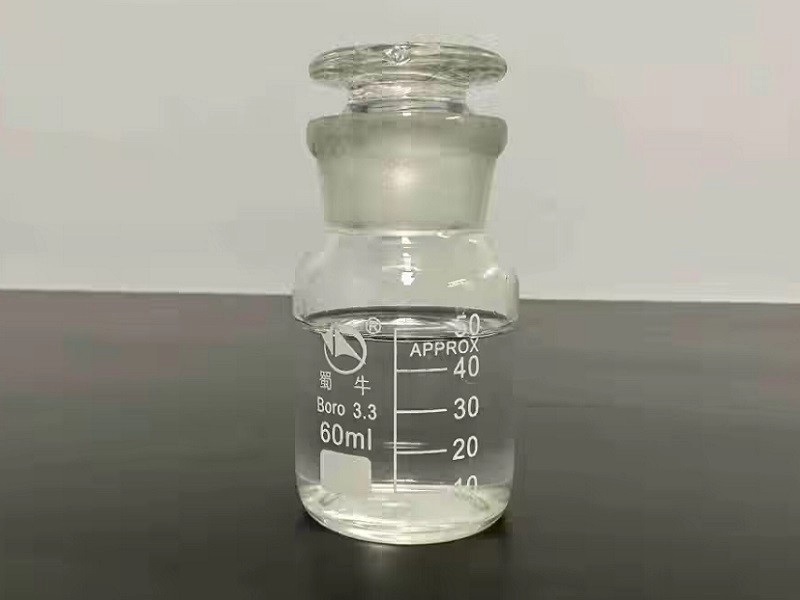
Appearance: Colorless, volatile liquid
-
Odor: Sweet, ether-like
-
Density: 1.33 g/cm³
Physical & Chemical Properties
-
Boiling Point: 39.6–40 °C
-
Melting Point: -95 to -97 °C
-
Water Solubility: 13–20 g/L (20–25 °C)
-
Miscibility: Mixes with ethanol, ether, dimethylformamide
-
Flammability: Non-flammable, but releases toxic chloride fumes at high temperatures
Production Methods
-
Methanol + HCl → Methyl Chloride (CH₃Cl)
-
Methyl Chloride + Cl₂ → Dichloromethane (CH₂Cl₂) + HCl
-
Conducted in gas phase, photolytic or catalytic processes.
-
By-products: Chloroform, Carbon Tetrachloride.
Applications
-
Chemical Industry: Paints, varnishes, plastics, resins, adhesives.
-
Rubber Industry: Solvent for natural and synthetic rubber.
-
Metal Industry: Degreasing and surface cleaning.
-
Pharmaceuticals: Solvent in drug production, recrystallization of antibiotics and vitamins.
-
Food Industry: Extraction of caffeine, cocoa, hops (restricted use).
-
Aerosols & Adhesives: Strong solvent, flame retardant, viscosity reducer.
-
Paint Removers: Effective due to high solvency.
-
Electronics: Printed circuit board manufacturing.
-
Polymers & Plastics: Polyurethane foam cleaning, polycarbonate resin production, cellulose triacetate for film.
Health & Safety
-
Exposure Routes: Inhalation, skin contact, ingestion.
-
Risks:
-
Central nervous system effects (dizziness, numbness).
-
Respiratory distress, potentially fatal at high concentrations.
-
Possible carcinogenic effects with prolonged exposure.
-
-
Precautions:
-
Avoid inhalation, ensure proper ventilation.
-
Use PPE (respirators, gloves, goggles).
-
Storage: 15–25 °C, sealed containers, away from heat and light.
-
Environmental Impact
-
Classified as a VOC (Volatile Organic Compound), contributing to air pollution.
-
Must not be released into sewage or surface waters.
-
Fish toxicity: LC50 = 310 mg/L (96h).
Packaging & Transport
-
Packaging: 270 kg drums, IBC, bulk.
-
Transport Classification: ADR/RID Class 6.1 (toxic substance).
, Metilen Klorür, Metilen Biklorür, Narkotil, Metilen Klorid, 75-09-2_1.jpg)
_1.jpg)
