We unleash your business potential by maximize the business innovation.
Send EmailTrichloroethylene, Trichloroethene, Ethylene Trichloride, Acetylene Trichloride, Trilene, TCE, 79-01-6
TRICHLOROETHYLENE (TCE)
1. Chemical Identity and Material Classification
-
Chemical Name: Trichloroethylene, Trichloroethene, 1,1,2-Trichloroethene
-
Synonyms: TCE, Ethylene Trichloride, Acetylene Trichloride, Trilene, Tri-Clene, Trimar, Dow-Tri, Westrosol, Triad
-
CAS Number: 79-01-6
-
Molecular Formula: C₂HCl₃
-
Molecular Weight: 131.39 g/mol
-
EC Number (EINECS): 201-167-4
-
MDL Number: MFCD00000838
-
RTECS: KX4550000
-
UN Number: 1710
2. Physical Properties
2.1 General Physical Properties
| Property | Value |
|---|---|
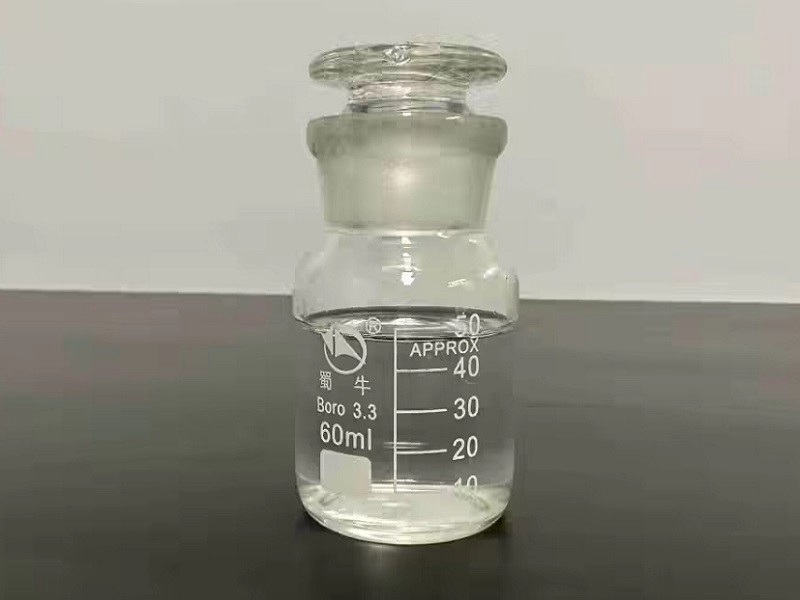
| Appearance | Colorless to pale yellow liquid |
| Odor | Sweet, chloroform-like odor |
| Physical state | Liquid (volatile) |
| Density (20°C) | 1.474 g/cm³ |
| Density range (20°C) | 1.456–1.462 g/cm³ |
| Melting point | -86°C to -87.1°C (-123°F) |
| Boiling point | 86.7–87.2°C (186–189°F) |
| Flash point | 12.1°C (54°F) – highly flammable |
| Autoignition temperature | 410°C (770°F) |
| Explosive limits (vol% in air) | Lower: 7.9%; Upper: 37.5% |
| Vapor pressure (25°C) | 72.4 mmHg |
| Vapor density (air = 1) | 4.53 (heavier than air) |
| Refractive index (nD20) | 1.478–1.489 |
| Viscosity (20°C) | 0.55 cP |
| Surface tension (25°C) | 28.7 mN/m |
2.2 Water Solubility
| Temperature | Solubility |
|---|---|
| 20°C | 0.11 g/100 mL (1.1 g/L) – slightly soluble |
| 25°C | 0.11 g/100 mL |
2.3 Organic Solvent Solubility
-
Miscible with most organic solvents (ethanol, diethyl ether, acetone, chloroform, benzene)
-
Immiscible with water
3. Chemical Properties
3.1 Molecular Structure
-
Structure: CHCl=CCl₂ (1,1,2-Trichloroethene)
-
Type: Chlorinated unsaturated hydrocarbon (alkene)
-
Double bond: One carbon-carbon double bond
-
Chlorine atoms: Three (two on one carbon, one on the other)
3.2 Stability and Decomposition
| Parameter | Behavior |
|---|---|
| Stability at room temperature | Relatively stable |
| Light sensitivity | Decomposes when exposed to UV light |
| Heat decomposition | Decomposes upon heating or combustion |
| Decomposition products | Phosgene (COCl₂), hydrochloric acid (HCl), carbon monoxide, chlorine |
| Catalytic decomposition | Decomposes at 250–600°C in contact with Fe, Cu, Zn, Al |
| Inhibitors | Often stabilized with amines or alcohols to prevent decomposition |
3.3 Chemical Reactivity
| Reaction | Description |
|---|---|
| With strong bases | Elimination reaction → dichloroacetylene (explosive) |
| With oxidizing agents | Violent reaction, may cause fire/explosion |
| With metals | Can react with Ba, Li, Mg, Na, Ti, Al, Fe, Cu, Zn at elevated temperatures |
| With oxygen | May form explosive peroxides under certain conditions |
| Photochemical reaction | Forms phosgene upon UV exposure |
3.4 Incompatibilities
-
Strong oxidizing agents (nitrates, permanganates, peroxides, chromates)
-
Strong bases (KOH, NaOH) – forms explosive dichloroacetylene
-
Reactive metals (Al, Mg, Ba, Li, Na, K, Ti, Zn)
-
Liquid oxygen, ozone
-
Barium, dinitrogen tetroxide, potassium nitrate
4. Production Methods
4.1 Dehydrochlorination of Tetrachloroethane (Primary Method)
Reaction: C₂H₂Cl₄ + Ca(OH)₂ → C₂HCl₃ + CaCl₂ + 2H₂O
Process:
-
Tetrachloroethane treated with lime or alkali in presence of water
-
Reaction produces trichloroethylene and calcium chloride
-
Distillation and purification
4.2 Ethylene Chlorination Process
Process:
-
Ethylene is chlorinated to produce tetrachloroethane
-
Tetrachloroethane is dehydrochlorinated to trichloroethylene
-
Fractional distillation for purification
5. Industrial Applications
5.1 Metal Degreasing and Cleaning (Primary Application)
| Parameter | Value |
|---|---|
| Application | Vapor degreasing of metal parts; removal of oils, greases, waxes |
| Process | Parts immersed in boiling TCE vapor; condensation removes contaminants |
| Industries | Automotive, aerospace, electronics, metal fabrication |
| Advantages | Excellent solvent power, non-flammable under controlled conditions, low boiling point |
5.2 Chemical Intermediate
| Application | Description |
|---|---|
| Production of HFC-134a | Precursor for 1,1,1,2-tetrafluoroethane (refrigerant) – phased out in many regions |
| Production of perchloroethylene | Chlorination to tetrachloroethylene |
| Production of dichloroacetyl chloride | Oxidation intermediate |
| Production of hexachloroethane | Further chlorination |
5.3 Extraction Solvent
| Application | Description |
|---|---|
| Plant extraction | Extraction of oils, waxes, resins from plants |
| Mineral oil extraction | Extraction from natural sources |
| Vegetable oil extraction | Limited use |
5.4 Dry Cleaning (Historical, Now Largely Phased Out)
| Parameter | Value |
|---|---|
| Application | Dry cleaning solvent (historically) |
| Current status | Largely replaced by perchloroethylene and other solvents due to toxicity concerns |
5.5 Pharmaceutical and Organic Synthesis
| Application | Description |
|---|---|
| Drug manufacturing | Intermediate in synthesis of certain pharmaceuticals |
| Organic synthesis | Solvent for various organic reactions |
5.6 Rubber and Polymer Processing
| Application | Description |
|---|---|
| Rubber industry | Solvent for rubber and resin processing |
| Polymer dissolution | Dissolves fats, rubbers, resins, and alkaloids |
5.7 Textile Industry (Historical)
| Application | Description |
|---|---|
| Fabric washing | Scouring and degreasing of fabrics (historically) |
5.8 Pesticide and Perfume Industry
| Application | Description |
|---|---|
| Pesticide manufacturing | Intermediate for certain pesticides |
| Perfume industry | Solvent and extraction aid |
5.9 Refrigeration (Historical)
| Application | Description |
|---|---|
| Refrigerant | Used as a refrigerant (now largely phased out due to toxicity) |
6. Toxicology and Health Hazards
6.1 Acute Toxicity
| Parameter | Value |
|---|---|
| Oral LD₅₀ (rat) | 4,920 mg/kg (moderate toxicity) |
| Inhalation LC₅₀ (rat, 4 hours) | 8,000 ppm (0.8% v/v) |
| Dermal LD₅₀ (rabbit) | >20,000 mg/kg (low dermal toxicity) |
6.2 Acute Health Effects
| Exposure Route | Effects |
|---|---|
| Inhalation | Headache, dizziness, drowsiness, nausea, confusion, blurred vision, fatigue; high concentrations: unconsciousness, respiratory paralysis, cardiac arrhythmias |
| Eye contact | Irritation, redness, pain |
| Skin contact | Irritation, defatting, dermatitis with prolonged exposure |
| Ingestion | Nausea, vomiting, diarrhea, chemical pneumonitis (if aspirated) |
6.3 Chronic Health Effects (Severe – Carcinogen)
| Effect | Classification |
|---|---|
| Carcinogenicity | IARC Group 1 – Carcinogenic to humans (kidney cancer, non-Hodgkin lymphoma, liver cancer) |
| Kidney toxicity | Nephrotoxicity; linked to renal cell carcinoma |
| Liver toxicity | Hepatotoxicity; liver damage |
| CNS depression | Chronic neurological effects; cognitive impairment |
| Reproductive toxicity | Possible effects on male fertility |
| Immunotoxicity | Potential immune system effects |
| Cardiac toxicity | Increased risk of cardiac arrhythmias (sensibilization) |
6.4 Carcinogenicity Classification
| Authority | Classification |
|---|---|
| IARC | Group 1 (Carcinogenic to humans) – kidney cancer, non-Hodgkin lymphoma |
| US EPA | Carcinogenic to humans – high confidence |
| EU (CLP) | Carc. 1B (H350 – May cause cancer) |
| ACGIH | A2 – Suspected human carcinogen |
| NTP | Known to be a human carcinogen (14th Report on Carcinogens) |
6.5 Target Organs
-
Kidneys (primary target)
-
Liver
-
Central nervous system (CNS)
-
Heart
-
Immune system
6.6 Mutagenicity
-
Positive in some genotoxicity studies
-
May cause genetic damage
7. GHS Classification
| Classification | Category |
|---|---|
| Signal word | Danger |
| Hazard statements | H350 – May cause cancer |
| H361d – Suspected of damaging fertility or the unborn child | |
| H319 – Causes serious eye irritation | |
| H336 – May cause drowsiness or dizziness | |
| H411 – Toxic to aquatic life with long-lasting effects | |
| Precautionary statements | P201, P202, P260, P264, P280, P281, P301+P310, P302+P352, P304+P340, P308+P313, P332+P313, P337+P313, P403+P233 |
8. Occupational Exposure Limits
| Authority | Limit | Type |
|---|---|---|
| OSHA PEL | 100 ppm (537 mg/m³) | TWA (8 hour) |
| NIOSH REL | 2 ppm (10.4 mg/m³) – lowest feasible limit | TWA (8 hour) |
| NIOSH IDLH | 1,000 ppm | Immediately Dangerous to Life and Health |
| ACGIH TLV | 10 ppm | TWA (8 hour) |
| DFG MAK (Germany) | 2 ppm (10 mg/m³) – carcinogen category 1B | TWA |
9. Safety Precautions and Personal Protective Equipment (PPE)
-
Hazards:
-
Confirmed human carcinogen (IARC Group 1)
-
Flammable – flash point 12.1°C
-
Vapors are heavier than air and may travel to ignition sources
-
Decomposes to toxic phosgene and HCl upon heating
-
CNS depressant – causes drowsiness and dizziness
-
-
PPE (mandatory):
-
Chemical-resistant gloves (PVA, Viton, or butyl rubber – do not use neoprene or nitrile for prolonged contact)
-
Chemical splash goggles (EN 166) or full face shield
-
Protective clothing (chemical-resistant)
-
Respiratory protection: Supplied-air respirator or SCBA for high concentrations; organic vapor cartridge (Type A) for low concentrations
-
-
Engineering controls:
-
Local exhaust ventilation (LEV) mandatory
-
Enclosed processes where possible
-
Eyewash stations and safety showers
-
Explosion-proof electrical equipment
-
-
Fire protection:
-
Use CO₂, dry chemical, or alcohol-resistant foam (water spray may spread fire)
-
Do NOT use water jet (may spread vapor)
-
-
First aid:
-
Inhalation: Remove to fresh air; if breathing difficulty, give oxygen; if stopped, give artificial respiration; seek immediate medical attention
-
Eye contact: Rinse with water for 15 minutes; seek medical attention
-
Skin contact: Remove contaminated clothing; wash with soap and water; seek medical attention
-
Ingestion: Do NOT induce vomiting; aspiration hazard; seek immediate medical attention
-
10. Environmental Fate
| Parameter | Value |
|---|---|
| Biodegradation | Slow (persistent in groundwater) |
| Photodegradation | Moderate (atmospheric half-life ~7 days) |
| Hydrolysis | Very slow (half-life >100 years at pH 7, 25°C) |
| Bioaccumulation | Moderate (log Kow = 2.42) |
| Groundwater persistence | Highly persistent; common groundwater contaminant |
| Atmospheric lifetime | ~7 days (reacts with OH radicals) |
| Ozone depletion potential | ODP = 0.0003 (very low) |
10.1 Ecotoxicity
| Organism | Endpoint | Value |
|---|---|---|
| Fish (LC₅₀, 96 hours) | Rainbow trout | 40–100 mg/L |
| Daphnia magna (EC₅₀, 48 hours) | Water flea | 20–50 mg/L |
| Algae (EC₅₀, 72 hours) | Green algae | 50–100 mg/L |
Hazard classification: H411 – Toxic to aquatic life with long-lasting effects
11. Storage and Handling
11.1 Storage Conditions
| Parameter | Requirement |
|---|---|
| Temperature | Store below 30°C (cool, well-ventilated area) |
| Container | Keep tightly closed in original container (steel drums, stainless steel) |
| Inert atmosphere | Nitrogen blanketing recommended to prevent decomposition |
| Protect from | UV light (use opaque or UV-resistant containers), heat, flames, oxidizing agents |
| Incompatibles | Strong oxidizing agents, strong bases, reactive metals |
| Fire protection | Store away from ignition sources; flammable storage area |
11.2 Shelf Life
| Parameter | Value |
|---|---|
| Shelf life (stabilized) | 12–24 months (in sealed container) |
| Degradation indicators | Color change (yellowing), acid formation (pH decrease), chloride formation |
11.3 Container Materials
| Material | Suitability |
|---|---|
| Stainless steel (304, 316) | Suitable |
| Carbon steel | Suitable (dry conditions) |
| Aluminum | Suitable |
| Copper | Not recommended (catalyzes decomposition) |
| Zinc | Not recommended |
| Rubber (natural) | Not suitable (swells/degrades) |
| Neoprene | Limited use (short-term only) |
| Viton, PVA, Butyl rubber | Suitable for gloves |
12. Transport Information
| Regulation | Classification |
|---|---|
| UN Number | 1710 |
| Proper shipping name | Trichloroethylene |
| ADR/RID | Class 6.1 (Toxic substances) |
| IMDG | Class 6.1, Packing group III |
| IATA | Class 6.1, PG III |
| Hazard label | 6.1 (Toxic) + additional flammable label (flash point 12.1°C) |
| Marine pollutant | Yes (considered harmful to aquatic environment) |
13. Regulatory Status (Critical – Highly Regulated)
| Regulation | Classification / Restriction |
|---|---|
| IARC | Group 1 – Carcinogenic to humans |
| US EPA | Hazardous air pollutant (HAP) – regulated under Clean Air Act; Superfund priority substance |
| EU REACH | Candidate List for Authorisation; restricted use |
| EU CLP | Carc. 1B (H350), STOT RE 1 (H372), Aquatic Chronic 2 (H411) |
| California Prop 65 | Known to cause cancer and reproductive toxicity |
| OSHA | Regulated as carcinogen |
| NIOSH | Recommended as potential occupational carcinogen |
| RoHS | Not applicable (not electrical/electronic) |
| Stockholm Convention | Not listed (but perchloroethylene is under review) |
| Montreal Protocol | Not an ozone-depleting substance |
Phase-out and Restrictions:
-
EU: Use restricted under REACH; many uses banned (e.g., metal degreasing phased out in many member states)
-
USA: Use decreasing; subject to EPA regulations; many states have restricted use
-
California: Listed under Proposition 65; strict exposure controls required
14. Synonyms and Common Names
-
English: Trichloroethylene, TCE, Ethylene trichloride, Acetylene trichloride, Trichloroethene, 1,1,2-Trichloroethene, Tri, Trilene, Trimar, Dow-Tri, Westrosol
-
French: Trichloroéthylène
-
German: Trichlorethylen
-
Spanish: Tricloroetileno
-
Turkish: Trikloroetilen, TCE
15. History and Current Status
-
Historical uses: Metal degreasing, dry cleaning, anesthetic (Trilene), refrigerant, coffee decaffeination, food extraction
-
Current status:
-
Metal degreasing: Decreasing; replaced by other solvents (HFE, nPB, aqueous cleaning)
-
Chemical intermediate: Still used for HFC-134a production (phasing down)
-
Dry cleaning: Largely replaced by perchloroethylene (also being phased out)
-
Banned in many applications due to carcinogenicity
-
16. Why Was TCE Used? (Historical Advantages – Not Recommended)
| Historical Advantage | Description |
|---|---|
| Excellent solvent power | Dissolves oils, greases, waxes effectively |
| Low boiling point (87°C) | Efficient vapor degreasing |
| Non-flammable (when stabilized) | Safe for use near ignition sources (but flash point 12.1°C – actually flammable) |
| Fast evaporation | Leaves no residue |
| Stable when stabilized | Good shelf life |
Current Disadvantages (Why Avoid):
-
Confirmed human carcinogen (IARC Group 1)
-
Toxic to kidneys and liver
-
Neurotoxic
-
Environmental contaminant (persistent in groundwater)
-
Flammable (flash point 12.1°C)
-
Decomposes to phosgene (toxic gas)
-
Heavily regulated
17. Alternatives to TCE
| Application | Alternative | Status |
|---|---|---|
| Metal degreasing | Aqueous cleaning, n-Propyl Bromide (nPB), HFE, trans-1,2-dichloroethylene (DCE) | Transitioning |
| Dry cleaning | Perchloroethylene (still used), liquid CO₂, silicone-based solvents, wet cleaning | Transitioning |
| Chemical intermediate | Limited; HFC-134a production still uses TCE but phasing down due to F-gas regulations | Phasing down |
18. Environmental Contamination (Superfund)
TCE is one of the most common groundwater contaminants at Superfund sites in the United States:
-
Primary sources: Metal degreasing operations, dry cleaners, industrial waste disposal
-
Typical contaminant levels: ppb to ppm range
-
Cleanup technologies: Air stripping, activated carbon, bioremediation, chemical oxidation, pump-and-treat
19. Hazard Summary
| Hazard Category | Risk |
|---|---|
| Carcinogenicity | IARC Group 1 – Confirmed human carcinogen (kidney, NHL, liver) |
| Specific target organ toxicity | Kidney, liver, CNS |
| Flammability | Flash point 12.1°C – highly flammable |
| Decomposition products | Phosgene (toxic), HCl (corrosive) |
| Environmental persistence | Groundwater contaminant; toxic to aquatic life |
| Mutagenicity | Positive in some assays |
20. Summary Table – Key Specifications at a Glance
| Parameter | Value |
|---|---|
| Product Name | Trichloroethylene (TCE) |
| CAS Number | 79-01-6 |
| Molecular Formula | C₂HCl₃ |
| Molecular Weight | 131.39 g/mol |
| Appearance | Colorless to pale yellow liquid |
| Odor | Sweet, chloroform-like |
| Density (20°C) | 1.474 g/cm³ |
| Boiling Point | 86.7–87.2°C |
| Melting Point | -86°C to -87.1°C |
| Flash Point | 12.1°C – highly flammable |
| Vapor Pressure (25°C) | 72.4 mmHg |
| Water Solubility | 0.11 g/100 mL (slightly soluble) |
| log Kow | 2.42 |
| Primary Historical Applications | Metal degreasing, dry cleaning, refrigerant, anesthetic, chemical intermediate |
| IARC Carcinogenicity | Group 1 – Carcinogenic to humans |
| GHS Signal Word | Danger |
| Hazard Statements | H350, H361d, H319, H336, H411 |
| UN Number | 1710 |
| Environmental Persistence | High (groundwater) |
CRITICAL SAFETY NOTICE: Trichloroethylene (TCE) is classified as IARC Group 1 – Carcinogenic to humans (causes kidney cancer, non-Hodgkin lymphoma, and liver cancer). It is a confirmed human carcinogen, neurotoxin, hepatotoxin, and nephrotoxin. Use is heavily restricted in many jurisdictions. Do not use without comprehensive risk assessment, engineering controls (local exhaust ventilation), personal protective equipment, and medical surveillance. Alternative solvents should be considered wherever possible.
This TDS is prepared in compliance with ISO 11014-1 format and is intended for industrial hygiene professionals, environmental engineers, chemical engineers, safety professionals, and procurement specialists. This material is NOT recommended for new applications due to its carcinogenicity and regulatory restrictions. Safety Data Sheets (SDS), exposure monitoring protocols, and regulatory compliance guidance are available upon request.
, Metilen Klorür, Metilen Biklorür, Narkotil, Metilen Klorid, 75-09-2.jpg)
