We unleash your business potential by maximize the business innovation.
Send EmailSodium Nitrite, E250, 7632-00-0
Sodium Nitrite
1. Product Identity
| Property | Details |
|---|---|
| Product Name | Sodium Nitrite |
| CAS Number | 7632-00-0 |
| EINECS Number | 231-555-9 |
| Molecular Formula | NaNO₂ |
| Molecular Weight | 68.9953 g/mol |
| Chemical Name | Nitrous acid, sodium salt |
| Common Names | Sodium nitrite, food grade sodium nitrite, industrial sodium nitrite |
2. Synonyms and Other Names
Common Names
-
Sodium nitrite
-
Nitrous acid, sodium salt
Grade-Specific Names
-
Sodium nitrite, food grade
-
Sodium nitrite (industrial)
-
Sodium nitrite, technical grade
3. Physical and Chemical Properties
| Property | Value |
|---|---|
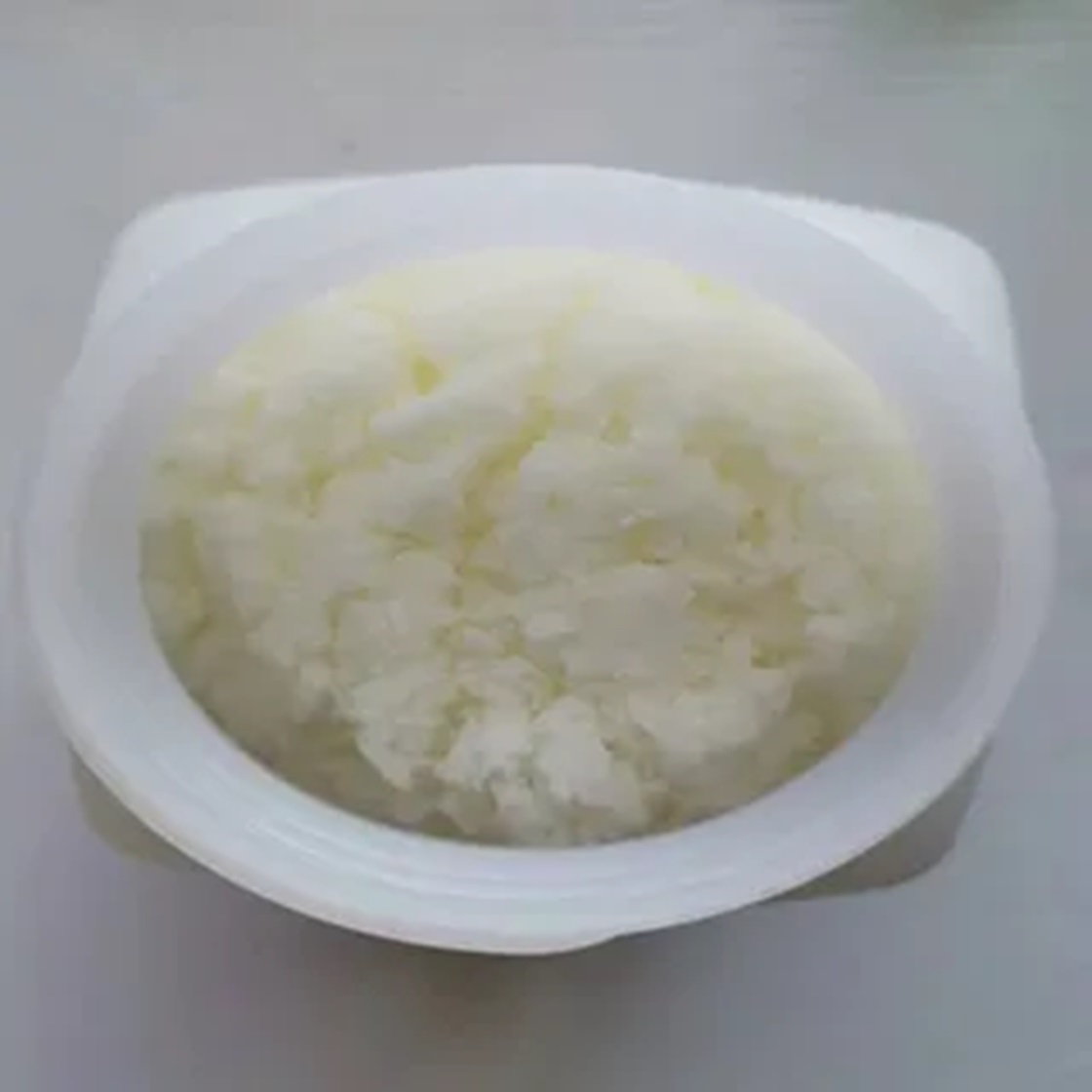
| Appearance | White or slightly yellowish orthorhombic crystals or powder |
| Odor | Odorless |
| Taste | Slightly salty (similar to salt in appearance) |
| Density | 2.168 g/cm³ |
| Melting Point | 271 °C |
| Decomposition Point | 320 °C (decomposes into oxygen, nitrogen, nitrogen oxides, and sodium oxide) |
| Solubility in Water | 820 g/L at 20°C |
| Solubility in Other Solvents | Soluble in liquid ammonia; slightly soluble in anhydrous ethanol, methanol, and ether |
| pH | Aqueous solution is alkaline |
| Hygroscopicity | Deliquescent (absorbs moisture from air) |
| Stability | Aqueous solution is stable; exposed to air, slowly oxidizes to sodium nitrate |
4. Chemical Properties and Behavior
-
Oxidizing Agent: Contact with combustible material may cause fire.
-
Air Oxidation: Slowly oxidized to sodium nitrate (NaNO₃) when exposed to air.
-
Oxygen Absorption: Can absorb oxygen from the air.
-
Reactivity: Contact with organic matter is prone to combustion and explosion.
-
Thermal Decomposition: At 320°C, decomposes releasing oxygen, nitrogen, nitrogen oxides, and sodium oxide.
-
Combustion Products: Emits toxic nitrogen oxide (NOx) gases when burned.
-
Hygroscopic: Readily absorbs moisture from the air (deliquescent).
5. Production Method
Absorption Method (Industrial Production)
| Parameter | Details |
|---|---|
| Raw Material | Nitric acid tail gas (containing nitrogen oxides) |
| Process | 1. The ratio of nitric oxide (NO) to nitrogen dioxide (NO₂) in tail gas from dilute nitric acid production is adjusted 2. Tail gas is introduced into the bottom of an absorption tower 3. Soda ash (sodium carbonate) solution is sprayed from the top of the absorption tower 4. Nitrogen oxides are absorbed, generating a neutralizing liquid 5. When the neutralizing solution reaches relative density of 1.24-1.25 and sodium carbonate content of 3-5 g/L 6. Sodium nitrite crystals are precipitated by evaporation concentration and cooling crystallization to 50-70°C 7. Crystals are separated by centrifugation to obtain the final product |
6. Quality Specifications
Purity Requirement
-
≥ 99.0% NaNO₂ (calculated on dry basis)
Quality Control Tests and Limits
| Test | Limit / Specification |
|---|---|
| Appearance | White or slightly yellowish crystals |
| Odor | Odorless |
| Hygroscopicity | Deliquescent |
| pH | Aqueous solution is alkaline |
| Solution Color | 2.5 g in 50 mL water; color not deeper than Yellow No. 1 standard |
| Chloride (Cl) | ≤ 0.02% |
| Sulfate (SO₄) | ≤ 0.03% |
| Loss on Drying | ≤ 1.0% (dried in sulfuric acid desiccator to constant weight) |
| Heavy Metals | ≤ 10 ppm |
| Arsenic (As) | ≤ 0.0002% (2 ppm) |
7. Identification Tests
| Test | Method | Positive Result |
|---|---|---|
| Nitrite Test 1 | Aqueous solution (0.3-10) with acetic acid and fresh ferrous sulfate test solution | Brown color |
| Nitrite Test 2 | Aqueous solution with dilute inorganic acid, heated | Red-brown gas evolved |
| Sodium Test | Flame test (General rule 0301) | Yellow flame characteristic of sodium |
8. Applications and Uses
Sodium nitrite is a versatile chemical with a wide range of applications across multiple industries.
8.1. Food Industry
| Application | Function | Notes |
|---|---|---|
| Cured Meats | Color fixative, preservative | Gives characteristic pink color to ham, bacon, sausages |
| Meat Preservation | Antimicrobial agent | Inhibits growth of Clostridium botulinum |
| Flavor Enhancement | Flavor modifier | Contributes to characteristic cured meat flavor |
Important Note: Sodium nitrite is toxic and carcinogenic. In food applications, it is strictly regulated and used at very low concentrations (typically less than 200 ppm). The lethal dose for humans is approximately 39 mg/kg body weight.
8.2. Industrial Applications
| Application | Function |
|---|---|
| Corrosion Inhibitor | Used in closed circulating cooling water systems for low hardness or ultra-low hardness water treatment |
| Metal Heat Treatment | Heat treatment agent for metals |
| Electroplating | Corrosion inhibitor in electroplating processes |
| Mordant | Dye fixing agent in textile dyeing |
| Bleaching Agent | For various industrial bleaching applications |
| Rubber Industry | In rubber processing |
| Photography | In photographic chemicals |
8.3. Water Treatment
| Application | Function | Conditions |
|---|---|---|
| Corrosion Inhibitor | Prevents rust in ferrous metals | Concentration: 300-500 mg/L |
| Optimal pH Range | pH 8-10 | Often used with 300 mg/L Na₂CO₃ |
| Combination Treatment | Synergistic effect | Often combined with sodium molybdate to reduce dosage of both |
| pH Limitation | Not effective | Water pH <6, decomposes, no corrosion inhibition |
Important Notes:
-
Only applicable for ferrous metals (black metals)
-
Not suitable for copper and other non-ferrous metals (may even cause corrosion)
-
Dangerous corrosion inhibitor if used at insufficient concentration (may accelerate corrosion)
8.4. Pharmaceutical and Medical Applications
| Application | Function |
|---|---|
| Antidote | Antidote for cyanide poisoning |
| Equipment Disinfection | Disinfectant for medical equipment |
| Vasodilator | Used in some medical applications to dilate blood vessels |
Mechanism as Cyanide Antidote: Sodium nitrite converts hemoglobin to methemoglobin, which binds cyanide, forming cyanmethemoglobin, allowing detoxification.
8.5. Chemical Industry
| Application | Function |
|---|---|
| Diazo Compounds | Raw material for diazotization reactions |
| Nitroso Compounds | Synthesis of nitroso compounds |
| Dye Manufacturing | Intermediate in azo dye production |
| Rubber Chemicals | Production of rubber additives |
| Pharmaceutical Intermediates | Synthesis of various pharmaceutical compounds |
8.6. Downstream Products
-
Sodium sulfate
-
Nitric oxide
-
2,3-Dichlorobenzaldehyde
-
4,4'-Oxybisbenzenamine
-
3-Methyl-1-phenyl-2-pyrazolin-5-one
-
Anthra[1,9-cd]pyrazol-6(2H)-one
-
2,3-Butanedione
-
4-Fluorobenzotrifluoride
-
Hydroxylamine hydrochloride
-
Sodium azide
-
2,2,3,3-Tetramethylcyclopropanecarboxylic acid
9. Toxicology and Safety
| Parameter | Details |
|---|---|
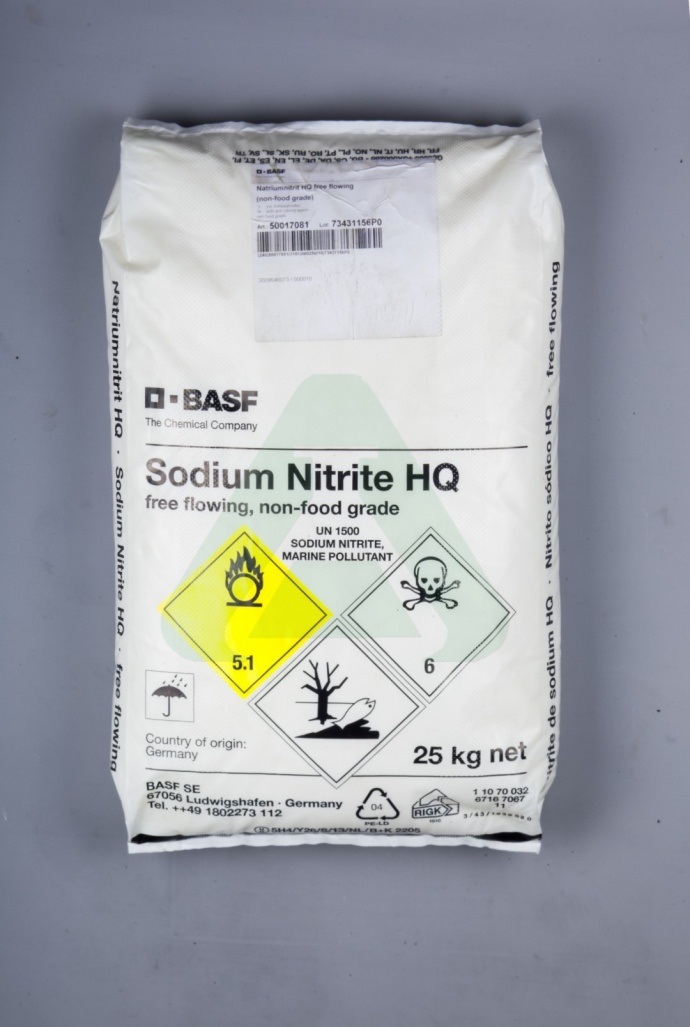
| Hazard Symbols | O - Oxidizing agent T - Toxic N - Dangerous for the environment |
| Risk Codes | R25 - Toxic if swallowed R50 - Very toxic to aquatic organisms R8 - Contact with combustible material may cause fire |
| Safety Descriptions | S45 - In case of accident or if you feel unwell, seek medical advice immediately S61 - Avoid release to the environment. Refer to special instructions/safety data sheets |
| UN Numbers | UN 1487, UN 1487, UN 1500 |
| Toxicity | Toxic, carcinogenic |
| Lethal Dose (Human) | Approximately 39 mg/kg body weight |
| Carcinogenicity | Classified as carcinogenic |
10. Health Hazards
| Exposure Route | Effect |
|---|---|
| Ingestion | Toxic if swallowed; can cause methemoglobinemia (reduces oxygen-carrying capacity of blood) |
| Inhalation | Inhalation of dust may cause respiratory irritation |
| Skin Contact | Concentrations >1-5% can cause skin sensitization, rash, and hair loss |
| Chronic Exposure | Potential carcinogenic effects |
Skin Contact Information:
-
Safe concentration for skin contact: 1-5%
-
Higher concentrations: causes skin sensitization, appears rash
-
Workers exposed to or using sodium nitrite must wear prescribed protective equipment
11. Environmental Impact
| Parameter | Details |
|---|---|
| Aquatic Toxicity | Very toxic to aquatic organisms (R50) |
| Environmental Hazard | Dangerous for the environment (N symbol) |
| Spill Control | Avoid release to the environment (S61) |
| Contamination | Should not be stored or mixed with food to avoid contamination |
12. Storage and Handling
| Parameter | Details |
|---|---|
| Storage Conditions | Sealed storage; cool, dry, well-ventilated area |
| Temperature Control | Avoid high temperatures |
| Compatibility | Do not store or mix with organic matter, food, or combustible materials |
| Container | Keep container tightly closed |
| Hygroscopicity | Deliquescent; protect from moisture |
| Shelf Life | Stable when stored properly; slowly oxidizes in air |
Fire and Explosion Hazards
| Hazard | Description |
|---|---|
| Oxidizing Agent | Contact with combustible material may cause fire (R8) |
| Reaction with Organics | Contact with organic matter is prone to combustion and explosion |
| Combustion Products | Emits toxic nitrogen oxide (NOx) gas when burned |
Occupational Safety
| Measure | Requirement |
|---|---|
| Personal Protective Equipment | Workers must wear prescribed protective equipment |
| Skin Protection | Prevent skin contact |
| Ingestion Prevention | Prevent entry into body |
| Transport | Transport by means of transport with barriers |
| Storage Separation | Shall not be stored and mixed with organic matter, food, etc. |
13. Water Treatment Application Details
| Parameter | Specification |
|---|---|
| Type | Oxidizing corrosion inhibitor |
| Suitable Water | Low hardness or ultra-low hardness water |
| System Type | Closed circulating cooling water systems |
| Concentration | 300 – 500 mg/L |
| Optimal pH Range | 8 – 10 |
| pH <6 | Decomposes, no corrosion inhibition |
| Combination | Often used with 300 mg/L Na₂CO₃ |
| Synergistic Combinations | Often combined with sodium molybdate to reduce dosage of both |
| Metal Suitability | Only applicable to ferrous metals (black metals) |
| Non-ferrous Metals | May cause corrosion in copper and other non-ferrous metals |
14. Upstream and Downstream Products
Raw Materials (Upstream)
-
Ammonium hydroxide
-
Sodium hydroxide
-
Sodium carbonate (soda ash)
-
Nitric acid
Derived Products (Downstream)
-
Sodium sulfate
-
Nitric oxide
-
2,3-Dichlorobenzaldehyde
-
4,4'-Oxybisbenzenamine
-
3-Methyl-1-phenyl-2-pyrazolin-5-one
-
Anthra[1,9-cd]pyrazol-6(2H)-one
-
2,3-Butanedione
-
4-Fluorobenzotrifluoride
-
Hydroxylamine hydrochloride
-
Sodium azide
-
2,2,3,3-Tetramethylcyclopropanecarboxylic acid
15. Summary
Sodium Nitrite (NaNO₂, CAS: 7632-00-0) is a white or slightly yellowish crystalline powder with a molecular weight of 68.9953 g/mol. It has a slightly salty taste similar to common salt. It melts at 271°C and decomposes at 320°C, releasing oxygen, nitrogen, nitrogen oxides, and sodium oxide.
Key Properties:
-
Hygroscopic and deliquescent
-
Highly soluble in water (820 g/L at 20°C)
-
Aqueous solution is alkaline
-
Oxidizing agent
-
Slowly oxidizes to sodium nitrate in air
-
Reacts with organic matter (combustion/explosion risk)
Main Application Areas:
-
Food Industry: Color fixative and preservative for cured meats
-
Water Treatment: Corrosion inhibitor for closed cooling systems
-
Industrial: Mordant, bleaching agent, metal heat treatment, electroplating corrosion inhibitor
-
Pharmaceutical: Antidote for cyanide poisoning, disinfectant
-
Chemical Industry: Intermediate for dyes, diazo compounds, and various chemicals
Safety Considerations:
-
Toxic and carcinogenic
-
Contact with combustible materials may cause fire
-
Very toxic to aquatic organisms
-
Skin contact: concentrations >1-5% can cause sensitization and rash
-
Must be stored separately from organic matter and food
-
Workers must wear appropriate protective equipment
Quality: Available in food grade and industrial grades with minimum purity of 99.0%.