We unleash your business potential by maximize the business innovation.
Send EmailBarium Chloride, Barium Dichloride, Barium Chloride Anhydrous, 10361-37-2
BARIUM CHLORIDE
PRODUCT IDENTIFIER INFORMATION
| Parameter | Information |
|---|---|
| Product Name | Barium Chloride |
| Chemical Name (IUPAC) | Barium Chloride |
| CAS Number | 10361-37-2 |
| EC Number (EINECS) | 233-788-1 |
| Molecular Formula | BaCl₂ |
| Molecular Weight | 208.23 g/mol |
CHEMICAL STRUCTURE
        Cl⁻
         |
    Ba²⁺ — Cl⁻

    Barium Chloride (BaCl₂)
    Ionic Structure
Barium Chloride Molecular Structure
Molecular Formula: BaCl₂
SMILES: [Ba+2].[Cl-].[Cl-]
InChI: 1S/Ba.2ClH/h;2*1H/q+2;;/p-2
SECTION 1: CHEMICAL IDENTITY AND DESCRIPTION
| Parameter | Information |
|---|---|
| Product Name | Barium Chloride |
| Chemical Name (IUPAC) | Barium Chloride |
| Synonyms (English) | Barium Chloride, Barium Dichloride, Barium Chloride Anhydrous, Barium Chloride (BaCl₂), Barium Dichloride, Ba 0108E, NSC 146181 |
| CAS Number | 10361-37-2 |
| EC Number (EINECS) | 233-788-1 |
| Molecular Formula | BaCl₂ |
| Molecular Weight | 208.23 g/mol |
| Chemical Class | Inorganic compound; alkaline earth metal chloride |
| Physical State (20°C) | White crystalline solid |
| Odor | Odorless |
| Taste | Bitter and salty taste (not for consumption) |
| Natural Form | Does not occur naturally in pure form; derived from barite (BaSO₄) |
SECTION 2: PHYSICAL AND CHEMICAL PROPERTIES
| Property | Value | Test Method / Note |
|---|---|---|
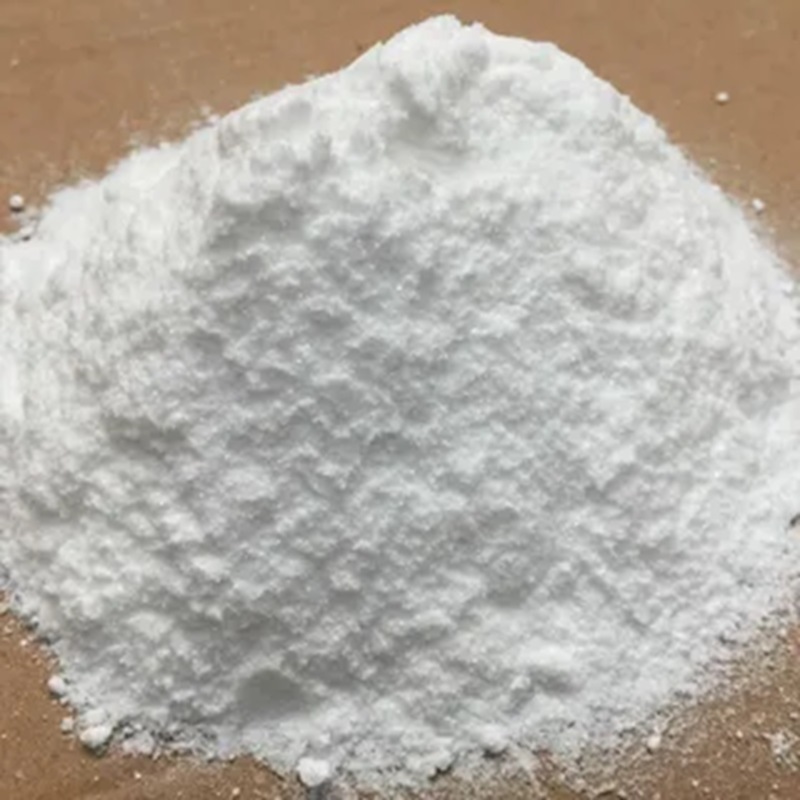
| Appearance | White crystalline powder or crystals | Visual |
| Odor | Odorless | Olfactometric |
| Molecular Weight | 208.23 g/mol | Calculated |
| Density (20°C) | 3.856 g/cm³ (anhydrous) | ASTM D4052 |
| Bulk Density | 1.5 - 2.0 g/cm³ | - |
| Melting Point | 962 °C | DSC |
| Boiling Point | 1,560 °C | - |
| Refractive Index | 1.637 | Refractometry |
| Solubility in Water (25°C) | 37.0 g/100 g water | General Method |
| Solubility in Ethanol | Insoluble | General Method |
| Solubility in Acetone | Insoluble | General Method |
| Solubility in Ether | Insoluble | General Method |
| Solubility in Sulfuric Acid | Very slightly soluble | General Method |
| Solubility in Hydrochloric Acid | Slightly soluble | General Method |
| pH (5% Solution) | ~5.0 - 7.0 | pH Meter |
| Crystal System | Orthorhombic (anhydrous); Monoclinic (dihydrate) | XRD |
| Hygroscopicity | Hygroscopic; absorbs moisture from air | - |
| Electrical Conductivity | Good conductor in solution | - |
| Flame Test Color | Yellowish-green | - |
SECTION 3: CHEMICAL PROPERTIES AND REACTIVITY
| Parameter | Information |
|---|---|
| Chemical Character | Inorganic salt; neutral in solution; highly soluble in water |
| Stability | Stable under normal conditions; anhydrous form absorbs moisture from air to form dihydrate |
| Reactivity | Reacts with sulfuric acid to form insoluble barium sulfate; reacts with soluble sulfates to precipitate BaSO₄; forms complexes with various anions |
| Incompatible Materials | Strong acids (sulfuric acid), soluble sulfates, aluminum, magnesium, oxidizing agents |
| Polymerization | Does not polymerize |
| Decomposition Products (Heating) | Barium oxide (BaO), Chlorine (Cl₂), Hydrogen chloride (HCl) |
| Hazardous Reactions | Reacts with sulfuric acid to precipitate barium sulfate; may react with aluminum powder under certain conditions; contact with strong oxidizers may produce heat |
| Dehydration | Heated to 113°C, loses water of crystallization to form anhydrous form |
| Complex Formation | Forms complexes with various ligands; important in analytical chemistry |
SECTION 4: COMMON BARIUM SALTS COMPARISON TABLE
| Property | Barium Chloride (BaCl₂) | Barium Sulfate (BaSO₄) | Barium Carbonate (BaCO₃) | Barium Nitrate (Ba(NO₃)₂) |
|---|---|---|---|---|
| CAS Number | 10361-37-2 | 7727-43-7 | 513-77-9 | 10022-31-8 |
| Formula | BaCl₂ | BaSO₄ | BaCO₃ | Ba(NO₃)₂ |
| Molecular Weight | 208.23 | 233.38 | 197.34 | 261.34 |
| Appearance | White crystals | White powder | White powder | White crystals |
| Density (g/cm³) | 3.86 | 4.50 | 4.29 | 3.24 |
| Solubility in Water | Soluble (37 g/100 mL) | Insoluble | Insoluble | Soluble (9.6 g/100 mL) |
| Primary Use | Chemical precursor, water treatment | Drilling mud, medical imaging | Ceramics, glass | Pyrotechnics, explosives |
SECTION 5: FUNCTIONAL PROPERTIES AND MECHANISM OF ACTION
| Property | Description |
|---|---|
| Water Softening | Removes sulfate and carbonate hardness from water; precipitates sulfate ions as BaSO₄; used in brine purification in chlor-alkali plants |
| Chemical Precursor | Key starting material for producing other barium compounds (barium chromate, barium fluoride, barium hydroxide, etc.) |
| Analytical Reagent | Used for detection and quantification of sulfate ions; forms white precipitate of BaSO₄ with soluble sulfates |
| Heat Treatment Aid | Used in metal heat treatment processes; facilitates formation of desired microstructures; improves steel hardening |
| Pyrotechnic Colorant | Produces bright yellowish-green color in fireworks and flares |
| Flame Retardant | Used in some flame retardant formulations |
| Brine Purification | Removes sulfate impurities from brine solutions in chlor-alkali processes; improves purity of sodium chloride solutions |
| Weighting Agent | Provides high density in various applications due to barium's high atomic number |
| Metallurgical Aid | Used in metal surface treatment and alloy production |
SECTION 6: MAIN APPLICATION AREAS
| Industry / Application | Function | Typical Use |
|---|---|---|
| Chlor-Alkali Industry | Brine purification | Removal of sulfate ions from brine solutions used in caustic soda and chlorine production |
| Metal Heat Treatment | Heat treatment aid | Steel hardening and heat treatment processes; metal forming and shaping |
| Water Treatment | Water softening | Removal of sulfate and carbonate hardness; industrial water treatment |
| Chemical Industry | Precursor / intermediate | Production of barium chromate, barium fluoride, barium hydroxide, and other barium compounds |
| Pyrotechnics | Colorant | Fireworks; produces bright yellowish-green flames |
| Leather Tanning | Tanning aid | Leather processing and finishing; used in tanning and leather softening |
| Textile Industry | Weighting agent / dyeing aid | Weighting textiles; dyeing processes; processing of wool and fabrics |
| Pigment Manufacturing | Intermediate | Production of white pigments and extenders |
| Laboratory | Analytical reagent | Sulfate ion detection and quantification; gravimetric analysis; general laboratory applications |
| Nuclear Industry | Fire suppression | Uranium and plutonium fire suppression; extinguishing metal fires |
| Rubber Industry | Additive | Vulcanization aid; improves elasticity and durability |
| PVC Stabilizers | Precursor | Production of PVC heat stabilizers |
| Lubricant Production | Additive | Production of specialized lubricating oils |
| Wastewater Treatment | Precipitant | Removal of sulfate ions and heavy metals from wastewater |
SECTION 7: QUALITY SPECIFICATIONS (ANHYDROUS TECHNICAL GRADE)
| Parameter | Specification | Test Method |
|---|---|---|
| Appearance | White crystalline powder | Visual |
| Assay (BaCl₂) | ≥ 98.0 % | Titrimetric |
| Barium Content | ≥ 65.0 % | Gravimetric |
| Loss on Drying | ≤ 1.0 % | Gravimetric |
| Water of Crystallization | ≤ 2.0 % | Gravimetric |
| Acid Insoluble Matter | ≤ 0.1 % | Gravimetric |
| Sulfates (as SO₄) | ≤ 0.1 % | Turbidimetric |
| Iron (Fe) | ≤ 0.005 % | AAS / ICP |
| Heavy Metals (as Pb) | ≤ 0.005 % | AAS / ICP |
| Alkali Salts (as NaCl) | ≤ 0.5 % | Gravimetric |
| pH (5% Solution) | 5.0 - 7.0 | pH Meter |
| Particle Size (d90) | < 500 µm | Sieve Analysis |
SECTION 8: TOXICOLOGICAL PROFILE
| Parameter | Value |
|---|---|
| Acute Oral Toxicity (LD50, Rat) | ~ 118 mg/kg (high toxicity) |
| Acute Dermal Toxicity (LD50, Rabbit) | ~ 1,500 mg/kg (moderate toxicity) |
| Acute Inhalation Toxicity (LC50, Rat, 4h) | ~ 1.0 mg/L (dust) |
| Skin Irritation | Mildly irritating; may cause dryness |
| Eye Irritation | Irritating; may cause redness and discomfort |
| Respiratory Irritation | Dust may cause respiratory tract irritation |
| Chronic Toxicity | Prolonged exposure may cause barium poisoning; affects cardiovascular and nervous systems |
| Carcinogenicity | Not classified (IARC, NTP) |
| Mutagenicity | Negative in standard tests |
| Reproductive Toxicity | No known adverse effects at occupational exposure limits |
| Target Organs | Cardiovascular system, nervous system, respiratory system |
| Occupational Exposure Limit (8h TWA) | 0.5 mg/m³ (as Ba, OSHA) |
| Short-Term Exposure Limit (STEL) | 1.0 mg/m³ (as Ba, ACGIH) |
| Special Toxicity Note | Barium chloride is highly toxic due to soluble barium ions; ingestion can cause severe poisoning; muscle paralysis and cardiac arrhythmia possible |
SECTION 9: GHS CLASSIFICATION AND LABELING
GHS Classification (according to 1272/2008/EC and UN GHS):
| Hazard Class | Category | H-Statement |
|---|---|---|
| Acute Toxicity (Oral) | Category 3 | H301 |
| Acute Toxicity (Dermal) | Category 4 | H312 |
| Acute Toxicity (Inhalation) | Category 4 | H332 |
| Skin Irritation | Category 2 | H315 |
| Eye Irritation | Category 2 | H319 |
| Specific Target Organ Toxicity - SE | Category 3 | H335 |
Signal Word: DANGER
Hazard Pictograms: GHS06 (Skull and Crossbones), GHS07 (Exclamation Mark)
Hazard Statements (H-Codes):
| Code | Statement |
|---|---|
| H301 | Toxic if swallowed |
| H312 | Harmful in contact with skin |
| H315 | Causes skin irritation |
| H319 | Causes serious eye irritation |
| H332 | Harmful if inhaled |
| H335 | May cause respiratory irritation |
NFPA 704 Hazard Classification:
| Health | Flammability | Reactivity | Special |
|---|---|---|---|
| 3 | 0 | 0 | - |
| (Severe health hazard) | (Non-flammable) | (Stable) | (None) |
SECTION 10: PRECAUTIONARY STATEMENTS (P-CODES)
| Code | Statement |
|---|---|
| P260 | Do not breathe dust/fume/gas/mist/vapors/spray |
| P262 | Do not get in eyes, on skin, or on clothing |
| P264 | Wash thoroughly after handling |
| P270 | Do not eat, drink or smoke when using this product |
| P271 | Use only outdoors or in a well-ventilated area |
| P280 | Wear protective gloves / protective clothing / eye protection / face protection |
| P301+P310 | IF SWALLOWED: Immediately call a POISON CENTER / doctor |
| P302+P352 | IF ON SKIN: Wash with plenty of soap and water |
| P304+P340 | IF INHALED: Remove person to fresh air and keep comfortable for breathing |
| P305+P351+P338 | IF IN EYES: Rinse cautiously with water for several minutes. Remove contact lenses if present and easy to do. Continue rinsing |
| P312 | Call a POISON CENTER / doctor if you feel unwell |
| P330 | Rinse mouth |
| P403+P233 | Store in a well-ventilated place. Keep container tightly closed |
| P405 | Store locked up |
| P501 | Dispose of contents/container in accordance with local/regional/national/international regulations |
SECTION 11: FIRST AID MEASURES
| Exposure Route | Action to Take |
|---|---|
| Inhalation | Move to fresh air. Keep at rest in a position comfortable for breathing. If breathing is difficult, give oxygen. Seek immediate medical attention. |
| Skin Contact | Remove contaminated clothing. Wash with plenty of soap and water. If irritation develops, seek medical attention. |
| Eye Contact | Rinse immediately with plenty of water for at least 15 minutes. Remove contact lenses if present. Seek medical attention if irritation persists. |
| Ingestion | Rinse mouth. Do NOT induce vomiting. Seek immediate medical attention. Note: Soluble barium compounds are highly toxic. Give milk or water if conscious. |
SECTION 12: FIRE-FIGHTING MEASURES
| Parameter | Information |
|---|---|
| Fire Hazard | Non-flammable; may decompose at high temperatures |
| Hazards During Fire | Thermal decomposition produces toxic barium oxide fumes, chlorine, and hydrogen chloride |
| Suitable Extinguishing Media | Dry chemical powder, CO₂, water spray, foam (use any media suitable for surrounding fire) |
| Unsuitable Extinguishing Media | None known |
| Special Protective Equipment | Self-contained breathing apparatus (SCBA), full protective clothing |
| Special Precautions | Avoid creating dust; prevent runoff water from entering drains and waterways; isolate from incompatible materials |
SECTION 13: STORAGE AND SHELF LIFE
| Parameter | Information |
|---|---|
| Storage Conditions | Cool, dry, well-ventilated area; protect from moisture and incompatible materials |
| Container Requirements | Tightly closed, properly labeled containers; use moisture-resistant packaging; store away from acids |
| Materials to Protect From | Strong acids (sulfuric acid), soluble sulfates, aluminum powder, magnesium powder, moisture |
| Shelf Life | 36 months (in unopened original packaging, under proper storage conditions) |
| Stability Note | Anhydrous form is hygroscopic; may absorb moisture to form dihydrate (BaCl₂·2H₂O); protect from humidity |
SECTION 14: PACKAGING OPTIONS
| Packaging Type | Quantity | Material |
|---|---|---|
| Paper Bag | 25 kg | Multi-layer kraft paper with plastic liner |
| Plastic Bag | 25 kg, 50 kg | PE bag |
| Plastic Drum | 100 kg, 200 kg | HDPE / Polypropylene |
| Fiber Drum | 100 kg, 200 kg | Fiberboard with PE liner |
| IBC Container | 1000 kg | HDPE / PP |
| Bulk Bag (FIBC) | 500 kg, 1000 kg | Woven PP with PE liner |
SECTION 15: TRANSPORT INFORMATION
| Parameter | Information |
|---|---|
| UN Number | UN 1564 (Barium compounds, n.o.s.) |
| Hazard Class | 6.1 (Toxic Substance) |
| Packing Group | III |
| ADR/RID | UN 1564, Barium compounds, n.o.s., 6.1, PG III |
| IMDG Code | UN 1564, Barium compounds, n.o.s., 6.1, PG III, Marine Pollutant: Yes |
| IATA (Air) | UN 1564, Barium compounds, n.o.s., 6.1, PG III |
| Marine Pollutant | Yes |
| Transport Temperature | Ambient; protect from moisture |
| Special Provisions | Classified as environmentally hazardous |
SECTION 16: REGULATORY STATUS
| Region / Authority | Status |
|---|---|
| European Union | REACH registered; restricted under various regulations |
| USA (TSCA) | Listed |
| USA (EPA) | Regulated under various environmental laws |
| Turkey | Industrial chemical; subject to KKDIK (Registration, Evaluation, Authorization, and Restriction of Chemicals) regulation |
| IARC | Not classified as carcinogenic |
| OSHA | Regulated (toxic substance) |
| FDA | Not approved for food contact or food additives |
| California (Prop 65) | Not listed |
SECTION 17: OTHER NAMES AND SYNONYMS
| Type | Name |
|---|---|
| English Synonyms | Barium Chloride, Barium Dichloride, Barium Chloride Anhydrous, Barium Chloride (BaCl₂), Barium Dichloride, Ba 0108E, NSC 146181 |
| Chemical Names | Barium Chloride; Barium Dichloride |
| CAS Number | 10361-37-2 |
| EC Number | 233-788-1 |
SECTION 18: BARIUM CHLORIDE ALTERNATIVES
| Alternative | Best Suited For | Key Difference |
|---|---|---|
| Calcium Chloride (CaCl₂) | Water treatment, de-icing | Lower toxicity; less dense; widely available |
| Sodium Chloride (NaCl) | Brine solutions, water treatment | Non-toxic; different chemical properties |
| Strontium Chloride (SrCl₂) | Pyrotechnics, chemical synthesis | Similar properties; different flame color (red); less toxic |
| Barium Sulfate (BaSO₄) | Weighting agent, analytical | Insoluble in water; different application profile |
| Barium Nitrate (Ba(NO₃)₂) | Pyrotechnics, explosives | Different anion; soluble; different applications |
| Aluminum Chloride (AlCl₃) | Catalysts, chemical synthesis | Different chemistry; different toxicity profile |
SECTION 19: SUMMARY TABLE
| Parameter | Value |
|---|---|
| Product | Barium Chloride |
| CAS Number | 10361-37-2 |
| Molecular Formula | BaCl₂ |
| Molecular Weight | 208.23 g/mol |
| Appearance | White crystalline powder |
| Density | 3.856 g/cm³ |
| Melting Point | 962 °C |
| Boiling Point | 1,560 °C |
| Solubility in Water | Soluble (37 g/100 mL at 25°C) |
| Solubility in Ethanol | Insoluble |
| Primary Function | Chemical precursor, water treatment, heat treatment aid |
| Main Applications | Chlor-alkali, metal treatment, water softening, pyrotechnics, chemical synthesis |
| Shelf Life | 36 months |
| GHS Signal Word | DANGER |
| UN Number | UN 1564 |
SECTION 20: CRITICAL WARNINGS AND BEST PRACTICES
CRITICAL WARNINGS:
-
Toxic if swallowed (H301). Soluble barium compounds are highly toxic; ingestion can cause severe poisoning.
-
Harmful in contact with skin or if inhaled (H312/H332). Use adequate ventilation and PPE.
-
Causes skin and eye irritation (H315/H319). Wear protective gloves and eye protection.
-
Dust may cause respiratory irritation (H335). Use dust mask or respirator.
-
Non-flammable but decomposes at high temperatures to release toxic fumes.
-
Incompatibilities: Keep away from strong acids (especially sulfuric acid), soluble sulfates, aluminum powder, and magnesium powder.
-
Hygroscopic: Absorbs moisture from air; store in airtight containers.
-
Anhydrous form converts to dihydrate upon exposure to moisture; maintain dry storage.
BEST PRACTICE RECOMMENDATIONS:
-
Chlor-Alkali Industry: Use for brine purification to remove sulfate ions; typical dosage depends on sulfate content; maintain proper handling and storage to prevent contamination.
-
Water Treatment: Use as precipitant for sulfate removal; optimize dosage based on water analysis.
-
Metal Heat Treatment: Use as heat treatment aid; follow established procedures for specific metal types and alloys.
-
Laboratory Use: Use in fume hood; handle with care; weigh accurately for precise analytical results.
-
Handling: Use in well-ventilated areas; wear chemical-resistant gloves, safety goggles, and dust mask; avoid creating dust.
-
Storage: Store in dry conditions; protect from moisture to prevent caking; seal containers after use; keep away from acids.
-
Spill Response: Avoid creating dust; vacuum or wet sweep; place in sealed containers for disposal; prevent discharge to water bodies.
-
Disposal: Dispose of in accordance with local, regional, and national regulations; do not discharge into drains or water bodies.
LEGAL DISCLAIMER:
The information provided in this document is based on our current knowledge and experience and is presented in good faith. However, as all conditions of use are beyond our control, it does not constitute a binding specification or warranty. This Technical Data Sheet is for informational purposes only. Users are responsible for testing the suitability of the product for their specific applications. For complete safety, storage, use, handling, waste, and regulatory compliance information, please refer to the official Safety Data Sheet (SDS/MSDS) provided by the manufacturer/supplier.