We unleash your business potential by maximize the business innovation.
Send EmailAcetic Acid, Ethanoic Acid, Vinegar Acid, Ethanoic Acid, Methane Carboxylic Acid, E260, 64-19-7
ACETIC ACID (CH₃COOH - E260)
PRODUCT IDENTIFICATION INFORMATION
| Parameter | Information |
|---|---|
| Product Name | Acetic Acid |
| Chemical Name | Acetic Acid (Ethanoic Acid) |
| Synonyms (Turkish) | Asetik Asit, Etanoik Asit, Sirke Asidi, Sirke Ruhu |
| Synonyms (English) | Acetic Acid, Ethanoic Acid, Methanecarboxylic Acid, Vinegar Acid, Glacial Acetic Acid, Ethylic Acid, Pyroligneous Acid |
| E Number | E260 |
| CAS Number | 64-19-7 |
| EC Number | 200-580-7 |
| Molecular Formula | CH₃COOH (C₂H₄O₂) |
| Molecular Weight | 60.05 g/mol |
| Appearance | Colorless liquid |
| Odor | Sharp, pungent, vinegar-like odor |
CHEMICAL STRUCTURE
Acetic Acid Structure:
        O
        ||
    CH₃—C—OH
Structure Description:
-
Simple carboxylic acid (organic acid).
-
Contains a carboxyl group (-COOH) attached to a methyl group (-CH₃).
-
Colorless liquid with a sharp, pungent odor.
-
Weak acid (pKa = 4.76).
-
Miscible with water in all proportions.
-
Corrosive and flammable.
SECTION 1: CHEMICAL IDENTITY AND DESCRIPTION
| Parameter | Information |
|---|---|
| Product Name | Acetic Acid |
| Chemical Name | Acetic Acid (Ethanoic Acid) |
| Synonyms (Turkish) | Asetik Asit, Etanoik Asit, Sirke Asidi, Sirke Ruhu |
| Synonyms (English) | Acetic Acid, Ethanoic Acid, Methanecarboxylic Acid, Vinegar Acid, Glacial Acetic Acid, Ethylic Acid, Pyroligneous Acid |
| E Number | E260 |
| CAS Number | 64-19-7 |
| EC Number | 200-580-7 |
| Molecular Formula | CH₃COOH (C₂H₄O₂) |
| Molecular Weight | 60.05 g/mol |
| Chemical Class | Carboxylic acid; Organic acid; Food additive |
| Source | Synthetic (methanol carbonylation) or natural (fermentation) |
| Physical State (20°C) | Liquid |
| Odor | Sharp, pungent, vinegar-like odor |
| Color | Colorless |
| Taste | Sour, acidic |
SECTION 2: PHYSICAL AND CHEMICAL PROPERTIES
| Property | Value | Test Method / Note |
|---|---|---|
| Appearance | Colorless liquid | Visual |
| Odor | Sharp, pungent, vinegar-like | Olfactometric |
| Molecular Weight | 60.05 g/mol | Calculated |
| Density (20°C) | 1.049 g/cm³ | ASTM D4052 |
| Melting Point | 16 – 17°C | DSC |
| Boiling Point | 118 – 119°C | – |
| Flash Point | 37°C (closed cup) | – |
| Autoignition Temperature | 463°C | – |
| Explosive Limits | 4.0 – 19.9% (v/v in air) | – |
| Vapor Pressure (20°C) | ~15 mmHg | – |
| Vapor Density (Air=1) | 2.07 | – |
| Solubility in Water | Miscible (in all proportions) | General Method |
| Solubility in Ethanol | Miscible | General Method |
| Solubility in Ether | Miscible | General Method |
| Solubility in Organic Solvents | Miscible | General Method |
| pH (1% Solution) | ~2.4 (acidic) | pH Meter |
| pKa | 4.76 | – |
| Stability | Stable under normal conditions | – |
| Hygroscopicity | Moderate | – |
| Corrosivity | Corrosive to metals and tissues | – |
| Heavy Metals (as Pb) | ≤ 10 ppm | AAS / ICP |
| Arsenic (As) | ≤ 2 ppm | AAS / ICP |
| Lead (Pb) | ≤ 2 ppm | AAS / ICP |
| Chloride (Cl) | ≤ 0.01% | Titrimetric |
| Sulfate (SO₄) | ≤ 0.01% | Gravimetric |
| Residue on Evaporation | ≤ 0.05% | Gravimetric |
| Assay (CH₃COOH) | ≥ 99.5% (glacial); 80% (technical) | Titrimetric |
SECTION 3: ACETIC ACID vs OTHER ORGANIC ACIDS
| Property | Acetic Acid (C2) | Citric Acid (C6) | Formic Acid (C1) | Lactic Acid (C3) |
|---|---|---|---|---|
| CAS Number | 64-19-7 | 77-92-9 | 64-18-6 | 50-21-5 |
| Molecular Weight | 60.05 g/mol | 192.12 g/mol | 46.03 g/mol | 90.08 g/mol |
| pKa | 4.76 | 3.13 | 3.75 | 3.86 |
| Boiling Point | 118-119°C | 310°C (decomp.) | 100.8°C | 122°C |
| Density (20°C) | 1.049 g/cm³ | 1.665 g/cm³ | 1.220 g/cm³ | 1.206 g/cm³ |
| Odor | Vinegar-like | Odorless | Pungent | Odorless |
| Flash Point | 37°C | 190°C | 69°C | 110°C |
| Primary Use | Food additive, chemical intermediate | Food acidulant | Preservative, leather | Food, cosmetics |
| E Code | E260 | E330 | E236 | E270 |
SECTION 4: MECHANISM OF ACTION
| Property | Description |
|---|---|
| Acidity | Weak acid; Dissociates in water to form acetate (CH₃COO⁻) and hydrogen (H⁺) ions; Acts as a pH regulator; Provides acidic taste and preservation. |
| Preservation | Lowers pH of food products; Inhibits bacterial growth; Creates an environment unfavorable for spoilage organisms; Effective against many bacteria and fungi. |
| Chemical Reactions | Reacts with bases to form acetates (salts); Reacts with alcohols to form esters (flavors and fragrances); Reacts with metals (corrosive); Used in esterification reactions. |
| Solvent | Dissolves many organic compounds; Used in chemical processes; Acts as a solvent for resins, dyes, and polymers. |
| Metabolism | In the body, acetate is metabolized to CO₂ and H₂O; Used in the citric acid cycle as a carbon source; Converted to acetyl-CoA. |
| Disinfection | Antimicrobial properties at high concentrations; Used as a disinfectant and sanitizer; Effective against bacteria and fungi. |
SECTION 5: PRODUCTION PROCESS
Industrial Production Methods:
Method 1: Methanol Carbonylation (Monsanto Process)
Reaction: CH₃OH + CO → CH₃COOH
Description: Methanol and carbon monoxide are reacted in the presence of a rhodium or iridium catalyst and iodine promoter. The reaction is carried out at 150-200°C and 30-60 atm. The product is purified by distillation.
Method 2: Oxidation of Acetaldehyde
Reaction: 2CH₃CHO + O₂ → 2CH₃COOH
Description: Acetaldehyde is oxidized with air or oxygen in the presence of a catalyst (manganese acetate, cobalt acetate). The product is purified by distillation.
Method 3: Natural Fermentation
Process: Ethanol + O₂ → Acetic Acid + H₂O
Description: Ethanol is oxidized by acetic acid bacteria (Acetobacter) in aerobic fermentation. Used for vinegar production (typically 4-8% acetic acid).
SECTION 6: FUNCTIONAL PROPERTIES
| Property | Description |
|---|---|
| Acidulant (pH Regulator) | Provides acidic taste; Adjusts and controls pH in food products; Acts as a buffering agent; Enhances flavor profiles. |
| Preservative | Lowers pH to inhibit microbial growth; Extends shelf life of food products; Prevents spoilage; Used in pickling and sauces. |
| Chemical Intermediate | Precursor for many industrial chemicals; Vinyl acetate production; Acetic anhydride production; Cellulose acetate production; Metal acetate production. |
| Solvent | Dissolves resins, dyes, and polymers; Used in coatings, inks, and adhesives; Acts as a reaction solvent. |
| Flavoring Agent | Provides sour taste (vinegar); Used in food products (sauces, dressings, pickles); Enhances overall flavor. |
| Disinfectant/Sanitizer | Antimicrobial properties; Used in cleaning and sanitizing; Effective against bacteria and fungi. |
SECTION 7: MAIN APPLICATION AREAS
| Industry / Application | Function | Typical Use |
|---|---|---|
| Food Industry (E260) | Acidulant, preservative, flavoring agent | Vinegar production (4-8%); Pickling; Salad dressings, sauces, ketchup, mayonnaise; Bakery products (dough conditioner); Food preservative; pH regulator; Dosage: 0.5-5% depending on product. |
| Chemical Industry | Chemical intermediate, solvent | Vinyl acetate production (paints, adhesives); Acetic anhydride production (pharmaceuticals); Cellulose acetate production (fibers, plastics); Metal acetates production; Solvent for organic reactions. |
| Plastics & Fibers | Monomer precursor, solvent | Polyvinyl acetate (PVA) production; Cellulose acetate (textile fibers, films); Plasticizers; Synthetic fibers. |
| Pharmaceutical | Solvent, intermediate, reagent | Drug synthesis (aspirin, paracetamol); Solvent for crystallization; Laboratory reagent; Antimicrobial solutions. |
| Cleaning Products | Descaler, degreaser | Household and industrial cleaners; Scale and stain removers; Glass cleaners; Surface disinfectants. |
| Textile & Leather | Dyeing aid, tanning agent | Textile dyeing and finishing; Leather tanning; Bleaching and treatment of leather. |
| Agriculture | Herbicide, fungicide | Agricultural chemicals (herbicides, fungicides); Plant protection products; Acidifying agent for irrigation water. |
| Paper & Printing | Solvent, pH adjuster | Printing inks; Paper coating; Pulp bleaching aid. |
| Cosmetics | pH adjuster, preservative | Skin care products; Hair care products; pH adjustment; Preservative for formulations. |
SECTION 8: SAMPLE FORMULATIONS
Food Grade Dilution (5% Vinegar):
| Component | Amount |
|---|---|
| Acetic Acid (Glacial 99.5%) | 5 mL |
| Water (Purified) | To 100 mL |
Instructions: Carefully add acetic acid to water with stirring; Use for food applications; Store in appropriate containers.
Descaling Solution (10% Acetic Acid):
| Component | Amount |
|---|---|
| Acetic Acid (Glacial 99.5%) | 10 mL |
| Water | To 100 mL |
Instructions: Dilute acetic acid with water; Use for scale and limescale removal; Rinse surfaces thoroughly after use.
SECTION 9: QUALITY SPECIFICATIONS
| Parameter | Food Grade (E260) | Technical Grade | Pharmaceutical Grade | Test Method |
|---|---|---|---|---|
| Appearance | Colorless liquid | Colorless liquid | Colorless liquid | Visual |
| Assay (CH₃COOH) | ≥ 99.5% | ≥ 99.0% | ≥ 99.8% | Titrimetric |
| Density (20°C) | 1.049 – 1.051 g/cm³ | 1.049 – 1.051 g/cm³ | 1.049 – 1.051 g/cm³ | ASTM D4052 |
| Melting Point | 16.2 – 16.7°C | 16.0 – 16.7°C | 16.2 – 16.7°C | DSC |
| Residue on Evaporation | ≤ 0.01% | ≤ 0.05% | ≤ 0.005% | Gravimetric |
| Heavy Metals (as Pb) | ≤ 5 ppm | ≤ 10 ppm | ≤ 5 ppm | AAS / ICP |
| Arsenic (As) | ≤ 1 ppm | – | ≤ 1 ppm | AAS / ICP |
| Lead (Pb) | ≤ 1 ppm | – | ≤ 1 ppm | AAS / ICP |
| Chloride (Cl) | ≤ 0.001% | ≤ 0.01% | ≤ 0.001% | Titrimetric |
| Sulfate (SO₄) | ≤ 0.001% | ≤ 0.01% | ≤ 0.001% | Gravimetric |
| Formic Acid | ≤ 0.05% | ≤ 0.1% | ≤ 0.05% | HPLC |
SECTION 10: TOXICOLOGICAL PROFILE
| Parameter | Value |
|---|---|
| Acute Oral Toxicity (LD50, Rat) | ~ 3,300 mg/kg (moderate toxicity) |
| Acute Dermal Toxicity | Low toxicity; May cause mild irritation |
| Skin Irritation | Corrosive; Causes severe burns (H314) |
| Eye Irritation | Severe; Causes serious eye damage (H318) |
| Inhalation Toxicity | May cause respiratory irritation (H335); Vapors are irritating |
| Chronic Toxicity | May cause skin sensitization; Repeated exposure may cause dermatitis |
| Carcinogenicity | Not classified as carcinogenic |
| Mutagenicity | Not mutagenic |
| Reproductive Toxicity | No reproductive toxicity at normal levels |
| Environmental Toxicity | Low toxicity; Biodegradable; Harmful to aquatic life at high concentrations |
| Special Toxicity Note | Corrosive; Causes severe skin burns and eye damage (H314); Harmful if swallowed (H302); May cause respiratory irritation (H335); Vapors can cause eye and respiratory irritation; Use appropriate PPE; Avoid contact with skin and eyes. |
SECTION 11: GHS CLASSIFICATION AND LABELING
GHS Classification (in accordance with CLP and UN GHS):
| Hazard Class | Category | H-Statement |
|---|---|---|
| Flammable Liquids | Category 3 | H226 |
| Acute Toxicity (Oral) | Category 4 | H302 |
| Skin Corrosion/Irritation | Category 1A | H314 |
| Serious Eye Damage | Category 1 | H318 |
| Specific Target Organ Toxicity (Single) | Category 3 | H335 |
Signal Word: DANGER
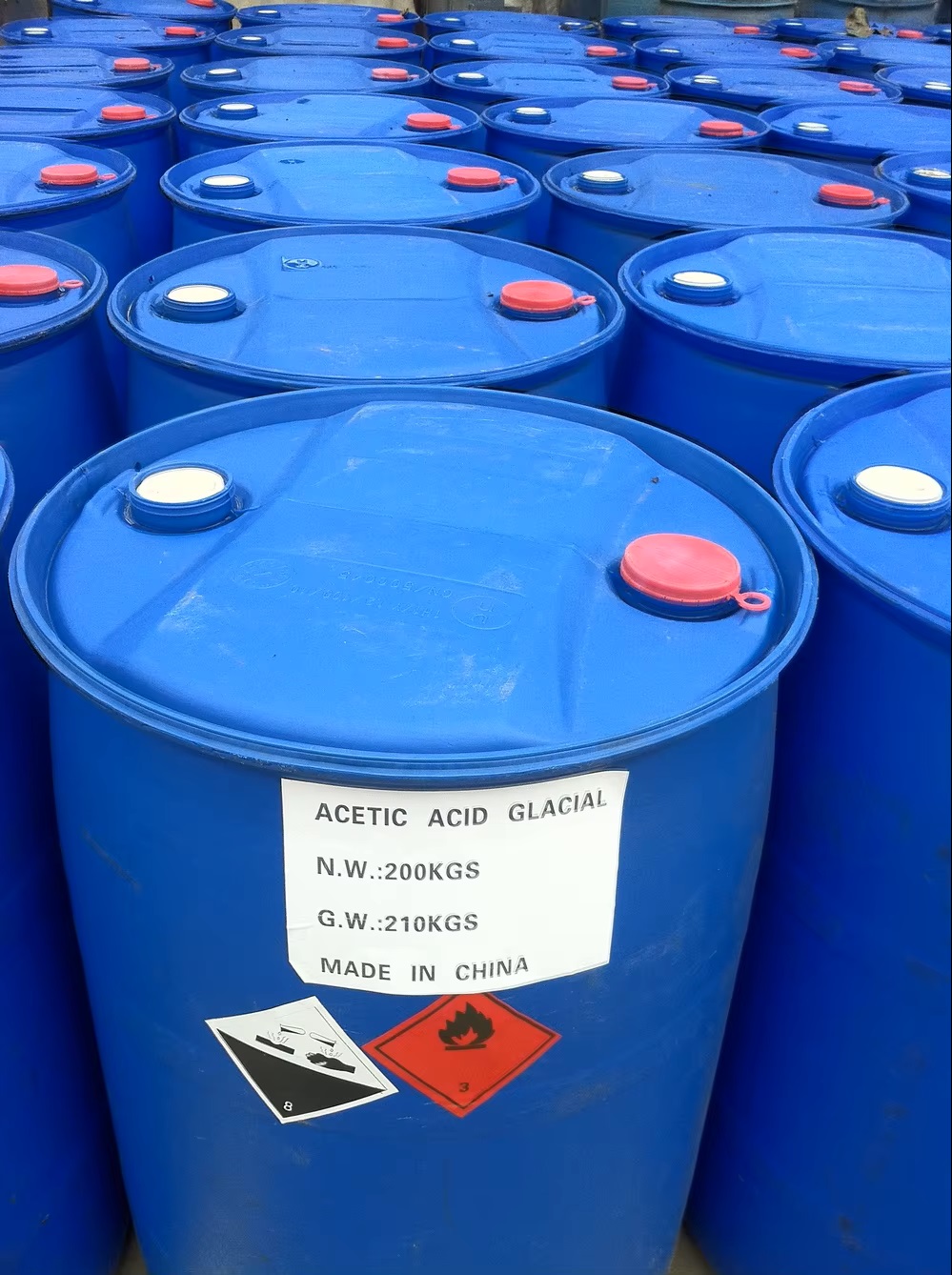
Hazard Pictograms: GHS02 (Flame), GHS05 (Corrosive), GHS07 (Exclamation Mark)
Hazard Statements (H-Codes):
| Code | Statement |
|---|---|
| H226 | Flammable liquid and vapor |
| H302 | Harmful if swallowed |
| H314 | Causes severe skin burns and eye damage |
| H318 | Causes serious eye damage |
| H335 | May cause respiratory irritation |
NFPA 704 Hazard Classification:
| Health | Flammability | Reactivity | Special |
|---|---|---|---|
| 3 | 2 | 0 | - |
| (Severe health hazard - corrosive) | (Moderate fire hazard) | (Stable) | (None) |
SECTION 12: PRECAUTIONARY STATEMENTS (P-CODES)
| Code | Statement |
|---|---|
| P210 | Keep away from heat/sparks/open flames/hot surfaces — No smoking |
| P233 | Keep container tightly closed |
| P240 | Ground/bond container and receiving equipment |
| P241 | Use explosion-proof electrical/ventilating/lighting equipment |
| P242 | Use only non-sparking tools |
| P243 | Take precautionary measures against static discharge |
| P260 | Do not breathe dust/fume/gas/mist/vapors/spray |
| P264 | Wash hands thoroughly after handling |
| P280 | Wear protective gloves/protective clothing/eye protection/face protection |
| P301+P330+P331 | IF SWALLOWED: Rinse mouth. Do NOT induce vomiting |
| P303+P361+P353 | IF ON SKIN (or hair): Take off immediately all contaminated clothing. Rinse skin with water/shower |
| P304+P340 | IF INHALED: Remove person to fresh air and keep comfortable for breathing |
| P305+P351+P338 | IF IN EYES: Rinse cautiously with water for several minutes. Remove contact lenses if present and continue rinsing |
| P310 | Immediately call a POISON CENTER/doctor |
| P363 | Wash contaminated clothing before reuse |
| P403+P233 | Store in a well-ventilated place. Keep container tightly closed |
| P501 | Dispose of contents/container in accordance with local/regional/national/international regulations |
SECTION 13: FIRST AID MEASURES
| Exposure Route | Action to Take |
|---|---|
| Inhalation | Remove to fresh air immediately. If respiratory irritation develops, seek medical attention. |
| Skin Contact | Immediately remove contaminated clothing. Rinse with plenty of water for at least 15 minutes. Get immediate medical attention. |
| Eye Contact | Immediately rinse with plenty of water for at least 15 minutes. Keep eyelids open. Remove contact lenses if present. Get immediate medical attention. |
| Ingestion | DO NOT INDUCE VOMITING. Rinse mouth. Drink plenty of water (only if conscious). Get immediate medical attention. |
SECTION 14: FIREFIGHTING MEASURES
| Parameter | Information |
|---|---|
| Fire Hazard | Flammable liquid. Vapors may form explosive mixtures with air. |
| Hazards Arising from Fire | Thermal decomposition produces carbon monoxide, carbon dioxide, and irritating fumes. |
| Suitable Extinguishing Media | Water spray, CO₂, dry chemical powder, foam (alcohol-resistant). |
| Unsuitable Extinguishing Media | Water jet (may spread burning liquid) |
| Special Protective Equipment | Self-contained breathing apparatus (SCBA), full protective clothing, firefighting goggles. |
| Special Precautions | Evacuate area; Prevent fire-fighting water from entering waterways; Cool fire-exposed containers with water spray; Stop leak if safe. |
SECTION 15: STORAGE AND SHELF LIFE
| Parameter | Information |
|---|---|
| Storage Conditions | Store in a cool, dry, well-ventilated area; PROTECT FROM LIGHT, HEAT, and MOISTURE; Keep away from direct sunlight and high temperatures. |
| Container Requirements | Tightly closed containers (HDPE, stainless steel, glass, coated drums). |
| Materials to Protect From | Heat, moisture, oxidizing agents, bases, metals |
| Shelf Life | 24 – 48 months (in unopened original packaging, under proper storage conditions). |
| Stability Note | Stable under recommended storage conditions; Can freeze at low temperatures; May corrode metals; Protect from moisture. |
| Special Storage Requirements | Store in a cool, dry, well-ventilated area; Avoid exposure to air and moisture; Opened containers must be resealed immediately; Keep away from sources of ignition. |
SECTION 16: PACKAGING OPTIONS
| Packaging Type | Quantity | Material |
|---|---|---|
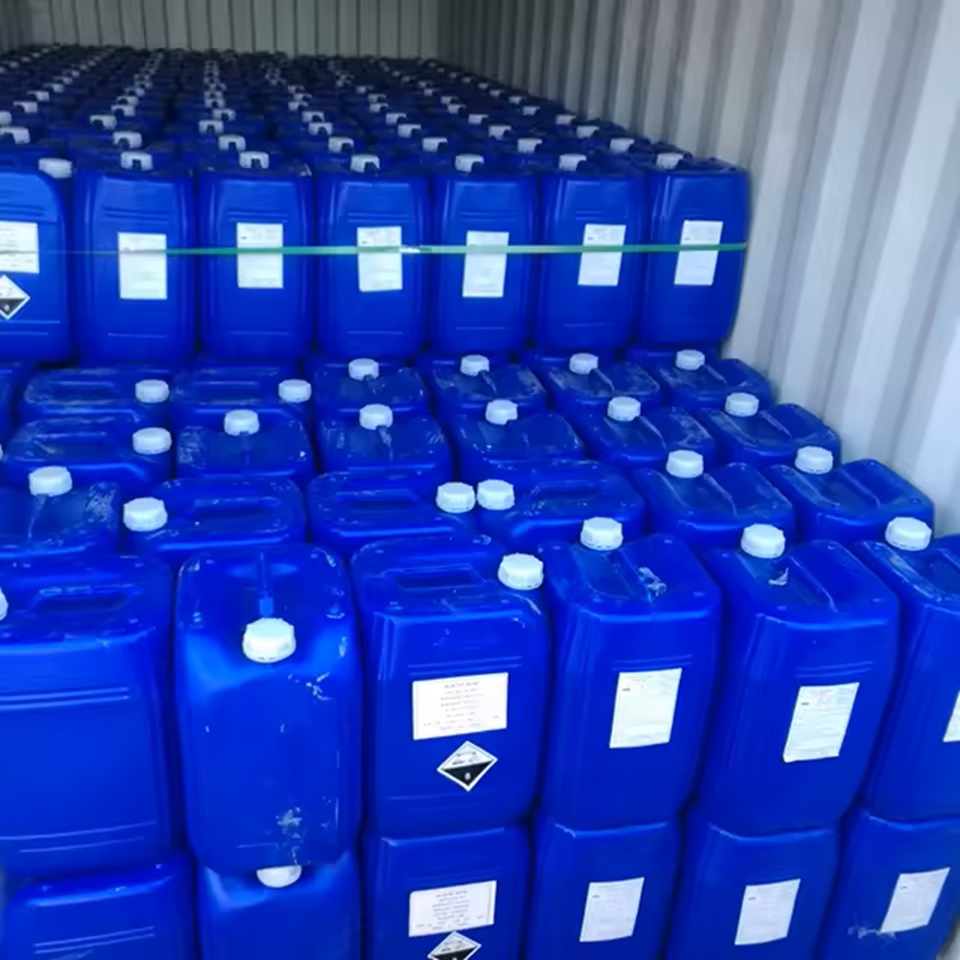
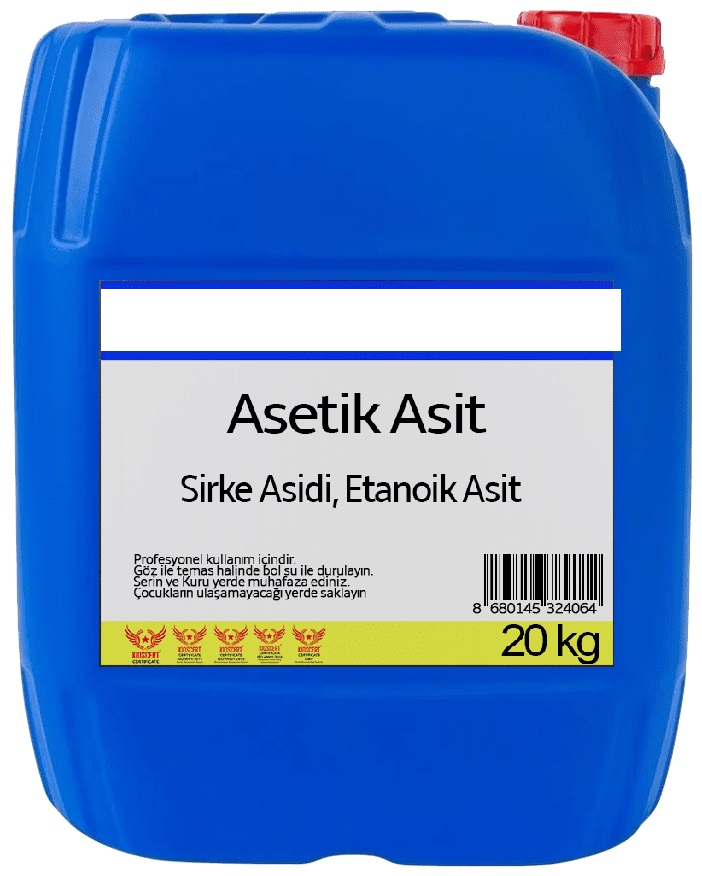
| HDPE Canister | 5 L, 10 L, 20 L | HDPE (chemical-resistant) |
| HDPE Drum | 25 kg, 50 kg, 60 kg | HDPE (sealed, chemical-resistant) |
| Stainless Steel Drum | 50 kg, 100 kg, 200 kg | Stainless steel (304/316) |
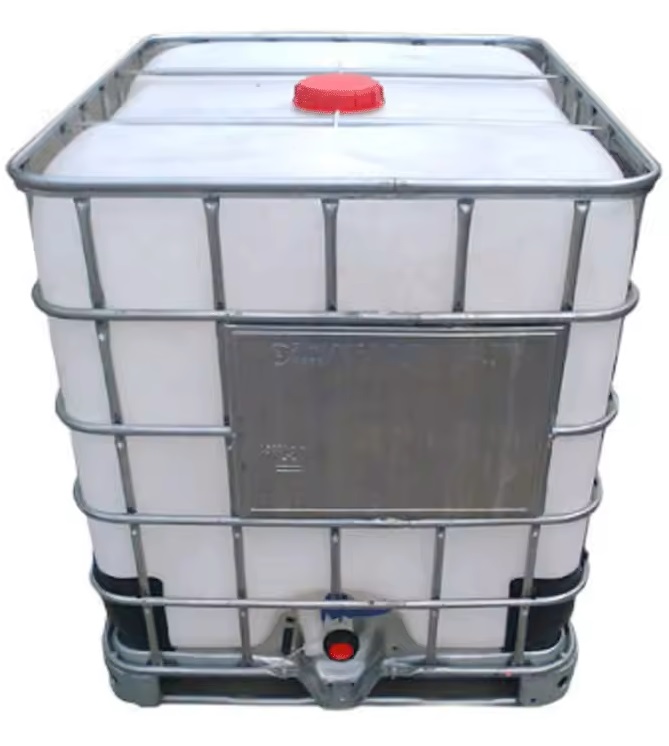
| IBC Container | 500 L, 1000 L | HDPE or stainless steel IBC (returnable/non-returnable) |
| Tank Container | 10,000 – 25,000 L | Stainless steel (316L) – bulk transport |
| Glass Bottle | 1 L, 2.5 L, 5 L | Amber glass (light protection) |
SECTION 17: TRANSPORT INFORMATION
| Parameter | Information |
|---|---|
| UN Number | UN 2789 (Acetic Acid, Glacial) / UN 2790 (Acetic Acid, solution <80%) |
| Hazard Class | Class 8 - Corrosive Substances / Class 3 - Flammable (Glacial) |
| Packing Group | II |
| ADR/RID | Class 8; UN 2789/2790; Packing Group II |
| IMDG Code | Class 8; UN 2789/2790; Marine pollutant: No |
| IATA (Air) | Class 8; UN 2789/2790; Packing Group II |
| Transport Label | Corrosive, Flammable |
| Marine Pollutant | No |
| Special Transport Requirements | Segregation from oxidizing agents, bases, and combustibles; Protect from moisture; Secure from unauthorized access. |
SECTION 18: REGULATORY STATUS
| Region / Authority | Status |
|---|---|
| European Union | Food additive E260 approved by EFSA; REACH registered; Approved for food, pharmaceutical, and industrial use. |
| USA (TSCA) | Listed (TSCA Inventory) |
| USA (FDA) | GRAS (Generally Recognized as Safe) ; 21 CFR 184.1005; Approved for food use. |
| Turkey | Food additive E260; Ministry of Agriculture approval required; KKDIK regulation compliance required; Approved for food and industrial use. |
| EFSA | Approved; No ADI specified (safe). |
| JECFA | Approved; No ADI specified (safe); Specifications included. |
| IARC | Not classified (non-carcinogenic) |
| NTP | Not listed |
| OSHA | Regulated as corrosive and flammable; PEL: 10 ppm (TWA). |
| California (Prop 65) | Not listed |
| Halal | Yes (with certification) |
| Kosher | Yes (with certification) |
| Vegan | Yes (synthetic, non-animal source) |
SECTION 19: OTHER NAMES AND SYNONYMS
| Type | Name |
|---|---|
| Turkish Names | Asetik Asit, Etanoik Asit, Sirke Asidi, Sirke Ruhu |
| English Names | Acetic Acid, Ethanoic Acid, Methanecarboxylic Acid, Vinegar Acid, Glacial Acetic Acid, Ethylic Acid, Pyroligneous Acid |
| E Number | E260 |
| CAS Number | 64-19-7 |
| EC Number | 200-580-7 |
| HS Code | 2915.21 |
SECTION 20: SUMMARY TABLE
| Parameter | Value |
|---|---|
| Product | Acetic Acid (E260) |
| CAS Number | 64-19-7 |
| E Number | E260 |
| Molecular Formula | CH₃COOH (C₂H₄O₂) |
| Molecular Weight | 60.05 g/mol |
| Appearance | Colorless liquid |
| Odor | Sharp, pungent, vinegar-like |
| Density (20°C) | 1.049 g/cm³ |
| Melting Point | 16-17°C |
| Boiling Point | 118-119°C |
| Flash Point | 37°C |
| Solubility | Miscible with water, ethanol, ether |
| Primary Functions | Acidulant, preservative, solvent, chemical intermediate |
| Main Application Areas | Food (E260), chemical, plastics, pharmaceuticals, cleaning, textiles, agriculture |
| Shelf Life | 24 – 48 months |
| GHS Signal Word | DANGER |
| UN Number | 2789 (Glacial) / 2790 (Solution) |
| Hazard Class | Class 8 (Corrosive) / Class 3 (Flammable) |
| Packing Group | II |
| Special Properties | Corrosive; Flammable; Weak acid; Miscible with water; GRAS; FDA approved; Vegan; Halal; Versatile. |
SECTION 21: CRITICAL WARNINGS AND BEST PRACTICES
CRITICAL WARNINGS:
-
CORROSIVE (H314, H318): Causes severe skin burns and eye damage. PERSONAL PROTECTIVE EQUIPMENT IS MANDATORY.
-
FLAMMABLE LIQUID (H226): Flammable liquid and vapor. KEEP AWAY FROM SOURCES OF IGNITION.
-
HARMFUL IF SWALLOWED (H302): Avoid ingestion; Use appropriate safety measures.
-
MAY CAUSE RESPIRATORY IRRITATION (H335): Avoid inhalation of vapors.
-
FREEZES AT LOW TEMPERATURES: Melting point 16-17°C; May solidify in cold environments; Warm gently (do not apply direct heat).
-
CORROSIVE TO METALS: Reacts with many metals (Fe, Al, Zn) to produce hydrogen gas; Use appropriate materials (HDPE, stainless steel, glass).
-
REACTS WITH OXIDIZING AGENTS: Fire and explosion hazard; DO NOT MIX WITH OXIDIZERS.
-
REACTS WITH BASES: Exothermic neutralization; Use caution.
-
MISCIBLE WITH WATER: Dilution is exothermic (heat release); Always add acid to water (not water to acid).
-
GRAS Status: FDA GRAS (21 CFR 184.1005); EFSA approved; Safe for food use.
BEST PRACTICE RECOMMENDATIONS:
-
Food Industry: Use as acidulant and preservative; Vinegar production, pickling, sauces, dressings; Dosage: 0.5-5% depending on product; Dilute with water before use; Food-grade material required.
-
Chemical Industry: Use as intermediate and solvent; Vinyl acetate, acetic anhydride, cellulose acetate production; Chemical synthesis; Use in appropriate reactors; Follow safety protocols for handling corrosive and flammable liquids.
-
Cleaning Products: Use as descaler and degreaser; Household and industrial cleaners; Dilute to 5-10% for descaling; Rinse surfaces thoroughly.
-
Handling: Use in well-ventilated areas; Avoid inhalation of vapors; Use explosion-proof equipment; Grounding and bonding required; Avoid static discharge; Use closed systems; Always add acid to water (never water to acid).
-
Personal Protective Equipment: MANDATORY: Chemical-resistant gloves (nitrile, neoprene, butyl), safety goggles or face shield, protective clothing (PVC or neoprene), chemical-resistant apron, vapor/gas respirator (organic vapor cartridge), fire-retardant clothing.
-
Hygiene: Wash hands thoroughly after handling; Do not eat, drink, or smoke while using; Remove contaminated clothing and wash before reuse.
-
Storage: Store in tightly closed, corrosion-resistant containers; Store in cool, dry, well-ventilated area; Protect from heat and sources of ignition; Keep away from oxidizing agents and bases; Prevent freezing (if possible); Opened containers must be resealed immediately; Shelf life: 24-48 months under proper conditions.
-
Spill Management: Eliminate all ignition sources; Use spark-proof equipment; Neutralize with soda ash or lime; Absorb with inert material (sand, vermiculite); Collect in suitable sealed container; Do not allow entry into drains or waterways.
-
Disposal: Dispose of in accordance with local, regional, and national regulations; Hazardous waste (corrosive, flammable); Neutralize before disposal; Use authorized disposal facilities.
DETECTION METHODS:
| Method | Description | Advantages | Disadvantages |
|---|---|---|---|
| Titrimetric (Acid-Base) | Neutralization with NaOH | Simple, accurate, standard method | Requires indicator |
| GC (Gas Chromatography) | Quantitative analysis | High sensitivity, accurate | High cost, requires expertise |
| HPLC | High-performance liquid chromatography | High sensitivity, specific | High cost, requires expertise |
| FTIR | Functional group identification | Fast, non-destructive | Requires reference spectra |
| Refractometry | Refractive index measurement | Simple, rapid | Not specific |
| Density Measurement | Specific gravity | Simple, rapid | Not specific |
ACETIC ACID vs ALTERNATIVES COMPARISON:
| Product | Chemical Name / E Code | Application | Strength | Weakness | Status |
|---|---|---|---|---|---|
| Acetic Acid (E260) | CH₃COOH | Food, chemical, cleaning | Versatile, cheap, GRAS, effective | Corrosive, flammable, pungent odor | Widely approved |
| Citric Acid (E330) | C₆H₈O₇ | Food, beverages | Safe, natural, non-corrosive | More expensive, lower acidity | Widely approved |
| Lactic Acid (E270) | C₃H₆O₃ | Food, cosmetics | Mild, natural | More expensive, weaker acid | Widely approved |
| Phosphoric Acid (E338) | H₃PO₄ | Food, fertilizers | Strong acid, cheap | Corrosive, environmental concerns | Widely approved |
| Hydrochloric Acid | HCl | Industrial, cleaning | Very strong acid, cheap | Highly corrosive, toxic | Widely used |
LEGAL DISCLAIMER:
The information provided in this document is based on our current knowledge and experience and is presented in good faith. However, as all conditions of use are beyond our control, it does not constitute a binding specification or warranty. This Technical Data Sheet is for informational purposes only. Users are responsible for testing the suitability for their own applications and for complying with all local, regional, and national regulations. For complete safety, storage, use, handling, waste, and regulatory compliance information, please refer to the official Safety Data Sheet (SDS/MSDS) provided by the manufacturer/supplier. Acetic acid is a corrosive and flammable substance; strict safety protocols must be followed at all times.