We unleash your business potential by maximize the business innovation.
Send EmailPEG 400 Oleate, Polyethylene Glycol 400 Oleate, 9004-96-0
POLYETHYLENE GLYCOL 400 OLEATE (PEG 400 OLEATE)
1. Chemical Identity and Material Classification
-
Chemical Name: Polyethylene Glycol 400 Oleate, PEG 400 Monooleate, Polyoxyethylene (8) Oleate (approximate EO count)
-
Synonyms: PEG 400 Oleate, Polyethylene Glycol Monooleate (n≈8-9), PEG Monooleate (MW ~400), PEG-8 Oleate (approximate)
-
CAS Number: 9004-96-0
-
EC Number (EINECS): 500-016-2 / 253-134-9
-
Molecular Formula: C₂₀H₃₈O₅ (representative; actual is polymeric)
-
Molecular Weight: ~742 g/mol (approximate; depends on degree of polymerization)
-
Chemical Class: Non-ionic surfactant (ester)
-
UN Number: Not classified as hazardous for transport
2. Raw Materials: Polyethylene Glycol 400 and Oleic Acid
2.1 Polyethylene Glycol 400 (PEG 400)
| Parameter | Value |
|---|---|
| CAS Number | 25322-68-3 |
| Molecular Formula | HO(C₂H₄O)ₙH |
| Average molecular weight | 380–420 g/mol |
| Average EO units (n) | 8–9 |
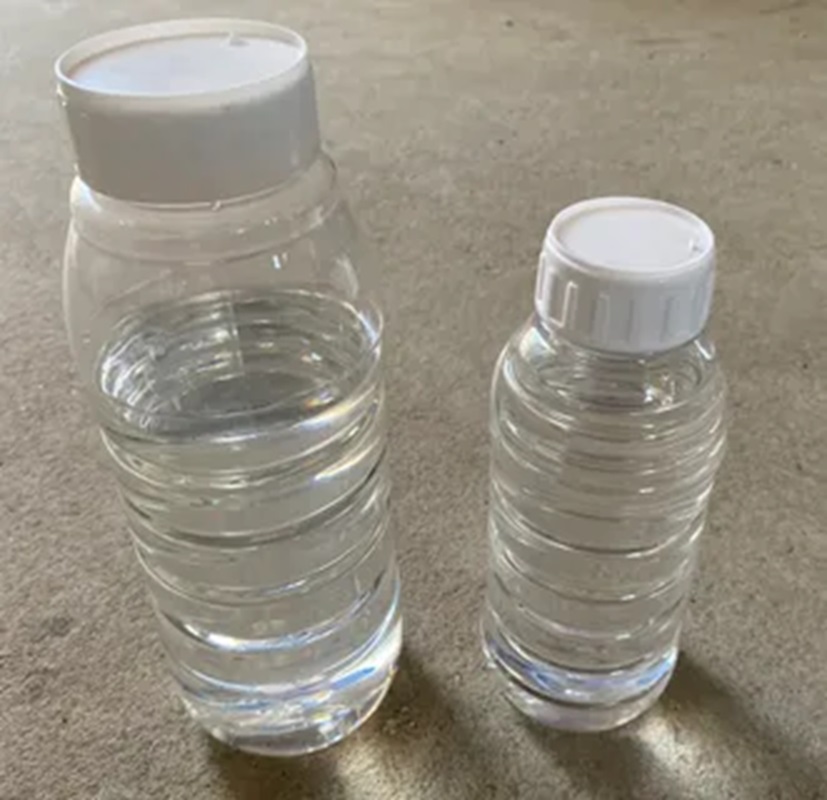
| Appearance | Clear, colorless viscous liquid |
PEG 400 is produced by polymerization of ethylene oxide with water, monoethylene glycol, or diethylene glycol.
2.2 Oleic Acid
| Parameter | Value |
|---|---|
| CAS Number | 112-80-1 |
| Molecular Formula | C₁₈H₃₄O₂ |
| Chain | C18:1 (monounsaturated) |
| Source | Vegetable oils (olive, sunflower) or tallow |
3. Physical Properties
3.1 General Physical Properties
| Property | Value |
|---|---|
| Appearance | Clear to pale yellow to amber viscous liquid |
| Physical state (20°C) | Liquid (viscous) |
| Odor | Mild fatty, characteristic odor |
| Color (APHA) | ≤ 100 (yellow to amber) |
| Density (25°C) | ~1.01 g/cm³ (1.00–1.05) |
| Viscosity (25°C) | 200–400 cP (viscous) |
| Refractive index (nD25) | 1.470–1.475 |
| Melting point | Not applicable (liquid at room temperature) |
| Boiling point | ~100°C (decomposes) |
| Flash point | >200°C (non-flammable) |
| Vapor pressure | Negligible |
| HLB (Hydrophilic-Lipophilic Balance) | ~11–12 (oil-in-water emulsifier) |
3.2 Solubility
| Solvent | Solubility |
|---|---|
| Water | Soluble (dispersible) |
| Ethanol | Soluble |
| Isopropanol | Soluble |
| Mineral oil | Soluble |
| Vegetable oils | Soluble |
| Acetone | Soluble |
| Aliphatic hydrocarbons | Partially soluble |
| Aromatic hydrocarbons | Soluble |
4. Chemical Properties
4.1 Molecular Structure
PEG 400 Oleate is an ester formed by the reaction of:
-
Polyethylene Glycol 400 (hydrophilic head – polyether chain)
-
Oleic Acid (hydrophobic tail – C18 unsaturated fatty acid)
Structure: CH₃(CH₂)₇CH=CH(CH₂)₇COO-(CH₂CH₂O)ₙH (where n ≈ 8–9)
4.2 Production Method
Reaction: Oleic acid + PEG 400 → PEG 400 Oleate + H₂O
Process:
-
Oleic acid and PEG 400 are reacted under heat (150–200°C)
-
Acid catalyst (e.g., p-toluenesulfonic acid) or enzymatic catalyst may be used
-
Water is removed to drive reaction to completion
-
Product is purified, neutralized, and filtered
Typical conversion: >95% esterification
4.3 Key Functional Properties
| Property | Description |
|---|---|
| HLB value | ~11–12 – suitable for oil-in-water (O/W) emulsions |
| Surfactant type | Non-ionic – compatible with anionic, cationic, and other non-ionic surfactants |
| Emulsification | Excellent for oils, fats, and waxes |
| Solubilization | Solubilizes essential oils and fragrances |
| Wetting agent | Reduces surface tension |
| Dispersant | Stabilizes pigment and particle dispersions |
| Lubricity | Provides lubricating properties |
| Humectant | Retains moisture (PEG component) |
| Biodegradability | Readily biodegradable |
5. Quality Specifications
5.1 Typical Specifications (Commercial Grade)
| Parameter | Specification | Test Method |
|---|---|---|
| Appearance | Clear to pale yellow to amber viscous liquid | Visual |
| Color (APHA) | ≤ 100 | Visual |
| Odor | Mild fatty odor | Organoleptic |
| Acid value | ≤ 3–10 mg KOH/g (depending on grade) | Titration |
| Saponification value | 60–80 mg KOH/g | Titration |
| Hydroxyl value | 50–70 mg KOH/g | Titration |
| Water content (K. Fischer) | ≤ 0.5% | Karl Fischer |
| pH (5% aqueous solution) | 5.0–7.0 (neutral to slightly acidic) | pH meter |
| Viscosity (25°C) | 200–400 cP | Brookfield |
| Density (25°C) | 1.00–1.05 g/cm³ | Hydrometer |
| HLB | 11–12 | Calculated |
| Cloud point | Not applicable (soluble) | — |
| Peroxide value | ≤ 5 meq/kg | Titration |
| Heavy metals (as Pb) | ≤ 10 ppm | ICP-OES |
5.2 Typical Specifications (Cosmetic Grade)
| Parameter | Specification |
|---|---|
| Purity | ≥ 98% |
| Residual PEG 400 | ≤ 3% |
| Residual oleic acid | ≤ 2% |
| Dioxane content (by-product) | ≤ 5 ppm (for cosmetic use) |
| Ethylene oxide (residual) | ≤ 1 ppm |
| Heavy metals | ≤ 5 ppm |
| Microbial limits | ≤ 100 CFU/g (total count) |
| Preservative | None (self-preserving due to low water activity) |
6. Industrial Applications
6.1 Cosmetics and Personal Care (Primary Application)
| Application | Function | Typical Concentration |
|---|---|---|
| Creams and lotions | Emulsifier (O/W), stabilizer | 1–5% |
| Shampoos and conditioners | Emollient, lubricant, detangler | 0.5–3% |
| Facial cleansers | Solubilizer, mild surfactant | 1–5% |
| Body washes | Foam booster, emollient | 1–3% |
| Makeup removers | Solubilizes oils and makeup | 2–10% |
| Sunscreens | Emulsifier, dispersant | 1–4% |
| Hair oils | Lubricant, shine enhancer | 0.5–2% |
| Shaving creams | Lubricant, foam stabilizer | 1–3% |
Benefits in cosmetics:
-
Mild to skin (non-ionic, low irritation)
-
Moisturizing (PEG component retains water)
-
Enhances product spreadability
-
Stable across wide pH range (4–9)
6.2 Pharmaceutical Applications
| Application | Function | Typical Concentration |
|---|---|---|
| Topical creams and ointments | Emulsifier, penetration enhancer | 1–10% |
| Oral liquid formulations | Solubilizer, taste-masking | 0.5–5% |
| Suppositories | Emulsifier, release modifier | 1–5% |
| Transdermal patches | Penetration enhancer | Variable |
| Vaccine adjuvants | Emulsifier in oil-in-water emulsions | 1–5% |
6.3 Industrial and Institutional Cleaners
| Application | Function | Typical Concentration |
|---|---|---|
| Industrial degreasers | Emulsifies oils and greases | 1–10% |
| Metal cleaning | Wetting agent, emulsifier | 0.5–5% |
| Hard surface cleaners | Wetting, soil suspension | 0.5–3% |
| Car wash formulations | Emulsifier, foam booster | 1–5% |
| Engine degreasers | Oil solubilizer | 2–10% |
6.4 Textile Industry
| Application | Function |
|---|---|
| Fiber lubricant | Reduces friction during processing |
| Antistatic agent | Reduces static charge |
| Knitting oils | Lubricant |
| Dyeing auxiliaries | Dispersant, leveling agent |
| Fabric softeners | Emulsifier, softener |
6.5 Plastic and Polymer Industry
| Application | Function |
|---|---|
| Internal lubricant | Improves melt flow, reduces torque |
| External lubricant | Mold release agent |
| Antistatic agent | Reduces surface resistivity |
| Dispersant for pigments | Improves color distribution |
| Plasticizer | Increases flexibility (minor use) |
| Stabilizer | Heat stabilizer co-agent |
6.6 Paints, Coatings, and Inks
| Application | Function |
|---|---|
| Pigment dispersant | Stabilizes pigment suspensions |
| Wetting agent | Improves substrate wetting |
| Leveling agent | Improves flow and leveling |
| Defoamer | Reduces foam (at higher concentrations) |
| Flexographic inks | Solvent for basic dyes |
6.7 Food Industry (Limited – Check local regulations)
| Application | Function |
|---|---|
| Emulsifier in processed foods | Oil-in-water emulsifier |
| Bakery products | Dough conditioner |
| Beverage emulsions | Flavor oil solubilizer |
| Dairy analogs | Emulsion stabilizer |
Note: Food-grade product required; verify local regulatory approval.
6.8 Agriculture
| Application | Function |
|---|---|
| Pesticide emulsifier | Emulsifies pesticide concentrates |
| Adjuvant | Improves wetting and penetration |
| Fertilizer additive | Dispersant |
7. Comparison with Other PEG Esters
| Property | PEG 400 Oleate | PEG 400 Stearate | PEG 400 Laurate | PEG 400 Dioleate |
|---|---|---|---|---|
| Fatty acid | Oleic (C18:1) | Stearic (C18:0) | Lauric (C12:0) | Oleic (C18:1) |
| HLB | ~11–12 | ~11–12 | ~14–15 | ~6–8 |
| Form at 20°C | Liquid | Paste/solid | Liquid | Liquid |
| Unsaturation | Yes | No | No | Yes |
| Emulsion type | O/W | O/W | O/W | W/O |
| Primary use | Cosmetics, emulsifier | Creams, lotions | Detergents | W/O emulsifier |
8. Safety and Toxicology
8.1 Acute Toxicity
| Parameter | Value |
|---|---|
| Oral LD₅₀ (rat) | >5,000 mg/kg (low toxicity) |
| Dermal LD₅₀ (rabbit) | >2,000 mg/kg |
| Skin irritation | Mild irritant (may cause mild irritation with prolonged contact) |
| Eye irritation | Mild to moderate irritant |
| Skin sensitization | Generally non-sensitizer |
| Inhalation | Not expected to be hazardous (low vapor pressure) |
8.2 Special Concerns
| Concern | Information |
|---|---|
| Dioxane (1,4-dioxane) contamination | Trace amounts may be present as by-product of ethoxylation; cosmetic grades are purified to ≤5 ppm |
| Ethylene oxide residue | Residual EO may be present at trace levels (<1 ppm in purified grades) |
| Biodegradability | Readily biodegradable |
| Aquatic toxicity | Low to moderate |
8.3 GHS Classification (Typical)
| Classification | Category |
|---|---|
| Signal word | None (not classified as hazardous for most grades) |
| Hazard statements | None (for pure product) |
| Precautionary statements | P264, P280, P302+P352, P305+P351+P338, P332+P313, P337+P313 |
8.4 Dioxane Concern – Important Note
PEG-based surfactants (including PEG 400 Oleate) may contain trace amounts of 1,4-dioxane, a potential human carcinogen (IARC Group 2B – possibly carcinogenic to humans).
Regulatory limits:
-
US FDA: Not specified (but manufacturers use vacuum stripping to reduce levels)
-
EU Cosmetic Regulation: Not specified, but good manufacturing practices require minimization
-
Cosmetic grade: Typically ≤5 ppm 1,4-dioxane
-
Pharmaceutical grade: Typically ≤10 ppm (USP) or as specified
9. GHS Classification
| Classification | Category |
|---|---|
| Signal word | None (not hazardous per CLP for most grades) |
| Hazard statements | None (under normal conditions) |
| Precautionary statements | P264, P280, P302+P352, P305+P351+P338, P332+P313, P337+P313 |
10. First Aid Measures
| Exposure Route | Action |
|---|---|
| Eye contact | Rinse with plenty of water for 15 minutes; seek medical attention if irritation persists |
| Skin contact | Wash with soap and water; remove contaminated clothing |
| Inhalation | Remove to fresh air (unlikely due to low vapor pressure) |
| Ingestion | Rinse mouth; do NOT induce vomiting; drink water; seek medical attention if large amount swallowed |
11. Environmental Fate
| Parameter | Value |
|---|---|
| Biodegradability | Readily biodegradable (OECD 301) |
| Aquatic toxicity (fish, LC₅₀, 96 hours) | 10–100 mg/L (low to moderate) |
| Daphnia magna (EC₅₀, 48 hours) | 10–100 mg/L |
| Bioaccumulation | Low potential |
12. Storage and Handling
12.1 Handling Precautions
| Parameter | Recommendation |
|---|---|
| Ventilation | Adequate ventilation; no special requirements |
| Personal hygiene | Wash hands after handling |
| Spill response | Absorb with inert material; collect in sealed containers |
12.2 Storage Conditions
| Parameter | Requirement |
|---|---|
| Temperature | 5–40°C (room temperature) |
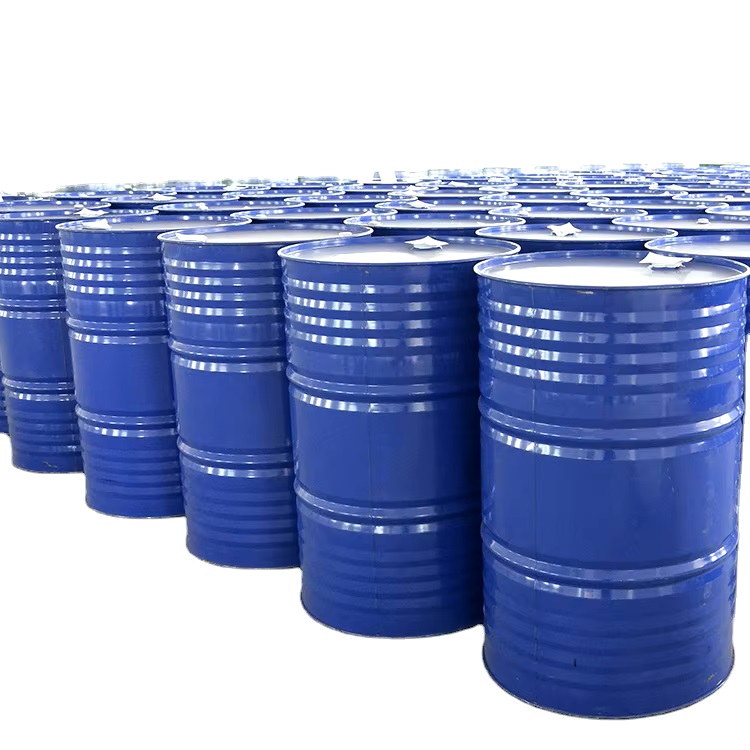
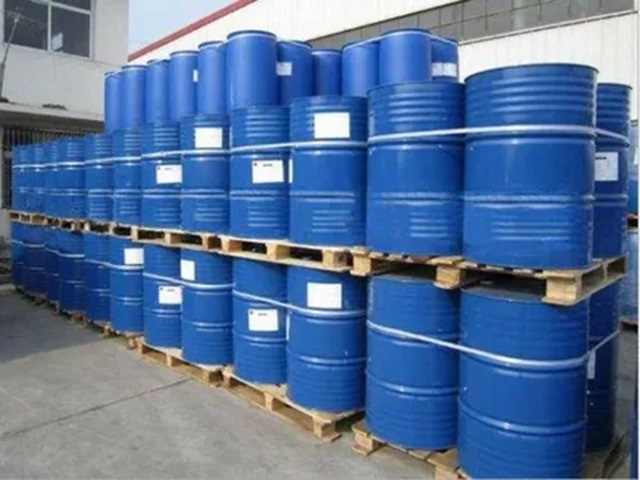
| Container | Keep tightly closed in original container (HDPE, stainless steel, or lined steel) |
| Protect from | Moisture (hygroscopic to some extent), extreme heat, strong oxidizing agents |
| Environment | Cool, dry, well-ventilated area |
| Shelf life (unopened) | 24 months |
| Shelf life (opened) | 12 months (if protected from contamination) |
Degradation indicators:
-
Acid value increase (hydrolysis – free fatty acid formation)
-
Color darkening
-
Peroxide value increase (oxidation of oleate double bond)
12.3 Container Materials
| Container Type | Suitability |
|---|---|
| HDPE (High-Density Polyethylene) | Suitable |
| Polypropylene | Suitable |
| Stainless steel (304, 316) | Suitable |
| Glass | Suitable |
| Carbon steel | Suitable (dry conditions) |
| Aluminum | Suitable |
| Copper | Not recommended (may catalyze oxidation) |
13. Transport Information
| Regulation | Classification |
|---|---|
| UN Number | Not regulated |
| ADR/RID | Not classified as dangerous goods |
| IMDG | Not regulated |
| IATA | Not regulated |
| Proper shipping name | Polyethylene glycol oleate (non-hazardous) |
14. Synonyms and Common Names
-
English: PEG 400 Oleate, Polyethylene Glycol 400 Monooleate, PEG-8 Oleate (approx.), Polyoxyethylene (8) Monooleate, PEG 400 Monooleate, Macrogol Oleate
-
Trade names: Eumulgin O 8, Kessco PEG 400 MO, Lipopeg 400 MO, Nikkol MYO-8, Protachem 400-MO, Tegin O 85, Varonic 400 MO
-
French: Oléate de polyéthylène glycol 400
-
German: Polyethylenglykol 400 oleat
-
Spanish: Oleato de polietilenglicol 400
-
Turkish: Polietilen Glikol 400 Oleat, PEG 400 Oleat
15. Regulatory Status
| Regulation | Status |
|---|---|
| REACH (EU) | Registered |
| TSCA (US) | Listed |
| FDA | Permitted for food contact and as indirect food additive (21 CFR) – specific applications |
| EU Cosmetics Regulation (EC 1223/2009) | Permitted as emulsifier |
| RoHS | Compliant |
16. Why Choose PEG 400 Oleate?
| Advantage | Description |
|---|---|
| Excellent emulsifier | Forms stable oil-in-water (O/W) emulsions |
| Non-ionic surfactant | Compatible with all surfactant types (anionic, cationic, amphoteric) |
| Wide pH stability | Stable from pH 4–9 |
| Mild to skin | Low irritation potential – suitable for sensitive skin formulations |
| Moisturizing properties | PEG component acts as humectant |
| Biodegradable | Environmentally friendly |
| Low toxicity | Safe for cosmetic and pharmaceutical use |
| Liquid at room temperature | Easy to handle and incorporate |
| Versatile | Multiple applications across industries |
| Good solubilizer | Solubilizes oils, fragrances, and active ingredients |
Limitations:
-
Potential 1,4-dioxane contamination – requires purification for cosmetic/pharmaceutical grades
-
May cause mild irritation at high concentrations
-
Oxidation susceptibility – oleate double bond may oxidize over time (add antioxidants for long-term stability)
-
High viscosity – may require warming for easier handling in cold climates
17. Typical Formulations
17.1 O/W Cream (Cosmetic)
| Component | % w/w |
|---|---|
| PEG 400 Oleate | 2.0 |
| Cetearyl alcohol | 2.0 |
| Mineral oil | 5.0 |
| Glycerin | 3.0 |
| Preservative | qs |
| Water | to 100 |
17.2 Industrial Degreaser Concentrate
| Component | % w/w |
|---|---|
| PEG 400 Oleate | 5.0 |
| Sodium metasilicate | 5.0 |
| Sodium carbonate | 5.0 |
| Non-ionic surfactant blend | 10.0 |
| Water | to 100 |
18. Storage Stability and Shelf Life
| Parameter | Value |
|---|---|
| Shelf life (unopened) | 24 months (proper storage) |
| Shelf life (opened) | 12 months (if protected from contamination) |
| Storage temperature | 5–40°C |
| Stability | Stable; avoid extreme heat, strong oxidizing agents |
Degradation indicators:
-
Increase in acid value (hydrolysis)
-
Color darkening (oxidation)
-
Peroxide value increase
19. PEG 400 Oleate vs. Other PEG Esters – Selection Guide
| HLB Range | PEG Ester | Application |
|---|---|---|
| 2–6 | PEG 400 Dioleate | W/O emulsifier, antifoam |
| 8–10 | PEG 400 Monolaurate | Detergents, wetting agents |
| 11–12 | PEG 400 Monooleate | O/W emulsifier, cosmetics |
| 11–12 | PEG 400 Monostearate | Creams, lotions |
| 14–15 | PEG 400 Dilaurate | Detergents, solubilizers |
| 16–18 | PEG 40 Stearate | High HLB emulsifier, solubilizer |
20. Summary Table – Key Specifications at a Glance
| Parameter | Value |
|---|---|
| Product Name | Polyethylene Glycol 400 Oleate (PEG 400 Oleate) |
| CAS Number | 9004-96-0 |
| EC Number | 500-016-2 / 253-134-9 |
| Appearance | Clear to pale yellow to amber viscous liquid |
| Odor | Mild fatty |
| Density (25°C) | ~1.01 g/cm³ |
| Viscosity (25°C) | 200–400 cP |
| Acid Value | ≤ 3–10 mg KOH/g |
| Saponification Value | 60–80 mg KOH/g |
| HLB | ~11–12 |
| Water Solubility | Soluble |
| Flash Point | >200°C |
| Primary Applications | Cosmetics (emulsifier), pharmaceuticals (emulsifier), industrial cleaners, textiles, plastics |
| Biodegradability | Readily biodegradable |
| GHS Signal Word | None (non-hazardous for most grades) |
This TDS is prepared in compliance with ISO 11014-1 format and is intended for cosmetic formulators, pharmaceutical scientists, industrial cleaning formulators, textile chemists, and procurement professionals. Certificates of Analysis (CoA), Safety Data Sheets (SDS), and sample validation reports are available upon request.