We unleash your business potential by maximize the business innovation.
Send EmailAmmonia, Ammonia Anhydrous, Liquid Ammonia, Aqueous Ammonia, Aqua Ammonia, Ammonium Hydroxide Solution, 7664-41-7
AMMONIA (NH₃)
PRODUCT IDENTIFICATION INFORMATION
| Parameter | Information |
|---|---|
| Product Name | Ammonia |
| Chemical Name | Ammonia |
| Synonyms (Turkish) | Amonyak, Amonyak Susuz, Sulu Amonyak, Sıvı Amonyak, Am-fol |
| Synonyms (English) | Ammonia, Ammonia Anhydrous, Liquid Ammonia, Aqueous Ammonia, Aqua Ammonia, Ammonia TS, Ammonium Hydroxide (solution), Am-fol |
| CAS Number | 7664-41-7 |
| EC Number | 231-635-3 |
| Molecular Formula | NH₃ |
| Molecular Weight | 17.031 g/mol |
| Appearance | Colorless gas or liquid (under pressure/cooling) |
| Odor | Sharp, pungent, characteristic odor |
CHEMICAL STRUCTURE
Ammonia Structure:
        H
         \
          N — H
         /
        H
Structure Description:
-
Covalently bonded compound (non-metal + non-metal).
-
One nitrogen atom bonded to three hydrogen atoms.
-
Trigonal pyramidal molecular geometry (due to lone pair of electrons).
-
Polar molecule (high dipole moment).
-
Contains a lone pair of electrons on the nitrogen atom.
-
Forms hydrogen bonds with water molecules, leading to high solubility.
-
Weak base (does not contain OH⁻ ions but accepts protons).
SECTION 1: CHEMICAL IDENTITY AND DESCRIPTION
| Parameter | Information |
|---|---|
| Product Name | Ammonia |
| Chemical Name | Ammonia |
| Synonyms (Turkish) | Amonyak, Amonyak Susuz, Sulu Amonyak, Sıvı Amonyak, Am-fol |
| Synonyms (English) | Ammonia, Ammonia Anhydrous, Liquid Ammonia, Aqueous Ammonia, Aqua Ammonia, Ammonia TS, Ammonium Hydroxide (solution), Am-fol |
| CAS Number | 7664-41-7 |
| EC Number | 231-635-3 |
| Molecular Formula | NH₃ |
| Molecular Weight | 17.031 g/mol |
| Chemical Class | Inorganic compound; Hydride; Nitrogen compound; Weak base |
| Source | Synthetic (Haber-Bosch process: nitrogen + hydrogen) |
| Physical State (20°C) | Gas (under normal conditions); Liquid (under pressure/cooling) |
| Odor | Sharp, pungent, characteristic, irritating |
| Color | Colorless |
| Taste | Sharp, alkaline taste (in solution) |
SECTION 2: PHYSICAL AND CHEMICAL PROPERTIES
| Property | Value | Test Method / Note |
|---|---|---|
| Appearance | Colorless gas or liquid | Visual |
| Odor | Sharp, pungent, characteristic | Olfactometric |
| Molecular Weight | 17.031 g/mol | Calculated |
| Density (Gas, 0°C, 1 atm) | 0.695 g/L | – |
| Density (Liquid, -33°C) | ~0.682 g/cm³ | – |
| Density (Aqueous Solution 25%) | ~0.88 g/cm³ | – |
| Melting Point | -78°C | DSC |
| Boiling Point | -33°C | – |
| Flash Point | Non-flammable (but forms explosive mixtures) | – |
| Autoignition Temperature | 651°C | – |
| Explosive Limits | 15 – 28% (by volume in air) | – |
| Solubility in Water (25°C) | Very high (~34 g/100 g water) | General Method |
| Solubility in Chloroform | Soluble | General Method |
| Solubility in Ether | Soluble | General Method |
| Vapor Pressure (20°C) | ~8.5 bar (liquid) | – |
| pH (Aqueous 1% Solution) | ~11.0 – 12.0 (strong alkaline) | pH Meter |
| Critical Relative Humidity | High (absorbs moisture) | – |
| Stability | Stable under normal conditions | – |
| Heat of Vaporization | Very high (used as refrigerant) | – |
| pKb | 4.75 (weak base) | – |
| Heavy Metals (as Pb) | ≤ 5 ppm | AAS / ICP |
| Oil Content | ≤ 5 ppm (anhydrous) | – |
| Water Content | ≤ 0.2% (anhydrous grade) | Karl Fischer |
| Purity (NH₃) | ≥ 99.5% (anhydrous); 25% (aqueous solution) | Titrimetric |
SECTION 3: AMMONIA vs OTHER NITROGEN COMPOUNDS
| Property | Ammonia (NH₃) | Ammonium Hydroxide (NH₄OH) | Ammonium Nitrate (NH₄NO₃) | Urea (CO(NH₂)₂) |
|---|---|---|---|---|
| CAS Number | 7664-41-7 | 1336-21-6 | 6484-52-2 | 57-13-6 |
| Form | Gas/Liquid | Aqueous Solution | Solid | Solid |
| Nitrogen Content | ~82% | ~25% (solution) | ~34-35% | ~46% |
| pH | ~11-12 (solution) | ~11-12 | ~4.5-6.0 | ~7.0 |
| Base Strength | Weak base | Weak base | Neutral salt | Neutral |
| Vapor Pressure | Very high | Moderate | None | None |
| Odor | Sharp, pungent | Sharp, pungent | Odorless | Odorless |
| Primary Use | Fertilizer, refrigerant, chemical | Cleaning, chemical | Fertilizer, explosive | Fertilizer |
| Toxicity | Toxic (inhalation) | Moderate | Low | Very low |
SECTION 4: MECHANISM OF ACTION
| Property | Description |
|---|---|
| Basicity | Acts as a weak base; Accepts protons (H⁺) from acids; NH₃ + H⁺ → NH₄⁺; Forms salts with acids (ammonium salts); pH regulator in industrial processes. |
| Hydrogen Bonding | Forms hydrogen bonds with water molecules; High solubility in water; NH₃ + H₂O ⇌ NH₄⁺ + OH⁻; Creates alkaline solution. |
| Reduction | Acts as a reducing agent in some reactions; Can reduce metal oxides; Used in some chemical syntheses. |
| Nutrient Source (Nitrogen) | Provides nitrogen for plant growth; Converted to nitrate by soil bacteria; Essential for protein and amino acid synthesis; Key component of fertilizers. |
| Refrigerant Effect | High latent heat of vaporization; Absorbs heat during evaporation; Used in industrial refrigeration systems; Vapor compression cycle. |
| Complex Formation | Forms complexes with metal ions (e.g., copper, silver); Used in metal processing and extraction; Ligand in coordination chemistry. |
SECTION 5: PRODUCTION PROCESS
Industrial Production Method (Haber-Bosch Process):
Reaction: N₂(g) + 3H₂(g) ⇌ 2NH₃(g) + Heat
Process Flow:
Nitrogen (from air) + Hydrogen (from natural gas/water gas) → Compression (200-300 bar) → Heating (400-500°C) → Catalyst (Iron-based) → Reaction → Cooling → Ammonia Condensation → Anhydrous Ammonia
Step-by-Step Description:
-
Nitrogen Source: Nitrogen is obtained by fractional distillation of air or from air separation units.
-
Hydrogen Source: Hydrogen is obtained from natural gas via steam reforming (methane + steam → CO + H₂) or from water gas shift reaction.
-
Compression: Nitrogen and hydrogen are compressed to 200-300 bar pressure.
-
Heating: Compressed gases are heated to 400-500°C.
-
Catalytic Reaction: Gases pass over a promoted iron catalyst (magnetite with promoters: K₂O, CaO, Al₂O₃).
-
Ammonia Formation: Reaction proceeds under high pressure and temperature; Yield is limited by equilibrium (about 15-20% per pass).
-
Cooling and Condensation: Gases are cooled to condense liquid ammonia.
-
Recycle: Unreacted nitrogen and hydrogen are recycled back to the reactor.
-
Final Product: Anhydrous liquid ammonia is collected and stored under pressure; Dilute aqueous solutions (25-34%) are produced by dissolving in water.
Alternative Sources: Ammonia can also be produced from coal gasification or as a by-product of coke ovens (historical methods).
SECTION 6: FUNCTIONAL PROPERTIES
| Property | Description |
|---|---|
| Fertilizer / Nitrogen Source | Direct nitrogen fertilizer (anhydrous or aqueous); Precursor for ammonium nitrate, ammonium sulfate, urea, MAP, DAP; Provides essential nitrogen for plant growth; Applied directly to soil (anhydrous) or in solution. |
| Refrigerant | High latent heat of vaporization; Used in industrial refrigeration (large-scale cooling); Vapor compression refrigeration cycles; Ice manufacturing, food processing, cold storage; Environmentally friendly (zero ODP, zero GWP). |
| Cleaning Agent | Effective degreaser and cleaner; Removes oil, grease, and dirt; Used in household and industrial cleaners; Glass and surface cleaning; Aluminum surface cleaning (with methylene chloride). |
| Chemical Intermediate | Precursor for many industrial chemicals; Production of nitric acid (Ostwald process); Urea synthesis; Production of amines, acrylonitrile, and hydrazine; Solvay process (soda ash). |
| pH Buffer / Neutralizer | Neutralizes acidic streams; pH regulator in industrial processes; Used in wastewater treatment; Latex preservation and stabilization. |
| Corrosion Inhibitor | Protects tanks and equipment from corrosion; Used in storage systems; pH adjustment prevents acidic corrosion. |
SECTION 7: MAIN APPLICATION AREAS
| Industry / Application | Function | Typical Use |
|---|---|---|
| Agriculture (Fertilizer) | Direct nitrogen fertilizer, precursor | Anhydrous ammonia injection into soil; Ammonium nitrate, ammonium sulfate, urea, MAP, DAP production; ~90% of global ammonia production. |
| Refrigeration | Refrigerant | Industrial refrigeration systems; Ice plants, cold storage, food processing; Large-scale HVAC systems; Environmentally friendly refrigerant. |
| Cleaning Products | Degreaser, cleaner | Household and industrial cleaners; Glass and surface cleaners; Hard surface cleaning; Aluminum surface degreasers. |
| Chemical Industry | Chemical intermediate | Nitric acid production (Ostwald process); Urea synthesis; Caprolactam, acrylonitrile, hydrazine production; Solvay process (soda ash). |
| Wastewater Treatment | pH neutralizer | Neutralization of acidic streams; pH adjustment; Biological nutrient removal (nitrification/denitrification). |
| Rubber & Latex | Preservative, stabilizer | Natural and synthetic latex preservation; Prevents coagulation; Stabilizes latex emulsions. |
| Pharmaceutical | Buffer, pH regulator | Pharmaceutical formulations; Buffer solutions; pH adjustment; Therapeutic applications (ammonia salts). |
| Leather & Textile | Degreasing, cleaning | Leather processing; Textile cleaning and finishing; Wool scouring; Degreasing operations. |
| Metallurgy | Metal processing | Copper extraction (ammoniacal leaching); Metal plating; Surface treatment; Brass and bronze production. |
| Construction | Binder, additive | Cement and concrete additives; Wood preservatives; Flame retardant formulations. |
SECTION 8: SAMPLE FORMULATIONS
Aqueous Ammonia Solution (25% w/w):
| Component | Amount |
|---|---|
| Anhydrous Ammonia (NH₃) | 25 kg |
| Deionized Water | 75 kg |
| Instructions: Dissolve anhydrous ammonia gas in water under controlled conditions (exothermic reaction, cooling required); Store in sealed, corrosion-resistant tanks; Do not mix with acids or oxidizing agents. |
Household Cleaner (Diluted Ammonia):
| Component | Amount |
|---|---|
| Aqueous Ammonia (25%) | 100 mL |
| Water | 900 mL |
| Instructions: Dilute aqueous ammonia with water; Use for general cleaning of glass, tiles, and surfaces; Rinse after use. |
SECTION 9: QUALITY SPECIFICATIONS
| Parameter | Anhydrous Grade | Aqueous Grade (25%) | Test Method |
|---|---|---|---|
| Appearance | Colorless gas/liquid | Colorless liquid | Visual |
| Purity (NH₃) | ≥ 99.5% | 24.5 – 25.5% | Titrimetric |
| Water Content | ≤ 0.2% | 74.5 – 75.5% | Karl Fischer |
| Oil Content | ≤ 5 ppm | ≤ 10 ppm | – |
| Iron (Fe) | ≤ 1 ppm | ≤ 2 ppm | AAS / ICP |
| Heavy Metals (as Pb) | ≤ 5 ppm | ≤ 5 ppm | AAS / ICP |
| Chloride (Cl) | ≤ 1 ppm | ≤ 2 ppm | Titrimetric |
| Residue on Evaporation | ≤ 10 ppm | ≤ 20 ppm | Gravimetric |
| pH (10% Solution) | – | 11.0 – 12.0 | pH Meter |
| Density (20°C) | 0.682 g/cm³ (liquid) | 0.88 g/cm³ | ASTM D4052 |
| Vapor Pressure (20°C) | ~8.5 bar | – | – |
SECTION 10: TOXICOLOGICAL PROFILE
| Parameter | Value |
|---|---|
| Acute Oral Toxicity (LD50, Rat) | ~ 350 mg/kg (moderate toxicity) |
| Acute Inhalation Toxicity (LC50, Rat, 4h) | ~ 2,000 ppm (gas) |
| Skin Irritation | Corrosive; Severe burns possible (concentrated) |
| Eye Irritation | Severe; Can cause blindness |
| Inhalation Toxicity | Highly toxic; Respiratory tract irritation and damage; Pulmonary edema at high concentrations |
| Chronic Toxicity | Long-term exposure can cause respiratory damage |
| Carcinogenicity | Not classified as carcinogenic |
| Mutagenicity | Not mutagenic |
| Reproductive Toxicity | No reproductive toxicity at normal levels |
| Environmental Toxicity | Toxic to aquatic organisms; May cause eutrophication; Harmful to aquatic life |
| Special Toxicity Note | Highly corrosive and toxic; OSHA PEL: 50 ppm (8-hour TWA); IDLH: 300 ppm; NIOSH STEL: 35 ppm; Immediate medical attention required for inhalation; Handle with extreme caution. |
SECTION 11: GHS CLASSIFICATION AND LABELING
GHS Classification (in accordance with CLP and UN GHS):
| Hazard Class | Category | H-Statement |
|---|---|---|
| Acute Toxicity (Inhalation) | Category 3 | H331 |
| Skin Corrosion/Irritation | Category 1B | H314 |
| Serious Eye Damage | Category 1 | H318 |
| Acute Aquatic Toxicity | Category 1 | H400 |
| Flammable Gas | Category 2 | H221 |
| Gas Under Pressure | – | H280 |
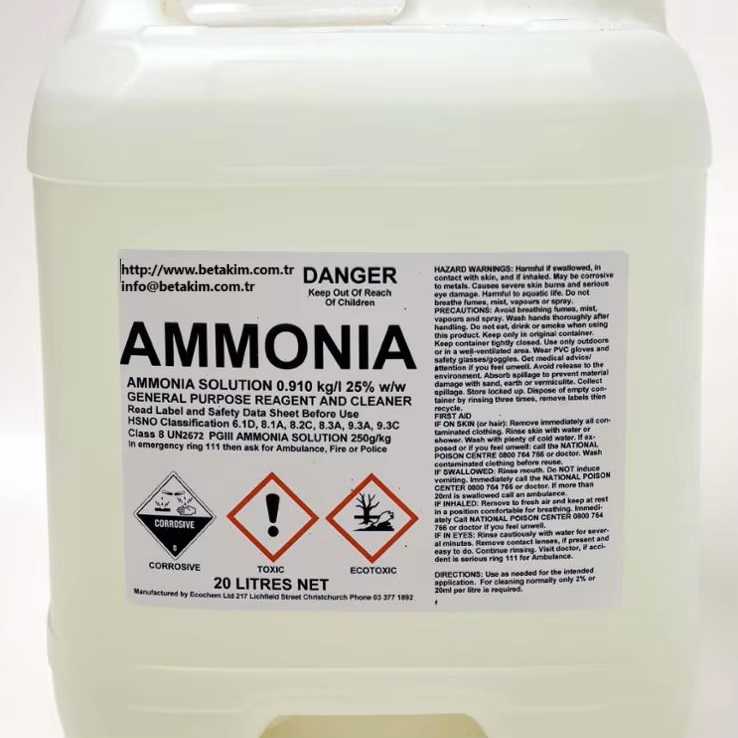
Signal Word: DANGER
Hazard Pictograms: GHS02 (Flame), GHS04 (Gas Cylinder), GHS05 (Corrosive), GHS06 (Skull and Crossbones), GHS09 (Environment)
Hazard Statements (H-Codes):
| Code | Statement |
|---|---|
| H221 | Flammable gas |
| H280 | Contains gas under pressure; may explode if heated |
| H314 | Causes severe skin burns and eye damage |
| H318 | Causes serious eye damage |
| H331 | Toxic if inhaled |
| H400 | Very toxic to aquatic life |
NFPA 704 Hazard Classification:
| Health | Flammability | Reactivity | Special |
|---|---|---|---|
| 3 | 1 | 0 | COR |
| (Severe health hazard - corrosive) | (Flammable) | (Stable) | (Corrosive) |
SECTION 12: PRECAUTIONARY STATEMENTS (P-CODES)
| Code | Statement |
|---|---|
| P210 | Keep away from heat/sparks/open flames/hot surfaces — No smoking |
| P260 | Do not breathe gas/dust/fume/vapors/spray |
| P280 | Wear protective gloves/protective clothing/eye protection/face protection |
| P301+P330+P331 | IF SWALLOWED: Rinse mouth. Do NOT induce vomiting |
| P303+P361+P353 | IF ON SKIN (or hair): Take off immediately all contaminated clothing. Rinse skin with water/shower |
| P304+P340 | IF INHALED: Remove person to fresh air and keep comfortable for breathing |
| P305+P351+P338 | IF IN EYES: Rinse cautiously with water for several minutes. Remove contact lenses if present and continue rinsing |
| P310 | Immediately call a POISON CENTER/doctor |
| P363 | Wash contaminated clothing before reuse |
| P403+P233 | Store in a well-ventilated place. Keep container tightly closed |
| P405 | Store locked up |
| P501 | Dispose of contents/container in accordance with local/regional/national/international regulations |
SECTION 13: FIRST AID MEASURES
| Exposure Route | Action to Take |
|---|---|
| Inhalation | Remove to fresh air immediately. Keep breathing. If breathing has stopped, give artificial respiration (mouth-to-mouth). Get immediate medical attention. |
| Skin Contact | Immediately remove contaminated clothing. Rinse with plenty of water for at least 15 minutes. Get immediate medical attention. |
| Eye Contact | Immediately rinse with plenty of water for at least 15 minutes. Keep eyelids open. Remove contact lenses. Get immediate medical attention. |
| Ingestion | Rinse mouth. Do not induce vomiting. Drink plenty of water. Get immediate medical attention. |
| Note | Ammonia is corrosive and toxic; immediate medical attention is required for any significant exposure. |
SECTION 14: FIREFIGHTING MEASURES
| Parameter | Information |
|---|---|
| Fire Hazard | Flammable gas. Explosive in air (15-28% concentration). |
| Hazards Arising from Fire | Thermal decomposition produces nitrogen oxides (NOx) and ammonia; Toxic and corrosive fumes. |
| Suitable Extinguishing Media | Water spray, CO₂, dry chemical powder, foam (alcohol-resistant). |
| Unsuitable Extinguishing Media | Water jet (may spread gas), halon (ineffective). |
| Special Protective Equipment | Self-contained breathing apparatus (SCBA), full protective clothing, firefighting goggles. |
| Special Precautions | Evacuate area immediately; Cool fire-exposed containers with water spray; Stop leak if safe to do so; Use water to absorb gas; Avoid fire-fighting water entering waterways. |
SECTION 15: STORAGE AND SHELF LIFE
| Parameter | Information |
|---|---|
| Storage Conditions | Store in a cool, dry, well-ventilated area; PROTECT FROM HEAT and MOISTURE; Keep away from combustible materials and sources of ignition; Store upright. |
| Container Requirements | Pressure-rated containers (carbon steel, stainless steel, alloy steel); Sealed with appropriate gaskets; Protect from physical damage; Grounded to prevent static electricity. |
| Materials to Protect From | Heat, moisture, acids, oxidizing agents, combustible materials, organic halides |
| Shelf Life | Indefinite (if properly stored in sealed containers) |
| Stability Note | Stable under proper storage conditions; Corrosive to many metals (copper, zinc, aluminum, brass); Reacts with acids violently; Forms explosive mixtures with air (15-28%). |
| Special Storage Requirements | Store in dedicated, ventilated areas; Use pressure relief devices; Emergency shower and eyewash required; Fire protection systems required; Regular inspection of containers and safety equipment; Security controls may apply. |
SECTION 16: PACKAGING OPTIONS
| Packaging Type | Quantity | Material |
|---|---|---|
| Steel Cylinders | 10 kg, 50 kg, 100 kg | Carbon steel (pressure-rated) |
| Steel Drums | 200 kg, 500 kg | Carbon steel (pressure-rated) |
| Tank Containers (ISO Tanks) | 15,000 – 25,000 kg | Stainless steel/carbon steel |
| Railway Tank Cars | 50,000 – 100,000 kg | Carbon steel (pressure-rated) |
| Road Tankers | 10,000 – 30,000 kg | Carbon steel (pressure-rated) |
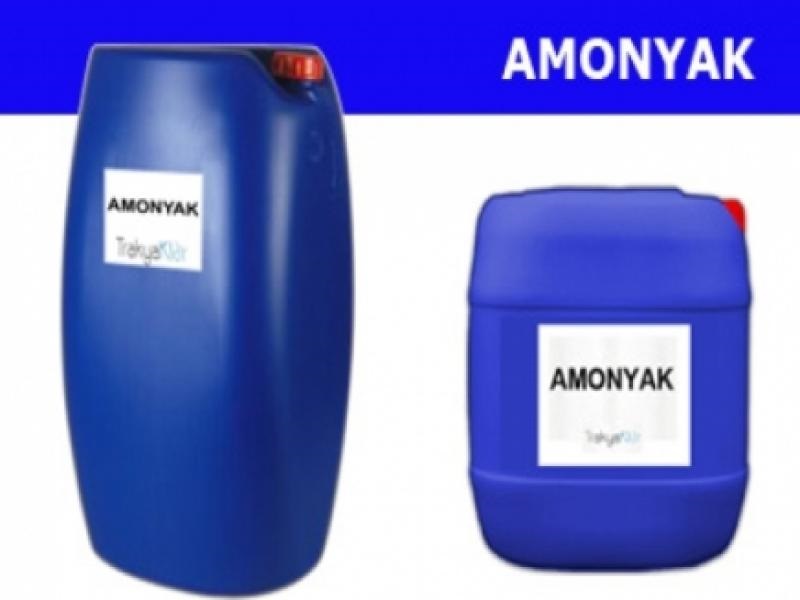
| Aqueous Solution (25%) | 200 L drums, 1000 L IBC | Carbon steel, plastic-coated steel, HDPE |
SECTION 17: TRANSPORT INFORMATION
| Parameter | Information |
|---|---|
| UN Number | UN 1005 (Ammonia, Anhydrous) / UN 2073 (Ammonia Solution) |
| Hazard Class | Class 2.3 - Toxic Gases (Anhydrous) / Class 8 - Corrosive (Aqueous) |
| Packing Group | Not applicable (gas) / III (solution) |
| ADR/RID | Class 2.3; UN 1005; Packing group: None |
| IMDG Code | Class 2.3; UN 1005; Marine pollutant: No |
| IATA (Air) | Class 2.3; UN 1005 |
| Transport Label | Toxic Gas, Flammable Gas, Corrosive |
| Marine Pollutant | No |
| Special Transport Requirements | Hazardous material with strict transport regulations; Driver must carry hazardous materials endorsement; Emergency response plan required; Segregation from combustible materials, acids, and oxidizers; Secure from unauthorized access. |
SECTION 18: REGULATORY STATUS
| Region / Authority | Status |
|---|---|
| European Union | REACH registered; Regulated as toxic and corrosive substance; Security/anti-terrorism controls apply. |
| USA (TSCA) | Listed (TSCA Inventory) |
| USA (EPA) | Regulated under Clean Air Act; RMP (Risk Management Plan) requirements for large quantities. |
| USA (OSHA) | Highly hazardous chemical (Process Safety Management); PEL: 50 ppm (TWA); STEL: 35 ppm; IDLH: 300 ppm. |
| Turkey | Regulated as hazardous chemical; Subject to KKDIK regulation; Ministry of Environment and Ministry of Agriculture controls; Large quantity storage requires environmental permit; Security controls may apply. |
| IARC | Not classified (non-carcinogenic) |
| NTP | Not listed |
| OSHA | Highly hazardous chemical (Process Safety Management) |
| California (Prop 65) | Not listed |
| Fertilizer Regulations | Subject to national fertilizer standards; Registration required for fertilizer use. |
| Security Regulations | Subject to anti-terrorism and security controls in many countries; Large quantity purchase may require licensing and background checks; Theft or diversion reporting mandatory; Cold and hot work permits required for handling. |
SECTION 19: OTHER NAMES AND SYNONYMS
| Type | Name |
|---|---|
| Turkish Names | Amonyak, Amonyak Susuz, Sulu Amonyak, Sıvı Amonyak, Am-fol |
| English Names | Ammonia, Ammonia Anhydrous, Liquid Ammonia, Aqueous Ammonia, Aqua Ammonia, Ammonia TS, Ammonium Hydroxide (solution), Am-fol |
| CAS Number | 7664-41-7 |
| EC Number | 231-635-3 |
| HS Code | 2814.10 (Anhydrous) / 2814.20 (Aqueous) |
| Synonyms | Ammonia gas, Spirit of hartshorn, Volatile alkali, Ammonium hydroxide (solution) |
SECTION 20: SUMMARY TABLE
| Parameter | Value |
|---|---|
| Product | Ammonia (NH₃) |
| CAS Number | 7664-41-7 |
| Molecular Formula | NH₃ |
| Molecular Weight | 17.031 g/mol |
| Appearance | Colorless gas/liquid |
| Odor | Sharp, pungent |
| Melting Point | -78°C |
| Boiling Point | -33°C |
| Solubility in Water | Very high (~34 g/100g at 25°C) |
| pH (1% Solution) | ~11.0 – 12.0 |
| Density (Gas) | 0.695 g/L |
| Primary Functions | Fertilizer, refrigerant, chemical intermediate, cleaner |
| Main Application Areas | Agriculture (fertilizer), refrigeration, chemical industry, cleaning, wastewater treatment |
| Shelf Life | Indefinite (sealed) |
| GHS Signal Word | DANGER |
| UN Number | 1005 (Anhydrous) / 2073 (Aqueous) |
| Hazard Class | 2.3 (Toxic Gas) / 8 (Corrosive) |
| Special Properties | Flammable gas (15-28% in air); Toxic by inhalation; Corrosive to skin and eyes; Strong base; High solubility in water; High latent heat; Environmentally friendly refrigerant; 90% used for fertilizer production. |
SECTION 21: CRITICAL WARNINGS AND BEST PRACTICES
CRITICAL WARNINGS:
-
TOXIC BY INHALATION (H331): Severe respiratory irritant; Can cause pulmonary edema and death at high concentrations. IMMEDIATE MEDICAL ATTENTION REQUIRED FOR INHALATION.
-
CORROSIVE (H314, H318): Causes severe skin burns and eye damage. PERSONAL PROTECTIVE EQUIPMENT IS MANDATORY.
-
FLAMMABLE GAS (H221): Explosive in air (15-28% concentration). KEEP AWAY FROM SOURCES OF IGNITION.
-
GAS UNDER PRESSURE (H280): May explode if heated. DO NOT EXPOSE TO HEAT.
-
TOXIC TO AQUATIC LIFE (H400): Harmful to aquatic organisms. DO NOT RELEASE TO THE ENVIRONMENT.
-
REACTS WITH ACIDS: Violent exothermic reaction; produces heat and pressure. DO NOT MIX WITH ACIDS.
-
REACTS WITH OXIDIZING AGENTS: May cause fire or explosion. DO NOT MIX WITH OXIDIZERS.
-
HIGHLY SOLUBLE IN WATER: Exothermic dissolution; can cause boiling and splashing when dissolved.
-
CORROSIVE TO METALS: Corrodes copper, zinc, aluminum, brass.
-
SECURITY CONCERNS: Subject to anti-terrorism controls in many countries.
BEST PRACTICE RECOMMENDATIONS:
-
Agriculture (Fertilizer): Use as anhydrous ammonia injection into soil; Apply during planting or pre-planting; Use specialized equipment; Follow soil testing recommendations; Depth: 15-20 cm; Avoid leaf contact; Use knife applicators; Apply when soil conditions are suitable.
-
Refrigeration: Use in industrial refrigeration systems; Monitor for leaks; Regularly inspect equipment; Use ammonia-detection systems; Maintain proper oil and moisture levels.
-
Cleaning: Use diluted solutions for cleaning (25% ammonia solution diluted 1:10); Provide adequate ventilation; Do not mix with chlorine bleach (produces toxic chloramine gas); Rinse surfaces after cleaning.
-
Handling: Use in well-ventilated areas; Use full-face respirator (ammonia cartridge) or SCBA for high concentrations; Use chemical-resistant gloves (neoprene, nitrile, PVC); Use chemical goggles and face shield; Use protective clothing (acid-resistant). DO NOT WORK ALONE.
-
Personal Protective Equipment: MANDATORY: SCBA or full-face respirator with ammonia cartridge, chemical-resistant gloves (neoprene, nitrile), safety goggles/face shield, acid-resistant protective clothing, safety boots.
-
Emergency Response: Have emergency plan in place; Install ammonia detectors; Provide eyewash and emergency shower; Know evacuation routes; Train personnel in first aid; Have emergency response contacts posted.
-
Storage: Store in pressure-rated containers; Store in well-ventilated, cool areas; Protect from heat and sunlight; Separate from incompatible materials; Use pressure relief devices; Ground all equipment; Regular inspection of containers and safety equipment; Security controls required.
-
Spill Management: Evacuate area; Wear full protective equipment; Stop leak if safe; Use water fog to absorb gas; Ventilate area; Do not allow entry into drains or waterways; Report large spills to authorities.
-
Disposal: Dispose of in accordance with local, regional, and national regulations; Hazardous waste; Use authorized disposal facilities; Neutralize with acid if required.
DETECTION METHODS:
| Method | Description | Advantages | Disadvantages |
|---|---|---|---|
| Titration (Acid-Base) | Neutralization with standard acid | Simple, accurate, standard method | Requires fresh sample |
| Ammonia Electrode | Ion-selective electrode measurement | Rapid, field-capable | Requires calibration, interferences |
| Gas Detection Tubes | Colorimetric tubes (Drager, Gastec) | Portable, simple, rapid | Limited accuracy |
| Gas Chromatography | Quantitative analysis | High sensitivity, accurate | High cost, requires expertise |
| FTIR/NDIR | Infrared absorption spectroscopy | Continuous monitoring, sensitive | High cost, calibration required |
| pH Measurement | pH of aqueous solution | Simple, rapid | Indirect, not specific |
AMMONIA vs ALTERNATIVES COMPARISON:
| Product | Chemical Name / E Code | Application | Strength | Weakness | Status |
|---|---|---|---|---|---|
| Ammonia (NH₃) | NH₃ | Fertilizer, refrigerant, chemical | High nitrogen content (82%), natural refrigerant, versatile | Toxic, corrosive, flammable, security risk | Regulated/controlled |
| Urea | CO(NH₂)₂ | Fertilizer | Highest nitrogen (46%), safe, easy handling | Volatilization loss, lower solubility | Widely available |
| Ammonium Nitrate | NH₄NO₃ | Fertilizer, explosive | 34% nitrogen, fast-acting | Explosive hazard, security risk | Regulated |
| Ammonium Sulfate | (NH₄)₂SO₄ | Fertilizer | Sulfur + nitrogen, safe | Low nitrogen (21%), acidifying | Widely available |
| R-134a (Refrigerant) | C₂H₂F₄ | Refrigeration | Non-flammable, safe | High GWP, ODP concerns | Regulated |
| R-717 (Ammonia) | NH₃ | Refrigeration | Zero ODP, zero GWP, efficient | Toxic, flammable, corrosive | Widely used |
LEGAL DISCLAIMER:
The information provided in this document is based on our current knowledge and experience and is presented in good faith. However, as all conditions of use are beyond our control, it does not constitute a binding specification or warranty. This Technical Data Sheet is for informational purposes only. Users are responsible for testing the suitability for their own applications and for complying with all local, regional, and national regulations. For complete safety, storage, use, handling, waste, and regulatory compliance information, please refer to the official Safety Data Sheet (SDS/MSDS) provided by the manufacturer/supplier. Ammonia is a toxic, corrosive, and flammable gas; strict safety, handling, and security protocols must be followed at all times.