We unleash your business potential by maximize the business innovation.
Send EmailAlcohol Polyoxyethylene Ether, Alcohol Ethoxylate, Fatty Alcohol Polyethylene Glycol Ethers, Ethoxylated Fatty Alcohol, 68439-50-9, 68439-51-0
LOW FOAM ETHOXYLATED NON-IONIC SURFACTANTS (ALCOHOL ETHOXYLATES)
1. Chemical Identity and Material Classification
-
Chemical Name: Alcohol Ethoxylates, Fatty Alcohol Polyethylene Glycol Ethers, Ethoxylated Fatty Alcohols
-
Synonyms: Nonionic Surfactants, Alcohol Polyethoxylates, Polyoxyethylene Alkyl Ethers, Alkyl Polyethylene Glycol Ethers
-
CAS Numbers:
-
68439-50-9 (C12-14 alcohol ethoxylate)
-
68439-51-0 (C12-14 alcohol ethoxylate – alternative)
-
Various other CAS for different chain lengths
-
-
General Molecular Formula: R–(OCH₂CH₂)ₙ–OH (where R = C12-C18 alkyl chain, n = 6–80)
-
Chemical Class: Non-ionic surfactant
-
UN Number: Not classified as hazardous for transport (typically)
2. Product Grades and Specifications
2.1 Available Grades (Chain Length and EO Content)
| Grade | Alcohol Chain | EO Units | Form at 20°C | HLB | Cloud Point (°C) | Primary Application |
|---|---|---|---|---|---|---|
| C12-14 + 6 EO | C12-14 | 6 | Liquid | ~11.5 | ~42 | Industrial cleaning |
| C12-18 + 7 EO | C12-18 | 7 | Liquid | ~12 | ~53 | General purpose |
| C16-18 + 11 EO | C16-18 | 11 | Solid | ~13 | ~87 | Low foam, rinse aid |
| C12-14 + 7 EO | C12-14 | 7 | Liquid | ~12 | ~79 | Detergents, cleaners |
| C16-18 + 16 EO | C16-18 | 16 | Solid/Paste | ~14 | ~95 | High HLB, solubilizer |
| C16-18 + 25 EO | C16-18 | 25 | Solid/Flakes/Powder | ~16 | ~95 | High HLB |
| C16-18 + 50 EO | C16-18 | 50 | Powder | ~18 | ~92 | High HLB |
| C16-18 + 80 EO | C16-18 | 80 | Powder | ~18.5 | ~87 | High HLB, emulsifier |
2.2 Alkoxylated / End-Capped Low Foam Grades
| Grade | Type | EO/PO | Form | HLB | Cloud Point (°C) |
|---|---|---|---|---|---|
| C12-14 + 2EO + 4PO | End-capped | Mixed | Liquid | ~100 | ~30 |
| C12-14 + 3EO + 6PO | End-capped | Mixed | Liquid | ~100 | ~27 |
| C12-14 + 4EO + 5PO | End-capped | Mixed | Liquid | ~100 | ~37 |
| C12-14 + 5EO + 4PO | End-capped | Mixed | Liquid | ~100 | ~42 |
3. Physical Properties
3.1 General Physical Properties (Liquid Grades)
| Property | Value |
|---|---|
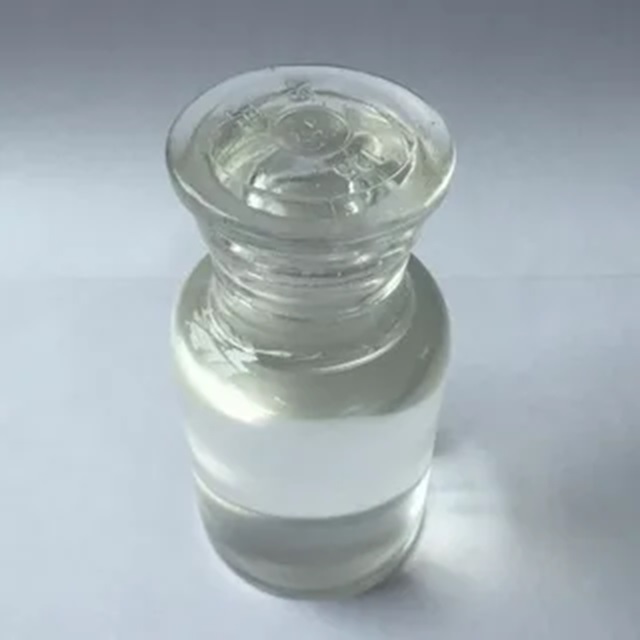
| Appearance | Colorless to pale yellow clear to slightly hazy liquid |
| Physical state (20°C) | Liquid (low EO, C12-14); Solid/Paste (high EO, C16-18) |
| Odor | Mild, characteristic |
| Density (20°C) | ~1.01 g/cm³ (0.98–1.05 depending on grade) |
| Viscosity (25°C) | 30–100 cP (liquid grades); higher for pastes |
| Flash point | >100°C (closed cup) – combustible |
| Pour point | Varies by grade (liquid grades: 0–15°C; solid grades: 30–50°C) |
| Cloud point | 20–95°C (depending on EO content and chain length) |
| pH (1% aqueous solution) | 5.5–7.5 (neutral) |
| HLB range | 10–18.5 (depending on EO content) |
3.2 Cloud Point vs. EO Content
| EO Units | Approximate Cloud Point (1% in water) |
|---|---|
| 6 | 30–45°C |
| 7 | 50–60°C |
| 11 | 80–90°C |
| 16 | >90°C |
| 25+ | >100°C (soluble) |
3.3 Solubility
| Solvent | Solubility |
|---|---|
| Water | Soluble to dispersible (depends on EO content) |
| Ethanol | Soluble |
| Isopropanol | Soluble |
| Glycols | Soluble |
| Mineral oil | Soluble (low EO) to dispersible (high EO) |
| Aromatic hydrocarbons | Soluble |
| Aliphatic hydrocarbons | Partially soluble (low EO) |
4. Chemical Properties
4.1 Molecular Structure
Structure: R–(OCH₂CH₂)ₙ–OH
Where:
-
R: Linear alkyl chain (C12, C14, C16, C18 from natural fatty alcohols)
-
n: Number of ethylene oxide (EO) units (6–80)
Production: Fatty alcohols (from coconut, palm kernel, or tallow) are ethoxylated with ethylene oxide under pressure with alkaline catalyst.
4.2 EO Content and HLB Relationship
| HLB Range | EO Content | Water Solubility | Primary Use |
|---|---|---|---|
| 10–12 | Low (4–6 EO) | Dispersible | W/O emulsifiers, defoamers |
| 12–14 | Medium (7–11 EO) | Soluble | Detergents, wetting agents |
| 14–16 | High (12–20 EO) | Highly soluble | O/W emulsifiers, solubilizers |
| 16–18 | Very high (>20 EO) | Very soluble | High HLB emulsifiers, solubilizers |
4.3 Cloud Point
The cloud point is the temperature at which a non-ionic surfactant solution becomes turbid upon heating. For low foam grades, the cloud point is typically 20–40°C for optimal low-foam performance.
Low foam grades (end-capped alkoxylates):
-
Cloud point: 20–40°C
-
Designed to provide low foam at typical use temperatures (20–60°C)
-
End-capping (methyl or butyl) reduces foaming tendency
4.4 Chemical Stability
| Parameter | Behavior |
|---|---|
| Thermal stability | Stable up to 50°C; decomposes at >150°C |
| Hydrolytic stability | Stable in neutral and alkaline conditions |
| pH stability | Stable at pH 4–11 |
| Oxidative stability | Good (saturated chains) |
4.5 Incompatibilities
-
Strong oxidizing agents
-
Strong acids (may cause hydrolysis at very low pH and high temperature)
5. Production Method
5.1 Ethoxylation Process
Reaction: R–OH + n C₂H₄O → R–(OCH₂CH₂)ₙ–OH
Process:
-
Fatty alcohol (C12-C18) is charged to reactor
-
Alkaline catalyst (KOH or NaOH) is added
-
Ethylene oxide is added under pressure (2–5 bar) at 120–180°C
-
Reaction is exothermic – cooling required
-
Product is neutralized, filtered, and packaged
Typical yield: >98%
5.2 End-Capped Low Foam Grades
For low foam grades, the terminal OH group is capped with methyl or butyl groups to reduce foaming:
Reaction: R–(OCH₂CH₂)ₙ–OH + CH₃Cl → R–(OCH₂CH₂)ₙ–O–CH₃ + HCl
6. Low Foam Mechanism
6.1 Why Low Foam?
Conventional alcohol ethoxylates produce stable foam, which is undesirable in:
-
Rinse aids (dishwashing)
-
High-speed cleaning equipment
-
Spray cleaning applications
-
Textile processing
-
Metalworking fluids
Low foam grades (end-capped alkoxylates) achieve low foam by:
-
End-capping (methyl or butyl) – reduces surface elasticity
-
PO (propylene oxide) incorporation – disrupts foam film stability
-
Optimized cloud point – surfactant becomes less soluble at use temperature, reducing foam
6.2 Foam Height Comparison
| Surfactant Type | Foam Height (Ross-Miles, 0.1%) |
|---|---|
| Conventional AE (7 EO) | 120–150 mm |
| End-capped low foam AE | 20–40 mm |
| EO/PO block copolymers | 10–30 mm |
7. Industrial Applications
7.1 Rinse Aids (Automatic Dishwashing)
| Parameter | Value |
|---|---|
| Application | Low foam surfactant for rinse cycle in automatic dishwashers |
| Typical concentration | 1–10% in concentrate |
| Cloud point requirement | 20–40°C (ensures low foam at typical rinse temperatures) |
| Benefits | Prevents foam overflow; improves sheeting and drying |
7.2 Industrial and Institutional Cleaners
| Application | Function | Typical Concentration |
|---|---|---|
| High-pressure cleaners | Low foam wetting agent | 1–5% |
| Floor scrubbers | Low foam detergent | 0.5–3% |
| CIP (Clean-in-Place) systems | Low foam surfactant | 1–10% |
| Vehicle wash (automatic) | Low foam cleaner | 1–5% |
| Metal degreasing | Emulsifier, wetting agent | 1–10% |
7.3 Household Cleaning Products
| Application | Function | Typical Concentration |
|---|---|---|
| Automatic dishwashing detergents | Rinse aid component | 1–5% |
| Laundry detergents (HE machines) | Low foam surfactant | 1–3% |
| Hard surface cleaners | Wetting agent | 0.5–3% |
7.4 Textile Industry
| Application | Function |
|---|---|
| Scouring | Wetting agent, emulsifier |
| Desizing | Wetting agent |
| Dyeing auxiliaries | Leveling agent, dispersant |
| Rinsing | Low foam wetting agent |
7.5 Metalworking Fluids
| Application | Function |
|---|---|
| Semi-synthetic coolants | Emulsifier, wetting agent |
| Drawing compounds | Lubricant, emulsifier |
| Cleaning baths | Low foam surfactant |
7.6 Paints, Coatings, and Inks
| Application | Function |
|---|---|
| Pigment dispersants | Stabilizes pigment suspensions |
| Wetting agents | Improves substrate wetting |
| Flow and leveling agents | Improves coating appearance |
7.7 Agrochemical Formulations
| Application | Function |
|---|---|
| Pesticide emulsifiers | Stabilizes emulsions |
| Adjuvants | Improves wetting and penetration |
| Fertilizer additives | Wetting agent |
7.8 Cosmetics and Personal Care (Limited)
| Application | Function |
|---|---|
| Hair conditioners (high EO) | Emulsifier, solubilizer |
| Creams and lotions (high EO) | O/W emulsifier |
8. BASF Equivalent Products Reference
| BASF Product | Description | Form | HLB | Cloud Point |
|---|---|---|---|---|
| Dehydol® LS 6 | C12-14 + 6 EO | Liquid | ~11.5 | ~42 |
| Dehydol® LT 7 | C12-18 + 7 EO | Liquid | ~12 | ~53 |
| Lutensol® A 7 N | C12-14 + 7 EO | Liquid | ~12 | ~79 |
| Lutensol® AT 11 | C16-18 + 11 EO | Solid | ~13 | ~87 |
| Lutensol® AT 25 | C16-18 + 25 EO | Flakes/Powder | ~16 | ~95 |
| Lutensol® AT 50 | C16-18 + 50 EO | Powder | ~18 | ~92 |
| Lutensol® AT 80 | C16-18 + 80 EO | Powder | ~18.5 | ~87 |
| Dehypon® LS 24 | C12-14 + 2EO + 4PO | Liquid | ~100 | ~30 |
| Dehypon® LS 36 | +3EO + 6PO | Liquid | ~100 | ~27 |
| Dehypon® LS 45 | +4EO + 5PO | Liquid | ~100 | ~37 |
| Dehypon® LS 54 | +5EO + 4PO | Liquid | ~100 | ~42 |
| Plurafac® LF 131 | End-capped branched | Liquid | ~100 | ~36 |
| Plurafac® LF 231 | End-capped | Liquid | ~100 | ~28 |
| Plurafac® LF 431 | End-capped | Liquid | ~100 | ~40 |
9. Selection Guide by Application
| Application | Recommended EO | Recommended Chain | HLB | Form |
|---|---|---|---|---|
| Rinse aids (low foam) | 6–7 | C12-14 (end-capped) | ~11–12 | Liquid |
| Automatic dishwashing | 6–8 | C12-14 | ~11–13 | Liquid |
| High-pressure cleaners | 6–7 | C12-14 (end-capped) | ~11–12 | Liquid |
| Laundry detergents | 7–9 | C12-15 | ~12–14 | Liquid |
| Textile wetting | 6–8 | C12-14 | ~11–13 | Liquid |
| Metalworking | 5–7 | C12-14 | ~10–12 | Liquid |
| Emulsifiers (O/W) | 11–20 | C16-18 | ~13–16 | Solid/Paste |
| Solubilizers | 25–80 | C16-18 | ~16–18.5 | Solid/Powder |
| Pigment dispersants | 8–15 | C12-18 | ~13–15 | Liquid/Solid |
10. HLB and Cloud Point Correlation
| EO Units | Approximate HLB | Cloud Point (°C) | Water Solubility |
|---|---|---|---|
| 4 | 9–10 | <20°C | Dispersible |
| 6 | 10–11 | 30–40°C | Partially soluble |
| 7 | 11–12 | 50–60°C | Soluble |
| 9 | 12–13 | 70–80°C | Soluble |
| 11 | 13–14 | 85–90°C | Soluble |
| 20 | 15–16 | >100°C | Very soluble |
| 50 | 17–18 | >100°C | Very soluble |
| 80 | 18–19 | >100°C | Very soluble |
11. Toxicology and Safety
11.1 Acute Toxicity
| Parameter | Value |
|---|---|
| Oral LD₅₀ (rat) | >2,000 mg/kg (low toxicity) |
| Dermal LD₅₀ (rabbit) | >2,000 mg/kg |
| Skin irritation | Mild irritant (concentrated product) |
| Eye irritation | Mild to moderate irritant |
| Skin sensitization | Generally non-sensitizer |
11.2 GHS Classification (Typical)
| Classification | Category |
|---|---|
| Signal word | None (not classified as hazardous for most grades) |
| Hazard statements | H315 – Causes skin irritation (for some grades) |
| H319 – Causes serious eye irritation (for some grades) | |
| Precautionary statements | P264, P280, P302+P352, P305+P351+P338, P332+P313, P337+P313 |
11.3 Environmental Fate
| Parameter | Value |
|---|---|
| Biodegradability | Readily biodegradable (OECD 301) |
| Aquatic toxicity | Low to moderate |
| Bioaccumulation | Low potential |
12. Safety Precautions and PPE
-
Hazards:
-
Mild skin and eye irritant (concentrated product)
-
Low toxicity
-
Avoid environmental release
-
-
PPE (recommended):
-
Chemical-resistant gloves (nitrile)
-
Safety glasses (EN 166)
-
Protective clothing (for industrial handling)
-
-
First aid:
-
Eye contact: Rinse with water for 15 minutes; seek medical attention if irritation persists
-
Skin contact: Wash with soap and water
-
Inhalation: Move to fresh air
-
Ingestion: Rinse mouth; do NOT induce vomiting; drink water; seek medical attention if large amount swallowed
-
13. Storage and Handling
13.1 Storage Conditions
| Parameter | Requirement |
|---|---|
| Temperature | 5–40°C (protect from freezing for liquid grades) |
| Container | Keep tightly closed in original container (HDPE, stainless steel) |
| Protect from | Extreme heat, freezing (liquid grades may gel), strong oxidizing agents |
| Environment | Cool, dry, well-ventilated area |
| Shelf life (liquid grades) | 24 months |
| Shelf life (solid/powder grades) | 36 months |
13.2 Special Notes for Solid Grades
-
Solid grades (C16-18 + 11 EO and higher): Solid at room temperature; store above melting point (30–50°C) or warm before use
-
Flakes and powders: Hygroscopic; keep tightly sealed
14. Transport Information
| Regulation | Classification |
|---|---|
| UN Number | Not regulated |
| ADR/RID | Not classified as dangerous goods |
| IMDG | Not regulated |
| IATA | Not regulated |
15. Synonyms and Common Names
-
English: Alcohol Ethoxylates, Fatty Alcohol Ethoxylates, Polyoxyethylene Alkyl Ethers, Nonionic Surfactants, C12-14 Alcohol Ethoxylate, C12-14 Pareth-n (n = EO number), Ethoxylated Fatty Alcohols
-
Trade names: Dehydol, Lutensol, Plurafac, Dehypon, Surfonic, Tomadol, Neodol, Brij, Genapol, Marlipal
-
German: Fettalkoholethoxylate
-
French: Ethoxylates d'alcool gras
-
Spanish: Etoxilatos de alcohol graso
-
Turkish: Yağ Alkol Etoksilatlar, Non-iyonik Yüzey Aktif Maddeler
16. Regulatory Status
| Regulation | Status |
|---|---|
| REACH (EU) | Registered |
| TSCA (US) | Listed |
| EU Detergent Regulation | Permitted as surfactant |
| FDA | Permitted for certain food contact applications |
| RoHS | Compliant |
17. Why Choose Low Foam Alcohol Ethoxylates?
| Advantage | Description |
|---|---|
| Low foam | Suitable for rinse aids, high-pressure cleaning, and automatic dishwashing |
| Excellent wetting | Fast wetting of surfaces |
| Good detergency | Effective removal of oils and soils |
| pH stable | Stable from pH 4–11 |
| Biodegradable | Environmentally friendly |
| Versatile | Wide range of EO content and chain lengths available |
| Low toxicity | Safe for industrial and limited personal care use |
| Compatible | Compatible with anionic, non-ionic, and amphoteric surfactants |
| End-capped grades available | Even lower foam for demanding applications |
Limitations:
-
Cloud point sensitivity – Performance may be affected at high temperatures
-
Solid grades – Require warming before use
-
Potential for gel formation – At certain concentrations
18. Application Summary Table
| Sector | Application | Recommended Grade | Typical Concentration |
|---|---|---|---|
| Dishwashing | Rinse aid (automatic) | C12-14 + 6-7 EO (end-capped) | 1–10% |
| Dishwashing | Detergent (automatic) | C12-14 + 6-7 EO | 1–5% |
| Industrial Cleaning | High-pressure cleaners | C12-14 + 6-7 EO (end-capped) | 1–5% |
| Laundry | Detergents | C12-15 + 7-9 EO | 1–3% |
| Textile | Wetting, scouring | C12-14 + 6-8 EO | 0.5–2 g/L |
| Metalworking | Coolants, cleaners | C12-14 + 5-7 EO | 1–10% |
| Paints | Pigment dispersant | C16-18 + 8-15 EO | 0.5–5% |
| Agriculture | Adjuvants | C12-14 + 6-8 EO | 0.1–1% |
| Cosmetics | Emulsifiers | C16-18 + 11-25 EO | 1–5% |
19. EO/PO Mixed Alkoxylates (Low Foam Grades)
For applications requiring extremely low foam, EO/PO mixed alkoxylates (end-capped) are recommended:
| Property | Value |
|---|---|
| Cloud point | 20–40°C |
| Foam height | 10–30 mm (Ross-Miles) |
| Applications | Rinse aids, automatic dishwashing, CIP cleaning, high-speed cleaning |
20. Summary Table – Key Specifications at a Glance
| Parameter | C12-14 + 6 EO | C12-14 + 7 EO | C16-18 + 11 EO | C16-18 + 25 EO | End-capped LF |
|---|---|---|---|---|---|
| CAS Number | 68439-50-9 | 68439-51-0 | 68439-50-9 | 68439-50-9 | Various |
| Appearance | Liquid | Liquid | Solid | Flakes/Powder | Liquid |
| HLB | ~11.5 | ~12 | ~13 | ~16 | ~100 |
| Cloud Point (°C) | ~42 | ~50–79 | ~87 | ~95 | 20–40 |
| Density (g/cm³) | ~1.01 | ~1.01 | ~0.98 | ~0.95 | ~1.00 |
| Viscosity (25°C) | ~42 cP | ~79 cP | ~30 cP (60°C) | ~95 cP (60°C) | 30–70 cP |
| Form | Liquid | Liquid | Solid | Solid/Powder | Liquid |
| Primary Use | Low foam cleaning | Detergents | O/W emulsifier | High HLB emulsifier | Very low foam |
This TDS is prepared in compliance with ISO 11014-1 format and is intended for detergent formulators, industrial cleaning specialists, textile chemists, metalworking fluid manufacturers, and procurement professionals. Certificates of Analysis (CoA), Safety Data Sheets (SDS), and sample validation reports are available upon request.