We unleash your business potential by maximize the business innovation.
Send EmailPolyvinyl Alcohol, PVA, PVA 1788, PVA 0588, PVA 2688, 1788, 2488, 0588, 9002-89-5
Polyvinyl Alcohol (PVA) – Properties and Applications
Physical Properties
-
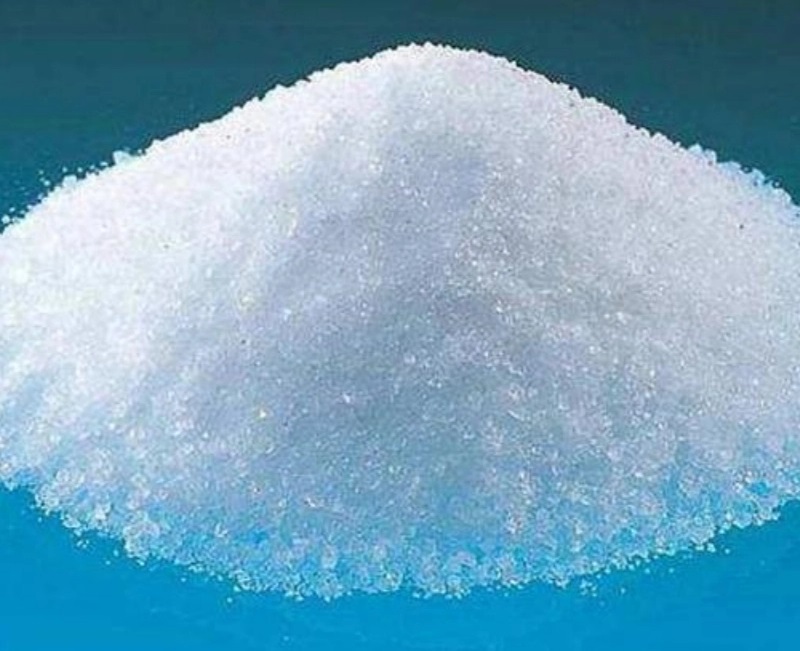
Appearance: White or slightly yellowish powder/granules
-
Solubility: Water-soluble; depends on hydrolysis degree and temperature
-
Melting Point: No sharp melting point; decomposes above 200°C
-
Density: 1.19–1.31 g/cm³
-
Viscosity: Varies with molecular weight and hydrolysis degree
-
Film Formation: Produces strong, flexible, transparent films resistant to oils and greases
Chemical Properties
-
Structure: Polyhydroxy polymer with multiple –OH groups (hydrophilic)
-
Hydrolysis Degree: Fully or partially hydrolyzed, affecting solubility and performance
-
Chemical Resistance: Stable against oils and solvents; degrades in strong acids/bases
-
Reactivity: Hydroxyl groups allow chemical modification and crosslinking
-
Biodegradability: Partially biodegradable, eco-friendly
-
Thermal Behavior: Stable at moderate temperatures; decomposes at high heat releasing acetic acid
Key Variants
-
PVA 1788: Insoluble in cold water; dissolves at ~88°C
-
PVA 0588: Best cold-water solubility; low viscosity
-
PVA 2688: Limited cold-water solubility; dissolves better at higher temperatures
Viscosity Grades
-
PVA 05-88: ~5 mPas
-
PVA 17-88: ~24 mPas
-
PVA 24-88: ~47 mPas
Applications
Industrial
-
Adhesives: Wood, paper, textiles
-
Coatings & Films: Water-resistant, biodegradable packaging films
-
Textiles: Sizing agent, improves yarn strength
-
Paper Industry: Binder, enhances durability and oil resistance
Medical & Cosmetic
-
Hydrogels: Wound dressings, moisture-retaining medical gels
-
Contact Lenses: Hydrophilic, biocompatible material
-
Drug Delivery: Controlled-release tablet coatings
-
Cosmetics: Thickener in gels, lotions, peel-off masks
Other Uses
-
Food Packaging: Edible and biodegradable films
-
Electronics: Polymer electrolyte in lithium-ion batteries
-
3D Printing: Water-soluble support material
-
Water Treatment: Filtration membranes
-
Agriculture: Soil stabilizer, water-retention agent
PVA vs. PVAc
-
Polyvinyl Acetate (PVAc): Derived from vinyl acetate monomer; used in glues, paints, coatings; not water-soluble.
-
Polyvinyl Alcohol (PVA): Produced by hydrolyzing PVAc; water-soluble, biocompatible, non-toxic.
Sectoral Suitability & Usage Ratios for PVA
| Sector | Applications | Typical Usage Ratio |
|---|---|---|
| Adhesives | Wood glue, paper glue, textile bonding, labels, tapes | Up to 30% PVA content in formulations |
| Textiles | Yarn sizing, fabric finishing, strength enhancement, water/oil repellency | 5–15% depending on yarn/fabric type |
| Paper Industry | Binder, oil-resistant coatings, strength improvement | 5–20% depending on grade |
| Packaging | Biodegradable films, water-soluble capsules (detergents, agrochemicals) | 10–40% depending on film thickness |
| Cosmetics | Lotions, gels, peel-off masks, viscosity modifier | 1–5% in formulations |
| Medical | Hydrogels, wound dressings, drug release coatings, contact lenses | 5–15% depending on product |
| Electronics | Lithium-ion battery electrolyte stabilizer, photo paper coatings | 2–10% depending on application |
| Agriculture | Soil stabilizers, water retention agents, controlled-release fertilizer capsules | 5–20% depending on soil/product type |
| 3D Printing | Water-soluble support material for complex structures | 100% PVA filament (support role) |
| Water Treatment | Filtration membranes, industrial wastewater treatment | 10–30% depending on membrane design |
🔹 Notes for ERP/Product Catalog Integration:
-
Ratios are indicative ranges; exact percentages depend on formulation and supplier specifications.
-
PVA grades (e.g., 0588, 1788, 2488, 2688) should be mapped to sector-specific needs:
-
Low viscosity (0588): textile sizing, coatings
-
Medium viscosity (1788/17-88): adhesives, paper, cosmetics
-
High viscosity (2488/2688):films, biomedical, packaging
-
Sector-by-sector breakdown for Polyvinyl Alcohol (PVA):
1. Adhesives
-
How it is used: As a binder in wood glue, paper glue, textile adhesives, labels, and tapes.
-
Purpose: Provides strong adhesion and water resistance.
-
Typical usage ratio: 20–30% PVA in formulations.
2. Textiles
-
How it is used: For yarn sizing, fabric finishing, and strength enhancement.
-
Purpose: Improves yarn resistance to breakage and facilitates dyeing.
-
Typical usage ratio: 5–15%, depending on yarn/fabric type.
3. Paper Industry
-
How it is used: As a binder and coating agent.
-
Purpose: Increases paper durability and oil resistance.
-
Typical usage ratio: 5–20%, depending on grade.
4. Packaging
-
How it is used: In biodegradable films and water-soluble capsules (detergents, agrochemicals).
-
Purpose: Provides eco-friendly packaging solutions.
-
Typical usage ratio: 10–40%, depending on film thickness.
5. Cosmetics
-
How it is used: In lotions, gels, peel-off masks, and as a thickener.
-
Purpose: Enhances viscosity and film formation.
-
Typical usage ratio: 1–5%.
6. Medical
-
How it is used: In hydrogels, wound dressings, drug-release coatings, and contact lenses.
-
Purpose: Moisture retention, biocompatibility, and non-toxicity for medical devices.
-
Typical usage ratio: 5–15%, depending on product type.
7. Electronics
-
How it is used: As a polymer electrolyte stabilizer in lithium-ion batteries, and in photo paper coatings.
-
Purpose: Provides stability and protective layers.
-
Typical usage ratio: 2–10%.
8. Agriculture
-
How it is used: As a soil stabilizer, water-retention agent, and in controlled-release fertilizer capsules.
-
Purpose: Improves soil water capacity and enables slow-release fertilizers.
-
Typical usage ratio: 5–20%.
9. 3D Printing
-
How it is used: As a support material in filament form.
-
Purpose: Dissolves in water after printing, leaving clean structures.
-
Typical usage ratio: 100% PVA filament (support role).
10. Water Treatment
-
How it is used: In filtration membranes and industrial wastewater treatment systems.
-
Purpose: Filters harmful substances and supports chemical separation.
-
Typical usage ratio: 10–30%, depending on membrane design.
Main PVA Varieties
-
PVA 0588
-
Type: Low viscosity, partially hydrolyzed
-
Properties: Good cold-water solubility, excellent film formation, chemical resistance
-
Applications: Textile sizing, coatings, adhesives, paper processing
-
-
PVA 1788
-
Type: Medium viscosity, partially hydrolyzed
-
Properties: Requires hot water (~88°C) for dissolution, strong binding capacity
-
Applications: Adhesives (wood, paper), textiles, cosmetics, contact lenses
-
-
PVA 2488
-
Type: High viscosity, partially hydrolyzed
-
Properties: Strong film formation, high stability, resistant to oils/chemicals
-
Applications: Packaging films, biomedical hydrogels, coatings
-
-
PVA 2688
-
Type: High viscosity, partially hydrolyzed
-
Properties: Limited cold-water solubility, dissolves better at higher temperatures
-
Applications: Biodegradable food packaging, medical hydrogels, water treatment membranes
-
Alternatives to PVA
| Alternative | Properties | Advantages | Disadvantages | Sector Suitability |
|---|---|---|---|---|
| Polyvinyl Acetate (PVAc) | Precursor to PVA, derived from vinyl acetate monomer | Flexible, adhesive, fast drying | Not water-soluble, not biodegradable | Adhesives, paints, coatings |
| Carboxymethyl Cellulose (CMC) | Natural polymer, water-soluble, biodegradable | Safe for food/pharma, eco-friendly | Lower mechanical strength | Food, pharma, paper |
| Hydroxypropyl Methylcellulose (HPMC) | Cellulose derivative, biocompatible | Widely used in pharma and construction | Weaker film formation compared to PVA | Pharmaceuticals, construction |
| Starch-based Polymers | Renewable, biodegradable | Eco-friendly, low cost | Sensitive to moisture and heat | Packaging, adhesives |
| Polyethylene Glycol (PEG) | Synthetic, water-soluble polymer | Biocompatible, used in drug delivery | Limited mechanical strength | Medical, pharmaceutical |
| Polylactic Acid (PLA) | Biodegradable, plant-based polymer | Eco-friendly, popular in 3D printing | Not as water-soluble as PVA | Packaging, 3D printing |
Summary:
-
PVA grades differ mainly by viscosity and hydrolysis degree:
-
Low viscosity (0588): Textiles, coatings
-
Medium viscosity (1788): Adhesives, cosmetics
-
High viscosity (2488/2688): Packaging, biomedical, water treatment
-
-
Alternatives (PVAc, CMC, HPMC, starch polymers, PEG, PLA) are chosen when biodegradability, natural origin, or specific solubility profiles are required, but they don’t cover as wide a range of applications as PVA.