We unleash your business potential by maximize the business innovation.
Send EmailPolyvinyl Alcohol, Polyviol, PVA, PVOH, PVA 1788, PVA 0588, PVA 2688, 1788, 2488, 0588, 9002-89-5
POLYVINYL ALCOHOL (PVA)
1. Chemical Identity and Material Classification
-
Chemical Name: Polyvinyl Alcohol, Poly(vinyl alcohol)
-
Synonyms: PVA, PVOH, Polyviol, Vinol, Alvyl, Mowiol, Elvanol, Gohsenol, Kuraray Poval
-
CAS Number: 9002-89-5
-
EC Number (EINECS): 618-338-5 (polymer – not fully listed)
-
Molecular Formula: (C₂H₄O)ₙ (actual structure: –[CH₂–CH(OH)]–)ₙ
-
Molecular Weight: Variable (typically 20,000–200,000 g/mol depending on grade)
-
Chemical Class: Synthetic, water-soluble polymer (polyhydroxy polymer)
-
UN Number: Not regulated as hazardous for transport (solid form)
2. PVA Grade Designations (Viscometric Notation)
PVA grades are designated by a four-digit number: AB where:
-
First two digits (A): 10 × viscosity of 4% aqueous solution at 20°C (mPa·s)
-
Last two digits (B): Hydrolysis degree (%)
| Grade | Viscosity (4% solution, 20°C) | Hydrolysis Degree (%) | Molecular Weight (Mw) | Characteristics |
|---|---|---|---|---|
| PVA 0588 | 4.5–6.0 mPa·s | 87–89% | ~22,000–31,000 g/mol | Low viscosity; cold water soluble |
| PVA 1788 | 16.5–18.5 mPa·s | 87–89% | ~44,000–65,000 g/mol | Medium viscosity; hot water soluble (~88°C) |
| PVA 2488 | 23.0–27.0 mPa·s | 87–89% | ~67,000–79,000 g/mol | High viscosity; strong film formation |
| PVA 2688 | 26.0–30.0 mPa·s | 87–89% | ~80,000–100,000 g/mol | Very high viscosity; limited cold solubility |
Note: Fully hydrolyzed grades (98–99%) are also available (e.g., PVA 1799, PVA 2499) for higher chemical resistance but require hot water (>90°C) for dissolution.
3. Physical Properties
3.1 General Physical Properties
| Property | PVA 0588 | PVA 1788 | PVA 2488 | PVA 2688 |
|---|---|---|---|---|
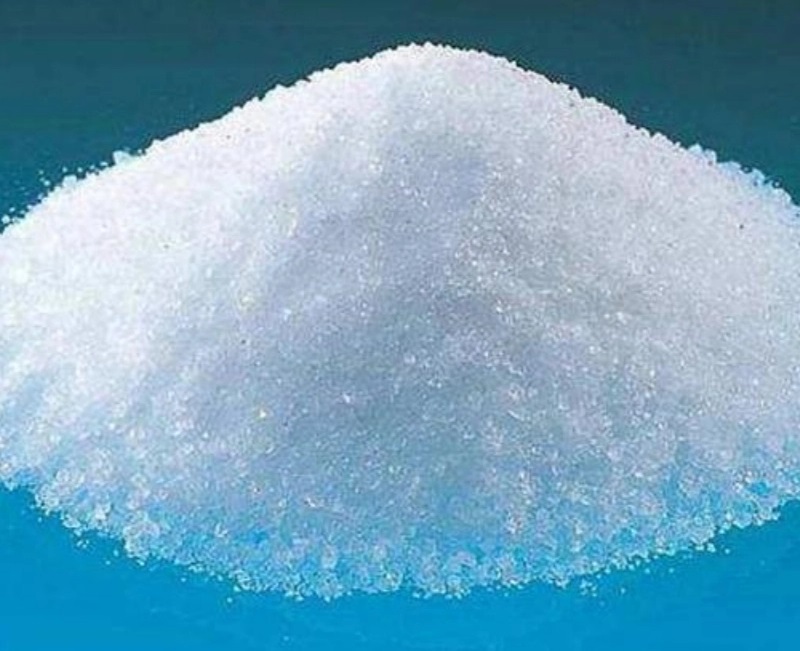
| Appearance | White to off-white powder/granules | White to off-white powder/granules | White to off-white powder/granules | White to off-white powder/granules |
| Bulk density | 0.4–0.6 g/cm³ | 0.4–0.6 g/cm³ | 0.4–0.6 g/cm³ | 0.4–0.6 g/cm³ |
| True density | 1.19–1.31 g/cm³ | 1.19–1.31 g/cm³ | 1.19–1.31 g/cm³ | 1.19–1.31 g/cm³ |
| Melting point | No distinct melting point; decomposes >200°C | Same | Same | Same |
| Glass transition temp (Tg) | 75–85°C | 75–85°C | 75–85°C | 75–85°C |
| Refractive index | 1.49–1.53 | 1.49–1.53 | 1.49–1.53 | 1.49–1.53 |
3.2 Solution Properties
| Property | PVA 0588 | PVA 1788 | PVA 2488 | PVA 2688 |
|---|---|---|---|---|
| pH (4% solution) | 5.0–7.0 | 5.0–7.0 | 5.0–7.0 | 5.0–7.0 |
| Volatile matter | ≤5% | ≤5% | ≤5% | ≤5% |
| Ash content | ≤0.5% | ≤0.5% | ≤0.5% | ≤0.5% |
3.3 Film Properties (Dried PVA Film)
| Property | Partially Hydrolyzed (88%) | Fully Hydrolyzed (98–99%) |
|---|---|---|
| Appearance | Clear, transparent, glossy | Clear, transparent |
| Tensile strength | 40–60 MPa | 60–80 MPa |
| Elongation at break | 200–400% | 100–200% |
| Water resistance | Moderate | High (requires >90°C water) |
| Oil/grease resistance | Excellent | Excellent |
| Oxygen barrier | Good | Very good |
| Biodegradability | Partially biodegradable | Partially biodegradable |
4. Chemical Properties
4.1 Molecular Structure
Structure: –[CH₂–CH(OH)]–ₙ
-
Polyhydroxy polymer with numerous hydrophilic –OH groups
-
Produced by hydrolysis (saponification) of polyvinyl acetate (PVAc)
-
Degree of hydrolysis determines water solubility and chemical resistance
-
Fully hydrolyzed (98–99%): Higher chemical resistance, requires hot water for dissolution
-
Partially hydrolyzed (87–89%): Cold water soluble, lower chemical resistance
4.2 Production Reaction
Step 1: Vinyl acetate → Polyvinyl acetate (PVAc) – by free-radical polymerization
Step 2: Polyvinyl acetate + Methanol + Alkali → Polyvinyl Alcohol (PVA) + Methyl acetate
4.3 Solubility
| Grade | Cold Water (<30°C) | Warm Water (40–60°C) | Hot Water (>80°C) | Organic Solvents |
|---|---|---|---|---|
| PVA 0588 | Soluble | Soluble | Soluble | Insoluble |
| PVA 1788 | Limited/swells | Partially soluble | Soluble (~88°C) | Insoluble |
| PVA 2488 | Limited/swells | Slowly soluble | Soluble | Insoluble |
| PVA 2688 | Very limited | Swells, slowly soluble | Soluble | Insoluble |
| Fully hydrolyzed (98–99%) | Insoluble | Insoluble | Soluble (>90°C) | Insoluble |
General solubility factors:
-
Lower molecular weight = faster dissolution
-
Lower hydrolysis degree = better cold water solubility
-
pH affects solubility (optimal pH 5–7)
-
Presence of salts or boric acid can crosslink PVA, reducing solubility
4.4 Chemical Resistance
| Chemical | Resistance | Notes |
|---|---|---|
| Oils and greases | Excellent | PVA films resist oils and greases very well |
| Organic solvents (alcohols, ketones, esters) | Excellent | Insoluble in most common organic solvents |
| Dilute acids | Moderate | Degrades in strong acids |
| Dilute alkalis | Moderate | Degrades in strong alkalis |
| Water (cold) | Partially hydrolyzed: soluble; Fully hydrolyzed: resistant | Key property difference |
| Boric acid | Crosslinks | Forms gel (crosslinking reaction) |
4.5 Thermal Properties
| Property | Value |
|---|---|
| Glass transition temperature (Tg) | 75–85°C |
| Melting point (crystalline) | 180–230°C (depends on hydrolysis) |
| Decomposition temperature | >200°C (releases acetic acid, water, CO) |
| Maximum continuous use temperature | 100–150°C (depends on application) |
4.6 Reactivity
| Reaction | Description |
|---|---|
| Crosslinking with boric acid | Forms viscous gel (used in slime, adhesives) |
| Acetalization | With aldehydes → polyvinyl acetal (e.g., PVB – polyvinyl butyral) |
| Esterification | With acids → esters |
| Oxidation | Can be oxidized to poly(ketone) derivatives |
5. Quality Specifications (Typical – Partially Hydrolyzed 88%)
| Parameter | PVA 0588 | PVA 1788 | PVA 2488 | PVA 2688 | Test Method |
|---|---|---|---|---|---|
| Viscosity (4% soln, 20°C, mPa·s) | 4.5–6.0 | 16.5–18.5 | 23.0–27.0 | 26.0–30.0 | Brookfield |
| Hydrolysis degree (%) | 87–89% | 87–89% | 87–89% | 87–89% | Titration |
| pH (4% solution) | 5.0–7.0 | 5.0–7.0 | 5.0–7.0 | 5.0–7.0 | pH meter |
| Volatile matter (%) | ≤5.0 | ≤5.0 | ≤5.0 | ≤5.0 | Loss on drying (105°C) |
| Ash content (%) | ≤0.5 | ≤0.5 | ≤0.5 | ≤0.5 | Ignition (800°C) |
| Acetate content (as PVAc) | 11–13% | 11–13% | 11–13% | 11–13% | Titration |
6. Comparison with Other Polymers
| Property | PVA | PVAc (Polyvinyl Acetate) | PEG (Polyethylene Glycol) | CMC (Carboxymethyl Cellulose) | PLA (Polylactic Acid) |
|---|---|---|---|---|---|
| Water solubility | Soluble (partially hydrolyzed) | Insoluble | Soluble | Soluble | Insoluble (biodegradable) |
| Cold water solubility | Yes (88% hydrolyzed) | No | Yes | Yes | No |
| Biodegradability | Partial | Low | Low | Yes | Yes |
| Film formation | Excellent | Good | Poor | Good | Good |
| Oil/grease resistance | Excellent | Good | Poor | Moderate | Good |
| Tensile strength | 40–80 MPa | 10–30 MPa | 10–30 MPa | 20–40 MPa | 50–70 MPa |
| Toxicity | Non-toxic | Low toxicity | Non-toxic | Non-toxic | Non-toxic |
| Cost | Moderate | Low | Moderate | Moderate | High |
7. Industrial Applications
7.1 Adhesives (Largest Application)
| Application | PVA Grade | Function | Typical Usage |
|---|---|---|---|
| Wood adhesives | PVA 1788, 2488 | Binder, tackifier | Up to 30% of formulation |
| Paper adhesives (labels, envelopes) | PVA 0588, 1788 | Binder | 10–30% |
| Textile adhesives | PVA 0588, 1788 | Binder | 10–20% |
| Wallpaper paste | PVA 0588 | Adhesive | 5–15% |
| Packaging adhesives | PVA 1788, 2488 | Binder | 15–30% |
Benefits:
-
High bond strength
-
Good water resistance (fully hydrolyzed grades)
-
Non-toxic
-
Compatible with many additives (plasticizers, fillers)
7.2 Textile Industry
| Application | PVA Grade | Function | Typical Usage |
|---|---|---|---|
| Yarn sizing (warp sizing) | PVA 0588, 1788 | Strengthens yarn, reduces breakage | 5–15% (on weight of yarn) |
| Fabric stiffening | PVA 1788, 2488 | Provides hand feel, stiffness | 2–10% |
| Water-repellent finishes | PVA (fully hydrolyzed) | Adds water resistance | 1–5% |
| Oil-repellent finishes | PVA (fully hydrolyzed) | Oil resistance | 1–5% |
Benefits:
-
Easily removed during desizing (soluble in hot water)
-
Improves weaving efficiency
-
Environmentally friendly (no formaldehyde)
7.3 Paper Industry
| Application | PVA Grade | Function | Typical Usage |
|---|---|---|---|
| Paper coating (barrier coatings) | PVA 1788, 2488 | Oil/grease resistance, strength | 5–20% |
| Paper sizing (surface sizing) | PVA 0588, 1788 | Strength, printability | 2–10% |
| Release liner coating | PVA 1788, 2488 | Release properties | 5–15% |
| Paper lamination | PVA 1788, 2488 | Adhesive layer | 5–10% |
Benefits:
-
Excellent oil and grease resistance (for food packaging)
-
Improves paper strength and surface properties
-
Biodegradable films
7.4 Packaging (Water-Soluble Films)
| Application | PVA Grade | Function | Typical Usage |
|---|---|---|---|
| Detergent pods (unit dose laundry packs) | PVA 1788, 2488 | Water-soluble film | 100% PVA film |
| Agrochemical pouches | PVA 1788, 2488 | Water-soluble packaging | 100% PVA film |
| Dye and pigment pouches | PVA 1788, 2488 | Dissolvable packaging | 100% PVA film |
| Biodegradable shopping bags | PVA 1788, 2488 | Biodegradable film | 100% PVA film |
| Food packaging (edible films) | PVA 0588, 1788 | Edible coating | 10–40% of formulation |
Benefits:
-
Dissolves in cold or hot water (depending on grade)
-
Biodegradable
-
Non-toxic
-
Excellent barrier to oils and greases
7.5 Cosmetics and Personal Care
| Application | PVA Grade | Function | Typical Usage |
|---|---|---|---|
| Peel-off face masks | PVA 0588, 1788 | Film former, thickener | 1–5% |
| Lotions and creams | PVA 0588, 1788 | Thickener, stabilizer | 0.5–2% |
| Gels (hair gel, body gel) | PVA 0588, 1788 | Thickener, film former | 0.5–3% |
| Toothpaste | PVA 0588, 1788 | Binder, thickener | 0.5–2% |
| Shampoos and conditioners | PVA 0588 | Thickener, stabilizer | 0.1–1% |
Benefits:
-
Non-toxic, non-irritating
-
Good film-forming properties
-
Leaves smooth feel on skin/hair
-
Compatible with many cosmetic ingredients
7.6 Medical and Pharmaceutical
| Application | PVA Grade | Function | Typical Usage |
|---|---|---|---|
| Hydrogels (wound dressings) | PVA 1788, 2488 | Water-absorbing matrix | 5–15% |
| Contact lenses (soft lenses) | PVA 1788, 2488 | Hydrogel component | 10–30% |
| Drug delivery (controlled release) | PVA 1788, 2488 | Coating, matrix | 1–10% |
| Tablet coatings (enteric coatings) | PVA 1788, 2488 | Film coating | 2–5% |
| Artificial tears (eye drops) | PVA 0588, 1788 | Lubricant, viscosity modifier | 0.1–1% |
Benefits:
-
Biocompatible
-
Non-toxic
-
High water absorption (hydrogels)
-
Good oxygen permeability (contact lenses)
7.7 Electronics
| Application | PVA Grade | Function | Typical Usage |
|---|---|---|---|
| Lithium-ion batteries (polymer electrolyte) | PVA 1788, 2488 | Electrolyte binder | 2–10% |
| Photographic paper coatings | PVA 0588, 1788 | Coating, barrier | 5–15% |
| Polarizing films (LCD displays) | PVA 2488, 2688 | Polarizer base film | 100% PVA film |
| Conductive polymer composites | PVA 1788, 2488 | Binder | 1–5% |
7.8 Agriculture
| Application | PVA Grade | Function | Typical Usage |
|---|---|---|---|
| Soil stabilizer (erosion control) | PVA 0588, 1788 | Binds soil particles | 5–20% solution spray |
| Controlled-release fertilizer coating | PVA 1788, 2488 | Water-soluble coating | 10–20% of coating |
| Seed coating | PVA 0588, 1788 | Protective film | 0.5–2% of seed weight |
| Water retention agent | PVA 1788, 2488 | Absorbs water | 1–5% in soil |
7.9 3D Printing
| Application | PVA Grade | Function | Typical Usage |
|---|---|---|---|
| Soluble support filament | PVA 1788, 2488 | Support material (dissolves in water) | 100% PVA filament |
| Dual-extrusion printing | PVA 1788, 2488 | Water-removable supports | 100% PVA filament |
Benefits:
-
Dissolves completely in water (no post-processing tools needed)
-
Non-toxic
-
Compatible with PLA and other filaments
7.10 Water Treatment
| Application | PVA Grade | Function | Typical Usage |
|---|---|---|---|
| Filtration membranes | PVA 1788, 2488 | Membrane material | 10–30% of membrane composition |
| Industrial wastewater treatment | PVA 0588, 1788 | Flocculant aid | 1–10 mg/L |
| Heavy metal adsorption | Crosslinked PVA | Adsorbent | Variable |
8. Summary Table – Grade Selection by Sector
| Sector | Recommended PVA Grade | Viscosity | Reason |
|---|---|---|---|
| Adhesives | PVA 1788, 2488 | Medium–High | Good bonding strength |
| Textile (sizing) | PVA 0588 | Low | Easy removal during desizing |
| Paper coating | PVA 1788, 2488 | Medium–High | Film strength, oil resistance |
| Water-soluble packaging | PVA 1788, 2488 | Medium–High | Strong, dissolvable film |
| Cosmetics | PVA 0588 | Low | Easy handling, clear films |
| Medical (hydrogels) | PVA 1788, 2488 | Medium–High | Water absorption, strength |
| 3D printing (support) | PVA 1788, 2488 | Medium–High | Dissolves in water |
| Electronics (polarizers) | PVA 2488, 2688 | High | High molecular weight required |
| Agriculture | PVA 0588, 1788 | Low–Medium | Easy spraying, water solubility |
9. Toxicology and Safety
9.1 Acute Toxicity
| Parameter | Value |
|---|---|
| Oral LD₅₀ (rat) | >20,000 mg/kg (very low toxicity) |
| Dermal LD₅₀ (rabbit) | >10,000 mg/kg |
| Skin irritation | Non-irritant |
| Eye irritation | Mild irritant (dust) |
| Inhalation (dust) | May cause mechanical irritation |
9.2 Chronic Toxicity
| Endpoint | Classification |
|---|---|
| Carcinogenicity | Not classified (non-carcinogenic) |
| Mutagenicity | Negative |
| Reproductive toxicity | Not classified |
| Skin sensitization | Non-sensitizer |
| Biocompatibility | Excellent (medical applications approved) |
9.3 GHS Classification
| Classification | Category |
|---|---|
| Signal word | None (not classified as hazardous for most grades) |
| Hazard statements | None (under normal conditions) |
| Precautionary statements | P264, P280 (for dust), P305+P351+P338 |
9.4 Regulatory Status
| Region | Status |
|---|---|
| FDA (US) | Approved for indirect food contact; GRAS for certain applications |
| EU | Permitted for food contact (Regulation (EU) No 10/2011) |
| REACH | Registered |
| TSCA | Listed |
10. Safety Precautions and PPE
-
Hazards:
-
Low acute toxicity
-
Dust may cause mechanical irritation to eyes and respiratory tract
-
Combustible (fine dust may form explosive mixtures)
-
Hygroscopic (absorbs moisture)
-
-
PPE (recommended):
-
Dust mask (FFP2/N95) – for powder handling
-
Safety glasses (EN 166)
-
Protective gloves (nitrile – optional)
-
Protective clothing (dust protection)
-
-
Engineering controls:
-
Local exhaust ventilation (LEV) for powder handling
-
Dust collection systems
-
Eyewash stations
-
-
First aid:
-
Inhalation: Move to fresh air
-
Skin contact: Wash with soap and water
-
Eye contact: Rinse with water for 15 minutes
-
Ingestion: Rinse mouth; drink water (low hazard)
-
11. Environmental Fate
| Parameter | Value |
|---|---|
| Biodegradability | Partially biodegradable |
| Aquatic toxicity (fish, LC₅₀, 96 hours) | >1,000 mg/L (low toxicity) |
| Daphnia magna (EC₅₀, 48 hours) | >1,000 mg/L |
| Algal toxicity (EC₅₀, 72 hours) | >1,000 mg/L |
| Bioaccumulation | Low (BCF <10) |
| WGK Germany | 1 (low hazard to water) |
12. Storage and Shelf Life
-
Storage conditions:
-
Cool, dry, well-ventilated area (10–30°C)
-
Keep tightly closed in original packaging (hygroscopic)
-
Protect from moisture (prevents caking)
-
Protect from direct sunlight
-
Store away from strong oxidizing agents
-
-
Shelf life:
-
Sealed container: 12–24 months
-
Opened container: 6–12 months (if properly resealed, kept dry)
-
-
Degradation indicators:
-
Caking/hardening (moisture absorption)
-
Reduced viscosity (degradation)
-
Color change (yellowing)
-
13. Transport Information
| Regulation | Classification |
|---|---|
| UN Number | Not regulated (non-hazardous) |
| ADR/RID | Not classified as dangerous goods |
| IMDG | Not regulated |
| IATA | Not regulated |
| Proper shipping name | Polyvinyl alcohol (non-hazardous) |
14. Synonyms and Common Names
-
English: Polyvinyl Alcohol, PVA, PVOH, Polyviol, Vinol, Alvyl, Mowiol, Elvanol, Gohsenol, Kuraray Poval
-
Japanese: ポリビニルアルコール
-
German: Polyvinylalkohol
-
French: Alcool polyvinylique
-
Spanish: Alcohol polivinílico
-
Turkish: Polivinil Alkol
15. PVA vs. PVAc – Key Difference
| Property | PVA (Polyvinyl Alcohol) | PVAc (Polyvinyl Acetate) |
|---|---|---|
| Monomer | Vinyl alcohol (polymerized as acetate, then hydrolyzed) | Vinyl acetate |
| Production | Hydrolysis (saponification) of PVAc | Free-radical polymerization |
| Water solubility | Soluble (partially hydrolyzed) | Insoluble |
| Cold water solubility | Yes (88% hydrolyzed) | No |
| Biodegradability | Partial | Low |
| Main applications | Adhesives, films, textiles, cosmetics | Adhesives, paints, coatings |
16. Alternatives Comparison
| Alternative | Advantages | Disadvantages | Sector Suitability |
|---|---|---|---|
| PVAc (Polyvinyl Acetate) | Flexible, fast-drying | Not water-soluble, less biodegradable | Adhesives, paints |
| CMC (Carboxymethyl Cellulose) | Food-safe, biodegradable | Lower mechanical strength | Food, pharma, paper |
| HPMC (Hydroxypropyl Methylcellulose) | Biocompatible, widely used | Weaker film formation | Pharma, construction |
| Starch-based polymers | Renewable, low cost | Low moisture/heat resistance | Packaging, adhesives |
| PEG (Polyethylene Glycol) | Biocompatible, drug delivery | Limited mechanical strength | Medical, pharmaceutical |
| PLA (Polylactic Acid) | Biodegradable, compostable | Not water-soluble | Packaging, 3D printing |
17. PVA Blends and Formulations
| Blend Component | Effect | Applications |
|---|---|---|
| Plasticizers (glycerol, PEG) | Increases flexibility | Films, hydrogels |
| Boric acid | Crosslinks → gel formation | Slime, adhesives |
| Starch | Reduces cost, increases biodegradability | Biodegradable films |
| Clay (nano-clay) | Increases barrier properties | Packaging films |
| Chitosan | Antimicrobial films | Medical, food packaging |
18. FAQs
Q1: What is the difference between PVA 0588, 1788, and 2488?
A1: The differences are primarily viscosity and molecular weight:
-
0588 = low viscosity (5 mPa·s), low Mw (~25,000)
-
1788 = medium viscosity (17 mPa·s), medium Mw (~55,000)
-
2488 = high viscosity (25 mPa·s), high Mw (~73,000)
Q2: Is PVA biodegradable?
A2: PVA is partially biodegradable under certain conditions (soil, wastewater treatment). Complete mineralization is slow but occurs.
Q3: Is PVA safe for human use?
A3: Yes, PVA is non-toxic, non-irritating, and FDA-approved for many food contact and medical applications.
Q4: Does PVA dissolve in cold water?
A4: Partially hydrolyzed PVA (88%) dissolves in cold water. Fully hydrolyzed PVA (98–99%) requires hot water (>90°C).
Q5: Can PVA be recycled?
A5: PVA is not commonly recycled but can be repurposed. Water-soluble films dissolve in water and can be treated in wastewater plants.
19. Processing and Handling Tips
| Application | Recommended Practice |
|---|---|
| Dissolving PVA powder | Add powder slowly to cold water with stirring; heat to 80–90°C for full dissolution (for 1788, 2488) |
| Preventing lumps | Use propeller agitator; avoid adding powder too quickly |
| Preventing foaming | Add antifoam agent if necessary (silicone-based) |
| Storage | Keep sealed; PVA is hygroscopic (absorbs moisture) |
| Solution shelf life | 1–2 weeks (preservatives may be needed for longer storage) |
20. Summary Table – Key Specifications at a Glance
| Parameter | PVA 0588 | PVA 1788 | PVA 2488 | PVA 2688 |
|---|---|---|---|---|
| Viscosity (4% soln, 20°C, mPa·s) | 4.5–6.0 | 16.5–18.5 | 23.0–27.0 | 26.0–30.0 |
| Molecular Weight (Mw, g/mol) | ~22,000–31,000 | ~44,000–65,000 | ~67,000–79,000 | ~80,000–100,000 |
| Hydrolysis Degree (%) | 87–89% | 87–89% | 87–89% | 87–89% |
| Cold water solubility | Excellent | Limited | Very limited | Very limited |
| Hot water solubility | Excellent | Excellent | Excellent | Excellent |
| pH (4% solution) | 5.0–7.0 | 5.0–7.0 | 5.0–7.0 | 5.0–7.0 |
| Primary Applications | Textiles, cosmetics, adhesives | Adhesives, paper, packaging | Films, hydrogels, packaging | Films, polarizers, medical |
| Appearance | White powder | White powder | White powder | White powder |
| True Density (g/cm³) | 1.19–1.31 | 1.19–1.31 | 1.19–1.31 | 1.19–1.31 |
This TDS is prepared in compliance with ISO 11014-1 format and is intended for adhesive formulators, textile engineers, paper industry professionals, packaging developers, cosmetic chemists, medical device manufacturers, and procurement professionals. Certificates of Analysis (CoA), Safety Data Sheets (SDS), and sample validation reports are available upon request.