We unleash your business potential by maximize the business innovation.
Send EmailNonylphenol Ethoxylate, Polyoxyethylene Nonylphenyl Ether, Nonyl Phenol, NPE, NP, NP4, NP6, NP10, 127087-87-0, 26027-38-3
NONYLPHENOL ETHOXYLATES (NPE, NP SERIES)
1. PRODUCT DEFINITION AND CHEMICAL IDENTITY
| Parameter | Description |
|---|---|
| Chemical Name | Nonylphenol ethoxylate, Poly(oxyethylene) nonylphenyl ether |
| General Class | Alkylphenol ethoxylates (APEs), non‑ionic surfactant |
| Common Trade Names | NP‑4, NP‑6, NP‑9, NP‑10, NP‑20, NP‑30 (the number denotes the average moles of ethylene oxide); also Nonylphenol Ethoxylate, NPE, Nonoxynol‑X |
| CAS Number (example) | 127087‑87‑0 (typical for specific grades like NP‑6); others: 9016‑45‑9 (generic NP‑9), 26027‑38‑3, 27177‑08‑8, etc. |
| Molecular Formula | Mixture; general formula: C₉H₁₉C₆H₄(OCH₂CH₂)ₙOH (n = 4, 6, 9, 10, 20, 30…) |
| Molecular Weight | Depends on ethoxylation degree (e.g., ~440 g/mol for n=6, ~616 g/mol for n=9) |
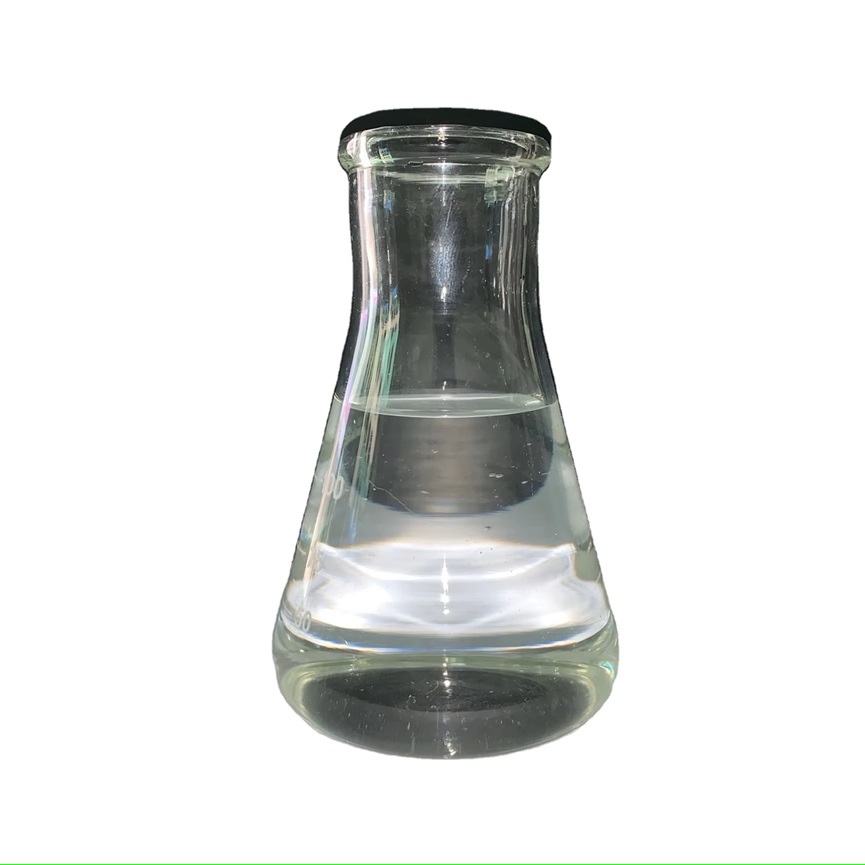
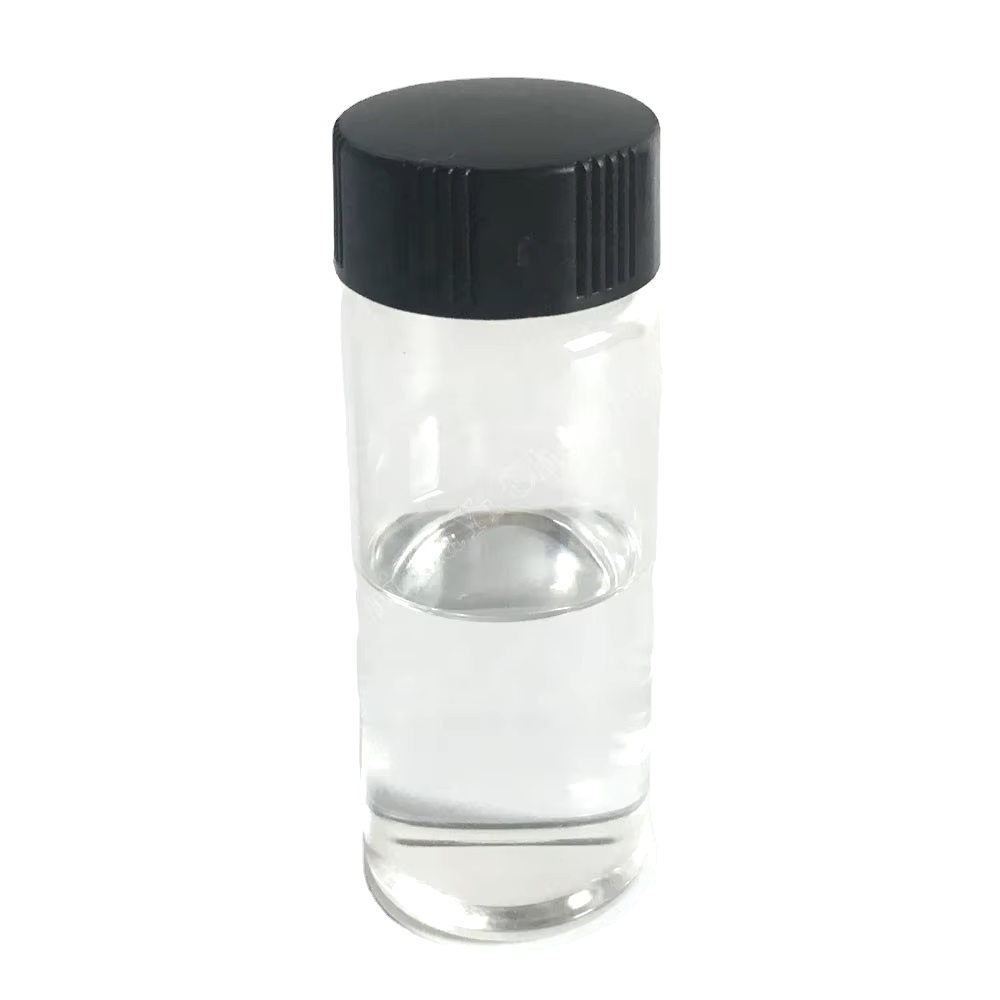
| Appearance (typical) | NP‑4–6: pale yellow viscous liquid; NP‑9–10: pale yellow, slightly hazy oily liquid; NP‑20–30: white to cream waxy solid |
⚠️ Regulatory Note: Nonylphenol (NP) and nonylphenol ethoxylates (NPE) are severely restricted or banned in many applications in the EU (REACH Annex XVII, Entry 46) and other regions due to environmental and health concerns. This information is provided for remaining strictly controlled industrial uses and for technical reference only. Always verify current national and international regulations before use. Substitution with safer alternatives is strongly recommended.
2. PHYSICAL AND CHEMICAL PROPERTIES (varies with ethoxylation degree)
| Property | NP‑6 (liquid) | NP‑9 (liquid) | NP‑20 (waxy solid) |
|---|---|---|---|
| Appearance | Pale yellow, clear to slightly hazy viscous liquid | Pale yellow, oily liquid | White-cream, waxy solid |
| Density (20 °C) | ~1.02 g/cm³ | ~1.05 g/cm³ | – |
| Viscosity (25 °C) | 200–400 mPa·s | 200–400 mPa·s (~100–150 at 50 °C) | Solid (melting point ~30–45 °C) |
| pH (1% aq.) | ~6–7.5 | ~6–7.5 | ~6–7.5 |
| HLB (Hydrophilic-Lipophilic Balance) | ~10.5–11.5 | ~13–14 | ~16–17 |
| Solubility in water | Dispersible/emulsifiable | Moderate to good solubility | Readily soluble (hot water) |
| Vapour pressure | Negligible | Negligible | Negligible |
| Stability | Stable in dilute acids and alkalis; incompatible with strong oxidisers |
3. FUNCTIONAL PROPERTIES
-
Versatile non‑ionic surfactant: The nonylphenol moiety provides hydrophobicity, while the polyethylene oxide chain provides hydrophilicity, delivering excellent wetting, emulsifying, dispersing, and cleaning properties.
-
Low‑foaming character: Grades like NP‑4 and NP‑6 are particularly suited for low‑foam industrial cleaning and metal treatment formulations.
-
High electrolyte tolerance: Effective even in hard water and concentrated salt solutions.
-
Synergistic effects: Combines well with anionic and cationic surfactants to boost overall performance.
-
Wetting and penetration: Rapid wetting in textile pre‑treatment and agricultural formulations.
-
Emulsion stability: Forms stable emulsions in both solvent‑based and water‑based systems.
4. ALTERNATIVE NAMES AND SYNONYMS
-
Nonylphenol Ethoxylate (NPE)
-
Nonylphenol Polyoxyethylene Ether
-
Polyethylene Glycol Nonylphenyl Ether
-
Alkylphenol Ethoxylate (APE) (general group name)
-
Nonoxynol‑X (INCI name in pharma/cosmetics; e.g., Nonoxynol‑9)
-
Trade names: Tergitol NP‑X, Arkopal N‑X, Imbentin‑N, Antarox CO‑X, Igepal CO‑X, Triton N‑X, etc.
-
Common abbreviations: NPE, NPEO, APEO
5. SECTORAL APPLICATIONS, USAGE RATES, AND EXAMPLE FORMULATIONS (now largely substituted)
| Sector | Purpose | Typical Usage / Notes |
|---|---|---|
| Industrial & Institutional Detergents | Low‑foam wetting agent and dispersant for greasy soils | 1–8% of formulation; especially in carpet cleaning, CIP, high‑pressure spray |
| Textile Processing | Scouring, mercerisation wetting, dye bath dispersant | 0.5–3 g/L (in process bath) |
| Pulp and Paper | Felt conditioning, resin dispersion | 0.2–1% |
| Paints & Coatings | Pigment wetting, emulsion stabiliser in latex paints | 0.5–2% of total paint weight |
| Agrochemicals (Pesticides) | Emulsifiable concentrates (EC), water‑dispersible granules, wetter/dispersant | 2–6% of formulation |
| Oil & Gas | Drilling additives, emulsifier and foam control in fracturing fluids | Varies (0.5–3%) |
| Metal Treatment | Acidic degreasers and rust inhibitor formulations | 1–5% |
| Cosmetics (very limited) | Some hair dyes and temporary tattoo inks (where not already banned) | Subject to prohibition; use not recommended |
Example Formulations (legacy recipes; modern alternatives should be used):
-
Industrial Degreaser (Low‑Foam):
-
NP‑9 (or NP‑10): 5%
-
Sodium metasilicate pentahydrate: 4%
-
EDTA: 1%
-
Water: 90%
Note: Substitution with alcohol ethoxylates is strongly advised.
-
-
Textile Pre‑Treatment Wetting Bath:
-
NP‑6: 2 g/L
-
Sodium carbonate: 0.5 g/L
-
Operate at 50–70 °C.
-
6. REGULATORY STATUS AND ENVIRONMENTAL SAFETY (Critical)
-
EU REACH Annex XVII, Entry 46 (effective 3 February 2021):
-
Nonylphenol (NP) and nonylphenol ethoxylates (NPE) shall not be placed on the market in textile articles (clothing, accessories, interior textiles, footwear, etc.) at concentrations ≥ 100 mg/kg.
-
Many other uses (industrial detergents, cosmetics, metalworking fluids, pulp & paper, agrochemicals, etc.) are similarly restricted.
-
-
Other regions: Many countries (USA, Canada, China, etc.) have restrictions on NP/NPE in detergents and cleaning products.
-
Environmental fate: NPEs degrade slowly in the environment, releasing nonylphenol (NP) , which is persistent, bioaccumulative, and a known endocrine disruptor (hormonal effects) in aquatic life.
-
Waste disposal: NPE-containing waste must be handled as hazardous; do not discharge into drains or watercourses. Incineration in a licensed facility is the preferred method.
7. ALTERNATIVES AND COMPARISON
| Alternative | Chemical Type | Comparison |
|---|---|---|
| Fatty Alcohol Ethoxylates (AEO, LAE) | Linear or branched C12–C15 alcohol ethoxylates | Similar wetting/cleaning, readily biodegradable, low toxicity – the most common NPE replacement |
| Branched Alcohol Ethoxylates (isotridecanol ethoxylates) | Branched alcohol ethoxylates | Low foam, good wetting; close performance to NPEs with better environmental profile |
| Alkyl Polyglucosides (APG) | Sugar‑based non‑ionic | Excellent environmental profile, renewable; less stable foam |
| EO/PO Block Copolymers | Polyalkylene glycol ethers | Low foam, high temperature stability; suitable for CIP and spray cleaning |
| Amine Oxides | Weak non‑ionic/cationic character | Foam booster, used in mild cleaning |
8. STORAGE AND SHELF LIFE
-
Storage: Keep in tightly closed, original HDPE or stainless steel containers; store in a cool (<40 °C), dry, well‑ventilated area away from excessive heat and direct sunlight.
-
Shelf life: 24 months under proper conditions. After prolonged storage, product may develop slight turbidity or absorb moisture; stir before use.
-
Incompatibilities: Strong acids, strong oxidisers (peroxides, nitric acid, chlorates).
9. FREQUENTLY ASKED QUESTIONS
Q1. What do NP‑4, NP‑6, NP‑9, etc., mean?
The number indicates the average moles of ethylene oxide (EO) per mole of nonylphenol. Higher EO numbers increase water solubility, HLB value, and cloud point; oil affinity decreases. NP‑4–6 are used as emulsifiers/wetting agents, NP‑9–10 are general‑purpose detergents, and NP‑20–30 offer high‑temperature stability.
Q2. Does a single CAS number cover all NPEs?
No. 127087‑87‑0 is specific to a particular grade (often NP‑6). Different CAS numbers exist for NP‑9 (9016‑45‑9), NP‑10 (26027‑38‑3), NP‑30 (9016‑12‑1), etc. Always specify the exact ethoxylation degree and corresponding CAS.
Q3. Are NPEs banned?
Yes, in the EU and many other countries they are prohibited or severely restricted for most uses, particularly in textiles, cleaning products, cosmetics, and agrochemicals. Limited closed‑system industrial uses may still exist, but alternatives are overwhelmingly preferred.
Q4. What are the recommended alternatives?
Fatty alcohol ethoxylates (C12–C15 AEO), isotridecanol ethoxylates, alkyl polyglucosides (APG), and EO/PO block copolymers offer similar performance with far better environmental and toxicological profiles.
Q5. Are NPEs water‑soluble?
Low‑EO grades (NP‑4–6) are not fully soluble; they form milky dispersions. NP‑9 and above give clear solutions. High‑EO grades (NP‑20–30) dissolve easily even in cold water.
Q6. Why are NPEs harmful to the environment?
During degradation they release nonylphenol (NP), which is persistent, bioaccumulative, and acts as an endocrine disruptor in aquatic organisms, interfering with their hormonal systems.
Q7. What should I do with old NPE stock?
Dispose of it through a licensed hazardous waste contractor according to local regulations. Do not use it in new formulations, as this may lead to legal penalties and environmental harm.
10. QUICK REFERENCE TABLE
| Property | NP‑6 (CAS specified) |
|---|---|
| CAS | 127087‑87‑0 |
| Form, colour | Pale yellow viscous liquid |
| HLB (approx.) | ~10.5–11.5 |
| Density | ~1.02 g/cm³ |
| Ionic character | Non‑ionic |
| Historical main uses | Detergents, textiles, metal cleaning |
| Current status | Restricted/banned – use only where legally permitted; substitution strongly advised |