Kieralon SAS 60, Hostapur SAS 60, Sodium Alkane Sulfonate, Sodium C14-17 Secondary Alkyl Sulfonate, SAS60, 68608-26-4, 97489-15-1
SODIUM C14-17 SECONDARY ALKYL SULFONATE (SAS 60)
Kieralon® SAS 60 / Hostapur® SAS 60
CAS Numbers: 97489-15-1 / 68608-26-4
EC Number: 271-781-5
1. IDENTIFICATION
| Property |
Information |
| Product Name |
Sodium C14-17 Secondary Alkyl Sulfonate (SAS 60) |
| Trade Names |
Kieralon® SAS 60 (Archroma), Hostapur® SAS 60 |
| Other Names |
Sodium Alkanesulfonate, Secondary Alkane Sulfonate Sodium Salt, Sulfonic Acids C13-17-sec-alkane Sodium Salts |
| Chemical Structure |
Sodium C14-17 secondary alkyl sulfonate |
| Ionic Character |
Anionic |
| CAS Number (Primary) |
97489-15-1 |
| CAS Number (Secondary) |
68608-26-4 |
| EC Number |
271-781-5 |
| MDL Number |
MFCD00165878 |
| Appearance (20-25°C) |
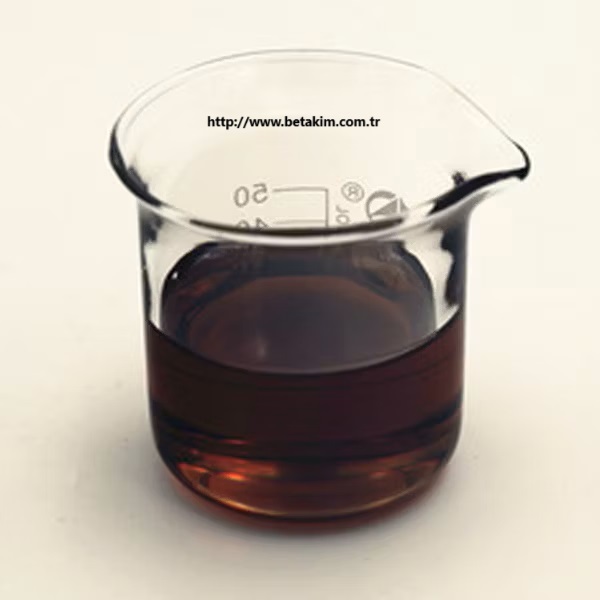
Pale yellowish, soft paste / viscous liquid |
| Active Content |
Approx. 60% |
| Sodium Sulfate Content |
Max. 4.2% |
| Paraffin Content |
Max. 0.7% |
2. PHYSICAL AND CHEMICAL PROPERTIES
| Property |
Value |
| Appearance (20-25°C) |
Pale yellowish soft paste / viscous liquid |
| Active Matter |
Approx. 60% |
| pH (5% solution, 20°C) |
7.0 – 8.5 |
| Density (20°C) |
Approx. 1.087 g/cm³ (1.061-1.087 g/cm³ range) |
| Viscosity (20°C) |
Approx. 7,500 mPa·s |
| Surface Tension (1% solution, 25°C) |
Approx. 31 mN/m |
| Interfacial Tension (25°C) |
Approx. 25.8 mN/m |
| Wetting Time (0.1% solution, 20°C) |
8 seconds |
| Wetting Time (0.1% solution, 50°C) |
4 seconds |
| Cloud Point (25% solution) |
3°C |
| Boiling Point |
>100 °C |
| Flash Point |
Approx. 50 °C |
| Freezing Point |
Approx. 0 °C |
| Solubility in Water |
Freely soluble |
| Solubility in Ethanol |
Soluble |
| Decomposition Temperature |
5% weight loss at 393°C |
| Color |
Pale yellow to colorless (depending on grade) |
| Odor |
Slight characteristic odor |
3. PRODUCT FEATURES & CHARACTERISTICS
| Feature |
Description |
| High Solubility |
Excellent solubility in water, even at low temperatures |
| Strong Wetting Ability |
Superior wetting properties (8 seconds at 20°C, 0.1% solution) |
| Good Foaming Power |
Distinct and stable foaming capacity |
| Oil & Soil Dispersion |
Excellent grease and dirt removal capabilities |
| Enzyme Compatibility |
High compatibility with enzymes in detergent formulations |
| pH Stability |
Stable over a wide pH range (acidic, neutral, and alkaline) |
| Hard Water Stability |
Insensitive to hard water; no precipitation occurs |
| Hydrolysis Resistance |
Good hydrolysis resistance |
| Biodegradability |
Readily biodegradable (environmentally friendly) |
| Hydrotropic Properties |
Good hydrotropic properties |
| Thermal Stability |
Excellent thermal stability (5% weight loss at 393°C) |
| Corrosion Resistance |
Good anti-rust properties for ferrous metals and brass |
| Low Temperature Performance |
No precipitation issues at low temperatures |
4. COMPATIBILITY
| Compatibility |
Information |
| Compatible With |
Anionic and non-ionic surfactants |
| Incompatible With |
Cationic products (forms electrically neutral salts, causing precipitation) |
| Enzyme Compatibility |
High – ideal for enzyme-containing detergents |
| Builder Compatibility |
Good compatibility with detergent builders and bleaches |
| Acid/Alkali Stability |
Stable in strong acid, strong alkali, and oxidizing systems |
| Chlorine Stability |
Stable in chlorinated systems |
5. APPLICATIONS
5.1. Home Care (Household Detergents & Cleaners)
| Application |
Function |
| Manual Dishwashing Liquids |
Strong foaming and grease removal |
| Hard Surface Cleaners |
Wetting and soil dispersion |
| Laundry Detergents |
Surfactant, foam control, soil removal |
| Fabric Care Products |
Cleaning and wetting agent |
| Automatic Dishwashing Detergents |
Wetting and rinsing aid |
| Bathroom Cleaners |
Soil dispersion and cleaning |
| Glass Cleaners |
0.2-1% concentration – antistatic, cleaning, formulation stabilization |
| General Purpose Cleaners |
0.1-1% concentration |
| Acidic Cleaners |
0.2-2% concentration – stable in acidic systems |
| Carpet Cleaners |
Effective in carpet cleaning formulations |
| Stain Removers |
Soil dispersion and dissolving properties |
| Toilet Cleaners |
Effective cleaning and odor removal |
| Floor & Carpet Care |
Cleaning and shine provision |
5.2. Industrial & Institutional Cleaning
| Application |
Function |
| Industrial Cleaners |
Degreasing and heavy-duty cleaning |
| Automotive Shampoos |
Strong degreasing and wetting |
| Wheel Cleaners |
Grease and brake dust removal |
| CIP Cleaning (Clean-in-Place) |
Effective cleaning of food industry equipment |
| Metal Degreasing |
Oil and grease removal from metal surfaces |
| Truck Wash |
Heavy-duty cleaning |
| Concrete Additives |
Dispersant |
| Cutting Fluids |
Emulsifier and wetting agent |
| Oil Dissolvers |
Hydrocarbon removal |
| Heat Exchanger Cleaning |
Drying agent in food industry equipment cleaning |
| Air Evacuation Equipment |
Industrial cleaning |
5.3. Personal Care Products
| Application |
Function |
| Shampoos |
Cleansing, foaming, and mildness |
| Shower Gels |
Cleansing and foaming |
| Body Washes |
Cleansing and mild surfactant |
| Hand Soaps |
Cleansing and foaming |
| Facial Cleansers |
Mild and gentle cleansing |
| Toothpaste |
Foaming agent and surface tension reduction |
| Foam Baths |
Rich and stable foam |
Important Note: SAS 60 is milder and less irritating compared to traditional sulfates (Sodium Lauryl Sulfate – SLS, Sodium Laureth Sulfate – SLES). Therefore, it is preferred in products formulated for sensitive skin.
5.4. Textile & Leather Industry
| Application |
Function |
| Textile Processing |
Wetting agent and scouring agent |
| Dyeing Auxiliaries |
Dispersant and leveling agent |
| Leather Processing |
Degreasing and wetting |
| Fabric Scouring |
Removal of natural impurities |
| Printing & Dyeing |
Auxiliary chemical |
5.5. Polymer & Emulsion Industries
| Application |
Function |
| Vinyl Chloride Polymerization (PVC) |
Emulsifier for emulsion polymerization |
| PVDC Polymerization |
Emulsifier |
| Engineering Plastics |
Internal antistatic additive (due to thermal stability) |
| Latex Paints |
Dispersant and pigment wetting |
| Synthetic Resins |
Antistatic agent |
5.6. Other Applications
| Application |
Function |
| Metalworking Cleaners |
Degreasing and corrosion inhibition |
| Rinse Aids (Dishwashing Machines) |
Wetting and sheeting action |
| Anti-fog / De-icer Formulations |
Surface tension reduction |
| Disinfectants / Antiseptics |
Surfactant and cleaning aid |
| Deodorants |
Surfactant |
| Rubber & Plastic Production |
Auxiliary chemical |
6. FORMULATION EXAMPLES (Typical Usage Levels)
| Product Type |
Typical Concentration |
| Glass Cleaner |
0.2 – 1.0% |
| General Purpose Cleaner |
0.1 – 1.0% |
| Acidic Cleaner |
0.2 – 2.0% |
| Manual Dishwashing Liquid |
5 – 15% |
| Laundry Detergent (Liquid) |
2 – 10% |
| Automotive Shampoo |
3 – 10% |
| Industrial Degreaser |
5 – 20% |
| CIP Cleaner |
0.5 – 2.0% |
| Shampoo / Shower Gel |
5 – 15% |
| Automatic Dishwashing Detergent |
1 – 5% |
7. STORAGE & HANDLING
| Parameter |
Information |
| Storage Temperature |
5°C – 30°C (recommended) |
| Stability Note |
May separate into two phases during storage. Sodium sulfate may crystallize at low temperatures. |
| Before Use |
Must be thoroughly mixed before use. |
| Bulk Storage Recommendation |
If stored in tanks, maintain constant temperature (65-90°C) with continuous stirring |
| Shelf Life |
12-24 months when stored properly |
| Hygroscopicity |
Absorbs moisture from air – store in dry environment |
| Packaging |
Typically 25 kg drums, jerry cans, or IBC tanks |
| Incompatible Materials |
Strong oxidizing agents, cationic surfactants |
| Moisture Protection |
Must be protected from moisture; keep in closed containers |
8. SAFETY & HEALTH INFORMATION
| Parameter |
Information |
| Biodegradability |
Readily biodegradable – environmentally friendly |
| Aquatic Toxicity |
Consult SDS for detailed ecotoxicological data |
| Skin Irritation |
Mild – less irritating than traditional sulfates (SLS/SLES) |
| Eye Irritation |
May cause irritation – use eye protection |
| Inhalation |
Avoid breathing dust/mist |
| Recommended PPE |
Protective gloves, safety goggles |
| Toxicity Class |
Low toxicity |
First Aid Measures
| Exposure Route |
Action |
| Inhalation |
Remove to fresh air. Seek medical attention if irritation persists. |
| Skin Contact |
Wash with plenty of water and soap. Remove contaminated clothing. |
| Eye Contact |
Rinse immediately with plenty of water for at least 15 minutes. Seek medical attention. |
| Ingestion |
Rinse mouth. Drink plenty of water. Do NOT induce vomiting. Seek medical attention. |
Important: For complete toxicological and ecological data, refer to the Safety Data Sheet (SDS) provided by the manufacturer (Archroma or supplier).
9. TYPICAL APPLICATIONS BY SECTOR (Summary)
| Sector |
Applications |
| Home Care |
Dishwashing liquids, laundry detergents, hard surface cleaners, glass cleaners, bathroom cleaners, carpet cleaners, toilet cleaners |
| Industrial Cleaning |
Degreasers, metal cleaners, CIP cleaners, truck wash, concrete additives, cutting fluids, heat exchanger cleaning |
| Personal Care |
Shampoos, shower gels, hand soaps, facial cleansers, toothpaste, foam baths |
| Textile & Leather |
Scouring agents, wetting agents, dyeing auxiliaries, fabric scouring |
| Polymer & Plastics |
Emulsifier for PVC/PVDC emulsion polymerization, antistatic agent for plastics |
| Automotive |
Car shampoos, wheel cleaners, engine degreasers |
| Food Industry |
CIP cleaning of heat exchangers, air evacuation equipment |
| Paints & Coatings |
Dispersant in latex paints, pigment wetting |
10. COMPARISON WITH OTHER SURFACTANTS
| Property |
SAS 60 (Secondary Alkane Sulfonate) |
SLS / SLES (Alkyl Ether Sulfate) |
LABSA (Linear Alkyl Benzene Sulfonate) |
| Mildness (Skin Friendliness) |
High (mild) |
Low (can be irritating) |
Medium |
| Foaming |
Good |
Excellent |
Good |
| Hard Water Tolerance |
Excellent (stable) |
Medium |
Good |
| Biodegradability |
Readily biodegradable |
Readily biodegradable |
Readily biodegradable |
| pH Stability |
Wide range (acid-alkaline) |
Wide range |
Wide range |
| Hydrolysis Resistance |
Excellent |
Good |
Good |
| Degreasing Power |
Excellent |
Good |
Excellent |
| Thermal Stability |
High |
Medium |
Medium |
| Enzyme Compatibility |
High |
High |
Medium |
| Cost Level |
Medium-High |
Low-Medium |
Low |
11. ENVIRONMENTAL & REGULATORY INFORMATION
| Parameter |
Information |
| Biodegradability |
Readily biodegradable according to OECD criteria |
| VOC Emissions |
Low |
| Ozone Depletion Potential |
Zero |
| EU Detergent Regulation (EC) 648/2004 |
Compliant |
| REACH (EC) 1907/2006 |
Registered |
| Cosmetics Regulation (EC) 1223/2009 |
Suitable for specified uses |
| Turkish Food Codex (TGK) |
Suitable for cleaning of food contact surfaces |
12. OTHER NAMES & SYNONYMS
| Name |
Description |
| Kieralon® SAS 60 |
Archroma trademark |
| Hostapur® SAS 60 |
Clariant trademark |
| Sodium Alkanesulfonate |
General chemical name |
| Secondary Alkane Sulfonate Sodium Salt |
Structural description |
| Sodium C14-17 Alkyl Secondary Sulfonate |
Full chemical name |
| SAS 60 |
Common industrial abbreviation |
| Alkanesulfonates |
English general name |
| Sulfonic Acids, C13-17-sec-alkane, Sodium Salts |
IUPAC name |
Database Identifiers:
13. SUMMARY
Sodium C14-17 Secondary Alkyl Sulfonate (SAS 60) – commercially known as Kieralon® SAS 60 (Archroma) or Hostapur® SAS 60 – is a high-performance, environmentally friendly, anionic surfactant developed by Archroma.
Key Features:
| Feature |
Description |
| High Solubility |
Excellent water solubility, even at low temperatures |
| Strong Wetting |
Superior wetting ability (8 seconds at 20°C) |
| Good Foaming |
Distinct and stable foaming power |
| Oil & Soil Dispersion |
Excellent grease dissolving and soil removal |
| Enzyme Compatibility |
High compatibility with enzymes |
| pH Stability |
Stable over wide pH range (acidic, neutral, alkaline) |
| Biodegradability |
Readily biodegradable – environmentally friendly |
| Skin Friendliness |
Milder and less irritating compared to SLS/SLES |
Main Application Areas:
| Sector |
Applications |
| Home Care |
Manual dishwashing liquids, laundry detergents, hard surface cleaners, glass cleaners |
| Industrial Cleaning |
Degreasers, metal cleaners, CIP cleaners, automotive shampoos |
| Personal Care |
Shampoos, shower gels, hand soaps, toothpaste |
| Textile & Leather |
Wetting agents, scouring agents, dyeing auxiliaries |
| Polymer |
Emulsifier for PVC/PVDC emulsion polymerization |
14. IMPORTANT NOTES
-
Phase Separation: The product may separate into two phases during storage. Sodium sulfate crystallization may occur at low temperatures. This is normal and does not affect product quality. Always mix thoroughly before use.
-
Bulk Storage: If stored in tanks, maintain constant temperature (65-90°C) with continuous stirring.
-
Hygroscopicity: The product absorbs moisture from air. Keep containers tightly closed when not in use.
-
Incompatibility: Do not use with cationic surfactants – they form electrically neutral salts causing precipitation.
-
Safety: For complete safety information, refer to the Safety Data Sheet (SDS) provided by the manufacturer.
Important Disclaimer: This Technical Data Sheet (TDS) is for informational purposes only. For complete safety, handling, storage, and regulatory compliance information, always refer to the official Safety Data Sheet (SDS) provided by the manufacturer (Archroma or supplier). Due to phase separation tendency, always mix thoroughly before use and follow recommended storage conditions.
Documents