We unleash your business potential by maximize the business innovation.
Send EmailTara Gum, Tara Powder ,Caesalpinia Spinosa, Caesalpinia Tinctoria, Peruvian Carob, E417, 39300-88-4
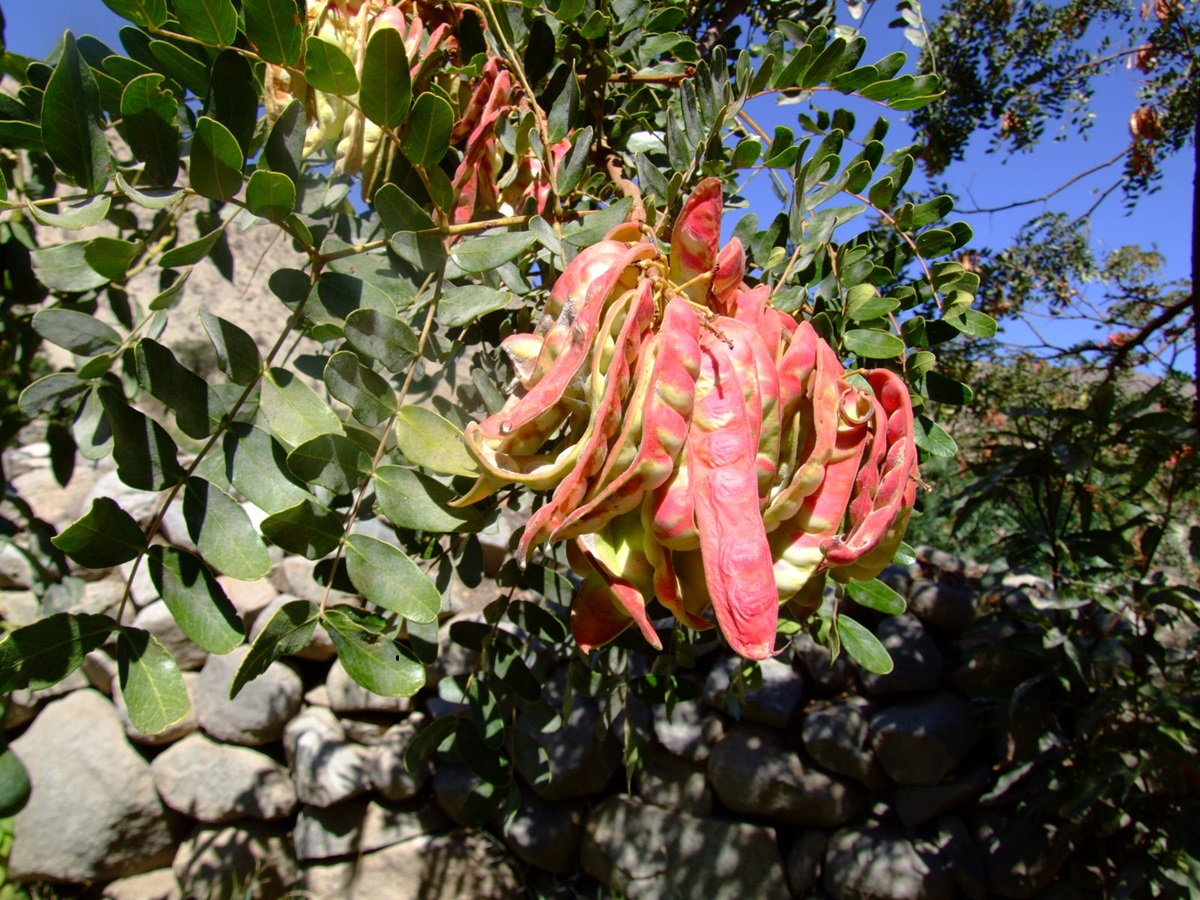
Tara Powder is a natural tannin derived from the pods of the Caesalpinia Spinosa tree, native to the valleys of the Peruvian Andes. It is recognized for its high tannin content, low iron levels, and versatility across multiple industries. Let me break it down in detail:
Botanical & Chemical Profile
-
Scientific Name: Caesalpinia Spinosa
-
Alternative Names: Tara Gum, Peruvian Carob, Caesalpinia Tinctoria
-
Molecular Formula: C75H52O46
-
Molecular Weight: 1688
-
CAS Registry Number: 39300-88-4
-
Tannin Type: Pyrogallol tannin with minor catechol derivatives
-
Appearance: Fine, uniform, light beige to light brown powder
-
Key Properties: Anionic, hygroscopic, dust-free, exempt from PCP
Industrial Applications
Leather Industry
-
Used in tanning and retanning processes.
-
Produces leather that is soft, durable, lightfast, and resistant to elongation.
-
Enhances brightness and maintains a fine, tight grain.
-
Recommended dosage:
-
Bovine leather: 2–10% (on shaved weight)
-
Goat and calf skins: 2–3%
-
Deep blacks: 20% WOF + 1% ferrous sulfate mordant
-
Textiles
-
Improves light and wash fastness of dyes.
-
Works better with cellulose fibers than protein fibers.
-
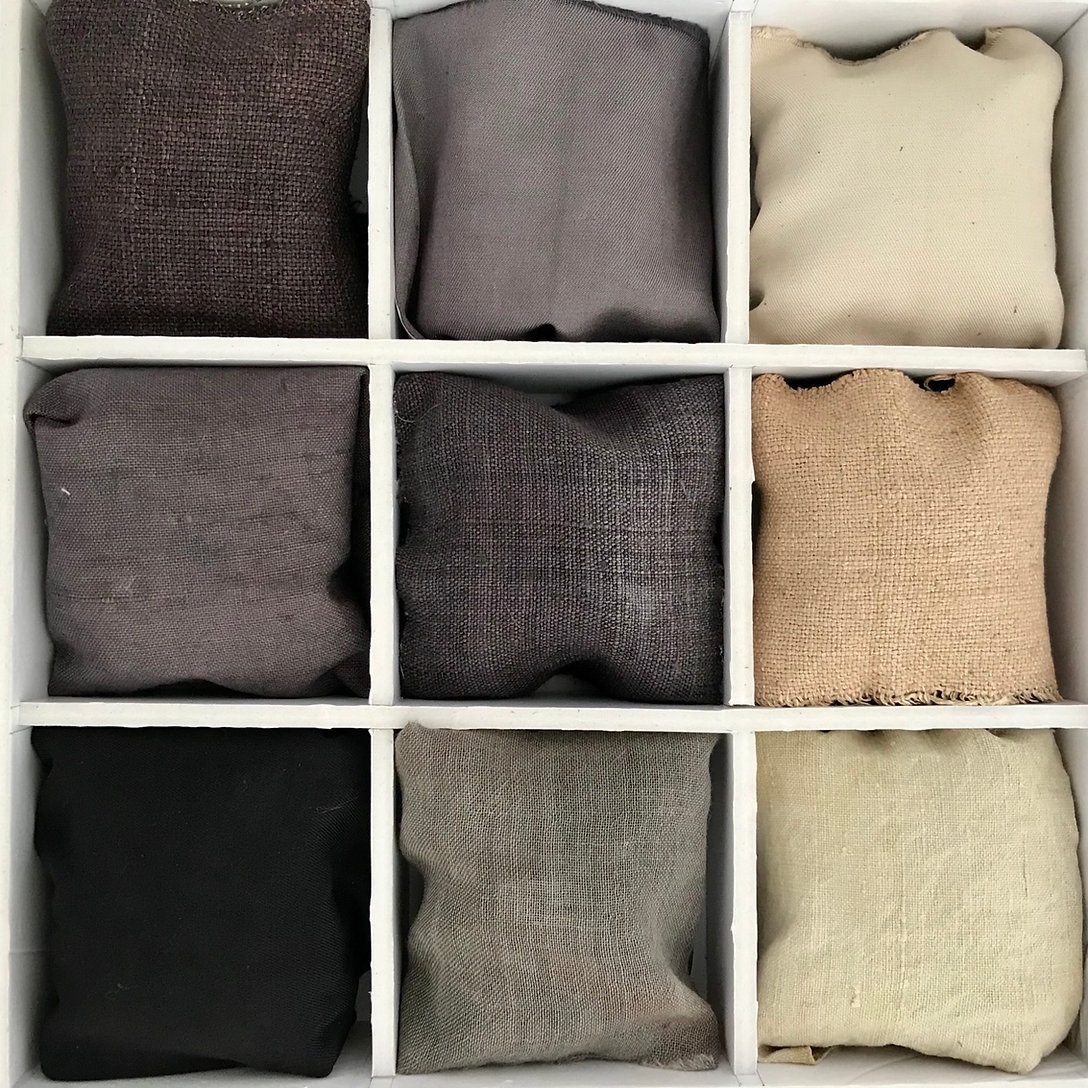
Creates deep shades of black when combined with iron salts.
Paper Industry
-
Serves as a natural tannin source in paper processing.
Pharmaceuticals
-
Used in the production of gallic acid, a precursor for various medications.
Food & Beverage
-
Contributes to tannic acid production, applied in brewing beer and wine.
Agriculture
-
Functions as an organic fertilizer, enriching soil and improving water retention.
-
Suitable for organic farming practices.
Cosmetics
-
Valued for antioxidant properties, with potential anti-inflammatory benefits.
Analytical Data
-
Tannin Content: 56% ±4 (SGS Peru AOAC method)
-
Active Matter: Minimum 93.5%
-
Moisture Content: 6–8%
-
pH (20% aqueous solution): 4.0–5.0
-
Insoluble Matter: 5–15%
-
Grading: 92% in MESH 100
Storage & Packaging
-
Shelf life: Over 2 years in sealed, original packaging under cool, dry conditions.
-
Packaging: 25 kg laminated polypropylene bags.
Sustainability & Social Impact
-
Harvested sustainably without damaging trees.
-
Provides significant income for rural Peruvian communities.
-
Cultivated partly as erosion control, supporting biodiversity.
-
Represents a biodegradable, eco-friendly alternative to synthetic tanning agents.
Advantages & Considerations
Advantages
-
High tannin yield, low iron content.
-
Produces bright, lightfast leather.
-
Eco-friendly and biodegradable.
-
Supports local communities and fair trade.
-
Versatile across industries.
Considerations
-
Sensitive to iron salts (risk of staining).
-
Performs better on cellulose fibers than protein fibers.
-
Requires careful pH management in certain processes.
In essence, Tara Powder is not just a tanning agent—it’s a multi-industry natural extract that combines performance, sustainability, and social responsibility.
1. Leather Industry
-
Suitability: Highly suitable for tanning and retanning. Produces bright, lightfast, soft, and durable leather.
-
Dosage:
-
Bovine upper and upholstery leathers: 2–10% (on shaved weight).
-
Goat skins and calf: 2–3%.
-
Deep black tones: 20% WOF + 1% ferrous sulfate mordant.
-
-
Notes: Sensitive to iron salts; advisable to add a small amount of sequestering agent to prevent stains.
2. Textile Industry
-
Suitability: Works better with cellulose fibers than protein fibers. Enhances light and wash fastness of dyes.
-
Dosage:
-
General fastness improvement: 10% WOF.
-
Deep black shades: 20% WOF + iron mordant.
-
-
Notes: Not recommended for cold dyeing; effective in hot dyeing processes.
3. Paper Industry
-
Suitability: Used as a natural tannin source in paper processing.
-
Dosage: Applied in variable proportions depending on desired paper strength and finish.
-
Notes: Provides eco-friendly alternatives to synthetic additives.
4. Food & Beverage
-
Suitability: Contributes to tannic acid production, used in brewing beer and wine.
-
Dosage: Industrial extraction processes vary; typically standardized to yield tannic acid rather than direct powder application.
-
Notes: Not used directly as a food additive but as a precursor in tannic acid production.
5. Pharmaceuticals
-
Suitability: Source of gallic acid, an important compound in medications.
-
Dosage: Applied in extraction processes; not used directly in raw form.
-
Notes: Gallic acid derived from Tara is valued for antioxidant and anti-inflammatory properties.
6. Agriculture
-
Suitability: Functions as an organic fertilizer, enriching soil and improving water retention.
-
Dosage: Application rates vary depending on crop type and soil condition; typically blended into organic fertilizer formulations.
-
Notes: Suitable for organic farming practices; replaces synthetic chemicals.
7. Cosmetics
-
Suitability: Used for its antioxidant properties in skincare and haircare formulations.
-
Dosage: Incorporated in extract form; concentration depends on product type.
-
Notes: Provides natural, eco-friendly alternatives to synthetic antioxidants.
Summary Table
| Sector | Suitability | Recommended Usage |
|---|---|---|
| Leather | Excellent | 2–10% (bovine), 2–3% (goat/calf), 20% WOF + mordant for blacks |
| Textiles | High | 10% WOF (fastness), 20% WOF + mordant for blacks |
| Paper | Moderate | Variable, depends on processing |
| Food & Beverage | Indirect | Used for tannic acid extraction |
| Pharmaceuticals | Indirect | Source of gallic acid |
| Agriculture | High | Variable, blended into organic fertilizers |
| Cosmetics | Moderate | Extract form, concentration varies |
, Tanning and Re-tanning.jpg)