We unleash your business potential by maximize the business innovation.
Send EmailPerchloro Ethylene, Tetrachloro Ethylene, Carbon Dichloride, Ethylene Tetrachloride, Tetrachloroethene, PER, PCE, PERC, PERK, 127-18-4
PERCHLOROETHYLENE (TETRACHLOROETHYLENE)
CHEMICAL PROFILE AND IDENTIFICATION
| Parameter | Information |
|---|---|
| Chemical Name | Tetrachloroethylene, Perchloroethylene |
| Other Names | PER, PCE, PERC, PERK, Carbon Dichloride, Ethylene Tetrachloride, Tetrachloroethene, 1,1,2,2-Tetrachloroethylene |
| CAS Number | 127-18-4 |
| EC Number (EINECS) | 204-825-9 |
| Molecular Formula | C₂Cl₄ |
| Molecular Weight | 165.83 g/mol |
| Appearance | Colorless transparent liquid |
| Odor | Ether-like, chloroform-like odor |
| Color | APHA: ≤10 |
| Physical State (20°C) | Liquid |
| UN Number | 1897 |
| RTECS Number | KX3850000 |
| HS Code | 29032300 |
| Merck Index | 14,9190 |
| BRN | 1361721 |
SECTION 1: PHYSICAL PROPERTIES
| Property | Value |
|---|---|
| Molecular Weight | 165.83 g/mol |
| Appearance | Colorless transparent liquid |
| Odor | Ether-like, chloroform-like odor |
| Color | APHA: ≤10 |
| Density (25°C) | 1.623 g/mL |
| Relative Density (d20) | 1.6227 |
| Melting Point | -22.0 °C to -22.7 °C |
| Boiling Point | 121.2 °C |
| Flash Point | 120-121°C |
| Autoignition Temperature | 260°C |
| Refractive Index (n20/D) | 1.505 |
| Vapor Pressure (20°C) | 13 mm Hg |
| Vapor Density (air=1) | 5.83 (heavier than air) |
| Viscosity (20°C) | 0.839 mPa·s |
| Surface Tension | 32.3 mN/m (20°C) |
| Critical Temperature | 347.1°C |
| Critical Pressure | 9.74 MPa |
| Odor Threshold | 0.77 ppm |
| Water Solubility (25°C) | 0.15 g/L (slightly soluble) |
| Miscible With | Ethanol, ether, chloroform, benzene, hexane |
| Insoluble in | Sugar, glycerol, protein |
SECTION 2: CHEMICAL PROPERTIES AND REACTIVITY
| Parameter | Information |
|---|---|
| Chemical Formula | C₂Cl₄ |
| Molecular Weight | 165.83 g/mol |
| Structure | Cl₂C=CCl₂ |
| Stability | Stable under normal conditions; decomposes in presence of light, water, oxygen over time |
| Thermal Stability | Stable up to 500°C in absence of air, moisture and catalyst |
| Hydrolysis | Resistant to hydrolysis |
| Decomposition Products | Trichloroacetaldehyde, phosgene (in presence of light, water, oxygen) |
| Incompatibilities | Strong oxidizing agents, alkali metals, aluminum, strong bases, barium powder, beryllium powder, lithium chips, dinitrogen tetroxide, sodium hydroxide |
| Reaction with Bromine | Forms monobromo trichloro or dibromo dichloro compounds |
| Reaction with Hydrogen Fluoride | Reacts in presence of catalyst |
| High Temperature Decomposition | Decomposes to carbon and chlorine compounds |
| Corrosivity | Corrosive to iron, aluminum, zinc (can be inhibited with stabilizers) |
Chemical Reactions
Decomposition (Light, Water, Oxygen):
C₂Cl₄ + H₂O → CCl₃CHO + HCl + COCl₂
Reaction with Bromine:
C₂Cl₄ + Br₂ → C₂Cl₄Br₂
SECTION 3: PRODUCTION METHODS
3.1 Ethylene Method (Most Common)
Direct Chlorination:
-
Ethylene and chlorine react in 1,2-dichloroethane solution with FeCl₃ catalyst at 280-450°C
-
Produces 1,2-dichloroethane, further chlorinated to trichloroethylene and tetrachloroethylene
-
Distillation, neutralization with NH₃, washing, drying
Oxychlorination Method:
-
Ethylene + chlorine → 1,2-dichloroethane
-
1,2-dichloroethane + chlorine + oxygen with CuCl₂ and KCl catalyst at 425°C, 138-207 kPa
-
Product cooled, washed with water, dried, distilled for high purity
3.2 Hydrocarbon Oxidation Method
-
Hydrocarbon mixture (methane, ethane, propane, propylene) chlorinated and pyrolyzed at 50-500°C
-
Mixture of chlorinated hydrocarbons obtained
-
Fractionated and separated into various products
3.3 Acetylene Method
-
Acetylene + chlorine → 1,1,2,2-tetrachloroethane
-
Dehydrochlorination with alkali → trichloroethylene
-
Chlorination → pentachloroethane
-
Dehydrochlorination with alkali → tetrachloroethylene
-
Note: Gradually replaced by ethylene method due to high acetylene cost
Stabilizers Added
-
Amine or phenol derivatives (10-500 × 10⁻⁶)
-
Hydroquinone
-
Prevents decomposition
SECTION 4: APPLICATIONS
| Application | Description |
|---|---|
| Dry Cleaning | Primary use worldwide; efficient and safe cleaning of clothes; low solvent consumption; recyclable; non-flammable, no flash point or explosion risk |
| Metal Degreasing | Metal surface cleaning and degreasing; dissolves grease, rubber, resin, fat |
| Organic Solvent | Solvent for sulfur, iodine, mercury chloride, aluminum trichloride, fat, rubber, resin |
| Chemical Intermediate | Production of trichloroethylene and fluorine-containing organic compounds |
| Paint Remover | Paint stripping applications |
| Ink Solvent | Printing ink formulations |
| Textile Processing | Fabric finishing agent |
| Desulfurization Agent | Gas desulfurization applications |
| Extractant | Extraction of animal and vegetable oils |
| Heat Transfer Medium | Industrial heat transfer applications |
| Fire Extinguishing Agent | Fire extinguishing and smoke curtain agent |
| Pharmaceutical | Intestinal anthelmintic (hookworm treatment) |
| HPLC Solvent | High pressure liquid chromatography reagent |
| Spectrophotometric Solvent | Solvent for spectrophotometric determination |
SECTION 5: SOLUBILITY AND DISSOLUTION PROPERTIES
| Substance | Solubility |
|---|---|
| Water | Slightly soluble (0.15 g/L at 25°C) |
| Ethanol | Miscible |
| Ether | Miscible |
| Chloroform | Miscible |
| Benzene | Miscible |
| Hexane | Miscible |
| Sulfur | Dissolves |
| Iodine | Dissolves |
| Mercury Chloride | Dissolves |
| Aluminum Chloride | Dissolves |
| Fats | Dissolves |
| Rubber | Dissolves |
| Resins | Dissolves |
| Sugar | Insoluble |
| Glycerol | Insoluble |
| Protein | Insoluble |
SECTION 6: TOXICOLOGICAL PROFILE
| Parameter | Value |
|---|---|
| Acute Oral Toxicity (LD50, Rat) | 2,629 mg/kg |
| Acute Oral Toxicity (LD50, Mouse) | 8,100 - 8,850 mg/kg |
| Inhalation LC50 (Mouse) | 5,925 ppm |
| Skin Irritation (Rabbit) | 810 mg/24 hours - severe |
| Eye Irritation (Rabbit) | 500 mg/24 hours - mild |
| IARC Classification | Group 2A (Probably carcinogenic to humans) |
| Skin Absorption | Absorbed through skin |
| Target Organs | Central nervous system, liver, kidneys |
SECTION 7: HEALTH EFFECTS
| Exposure Type | Effects |
|---|---|
| Acute (Inhalation) | Central nervous system depression, anesthesia symptoms, dizziness, headache, sweating, fatigue, unsteady gait, mental confusion, loss of consciousness, death |
| Acute (Eye Contact) | Irritation, dryness |
| Acute (Skin Contact) | Dry skin, dermatitis |
| Acute (Ingestion) | Nausea, vomiting, liver injury, coma |
| Chronic | Liver damage, kidney damage, central nervous system effects, potential carcinogenicity |
Health Warnings
-
Tetrachloroethylene is a central nervous system inhibitor
-
May cause headaches, trembling, vomiting, severe cases lead to loss of consciousness and death
-
Irritating to eyes and skin
-
About 98% exhaled through lungs; only 2% metabolized
-
Metabolizes to trichloroacetic acid and trichloroethanol excreted in urine
-
Very slow elimination from body
SECTION 8: FIRST AID MEASURES
| Exposure | Action |
|---|---|
| Inhalation | Move to fresh air immediately. If breathing difficulties, give oxygen. If not breathing, give artificial respiration. Get immediate medical attention |
| Skin Contact | Wash with plenty of soap and water. Remove contaminated clothing. If irritation persists, get medical attention |
| Eye Contact | Rinse immediately with plenty of water for at least 15 minutes. Get medical attention |
| Ingestion | Do NOT induce vomiting. Rinse mouth. Give saline water. Get immediate medical attention |
| Notes for Physicians | No specific antidote; symptomatic treatment. Protect liver and kidney functions. Avoid adrenaline. |
SECTION 9: GHS CLASSIFICATION
| Hazard Class | Category | H-Phrase |
|---|---|---|
| Carcinogenicity | Category 2 | H351 |
| Acute Toxicity (Inhalation) | Category 4 | H332 |
| Skin Irritation | Category 2 | H315 |
| Eye Irritation | Category 2B | H320 |
| Specific Target Organ Toxicity (STOT-SE) | Category 3 | H335 |
| Specific Target Organ Toxicity (STOT-RE) | Category 1 | H372 |
| Aquatic Toxicity | Category 2 | H411 |
Signal Word: WARNING
Hazard Pictograms: GHS08 (Health Hazard), GHS07 (Exclamation Mark), GHS09 (Environment)
Hazard Statements (H-Codes)
| Code | Statement |
|---|---|
| H315 | Causes skin irritation |
| H319 | Causes serious eye irritation |
| H332 | Harmful if inhaled |
| H335 | May cause respiratory irritation |
| H351 | Suspected of causing cancer |
| H372 | Causes damage to organs through prolonged or repeated exposure |
| H411 | Toxic to aquatic life with long lasting effects |
SECTION 10: PRECAUTIONARY STATEMENTS (P-CODES)
| Code | Statement |
|---|---|
| P201 | Obtain special instructions before use |
| P202 | Do not handle until all safety precautions have been read and understood |
| P260 | Do not breathe vapors |
| P280 | Wear protective gloves/protective clothing/eye protection/face protection |
| P301+P310 | IF SWALLOWED: Immediately call a POISON CENTER/doctor |
| P302+P352 | IF ON SKIN: Wash with plenty of soap and water |
| P304+P340 | IF INHALED: Remove person to fresh air and keep comfortable for breathing |
| P305+P351+P338 | IF IN EYES: Rinse cautiously with water for several minutes. Remove contact lenses if present |
| P308+P313 | IF exposed or concerned: Get medical attention |
| P403+P233 | Store in a well-ventilated place. Keep container tightly closed |
| P501 | Dispose of contents/container to licensed waste disposal facility |
SECTION 11: OCCUPATIONAL EXPOSURE LIMITS
| Limit | Value |
|---|---|
| TLV-TWA (ACGIH) | 50 ppm (~325 mg/m³) |
| TLV-STEL (ACGIH) | 200 ppm |
| OSHA PEL | 100 ppm |
| MSHA PEL | 100 ppm |
| China MAC | 100 ppm (335 mg/m³) |
| USA | 50 ppm (335 mg/m³) |
SECTION 12: FIRE-FIGHTING MEASURES
| Parameter | Information |
|---|---|
| Fire Hazard | Non-flammable (does not burn easily); but reacts violently with oxygen and strong oxidizers |
| Flash Point | 120-121°C |
| Autoignition Temperature | 260°C |
| Explosion Hazard | No flash point or explosion risk under normal conditions; may explode in oxygen |
| Decomposition Products | Phosgene, hydrochloric acid, chlorine, carbon monoxide, carbon dioxide |
| Suitable Extinguishing Media | Water spray (for cooling containers), foam, carbon dioxide, dry sand |
| Special Hazards | Emits highly toxic and irritating smoke during fire |
| Protective Equipment | Self-contained breathing apparatus (SCBA), full protective clothing |
SECTION 13: ENVIRONMENTAL INFORMATION
| Parameter | Information |
|---|---|
| Ecotoxicity | Toxic to aquatic organisms (LC50 fish: ~5-20 mg/L) |
| Persistence | Persistent in soil and groundwater |
| Bioaccumulation | Low potential |
| Henry's Law Constant | 4.97 (1.8°C) to 117.0 (70°C) |
| WGK Germany | 3 (highly water-endangering) |
| Environmental Fate | Volatilizes rapidly; slow biodegradation; potential groundwater contaminant |
| Waste Disposal | Incineration (preferably mixed with other flammable fuels); ensure complete combustion to prevent phosgene formation; acid scrubber required |
SECTION 14: TRANSPORT INFORMATION
| Parameter | Information |
|---|---|
| UN Number | 1897 |
| Hazard Class | 6.1 (Toxic) |
| Packing Group | III |
| Proper Shipping Name | TETRACHLOROETHYLENE (PERCHLOROETHYLENE) |
| Marine Pollutant | Yes |
| ADR/RID Label | 6.1 |
| Transport Temperature | Ambient |
| Special Provisions | Keep away from food and feed; keep in dark, well-ventilated area |
SECTION 15: STORAGE
| Parameter | Information |
|---|---|
| Storage Temperature | +2°C to +25°C |
| Storage Conditions | Cool, dry, well-ventilated area; protected from light |
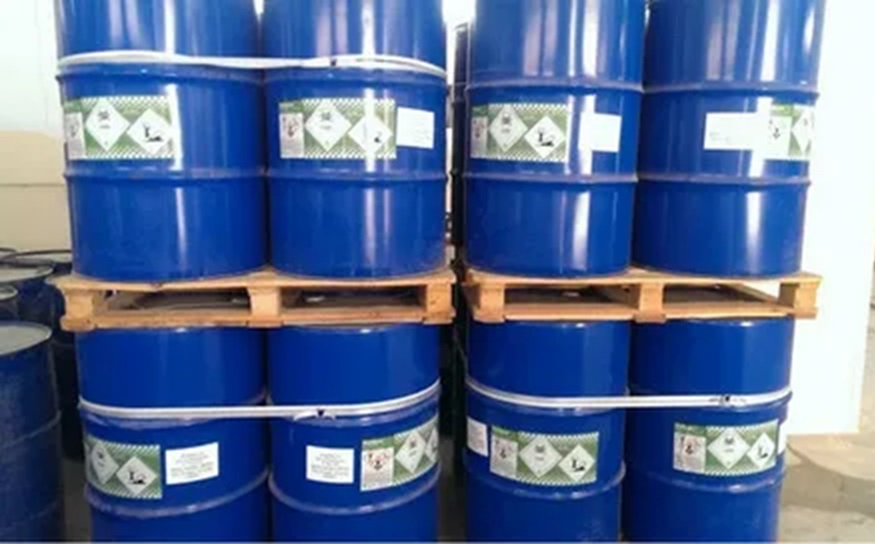
| Container | Iron drums (tightly closed) |
| Materials to Protect From | Strong oxidizing agents, alkali metals, aluminum, strong bases |
| Stabilizers | Hydroquinone or other stabilizers to prevent decomposition |
| Storage Area | Away from any area with fire risk |
| Shelf Life | 12-24 months (under proper storage with stabilizers) |
SECTION 16: REGULATORY INFORMATION
| Region | Status |
|---|---|
| EU | REACH registered; SVHC candidate (since 2010) |
| USA (TSCA) | Listed; significant new use rules |
| IARC | Group 2A (Probably carcinogenic to humans) |
| California Prop 65 | Listed as carcinogen |
| RoHS | Exempted for certain uses |
| Stockholm Convention | Not listed |
| WGK Germany | 3 |
| Turkey | Chemical registration required; controlled substance |
SECTION 17: SYNONYMS
| Type | Names |
|---|---|
| Common | Perchlorethylene, Tetrachloroethylene, PER, PCE, PERC, PERK |
| Trade Names | Dowper, Perclene, Tetropil, Didakene, Perawin, Perklone, Fedal-un, Tetlen, Nema, Persec, Tetracap, Tetralex, Tetraleno, Tetroguer, Antisol 1, Percosolve, Ankilostin, Tetrochloroethane |
| Chemical Names | Carbon Dichloride, Ethylene Tetrachloride, Tetrachloroethene, 1,1,2,2-Tetrachloroethylene, Ethene, 1,1,2,2-tetrachloro- |
SECTION 18: SAFETY AND PROTECTION MEASURES
Personal Protective Equipment
| Equipment | Requirement |
|---|---|
| Protective Clothing | Impermeable work clothes, changed daily if contaminated |
| Eye Protection | Safety goggles |
| Respiratory Protection | Gas mask (for higher concentrations) |
| Gloves | Protective gloves |
| Skin Protection | Prevent skin and eye contact |
Medical Surveillance
-
Periodic examination of skin, liver, kidney functions and central nervous system
-
Breath analysis helpful for assessing exposure
-
Pre-employment history of liver, kidney and neurological diseases should be considered
Determination Methods
| Medium | Method |
|---|---|
| Air | Activated carbon adsorption → CS₂ treatment → Gas chromatography |
| Water | Inert gas purge → Gas chromatography or GC-MS (halide specific detection) |
SECTION 19: PHYSICAL PROPERTIES DETAILED TABLE
| Property | Value |
|---|---|
| Molecular Weight | 165.83 g/mol |
| Density (25°C) | 1.623 g/mL |
| Density (20°C) | 1.6227 g/mL |
| Melting Point | -22.0°C to -22.7°C |
| Boiling Point | 121.2°C |
| Boiling Point (4.000 × 10³ Pa) | 33.2°C |
| Refractive Index | 1.5055 |
| Viscosity (20°C) | 0.839 mPa·s |
| Vapor Pressure (20°C) | 13 mm Hg |
| Vapor Pressure (40°C) | 5.466 × 10³ Pa |
| Vapor Pressure (60°C) | 13.865 × 10³ Pa |
| Vapor Pressure (80°C) | 30.131 × 10³ Pa |
| Vapor Pressure (100°C) | 58.128 × 10³ Pa |
| Vapor Density | 5.83 (heavier than air) |
| Surface Tension | 32.3 mN/m (20°C) |
| Critical Temperature | 347.1°C |
| Critical Pressure | 9.74 MPa |
| Odor Threshold | 0.77 ppm |
| Water Solubility | 0.15 g/L (25°C) |
SECTION 20: STRENGTHS AND WEAKNESSES
Strengths
| Strength | Description |
|---|---|
| Non-Flammable | No flash point or explosion risk under normal conditions |
| High Solvency | Excellent solvent for greases, oils, rubber, resins |
| Chemical Stability | Stable up to 500°C under proper conditions |
| Recyclable | Efficient for dry cleaning with low solvent consumption |
| Versatile | Wide range of industrial applications |
| High Density | 1.623 g/mL; effective for separation processes |
| Low Surface Tension | 32.3 mN/m; good wetting properties |
| KB Value | High; excellent grease dissolving capability |
Weaknesses
| Weakness | Description |
|---|---|
| Carcinogenicity | IARC Group 2A (probably carcinogenic) |
| Environmental Persistence | Persistent in soil and groundwater; long-term environmental effects |
| Decomposition | Decomposes to phosgene in presence of light, water, oxygen |
| Corrosivity | Corrosive to iron, aluminum, zinc |
| Toxic | Central nervous system depressant; toxic by inhalation, skin absorption, ingestion |
| Regulatory Restrictions | Subject to increasing regulatory control (REACH, SVHC) |
| Slow Elimination | 98% exhaled very slowly; 62% retained in lungs after exposure |
| Water Contamination | Low water solubility (0.15 g/L) but can contaminate groundwater |
SECTION 21: CRITICAL WARNINGS AND BEST PRACTICES
CRITICAL WARNINGS
| Warning | Description |
|---|---|
| Carcinogenicity | IARC Group 2A (probably carcinogenic to humans) due to sufficient evidence in animals; suspected carcinogen in humans |
| CNS Depression | Tetrachloroethylene is a central nervous system inhibitor; exposure causes headaches, dizziness, confusion, loss of consciousness, death |
| Phosgene Formation | Decomposes to phosgene in presence of light, water, oxygen; a highly toxic gas |
| Corrosivity | Corrosive to metals (iron, aluminum, zinc); use corrosion-resistant equipment |
| Decomposition | Long-term decomposition in light, water, oxygen produces trichloroacetaldehyde and phosgene |
| Exposure Limits | TLV-TWA 50 ppm; TLV-STEL 200 ppm; never exceed limits |
| Incompatibilities | Violent reactions with barium powder, beryllium powder, lithium chips, dinitrogen tetroxide, sodium hydroxide, strong oxidizers, alkali metals |
| Environmental | Persistent and toxic to aquatic organisms (WGK 3); do not release to environment |
| Skin Absorption | Can be absorbed through skin; proper PPE required |
BEST PRACTICE RECOMMENDATIONS
| Practice | Recommendation |
|---|---|
| Storage | Store in tightly closed containers at 2-25°C, protected from light; add stabilizers (hydroquinone, amines, phenol derivatives 10-500×10⁻⁶) |
| PPE | Use impermeable protective clothing, safety goggles, protective gloves; change daily if contaminated |
| Ventilation | Use in well-ventilated areas; local exhaust ventilation recommended |
| Monitoring | Regular monitoring of air concentration (ACGIH TLV-TWA 50 ppm); breath analysis for exposed workers |
| Medical | Pre-employment screening (liver, kidney, CNS); regular medical surveillance |
| Training | Train workers on hazards, PPE use, emergency procedures |
| Substitution | Where possible, consider safer alternatives for dry cleaning and degreasing |
| Waste Disposal | Incineration with acid scrubber; ensure complete combustion to prevent phosgene formation |
| Emergency | Post emergency procedures; eye wash and safety shower available; fire extinguishers (water spray for cooling) |
LEGAL DISCLAIMER
The information provided in this document is based on our current knowledge and experience and is presented in good faith; however, as all conditions of use are beyond our control, it does not constitute a binding specification or warranty. This Technical Data Sheet is for informational purposes only. Users are responsible for testing the suitability for their own applications. Tetrachloroethylene is a suspected carcinogen and toxic substance; extreme caution must be exercised during handling, use, storage, and disposal. For complete safety, storage, use, handling, disposal, and regulatory compliance information, please refer to the official Safety Data Sheet (SDS/MSDS) provided by the manufacturer/supplier.
, .jpg)

, PERKLOR ETİLEN, PERC, PCE, 127-18-4.jpg)
