Lead Acetate, Lead Acetate Hydrate, Lead Acetate Trihydrate, Lead Diacetate, Plumbous Acetate, Lead Acetate Anhydrous, 6080-56-4, 301-04-2, 612-031-2
LEAD ACETATE
CHEMICAL PROFILE AND IDENTIFICATION
| Parameter |
Information |
| Chemical Name |
Lead(II) Acetate |
| Other Names |
Lead Diacetate, Lead Acetate Anhydrous, Sugar of Lead, Salt of Saturn |
| CAS Numbers |
301-04-2 (Anhydrous), 6080-56-4 (Trihydrate), 612-031-2 (Trihydrate) |
| EC Number (EINECS) |
206-104-4 (Anhydrous) |
| Molecular Formula |
Pb(C₂H₃O₂)₂ (Anhydrous), Pb(C₂H₃O₂)₂·3H₂O (Trihydrate) |
| Molecular Weight |
325.29 g/mol (Anhydrous), 379.33 g/mol (Trihydrate) |
| Appearance |
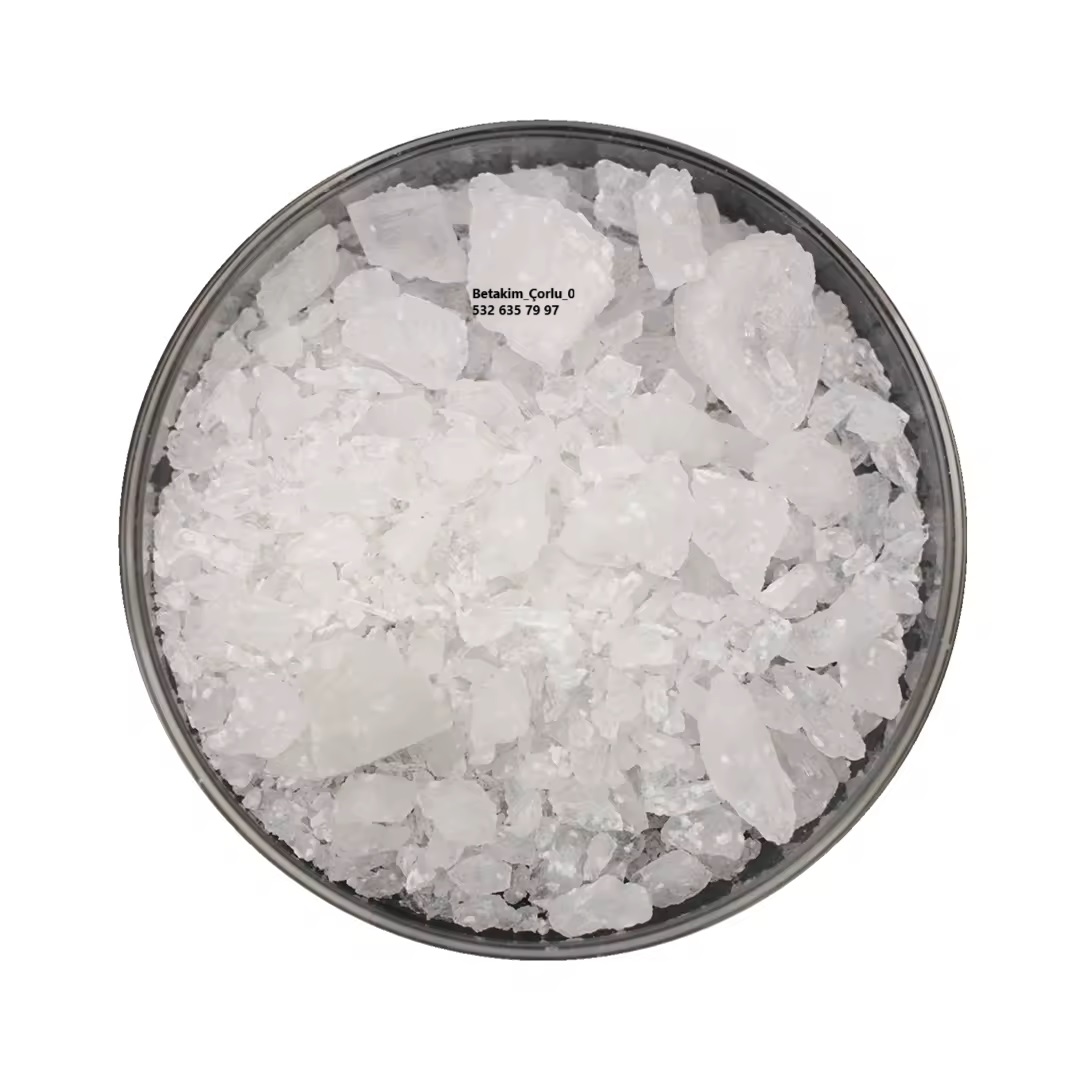
White to colorless crystals |
| Odor |
Slightly acetic acid-like odor |
| Taste |
Sweet, astringent (toxic) |
SECTION 1: PHYSICAL PROPERTIES
| Property |
Anhydrous |
Trihydrate |
| Molecular Weight |
325.29 g/mol |
379.33 g/mol |
| Appearance |
White to colorless crystals |
White to colorless crystals |
| Density |
~3.25 g/cm³ |
~2.55 g/cm³ |
| Melting Point |
~280°C (decomposes) |
75°C (dehydrates) |
| Boiling Point |
Decomposes |
~280°C (decomposes) |
| Solubility in Water |
Soluble |
Soluble |
| Solubility in Glycerol |
Soluble |
Soluble |
| Solubility in Ethanol |
Slightly soluble |
Slightly soluble |
| pH (aqueous solution) |
5.0-6.0 (acidic) |
5.0-6.0 (acidic) |
| Crystal System |
Monoclinic |
Monoclinic |
SECTION 2: CHEMICAL PROPERTIES AND REACTIVITY
| Parameter |
Information |
| Chemical Formula |
Pb(C₂H₃O₂)₂ (Anhydrous), Pb(C₂H₃O₂)₂·3H₂O (Trihydrate) |
| Lead (Pb) Content |
~63.6% (Anhydrous), ~54.6% (Trihydrate) |
| Decomposition |
Decomposes on heating to lead oxide and acetic acid |
| Hydrolysis |
Forms basic lead acetate in solution |
| Incompatibilities |
Strong oxidizers, acids, bases, sulfides, phosphates |
| Stability |
Stable under normal conditions; hygroscopic |
| Hydrolysis Reaction |
Pb(CH₃COO)₂ + H₂O ⇌ Pb(OH)(CH₃COO) + CH₃COOH |
| Decomposition |
Pb(CH₃COO)₂ → PbO + CH₃COOH↑ + CO₂↑ |
SECTION 3: APPLICATIONS
3.1 Laboratory and Analytical Chemistry
| Application |
Description |
| Chemical Analysis |
Used as reagent in analytical chemistry |
| Sulfide Detection |
Detection of sulfide ions (forms black PbS precipitate) |
| Chloride Detection |
Detection of chloride ions |
| Phosphate Detection |
Detection of phosphate ions |
| Organic Synthesis |
Catalyst or reagent in organic synthesis |
3.2 Pigment and Dye Industry
| Application |
Description |
| Lead White Pigment |
Historical production of white lead pigment |
| Paint Production |
Used as drier in paints and varnishes |
| Ceramic Glazes |
Used in ceramic glaze formulations |
| Color Production |
Used to produce various colors in ceramics |
3.3 Textile and Leather Industry
| Application |
Description |
| Textile Printing |
Used as mordant in textile printing |
| Textile Dyeing |
Used as mordant in textile dyeing |
| Leather Processing |
Used in leather dyeing and tanning processes |
| Weighting Silk |
Historical use in weighting silk fabrics |
3.4 Medical and Pharmaceutical
| Application |
Description |
| Topical Applications |
Used in some skin disease treatments (obsolete) |
| Astringent |
Used as astringent in some formulations (obsolete) |
| Historical Use |
Used as astringent and antiperspirant |
3.5 Other Applications
| Application |
Description |
| Gold Recovery |
Used in cyanide-free gold recovery processes |
| pH Adjustment |
Used for pH adjustment in some processes |
| Water Treatment |
Used as coagulant in water treatment |
| Chemical Intermediate |
Used as intermediate for other lead compounds |
SECTION 4: PRODUCTION METHODS
Main Production Method
Lead acetate is produced by reacting lead oxide (PbO) or lead carbonate (PbCO₃) with acetic acid:
PbO + 2CH₃COOH → Pb(CH₃COO)₂ + H₂O
or
PbCO₃ + 2CH₃COOH → Pb(CH₃COO)₂ + CO₂↑ + H₂O
Alternative Methods
SECTION 5: TOXICOLOGICAL PROFILE
| Parameter |
Value |
| Acute Oral Toxicity (LD50, Rat) |
~4,500 mg/kg |
| Acute Oral Toxicity (LD50, Mouse) |
~300 mg/kg |
| Skin Irritation |
Irritant |
| Eye Irritation |
Irritant |
| Carcinogenicity |
IARC Group 2A (probably carcinogenic to humans) |
| Reproductive Toxicity |
Causes reproductive harm |
| Target Organs |
Blood, kidneys, central nervous system, gastrointestinal tract |
Health Effects
| Exposure Type |
Effects |
| Acute (Ingestion) |
Nausea, vomiting, abdominal pain, diarrhea, sweet metallic taste |
| Acute (Inhalation) |
Respiratory tract irritation, coughing |
| Acute (Skin Contact) |
Irritation, dermatitis |
| Acute (Eye Contact) |
Irritation, redness, pain |
| Chronic |
Lead poisoning symptoms: anemia, neurological damage, renal damage, reproductive toxicity |
SECTION 6: GHS CLASSIFICATION
| Hazard Class |
Category |
H-Phrase |
| Reproductive Toxicity |
Category 1A |
H360D |
| Carcinogenicity |
Category 2 |
H351 |
| Acute Toxicity (Oral) |
Category 4 |
H302 |
| Skin Irritation |
Category 2 |
H315 |
| Eye Irritation |
Category 2A |
H319 |
| Specific Target Organ Toxicity (STOT-SE) |
Category 3 |
H335 |
| Specific Target Organ Toxicity (STOT-RE) |
Category 2 |
H373 |
| Aquatic Toxicity (Chronic) |
Category 2 |
H411 |
Signal Word: DANGER
Hazard Pictograms: GHS08 (Health Hazard), GHS07 (Exclamation Mark), GHS09 (Environment)
Hazard Statements (H-Codes)
| Code |
Statement |
| H302 |
Harmful if swallowed |
| H315 |
Causes skin irritation |
| H319 |
Causes serious eye irritation |
| H335 |
May cause respiratory irritation |
| H351 |
Suspected of causing cancer |
| H360D |
May damage the unborn child |
| H373 |
May cause damage to organs through prolonged or repeated exposure |
| H411 |
Toxic to aquatic life with long lasting effects |
SECTION 7: FIRST AID MEASURES
| Exposure |
Action |
| Inhalation |
Move to fresh air. If breathing difficulties, get medical attention |
| Skin Contact |
Wash with plenty of soap and water. Remove contaminated clothing |
| Eye Contact |
Rinse with plenty of water for at least 15 minutes. Get medical attention |
| Ingestion |
Do NOT induce vomiting. Rinse mouth. Drink water. Get immediate medical attention |
SECTION 8: STORAGE
| Parameter |
Information |
| Storage Temperature |
15-30°C |
| Storage Conditions |
Cool, dry, well-ventilated area |
| Container |
Tightly closed, corrosion-resistant containers |
| Materials to Protect From |
Moisture, strong oxidizers, acids, bases |
| Shelf Life |
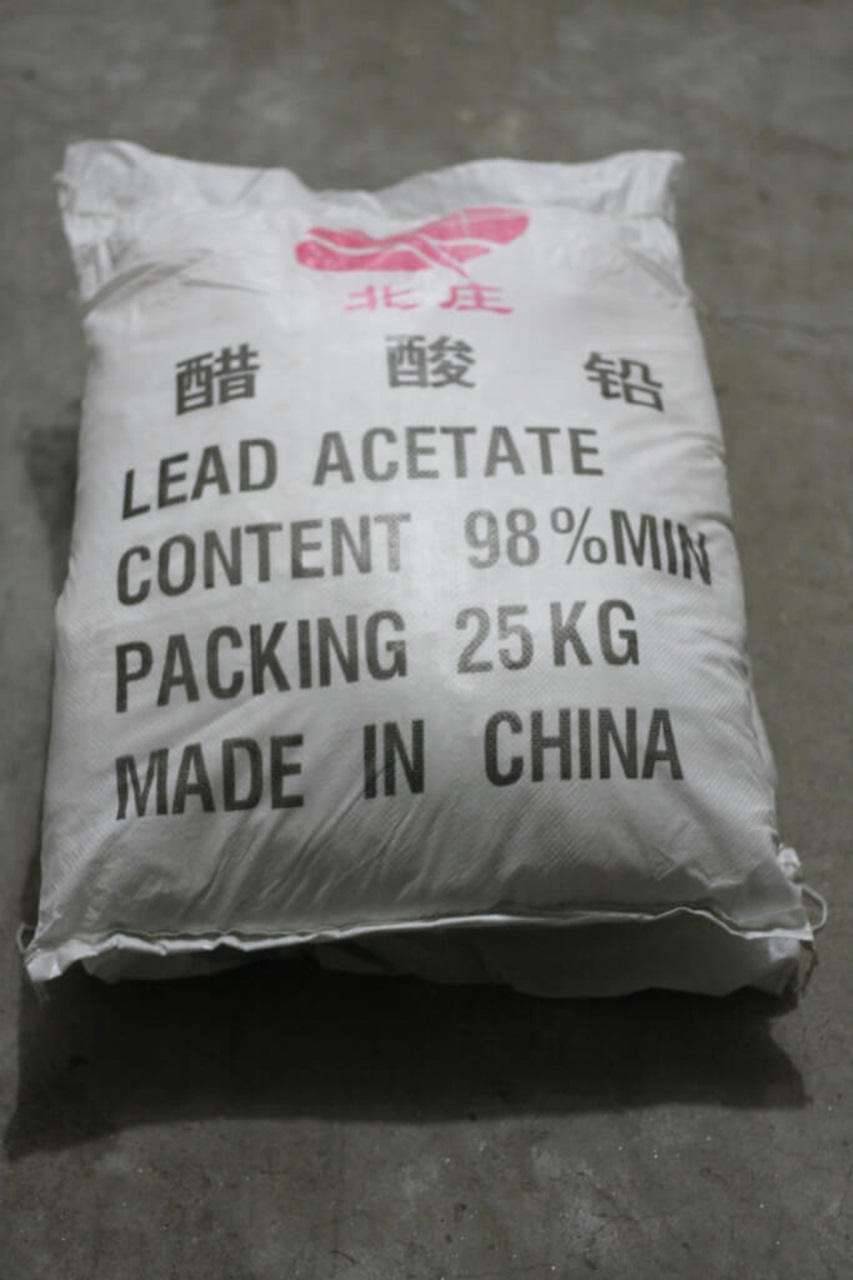
24-36 months (in unopened original packaging under proper storage) |
| Special Notes |
Hygroscopic; protect from light |
SECTION 9: REGULATORY INFORMATION
| Region |
Status |
| EU |
REACH registered; Subject to authorization (SVHC) |
| USA (TSCA) |
Listed; Significant New Use Rules |
| IARC |
Group 2A (Probably carcinogenic to humans) |
| California Prop 65 |
Listed as reproductive toxicant and carcinogen |
| RoHS |
Restricted in electrical and electronic equipment |
| Turkey |
Chemical registration required; controlled substance |
SECTION 10: SYNONYMS
| Type |
Names |
| Common Names |
Lead Acetate, Sugar of Lead, Salt of Saturn, Lead Diacetate, Plumbous Acetate |
| Chemical Names |
Lead(II) Acetate, Lead Acetate Anhydrous, Lead Acetate Trihydrate |
| Other Names |
Acetic Acid Lead(II) Salt, Lead(2+) Acetate |
SECTION 11: CRITICAL WARNINGS
| Warning |
Description |
| Lead Poisoning |
Cumulative poison; chronic exposure causes lead poisoning (anemia, neurological damage, renal failure) |
| Reproductive Toxicity |
Causes reproductive and developmental harm; can damage unborn child |
| Carcinogenicity |
IARC Group 2A (probably carcinogenic to humans) |
| Sweet Taste |
Sweet taste can lead to accidental ingestion, especially by children |
| Hydrolysis |
Forms basic lead acetate in solution |
| Toxicity |
Toxic by ingestion, inhalation, skin absorption |
| Environmental |
Persistent and toxic to aquatic organisms (WGK 3); do not release to environment |
| Regulated Substance |
Subject to increasing regulatory control (REACH, RoHS, Prop 65) |
| Incompatibilities |
Violent reactions with strong oxidizers, sulfides, phosphates |
LEGAL DISCLAIMER
The information provided in this document is based on our current knowledge and experience and is presented in good faith; however, as all conditions of use are beyond our control, it does not constitute a binding specification or warranty. This Technical Data Sheet is for informational purposes only. Users are responsible for testing the suitability for their own applications. Lead acetate is a toxic and regulated substance; extreme caution must be exercised during handling, use, storage, and disposal. For complete safety, storage, use, handling, disposal, and regulatory compliance information, please refer to the official Safety Data Sheet (SDS/MSDS) provided by the manufacturer/supplier