We unleash your business potential by maximize the business innovation.
Send EmailAluminum Stearate, Aluminum Tristearate, Aluminum Trioctadecanoate, Aluminum Octadecanoate, 637-12-7
Aluminum Tristearate (CAS: 637-12-7)
1. Product Description and Identification
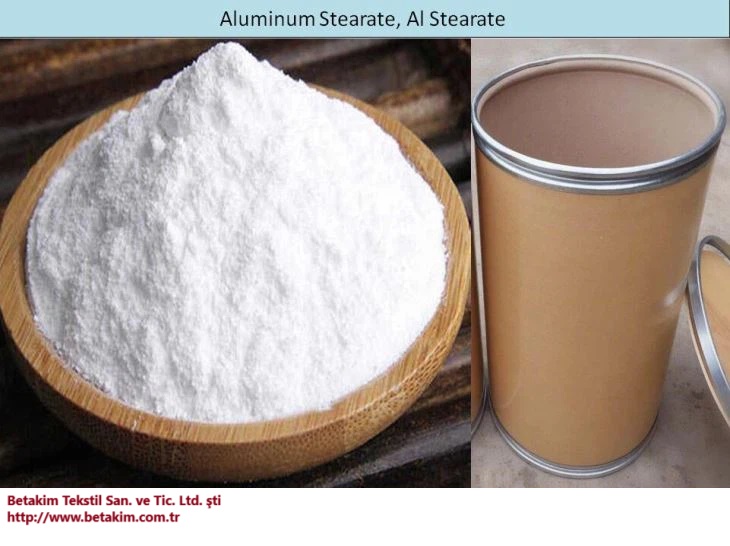
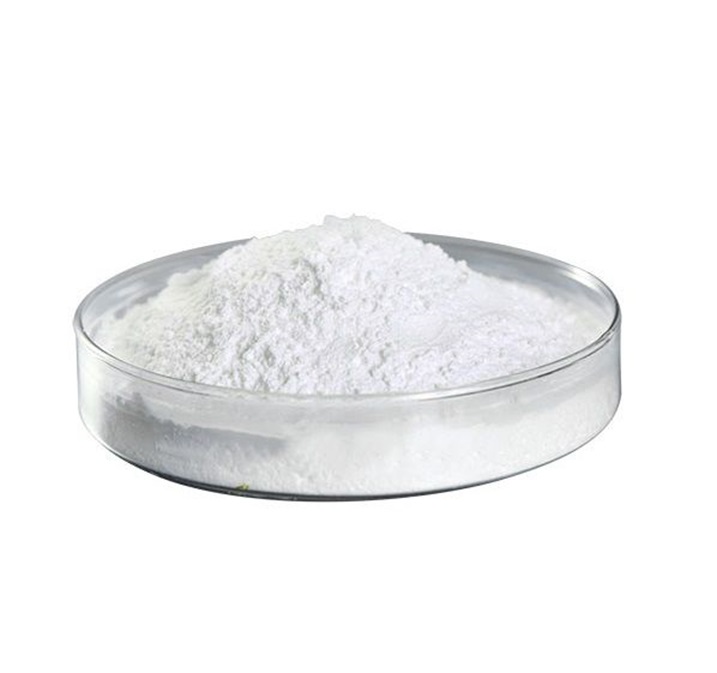
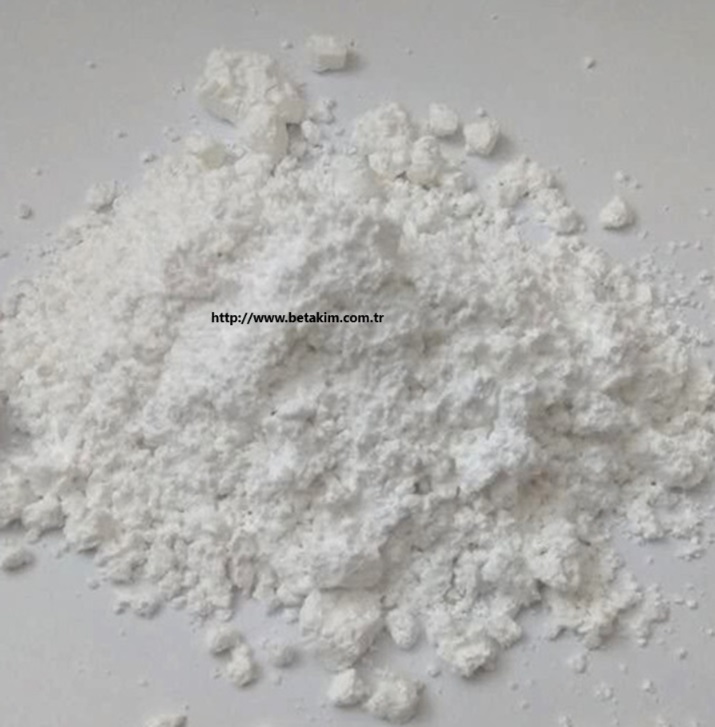
Aluminum Tristearate is a metallic soap produced from stearic acid and aluminum. Chemically, it is the trivalent salt of aluminum, formed by the bonding of one aluminum atom with three stearate groups. It appears as a fine, white to cream-colored, waxy powder. It is known for exhibiting the strongest hydrophobic (water-repellent) and gel-forming properties within the aluminum stearate family.
| Identifier | Information |
|---|---|
| IUPAC Name | Aluminum Octadecanoate |
| Other Names | Aluminum Stearate, Tristearic acid aluminum salt, Aluminum (III) stearate, Octadecanoic acid aluminum salt |
| CAS Number | 637-12-7 |
| EC Number | 211-279-5 |
| Chemical Formula | C₅₄H₁₀₅AlO₆ |
| Molecular Weight | 877.39 g/mol |
| Appearance | White to cream-colored, fine, waxy powder |
2. Physical and Chemical Properties
The high performance of Aluminum Tristearate stems from its unique physical and chemical properties. The table below details these characteristics:
| Property | Value / Description |
|---|---|
| Melting Point | 103 – 165 °C (Varies depending on the purity and quality of the product.) |
| Density | Approximately 1.01 g/cm³ |
| Solubility | Insoluble in: Water, alcohol, and ether. Soluble in: Hot oils, mineral spirits, alkaline solutions, benzene, toluene, and chlorinated hydrocarbons. Its solubility in hydrocarbon solvents is relatively high, especially when heated. |
| Gel Formation Capacity | Very Strong. It possesses the highest ability among aluminum stearate types to form high-viscosity, stable gels with organic solvents and oils. |
| Water Repellency (Hydrophobicity) | Extremely Strong. It provides the strongest hydrophobic barrier among aluminum stearates, making it ideal for construction and waterproofing applications. |
| Refractive Index | Approximately 1.46 |
| Chemical Stability | Highly stable under normal conditions. Resistant to high temperature and pressure conditions. |
| Flash Point | 260 °C |
| Caking Temperature | 48 °C |
3. Production Process
Aluminum Tristearate is industrially produced primarily by precipitation or fusion methods. The precipitation method, the most common, involves the following stages:
-
Reaction: High-quality stearic acid is reacted with an aluminum source (such as aluminum sulfate or aluminum isopropoxide) under controlled conditions. The reaction can be carried out in an aqueous or non-aqueous medium. For instance, in a common method, aluminum isopropoxide is added to stearic acid dissolved in anhydrous pyridine, causing precipitation.
-
Separation and Purification: The precipitated product is separated by filtration. It is then washed to remove by-products and unreacted materials.
-
Drying and Grinding: The purified product is dried to remove moisture. Finally, it is ground to obtain a homogeneous, fine powder.
4. Advantages
Aluminum Tristearate offers significant advantages in industrial applications due to the superior properties it provides to formulations:
-
Strongest Gel Formation Capacity: It possesses the highest gel-forming power among aluminum stearate types. It effectively thickens low-viscosity oils and organic solvents, enabling the production of high-viscosity, stable, and homogeneous gels.
-
Superior Water Repellency (Hydrophobicity): Due to its extremely strong water-repellent property, it becomes the primary choice for all applications requiring waterproofing, especially in construction and building chemicals. It forms an effective water barrier on surfaces.
-
High Temperature and Pressure Resistance: Compared to the distearate form, it exhibits superior resistance to high temperature and pressure conditions. This characteristic makes it an ideal component for demanding applications such as high-temperature greases and deep-well drilling operations.
-
Excellent Transparency and Adhesion: It demonstrates exceptional transparency, particularly in coating applications, and excellent adhesion to metal surfaces. This contributes to both the aesthetic appearance and the protective performance of the final product.
-
Versatile Additive: It combines multiple functions—such as increasing viscosity, imparting water resistance, ensuring pigment suspension, preventing caking, and providing structural stability to formulations—in a single component. This versatility offers an advantage in reducing formulation costs and complexity.
5. Sectoral Applications and Functions
Thanks to its strong hydrophobic nature and high gelling power, Aluminum Tristearate plays critical roles in various industries.
| Sector | Main Applications and Functions |
|---|---|
| Paints, Inks, and Coatings | Water Resistance and Gloss Enhancer: Significantly increases the water resistance of varnishes, lacquers, and other topcoats while also improving surface gloss. Pigment Suspension Agent: Prevents pigment settling and separation from the oil phase, ensuring color consistency and homogeneity. It coats the pigment surface, reducing oil absorption, which can lead to lower pigment usage and cost savings. Thickener and Processing Aid: Provides the desired rheological properties (flow, application, build) in high-performance coating systems. |
| Construction Chemicals | Hydrophobic Additive: The most preferred type of aluminum stearate for waterproofing in cement, mortars, plasters, and gypsum-based products. It prevents water absorption and the associated efflorescence (salt migration to the surface). Air-Entraining Agent: Improves the workability of mortars and concretes and provides resistance to freeze-thaw cycles. Natural Stone Protection: Used as a water-repellent impregnating agent for natural stone surfaces. |
| Metalworking and Lubricants | High-Temperature Thickener: Acts as a durable thickener in greases and lubricating oils, maintaining consistency under high temperature and pressure conditions. It offers superior performance in these conditions compared to distearate. Film Former and Corrosion Inhibitor: Forms a protective, thin film layer on metal surfaces, providing resistance against corrosion and wear. |
| Petroleum and Drilling | Deep-Well Drilling Additive: In drilling fluids, its strong gelling and water-repellent properties provide superior rheological stabilization and performance in deep-well and high-pressure, high-temperature (HPHT) operations. It helps control fluid loss. Defoamer: Effectively controls unwanted foam formation in oil-based drilling muds. |
| Plastics Industry | Engineering Plastics Additive: Serves as a lubricant to regulate melt flow and as a release agent to facilitate demolding during the processing of polyamides (nylon) and thermoset plastics. Heat Stabilizer: Used as a heat stabilizer to prevent degradation during the high-temperature processing of plastics like PVC. It also helps neutralize acidic residues that could degrade polymers. |
| Cosmetics and Pharmaceuticals | Texture and Consistency Agent: Used as a thickener, emulsion stabilizer, and structure-forming agent in products such as creams, lotions, deodorants, and lipsticks. Prevents caking in powder products like face powders and foundations. Its water-repellent property makes it preferred in waterproof formulations. |
| Other Applications | Agriculture and Food: Has been tested as a low-solubility denitrification substrate or as an aluminum source for phosphate precipitation processes. It is also used as a defoamer in some food processes like sugar and yeast processing. Paper Industry: Can be added to paper pulp to provide anti-adhesion and water-repellent properties. |
6. Usage Ratios
The usage ratio of Aluminum Tristearate varies depending on the application area, other components of the formulation, and the desired final effect. Below are typical starting-point ratios for different sectors. Exact ratios should be determined through formulation studies.
-
Paints and Coatings: Adding up to 2% by weight of the total mixture in oil-based paints and varnishes is generally sufficient to achieve the desired consistency (e.g., a buttery texture) and pigment suspension. Higher concentrations may lead to excessive thickening and gelation.
-
Greases and Lubricants: Used to thicken low-viscosity base oils to produce grease. The optimal ratio can range from 5% to 15%, depending on the target consistency grade (NLGI class) and the product's operating temperature.
-
Cosmetics and Pharmaceuticals: In products like creams, lotions, and deodorants, it is typically used at 1% to 5% to improve texture, provide consistency, and impart water-repellent properties.
-
Construction Chemicals: Using 0.1% to 1% by weight of cement in cement, mortars, and plasters is often sufficient to achieve waterproofing. This ratio is adjusted based on the type of cement used and the desired level of water impermeability.
7. Comparison: Distearate vs. Tristearate
The choice between Aluminum Distearate and Aluminum Tristearate depends on the specific requirements of the application. The following comparison table summarizes the key differences between the two products:
| Property / Application | Aluminum Distearate (CAS 300-92-5) | Aluminum Tristearate (CAS 637-12-7) |
|---|---|---|
| Chemical Structure | Hydroxyaluminum distearate (C₃₆H₇₂AlO₅) | Aluminum tristearate (C₅₄H₁₀₅AlO₆) |
| Gel Formation | Good, provides medium viscosity. | Very Strong, forms high-viscosity gels. |
| Water Repellency | Good, sufficient for many applications. | Extremely Strong, ideal for applications requiring maximum water repellency. |
| Solubility | Good solubility in mineral spirits and hot oils. | Soluble in hydrocarbon solvents, especially when heated. |
| Temperature Resistance | Moderate. | High, suitable for high-temperature applications. |
| Main Applications | Paints, inks, general-purpose greases, cement, textile finishes. | Construction chemicals (waterproofing), high-performance coatings, deep-well drilling muds, high-temperature greases, engineering plastics. |
| Advantages | Versatile, easy to process, widely available, cost-effective. | Superior hydrophobicity, high gelling power, excellent high-temperature resistance, performance optimized for demanding conditions. |
| Disadvantages | Gel capacity and resistance may be limited for extreme conditions (very high temperature, pressure). | Generally more expensive than distearate and may be more difficult to process in some applications. |
8. Why Choose Aluminum Tristearate?
Aluminum Tristearate is much more than a "standard" thickener. It is the high-performance solution that should be decidedly chosen in the following situations and applications:
-
When Maximum Water Repellency is Required: If waterproofing is the most critical performance criterion for your project or product (e.g., exterior coatings, waterproofing mortars, water-resistant textiles), Aluminum Tristearate is the most potent option in this regard.
-
When High-Temperature Resistance is Sought: If your formulation will be exposed to high temperatures and must maintain its structure and function even under these conditions (e.g., high-temperature greases, oven paints), the thermal stability of Tristearate is indispensable.
-
When the Strongest Gel Structure is Needed: If you need to transform a very low-viscosity liquid into an extremely firm, stable, and homogeneous gel (e.g., some specialty greases, gel fuels), Tristearate's gel-forming capacity is unparalleled.
-
In Demanding Industrial Applications: In fields where product durability and reliability must be at the highest level—such as deep-well drilling operations, processing of engineering plastics, or high-performance industrial coatings—Tristearate stands out due to the superior performance it provides.
In short, if your project requires maximum durability, flawless waterproofing, or exceptional heat resistance, Aluminum Tristearate is the right choice. It goes beyond the versatility of Distearate, offering a solution specifically designed for the most challenging conditions.
9. Storage, Shelf Life, and Safety
-
Storage Conditions: The product should be stored in its original, tightly closed packaging in cool, dry, and well-ventilated areas. It must be kept away from direct sunlight, heat sources, sparks, and open flames. It should be protected against moisture absorption and contamination.
-
Shelf Life: When stored under recommended conditions, the typical shelf life is 24 months from the date of manufacture. It is advisable to test the product's performance after this period.
-
Safety: Aluminum Tristearate dust can form flammable dust clouds in the air. During handling, dust formation should be avoided, adequate ventilation must be provided, and personal protective equipment (protective goggles, gloves, dust mask) should be used. Avoid contact with eyes and skin; in case of contact, wash thoroughly with plenty of water. The Material Safety Data Sheet (MSDS) should be carefully reviewed, and the instructions specified therein must be followed.
Comprehensive Comparative Analysis of All Aluminum Stearate Types
Aluminum stearates are metallic soaps produced from stearic acid and aluminum. They are classified as mono-, di-, and tri-stearate based on the number of stearate groups in their chemical structure. Each type offers distinct physical properties and performance characteristics to meet specific needs across various industrial applications.
1. Comparative Table of Aluminum Stearate Types
| Property | Aluminum Monostearate | Aluminum Distearate | Aluminum Tristearate |
|---|---|---|---|
| CAS Number | 7047-84-9 | 300-92-5 | 637-12-7 |
| EC Number | - | 206-101-8 | 211-279-5 |
| Chemical Formula | Al(OH)₂(C₁₇H₃₅COO) | [CH₃(CH₂)₁₆COO]₂Al(OH) | Al(C₁₇H₃₅COO)₃ |
| Molecular Structure | One stearate group, two hydroxyls | Two stearate groups, one hydroxyl | Three stearate groups |
| Gelation Capacity | Low-Medium | Medium-High | Very High |
| Viscosity Increase | Moderate level | Good level | Excellent level |
| Water Repellency | Good | Very Good | Excellent |
| Solubility | Limited in organic solvents | Good in mineral spirits, hot oils | High in hydrocarbon solvents (especially when heated) |
| Commonality | Less common | Most widely used type | Common, used in high-performance applications |
2. Common Properties of All Types
All three types of aluminum stearate share the following common characteristics:
-
Physical Appearance: White to cream-colored, fine, waxy powder form
-
Odor: Slight, characteristic fatty odor
-
Insolubility: Insoluble in water, alcohol, and ether
-
Solubility: Soluble in hot oils, alkaline solutions, benzene, toluene, chlorinated hydrocarbons, and mineral spirits
-
Hydrophobic Nature: All exhibit a high degree of water-repellent properties
-
Transparency and Adhesion: Possess exceptional transparency and excellent adhesion to metal surfaces
-
Thermal Behavior: Form a plastic mass when heated
3. Sectoral Applications, Usage Ratios, and Functions
3.1. Aluminum Monostearate
Aluminum monostearate stands out for its unusually heavy bodying properties.
Main Application Areas:
A. Paint and Ink Production
-
Function: Heavy bodying agent
-
Usage Ratio: Varies depending on formulation, typically lower than di- and tristearate
-
Sectoral Suitability: Used to impart heavy body characteristics to paints and inks
B. Wax Production
-
Function: Consistency and structure improver
-
Usage Ratio: Formulation-specific, typically 1-3% of total wax
-
Sectoral Suitability: Preferred for improving the consistency and structure of waxes
C. Environmental Technologies
-
Function: Denitrification substrate, aluminum source
-
Usage Ratio: Experimental stage, varies based on research parameters
-
Sectoral Suitability: Recently tested as a low-solubility denitrification substrate for anaerobic bacteria and as an aluminum source for phosphate precipitation
D. Wastewater Treatment
-
Function: Denitrification aid
-
Usage Ratio: Application-specific
-
Sectoral Suitability: Potential use for denitrification of oxidized wastewater from domestic sewage systems
Sectoral Suitability Summary:
-
Paints and inks requiring special effects
-
High-quality wax production
-
Environmental technologies and research applications
3.2. Aluminum Distearate
Aluminum distearate is the most widely used type of aluminum stearate. It is preferred across many industries due to its versatility and balanced performance.
Main Application Areas and Usage Ratios:
A. Paints, Inks, and Coatings
-
Function: Thickener, pigment suspension agent, anti-settling agent
-
Usage Ratio: Up to 2% by weight of the total mixture in oil-based paints
-
Sectoral Suitability: Prevents separation of pigment and oil, ensures color consistency, thickens varnishes, and improves pigment suspension
B. Greases and Lubricants
-
Function: Thickener, viscosity increaser
-
Usage Ratio: Between 5-15% of the total formulation (depending on target consistency and NLGI grade)
-
Sectoral Suitability: Effective in thickening low-viscosity oils; low-viscosity oils are best thickened with aluminum di- and tri-stearate
C. Construction and Cement
-
Function: Waterproofing agent, air-entraining additive
-
Usage Ratio: 0.1-1% by weight of cement
-
Sectoral Suitability: Used in cement production for waterproofing and air entrainment; increases freeze-thaw resistance of concrete
D. Textile and Rope Production
-
Function: Water repellent, lubricant
-
Usage Ratio: Varies by application type
-
Sectoral Suitability: Used as a water repellent for leather and ropes, and as a lubricant for plastics and ropes
E. Paper Industry
-
Function: Hot-melt coating component
-
Usage Ratio: Between 1-3% of the coating formulation
-
Sectoral Suitability: Used in hot-melt paper coating compounds
F. Cosmetics and Pharmaceuticals
-
Function: Emulsifier, thickener, stabilizer
-
Usage Ratio: Between 1-5%
-
Sectoral Suitability: Used in making clear cosmetic gels and for emulsion stabilization
G. Drilling Muds
-
Function: Defoamer, stabilizer
-
Usage Ratio: Between 0.5-2% of the drilling fluid formulation
-
Sectoral Suitability: Used as an effective defoamer in water-based drilling mud systems; reduces surface tension
3.3. Aluminum Tristearate
Aluminum tristearate, containing three stearate groups, exhibits the strongest gel-forming and water-repellent properties. It is preferred in demanding, high-performance applications.
Main Application Areas and Usage Ratios:
A. High-Performance Paints and Varnishes
-
Function: Thickener, leveling agent, anti-bleeding agent
-
Usage Ratio: 1-2% of the total mixture (must be carefully controlled to prevent excessive thickening)
-
Sectoral Suitability: Used in paints and enamels for leveling varnishes; prevents bleeding and oil separation in putties
B. Construction and Building Chemicals
-
Function: Hydrophobic additive, waterproofing agent
-
Usage Ratio: 0.1-1% by weight of cement (most effective type for waterproofing)
-
Sectoral Suitability: Aluminum di- and tri-stearate are used as hydrophobic agents in the construction industry due to their water-repellent properties
C. High-Temperature Greases and Lubricants
-
Function: Thickener, viscosity increaser
-
Usage Ratio: Between 8-15% (for higher temperature resistance compared to distearate)
-
Sectoral Suitability: Low-viscosity oils are best thickened with aluminum di- and tri-stearate; preferred for high-temperature applications
D. Deep-Well Drilling Operations
-
Function: Gelling agent, stabilizer, defoamer
-
Usage Ratio: Between 1-3% of the drilling fluid
-
Sectoral Suitability: Reduces surface and internal foam in drilling fluids, provides increased accuracy in mud density measurement, stabilizes rheological measurements
E. Engineering Plastics
-
Function: Heat stabilizer, lubricant, release agent
-
Usage Ratio: Between 0.5-2% depending on polymer type
-
Sectoral Suitability: Used as a heat stabilizer for PVC, lubricant in polyamides, and release agent in thermoset plastics
F. Cosmetics and Pharmaceuticals (Limited Use)
-
Function: Gelling agent, thickener
-
Usage Ratio: Between 1-4% (careful use due to very high viscosity)
-
Sectoral Suitability: Can be used as a gelling agent in oil-based cosmetic and pharmaceutical formulations, and as a stabilizer in cosmetic emulsions
4. Type Selection Guide: Which Type to Choose and When?
| Requirement | Recommended Type | Why? |
|---|---|---|
| Versatile, general-purpose use | Aluminum Distearate | Most widely used type, balanced performance, wide application range |
| Maximum water repellency | Aluminum Tristearate | Strongest hydrophobic properties, ideal for construction and waterproofing |
| Highest gel strength | Aluminum Tristearate | Forms the strongest gel network with three stearate groups |
| High-temperature resistance | Aluminum Tristearate | More resistant to high temperatures compared to distearate |
| Heavy body / special texture | Aluminum Monostearate | Unusually heavy bodying characteristics |
| Foam control (drilling) | Aluminum Distearate | Effective defoamer in water-based systems |
| Thickening low-viscosity oils | Aluminum Di- or Tristearate | Both types are optimized for this purpose |
| PVC processing / heat stabilization | Aluminum Tristearate | Effective performance as a heat stabilizer |
5. Detailed Sectoral Matrix
| Sector | Application | Monostearate | Distearate | Tristearate | Typical Usage Ratio |
|---|---|---|---|---|---|
| Paints & Coatings | Pigment Suspension | ✓ | ✓✓ | ✓✓ | Up to 2% |
| Leveling Agent | ✓ | ✓✓ | 1-2% | ||
| Anti-settling | ✓✓ | ✓ | 0.5-2% | ||
| Lubricants | General Greases | ✓✓ | ✓ | 5-10% | |
| High-Temp Greases | ✓✓ | 8-15% | |||
| Metalworking Fluids | ✓ | ✓✓ | 3-8% | ||
| Construction | Cement Waterproofing | ✓ | ✓✓ | 0.1-1% | |
| Mortar Additives | ✓ | ✓✓ | 0.2-0.8% | ||
| Plaster Additives | ✓ | ✓ | 0.2-0.5% | ||
| Plastics | PVC Heat Stabilization | ✓✓ | 0.5-2% | ||
| Release Agents | ✓ | ✓✓ | 0.3-1.5% | ||
| Lubricants | ✓ | ✓ | 0.2-1% | ||
| Drilling | Water-based Muds | ✓✓ | 0.5-2% | ||
| Oil-based Muds | ✓✓ | 1-3% | |||
| Defoaming | ✓ | ✓✓ | ✓✓ | 0.1-1% | |
| Cosmetics | Emulsions | ✓✓ | ✓ | 1-4% | |
| Gels | ✓ | ✓✓ | 1-3% | ||
| Powders (anti-caking) | ✓ | ✓✓ | ✓ | 1-5% | |
| Pharmaceuticals | Ointments | ✓✓ | ✓ | 2-5% | |
| Tablet Lubricants | ✓ | 0.5-2% | |||
| Textile | Water Repellent | ✓✓ | 1-3% | ||
| Finishing Agents | ✓ | 0.5-2% | |||
| Paper | Coatings | ✓✓ | 1-3% | ||
| Sizing | ✓ | 0.3-1% |
✓ = Suitable | ✓✓ = Highly Suitable / Preferred
6. Cost-Performance Analysis
| Type | Relative Cost | Performance Level | Best Cost-Performance Applications |
|---|---|---|---|
| Aluminum Monostearate | Medium | Specialized (heavy body) | Specialty waxes, experimental environmental applications |
| Aluminum Distearate | Low-Medium | Balanced / Versatile | General paints, standard greases, cement, textiles, general plastics |
| Aluminum Tristearate | Medium-High | High (extreme conditions) | High-temperature greases, deep-well drilling, engineering plastics, premium waterproofing |
7. Summary and Conclusion
The aluminum stearate types (mono-, di-, and tri-stearate) offer distinct performance characteristics due to differences in their chemical structure:
-
Aluminum Monostearate, with its heavy bodying property, finds its place in special applications (waxes, specialty inks) and environmental technologies.
-
Aluminum Distearate, as the most widely used type, provides balanced performance across a wide variety of sectors including paints, inks, greases, cement, textiles, and cosmetics.
-
Aluminum Tristearate, with the strongest gel-forming and water-repellent properties, is the high-performance variant preferred for demanding applications such as construction chemicals, high-temperature greases, deep-well drilling, and engineering plastics.
Usage ratios vary from 0.1% (cement additives) to 15% (greases) depending on the application area. The selection of the correct type directly affects the performance, processability, and cost-effectiveness of the final product.
8. Regulatory and Safety Considerations
All aluminum stearate types are generally considered safe for industrial use when handled properly:
-
Food Contact: Some grades may be approved for food contact applications; always check local regulations and specific product certifications.
-
Cosmetic Use: Must meet purity standards for cosmetic applications.
-
Pharmaceutical Use: Requires appropriate grade certifications and compliance with pharmacopoeia standards.
-
Environmental: Generally considered low environmental impact, but local disposal regulations must be followed.