We unleash your business potential by maximize the business innovation.
Send EmailTannic Acid, Tannin, Gallotannin, Gallotannic Acid, Quebracho, Glycerite, Kebroka, Galloylglucose, 1401-55-4
TANNIC ACID – TANNIC ACID
1. CHEMICAL IDENTITY AND DEFINITION
| Parameter | Information |
|---|---|
| Chemical Name (IUPAC) | Tannic Acid |
| Other Names | Tannin, Gallotannin, Gallotannic Acid, Quebracho, Glycerite, Kebroka, Chinese Gallotannin, Galloylglucose |
| Chemical Formula | C₇₆H₅₂O₄₆ |
| Molecular Weight | 1,701.2 g/mol |
| CAS Number | 1401-55-4 |
| EC Number (EINECS) | 215-753-2 |
| MDL Number | MFCD00066397 |
| Appearance | Yellow to light brown amorphous powder, flakes, or spongy mass |
| Odor | Odorless |
| Taste | Strongly astringent |
| Physical State (20°C) | Solid (amorphous) |
| Chemical Class | Polyphenolic compound (hydrolyzable tannin) |
2. WHAT IS TANNIC ACID?
Tannic acid is a naturally occurring complex polyphenolic compound belonging to the hydrolyzable tannin group. It is an amorphous, yellow to light brown powder, flakes, or spongy mass obtained primarily from plant sources such as gallnuts (Chinese gall), oak bark, sumac, and chestnut wood. It has a strongly astringent taste and is freely soluble in water, ethanol, and acetone. Tannic acid is not a single compound but a mixture of polygalloyl glucoses, typically containing a glucose core esterified with 8-9 gallic acid units . It exhibits strong antioxidant, antibacterial, and metal-chelating properties. It darkens upon exposure to air and is hygroscopic.
3. PHYSICAL PROPERTIES
| Property | Value |
|---|---|
| Appearance | Yellow to light brown amorphous powder, flakes, or spongy mass |
| Chemical Formula | C₇₆H₅₂O₄₆ |
| Molecular Weight | 1,701.2 g/mol |
| Density | ~1.2965 g/cm³ (estimated) |
| Melting Point | 210 – 218 °C (decomposes) |
| Flash Point | 198 °C |
| Refractive Index | ~1.7040 (estimated) |
| pH (100g/L, 20°C) | ~3.5 (acidic) |
| Solubility in Water (20°C) | ~250 g/L (freely soluble) |
| Solubility in Ethanol | Soluble |
| Solubility in Acetone | Soluble |
| Solubility in Glycerol | Soluble |
| Solubility in Ether, Chloroform, Benzene | Almost insoluble |
| Auto-ignition Temperature | 980 °F (~527 °C) |
| Color | Yellow to light brown |
| Sensitivity | Air and light sensitive |
4. CHEMICAL PROPERTIES
| Property | Information |
|---|---|
| Chemical Formula | C₇₆H₅₂O₄₆ |
| Molecular Weight | 1,701.2 g/mol |
| CAS Number | 1401-55-4 |
| EC Number | 215-753-2 |
| Chemical Class | Polyphenolic compound (hydrolyzable tannin) |
| Acidity | Weak acid (pKa ~ 6-8) |
| Hydrolysis | Acid or enzymatic hydrolysis produces gallic acid + glucose |
| Reaction with Metals | Forms metal-tannate complexes (e.g., iron tannate) |
| Protein Precipitation | Precipitates proteins and alkaloids |
| Antioxidant Activity | Strong free radical scavenging activity |
| Antibacterial Activity | Exhibits antibacterial properties |
| Stability | Sensitive to light, air, and oxidation |
| Hygroscopicity | Strongly hygroscopic (absorbs moisture from air) |
5. CHEMICAL STRUCTURE
Structure Formula:
                    OH
                 HO ─ C ─ OH
                      |
    Glucose Core ── O ─ C ─ (Gallic Acid Units)ₙ
                      |
                 HO ─ C ─ OH
                      |
                    OH
Tannic acid is a gallotannin. It consists of a glucose core esterified with gallic acid units. The typical structure contains 8-9 gallic acid units per glucose molecule .
InChIKey: LRBQNJMCXXYXIU-PPKXGCFTSA-N
Hydrolysis Reaction:
Tannic acid hydrolyzes in acidic or alkaline conditions to produce gallic acid and glucose:
C₇₆H₅₂O₄₆ + nH₂O → (Gallic Acid)ₙ + Glucose
6. SOURCES
| Source | Description |
|---|---|
| Chinese Gallnut | Primary source; contains ~70% tannic acid |
| Oak Bark | Contains tannins |
| Sumac | Contains tannins |
| Chestnut Wood | Contains tannins |
| Turkish Gall | Used historically |
| Quebracho | South American source |
Chinese Gallnut Composition:
-
Tannic Acid: ~70%
-
Gallic Acid: ~21%
-
Tricallic Acid: ~1%
-
Pentasylglucose: Remainder
-
Cellulose, lignin, starch, pectin, pentose (small amounts)
7. APPLICATIONS
7.1. Leather Tanning Industry
| Application | Description |
|---|---|
| Leather Tanning | Converts hides into leather (vegetable tanning) |
| Cattle Hide, Sheepskin | Suitable for various leather types |
| Tanning Liquor | Used for pH adjustment in tanning processes |
| Fish Nets | Dyeing and preserving fish nets |
7.2. Food and Beverage Industry
| Application | Description |
|---|---|
| Clarifying Agent | Clarifies beer, wine, and low-alcohol beverages |
| Astringent | Used as a flavoring agent and astringent |
| Food Additive | Processing aid in fruit and vegetable processing |
| Flavor Enhancer | Enhances and stabilizes flavors |
| Processing Aid | Used in food processing operations |
| Antioxidant | Food antioxidant |
7.3. Pharmaceutical and Medical
| Application | Description |
|---|---|
| Hemostatic Agent | Stops bleeding (gastrointestinal hemostatic) |
| Pharyngitis, Tonsillitis | Treats sore throat and tonsillitis |
| Hemorrhoids | Treatment for hemorrhoids |
| Skin Blisters | Treatment for skin blisters and burns |
| Diarrhea | Stops diarrhea |
| Detoxification | Forms precipitates with metals, alkaloids, glycosides |
| Gallic Acid Production | Raw material for gallic acid and pyrogallol |
| Sulfa Drugs | Raw material for sulfonamide pharmaceuticals |
| TMP Synergist | Synergist for 2,4-diamino-5-(3,4,5-trimethoxybenzyl)pyrimidine |
7.4. Chemical Industry
| Application | Description |
|---|---|
| Ink Manufacturing | Production of high-grade inks |
| Paper Sizing | Sizing agent for paper |
| Silk Sizing | Sizing agent for silk |
| Mordant | Dye mordant in textile dyeing (fiber fixation) |
| Anti-scale Agent | Boiler descaling and anti-scaling agent |
| Coagulant | Rubber coagulant |
| Printing and Dyeing | Fixing agents and mordants |
7.5. Water Treatment and Drilling
| Application | Description |
|---|---|
| Water Treatment | Metal ion precipitation and water purification |
| Drilling Fluids | Viscosity reducer and fluid loss control |
| Filter Cake | Improves filter cake quality |
| Drilling Mud Thinner | Reduces shear force and adhesion |
7.6. Analytical Chemistry
| Application | Description |
|---|---|
| Precipitant | Precipitates proteins and alkaloids |
| External Indicator | For ammonium molybdate lead titration |
| Colorimetric Analysis | Determination of Cu, Fe, V, Ce, Co |
| Gravimetric Analysis | Precipitation of Be, Al, Ga, In, Nb, Ta, Zr |
7.7. Other Applications
| Application | Description |
|---|---|
| Cosmetics | Astringents, skincare products, special toothpaste |
| Rubber Industry | Coagulant and processing aid |
| Petroleum Industry | Deodorant for crude oil |
| Cement Industry | Retarder in cement formulations |
| Metal Nanoparticles | Reducing agent for nanoparticle synthesis |
| Flotation Agent | Ore flotation (rare metal smelting) |
| Conversion Coatings | Corrosion prevention for aluminum, steel, copper, zinc |
| Deodorant | Removes ammonia and other odors (refrigerators, warehouses) |
8. MECHANISM OF ACTION
| Mechanism | Description |
|---|---|
| Protein Precipitation | Forms insoluble complexes with proteins (basis for tanning and astringency) |
| Metal Chelation | Forms stable complexes with metal ions |
| Antioxidant | Scavenges free radicals |
| Antibacterial | Damages bacterial cell membranes and inhibits growth |
| Astringent | Precipitates surface proteins, creating protective layer |
Metal Complex Formation:
Tannic acid reacts with metal ions (especially iron) to form metal-tannate complexes. This property is the basis for its use in metal precipitation, ink manufacturing, and analytical chemistry.
9. ADVANTAGES OF TANNIC ACID
| Advantage | Description |
|---|---|
| Natural Origin | Derived from renewable plant sources |
| Low Toxicity | Very low toxicity profile (LD50: 5,000 mg/kg in rabbits) |
| Versatile | Wide range of applications across industries |
| Biodegradable | Environmentally friendly |
| Antioxidant | Strong free radical scavenging activity |
| Antibacterial | Natural antibacterial properties |
| Metal Chelation | Effective metal ion complexation |
| Protein Precipitation | Effective protein and alkaloid precipitant |
10. SAFETY AND HEALTH INFORMATION
| Parameter | Value |
|---|---|
| Hazard | Low toxicity |
| Oral LD50 (Rabbit) | ~5,000 mg/kg |
| Intraperitoneal LD50 (Mouse) | ~150 mg/kg |
| Intravenous LD50 (Mouse) | ~50 mg/kg |
| Skin Contact | May cause irritation in sensitive individuals |
| Eye Contact | May cause irritation |
| Inhalation | May cause respiratory irritation |
| Ingestion | May cause gastrointestinal discomfort in large amounts |
| Carcinogenicity (IARC) | Group 3 (not classifiable) |
| Mutagenicity | Negative |
10.1. GHS CLASSIFICATION
| Hazard Category | Description |
|---|---|
| Carcinogenicity | Category 3 (H351) |
| Reproductive Toxicity | Category 3 (H361) |
| Eye Irritation | Category 2 (H319) |
| Skin Irritation | Category 2 (H315) |
| Respiratory Irritation | Category 3 (H335) |
| Aquatic Toxicity | Category 2 (H411) |
Risk Codes:
-
R40: Limited evidence of a carcinogenic effect
-
R62: Possible risk of impaired fertility
-
R63: Possible risk of harm to the unborn child
-
R68: Possible risk of irreversible effects
-
R36/37/38: Irritating to eyes, respiratory system, and skin
-
R52/53: Harmful to aquatic organisms
Safety Descriptions:
-
S24/25: Avoid contact with skin and eyes
-
S36: Wear suitable protective clothing
-
S26: In case of contact with eyes, rinse immediately
-
S22: Do not breathe dust
-
S61: Avoid release to the environment
10.2. FIRST AID MEASURES
| Route of Exposure | Action |
|---|---|
| Inhalation | Remove to fresh air. If respiratory irritation, seek medical attention. |
| Skin Contact | Wash with plenty of soap and water. Remove contaminated clothing. |
| Eye Contact | Rinse thoroughly with water for at least 15 minutes. Seek medical attention. |
| Ingestion | Rinse mouth. Drink plenty of water. Seek medical attention. |
11. STORAGE AND HANDLING
| Parameter | Information |
|---|---|
| Storage Conditions | Cool, dry, well-ventilated area |
| Container Requirements | Tightly closed, light-protected, moisture-proof |
| Protect From | Light, air, moisture, heat, strong oxidizing agents, iron and heavy metals |
| Shelf Life | 12-24 months (with proper storage) |
| Temperature | 15-25°C |
| Special Note | Darkens when exposed to air. Cannot be packaged in iron containers (reacts with iron to form iron tannate). |
12. PACKAGING OPTIONS
| Packaging Type | Quantity | Material |
|---|---|---|
| Plastic Lined Bag | 25-50 kg | PE + Kraft |
| Plastic Bucket | 5-25 kg | HDPE |
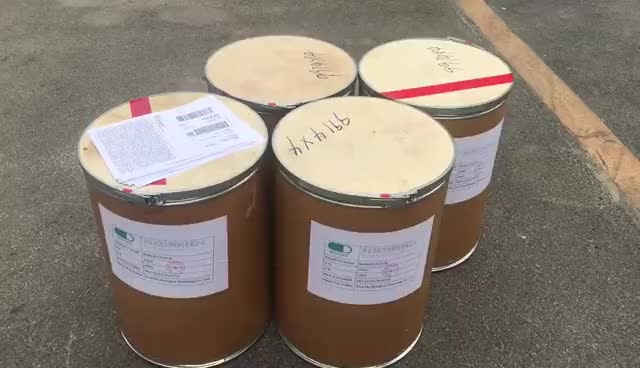
| Fiber Drum | 25-50 kg | Fiberboard |
| Plastic Bag | 250 g – 5 kg | PE |
13. REGULATORY STATUS
| Region / Authority | Status |
|---|---|
| European Union (REACH) | Registered substance |
| USA (EPA TSCA) | Listed on TSCA inventory |
| USA (FDA) | GRAS (Generally Recognized As Safe) |
| FEMA | 3042 (Tannic Acid) |
| HS Code | 32019090 |
14. OTHER NAMES AND SYNONYMS
| Type | Name |
|---|---|
| Turkish Names | Tannik Asit, Tanen, Gliserit, Gallotanin |
| English Names | Tannic Acid, Gallotannic Acid, Gallotannin, Quebracho, Chinese Gallotannin |
| Chemical Names | Galloylglucose, Penta NM digalloyl glucose |
| CAS Number | 1401-55-4 |
15. SUMMARY AND CRITICAL WARNINGS
Product Summary
| Parameter | Value |
|---|---|
| Product | Tannic Acid |
| CAS Number | 1401-55-4 |
| Formula | C₇₆H₅₂O₄₆ |
| Molecular Weight | 1,701.2 g/mol |
| Appearance | Yellow to light brown amorphous powder/flakes |
| pH (1% solution) | ~3.5 |
| Primary Applications | Leather tanning, food, pharmaceuticals, chemistry, water treatment |
CRITICAL WARNINGS
1. Iron Reactivity: Tannic acid reacts with iron to form iron-tannate complexes. Must not be packaged or stored in iron containers. Use glass, HDPE, or stainless steel equipment.
2. Light and Air Sensitivity: Darkens upon exposure to air and light. Store in light-protected, airtight containers.
3. Hygroscopicity: Strongly absorbs moisture from air. Store in a dry environment with proper sealing.
4. Protein Precipitation: Precipitates proteins and alkaloids. Consider this property in pharmaceutical and food formulations.
5. Low Toxicity: Tannic acid has very low acute toxicity but may cause gastrointestinal discomfort in large amounts. Suspected carcinogen with limited evidence (IARC Group 3).
6. Food Applications: FDA GRAS. Used as a clarifying agent for beer and wine. Only food-grade tannic acid should be used in food applications.
7. Leather Tanning: Used in vegetable tanning processes. Often used in combination with other tanning agents.
8. Pharmaceutical Use: Used in the preparation of gallic acid, pyrogallol, and sulfa drugs. Consult medical guidance for therapeutic applications.
9. Water Treatment: Effective in metal ion precipitation and water purification. Acts as a coagulant and flocculant.
10. Drilling Fluids: Used as a viscosity reducer and thinning agent in water-based drilling muds. Tannic acid with caustic soda forms "tannic lye."
11. Analytical Chemistry: Effective reagent for precipitation and gravimetric determination of various metals (Be, Al, Ga, In, Nb, Ta, Zr).
12. Handling Precautions: Wear protective gloves, safety goggles, and appropriate respiratory protection. Avoid dust formation.
IMPORTANT DISCLAIMER: This Technical Data Sheet (TDS) is for informational purposes only and is prepared based on available technical data. The user is responsible for determining the suitability of the product for their specific application and for complying with all local, national, and international regulations. For complete safety, storage, use, handling, disposal, and regulatory compliance information, refer to the official Safety Data Sheet (SDS/MSDS) provided by the manufacturer/supplier. This document is not a substitute for professional or medical advice.