We unleash your business potential by maximize the business innovation.
Send EmailLudigol, Sodium Nitro Benzene Sulfonate, Sodium 3-nitrobenzenesulfonate, 127-68-4
LUDIGOL – LUDIGOL
CAS Number: 127-68-4
EC Number (EINECS): 204-857-3
Molecular Formula: C₆H₄NO₅SNa
Molecular Weight: 225.16 g/mol (Anhydrous)
Chemical Class: Aromatic sulfonate salt
SECTION 1: CHEMICAL IDENTITY AND DEFINITION
| Parameter | Information |
|---|---|
| Chemical Name (IUPAC) | Sodium 3-nitrobenzenesulfonate |
| Other Names | Ludigol, Ludigol F, Sodium Nitrobenzene Sulfonate, Sodium m-nitrobenzenesulfonate, 3-Nitrobenzenesulfonic acid sodium salt, NACAN, NITROL S, Resist Salt, Resist S |
| Chemical Formula | C₆H₄NO₅SNa |
| Molecular Weight | 225.16 g/mol (Anhydrous) |
| CAS Number | 127-68-4 |
| EC Number (EINECS) | 204-857-3 |
| Chemical Class | Aromatic sulfonate salt |
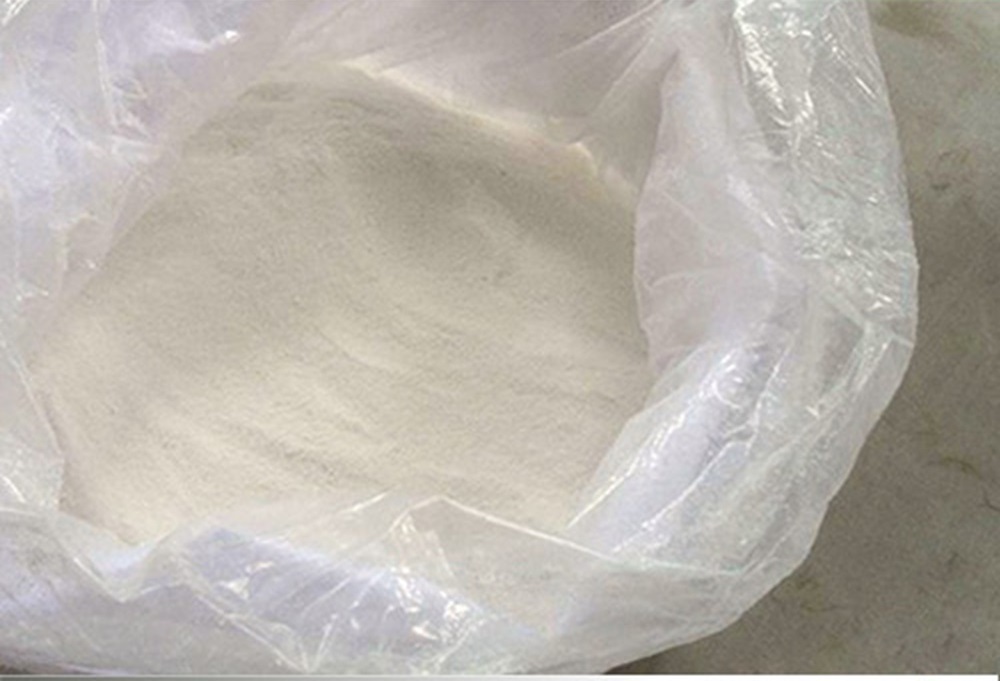
| Appearance | White to pale yellow, crystalline powder |
| Odor | Mild, characteristic |
| Physical State (20°C) | Solid (crystalline powder) |
SECTION 2: PHYSICAL PROPERTIES
| Property | Value |
|---|---|
| Appearance | White to pale yellow, crystalline powder |
| Odor | Mild, characteristic |
| Molecular Weight | 225.16 g/mol |
| Density | ~1.48 g/cm³ |
| Solubility in Water | Soluble |
| Solubility in Alcohol | Slightly soluble |
| pH (1% solution) | ~6.0 – 8.0 (neutral to slightly alkaline) |
| Melting Point | Decomposes before melting (>300°C) |
| Bulk Density | ~0.6 – 0.8 g/cm³ |
| Particle Size | Powder or dust-free granules available |
SECTION 3: CHEMICAL PROPERTIES
| Property | Information |
|---|---|
| Chemical Formula | C₆H₄NO₅SNa |
| Molecular Weight | 225.16 g/mol |
| Chemical Class | Aromatic sulfonate salt |
| Functional Groups | Nitro (-NO₂), Sulfonate (-SO₃Na) |
| SMILES | C1=CC(=CC(=C1)S(=O)(=O)[O-])N+[O-].[Na+] |
| InChI Key | JALNGFPOKPYYHV-UHFFFAOYSA-M |
| Function | Mild oxidizing agent, anti-reducing agent |
| Role | Prevents reduction of dyes; enhances color brightness |
| Stability | Stable under normal storage conditions |
| Incompatible Materials | Strong reducing agents, strong oxidizing agents |
Chemical Structure:
    NO₂
     |
    C₆H₄-SO₃Na
     |
(Sodium 3-nitrobenzenesulfonate / Ludigol)
SECTION 4: TECHNICAL FUNCTIONALITY
| Parameter | Description |
|---|---|
| Primary Function | Mild oxidizing agent; anti-reducing agent |
| Mechanism | Prevents reduction of dyes during steaming and dyeing processes |
| Effect | Maintains dye stability; prevents dye degradation |
| Application | Added to dye baths or printing pastes |
| Dosage | Typically 10 g/kg |
| Key Benefit | Enhances brightness, sharpens print edges, maintains color vibrancy |
SECTION 5: TEXTILE INDUSTRY APPLICATIONS
| Application | Function | Importance |
|---|---|---|
| Reactive Dyeing (Steaming) | Prevents reduction of reactive dyes | Essential for monochlorotriazine dyes (Procion H type) |
| Disperse Dyeing | Prevents dye reduction | Prevents dye degradation during high-temperature processing |
| Vat Dye Re-oxidation | Re-oxidizes vat dyes | Essential for vat dye fixation |
| Printing Pastes | Prevents dye reduction | Ensures sharper edges and brighter prints |
| Silk Dyeing | Maintains color brightness | Prevents dullness; enhances color vibrancy |
| Dark Shades | Maintains deep tones | Prevents dullness; improves color vibrancy |
| Procion H Dyes | Essential for fixation | Required for monochlorotriazine dye fixation |
| Procion MX Dyes | Optional | Beneficial but not strictly necessary |
| Cibacron F Dyes | Optional | Beneficial but not strictly necessary |
SECTION 6: OTHER INDUSTRIAL APPLICATIONS
| Sector | Application | Function |
|---|---|---|
| Leather | Dyeing and finishing | Stabilizes colors; prevents fading during curing |
| Paper | Dyeing and coating | Improves color fastness and brightness |
| Electronics | Electroplating baths | Acts as brightness enhancer; stabilizes bath chemistry |
| Photography | Auxiliary chemical | Controls reduction reactions; improves image clarity |
| Coatings | Industrial coatings and paints | Ensures uniform color fixation; prevents unwanted reduction |
| Laboratory / Pharma | Synthesis intermediate | Reagent in synthesis of azetidinyl ketolides (antibiotic intermediates) |
SECTION 7: SECTORAL SUITABILITY MATRIX
| Sector | Application | Benefit / Function |
|---|---|---|
| Textile | Reactive & disperse dyeing, steaming, vat dye re-oxidation | Prevents dye reduction, enhances brightness, sharper print edges, essential for Procion H dyes |
| Silk & Dark Shades | Dye fixation during steaming | Maintains deep tones, prevents dullness, improves color vibrancy |
| Leather | Dyeing and finishing processes | Stabilizes colors, prevents fading during curing |
| Paper | Dyeing and coating | Improves color fastness and brightness |
| Electronics | Electroplating baths | Acts as brightness enhancer, stabilizes bath chemistry |
| Photography | Auxiliary chemical in developing processes | Controls reduction reactions, improves image clarity |
| Coatings | Industrial coatings and paints | Ensures uniform color fixation, prevents unwanted reduction |
| Laboratory / Pharma | Intermediate in synthesis | Functions as a reagent in advanced chemical synthesis |
SECTION 8: LUDIGOL FORMS AND VARIANTS
| Form | Description |
|---|---|
| Ludigol F | Standard powder form (BASF) |
| Ludigol 75% | 75% active content |
| Ludigol 96% | 96% active content |
| Ludigol KN | BASF variant for specific applications |
| Granules | Dust-free granulated form |
| Resist Salt S | Commercial equivalent |
SECTION 9: ALTERNATIVE PRODUCTS
| Alternative | Description | Application |
|---|---|---|
| Sodium Nitrite (NaNO₂) | Mild oxidizer | Anti-reducing agent in textile dyeing |
| Sodium Perborate | Oxidizer, bleaching agent | Color fixation in reactive dyes |
| Sodium Persulfate (Na₂S₂O₈) | Strong oxidizer | Post-printing and dye fixation |
| Resist Salt / Resist S | Commercial equivalent | Anti-reducing agent in reactive dyes |
| Ludigol F / Ludigol KN | BASF variants | Steam fixation, dark shade protection |
| Nitrol S / NACAN / Tiskan | Same chemical structure | Marketed under different brands |
SECTION 10: KEY USAGE NOTES
| Parameter | Information |
|---|---|
| Typical Dosage | 10 g/kg |
| Critical Use | Required for monochlorotriazine dyes (Procion H type) during steaming |
| Optional Use | For dichlorotriazine (Procion MX) and monofluorotriazine (Cibacron F) dyes, beneficial but not strictly necessary |
| Purpose | Prevents dye solution degradation; keeps dye solutions fresh for longer; ensures sharper edges in printed fabrics; enhances brightness and stability |
| Application Method | Added to dye bath or printing paste |
SECTION 11: QUALITY SPECIFICATIONS
| Parameter | Specification |
|---|---|
| Appearance | White to pale yellow, crystalline powder |
| Assay (on dried basis) | ≥ 95.0% |
| Water Content | ≤ 5.0% |
| Chlorides (Cl) | ≤ 0.01% |
| Sulfates (SO₄) | ≤ 0.05% |
| Heavy Metals (as Pb) | ≤ 10 ppm |
| Insoluble Matter | ≤ 0.1% |
SECTION 12: STORAGE AND SHELF LIFE
| Parameter | Information |
|---|---|
| Storage Conditions | Cool (15-25°C), dry, well-ventilated area |
| Container Requirements | Tightly closed, original packaging |
| Protect From | Moisture, strong reducing agents, strong oxidizing agents |
| Shelf Life | 24-36 months (unopened original packaging) |
SECTION 13: PACKAGING OPTIONS
| Packaging Type | Quantity | Material |
|---|---|---|
| PE-lined kraft paper bag | 25 kg | Kraft paper + PE |
| Plastic pail | 20-25 kg | HDPE |
| Fiber drum | 25-50 kg | HDPE + PE |
| Big-Bag | 500-1000 kg | Polypropylene |
SECTION 14: SAFETY AND HEALTH INFORMATION
GHS Classification (Bulk Powder)
| Hazard Class | Category |
|---|---|
| Skin Irritation | Category 2 (H315) |
| Eye Irritation | Category 2A (H319) |
| Specific Target Organ Toxicity (STOT - SE) | Category 3 (H335) |
| Signal Word | Warning |
Hazard Statements (H-Codes)
| Code | Statement |
|---|---|
| H315 | Causes skin irritation |
| H319 | Causes serious eye irritation |
| H335 | May cause respiratory irritation |
Precautionary Statements (P-Codes)
| Code | Statement |
|---|---|
| P261 | Avoid breathing dust |
| P280 | Wear protective gloves/eye protection |
| P302+P352 | IF ON SKIN: Wash with plenty of soap and water |
| P305+P351+P338 | IF IN EYES: Rinse cautiously with water for several minutes; remove contact lenses if present and easy to do; continue rinsing |
SECTION 15: FIRST AID MEASURES
| Exposure Route | Action |
|---|---|
| Inhalation | Move to fresh air. If respiratory irritation persists, seek medical attention. |
| Skin Contact | Wash with plenty of soap and water. Remove contaminated clothing. |
| Eye Contact | Rinse immediately with plenty of water for at least 15 minutes. Seek medical attention. |
| Ingestion | Rinse mouth. Drink plenty of water. Seek medical attention. |
SECTION 16: TRANSPORT INFORMATION
| Parameter | Information |
|---|---|
| UN Number | Not regulated (not dangerous goods) |
| Hazard Class | Not applicable |
| Packing Group | Not applicable |
| ADR/RID | Not regulated |
| IMDG Code | Not regulated |
| IATA (Air) | Not regulated |
| Marine Pollutant | No |
SECTION 17: FIRE-FIGHTING MEASURES
| Parameter | Information |
|---|---|
| Fire Hazard | Combustible organic solid |
| Suitable Extinguishing Media | Water spray (mist), CO₂, dry chemical powder |
| Specific Hazards | When heated, emits toxic fumes (sulfur oxides, nitrogen oxides) |
| Decomposition Products | SOx, NOx, CO, CO₂ |
| Protective Equipment | Self-contained breathing apparatus (SCBA), full protective clothing |
SECTION 18: ACCIDENTAL SPILLAGE AND CLEANUP
| Parameter | Information |
|---|---|
| Personal Protection | Nitrile gloves, protective goggles, dust mask (N95) |
| Cleaning Methods | Collect mechanically (sweep or spatula) |
| Environmental Precautions | Prevent entry into drains, soil, and surface waters |
| Waste Disposal | According to local regulations; incineration or landfilling at licensed facilities |
SECTION 19: OTHER NAMES AND SYNONYMS
| Type | Name |
|---|---|
| Turkish Names | Ludigol, Sodyum Nitro Benzen Sülfonat |
| English Names | Ludigol, Sodium 3-nitrobenzenesulfonate, Sodium m-nitrobenzenesulfonate, Sodium Nitrobenzene Sulfonate |
| Trade Names | Ludigol F, NACAN, NITROL S, Resist Salt, Resist S |
| Chemical Names | 3-Nitrobenzenesulfonic acid sodium salt |
| CAS Number | 127-68-4 |
| EC Number | 204-857-3 |
SECTION 20: SUMMARY AND CRITICAL NOTES
Product Summary
| Parameter | Value |
|---|---|
| Product | Ludigol (Sodium 3-nitrobenzenesulfonate) |
| CAS Number | 127-68-4 |
| Appearance | White to pale yellow crystalline powder |
| Molecular Weight | 225.16 g/mol |
| Primary Function | Mild oxidizing agent, anti-reducing agent |
| Primary Sector | Textile industry |
Critical Notes
-
Anti-Reducing Agent: Ludigol prevents reduction of dyes during steaming and dyeing processes, maintaining dye stability and color brightness.
-
Essential for Procion H Dyes: Required for monochlorotriazine dyes (Procion H type) during steaming fixation.
-
Dosage: Typical usage is 10 g/kg in textile applications.
-
Color Brightness: Enhances brightness, prevents dullness, and improves color vibrancy, especially in dark shades and silk dyeing.
-
Versatile Applications: Used in textile, leather, paper, electronics, photography, coatings, and pharmaceutical industries.
-
Forms Available: Available as powder, granules (dust-free), and in various concentrations (75%, 96%).
-
Alternatives: Sodium nitrite, sodium perborate, sodium persulfate, and Resist Salt/S.
-
Storage: Stable under normal conditions; protect from moisture and reducing agents.
-
Safety: Causes skin and eye irritation; use appropriate personal protective equipment.
-
Regulatory Status: Not classified as dangerous goods for transport.
IMPORTANT DECLARATION: This Technical Data Sheet (TDS) is for informational purposes only and has been prepared based on available technical data. The user is responsible for determining the product's suitability for their specific application and for complying with all local, national, and international regulations. For complete safety, storage, use, transport, waste, and regulatory compliance information, refer to the official Safety Data Sheet (SDS/MSDS) provided by the manufacturer/supplier.