We unleash your business potential by maximize the business innovation.
Send EmailButyl Acetate, Butyl Ethanoate, n-Butyl acetate, NBA, 123-86-4
BUTYL ACETATE – BUTYL ACETATE
1. CHEMICAL IDENTITY AND DEFINITION
| Parameter | Information |
|---|---|
| Chemical Name (IUPAC) | Butyl Acetate |
| Other Names | n-Butyl Acetate, Butyl Ethanoate, Acetic Acid Butyl Ester, 1-Acetoxybutane, NBA |
| Chemical Formula | C₆H₁₂O₂ |
| Molecular Weight | 116.16 g/mol |
| CAS Number | 123-86-4 |
| EC Number (EINECS) | 204-658-1 |
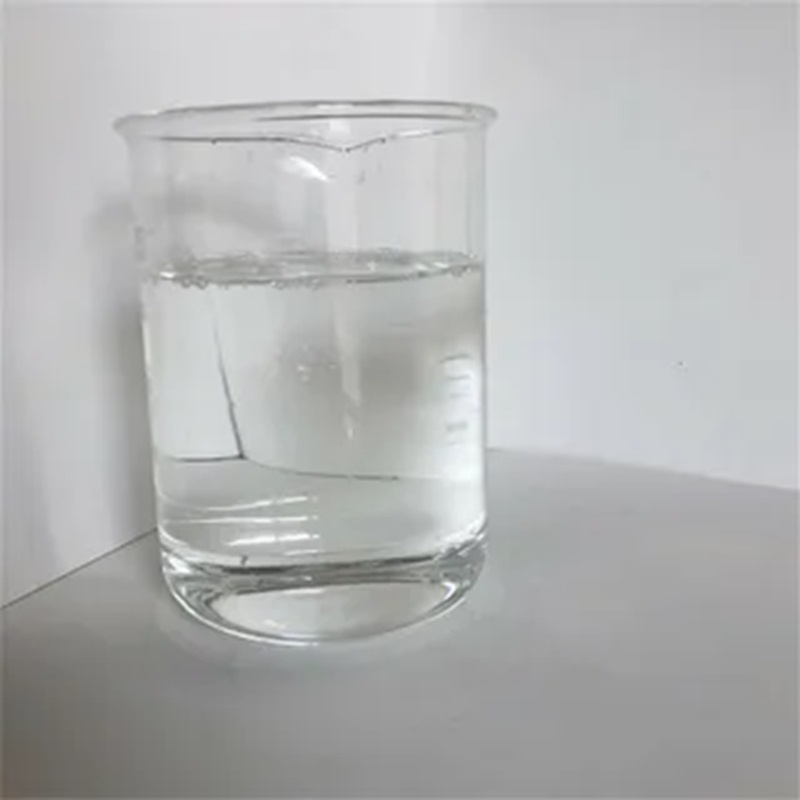
| Appearance | Colorless, clear liquid |
| Odor | Fruity, banana/apple-like |
| Physical State (20°C) | Liquid |
| Chemical Class | Ester (organic solvent) |
2. WHAT IS BUTYL ACETATE?
Butyl acetate is a colorless, flammable liquid with a fruity odor. It is an organic compound produced by the esterification reaction of n-butanol and acetic acid. It is one of the most widely used ester solvents in industry. It has extensive applications in paints, varnishes, coatings, inks, adhesives, cosmetics, and the food industry.
3. PHYSICAL PROPERTIES
| Property | Value |
|---|---|
| Appearance | Colorless, clear liquid |
| Molecular Formula | C₆H₁₂O₂ |
| Molecular Weight | 116.16 g/mol |
| Density (20°C) | 0.8811 g/cm³ |
| Boiling Point | 124 – 126 °C |
| Melting Point | -78 °C |
| Flash Point | 22 – 27 °C |
| Autoignition Temperature | ~440 °C |
| Vapor Pressure (20°C) | ~1.33 kPa |
| Vapor Density | 4.0 (vs air) |
| Refractive Index (20°C) | ~1.394 |
| Solubility in Water (20°C) | ~0.68 g/100 mL |
| Solubility in Organic Solvents | Fully miscible |
| pH | Neutral |
| Viscosity (20°C) | ~0.7 cP |
4. CHEMICAL PROPERTIES
| Property | Information |
|---|---|
| Chemical Formula | C₆H₁₂O₂ |
| CAS Number | 123-86-4 |
| EC Number | 204-658-1 |
| Molecular Weight | 116.16 g/mol |
| Acidity Value | ≤ 0.001% |
| Purity | ≥ 99.8% |
| Esterification Reaction | CH₃COOH + C₄H₉OH → CH₃COOC₄H₉ + H₂O |
| Hydrolysis | Hydrolyzes with acid or base |
| Stability | Stable under normal conditions |
5. CHEMICAL STRUCTURE
Chemical Structure:
        O
        ||
    H₃C — C — O — CH₂ — CH₂ — CH₂ — CH₃
Molecular Structure:
CH₃ — COO — CH₂ — CH₂ — CH₂ — CH₃
SMILES: CCCCOC(=O)C
6. PRODUCTION METHODS
6.1. Esterification Process
Butyl acetate is produced by the esterification reaction of acetic acid and n-butanol:
CH₃COOH + C₄H₉OH ⇌ CH₃COOC₄H₉ + H₂O
6.2. Fischer Esterification
Direct reaction of acetic acid and butanol in the presence of an acidic catalyst:
-
Catalyst: Sulfuric acid (H₂SO₄)
-
Temperature: ~100-120°C
-
Yield: High
7. APPLICATIONS
7.1. Paints and Coatings
| Application | Description |
|---|---|
| Solvent | Solvent in paints, varnishes, and lacquers |
| Thinner | Dissolving and thinning resins and pigments |
| Automotive Paints | Automotive coating formulations |
| Furniture Coatings | Wood varnishes and finishes |
7.2. Inks
| Application | Description |
|---|---|
| Printing Inks | Solvent in printing inks |
| Fast Drying | Ink transfer and rapid drying on paper |
| Flexible Packaging | Flexographic and gravure inks |
7.3. Adhesives
| Application | Description |
|---|---|
| Solvent | In cellulose nitrate, polymer, and resin-based adhesives |
| Activator | Improves adhesive properties |
7.4. Cosmetics and Personal Care
| Application | Description |
|---|---|
| Fragrance | In perfumes and fragrance components |
| Nail Polish Remover | In nail polish remover formulations |
| Hair Spray | Solvent in hair sprays |
| Skin Care | In skin cleansers |
7.5. Pharmaceutical Industry
| Application | Description |
|---|---|
| Extraction | Penicillin extraction |
| Coating | Solvent in pharmaceutical coatings |
7.6. Food Industry
| Application | Description |
|---|---|
| Flavoring | Fruit flavoring agent |
| Aroma | Artificial fruit flavors |
| FEMA Number | 2174 (as food additive) |
7.7. Other Applications
| Application | Description |
|---|---|
| Plastics | Solvent in plastic and polymer production |
| Textiles | Textile processing and coating |
| Cleaning | Industrial cleaners |
| Leather | Leather processing and coating |
8. SAFETY AND HEALTH INFORMATION
| Parameter | Value |
|---|---|
| Oral LD50 (Rat) | ~10,760 – 14,100 mg/kg |
| Dermal LD50 (Rabbit) | > 5,000 mg/kg |
| Inhalation LC50 (Rat, 4h) | ~10 mg/L |
| Skin Contact | Mild irritation |
| Eye Contact | Moderate irritation |
| Inhalation | High concentrations cause headache, dizziness |
| Ingestion | Gastrointestinal discomfort |
| Carcinogenicity | Not classified |
| Mutagenicity | Negative |
8.1. GHS CLASSIFICATION
| Hazard Category | Description |
|---|---|
| Flammable Liquids | Category 3 (H226) |
| Skin Irritation | Category 2 (H315) |
| Eye Irritation | Category 2 (H319) |
| Specific Target Organ Toxicity | Category 3 (H335) |
Hazard Statements:
-
H226: Flammable liquid and vapor
-
H315: Causes skin irritation
-
H319: Causes serious eye irritation
-
H335: May cause respiratory irritation
8.2. FIRST AID MEASURES
| Route of Exposure | Action |
|---|---|
| Inhalation | Remove to fresh air. If breathing difficulty, seek medical attention. |
| Skin Contact | Wash with plenty of soap and water. Remove contaminated clothing. |
| Eye Contact | Rinse thoroughly with water for at least 15 minutes. Seek medical attention. |
| Ingestion | Do NOT induce vomiting. Rinse mouth. Seek medical attention. |
9. STORAGE AND HANDLING
| Parameter | Information |
|---|---|
| Storage Conditions | Cool, dry, well-ventilated area |
| Container Requirements | Tightly closed, original packaging |
| Protect From | Heat, sparks, flames, oxidizing agents |
| Shelf Life | 12-24 months (with proper storage) |
| Temperature | 15-30°C |
| Special Note | Grounding required to prevent static electricity buildup |
10. TRANSPORT INFORMATION
| Parameter | Information |
|---|---|
| UN Number | 1123 |
| Hazard Class | 3 (Flammable Liquid) |
| Packing Group | III |
| ADR/RID | 3 |
| IMDG Code | 3 |
| IATA (Air) | 3 |
11. PACKAGING OPTIONS
| Packaging Type | Quantity | Material |
|---|---|---|
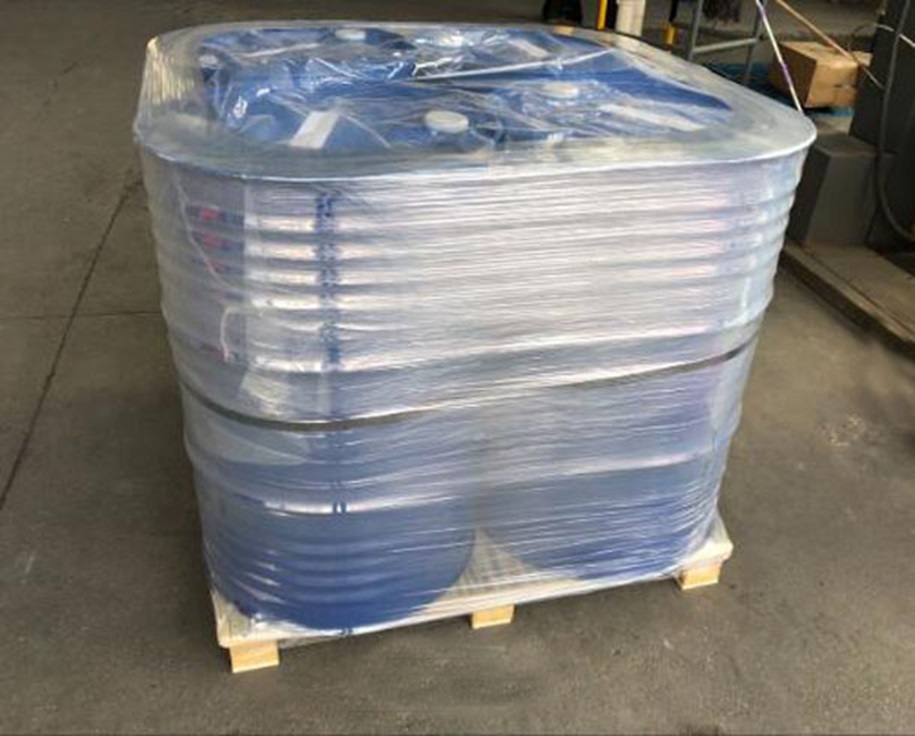
| Plastic Canister | 5-25 kg | HDPE |
| Plastic Drum | 25-200 kg | HDPE |
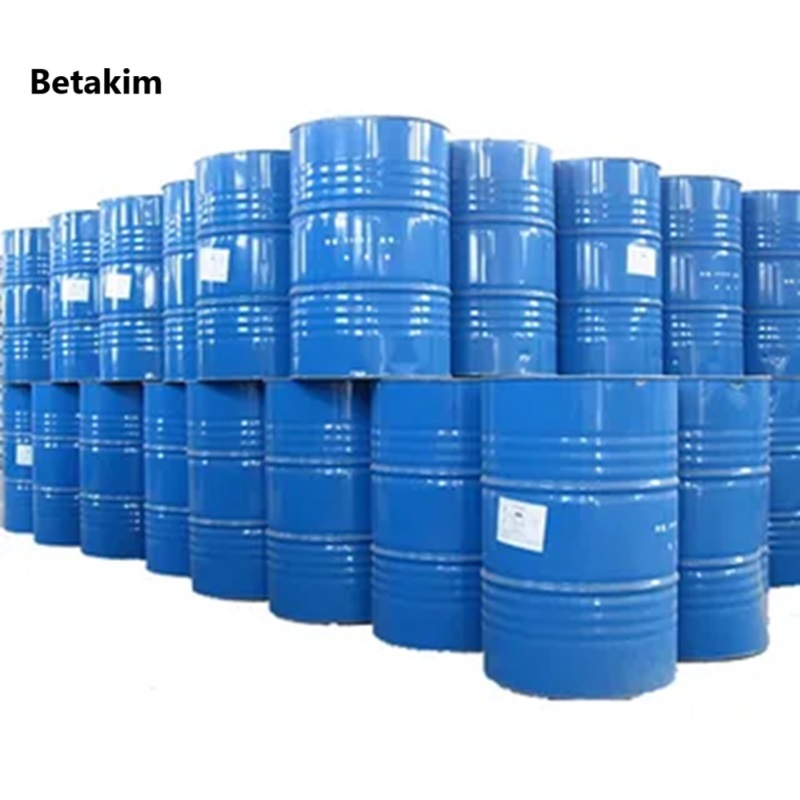
| IBC Container | 800-1000 kg | HDPE / Metal |
| Tanker | 10,000+ kg | Stainless steel |
12. REGULATORY STATUS
| Region / Authority | Status |
|---|---|
| European Union (REACH) | Registered substance |
| USA (EPA TSCA) | Listed on TSCA inventory |
| USA (FDA) | Approved as food additive (FEMA 2174) |
| Turkey | Registered substance |
13. OTHER NAMES AND SYNONYMS
| Type | Name |
|---|---|
| Turkish Names | Butil Asetat, Butil Etanoat, n-Butil Asetat |
| English Names | Butyl Acetate, n-Butyl Acetate, Butyl Ethanoate |
| CAS Number | 123-86-4 |
| EC Number | 204-658-1 |
14. SUMMARY AND CRITICAL WARNINGS
Product Summary
| Parameter | Value |
|---|---|
| Product | Butyl Acetate |
| CAS Number | 123-86-4 |
| Formula | C₆H₁₂O₂ |
| Molecular Weight | 116.16 g/mol |
| Appearance | Colorless liquid |
| Boiling Point | 124-126 °C |
| Flash Point | 22-27 °C |
| Primary Applications | Solvent (paints, inks, adhesives, cosmetics) |
CRITICAL WARNINGS
1. FLAMMABILITY: Flammable liquid with a flash point of 22-27°C. Keep away from heat, sparks, and open flames. Grounding required to prevent static electricity buildup.
**2. INHALATION: High concentrations of vapors may cause headache, dizziness, and drowsiness. Use adequate ventilation and respiratory protection.
**3. SKIN AND EYES: Causes skin dryness and irritation. Eye contact causes severe irritation. Use protective equipment.
4. ODOR: Fruity odor may mask high concentrations. Odor threshold is low but toxicity limit should be monitored.
5. STORAGE: Store in a cool, dry, well-ventilated area in tightly closed containers. Keep away from oxidizing agents and heat sources.
6. TRANSPORT: UN 1123, Class 3 (Flammable Liquid). Packing Group III.
7. FOOD APPLICATIONS: FDA approved (FEMA 2174). Only food-grade products should be used in food applications.
8. PPE: Use protective gloves, safety goggles, and adequate ventilation when handling.
9. ENVIRONMENT: Classified as a VOC (Volatile Organic Compound). Emission control and environmental regulations must be followed.
**10. HYDROLYSIS: Slowly hydrolyzes in water to form acetic acid and butanol. Sensitive to moisture.
IMPORTANT DISCLAIMER: This Technical Data Sheet (TDS) is for informational purposes only and is prepared based on available technical data. The user is responsible for determining the suitability of the product for their specific application and for complying with all local, national, and international regulations. For complete safety, storage, use, handling, disposal, and regulatory compliance information, refer to the official Safety Data Sheet (SDS/MSDS) provided by the manufacturer/supplier. This document is not a substitute for professional or medical advice.