We unleash your business potential by maximize the business innovation.
Send EmailAmmonium Sulfate, Ammonia Sulfate, Ammonium Sulphate, Diammonium Sulfate, Sugar Fertilizer, E517, 7783-20-2
Ammonium Sulfate (NH₄)₂SO₄
Physical and Chemical Properties
-
Molecular formula: (NH₄)₂SO₄
-
Molecular weight: 132.14 g/mol
-
Density: 1.769 g/cm³ (at 20 °C)
-
Melting point: 235–280 °C (decomposes rather than melting cleanly)
-
Solubility: Highly soluble in water; insoluble in alcohol and ether
-
Appearance: White crystalline or granular solid, sometimes with shades of yellow, gray, blue, or green due to impurities
-
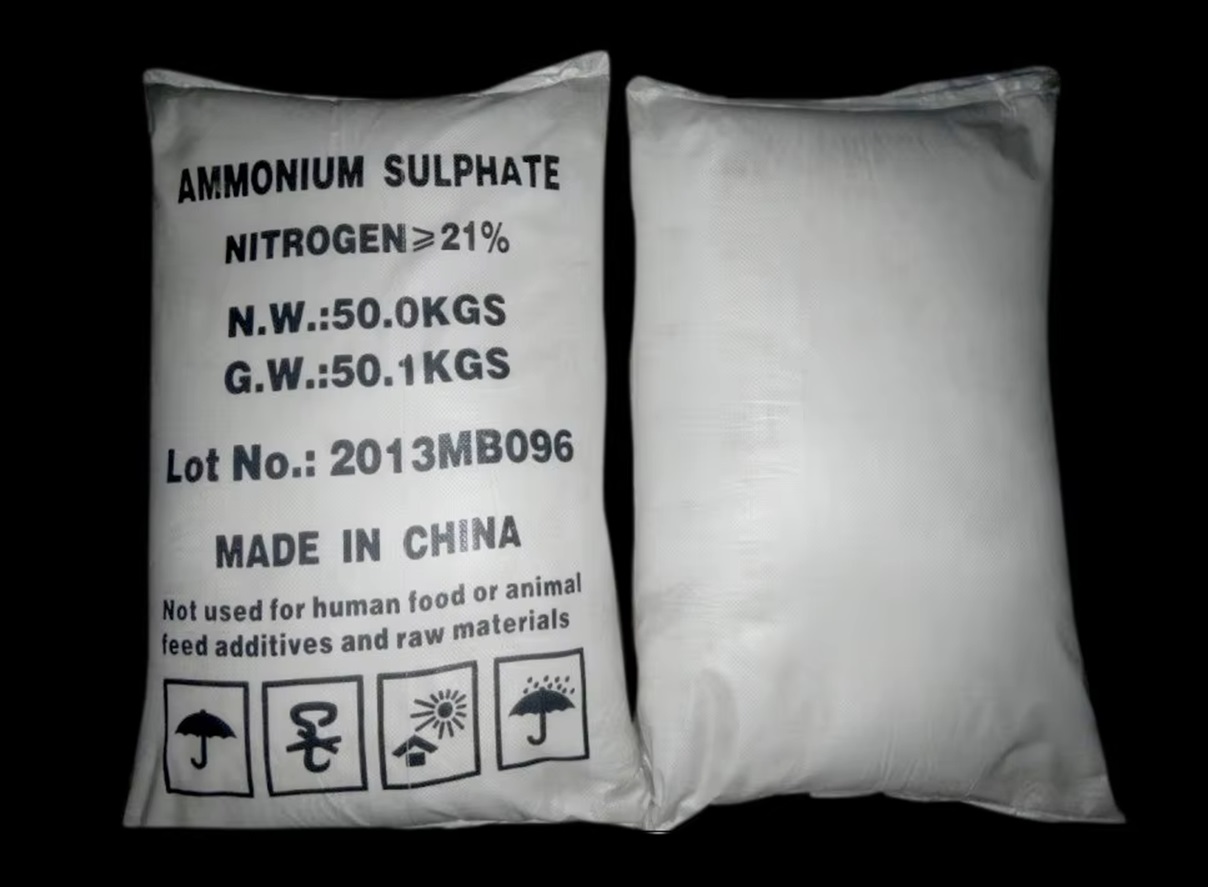
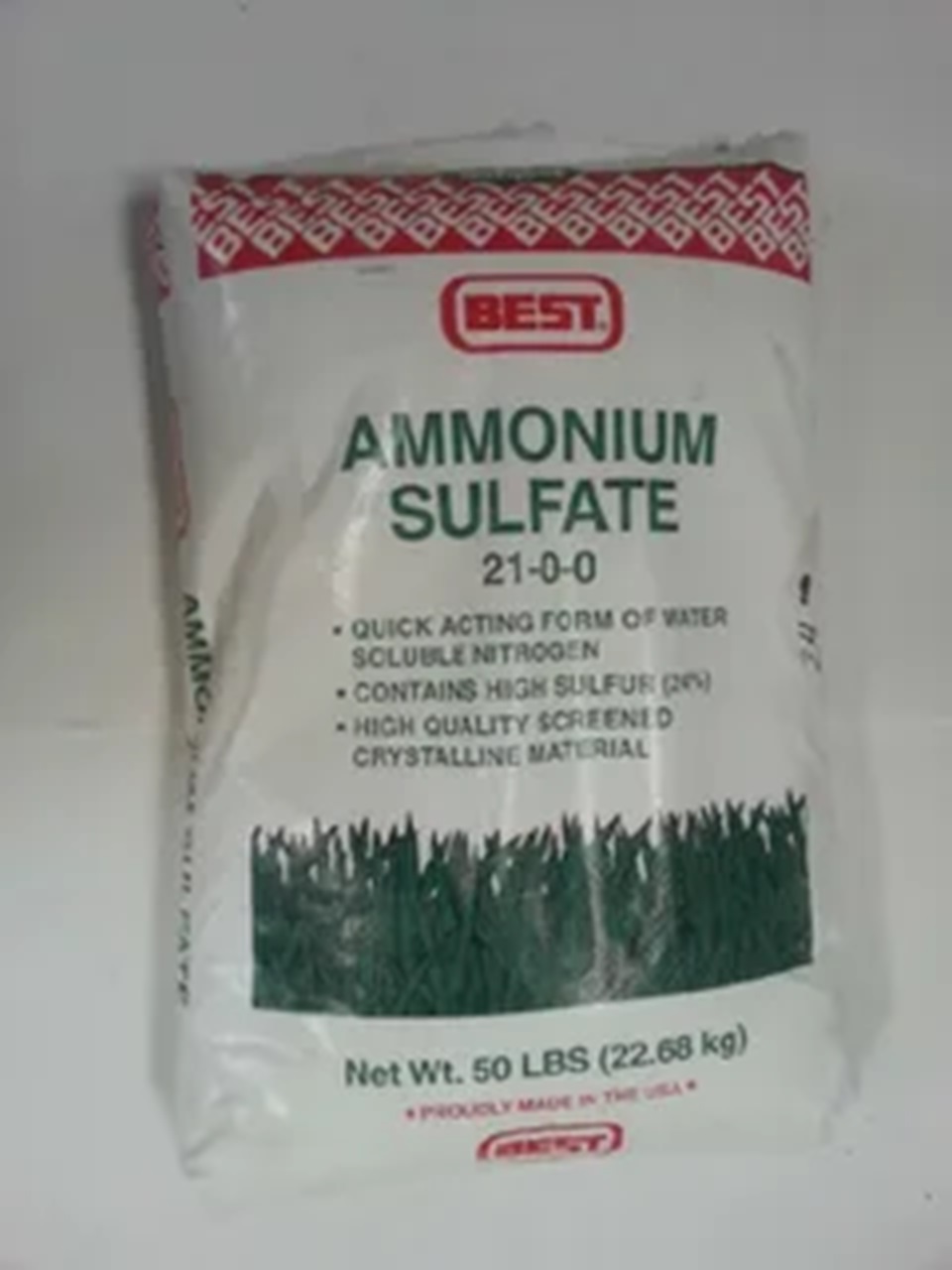
Composition: Contains 21% nitrogen and 24% sulfur
Agricultural Applications
-
Widely used as a nitrogen and sulfur fertilizer.
-
Particularly effective in neutral and alkaline soils; in acidic soils it should be applied together with lime to avoid excessive acidification.
-
Commonly used in crops such as tea, rice, and cereals.
-
Enhances phosphorus uptake by plants and accelerates growth.
-
Serves as an adjuvant in agricultural sprays, improving the effectiveness of herbicides such as glyphosate, glufosinate, and 2,4-D by binding calcium and iron ions.
Industrial Applications
-
Water treatment: Used in the production of monochloramine for disinfection.
-
Food industry: Approved as a food additive (E517); functions as an acidity regulator in flour and bread.
-
Fire retardant: Reduces combustion temperature, lowers weight loss rates, and increases char residue.
-
Flame retardant formulations: Often combined with diammonium phosphate or ammonium sulfamate for enhanced performance.
-
Wood preservative: Previously used, but largely discontinued due to hygroscopic nature causing corrosion and instability.
-
Chemical synthesis: Intermediate in the preparation of other ammonium salts, such as ammonium persulfate.
Laboratory Applications
-
Protein purification: Ammonium sulfate precipitation (“salting out”) is a standard method to fractionate proteins without denaturation.
-
Crystallography: Useful in protein and nucleic acid crystallization studies.
-
NMR spectroscopy: Saturated solutions in heavy water (D₂O) serve as external standards for sulfur (³³S).
-
Rubber analysis: Applied in volatile fatty acid determination by selective precipitation.
Advantages
-
Provides both nitrogen and sulfur in a single compound.
-
Improves phosphorus availability in soil.
-
Reliable and widely used in protein purification.
-
Effective adjuvant in agricultural sprays.
Disadvantages
-
Long-term use can acidify soil.
-
Lower nitrogen content compared to ammonium nitrate, increasing transportation costs.
-
Hygroscopic nature requires careful storage.
Synonyms and Identifiers
-
Ammonium sulfate / Ammonium sulphate
-
Diammonium sulfate
-
Sulfuric acid diammonium salt
-
Sugar fertilizer
-
EC No.: 231-984-1
-
CAS No.: 7783-20-2
-
E number: E517
Summary
Ammonium sulfate is a versatile inorganic salt with primary use as a fertilizer in agriculture, supplying essential nitrogen and sulfur. Beyond farming, it plays roles in water treatment, food processing, fire retardancy, and laboratory protein purification. Its advantages lie in its dual nutrient supply and broad industrial utility, while its main drawbacks are soil acidification and relatively low nitrogen content compared to alternatives like ammonium nitrate.