We unleash your business potential by maximize the business innovation.
Send EmailAmmonium Chloride, Ammonium Muriate, Sal Ammoniac, Salmiac, Nushadir, 12125-02-9
AMMONIUM CHLORIDE – AMMONIUM CHLORIDE
1. CHEMICAL IDENTITY AND DEFINITION
| Parameter | Information |
|---|---|
| Chemical Name (IUPAC) | Ammonium Chloride |
| Other Names | Ammonium Muriate, Sal Ammoniac, Salmiak, Nushadir, Halogen Sand |
| Chemical Formula | NH₄Cl |
| Molecular Weight | 53.49 g/mol |
| CAS Number | 12125-02-9 |
| EC Number (EINECS) | 235-186-4 |
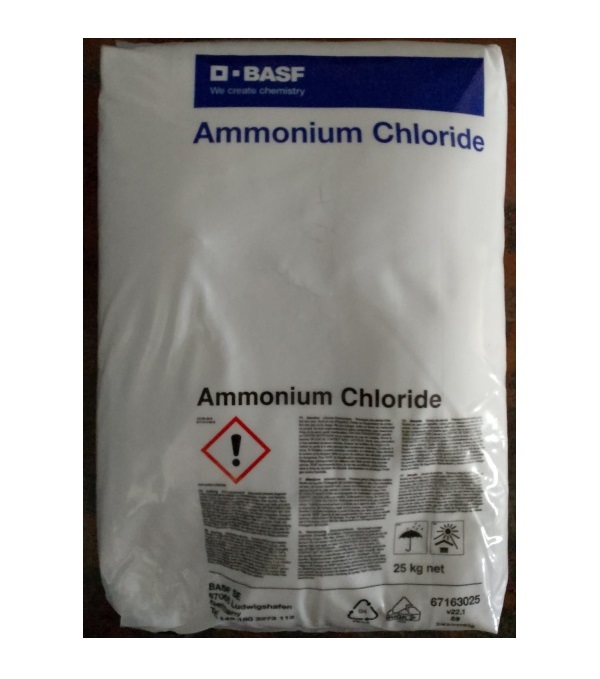
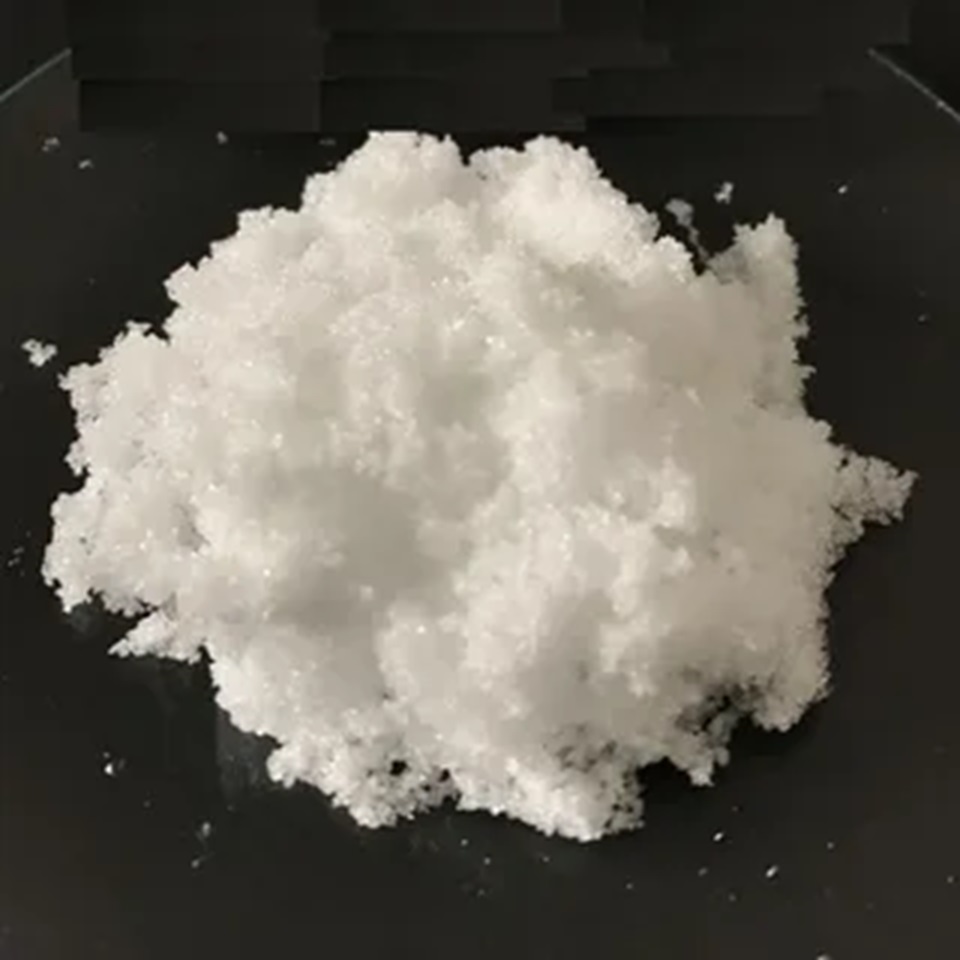
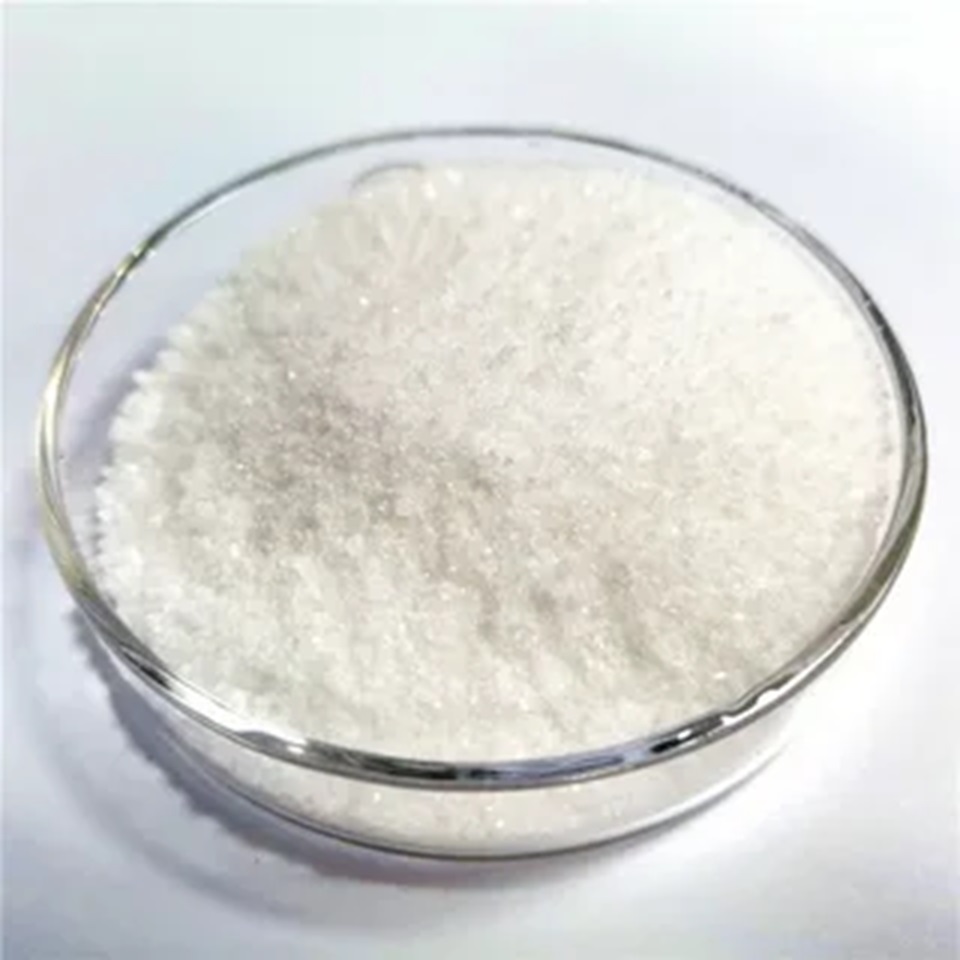
| Appearance | White crystalline solid / powder |
| Odor | Slight ammonia odor |
| Physical State (20°C) | Solid (crystalline / powder) |
| Chemical Class | Inorganic salt (ammonium salt) |
2. WHAT IS AMMONIUM CHLORIDE?
Ammonium chloride (NH₄Cl) is an inorganic salt formed by the neutralization of ammonia (NH₃) and hydrochloric acid (HCl). It is a white crystalline solid that is highly soluble in water. It has a salty, slightly acidic taste. It can be found naturally in volcanic regions and coal deposits. It is a versatile chemical widely used in agriculture, food, pharmaceuticals, metal processing, and the chemical industry.
3. PHYSICAL PROPERTIES
| Property | Value |
|---|---|
| Appearance | White crystalline solid / powder |
| Chemical Formula | NH₄Cl |
| Molecular Weight | 53.49 g/mol |
| Density | 1.5 g/cm³ |
| Melting Point | 338 °C |
| Boiling Point | 520 °C (sublimes) |
| Solubility in Water (25°C) | 39.5 g/100 g water |
| Solubility in Ethanol (20°C) | 0.6 g/100 mL |
| Solubility in Acetone, Ether, Ethyl Acetate | Practically insoluble |
| pH (Aqueous Solution) | Slightly acidic (~5.0 - 6.0) |
| Hygroscopicity | Hygroscopic (absorbs moisture from air) |
| Crystal Structure | Cubic |
4. CHEMICAL PROPERTIES
| Property | Information |
|---|---|
| Chemical Formula | NH₄Cl |
| CAS Number | 12125-02-9 |
| EC Number | 235-186-4 |
| Nitrogen Content | ~26.2% |
| Chloride Content | ~73.8% |
| pH (Aqueous Solution) | ~5.0 – 6.0 (acidic) |
| Acidity | Forms a slightly acidic solution in water |
| Reaction with Bases | NH₄Cl + NaOH → NH₃↑ + NaCl + H₂O |
| Thermal Decomposition | NH₄Cl → NH₃↑ + HCl↑ (upon heating) |
| Stability | Stable under normal conditions |
| Hygroscopicity | High (moisture-absorbing) |
5. CHEMICAL STRUCTURE AND REACTIONS
Chemical Structure:
[NH₄]⁺ [Cl]⁻
Ammonium chloride is an ionic compound of ammonium ion (NH₄⁺) and chloride ion (Cl⁻).
Neutralization Reaction (Production):
NH₃ + HCl → NH₄Cl
Reaction with Bases:
NH₄Cl + NaOH → NH₃↑ + NaCl + H₂O
(Ammonia gas is released)
Thermal Decomposition:
NH₄Cl → NH₃↑ + HCl↑ (upon heating)
6. PRODUCTION METHODS
| Method | Description |
|---|---|
| Neutralization | NH₃ + HCl → NH₄Cl (most common method) |
| Solvay Process (By-product) | Obtained as a by-product in sodium bicarbonate production |
| Natural Occurrence | Found naturally in volcanic craters and coal deposits |
7. APPLICATIONS
7.1. Agriculture
| Application | Description |
|---|---|
| Nitrogen Fertilizer | Provides essential nitrogen for plant growth |
| Rice Paddies | Higher yield compared to ammonium sulfate |
| Rice and Wheat | Especially used in high-rainfall regions |
| Cotton Production | Improves fiber quality and yield |
7.2. Food Industry
| Application | Description |
|---|---|
| Bread Making | Food additive, nutrient source for yeast |
| Yeast Nutrient | Supports yeast fermentation |
| Food Additive | Additive in certain food products |
7.3. Pharmaceutical and Medical
| Application | Description |
|---|---|
| Expectorant | Stimulates mucosa in cough syrups |
| Liver Treatment | Viral infections and toxin-induced liver damage |
| Urinary Acidifier | Regulates urine pH |
7.4. Industrial Applications
| Application | Description |
|---|---|
| Metal Processing | Galvanizing and soldering operations |
| Battery Production | Electrolyte in dry cell batteries |
| Paints and Varnishes | Hardening agent |
| Plastic Production | Hardness and durability enhancer |
| Adhesives | Hardening agent in formaldehyde-based adhesives |
| Foundries | Used to brighten furnaces |
| Fiberglass | Hardener in wet glass fiber production |
| Petroleum Refineries | Controls ammonium salt deposits |
7.5. Chemical and Laboratory
| Application | Description |
|---|---|
| Ammonium Compounds | Raw material for ammonium bicarbonate, sulfate, nitrate production |
| Explosive Production | In certain explosive formulations |
| Chemical Analysis | Reagent in laboratory analyses |
| L-Glutamic Acid | Urea source |
8. ADVANTAGES OF AMMONIUM CHLORIDE
| Advantage | Description |
|---|---|
| High Solubility | Dissolves easily in water, provides rapid action |
| Low Cost | Economical and widely available |
| Versatility | Wide range of uses from agriculture to pharmaceuticals |
| Nitrogen Source | Provides readily available nitrogen for plants |
| Acidic Properties | Can be used to regulate soil pH |
| Safe Handling | Safe chemical under proper conditions |
9. SAFETY AND HEALTH INFORMATION
| Parameter | Value |
|---|---|
| Oral LD50 (Rat) | ~1,650 – 2,000 mg/kg |
| Skin Irritation | May cause mild irritation |
| Eye Irritation | May cause irritation |
| Inhalation | Dust inhalation may cause respiratory irritation |
| Ingestion | High doses may cause stomach discomfort |
| Carcinogenicity | Not classified |
| Mutagenicity | Negative |
9.1. GHS CLASSIFICATION
| Hazard Category | Description |
|---|---|
| Acute Toxicity | Category 4 (H302) - Harmful if swallowed |
| Skin Irritation | Category 2 (H315) - Causes skin irritation |
| Eye Irritation | Category 2 (H319) - Causes serious eye irritation |
9.2. FIRST AID MEASURES
| Route of Exposure | Action |
|---|---|
| Inhalation | Remove to fresh air. If respiratory irritation, seek medical attention. |
| Skin Contact | Wash with plenty of soap and water. Remove contaminated clothing. |
| Eye Contact | Rinse thoroughly with water for at least 15 minutes. Seek medical attention. |
| Ingestion | Rinse mouth. Drink plenty of water. Seek medical attention. |
10. STORAGE AND HANDLING
| Parameter | Information |
|---|---|
| Storage Conditions | Cool, dry, well-ventilated area |
| Container Requirements | Tightly closed, original packaging |
| Protect From | Moisture, strong oxidizing agents, strong bases |
| Shelf Life | 24-36 months (with proper storage) |
| Hygroscopicity | Sensitive to moisture; store in dry environment |
| Note | Concentrated solutions may crystallize in cold environments |
11. TRANSPORT INFORMATION
| Parameter | Information |
|---|---|
| UN Number | 3077 (Environmental Hazard) |
| Hazard Class | 9 (Miscellaneous) |
| Packing Group | III |
| ADR/RID | 9 |
| IMDG Code | 9 |
| IATA (Air) | 9 |
12. PACKAGING OPTIONS
| Packaging Type | Quantity | Material |
|---|---|---|
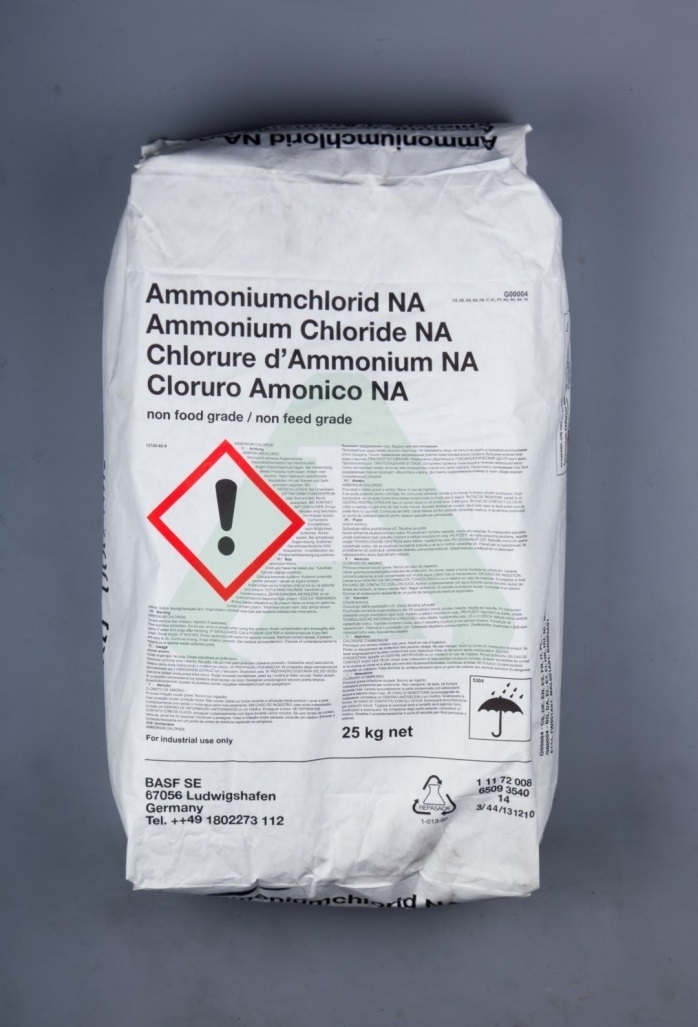
| Kraft Bag | 25 kg | Kraft + PE liner |
| Plastic Bucket | 5-25 kg | HDPE |
| Big Bag | 500-1000 kg | Polypropylene |
| Plastic Bag | 1-5 kg | PE |
13. REGULATORY STATUS
| Region / Authority | Status |
|---|---|
| European Union (REACH) | Registered substance |
| USA (EPA TSCA) | Listed on TSCA inventory |
| USA (FDA) | Approved as food additive (GRAS) |
| Turkey | Registered substance |
14. OTHER NAMES AND SYNONYMS
| Type | Name |
|---|---|
| Turkish Names | Amonyum Klorür, Amonyum Klorid, Nişadır, Amonyal Klorür |
| English Names | Ammonium Chloride, Ammonium Muriate, Sal Ammoniac, Salmiak |
| Common Names | Halogen Sand |
| CAS Number | 12125-02-9 |
15. SUMMARY AND CRITICAL WARNINGS
Product Summary
| Parameter | Value |
|---|---|
| Product | Ammonium Chloride |
| CAS Number | 12125-02-9 |
| Formula | NH₄Cl |
| Molecular Weight | 53.49 g/mol |
| Appearance | White crystalline solid / powder |
| Density | 1.5 g/cm³ |
| Melting Point | 338 °C |
| Primary Applications | Agriculture, food, pharmaceuticals, industry, laboratory |
CRITICAL WARNINGS
1. Hygroscopicity: Ammonium chloride absorbs moisture from the air. Must be stored in a dry environment. Otherwise, caking and dissolution may occur.
2. Acidic Properties: Forms a slightly acidic solution in water (pH ~5.0-6.0). Avoid contact with skin and eyes.
3. Thermal Decomposition: When heated, it releases ammonia (NH₃) and hydrogen chloride (HCl) gases. These gases are irritant and toxic. Proper ventilation is required during heating operations.
4. Reaction with Bases: Reacts with strong bases (NaOH, KOH) releasing toxic ammonia gas. Do not store with bases.
5. Agricultural Use: Should not be used in areas with direct seed contact. Dosage should be adjusted based on crop type.
6. Food Use: Only food-grade ammonium chloride should be used in food applications.
7. Storage: Store in a cool, dry, well-ventilated area in tightly closed containers. Keep away from strong oxidizing agents and bases.
8. PPE: Use dust mask, gloves, and protective goggles in dust-generating operations.
9. Solubility: Concentrated solutions may crystallize in cold conditions. Storage temperature should be monitored.
10. Recycling: Ammonium chloride-containing waste can be recovered. Avoid release to the environment.
IMPORTANT DISCLAIMER: This Technical Data Sheet (TDS) is for informational purposes only and is prepared based on available technical data. The user is responsible for determining the suitability of the product for their specific application and for complying with all local, national, and international regulations. For complete safety, storage, use, handling, disposal, and regulatory compliance information, refer to the official Safety Data Sheet (SDS/MSDS) provided by the manufacturer/supplier. This document is not a substitute for professional or medical advice.