We unleash your business potential by maximize the business innovation.
Send EmailPolydimethylsiloxane, Dimethyl Silicone, Dimethyl Silicone Oil 201, PDMS, 9006-65-9, 9016-00-6
DIMETHYL SILICONE OIL 201 (POLYDIMETHYLSILOXANE)
PRODUCT IDENTIFIER INFORMATION
| Parameter | Information |
|---|---|
| Product Name | Dimethyl Silicone Oil 201 |
| Chemical Name | Polydimethylsiloxane (PDMS) |
| CAS Number | 9016-00-6; 9006-65-9 |
| Molecular Formula | (C₂H₆OSi)ₙ |
| Molar Mass | 236.534 (for repeat unit) |
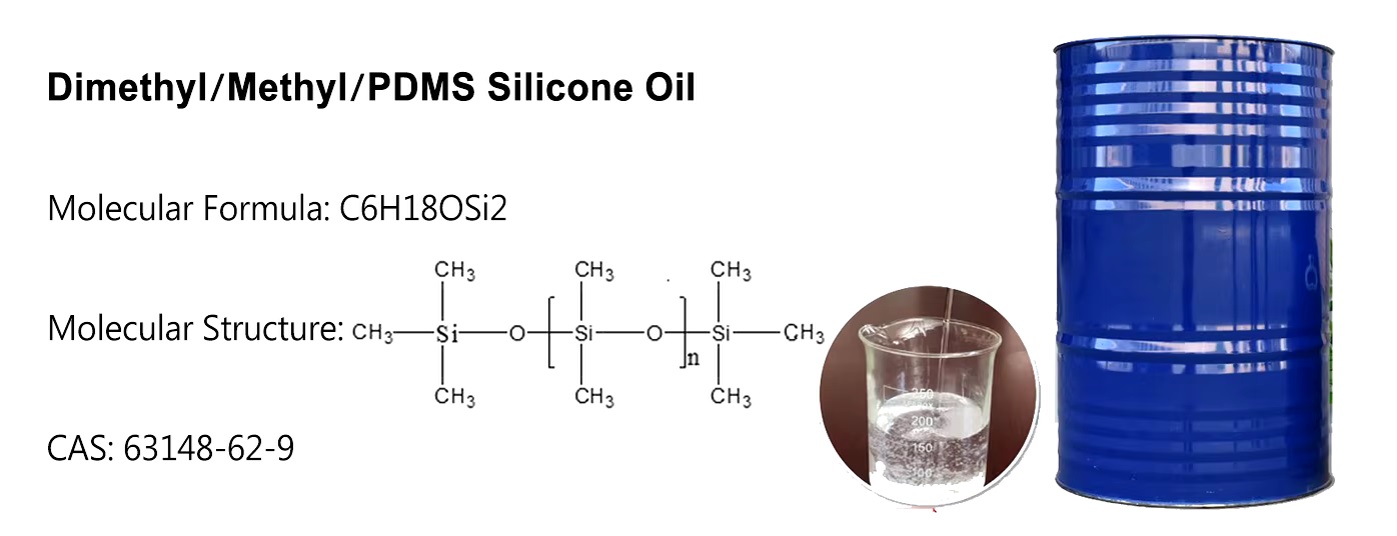
CHEMICAL STRUCTURE
      CH₃       CH₃       CH₃
      |         |         |
H₃C - Si - O - Si - O - Si - CH₃
      |         |         |
      CH₃       CH₃       CH₃

      Polydimethylsiloxane (PDMS)
      Silicone Polymer Structure
Polydimethylsiloxane (Dimethyl Silicone Oil) Molecular Structure
General Formula: (C₂H₆OSi)ₙ
SMILES: OSi(C)C
InChI: InChI=1/C2H6OSi/c1-4(2)3/h1-2H3
MDL Number: MFCD00148360
SECTION 1: CHEMICAL IDENTITY AND DESCRIPTION
| Parameter | Information |
|---|---|
| Product Name | Dimethyl Silicone Oil 201 |
| Chemical Name | Polydimethylsiloxane (PDMS) |
| Synonyms (English) | Dimethyl Silicone, Polydimethylsiloxane Emulsion, Dimethicone, Simethicone, Silbar, Aeropax, Dermafilm, Dimethicream, Silicone Fluid 500, Silicone Oil DC 200, Silicone Fluid 100, Silicone Fluid 1,000, Dimethylpoly-siloxane, Polydimethylsiloxane 1,850, Polydimethylsiloxane 16,000, Polydimethylsiloxane 158,000, Polydimethylsiloxane 173,000, Silcorel ADP1000 Antifoam Compound, Reduced Volatility Polydimethylsiloxane, Polydimethylsiloxane Trimethylsiloxy Terminated |
| CAS Number | 9016-00-6; 9006-65-9 |
| Molecular Formula | (C₂H₆OSi)ₙ |
| Molar Mass | 236.534 (for repeat unit) |
| Chemical Class | Organosilicon polymer; silicone oil |
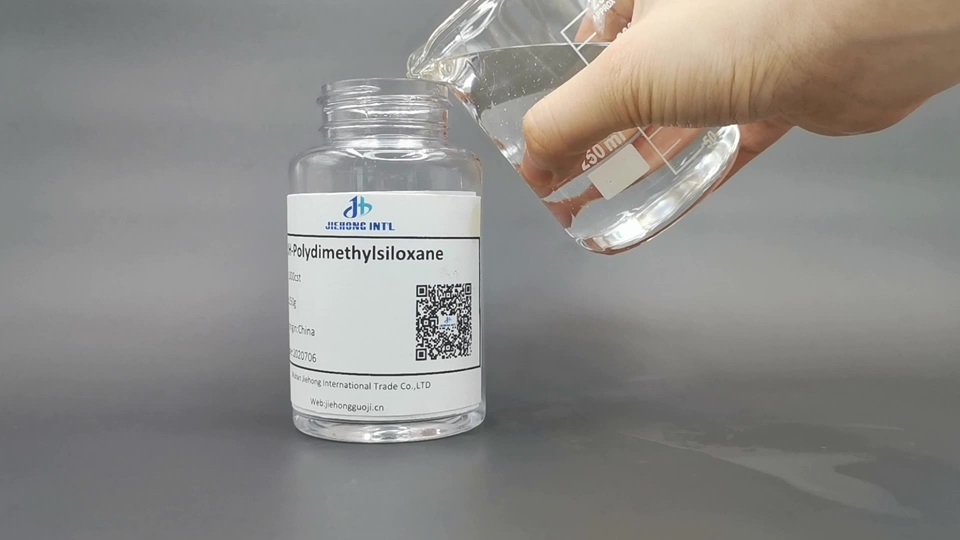
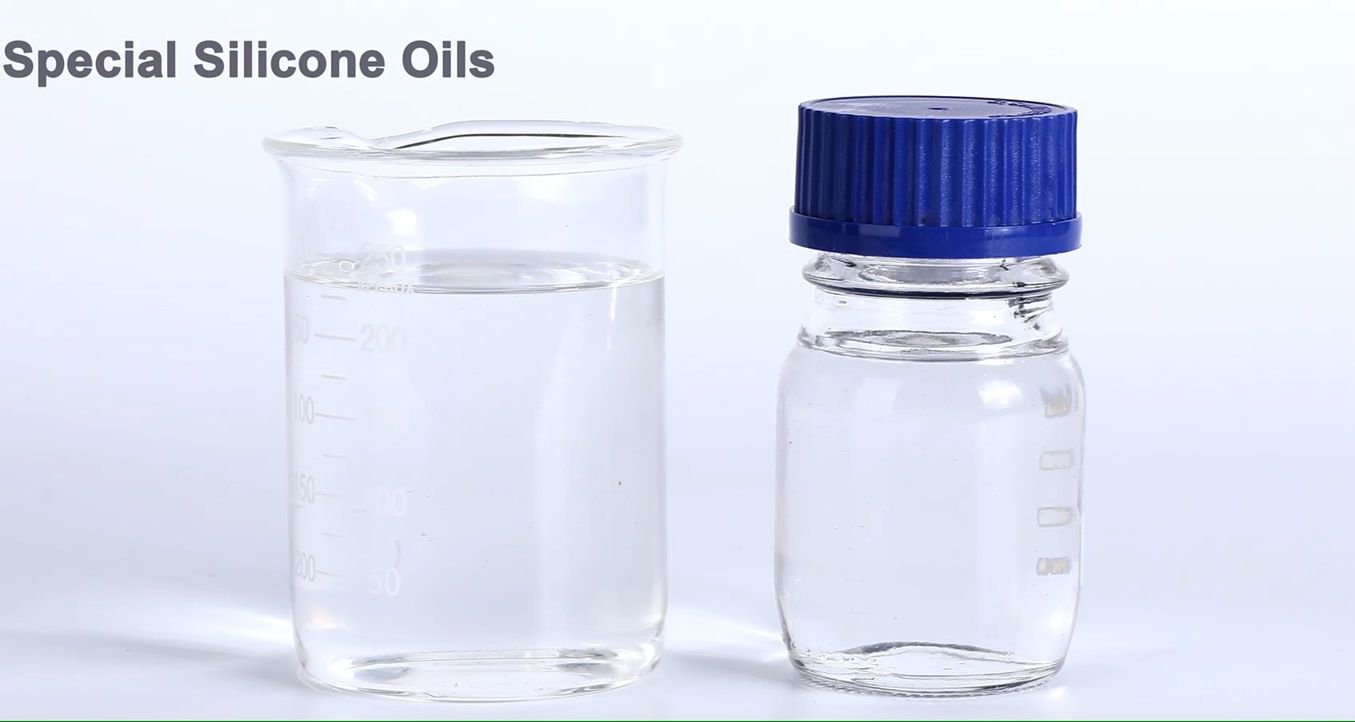
| Physical State (20°C) | Colorless transparent viscous liquid |
| Odor | Odorless |
| Taste | Tasteless |
| Viscosity Range | Available in various viscosities (100 cSt to 1,000,000+ cSt) |
SECTION 2: PHYSICAL AND CHEMICAL PROPERTIES
| Property | Value | Test Method / Note |
|---|---|---|
| Appearance | Colorless transparent viscous liquid | Visual |
| Odor | Odorless | Olfactometric |
| Taste | Tasteless | - |
| Density (20°C) | 0.971 g/cm³ | ASTM D4052 |
| Melting Point | -35 °C | DSC |
| Boiling Point | 155 - 220 °C | ASTM D86 |
| Flash Point | > 280 °C (open cup) | ASTM D92 |
| Autoignition Temperature | ~ 450 °C | ASTM E659 |
| Refractive Index (nD²⁵) | 1.403 - 1.406 | Refractometry |
| Viscosity (25°C) | 100 - 1,000,000+ cSt (varies by grade) | ASTM D445 |
| Surface Tension (25°C) | ~ 20 - 22 mN/m | Du Noüy Ring |
| Solubility in Water | Insoluble | General Method |
| Solubility in Ethanol | Insoluble | General Method |
| Solubility in Organic Solvents | Soluble in carbon tetrachloride, benzene, chloroform, ether, toluene, and most organic solvents | General Method |
| Dielectric Constant | 2.3 - 2.8 | ASTM D924 |
| Dielectric Strength | 13 - 17 kV/mm | ASTM D877 |
| Volume Resistivity | > 10¹⁵ Ω·cm | ASTM D257 |
| Thermal Conductivity | 0.15 W/m·K | - |
| Coefficient of Thermal Expansion | 0.00093 / °C | - |
| Working Temperature Range | -50 °C to +200 °C (long-term) | - |
| Viscosity-Temperature Coefficient | Excellent (low change with temperature) | - |
SECTION 3: CHEMICAL PROPERTIES AND REACTIVITY
| Parameter | Information |
|---|---|
| Chemical Character | Organosilicon polymer; hydrophobic; non-toxic; physiologically inert; chemically stable |
| Stability | Excellent chemical stability under normal conditions |
| Reactivity | Relatively inert; reacts with strong oxidizing agents and strong acids at elevated temperatures |
| Incompatible Materials | Strong oxidizing agents, strong acids (H₂SO₄, HNO₃), strong bases, halogenated compounds at high temperatures |
| Polymerization | Does not polymerize further (fully polymerized) |
| Decomposition Products (Heating) | Silica (SiO₂), formaldehyde, methane, carbon monoxide, carbon dioxide |
| Hazardous Reactions | May decompose to form flammable gases at temperatures above 200°C; reacts with oxidizing agents |
| Corrosivity | Non-corrosive to most metals |
| Hydrophobicity | Excellent water repellency |
| Electrical Properties | Excellent electrical insulation properties |
| Weather Resistance | Excellent resistance to weathering, UV, and ozone |
SECTION 4: COMMON SILICONE OILS COMPARISON TABLE
| Property | Dimethyl Silicone Oil (PDMS) | Methyl Phenyl Silicone Oil | Fluoro Silicone Oil | Cyclosiloxane (D4, D5) |
|---|---|---|---|---|
| CAS Number | 9016-00-6 | 63148-58-3 | 63148-56-1 | 556-67-2 |
| Chemical Structure | Dimethylsiloxane | Methylphenylsiloxane | Fluorinated siloxane | Cyclic siloxane |
| Viscosity Range | 100 - 1,000,000 cSt | 100 - 1,000 cSt | 100 - 10,000 cSt | < 50 cSt |
| Temperature Range | -50 to +200°C | -40 to +250°C | -60 to +250°C | -40 to +100°C |
| Heat Resistance | Good | Excellent | Excellent | Moderate |
| Chemical Resistance | Good | Good | Excellent | Moderate |
| Solvent Resistance | Good | Good | Very Good | Poor |
| Primary Use | Lubricants, defoamers | High-temp applications | Harsh chemical environments | Volatile silicone carrier |
SECTION 5: FUNCTIONAL PROPERTIES AND MECHANISM OF ACTION
| Property | Description |
|---|---|
| Lubrication | Excellent lubricating properties; provides low friction coefficient; reduces wear on moving parts |
| Hydrophobicity | Repels water; provides excellent water repellency on surfaces |
| Chemical Inertness | Non-reactive with most chemicals; physiologically inert |
| Electrical Insulation | High dielectric strength and volume resistivity; excellent electrical insulator |
| Temperature Stability | Wide operating temperature range (-50°C to +200°C); maintains properties across temperature extremes |
| Viscosity Stability | Low viscosity-temperature coefficient; minimal change in viscosity with temperature variation |
| Surface Activity | Low surface tension; excellent wetting properties |
| Defoaming | Effective foam control; reduces surface tension to break foam bubbles |
| Mold Release | Acts as effective release agent; prevents sticking between surfaces |
| Damping/Anti-Vibration | Provides excellent damping properties; reduces vibration and noise |
| Anti-Tack | Reduces tackiness of surfaces |
| Transparency | Excellent optical clarity; does not affect color or transparency of formulations |
SECTION 6: MAIN APPLICATION AREAS
| Industry / Application | Function | Typical Use |
|---|---|---|
| Industrial Lubrication | Lubricant / anti-wear | Machinery lubrication, gear oils, chain lubricants, high-temperature lubricants |
| Defoaming | Defoaming agent | Industrial circulating cooling water systems, wastewater treatment, food processing, fermentation processes, paint and coatings |
| Mold Release | Release agent | Plastic molding, rubber processing, metal casting, composite manufacturing |
| Electrical & Electronics | Insulating oil / dielectric fluid | Transformers, capacitors, high-voltage insulators, electronic component encapsulation, anti-dust coating |
| Cosmetics & Personal Care | Conditioning agent / emollient | Skin care products, hair care products (shampoos, conditioners), anti-frizz serums, moisturizers, makeup formulations, sunscreens |
| Automotive Industry | Lubricant / protective coating | Rubber sealants, plastic interior components, wire coatings, brake fluid additives |
| Textile Industry | Softener / lubricant | Fabric softening, fiber lubrication, sewing thread treatment |
| Medical & Pharmaceutical | Lubricant / defoamer / excipient | Syringe lubricants, medical device coatings, pharmaceutical defoamers, drug delivery systems |
| Construction | Water repellent / sealant | Waterproofing agents, concrete sealants, building protection |
| Rubber & Plastics | Processing aid / release agent | Mold release, anti-blocking agent, rubber additive, plastic modifier |
| Food Processing | Defoamer / release agent | Food-grade lubricants, baking release agents, brewing defoamers |
| Laboratory & Research | General purpose fluid | Vacuum pump oil, heat transfer fluid, oil bath medium, spectroscopy reagent |
| Paints & Coatings | Additive / leveling agent | Defoamer in paint formulations, flow and leveling agent, surface modifier |
| Petroleum Industry | Defoamer / additive | Oil and gas processing defoaming, fuel additives |
| Photography & Printing | Leveling agent / protective coating | Film coating, printing ink additives, photographic processing |
SECTION 7: QUALITY SPECIFICATIONS (TECHNICAL GRADE - 1000 cSt)
| Parameter | Specification | Test Method |
|---|---|---|
| Appearance | Colorless transparent viscous liquid | Visual |
| Viscosity (25°C) | 1000 ± 50 cSt | ASTM D445 |
| Specific Gravity (25°C) | 0.968 - 0.974 | ASTM D4052 |
| Refractive Index (nD²⁵) | 1.403 - 1.406 | Refractometry |
| Flash Point (Open Cup) | > 280 °C | ASTM D92 |
| Pour Point | < -45 °C | ASTM D97 |
| Loss on Heating (150°C, 24h) | ≤ 1.0 % | Gravimetric |
| Acid Number | ≤ 0.01 mg KOH/g | Titrimetric |
| Color (APHA) | ≤ 10 | ASTM D1209 |
| Volatile Content | ≤ 1.0 % | Gravimetric |
| Metal Content (Fe, Cu, Zn, etc.) | ≤ 5 ppm | AAS / ICP |
| Toxicity | Non-toxic | USP / EP standards |
SECTION 8: TOXICOLOGICAL PROFILE
| Parameter | Value |
|---|---|
| Acute Oral Toxicity (LD50, Rat) | > 5,000 mg/kg (low toxicity) |
| Acute Dermal Toxicity (LD50, Rabbit) | > 2,000 mg/kg (low toxicity) |
| Acute Inhalation Toxicity (LC50, Rat, 4h) | > 20 mg/L (low toxicity) |
| Skin Irritation | Non-irritating; may be mildly irritating upon prolonged contact |
| Eye Irritation | Mildly irritating; may cause temporary discomfort |
| Respiratory Irritation | Vapors are not expected to be irritating |
| Carcinogenicity | Not classified (IARC, NTP) |
| Mutagenicity | Negative in standard tests |
| Reproductive Toxicity | No known adverse effects |
| Sensitization | Not a sensitizer |
| Occupational Exposure Limit (8h TWA) | Not established (generally considered safe) |
| Special Toxicity Note | Dimethyl silicone oil is physiologically inert and considered safe for use in food and pharmaceutical applications (food-grade grades available) |
SECTION 9: GHS CLASSIFICATION AND LABELING
GHS Classification (according to 1272/2008/EC and UN GHS):
| Hazard Class | Category | H-Statement |
|---|---|---|
| Skin Irritation | Category 2 | H315 (may apply to some grades) |
| Eye Irritation | Category 2 | H319 (may apply to some grades) |
| Specific Target Organ Toxicity - SE | Category 3 | H335 (may apply to some grades) |
Signal Word: WARNING (for specific grades)
Hazard Pictograms: GHS07 (Exclamation Mark) - for certain grades
Hazard Statements (H-Codes):
| Code | Statement |
|---|---|
| H315 | Causes skin irritation |
| H319 | Causes serious eye irritation |
| H335 | May cause respiratory irritation |
NFPA 704 Hazard Classification:
| Health | Flammability | Reactivity | Special |
|---|---|---|---|
| 0 | 1 | 0 | - |
| (No health hazard) | (Slightly flammable) | (Stable) | (None) |
Note: Dimethyl silicone oil is generally classified as non-hazardous for most applications. Higher hazard classifications may apply for specific formulations containing additives.
SECTION 10: PRECAUTIONARY STATEMENTS (P-CODES)
| Code | Statement |
|---|---|
| P280 | Wear protective gloves / protective clothing / eye protection |
| P302+P352 | IF ON SKIN: Wash with plenty of soap and water |
| P305+P351+P338 | IF IN EYES: Rinse cautiously with water for several minutes. Remove contact lenses if present and easy to do. Continue rinsing |
| P332+P313 | If skin irritation occurs: Get medical advice/attention |
| P337+P313 | If eye irritation persists: Get medical advice/attention |
| P501 | Dispose of contents/container in accordance with local/regional/national/international regulations |
SECTION 11: FIRST AID MEASURES
| Exposure Route | Action to Take |
|---|---|
| Inhalation | Move to fresh air. If breathing is difficult, give oxygen. Seek medical attention if symptoms persist. |
| Skin Contact | Wash with plenty of soap and water. Remove contaminated clothing. If irritation develops, seek medical attention. |
| Eye Contact | Rinse immediately with plenty of water for at least 15 minutes. Remove contact lenses if present. Seek medical attention if irritation persists. |
| Ingestion | Rinse mouth. Do NOT induce vomiting. Seek medical attention if discomfort occurs. |
SECTION 12: FIRE-FIGHTING MEASURES
| Parameter | Information |
|---|---|
| Fire Hazard | Slightly combustible; flash point > 280°C |
| Hazards During Fire | Thermal decomposition produces silica, formaldehyde, methane, carbon monoxide, and carbon dioxide |
| Suitable Extinguishing Media | Dry chemical powder, CO₂, water fog, alcohol-resistant foam |
| Unsuitable Extinguishing Media | Water jet (may spread the fire) |
| Special Protective Equipment | Self-contained breathing apparatus (SCBA), full protective clothing |
| Special Precautions | Cool exposed containers with water fog; keep away from strong oxidizing agents |
SECTION 13: STORAGE AND SHELF LIFE
| Parameter | Information |
|---|---|
| Storage Conditions | Cool, dry, well-ventilated area; away from heat, sparks, and open flames; protect from extreme temperatures |
| Container Requirements | Tightly closed, properly labeled containers; use clean containers to prevent contamination |
| Materials to Protect From | Strong oxidizing agents, strong acids, strong bases, water (to prevent contamination) |
| Shelf Life | 24 - 36 months (in unopened original packaging, under proper storage conditions) |
| Stability Note | Excellent chemical stability; does not polymerize or degrade under normal storage conditions; viscosity may decrease over time if exposed to high temperatures |
SECTION 14: PACKAGING OPTIONS
| Packaging Type | Quantity | Material |
|---|---|---|
| Glass Bottle | 1 L, 2.5 L | Amber glass with PTFE-lined cap |
| HDPE Bottle | 5 L, 10 L, 20 L | HDPE |
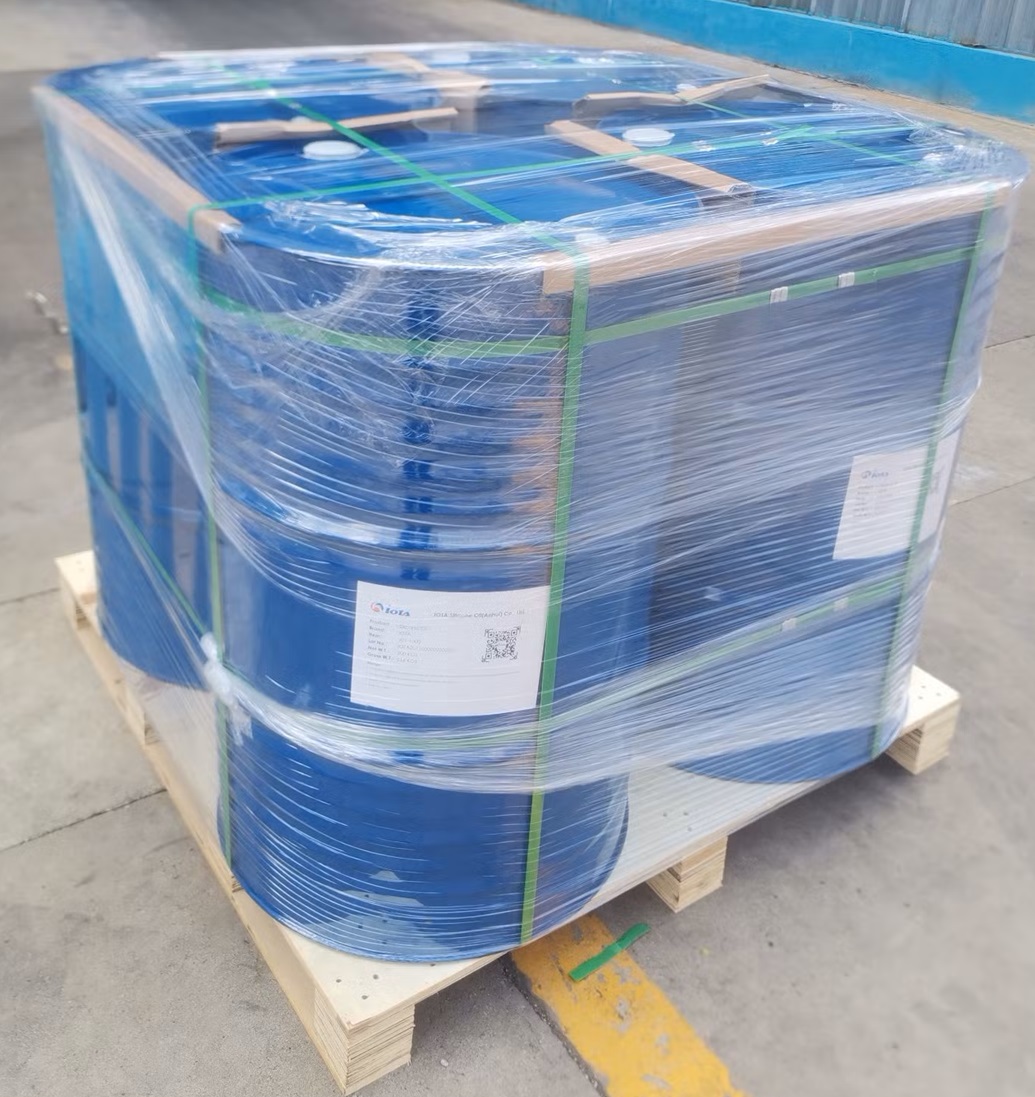
| HDPE Drum | 50 L, 200 L | HDPE |
| Steel Drum | 200 L | Carbon steel (lined) |
| Stainless Steel Drum | 200 L | Stainless steel 304/316 |
| IBC Container | 1000 L | HDPE / Stainless steel |
| Bulk Tanker | 20-25 tons | Stainless steel / Carbon steel |
SECTION 15: TRANSPORT INFORMATION
| Parameter | Information |
|---|---|
| UN Number | Not regulated (generally not classified as dangerous goods) |
| Hazard Class | Not applicable |
| Packing Group | Not applicable |
| ADR/RID | Not regulated |
| IMDG Code | Not regulated (check for specific product grades) |
| IATA (Air) | Not regulated |
| Marine Pollutant | No |
| Transport Temperature | Ambient; protect from contamination |
SECTION 16: REGULATORY STATUS
| Region / Authority | Status |
|---|---|
| European Union | REACH registered; approved for food contact and cosmetic applications |
| USA (TSCA) | Listed |
| USA (FDA) | Approved for food contact (21 CFR 172.340, 173.340, 175.300, 178.3570) |
| USA (USP) | Monograph for dimethicone in USP |
| Europe (Ph. Eur.) | Monograph for dimethicone |
| Cosmetics (EU) | Approved for use in cosmetics (Cosing database) |
| Food Additives | Approved as food additive in many countries |
| Turkey | Industrial chemical; subject to KKDIK regulation; approved for food contact applications |
| IARC | Not classified as carcinogenic |
| OSHA | Not specifically regulated |
SECTION 17: OTHER NAMES AND SYNONYMS
| Type | Name |
|---|---|
| Synonyms (English) | Dimethyl Silicone, Dimethyl Silicone Oil 201, Polydimethylsiloxane, Polydimethylsiloxane Emulsion, Dimethicone, Simethicone, Silbar, Aeropax, Dermafilm, Dimethicream, Silicone Fluid 500, Silicone Oil DC 200, Silicone Fluid 100, Silicone Fluid 1,000, Dimethylpoly-siloxane, Polydimethylsiloxane 1,850, Polydimethylsiloxane 16,000, Polydimethylsiloxane 158,000, Polydimethylsiloxane 173,000, Silcorel ADP1000 Antifoam Compound, Reduced Volatility Polydimethylsiloxane, Polydimethylsiloxane Trimethylsiloxy Terminated, Latex |
| Chemical Names | Polydimethylsiloxane; Dimethyl Silicone; Poly(oxy(dimethylsilylene)); Dimethylpolysiloxane |
| CAS Numbers | 9016-00-6; 9006-65-9 |
| MDL Number | MFCD00148360 |
SECTION 18: DIMETHYL SILICONE OIL ALTERNATIVES
| Alternative | Best Suited For | Key Difference |
|---|---|---|
| Mineral Oil | General lubrication, electrical insulation | Lower cost; less temperature stability; less chemical inertness |
| Synthetic Hydrocarbon Oil | High-temperature lubrication | Higher pour point; lower viscosity index; less hydrophobicity |
| Fluorosilicone Oil | Harsh chemical environments, fuel/oil resistance | Better solvent resistance; higher cost; different chemical compatibility |
| Methyl Phenyl Silicone Oil | High-temperature applications | Higher thermal stability; different viscosity-temperature behavior |
| Polyalphaolefin (PAO) | Synthetic lubricants | Different chemistry; lower temperature range; less hydrophobicity |
| PAG (Polyalkylene Glycol) | Water-soluble lubricants | Water soluble; different compatibility; less hydrophobic |
| Cyclosiloxane (D4, D5) | Volatile carrier, cosmetic applications | Lower viscosity; volatile; different application profile |
| Vegetable Oil | Biodegradable lubricants | Biodegradable; lower temperature stability; shorter shelf life |
SECTION 19: SUMMARY TABLE
| Parameter | Value |
|---|---|
| Product | Dimethyl Silicone Oil 201 (Polydimethylsiloxane) |
| CAS Numbers | 9016-00-6; 9006-65-9 |
| Molecular Formula | (C₂H₆OSi)ₙ |
| Molar Mass | 236.534 (repeat unit) |
| Appearance | Colorless transparent viscous liquid |
| Density (20°C) | 0.971 g/cm³ |
| Melting Point | -35 °C |
| Boiling Point | 155 - 220 °C |
| Viscosity Range | 100 - 1,000,000+ cSt |
| Temperature Range | -50 °C to +200 °C |
| Solubility | Insoluble in water and ethanol; soluble in most organic solvents |
| Primary Function | Lubricant, defoamer, release agent, insulator, hydrophobic agent |
| Main Applications | Lubrication, defoaming, electrical insulation, cosmetics, pharmaceuticals, textiles, mold release |
| Shelf Life | 24 - 36 months |
| Toxicity | Non-toxic; physiologically inert |
| GHS Signal Word | Not hazardous (most grades) |
SECTION 20: CRITICAL WARNINGS AND BEST PRACTICES
CRITICAL WARNINGS:
-
Dimethyl silicone oil is generally non-hazardous and physiologically inert.
-
Slightly combustible; avoid contact with strong oxidizing agents and open flames at high temperatures.
-
Thermal decomposition (above 200°C) may produce formaldehyde, methane, and other flammable gases.
-
May cause mild eye irritation; avoid direct eye contact.
-
Slippery surface hazard: Spilled material creates extremely slippery surfaces; clean up immediately.
-
Incompatibilities: Keep away from strong oxidizing agents, strong acids, and strong bases at elevated temperatures.
-
Food-grade and pharmaceutical grades are available with specific certifications.
BEST PRACTICE RECOMMENDATIONS:
-
Lubrication Applications: Use appropriate viscosity grade for specific applications; high-viscosity grades for slow-moving heavy loads; low-viscosity grades for high-speed applications.
-
Defoaming Applications: Use at 5-50 ppm concentration; for industrial cooling water systems, concentration of 10 mg/L is effective; note that defoaming performance is good but foam suppression performance is limited.
-
Mold Release Applications: Apply as thin film or dilute with solvent; use food-grade product for food contact applications.
-
Cosmetics and Personal Care: Use 0.5-5% in formulations; approved for use in skin care, hair care, and makeup products.
-
Electrical Insulation: Use high-purity grades; ensure low volatile content for electronic applications.
-
Storage: Store in tightly closed containers in dry conditions; avoid contamination with water or dirt; keep away from strong oxidizing agents.
-
Handling: Use clean equipment to prevent contamination; avoid skin contact with high-temperature product.
-
Disposal: Dispose of in accordance with local, regional, and national regulations; silicone oils can be incinerated in appropriate facilities.
LEGAL DISCLAIMER:
The information provided in this document is based on our current knowledge and experience and is presented in good faith. However, as all conditions of use are beyond our control, it does not constitute a binding specification or warranty. This Technical Data Sheet is for informational purposes only. Users are responsible for testing the suitability of the product for their specific applications. For complete safety, storage, use, handling, waste, and regulatory compliance information, please refer to the official Safety Data Sheet (SDS/MSDS) provided by the manufacturer/supplier. Product specifications may vary by viscosity grade; refer to specific product certificates for exact parameters.