We unleash your business potential by maximize the business innovation.
Send EmailDecyl Alcohol, Decanol, Capric Alcohol, Nonyl Carbinol , Alcohol C-10, Hydroxydecane, 112-30-1
DECYL ALCOHOL (C10 ALCOHOL / 1-DECANOL)
Decyl Alcohol / Capric Alcohol / Decyl Alcohol / Decanol / Alcohol C-10 / N-Decyl Alcohol / Nonyl Carbinol / 1-Hydroxydecane / 1-Decanol
CAS Number: 112-30-1
EC Number: 203-956-9
1. IDENTIFICATION INFORMATION
| Property | Information |
|---|---|
| Chemical Name (IUPAC) | 1-Decanol |
| Other Names | Decyl Alcohol, Capric Alcohol, Decanol, Alcohol C-10, N-Decyl Alcohol, Nonyl Carbinol, 1-Hydroxydecane |
| Chemical Formula | C₁₀H₂₂O |
| Molecular Weight | 158.28 g/mol |
| CAS Number | 112-30-1 |
| EC Number (EINECS) | 203-956-9 |
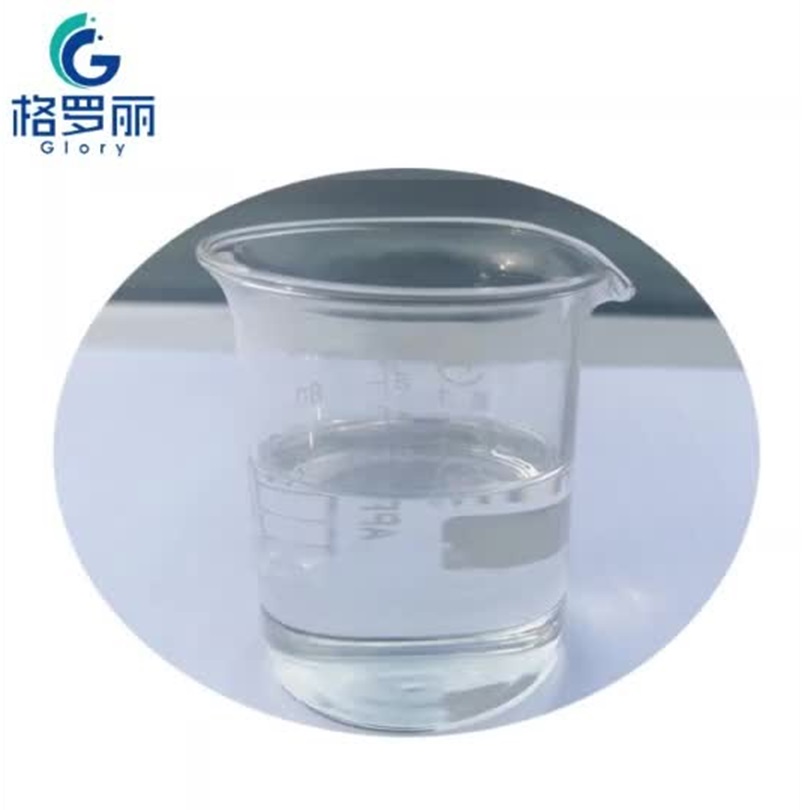
| Appearance | Clear, colorless to pale yellow liquid |
| Odor | Slight alcoholic, characteristic |
| Physical State | Liquid (at room temperature) |
| JECFA No | 103 |
| Merck Index | 14,2855 |
| Beilstein (BRN) | 1735221 |
2. PHYSICAL PROPERTIES
| Property | Value |
|---|---|
| Physical State (20°C) | Liquid |
| Appearance | Clear, colorless to pale yellow liquid |
| Odor | Slight alcoholic, characteristic |
| Chemical Formula | C₁₀H₂₂O |
| Molecular Weight | 158.28 g/mol |
| Density (25°C) | 0.829 g/mL |
| Melting Point | 5 - 7°C |
| Boiling Point | 230 - 231°C |
| Flash Point | 82°C (180°F) |
| Autoignition Temperature | ~230°C |
| Vapor Pressure (70°C) | 1 mmHg |
| Vapor Density (air=1) | 4.5 |
| Refractive Index (n20/D) | 1.437 |
| pKa | 15.21 ± 0.10 (estimated) |
| pH | Neutral |
| Explosive Limit | 0.9 - 5.7% (V) |
| Viscosity (20°C) | ~12 mPa·s |
| Dielectric Constant | ~8.5 |
3. SOLUBILITY PROPERTIES
| Solvent | Solubility |
|---|---|
| Water | Low solubility (~2.8% by weight) |
| Ethanol | 60% soluble (1 mL / 3 mL) - clear colorless solution |
| Acetic Acid | Soluble |
| Benzene | Soluble |
| Petroleum Ether | Soluble |
| Ether | Soluble |
| Chloroform | Soluble |
| Oils and Lubricants | Soluble |
4. CHEMICAL PROPERTIES
| Property | Information |
|---|---|
| Chemical Formula | C₁₀H₂₂O |
| Molecular Weight | 158.28 g/mol |
| Chemical Class | Fatty alcohol (primary fatty alcohol) |
| Functional Group | Hydroxyl (-OH) |
| Structure | CH₃-(CH₂)₈-CH₂OH |
| Stability | Stable under normal conditions |
| Oxidation | Slowly oxidizes to decanoic acid |
| Esterification | Reacts with carboxylic acids to form esters |
| Etherification | Can form ethers |
| Dehydration | Converts to alkenes at high temperature |
| Flammability | Combustible |
| Incompatible Materials | Strong oxidizing agents, acid chlorides, acid anhydrides |
Oxidation Reaction (Decanoic Acid Formation):
CH₃-(CH₂)₈-CH₂OH + [O] → CH₃-(CH₂)₈-COOH + H₂O
Esterification Reaction (Ester Formation):
CH₃-(CH₂)₈-CH₂OH + R-COOH → CH₃-(CH₂)₈-CH₂O-CO-R + H₂O
5. PRODUCTION PROCESS
| Method | Description |
|---|---|
| Fatty Alcohol Production (Industrial Standard) | Hydrogenation of methyl esters from coconut oil or palm oil |
| Ziegler Process | Oxidation and hydrolysis of aluminum alkyl compounds |
| Hydroformylation (Oxo Process) | Hydroformylation of 1-nonene → Decanal → Hydrogenation → 1-Decanol |
| Natural Sources | Coconut oil (as C10 fraction) |
| Purification | Distillation |
Reaction Equation (Oxo Process):
CH₃-(CH₂)₇-CH=CH₂ (1-Nonene) + CO + H₂ → CH₃-(CH₂)₈-CHO (Decanal)
CH₃-(CH₂)₈-CHO + H₂ → CH₃-(CH₂)₈-CH₂OH (1-Decanol)
6. AVAILABLE FORMS AND SPECIFICATIONS
| Form | Purity | Description | Applications |
|---|---|---|---|
| Technical Grade | ≥98.0% | Clear colorless liquid | Industrial applications, plasticizers |
| High Purity Grade | ≥99.0% | Clear colorless liquid | Cosmetics, pharmaceuticals, surfactants |
| Natural Grade | ≥98.0% | Clear colorless liquid | Natural cosmetics, food flavors |
Typical Specifications:
| Parameter | Specification | Test Method |
|---|---|---|
| Assay (C₁₀H₂₂O) | ≥98.0% | GC |
| Appearance | Clear, colorless to pale yellow liquid | Visual |
| Density (25°C) | 0.825 - 0.830 g/mL | ASTM D4052 |
| Melting Point | 5-7°C | DSC |
| Water Content | ≤0.1% | Karl Fischer |
| Ash Content | ≤0.01% | Gravimetric |
| Acid Value | ≤0.1 mg KOH/g | Titration |
| Hydroxyl Value | 350-360 mg KOH/g | Titration |
| Color (APHA) | ≤20 | ASTM D1209 |
| Carbon Chain Distribution | C10 ≥98% | GC |
| Iodine Value | ≤0.5 | Titration |
7. APPLICATIONS
7.1. Surfactant Production – Largest Use
| Application | Function |
|---|---|
| Alkyl Sulfates | Decyl sulfate and decyl ether sulfate production |
| Alkyl Polyglucosides (APG) | Biodegradable non-ionic surfactants |
| Alkyl Amines | Decylamine production |
| Alkyl Polyoxyethylenes | Non-ionic surfactants (C10EOn) |
| Alkyl Benzene Sulfonates | Detergent active ingredients |
7.2. Plasticizers
| Application | Function |
|---|---|
| Diisodecyl Phthalate (DIDP) | PVC plasticizer |
| Diisodecyl Adipate (DIDA) | Low-temperature plasticizer |
| PVC Wire Coating | Cable and wire insulation |
| Synthetic Leather | Plasticizer, softener |
| Plastic Films | Flexibility enhancer |
7.3. Cosmetic and Personal Care Industry
| Application | Function |
|---|---|
| Creams and Lotions | Emollient, moisturizer, carrier |
| Shampoos and Conditioners | Softener, viscosity modifier |
| Perfumes | Fragrance carrier, fixative |
| Makeup Products | Dispersant, spreading aid |
| Sunscreens | Emulsifier, carrier |
7.4. Industrial Applications
| Application | Function |
|---|---|
| Defoamer (Antifoam Agent) | Industrial foam control |
| Lubricant Additives | Anti-wear, extreme pressure additives |
| Metalworking Fluids | Lubricant, coolant |
| Textile Auxiliaries | Softener, processing aid |
| Printing Inks | Flow regulator, leveling agent |
7.5. Oil and Gas Industry
| Application | Function |
|---|---|
| Drilling Fluids | Additive, lubricant |
| Enhanced Oil Recovery | Surfactant, carrier |
| Uranium Refining | Solvent extractant |
| Corrosion Inhibitors | Film former |
7.6. Agriculture and Agrochemicals
| Application | Function |
|---|---|
| Herbicide Formulations | Solvent, stabilizer, adjuvant |
| Pesticide Formulations | Carrier, dispersant |
| Green Fruit Ripening Agent | Controls fruit ripening |
| Seed Germination Control | Ornamental plants, tobacco, and other seeds |
7.7. Pharmaceutical Industry
| Application | Function |
|---|---|
| Topical Formulations | Emollient, penetration enhancer |
| Antibiotic Synthesis | Reaction solvent |
| Drug Coatings | Plasticizer |
| Injection Solvents | Co-solvent (limited) |
7.8. Other Applications
| Application | Function |
|---|---|
| Perfumes and Fragrances | Fragrance component (floral, green notes) |
| Food Flavors | FEMA 103 - fruity, citrus notes |
| Paints and Coatings | Flow regulator, leveling agent |
| Adhesives | Viscosity modifier |
| Printing Inks | Drying control, flow regulator |
8. SAFETY AND HEALTH INFORMATION (GHS CLASSIFICATION)
| Hazard Class | Category |
|---|---|
| Skin Irritation | Category 2 (H315) |
| Eye Irritation | Category 2 (H319) |
| Respiratory Tract Irritation | Category 3 (H335) |
| Acute Aquatic Toxicity | Category 1 (H400) |
| Chronic Aquatic Toxicity | Category 1 (H410) |
9. HAZARD STATEMENTS (H-CODES)
| Code | Statement |
|---|---|
| H315 | Causes skin irritation |
| H319 | Causes serious eye irritation |
| H335 | May cause respiratory irritation |
| H400 | Very toxic to aquatic life |
| H410 | Very toxic to aquatic life with long lasting effects |
10. SAFETY STATEMENTS (P-CODES)
| Code | Statement |
|---|---|
| P261 | Avoid breathing dust/fumes |
| P273 | Avoid release to the environment |
| P280 | Wear protective gloves, protective clothing, eye protection, face protection |
| P302+P352 | IF ON SKIN: Wash with plenty of water |
| P305+P351+P338 | IF IN EYES: Rinse cautiously with water for several minutes. Remove contact lenses if present and easy to do. Continue rinsing |
| P312 | Call a POISON CENTER or doctor if you feel unwell |
| P332+P313 | If skin irritation occurs: Get medical advice/attention |
| P337+P313 | If eye irritation persists: Get medical advice/attention |
| P391 | Collect spillage |
| P501 | Dispose of contents/container in accordance with local regulations |
11. TOXICOLOGICAL INFORMATION
| Parameter | Value |
|---|---|
| Oral LD50 (rat) | ~4,500 - 5,000 mg/kg |
| Dermal LD50 (rabbit) | >5,000 mg/kg |
| Inhalation LC50 (rat) | >5 mg/L |
| Skin Irritation | Mild to moderate irritant |
| Eye Irritation | Mild to moderate irritant |
| Skin Sensitization | Not sensitizing |
| Mutagenicity | Negative |
| Carcinogenicity | Not classified as carcinogenic |
| Reproductive Toxicity | Not classified |
Health Effects:
| Exposure | Effect |
|---|---|
| Acute (Inhalation) | Respiratory tract irritation, coughing, sore throat |
| Acute (Skin Contact) | Redness, irritation, dryness |
| Acute (Eye Contact) | Redness, tearing, irritation |
| Acute (Ingestion) | Low toxicity; large amounts cause gastrointestinal discomfort, nausea |
| Chronic | No known chronic effects |
12. FIRST AID MEASURES
| Exposure Route | Action |
|---|---|
| Inhalation | Remove to fresh air. Give oxygen if breathing difficulty. Seek medical attention if symptoms persist. |
| Skin Contact | Remove contaminated clothing. Wash with soap and plenty of water. Seek medical attention if irritation persists. |
| Eye Contact | Rinse immediately with plenty of water for at least 15 minutes. Remove contact lenses. Seek medical attention if irritation persists. |
| Ingestion | Do NOT induce vomiting. Rinse mouth. Drink water. Seek medical attention. |
13. FIRE FIGHTING MEASURES
| Parameter | Information |
|---|---|
| Fire Hazard | Combustible liquid (flash point 82°C) |
| Extinguishing Media | Water spray, CO₂, dry chemical powder, alcohol-resistant foam |
| Special Hazards | Thermal decomposition produces toxic gases (CO, CO₂) |
| Protective Equipment | Self-contained breathing apparatus (SCBA), full protective clothing |
14. ENVIRONMENTAL INFORMATION
| Parameter | Information |
|---|---|
| Aquatic Toxicity | Very toxic to aquatic life (H400, H410) |
| Biodegradability | Readily biodegradable |
| Bioaccumulation | Moderate potential (Log P = 4.57) |
| Mobility in Water | Low (low solubility) |
| Waste Disposal | Dispose according to local regulations. Controlled incineration recommended. |
15. STORAGE AND HANDLING
| Parameter | Information |
|---|---|
| Storage Temperature | Below +30°C |
| Storage Conditions | Cool, dry, well-ventilated area |
| Container Requirements | Tightly closed containers (HDPE, steel, glass) |
| Protect from | Heat, sparks, open flames, strong oxidizing agents |
| Shelf Life | 12-24 months (unopened, proper storage) |
| Crystallization Note | Solidifies/crystallizes below 5-7°C |
| Thawing Note | Reliquefy at room temperature if frozen/solidified |
| Incompatible Materials | Strong oxidizing agents, acid chlorides, acid anhydrides |
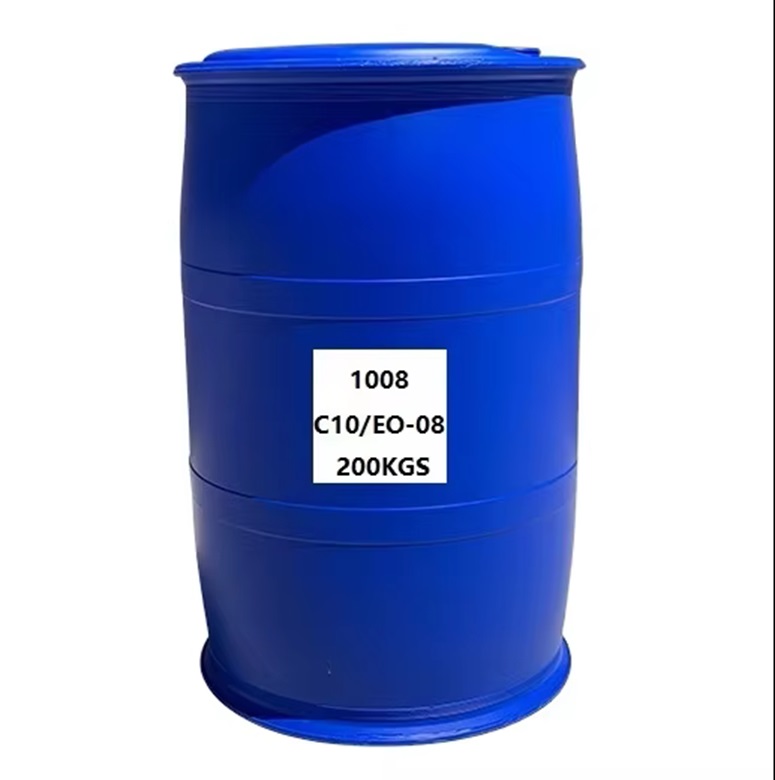
| Packaging Options | 25 kg drum, 200 kg drum, 1000 kg IBC, bulk tanker |
Handling Notes:
-
Solidifies/crystallizes at temperatures below 5-7°C
-
If solidified, reliquefy at room temperature or with gentle warming
-
Avoid overheating
-
Keep away from ignition sources
-
Use in well-ventilated area
16. TRANSPORT INFORMATION
| Parameter | Information |
|---|---|
| UN Number | Not generally classified as dangerous goods (may be considered combustible liquid) |
| Hazard Class | Not applicable (may be considered flammable liquid in some regions) |
| Packing Group | Not applicable |
| Proper Shipping Name | 1-Decanol or Decyl Alcohol |
| Marine Pollutant | Yes (environmentally hazardous) |
| ADR/RID | May be considered combustible liquid |
17. REGULATORY INFORMATION
| Region | Status |
|---|---|
| EU | REACH registered; approved for industrial use |
| Türkiye (KKDİK) | Mandatory compliance; registration required |
| USA (TSCA) | Listed |
| Canada (DSL) | Listed |
| Australia (AICS) | Listed |
| Japan (ENCS) | Listed |
| Korea (KECL) | Listed |
| China (IECSC) | Listed |
FDA Status: Approved as food additive and flavoring agent (FEMA 103)
EINECS: 203-956-9
18. OTHER NAMES AND SYNONYMS
| Name |
|---|
| Decyl Alcohol |
| Capric Alcohol |
| Decanol |
| Alcohol C-10 |
| N-Decyl Alcohol |
| Nonyl Carbinol |
| 1-Hydroxydecane |
| 1-Decanol |
| Caprinyl Alcohol |
| Primary Decyl Alcohol |
Database Identifiers:
| Database | Identifier |
|---|---|
| CAS | 112-30-1 |
| EC | 203-956-9 |
| MDL | MFCD00004747 |
| PubChem CID | 8174 |
| RTECS | HE4375000 |
| Beilstein | 1735221 |
| Merck | 14,2855 |
| FEMA | 103 |
| JECFA | 103 |
19. PHYSICAL STATE WARNING
| Property | Warning |
|---|---|
| Melting Point | 5-7°C |
| Winter Storage | May solidify/crystallize in cold weather |
| Thawing | Can be reliquefied by warming to 20-30°C |
| Before Use | Solidified product must be completely liquefied before use |
20. SUMMARY AND IMPORTANT WARNINGS
SUMMARY:
Decyl alcohol (1-decanol, C₁₀H₂₂O, CAS 112-30-1) is a clear, colorless to pale yellow liquid with a slight alcoholic odor. It is a primary fatty alcohol classified as a C10 fatty alcohol. It has a molecular weight of 158.28 g/mol, melting point of 5-7°C, boiling point of 230-231°C, flash point of 82°C, and density of 0.829 g/mL at 25°C. It has low water solubility (~2.8% by weight) but is soluble in ethanol, acetic acid, benzene, ether, and chloroform. Major applications include surfactant production (alkyl sulfates, alkyl polyglucosides), plasticizers (DIDP, DIDA - for PVC wire coating and synthetic leather), cosmetics (emollient, moisturizer), defoamers, oil drilling additives, and agrochemicals (herbicide solvent, green fruit ripening agent, seed germination control).
Key Properties:
| Property | Value |
|---|---|
| Appearance | Clear, colorless to pale yellow liquid |
| Chemical Formula | C₁₀H₂₂O |
| Molecular Weight | 158.28 g/mol |
| Melting Point | 5-7°C |
| Boiling Point | 230-231°C |
| Density (25°C) | 0.829 g/mL |
| Flash Point | 82°C |
| Water Solubility | ~2.8% (low) |
| Primary Use | Surfactants, plasticizers, cosmetics |
Main Application Areas:
| Industry | Applications |
|---|---|
| Surfactants | Alkyl sulfates, alkyl polyglucosides (APG), alkyl amines |
| Plasticizers | DIDP, DIDA (PVC wire coating, synthetic leather) |
| Cosmetics | Emollient, moisturizer, carrier, perfume |
| Oil/Gas | Drilling fluids, uranium refining, enhanced oil recovery |
| Agriculture | Herbicide solvent, pesticide stabilizer, fruit ripening |
| Industrial | Defoamer, lubricant additives, textile auxiliaries |
Key Safety Points:
-
IRRITANT: Causes skin and eye irritation (H315, H319, H335)
-
ENVIRONMENTAL TOXICITY: Very toxic to aquatic life (H400, H410)
-
COMBUSTIBLE: Flash point 82°C; keep away from heat and open flames
-
LOW TOXICITY: Oral LD50 ~4,500-5,000 mg/kg
-
SOLIDIFICATION WARNING: Solidifies/crystallizes below 5-7°C; warm before use
-
USE PPE: Gloves, safety goggles, good ventilation
-
STORAGE: Cool, dry area below 30°C; away from ignition sources
IMPORTANT WARNINGS:
Low Melting Point Warning: Decyl alcohol has a melting point of 5-7°C. During winter months or in cold storage conditions, it may solidify or crystallize. This is a normal physical condition and does not affect product quality. If solidified, the product can be reliquefied by carefully warming to 20-30°C with stirring. Avoid overheating. Ensure the product is completely liquefied before use.
Surfactant Production: Decyl alcohol is an important raw material for the production of surfactants. It is used to produce alkyl sulfates (decyl sulfate), alkyl polyglucosides (APG - biodegradable non-ionic surfactants), alkyl amines (decylamine), and alkyl polyoxyethylenes (C10EOn). These surfactants are used in detergents, cleaners, cosmetics, and industrial formulations.
Plasticizer Applications: Decyl alcohol is used to produce plasticizers such as diisodecyl phthalate (DIDP) and diisodecyl adipate (DIDA). DIDP is a common plasticizer for PVC wire coating, synthetic leather, and plastic films. These plasticizers offer low volatility, good cold flexibility, and excellent electrical properties.
Environmental Toxicity: Decyl alcohol is very toxic to aquatic life (H400, H410). Due to its high log P value (4.57), it has moderate bioaccumulation potential. Avoid release to the environment. Spills should be contained and collected (P391). Do not discharge directly into sewers or waterways. Fortunately, decyl alcohol is readily biodegradable.
Cosmetic Applications: Decyl alcohol is used in creams, lotions, shampoos, conditioners, and perfumes as an emollient, moisturizer, carrier, and fragrance fixative. It is well-tolerated by the skin and is non-comedogenic (does not clog pores). Its light alcoholic odor and non-greasy feel make it a popular ingredient in cosmetic formulations.
Agricultural Applications: Decyl alcohol is used as a solvent, stabilizer, and adjuvant in herbicide and pesticide formulations. It is also used as a green fruit ripening agent (to control fruit ripening) and for seed germination control of ornamental plants, tobacco, and other seeds.
Defoamer (Antifoam) Applications: Decyl alcohol is an effective defoamer in industrial processes. It reduces surface tension, causing foam bubbles to collapse. It is used for foam control in paints and coatings, textile processing, paper production, water treatment, and chemical reactors.
Oil and Gas Applications: Decyl alcohol is used as an additive and lubricant in drilling fluids, as a surfactant in enhanced oil recovery, and as a solvent extractant in uranium refining.
Important Disclaimer: This Technical Data Sheet (TDS) is for informational purposes only. For complete safety, handling, storage, and regulatory compliance information, always refer to the official Safety Data Sheet (SDS) provided by the manufacturer/supplier. Decyl alcohol solidifies/crystallizes below 5-7°C; this is normal. If solidified, reliquefy by carefully warming to 20-30°C. It is toxic to aquatic life; avoid release to the environment. It is combustible; keep away from heat and open flames. Use appropriate personal protective equipment.