We unleash your business potential by maximize the business innovation.
Send EmailCaffeine, Caffeine Anhydrous, Guaranine, Hycomine, Theine, Methyltheobromine, 58-08-2
CAFFEINE ANHYDROUS
SECTION 1: PRODUCT IDENTITY AND CHEMICAL IDENTIFICATION
| Parameter | Information |
|---|---|
| Product Name | Caffeine Anhydrous |
| Chemical Name | 1,3,7-Trimethylxanthine |
| Synonyms (Turkish) | Kafein, Susuz Kafein, Guaranin, Tein, Metilteobromin |
| Synonyms (English) | Caffeine, Caffeine Anhydrous, 1,3,7-Trimethylxanthine, Guaranine, Theine, Methyltheobromine |
| CAS Number | 58-08-2 |
| EC Number (EINECS) | 200-362-1 |
| Molecular Formula | C₈H₁₀N₄O₂ |
| Molecular Weight | 194.19 g/mol |
| Chemical Class | Methylxanthine alkaloid |
| Pharmacopoeia Compliance | Ph. Eur., BP, USP |
| HS Code | 2939.30.00.00 |
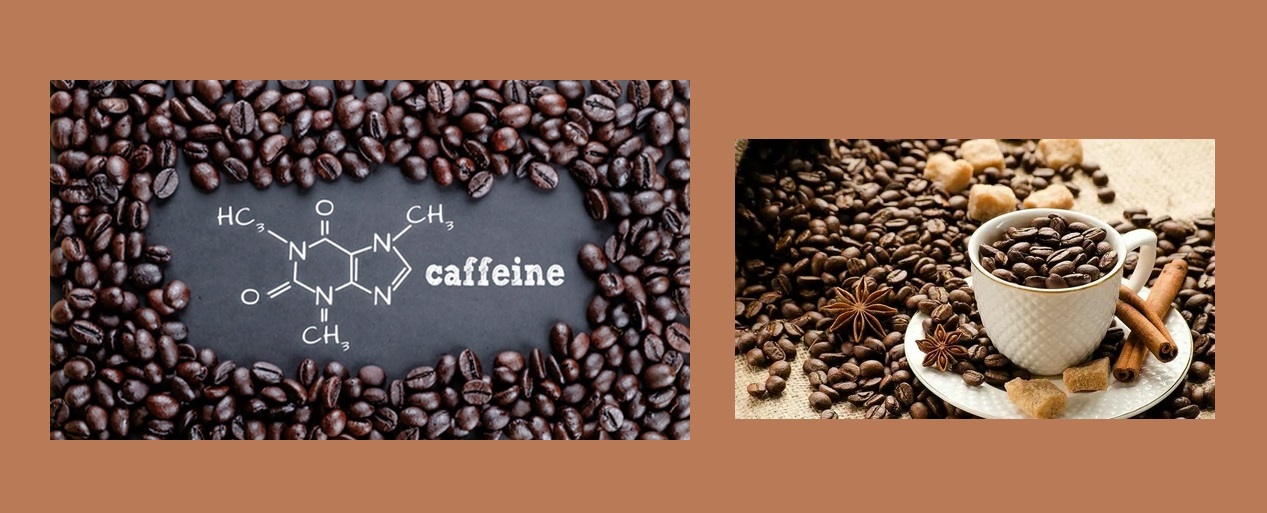
SECTION 2: CHEMICAL STRUCTURE
          O
          ‖
    H₃C—N   N—CH₃
        |     |
        C     C
       / \   / \
      /   \ /   \
     /     X     \
    C       C
    |       |
    N       N
    |       |
    C       C
     \     /
      \   /
       \ /
        N
        |
       CH₃

    Caffeine
    1,3,7-Trimethylxanthine
    C₈H₁₀N₄O₂
Simplified Structure:
    C₈H₁₀N₄O₂

    Caffeine
    (Purine derivative - 1,3,7-Trimethylxanthine)
| Parameter | Description |
|---|---|
| Molecular Formula | C₈H₁₀N₄O₂ |
| Molecular Weight | 194.19 g/mol |
| Chemical Class | Methylxanthine alkaloid |
| Core Structure | Purine ring (xanthine) |
| Methyl Groups | Three methyl groups at positions 1, 3, and 7 |
| Functional Groups | Carbonyl (C=O), amine (N) |
| SMILES | CN1C=NC2=C1C(=O)N(C(=O)N2C)C |
| InChI | InChI=1S/C8H10N4O2/c1-10-4-9-6-5(10)7(13)12(3)8(14)11(6)2/h4H,1-3H3 |
| InChI Key | RYYVLZVUVIJVGH-UHFFFAOYSA-N |
| Hydrogen Bond Donors | 0 |
| Hydrogen Bond Acceptors | 6 |
| Rotatable Bond Count | 0 |
| Polar Surface Area (PSA) | 58.4 Ų |
| Log P (23°C) | -0.091 |
SECTION 3: PHYSICAL PROPERTIES
| Property | Value | Test Method / Note |
|---|---|---|
| Appearance | White crystalline powder or silky, white shining needles | Visual |
| Odor | Odorless | Olfactometric |
| Molecular Weight | 194.19 g/mol | Calculated |
| Density (18°C) | 1.23 g/cm³ | - |
| Bulk Density | ~220 kg/m³ | - |
| Melting Point | 234 – 239°C | DSC / Capillary |
| Boiling Point | 178°C (sublimes) | - |
| Flash Point | 93°C | ASTM D93 |
| Autoignition Temperature | >600°C | - |
| pH (10 g/L Solution, 20°C) | 5.5 – 6.5 | pH Meter |
| pKa (40°C) | 10.4 | Potentiometric |
| Log P (23°C) | -0.091 | Calculated / Experimental |
| Hygroscopicity | Low (anhydrous form stable in air) | - |
| Light Sensitivity | Slightly light sensitive | - |
| Water Solubility (20°C) | 20-21.6 g/L (2 g/100 mL) | General Method |
| Water Solubility (100°C) | 66 g/100 mL | General Method |
| Ethanol Solubility (750 g/L) | Soluble in 100 parts | General Method |
| Ether Solubility | Slightly soluble | General Method |
| Chloroform Solubility | Slightly soluble | General Method |
| Acetone Solubility | Soluble | General Method |
| Dichloromethane Solubility | Soluble | General Method |
SECTION 4: CHEMICAL PROPERTIES AND REACTIVITY
| Parameter | Information |
|---|---|
| Chemical Class | Methylxanthine alkaloid |
| Molecular Structure | Purine derivative (1,3,7-trimethylxanthine) |
| Chemical Stability | Stable under normal temperature and pressure |
| Polymerization Hazard | Does not occur |
| Hygroscopicity | Low (anhydrous form stable in air) |
| Light Sensitivity | Slightly light sensitive |
| Incompatible Materials | Strong oxidizing agents (fire/explosion risk); Acids may release toxic gases |
| Hazardous Decomposition Products | Carbon oxides (CO, CO₂), nitrogen oxides (NO, NO₂) |
| Sublimation | Sublimes at 178°C |
SECTION 5: QUALITY SPECIFICATIONS (PHARMACOPOEIA)
| Parameter | Ph. Eur. / BP / USP | Test Method |
|---|---|---|
| Appearance | White crystalline powder or silky crystals | Visual |
| Assay (on dried basis) | 98.5 – 101.0% | Titration / HPLC |
| Identification (IR) | Conforms to reference spectrum | IR Spectroscopy |
| Melting Point | 234 – 239°C | Capillary |
| pH (10 g/L Solution) | 5.5 – 6.5 | pH Meter |
| Loss on Drying (80°C) | ≤0.5% | Gravimetric |
| Sulfated Ash | ≤0.1% | Gravimetric |
| Sulfates (SO₄) | ≤500 ppm | Turbidimetric |
| Heavy Metals (Pb) | ≤0.001% (10 ppm) | ICP-MS |
| Clarity and Color of Solution | Clear and colorless | Visual |
| Acidity | Passes | Titration |
| Unspecified Impurities | ≤0.10% | HPLC |
| Total Impurities | ≤0.10% | HPLC |
| Organic Impurities | Conforms to pharmacopoeia limits | HPLC |
SECTION 6: PHARMACOLOGICAL PROPERTIES
| Property | Description |
|---|---|
| Pharmacological Class | Methylxanthine; CNS stimulant |
| Mechanism of Action | • Adenosine receptor antagonist (CNS stimulant effect) • Phosphodiesterase inhibition (cAMP increase, cardiac stimulation) • Adenosine receptor antagonist (low dose: wakefulness, fatigue reduction) |
| CNS Stimulant Effect | Cerebral cortex → medulla → spinal cord |
| Cardiac Stimulation | Positive inotropic effect |
| Vasoconstriction | Cerebral vasoconstriction (antimigraine effect) |
| Vasodilation | Peripheral vasodilation (counteracts blood pressure effects) |
| Skeletal Muscle Stimulation | Increased muscle performance |
| Respiratory Stimulant | Stimulates respiratory center |
| Diuretic | Increases urine excretion |
| Gastric Acid Secretion | Increases |
SECTION 7: NATURAL SOURCES
| Source | Caffeine Content (approx.) |
|---|---|
| Coffee Bean | 1-2% |
| Tea Leaf | 2-4% |
| Guarana | 3-6% |
| Cocoa Bean | 0.1-0.5% |
| Mate Leaf | 0.5-1.5% |
| Kola Nut | 1-3% |
SECTION 8: CLINICAL USE AND DOSAGE
| Application | Dose | Description |
|---|---|---|
| Oral (Asthenia Treatment) | 50-100 mg / 6 hours | Up to 1200 mg/day based on clinical response |
| Oral (Analgesic Combination) | 30-65 mg | With aspirin, paracetamol or codeine |
| Topical (Cosmetics) | Up to 30% | In magistral formulations for atopic dermatitis |
| Adult Daily Maximum | ~300 mg | General safety recommendation |
| Acute LD₅₀ (Oral, Rat) | 367.7 mg/kg | Acute toxicity limit |
SECTION 9: APPLICATIONS AND USAGE
| Industry | Application | Typical Concentration / Dose |
|---|---|---|
| Pharmaceutical | Headache and migraine treatment | 30-65 mg/dose |
| Cold preparations | 30-50 mg/dose | |
| Asthenia and mental fatigue | 50-100 mg / 6 hours | |
| Narcolepsy | 100-200 mg/day | |
| Heart failure (cardiac stimulation) | Physician-controlled | |
| Resuscitation solutions | Emergency medical use | |
| Food and Beverage | Energy drinks | 30-50 mg/100 mL |
| Carbonated beverages (cola) | 10-25 mg/100 mL | |
| Energy shots | 200-300 mg/dose | |
| Multivitamin supplements | Variable | |
| Sports Nutrition | Pre-workout supplements | 150-300 mg |
| Fat burner formulations | 100-200 mg | |
| Endurance supplements | 100-300 mg | |
| Concentration and focus products | 50-200 mg | |
| Cosmetics | Eye creams (puffiness reducer) | 1-5% |
| Anti-cellulite creams | 1-10% | |
| Body lotions | 0.5-5% | |
| Face creams (antioxidant) | 0.5-2% | |
| Industrial | Pesticide / insect repellent | Variable |
SECTION 10: CAFFEINE vs OTHER STIMULANTS
| Property | Caffeine | Theobromine | Theophylline |
|---|---|---|---|
| Methyl Groups | 3 (1,3,7) | 2 (3,7) | 2 (1,3) |
| CNS Stimulation | High | Low | Very High |
| Cardiac Effect | Moderate | Low | High |
| Diuretic Effect | Moderate | Low | High |
| Bronchodilation | Low | Low | High |
| Main Source | Coffee, tea | Cocoa | Tea |
| Oral LD₅₀ (Rat) | ~367 mg/kg | ~1000 mg/kg | ~200 mg/kg |
SECTION 11: TOXICOLOGICAL PROFILE
| Parameter | Value | Classification |
|---|---|---|
| Oral LD₅₀ (Rat) | 367.7 mg/kg (female/male) | Acute Tox. 4 (H302) |
| Oral LD₅₀ (Rat) | 261-383 mg/kg | Acute Tox. 4 (H302) |
| Dermal LD₅₀ (Rat) | >2,000 mg/kg | Not classified |
| Inhalation LC₅₀ (Rat, 4 h) | 4.94 mg/L | Acute Tox. 4 (H332) |
| Carcinogenicity (IARC) | Group 3 – Not classifiable for humans | - |
| NTP | Not listed | - |
| OSHA Ca | Not listed | - |
| Mutagenicity | Negative in animal studies | - |
| Reproductive Toxicity | Not classified | - |
| Skin Irritation | Not irritant (rabbit) | - |
| Eye Irritation | Not irritant (rabbit) | - |
| Skin Sensitization | Not sensitizing | - |
SECTION 12: HUMAN HEALTH EFFECTS (HIGH DOSE)
| Effect | Description |
|---|---|
| Cardiovascular | Increased blood pressure, palpitations |
| Gastrointestinal | Heartburn, increased gastric acid secretion |
| CNS | Anxiety, insomnia, restlessness, tremor |
| Metabolic | Increased diuresis |
| Dependence | Habit-forming effect (tolerance may develop) |
| Liver | Irregularities – human evidence (high dose) |
SECTION 13: GHS CLASSIFICATION
| Hazard Class | Category | H-Statement |
|---|---|---|
| Acute Toxicity (Oral) | Category 4 | H302 |
| Acute Toxicity (Inhalation) | Category 4 | H332 |
Signal Word: Warning
Hazard Pictograms: GHS07 (Exclamation mark)
NFPA 704 Hazard Classification:
| Health | Flammability | Reactivity | Special |
|---|---|---|---|
| 1-2 | 0-1 | 0 | - |
| (Moderate health hazard) | (Combustible) | (Stable) | (None) |
SECTION 14: PRECAUTIONARY STATEMENTS (P-CODES)
| Code | Statement |
|---|---|
| P264 | Wash hands thoroughly after handling |
| P270 | Do not eat, drink or smoke when using this product |
| P271 | Use only outdoors or in a well-ventilated area |
| P280 | Wear protective gloves/protective clothing/eye protection/face protection |
| P301+P312 | IF SWALLOWED: Call a POISON CENTER/doctor if you feel unwell |
| P330 | Rinse mouth |
| P304+P340 | IF INHALED: Remove person to fresh air and keep comfortable for breathing |
| P403+P233 | Store in a well-ventilated place. Keep container tightly closed |
| P405 | Store locked up |
| P501 | Dispose of contents/container in accordance with local/regional/national/international regulations |
SECTION 15: FIRST AID MEASURES
| Route of Exposure | Action |
|---|---|
| Inhalation | Move to fresh air; artificial respiration may be needed; consult physician |
| Skin Contact | Wash with soap and plenty of water; consult physician |
| Eye Contact | Rinse with water (as precaution) |
| Ingestion | Rinse mouth; never give anything by mouth to an unconscious person; consult physician |
SECTION 16: FIREFIGHTING MEASURES
| Parameter | Information |
|---|---|
| Fire Hazard | Combustible dust; dust explosion risk |
| Flash Point | 93°C |
| Fire-Related Hazards | CO, CO₂, NOx |
| Suitable Extinguishing Media | Water mist, CO₂, dry chemical powder, foam |
| Special Protective Equipment | SCBA, full protective clothing |
SECTION 17: STORAGE AND SHELF LIFE
| Parameter | Information |
|---|---|
| Storage Conditions | Cool (15-25°C), dry, well-ventilated area |
| Temperature Limits | 15-30°C (recommended); do not exceed 30°C |
| Humidity | Low humidity environment |
| Light | Slightly light sensitive – store in opaque containers |
| Container Requirements | Tightly closed, original containers |
| Incompatible Materials | Heat sources, ignition sources, strong oxidizing agents |
| Shelf Life | 48 months (under proper storage conditions) |
| Distinguishing Feature | Anhydrous form does not effloresce in air (monohydrate effloresces) |
SECTION 18: PACKAGING OPTIONS
| Packaging Type | Quantity / Capacity | Material |
|---|---|---|
| Aluminum Foil Bag | 1 kg, 5 kg, 10 kg, 25 kg | Aluminum / PE |
| HDPE Drum | 25 kg, 50 kg | HDPE |
| Fiber Drum (PE Lined) | 25 kg, 50 kg | Fiber / PE |
| IBC Container | 500 kg, 1000 kg | HDPE |
SECTION 19: TRANSPORTATION INFORMATION
| Parameter | Information |
|---|---|
| UN Number | Not regulated (not hazardous) |
| ADR/RID | Not classified as dangerous goods |
| IMDG | Not regulated |
| IATA | Not regulated |
| Proper Shipping Name | Caffeine (non-hazardous) |
SECTION 20: REGULATORY STATUS
| Region / Authority | Status |
|---|---|
| USA (FDA) | GRAS (Generally Recognized as Safe) – in food and beverages |
| European Union (EC) | Permitted as food additive |
| Turkey | Approved as food, pharmaceutical and cosmetic ingredient |
| REACH (EC 1907/2006) | Registered |
| TSCA (USA) | Listed |
| Pharmacopoeias | Ph. Eur., BP, USP |
| Cosmetics (EU) | Permitted (as skin conditioning agent) |
| IARC | Group 3 – Not classifiable for humans |
| California (Prop 65) | Not listed |
| Halal | Yes (synthetic or natural sources) |
| Kosher | Yes (with certification) |
| Vegan | Yes (plant or synthetic derived) |
SECTION 21: OTHER NAMES AND SYNONYMS
| Type | Name |
|---|---|
| Turkish Names | Kafein, Susuz Kafein, Guaranin, Tein, Metilteobromin |
| English Names | Caffeine, Caffeine Anhydrous, 1,3,7-Trimethylxanthine, Guaranine, Theine, Methyltheobromine |
| Chemical Name | 3,7-Dihydro-1,3,7-trimethyl-1H-purine-2,6-dione |
| Trade Names | Coffeine, Hycomine |
| INCI Name | Caffeine |
| CAS Number | 58-08-2 |
| EC Number | 200-362-1 |
| PubChem CID | 2519 |
| DrugBank ID | DB00201 |
| FDA UNII | 3G6A5W338E |
SECTION 22: FORMULATION GUIDELINES
| Parameter | Recommendation |
|---|---|
| Water Dissolution | 20 g/L at 20°C; 66 g/100 mL at 100°C |
| High Concentration | Addition of propylene glycol increases solubility and prevents crystallization |
| Crystallization Risk | Risk of crystallization at high concentrations at room temperature |
| Solvent Compatibility | • Water (20°C): Limited (2 g/100 mL) • Water (100°C): Good (66 g/100 mL) • Ethanol: Partially soluble • Propylene Glycol: Good • PEG: Good |
| Surfactants | Dissolution with Polysorbate 80 |
| pH Range | 5.5-6.5 (optimum stability) |
SECTION 23: FREQUENTLY ASKED QUESTIONS
| Question | Answer |
|---|---|
| Q1: What is the difference between caffeine anhydrous and caffeine monohydrate? | Caffeine anhydrous contains no water. Caffeine monohydrate contains one molecule of water (8.5-15.0% water loss). The anhydrous form provides higher active ingredient concentration. |
| Q2: What is the safe daily caffeine consumption? | The typical recommendation for adults is a maximum of 300-400 mg per day. The 367 mg/kg LD₅₀ value indicates that acute toxicity occurs at very high doses (5-10 grams at once). |
| Q3: Is caffeine carcinogenic? | No. IARC (International Agency for Research on Cancer) lists caffeine as Group 3 – Not classifiable for humans. |
| Q4: How is caffeine dissolved in water? | Caffeine dissolves 20 g/L at 20°C. For higher concentrations, use boiling water (66 g/100 mL at 100°C) or add propylene glycol. |
| Q5: Is caffeine natural? | Yes, caffeine is naturally found in over 60 plant species (coffee, tea, guarana, cocoa). Commercial caffeine is obtained through natural extraction or synthetic production. |
SECTION 24: CRITICAL WARNINGS AND BEST PRACTICES
CRITICAL WARNINGS:
-
High Dose Hazard: High doses (≥5 g) can cause acute toxicity. Maximum daily dose is 300-400 mg.
-
Habit-forming: Tolerance and dependence may develop; avoid long-term high-dose use.
-
Individual Sensitivity: Side effects vary significantly from person to person.
-
Limited Water Solubility: 20 g/L at 20°C; high-concentration solutions require hot water or propylene glycol.
-
Crystallization Risk: Solubility stabilization may be required at high concentrations.
-
Dust Explosion: Dust explosion risk; keep away from ignition sources.
-
Incompatibility: Keep away from strong oxidizing agents; acids may release toxic gases.
BEST PRACTICE RECOMMENDATIONS:
-
Dosage: Maximum 300-400 mg/day for adults; starting dose 50-100 mg/6 hours.
-
Dissolution: Use hot water (60-80°C) to increase water solubility; add propylene glycol for high concentration.
-
Formulation: Use propylene glycol or Polysorbate 80 to prevent crystallization.
-
Storage: Store in cool, dry, light-protected containers; do not exceed 30°C.
-
Personal Protective Equipment: Dust mask (FFP2/N95), safety goggles, nitrile gloves.
-
Hygiene: Wash hands after handling; Do not eat, drink or smoke when using this product.
-
Quality Control: Regularly perform pharmacopoeia (Ph. Eur., BP, USP) tests.
-
Regulations: Comply with regulations of the country where the product is sold (FDA, EFSA, Turkey).
LEGAL DISCLAIMER:
The information provided in this document is based on our current knowledge and experience and is presented in good faith. However, as all conditions of use are beyond our control, it does not constitute a binding specification or guarantee. This Technical Data Sheet is for informational purposes only. Users are responsible for testing suitability for their own applications and for complying with all local, regional, and national regulations. For complete safety, storage, use, handling, waste, and regulatory compliance information, please refer to the official Safety Data Sheet (SDS/MSDS) provided by the manufacturer/supplier. Caffeine is a widely used ingredient in pharmaceutical, food, and cosmetic industries; high-dose use may pose health risks. Medical use should be under the supervision of a healthcare professional.