We unleash your business potential by maximize the business innovation.
Send EmailPotassium Nitrate, Saltpeter, Nitre, 7757-79-1
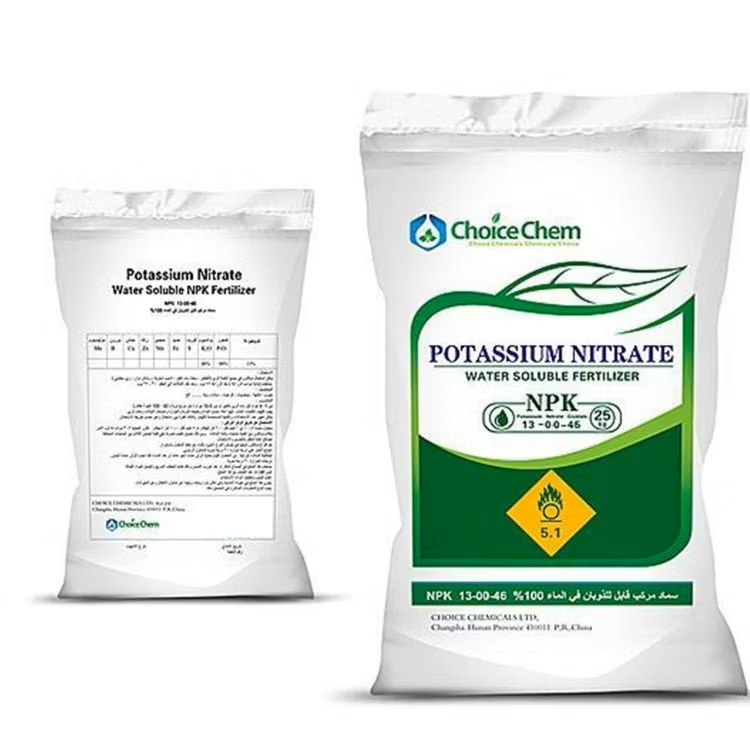
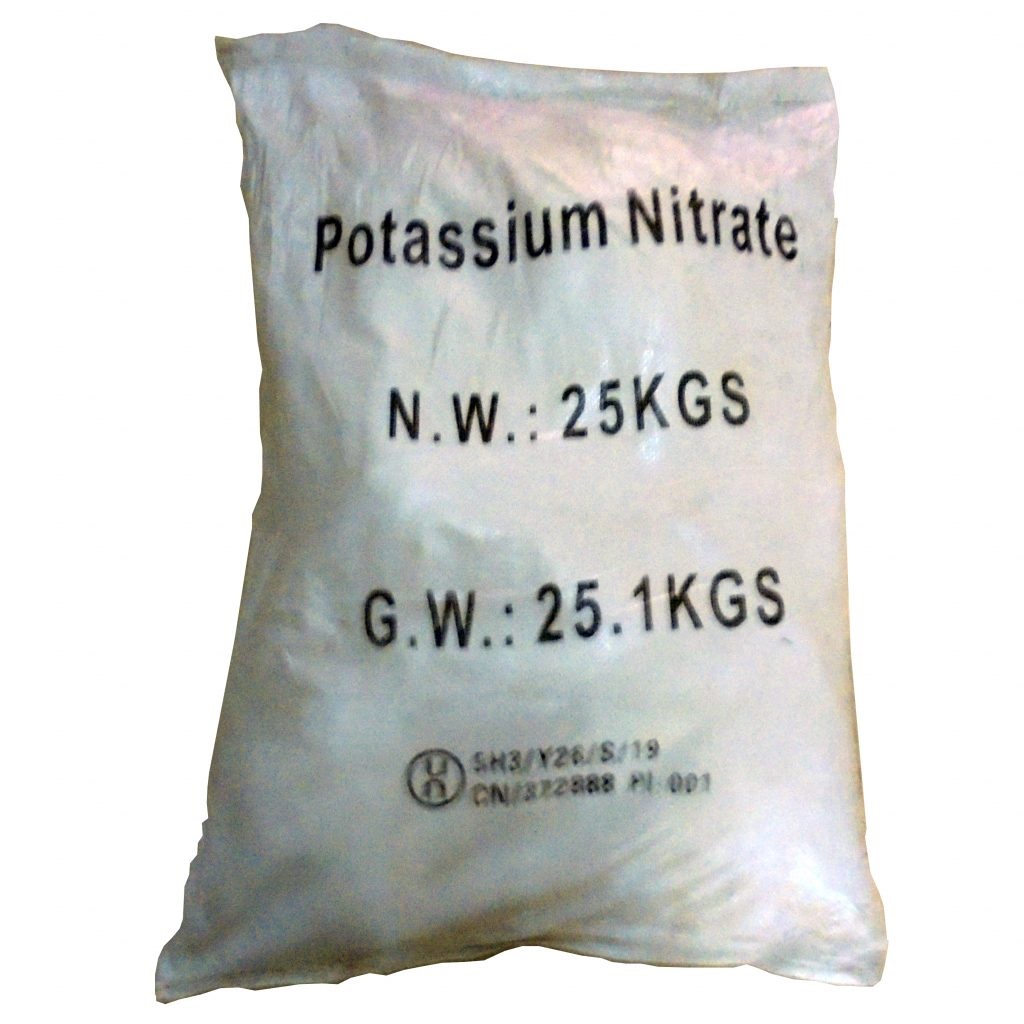
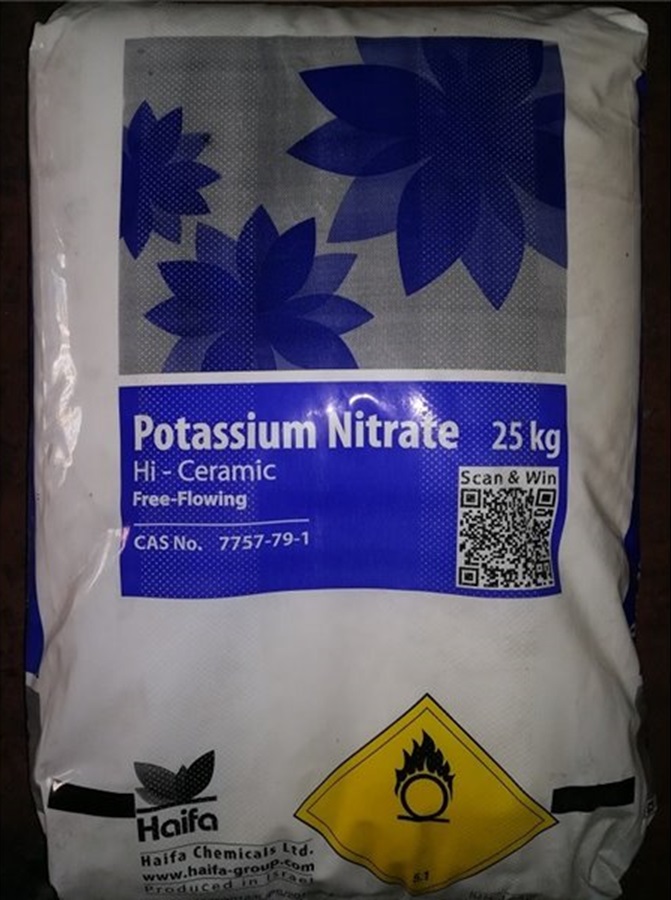
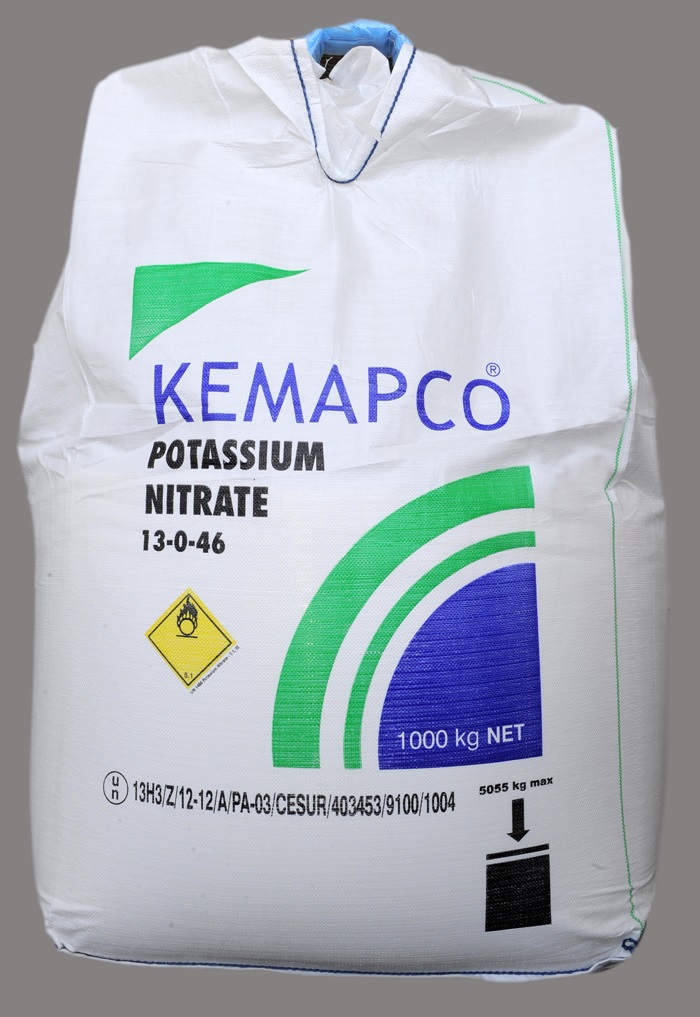
Potassium Nitrate
1. Product Identity
| Property | Details |
|---|---|
| Product Name | Potassium Nitrate |
| CAS Number | 7757-79-1 |
| EINECS Number | 231-818-8 |
| Molecular Formula | KNO₃ |
| Molecular Weight | 101.10 g/mol |
| Merck Index | 14,7648 |
| RTECS | TT3700000 |
| HS Code | 2834 21 00 |
| UN Number | UN 3264 |
| Hazard Class | 5.1 (Oxidizing substance) |
| Packing Group | III |
| WGK Germany | 1 |
| TSCA Status | Yes (Listed) |
2. Synonyms and Other Names
Common Names
-
Saltpeter
-
Nitre
-
Nitrate of potash
Chemical Names
-
Potassium nitrate
-
Nitric acid, potassium salt
Technical and Grade-Specific Names
-
Potassium nitrate ACS grade
-
Potassium nitrate photographic grade
-
Potassium nitrate cell culture tested
-
Potassium ion chromatography standard
-
Filling solution for salt bridges and double-junction electrodes
-
Nitrate IC standard
-
Nitrate single component standard
Abbreviations
-
NO₃ (nitrate ion)
-
KNO₃
3. Physical and Chemical Properties
| Property | Value |
|---|---|
| Appearance | White or colorless transparent orthorhombic crystals or white crystalline powder |
| Odor | Odorless |
| Density | 2.109 g/cm³ (solid); 1.00 g/mL at 20°C (solution) |
| Melting Point | 334 °C (decomposes at higher temperatures) |
| Boiling Point | 400 °C (decomposes, releasing oxygen) |
| Flash Point | 400 °C |
| pH (5% solution) | 5.0 – 7.5 (50 g/L, H₂O, 20°C) |
| Solubility in Water | 320 g/L at 20°C |
| Solubility by Temperature | 0°C: 13.9 g/100 mL; 20°C: 31.6 g/100 mL; 40°C: 61.3 g/100 mL; 60°C: 106 g/100 mL; 80°C: 167 g/100 mL; 100°C: 241 g/100 mL |
| Solubility in Other Solvents | Soluble in liquid ammonia and glycerol; slightly soluble in ethanol; insoluble in anhydrous ethanol and ether |
| Vapor Pressure | 49.8 mmHg at 25°C |
| Stability | Stable. Strong oxidizer. Contact with combustible material may cause fire. |
| Incompatibilities | Combustible materials, strong reducing agents, organic matter, sulfur, phosphorus, charcoal |
| Hygroscopicity | Slightly hygroscopic |
| Storage Condition | Store at room temperature, keep container tightly closed |
4. Chemical Properties and Behavior
-
Oxidizing Agent: Potassium nitrate is a strong oxidizing agent. At 400°C, it decomposes releasing oxygen, which supports combustion.
-
Dissolution in Water: When dissolved in water, it lowers the temperature of the solution (endothermic dissolution). The aqueous solution is approximately neutral (pH ~7).
-
Reactivity: When contacted or mixed with organic matter, reducing agents, or flammable substances (sulfur, phosphorus, charcoal), there is a serious risk of combustion and explosion.
-
Thermal Decomposition: Decomposes at high temperatures releasing oxygen and nitrogen oxides.
5. Production Methods
Potassium nitrate can be produced through several industrial methods:
Method 1: Double Decomposition Method (Most Common)
| Process | Details |
|---|---|
| Raw Materials | Sodium nitrate (NaNO₃) and Potassium chloride (KCl) |
| Reaction | NaNO₃ + KCl → KNO₃ + NaCl |
| Process Steps | 1. Sodium nitrate is dissolved in hot water with steam heating 2. Potassium chloride is added slowly for metathesis reaction 3. Solution is heated and evaporated to 45-48°Bé (120°C) 4. Sodium chloride precipitates first and is removed by vacuum filtration 5. Filtrate is diluted with 10-15% water and cooled to 25-30°C 6. Potassium nitrate crystallizes over 24 hours 7. Crystals are vacuum filtered, washed, centrifuged, and dried at 80°C |
Method 2: Ion Exchange Method
| Process | Details |
|---|---|
| Raw Materials | Potassium chloride (KCl) and Ammonium nitrate (NH₄NO₃) |
| Reaction | NH₄NO₃ + KR → NH₄R + KNO₃ KCl + NH₄R → KR + NH₄Cl |
| Process Steps | 1. Potassium and ammonium ions are exchanged on ion exchange resin 2. Potassium nitrate solution and ammonium chloride solution are obtained 3. Solutions are concentrated by evaporation 4. Cooled and crystallized 5. Filtered, washed, centrifuged, and air-dried |
Method 3: Nitric Acid Tail Gas Absorption
-
Potassium carbonate or caustic potassium solution absorbs nitric acid tail gases
Method 4: Purification of Industrial Grade
-
Industrial potassium nitrate is dissolved in hot water
-
Potassium carbonate is added to remove impurities by boiling
-
Solution is filtered
-
Filtrate is cooled with stirring to crystallize pure potassium nitrate
-
Crystals are collected by suction filtration and dried
6. Quality Specifications and Testing
Purity Requirement
-
≥ 99.0% KNO₃ (calculated on dry basis)
Quality Control Tests and Limits
| Test | Limit / Specification |
|---|---|
| pH | 1.0 g in 10 mL boiling water, with bromothymol blue indicator, titration ≤ 0.5 mL |
| Clarity and Color | Solution should be clear and colorless |
| Chloride (Cl) | ≤ 0.002% |
| Sulfate (SO₄) | ≤ 0.015% |
| Reducing Substances | No blue color within 2 minutes |
| Loss on Drying | ≤ 0.5% (105°C to constant weight) |
| Ammonium Salt (NH₄) | ≤ 0.005% |
| Calcium (Ca) | ≤ 0.005% |
| Iron (Fe) | ≤ 0.001% |
| Sodium (Na) | ≤ 0.10% |
| Heavy Metals | ≤ 10 ppm |
7. Applications and Uses
Potassium nitrate is a versatile chemical with a wide range of applications across multiple industries.
7.1. Agriculture and Fertilizers
| Application | Function |
|---|---|
| Fertilizer | Provides both potassium (K) and nitrogen (N) as essential nutrients for crops and flowers |
| Compound Fertilizer | Used in NPK fertilizer formulations |
7.2. Food Industry
| Application | Function | Usage Limit |
|---|---|---|
| Meat Products | Coloring agent, color fixative, antimicrobial agent, preservative | 0.5 g/kg (max); residues ≤ 0.03 g/kg |
| Cooked Ham and Pork | Color fixative and preservative | 500 mg/kg (as sodium nitrate) |
| Cheese | Preservative | 50 mg/kg (typical) |
| Sake (Rice Wine) | Antimicrobial | 0.1 g/L |
| Milk Cheese | Preservative | 0.2 g/kg of raw material |
Function in Meat Products: Potassium nitrate is reduced to potassium nitrite by bacteria in meat products, providing color protection (curing) and antibacterial effects.
7.3. Pyrotechnics and Explosives
| Application | Function |
|---|---|
| Black Powder | Raw material for gunpowder, mine powder, fuse wire, fireworks |
| Fireworks | Produces purple sparks; oxidizing agent |
| Matches | Oxidizing component in match heads |
7.4. Glass and Ceramics Industry
| Application | Function |
|---|---|
| Glass Clarifier | Removes bubbles and improves clarity in glass |
| Ceramic Glazes | Used in porcelain glaze color coatings |
| Automotive Lamp Glass | Component in glass shell manufacturing |
| Optical Glass | Used in optical glass tube production |
7.5. Pharmaceutical Industry
| Application | Function |
|---|---|
| Penicillin Production | Used in production of penicillin potassium salt |
| Rifampicin Production | Used in antibiotic manufacturing |
| Pharmaceutical Excipient | Osmotic regulator |
| Gentamycin Solution | Downstream product |
7.6. Analytical Chemistry and Laboratory
| Application | Function |
|---|---|
| Analytical Reagent | Trace analysis of manganese and sodium |
| Oxidizing Agent | Strong oxidant for chemical reactions |
| Flux | Used in emission spectroscopy |
| Potassium Salt Synthesis | Raw material for other potassium compounds |
| Ion Chromatography Standard | Standard for nitrate ion analysis |
| Salt Bridges | Filling solution for double-junction electrodes |
7.7. Industrial Applications
| Application | Function |
|---|---|
| Heat Treatment | Salt bath for quenching in mechanical heat treatment |
| Catalyst | Used as a catalyst in chemical processes |
| Mineral Processing | Used in ore concentration |
| Cigarette Paper | Used in manufacturing cigarette paper |
| Photography | Used in photographic applications |
7.8. Biological and Microbiological Applications
| Application | Function |
|---|---|
| Cell Culture | Cell culture tested grade available |
| Haploid Breeding Medium | Component in plant breeding media |
| Agricultural Microorganism Medium | Used in "5406" microbial medium preparation |
8. Toxicity and Safety
| Parameter | Details |
|---|---|
| Toxicity Classification | Poisonous |
| Acute Toxicity (Oral, Rat) | LD50: 3750 mg/kg |
| Acute Toxicity (Oral, Rabbit) | LD50: 1.166 g anion/kg |
| ADI (Acceptable Daily Intake) | 0-3.7 mg/kg (as NO₃⁻, not for infants under 3 months, FAO/WHO, 2001) |
| Risk Codes | R8 - Contact with combustible material may cause fire R22 - Harmful if swallowed R36/38 - Irritating to eyes and skin R36/37/38 - Irritating to eyes, respiratory system and skin |
| Safety Descriptions | S26 - In case of eye contact, rinse immediately with plenty of water S17 - Keep away from combustible material S36 - Wear suitable protective clothing S7 - Keep container tightly closed S24/25 - Avoid contact with skin and eyes |
Health Hazards
| Exposure Route | Effect |
|---|---|
| Inhalation | Inhalation of dust or mist causes respiratory tract irritation; high concentrations may cause pulmonary edema |
| Ingestion | Harmful if swallowed |
| Skin Contact | Irritating to skin |
| Eye Contact | Irritating to eyes |
| Chronic Exposure | Drinking water containing 50-100 mg/L potassium nitrate significantly increases methemoglobin in blood; prolonged inhalation may cause nasal mucosa ulceration |
Special Risk Groups
-
Infants: Children under 6 months are particularly sensitive to nitrate and should not consume foods containing potassium nitrate
9. Environmental Impact
| Parameter | Details |
|---|---|
| Environmental Hazard | May be harmful to the environment |
| Groundwater | Has accumulation effect in groundwater |
| Spill Control | Prevent entry into waterways and groundwater |
10. Storage and Handling
| Parameter | Details |
|---|---|
| Storage Conditions | Store in a cool, dry, well-ventilated warehouse; keep away from fire and heat sources |
| Temperature Control | Avoid high temperatures |
| Compatibility | Store separately from flammable materials, combustible materials, reducing agents, organic matter, sulfur, phosphorus, and charcoal |
| Container | Keep container tightly closed |
| Hygroscopicity | Protect from moisture; slightly hygroscopic |
| Handling | Load and unload carefully to prevent damage |
| Fire Extinguishing | Use water mist; do not use dry chemical extinguishers that may react |
Fire and Explosion Hazards
| Hazard | Description |
|---|---|
| Explosion Risk | Can form explosive mixtures with organic matter, sulfur, and phosphorus |
| Fire Risk | When heated, releases oxygen that supports combustion; flammable in contact with organic matter, reducing agents, charcoal, sulfur, phosphorus |
| Combustion Products | Toxic nitrogen oxide (NOx) fumes |
Occupational Safety
| Measure | Requirement |
|---|---|
| Ventilation | Working environment should have good ventilation |
| Respiratory Protection | Wear masks to prevent inhalation of dust |
| Skin Protection | Wear work clothes and latex gloves |
| Eye Protection | Wear safety goggles |
| First Aid (Eye Contact) | Immediately rinse with plenty of flowing water |
| Occupational Standard | TWA 5 mg/m³ |
11. Upstream and Downstream Products
Raw Materials (Upstream)
-
Potassium chloride (KCl)
-
Nitric acid (HNO₃)
-
Ammonium nitrate (NH₄NO₃)
-
Sodium nitrate (NaNO₃)
Derived Products (Downstream)
-
Potassium nitrate (purified grades)
-
Potassium periodate
-
Gentamycin solution
-
Other potassium salts
12. Regulatory Information
| Agency | Classification / Limit |
|---|---|
| FAO/WHO | ADI 0-3.7 mg/kg (as NO₃⁻) |
| EEC | No special provisions |
| GB 2760-2001 (China) | Meat products: 0.50 g/kg |
| FDA | GRAS for specific applications |
| UN Classification | Class 5.1 (Oxidizing substance), UN3264, Packing Group III |
| HS Code | 2834 21 00 |
13. Summary
Potassium Nitrate (KNO₃, CAS: 7757-79-1) is a white or colorless crystalline powder with the molecular formula KNO₃ and molecular weight of 101.10 g/mol. It is also known as saltpeter or nitre.
Key Properties:
-
Strong oxidizing agent
-
Highly soluble in water (320 g/L at 20°C)
-
Melting point: 334°C
-
Decomposes at 400°C releasing oxygen
-
Slightly hygroscopic
-
Aqueous solution is approximately neutral (pH 5.0-7.5)
Main Application Areas:
-
Agriculture: Fertilizer providing nitrogen and potassium
-
Food Industry: Preservative and color fixative in meat products, cheese, sake
-
Pyrotechnics: Black powder, fireworks, matches
-
Glass and Ceramics: Clarifier and glaze component
-
Pharmaceuticals: Penicillin production, excipient
-
Analytical Chemistry: Reagent, ion chromatography standard
-
Industrial: Heat treatment, catalyst, mineral processing
Safety Considerations:
-
Strong oxidizer - keep away from combustible materials
-
Harmful if swallowed
-
Irritating to eyes, skin, and respiratory system
-
Toxic nitrogen oxide fumes when burned
-
Special risk for infants under 6 months
-
Store separately from organic matter, reducing agents, sulfur, phosphorus
Quality: Available in various grades including ACS reagent, photographic grade, cell culture tested, and ion chromatography standard with purity ≥99.0%.