We unleash your business potential by maximize the business innovation.
Send EmailPolyethylene Glycol, Polyglykol, E1521, PEG, 25322-68-3
POLYETHYLENE GLYCOL (PEG)
Polyethylene Glycol / Polietilen Glikol / Macrogol / Polyglykol / E1521
CAS Number: 25322-68-3
EC Number: 500-038-2
1. IDENTIFICATION INFORMATION
| Property | Information |
|---|---|
| Chemical Name | Polyethylene Glycol |
| Other Names | Polyethylene Glycol, Macrogol, Polyglykol, Carbowax, E1521 |
| Chemical Formula | HO–(CH₂CH₂O)ₙ–H |
| CAS Number | 25322-68-3 (general; may vary for specific molecular weights) |
| EC Number (EINECS) | 500-038-2 |
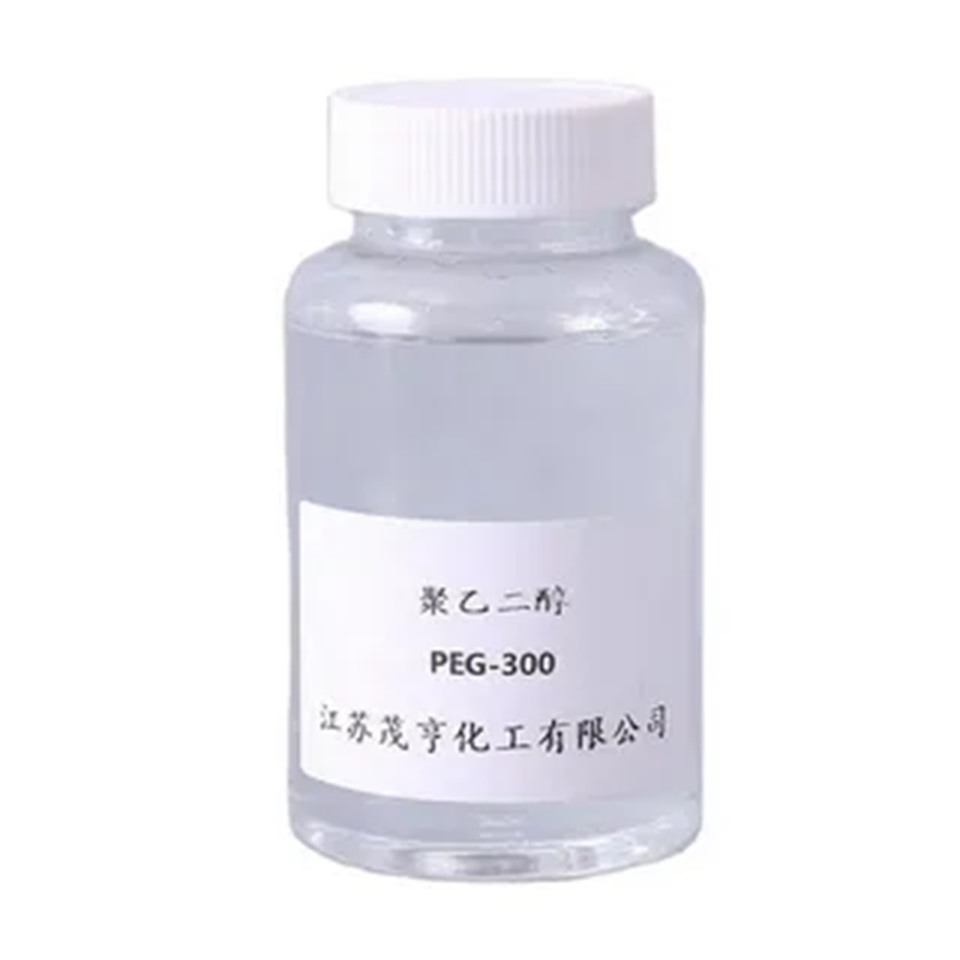
| Appearance | Liquid, semi-solid, or solid depending on molecular weight |
| Physical Form | Low MW: clear viscous liquid; Medium MW: waxy gel; High MW: white granule/flake |
2. PHYSICAL PROPERTIES
| Property | Value |
|---|---|
| Physical State (20°C) | Depends on molecular weight |
| Appearance | Low MW: clear viscous liquid; High MW: white solid (granule, flake, powder) |
| Odor | Slight characteristic or odorless |
| Molecular Weight Range | 200 - 10,000+ g/mol (wide range) |
| Density (20°C, PEG 400) | ~1.128 g/cm³ |
| Melting Point | Varies with molecular weight (PEG 6000: ~60°C) |
| pH (1% aqueous solution) | 5.0 - 7.0 (neutral) |
| Water Solubility | Completely miscible / fully soluble |
| Solubility in Organic Solvents | Soluble in many organic solvents (alcohols, acetone, chloroform) |
| Viscosity | Varies with molecular weight and temperature |
| Hygroscopicity | High (absorbs moisture) |
| Toxicity | Low; FDA approved, biocompatible |
3. CHEMICAL PROPERTIES
| Property | Information |
|---|---|
| Chemical Formula | HO–(CH₂CH₂O)ₙ–H |
| Chemical Class | Polyether polyol (non-ionic polymer) |
| Functional Groups | Hydroxyl end groups (-OH) |
| Stability | Stable under normal conditions |
| Thermal Stability | Begins to decompose above 150°C |
| Hygroscopicity | High (absorbs moisture from air) |
| Solubility | Soluble in water and many organic solvents |
| Chemical Resistance | Resistant to dilute acids, bases, and many reagents |
| End Group Modification | End groups can be functionalized (-NH₂, -COOH, -SH, etc.) |
| Incompatible Materials | Strong oxidizing agents, some metal ions |
General Structure:
HO-CH₂-CH₂-O-[CH₂-CH₂-O]ₙ-CH₂-CH₂-OH
End Group Functionalization Example (Methoxylation - mPEG):
HO-(CH₂CH₂O)ₙ-H + CH₃OH → CH₃O-(CH₂CH₂O)ₙ-H + H₂O
4. PEG GRADES (BY MOLECULAR WEIGHT)
| Grade | MW Range | Physical Form | Melting Point | Typical Applications |
|---|---|---|---|---|
| PEG 200-600 | Low (liquid) | Clear viscous liquid | ~ -65°C to ~15°C | Cosmetics, textile, rubber, pharmaceuticals, solvent |
| PEG 1000-2000 | Medium (semi-solid) | Waxy gel | ~35-50°C | Pharmaceutical carrier, food additive, ointment |
| PEG 3000-6000 | High (solid) | White granule/flake/powder | ~50-65°C | Tablet binder, plastic additive, emulsifier |
| PEG 8000+ | Very high | Solid (powder, flake) | ~60-65°C | Hydrogel, controlled release systems, ceramics |
5. DETAILED PROPERTIES BY PEG TYPE
5.1. Liquid PEGs (PEG 200 - PEG 600)
| Grade | Molecular Weight | Viscosity (20°C) | Hydroxyl Value | Applications |
|---|---|---|---|---|
| PEG 200 | ~190-210 | ~60 mPa·s | ~560 | Solvent, softener, textile |
| PEG 300 | ~285-315 | ~85 mPa·s | ~374 | Cosmetics, drug carrier, emulsifier |
| PEG 400 | ~380-420 | ~110-130 mPa·s | ~280 | Pharmaceutical, cosmetics, food |
| PEG 600 | ~570-630 | ~110-130 mPa·s | ~187 | Textile, plastics, rubber |
5.2. Semi-Solid PEGs (PEG 1000 - PEG 2000)
| Grade | Molecular Weight | Melting Point | Hydroxyl Value | Applications |
|---|---|---|---|---|
| PEG 1000 | ~950-1050 | ~35-40°C | ~112 | Ointment, paste bases |
| PEG 1500 | ~1400-1600 | ~45-50°C | ~75 | Pharmaceutical, cosmetics |
| PEG 2000 | ~1900-2200 | ~50-52°C | ~56 | Tablet binder, food additive |
5.3. Solid PEGs (PEG 3000 - PEG 10000)
| Grade | Molecular Weight | Melting Point | Hydroxyl Value | Applications |
|---|---|---|---|---|
| PEG 3000 | ~2700-3300 | ~55-58°C | ~37 | Tablet coating, ceramics |
| PEG 4000 | ~3500-4500 | ~55-60°C | ~28 | Tablet binder, plastic additive |
| PEG 6000 | ~5500-6500 | ~58-63°C | ~19 | Pharmaceutical, cosmetics, polymer |
| PEG 8000 | ~7500-8500 | ~60-65°C | ~14 | Hydrogel, controlled release |
| PEG 10000 | ~9500-11000 | ~62-65°C | ~11 | Specialty polymer applications |
6. STRUCTURAL TYPES
| PEG Type | Description | Structure | Applications |
|---|---|---|---|
| Linear PEG | Most common form; two hydroxyl end groups | HO-(CH₂CH₂O)ₙ-H | Carrier, solvent, binder |
| Branched PEG | Multi-arm structure; arms extending from core | (PEG)₂-NH or (PEG)₄-C | Drug carrier, biomedical applications |
| Multi-arm PEG (4-8 arms) | Star-shaped PEG; arms from central core | PEG₄, PEG₆, PEG₈ | Hydrogel and tissue engineering |
| Methoxy PEG (mPEG) | One end methoxy (-OCH₃), one end hydroxyl | CH₃O-(CH₂CH₂O)ₙ-H | PEGylation; protein/peptide stabilization |
| Activated PEG | Functional end groups (NH₂, COOH, SH, NHS, etc.) | PEG-NH₂, PEG-COOH, PEG-SH | Crosslinking, conjugation, bioconjugation |
7. APPLICATIONS
7.1. Cosmetic and Personal Care Industry
| Application | Function |
|---|---|
| Moisturizing Creams and Lotions | Humectant, emollient, viscosity modifier |
| Shampoos and Conditioners | Thickener, softener, foam regulator |
| Toothpastes | Binder, humectant, texture modifier |
| Makeup Products | Carrier, emulsifier, spreading aid |
| Sunscreens | Dispersant, film former |
| Deodorants | Consistency regulator, humectant |
| Shaving Creams | Lubricant, foam stabilizer |
7.2. Pharmaceutical Industry
| Application | Function |
|---|---|
| Tablet Binder | Holds powders together, ensures tablet integrity |
| Tablet Coating | Film coating, enteric coating, release control |
| Injection Carrier | Solubility enhancer, drug carrier |
| PEGylation | Protein/peptide stabilization; half-life extension, immunogenicity reduction |
| Ointment and Cream Bases | Carrier for topical formulations |
| Oral Solutions | Solvent, taste modifier, viscosity control |
| Suppository Base | Meltable matrix |
| Soft Capsules | Filler, carrier |
PEGylation Benefits:
-
Extends protein/peptide half-life
-
Reduces immunogenicity
-
Protects against proteolytic degradation
-
Improves solubility
7.3. Food Industry
| Application | Function | Code |
|---|---|---|
| Food Additive | Carrier, emulsifier, humectant | E1521 |
| Coating Agent | Gloss and protection for fruits and vegetables | - |
| Bakery Products | Texture regulator, humectant | - |
| Confectionery | Plasticizer, softener | - |
| Beverages | Flavor carrier, viscosity modifier | - |
| Dairy Products | Consistency enhancer | - |
7.4. Textile Industry
| Application | Function |
|---|---|
| Softener | Provides fabric softness |
| Humectant | Imparts moisture retention to fibers |
| Processing Aid | Lubrication, antistatic, smoothing |
| Dyeing Aid | Dispersion, leveling |
| Printing Aid | Consistency regulator, carrier |
7.5. Plastics and Rubber Industry
| Application | Function |
|---|---|
| Mold Release Agent | Facilitates product removal from molds |
| Antistatic Additive | Prevents static electricity buildup |
| Lubricant | Reduces friction during processing |
| Plasticizer | Imparts flexibility and processability |
| Dispersion Aid | Improves filler and pigment distribution |
7.6. Biomedical Industry
| Application | Function |
|---|---|
| Hydrogels | Tissue engineering scaffolds, wound dressings |
| Nanoparticle Coating | Stabilization for drug delivery systems |
| Controlled Drug Release Systems | Matrix, diffusion control |
| Tissue Engineering | Cell culture scaffolds |
| Surgical Adhesives | Tissue bonding |
| Contact Lens Solutions | Moisturizing, cleaning |
7.7. Other Industries
| Industry | Application | Function |
|---|---|---|
| Agriculture | Pesticide formulations | Carrier, dispersion aid |
| Chemicals | Reaction medium | Solvent, phase transfer catalyst |
| Paper | Paper coating | Softener, lubricant |
| Paints | Paint formulations | Leveling, viscosity control |
| Inks | Printing inks | Flow regulator |
| Ceramics | Ceramic production | Binder, plasticizer |
| Metalworking | Cooling fluids | Lubricant, corrosion inhibitor |
8. BASF PRODUCT LIST (PLURIOL® E SERIES)
| Product Name | Molecular Weight | Physical Form | Viscosity (20°C) | pH (5%) | Melting Point |
|---|---|---|---|---|---|
| Pluriol® E 200 | 200 | Liquid | ~60 | ~100 | - |
| Pluriol® E 300 | 300 | Liquid | ~85 | ~100 | - |
| Pluriol® E 400 | 400 | Liquid | ~110-130 | ~100 | - |
| Pluriol® E 600 | 600 | Liquid/Semi-solid | ~40 (50°C) | ~100 | ~20 |
| Pluriol® E 1500 | 1500 | Solid (flake) | ~60 (75°C) | ~100 | ~45 |
| Pluriol® E 3400 | 3400 | Solid (flake) | ~190 (75°C) | ~100 | ~55 |
| Pluriol® E 4000 | 4000 | Solid (flake/powder) | ~260 (75°C) | ~100 | ~55 |
| Pluriol® E 6000 | 6000 | Solid (flake) | ~600 (75°C) | ~100 | ~60 |
| Pluriol® E 8000 | 8000 | Solid (flake) | ~800 (99°C) | ~100 | ~64 |
| Pluriol® E 10000 | 10000 | Solid | ~1300 (99°C) | ~100 | ~65 |
9. QUALITY SPECIFICATIONS
| Parameter | PEG 300 | PEG 400 | PEG 4000 | PEG 6000 | Test Method |
|---|---|---|---|---|---|
| Average Molecular Weight | 285-315 | 380-420 | 3500-4500 | 5500-6500 | OH value |
| Appearance | Clear liquid | Clear liquid | White flake | White flake | Visual |
| Color (APHA) | ≤50 | ≤50 | ≤50 | ≤50 | ASTM D1209 |
| pH (5% solution) | 5.0-7.0 | 5.0-7.0 | 5.0-7.0 | 5.0-7.0 | ASTM E70 |
| Water Content | ≤0.5% | ≤0.5% | ≤0.5% | ≤0.5% | Karl Fischer |
| Ash Content | ≤0.1% | ≤0.1% | ≤0.1% | ≤0.1% | Gravimetric |
| Hydroxyl Value | 340-400 | 250-310 | 25-35 | 16-22 | Titration |
| Heavy Metals (as Pb) | ≤10 ppm | ≤10 ppm | ≤10 ppm | ≤10 ppm | ICP |
| Formaldehyde | ≤30 ppm | ≤30 ppm | ≤30 ppm | ≤30 ppm | Colorimetric |
| Ethylene Oxide | ≤1 ppm | ≤1 ppm | ≤1 ppm | ≤1 ppm | GC |
| 1,4-Dioxane | ≤10 ppm | ≤10 ppm | ≤10 ppm | ≤10 ppm | GC |
10. SAFETY AND HEALTH INFORMATION (GHS CLASSIFICATION)
| Hazard Class | Category |
|---|---|
| Most PEG grades are not classified as hazardous | - |
Note: PEG is generally recognized as safe (GRAS) by FDA and has low toxicity. Higher molecular weight PEGs are less toxic than lower molecular weight PEGs.
11. HAZARD STATEMENTS (H-CODES)
| Code | Statement |
|---|---|
| Most PEG grades are not classified as hazardous under GHS | - |
12. SAFETY STATEMENTS (P-CODES)
| Code | Statement |
|---|---|
| P264 | Wash hands thoroughly after handling |
| P280 | Wear protective gloves and eye protection (when handling solid PEG dust) |
| P302+P352 | IF ON SKIN: Wash with plenty of water |
| P305+P351+P338 | IF IN EYES: Rinse cautiously with water for several minutes |
13. TOXICOLOGICAL INFORMATION
| Parameter | PEG 400 | PEG 4000 | PEG 6000 |
|---|---|---|---|
| Oral LD50 (rat) | >30,000 mg/kg | >50,000 mg/kg | >50,000 mg/kg |
| Dermal LD50 (rabbit) | >20,000 mg/kg | >20,000 mg/kg | >20,000 mg/kg |
| Eye Irritation | Mild irritant | Mild irritant | Mild irritant |
| Skin Irritation | Mild irritant | Mild irritant | Mild irritant |
| Mutagenicity | Negative | Negative | Negative |
| Carcinogenicity | Not classified | Not classified | Not classified |
Health Effects:
| Exposure | Effect |
|---|---|
| Acute (Inhalation) | Low toxicity; dust from solid PEG may cause mechanical irritation |
| Acute (Skin Contact) | Mild irritation with prolonged contact; generally non-irritating |
| Acute (Eye Contact) | Mild irritation; rinse thoroughly |
| Acute (Ingestion) | Very low toxicity; may cause diarrhea in large amounts |
| Chronic | No known chronic effects |
FDA Status:
| Status | Information |
|---|---|
| GRAS | Generally Recognized as Safe (21 CFR 172.820, 21 CFR 178.3750) |
| Food Additive | Approved (E1521) |
| Pharmaceutical Excipient | USP/NF, Ph. Eur., JP compliant |
14. FIRST AID MEASURES
| Exposure Route | Action |
|---|---|
| Inhalation | Remove to fresh air. Give oxygen if breathing difficulty. Seek medical attention if symptoms persist. |
| Skin Contact | Wash with soap and plenty of water. Remove contaminated clothing. |
| Eye Contact | Rinse immediately with plenty of water for at least 15 minutes. Remove contact lenses. Seek medical attention if irritation persists. |
| Ingestion | Rinse mouth. Drink plenty of water. Seek medical attention if large amount ingested (may cause diarrhea). |
15. FIRE FIGHTING MEASURES
| Parameter | Information |
|---|---|
| Fire Hazard | Combustible but not readily ignitable |
| Flash Point | >200°C (for most grades) |
| Extinguishing Media | Water spray, CO₂, dry chemical powder, foam |
| Special Hazards | Thermal decomposition produces carbon oxides (CO, CO₂) |
| Protective Equipment | Self-contained breathing apparatus (SCBA), full protective clothing |
16. ENVIRONMENTAL INFORMATION
| Parameter | Information |
|---|---|
| Aquatic Toxicity | Low toxicity to aquatic organisms |
| Biodegradability | Readily biodegradable |
| Bioaccumulation | Low potential (high water solubility) |
| Waste Disposal | Dispose according to local regulations. Incineration recommended. |
17. STORAGE AND HANDLING
| Parameter | Information |
|---|---|
| Storage Conditions | Cool (15-25°C), dry, well-ventilated area |
| Container Requirements | Tightly closed containers (HDPE, steel, lined drums) |
| Protect from | Moisture (hygroscopic), heat, strong oxidizers |
| Shelf Life | 24-36 months (unopened, proper storage) |
| Hygroscopicity | High (absorbs moisture from air) |
| Storage Note | Keep containers tightly sealed to prevent moisture absorption |
| Packaging Options | 25 kg bag, 25 kg drum, 200 kg drum, 1000 kg IBC, bulk container |
Handling Notes:
-
Solid PEG may become slippery on floors; clean spills immediately
-
Avoid dust formation when handling solid PEG (use local exhaust ventilation)
-
Wash hands after handling
-
Keep containers sealed to prevent moisture absorption
-
Store away from strong oxidizers
18. OTHER NAMES AND SYNONYMS
| Name |
|---|
| Polyethylene Glycol |
| Poly(ethylene glycol) |
| Macrogol (INCI name, pharmaceutical) |
| Carbowax (Trademark - Dow, Union Carbide) |
| Polyglykol |
| Polietilen Glikol (Turkish) |
| PEG |
| E1521 (Food additive code) |
| PEGylated / PEGylation (PEG-modified molecules) |
Database Identifiers:
| Database | Identifier |
|---|---|
| CAS | 25322-68-3 |
| EC | 500-038-2 |
| MDL | MFCD00081839 |
| PubChem CID | 174 |
| ChEBI | CHEBI:46793 |
19. PEG SELECTION GUIDE
Appropriate PEG Selection:
| Application | Recommended PEG | Explanation |
|---|---|---|
| Solvent / Carrier | PEG 200-400 | Low viscosity, good solubility |
| Cosmetic Humectant | PEG 300-600 | Good moisture retention, skin feel |
| Ointment Base | PEG 400 + 4000 blend | Adjustable consistency |
| Tablet Binder | PEG 4000-6000 | High molecular weight, good binding |
| Tablet Coating | PEG 4000-8000 | Film formation |
| PEGylation | PEG 2000-40000 | Application dependent |
| Hydrogel | PEG 4000-10000 (multi-arm) | Crosslinkable structure |
PEG Blends:
| Blend | Use |
|---|---|
| PEG 400 + PEG 4000 | Adjustable consistency ointment bases |
| PEG 300 + PEG 600 | Adjustable viscosity liquids |
| PEG 1000 + PEG 4000 | Semi-solid preparations |
20. SUMMARY AND IMPORTANT WARNINGS
SUMMARY:
Polyethylene glycol (PEG, HO-(CH₂CH₂O)ₙ-H, CAS 25322-68-3) is a family of non-ionic, hydrophilic polymers produced by polymerization of ethylene oxide. PEGs are available in a wide range of molecular weights from 200 g/mol to over 10,000 g/mol. Molecular weight determines physical form: liquids (PEG 200-600), semi-solids (PEG 1000-2000), and solids (PEG 3000+). All PEG grades are highly soluble in water and many organic solvents, have neutral pH (5.0-7.0 in 1% solution), and are non-toxic, biocompatible, and FDA-approved. Major applications include cosmetics (humectant, carrier, viscosity modifier), pharmaceuticals (tablet binder, injection carrier, PEGylation), food industry (emulsifier, carrier, coating agent - E1521), textiles (softener, processing aid), plastics/rubber (mold release, antistatic additive), and biomedical applications (hydrogels, drug delivery, nanoparticle coating). PEGylation (attaching PEG to proteins/peptides) extends drug half-life, reduces immunogenicity, and improves solubility.
Key Properties:
| Property | Value |
|---|---|
| Appearance | Liquid to white solid (MW dependent) |
| Chemical Formula | HO-(CH₂CH₂O)ₙ-H |
| pH (1% solution) | 5.0 - 7.0 |
| Water Solubility | Completely miscible |
| Hygroscopicity | High |
| Toxicity | Very low (FDA GRAS) |
| Biocompatibility | Excellent |
| Primary Use | Cosmetics, pharmaceuticals, food additive |
Main Application Areas:
| Industry | Applications |
|---|---|
| Cosmetics | Humectant, carrier, viscosity modifier, emollient |
| Pharmaceuticals | Tablet binder, injection carrier, PEGylation, ointment base |
| Food Industry | Emulsifier, carrier, coating agent (E1521) |
| Textile | Softener, humectant, processing aid |
| Plastics/Rubber | Mold release, antistatic additive, lubricant |
| Biomedical | Hydrogels, drug delivery, nanoparticle coating |
| Agriculture | Pesticide formulations, carrier |
| Industrial | Solvent, phase transfer catalyst, lubricant |
PEG Grades Overview:
| Grade | Physical Form | Primary Applications |
|---|---|---|
| PEG 200-600 | Liquid | Cosmetics, solvents, textile, rubber |
| PEG 1000-2000 | Semi-solid | Pharmaceutical carriers, ointments, food additives |
| PEG 3000-6000 | Solid (flake/granule) | Tablet binders, plastic additives, emulsifiers |
| PEG 8000-10000 | Solid (powder/flake) | Hydrogels, controlled release, ceramics |
Key Safety Points:
-
LOW TOXICITY: Oral LD50 >30,000 mg/kg; FDA GRAS status
-
NON-IRRITATING: Generally non-irritating to skin and eyes (mild mechanical irritation from dust)
-
BIOCOMPATIBLE: Excellent biocompatibility for medical applications
-
HYGROSCOPIC: Absorbs moisture from air; keep containers sealed
-
COMBUSTIBLE: Flash point >200°C; not readily ignitable
-
SLIPPERY: Solid PEG on floors creates slipping hazard
-
USE PPE: Dust mask for solid PEG, safety goggles, gloves
-
STORAGE: Cool, dry, well-ventilated area; protect from moisture
IMPORTANT WARNINGS:
Molecular Weight Selection: The properties of PEG are highly dependent on molecular weight. Lower molecular weight PEGs (200-600) are viscous liquids used as solvents, humectants, and carriers. Medium molecular weight PEGs (1000-2000) are semi-solid (balm-like) used in ointments and pastes. Higher molecular weight PEGs (3000-10,000) are white solids (flakes, granules, powders) used as tablet binders, plastic additives, and in controlled release systems. Always select the appropriate PEG grade for your specific application.
PEGylation: PEGylation is the covalent attachment of PEG chains to proteins, peptides, or drug molecules. This modification provides several benefits: increased hydrodynamic volume (extended circulation half-life), reduced immunogenicity (masking from immune system), protection from proteolytic degradation, and improved solubility. PEGylation is widely used in the development of biopharmaceuticals, including blockbuster drugs such as PEG-Interferon, PEG-G-CSF (Neulasta), and PEG-anti-VEGF.
Hygroscopicity: All PEG grades are hygroscopic (absorb moisture from air). Liquid PEGs can absorb water, reducing viscosity and potentially affecting product performance. Solid PEGs can become sticky or cake when exposed to high humidity. Keep containers tightly sealed when not in use. Store in a dry environment. For moisture-sensitive applications, consider using fresh material or drying before use.
Slippery Floors: Solid PEG (especially flakes or granules) spilled on floors creates a significant slipping hazard due to its lubricating properties. Clean spills immediately. Do not use water to clean spills (becomes more slippery). Use dry absorbent materials (sand, sawdust, vermiculite) to absorb and remove spilled material, then clean with detergent and water.
FDA Status: PEG is approved for use in many food, pharmaceutical, and cosmetic applications. Food additive: E1521 (EU) and GRAS (21 CFR 172.820). Pharmaceutical excipient: USP/NF, Ph. Eur., JP compliant. The specific PEG grade must meet appropriate specifications for each application (e.g., low ethylene oxide and 1,4-dioxane residues for pharmaceutical use).
Thermal Stability: PEG is stable up to approximately 150°C. Above this temperature, thermal degradation may occur, producing volatile compounds including formaldehyde, acetaldehyde, and carbon oxides. Avoid prolonged heating at high temperatures, especially in the presence of air (oxidation). For high-temperature applications, consider using stabilized grades or operating under inert atmosphere.
Incompatibilities: PEG is incompatible with strong oxidizing agents (nitric acid, peroxides, permanganates) which can cause oxidation and degradation. Some metal ions (Fe³⁺, Cu²⁺) can catalyze auto-oxidation of PEG at elevated temperatures. Phenolic antioxidants (BHT, BHA) are often added to commercial PEG to improve oxidative stability.
Pharmaceutical Applications (USP/NF Requirements): For pharmaceutical use, PEG must meet USP/NF specifications including limits for:
-
Ethylene oxide: ≤1 ppm
-
1,4-Dioxane: ≤10 ppm
-
Formaldehyde: ≤30 ppm
-
Heavy metals: ≤10 ppm
-
Conductivity and pH limits
Cosmetic Applications: PEGs are widely used in cosmetics as humectants (moisture retention), emollients (skin softening), carriers (active ingredient delivery), viscosity modifiers, and solubilizers. Common cosmetic products containing PEG include creams, lotions, shampoos, conditioners, toothpaste, makeup, and deodorants.
Biomedical Applications: PEG-based hydrogels are used for tissue engineering scaffolds, wound dressings, and drug delivery matrices. The biocompatibility and tunable properties (crosslinking density, degradation rate) make PEG an ideal material for these applications. Multi-arm PEGs (4-arm, 8-arm) are often used to form hydrogels with controlled properties.
Important Disclaimer: This Technical Data Sheet (TDS) is for informational purposes only. For complete safety, handling, storage, and regulatory compliance information, always refer to the official Safety Data Sheet (SDS) provided by the manufacturer/supplier. Select the appropriate PEG grade based on molecular weight requirements for your specific application. Store in a dry environment and keep containers tightly sealed due to hygroscopic nature. Clean spills immediately due to slipping hazard.