We unleash your business potential by maximize the business innovation.
Send EmailEtidronic Acid, Hydroxyethylidene Diphosphonic Acid, HEDP, HEDPA, 2809-21-4
ETIDRONIC ACID (HEDP)
PRODUCT IDENTIFIER INFORMATION
| Parameter | Information |
|---|---|
| Product Name | Etidronic Acid (HEDP) |
| Chemical Name (IUPAC) | 1-Hydroxyethylidene-1,1-diphosphonic acid |
| CAS Number | 2809-21-4 |
| EC Number (EINECS) | 220-552-8 |
| Molecular Formula | C₂H₈O₇P₂ |
| Molecular Weight | 206.03 g/mol |
SECTION 1: CHEMICAL IDENTITY AND DESCRIPTION
| Parameter | Information |
|---|---|
| Chemical Name (IUPAC) | 1-Hydroxyethylidene-1,1-diphosphonic acid |
| Systematic Name | (1-Hydroxyethane-1,1-diyl)bis(phosphonic acid) |
| Synonyms | Etidronic Acid, HEDP, HEDPA, Hydroxyethylidene Diphosphonic Acid, Etidronate (salt form), 1-Hydroxyethanediphosphonic Acid |
| Abbreviations | HEDP, HEDPA |
| CAS Number | 2809-21-4 |
| EC Number (EINECS) | 220-552-8 |
| Molecular Formula | C₂H₈O₇P₂ |
| Molecular Weight | 206.03 g/mol |
| Chemical Class | Organophosphonic acid (bisphosphonate/diphosphonate) |
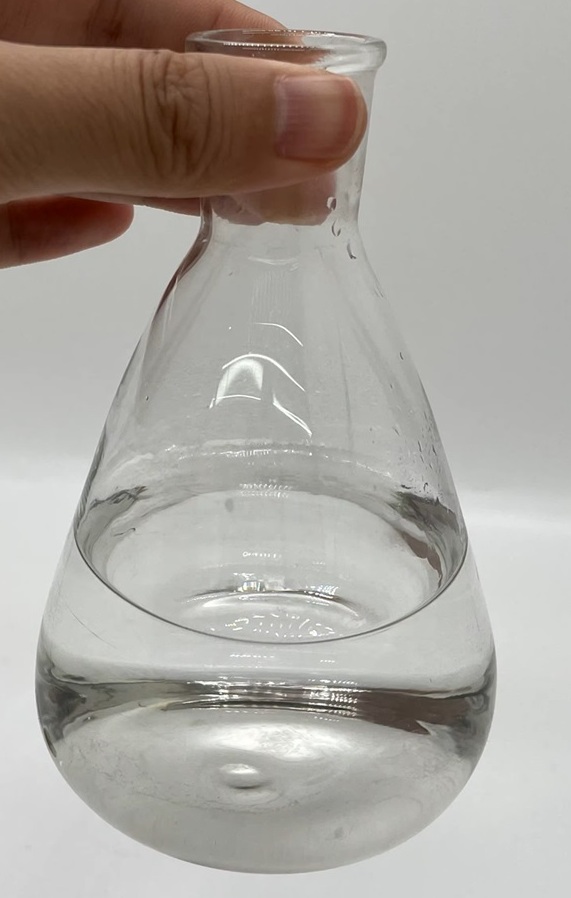
| Physical State (20°C) | Colorless to pale yellow liquid (60% solution) or white crystalline powder (solid) |
| Odor | Odorless to slight characteristic |
| Taste | Acidic (not applicable for direct consumption) |
SECTION 2: PHYSICAL AND CHEMICAL PROPERTIES
| Property | Value | Test Method |
|---|---|---|
| Appearance (60% Solution) | Colorless to pale yellow liquid | Visual |
| Appearance (Solid) | White crystalline powder | Visual |
| Odor | Odorless to slight characteristic | Olfactometric |
| Molecular Weight | 206.03 g/mol | Calculated |
| Melting Point (Solid) | 198 – 199°C | DSC |
| Boiling Point (Estimated) | ~578.8°C | Calculated |
| Density (60% Solution, 25°C) | 1.45 g/cm³ | ASTM D4052 |
| pH (1% Solution, 25°C) | 1.3 – 1.8 | pH Meter |
| pKa Values (25°C) | pKa₁ = 1.35, pKa₂ = 2.87, pKa₃ = 7.03, pKa₄ = 11.3 | Potentiometric |
| Solubility in Water | Completely miscible | General Method |
| Solubility in Methanol | Miscible | General Method |
| Solubility in Ethanol | Miscible | General Method |
| Thermal Stability | Stable up to 250°C | TGA |
| Stability | Stable to light and heat; incompatible with strong oxidizing agents |
SECTION 3: CHEMICAL PROPERTIES AND REACTIVITY
| Parameter | Information |
|---|---|
| Chemical Character | Organophosphonic acid; strong chelating agent; scale and corrosion inhibitor |
| Chelation | Forms stable complexes with Ca²⁺, Mg²⁺, Fe²⁺/Fe³⁺, Cu²⁺, Zn²⁺, Al³⁺ |
| Scale Inhibition | Prevents CaCO₃ precipitation through threshold effect and crystal distortion |
| Corrosion Inhibition | Forms protective film on metal surfaces; particularly effective on carbon steel |
| Chlorine Stability | Stable in presence of chlorine; does not degrade in chlorinated water systems |
| Thermal Stability | Stable up to 250°C; suitable for high-temperature applications |
| Incompatible Materials | Strong oxidizing agents, strong bases |
| Decomposition Products (Heating) | CO, CO₂, phosphorus oxides (P₂O₅) |
| Hazardous Polymerization | Does not occur |
SECTION 4: PRODUCTION METHODS
| Method | Chemical Reaction | By-Product |
|---|---|---|
| Phosphorous Acid + Acetic Anhydride | 2H₃PO₃ + (CH₃CO)₂O → C₂H₈O₇P₂ (HEDP) + CH₃COOH | Acetic Acid |
| Glacial Acetic Acid + Phosphorus Trichloride + Water | CH₃COOH + 2PCl₃ + 5H₂O → C₂H₈O₇P₂ (HEDP) + 6HCl | Hydrochloric Acid |
SECTION 5: PHOSPHONATES COMPARISON
| Property | HEDP (Etidronic Acid) | ATMP | EDTMP | PBTC | DTPMP |
|---|---|---|---|---|---|
| CAS Number | 2809-21-4 | 6419-19-8 | 1429-50-1 | 37971-36-1 | 15827-60-8 |
| Chemical Class | Diphosphonate | Phosphonate | Phosphonate | Phosphonocarboxylate | Polyphosphonate |
| Phosphorus Content | ~30% | ~31% | ~28% | ~15% | ~27% |
| Calcium Tolerance | Excellent | Good | Moderate | Excellent | Good |
| Chlorine Stability | Excellent | Moderate | Poor | Excellent | Poor |
| Thermal Stability | Up to 250°C | Up to 200°C | Up to 150°C | Up to 200°C | Up to 150°C |
| Scale Inhibition | Excellent | Very Good | Very Good | Excellent | Excellent |
| Primary Use | Cooling water, boilers, oil & gas | Cooling water, oil & gas | Cooling water, boilers | Cooling water, reverse osmosis | Cooling water, oil & gas |
SECTION 6: FUNCTIONAL PROPERTIES AND MECHANISM OF ACTION
| Property | Description |
|---|---|
| Threshold Scale Inhibition | Prevents CaCO₃ precipitation at sub-stoichiometric concentrations (threshold effect); distorts crystal growth |
| Cathodic Corrosion Inhibitor | Forms protective film on metal surfaces; particularly effective on carbon steel in cooling water systems |
| Metal Ion Chelation | Forms stable water-soluble complexes with Ca²⁺, Mg²⁺, Fe²⁺/Fe³⁺, Cu²⁺, Zn²⁺, Al³⁺ |
| Iron Oxide Dissolution | Dissolves iron oxide deposits; effective in boiler and cooling system cleaning |
| Peroxide Stabilizer | Stabilizes hydrogen peroxide and other peroxides in detergent and cosmetic formulations |
| Electroplating Complexing Agent | Forms stable complexes with copper ions; enables non-cyanide electroplating |
| Chlorine Stable | Does not degrade in presence of chlorine; suitable for swimming pool and municipal water treatment |
SECTION 7: PRIMARY APPLICATION AREAS AND DOSAGE
| Sector / Application | Function | Typical Dosage |
|---|---|---|
| Cooling Water Systems | Scale and corrosion inhibitor | 2 – 10 mg/L (scale); 10 – 50 mg/L (corrosion) |
| Boiler Water Treatment | Scale inhibitor, oxygen scavenger aid | 5 – 20 mg/L |
| Municipal Drinking Water | Iron/manganese oxide precipitation control, chlorine stabilization | 1 – 10 mg/L |
| Swimming Pools | Stain and scale prevention, chlorine stability | 5 – 15 mg/L |
| Electroplating (Non-Cyanide Copper) | Complexing agent | 100 – 120 mL/L (60% solution) |
| Electroplating Pre-treatment | Surface activation (1-2% HEDP dip) | 10 – 20 g/L |
| Detergents and Cosmetics | Peroxide stabilizer, metal ion chelation | 1000 – 2000 mg/L |
| Textile and Dye Industry | Peroxide stabilizer, metal ion binding | 10 – 50 mg/L |
| Oil & Gas | Acidizing solutions, scale prevention | 50 – 200 mg/L |
| Electronics Cleaning | High-purity metal ion chelation | 5 – 20 mg/L |
SECTION 8: QUALITY SPECIFICATIONS (TECHNICAL GRADE - 60% SOLUTION)
| Parameter | Specification | Test Method |
|---|---|---|
| Appearance | Colorless to pale yellow liquid | Visual |
| Active Content (HEDP) | 58 – 62% | Titrimetric / HPLC |
| Phosphorous Acid (H₃PO₃) | ≤ 2.0% | Titrimetric |
| Phosphoric Acid (H₃PO₄) | ≤ 0.8% | Titrimetric |
| Chloride (Cl⁻) | ≤ 0.01% | Argentometric |
| Iron (Fe) | ≤ 20 ppm | AAS |
| Heavy Metals (as Pb) | ≤ 10 ppm | ICP-MS |
| Density (20°C) | 1.42 – 1.48 g/cm³ | ASTM D4052 |
| pH (1% Solution, 25°C) | 1.3 – 1.8 | pH Meter |
SECTION 9: QUALITY SPECIFICATIONS (SOLID / POWDER FORM)
| Parameter | Specification | Test Method |
|---|---|---|
| Appearance | White crystalline powder | Visual |
| Active Content (HEDP) | ≥ 98.0% | Titrimetric / HPLC |
| Loss on Drying (105°C, 2 hours) | ≤ 1.0% | Gravimetric |
| Melting Point | 198 – 199°C | DSC |
| Iron (Fe) | ≤ 20 ppm | AAS |
| Heavy Metals (as Pb) | ≤ 10 ppm | ICP-MS |
SECTION 10: TOXICOLOGICAL PROFILE
| Parameter | Value |
|---|---|
| Acute Oral Toxicity (LD50, Mouse) | ~1,800 mg/kg |
| Skin Irritation | Irritant (R37/38) |
| Eye Irritation | Risk of serious eye damage (R41) |
| Respiratory Irritation | Irritant (R37) |
| Carcinogenicity | Not classified |
| Mutagenicity | Negative in standard tests |
| Reproductive Toxicity | Limited data |
| Environmental Toxicity | Low to moderate aquatic toxicity |
| Biodegradability | Not readily biodegradable (persistent) |
| WGK (Germany) | 2 (Water hazard class) |
SECTION 11: GHS CLASSIFICATION AND LABELING
GHS Classification (compliant with 1272/2008/EC):
| Hazard Class | Category | H-Statement |
|---|---|---|
| Acute Toxicity (Oral) | Category 4 | H302 |
| Skin Irritation | Category 2 | H315 |
| Serious Eye Damage/Irritation | Category 1 | H318 |
| STOT - SE | Category 3 | H335 |
Signal Word: DANGER
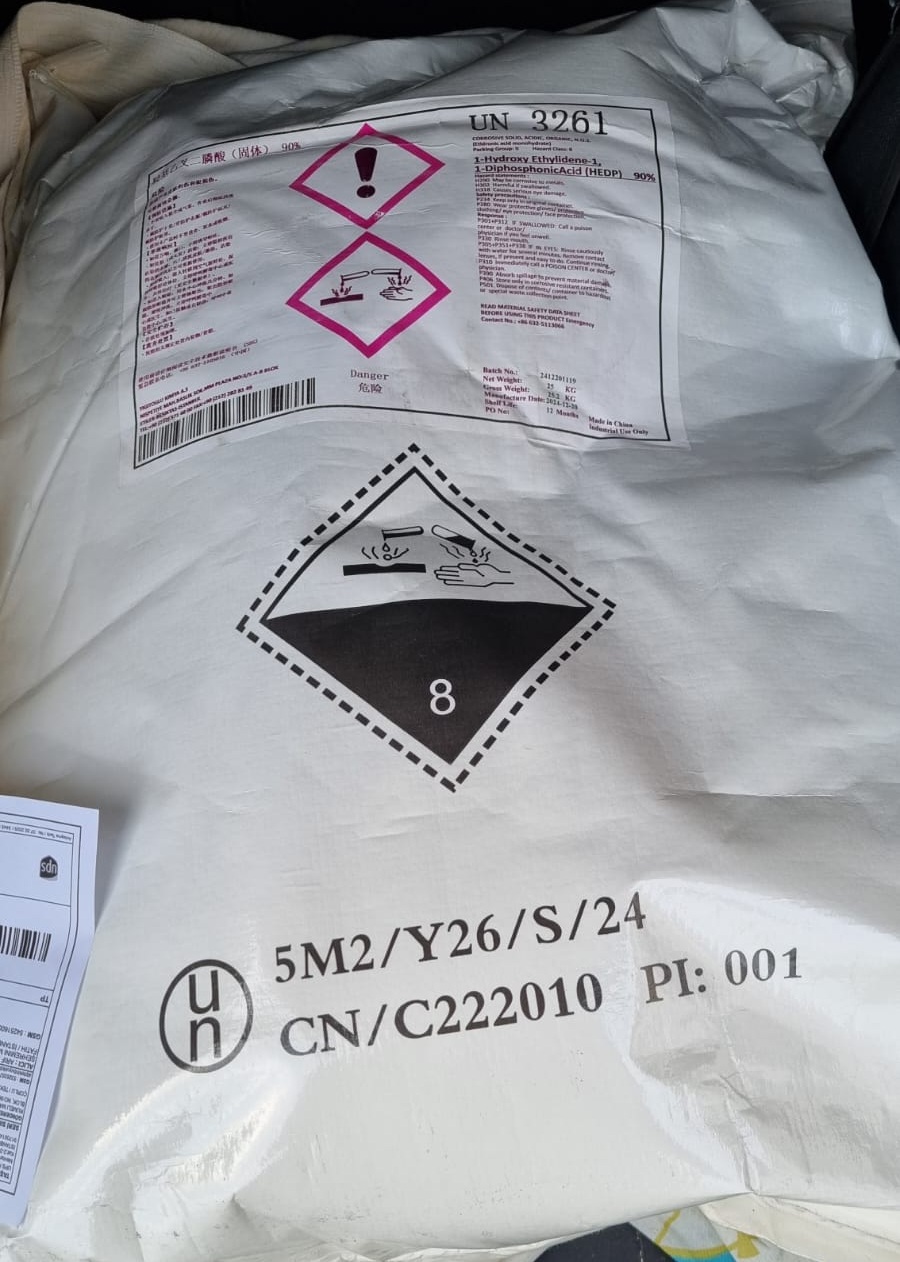
Hazard Pictograms: GHS05 (Corrosive), GHS07 (Exclamation Mark)
Hazard Statements (H-Codes):
| Code | Statement |
|---|---|
| H302 | Harmful if swallowed |
| H315 | Causes skin irritation |
| H318 | Causes serious eye damage |
| H335 | May cause respiratory irritation |
SECTION 12: PRECAUTIONARY STATEMENTS (P-CODES)
| Code | Statement |
|---|---|
| P261 | Avoid breathing dust/fume/gas/mist/vapors/spray |
| P280 | Wear protective gloves/protective clothing/eye protection/face protection |
| P301+P312 | IF SWALLOWED: Call a POISON CENTER/doctor if you feel unwell |
| P302+P352 | IF ON SKIN: Wash with plenty of water and soap |
| P305+P351+P338 | IF IN EYES: Rinse cautiously with water for several minutes. Remove contact lenses if present |
| P310 | Immediately call a POISON CENTER/doctor |
| P501 | Dispose of contents/container to approved hazardous waste facility |
SECTION 13: FIRST AID MEASURES
| Exposure Route | Action to Take |
|---|---|
| Inhalation | Move to fresh air. Seek medical attention if respiratory irritation persists. |
| Skin Contact | Wash with plenty of water and soap for at least 15 minutes. Remove contaminated clothing. Seek medical attention if irritation persists. |
| Eye Contact | Rinse immediately with plenty of water for at least 15 minutes. Remove contact lenses if present. Seek immediate medical attention. |
| Ingestion | Rinse mouth with water. Do NOT induce vomiting. Drink plenty of water. Seek medical attention. |
SECTION 14: FIREFIGHTING MEASURES
| Parameter | Information |
|---|---|
| Fire Hazard | Non-flammable; decomposes releasing toxic fumes |
| Hazards During Fire | CO, CO₂, phosphorus oxides (P₂O₅) |
| Suitable Extinguishing Media | Any extinguishing media appropriate for surrounding fire |
| Special Protective Equipment | Self-contained breathing apparatus (SCBA), full protective clothing |
| Special Precautions | Prevent firefighting water from entering environment |
SECTION 15: STORAGE AND SHELF LIFE
| Parameter | Information |
|---|---|
| Storage Conditions | Cool, dry, shaded area; protect from direct sunlight |
| Container Requirements | Plastic drums (HDPE), IBC tanks; tightly closed |
| Keep Away From | Strong oxidizing agents, strong bases |
| Shelf Life (60% Solution) | ~10 months (under appropriate storage conditions) |
| Shelf Life (Solid) | 24 months (unopened original packaging) |
| Stability Note | In cold regions, solid/powder form preferred to avoid freezing risk |
SECTION 16: PACKAGING OPTIONS
| Packaging Type | Quantity | Material |
|---|---|---|
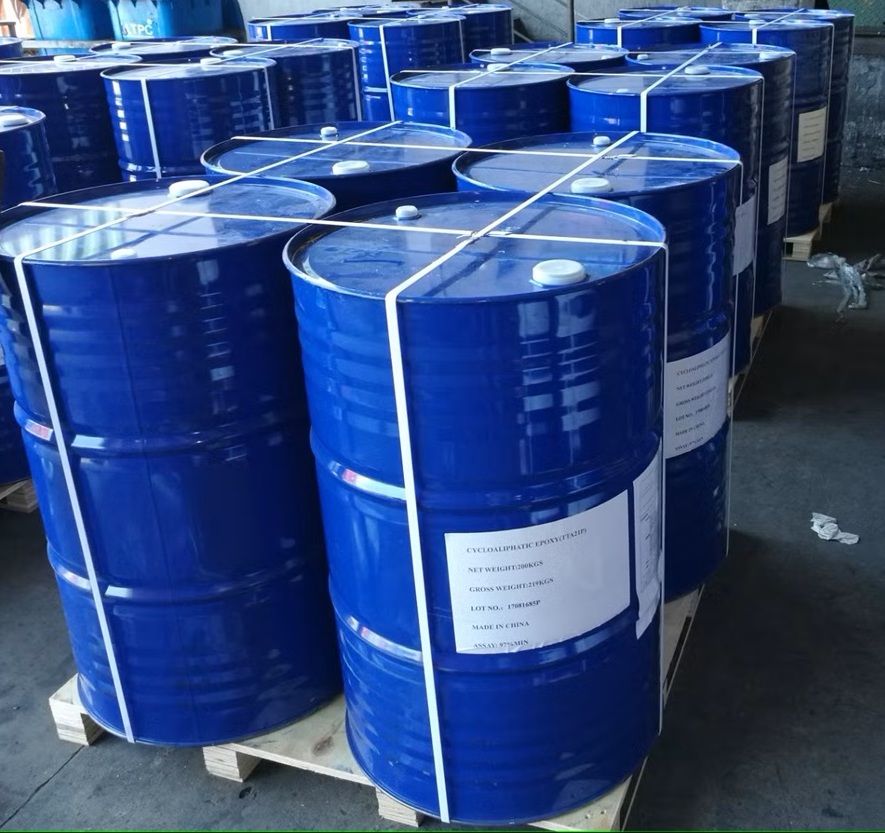
| Plastic drum | 200 L | HDPE |
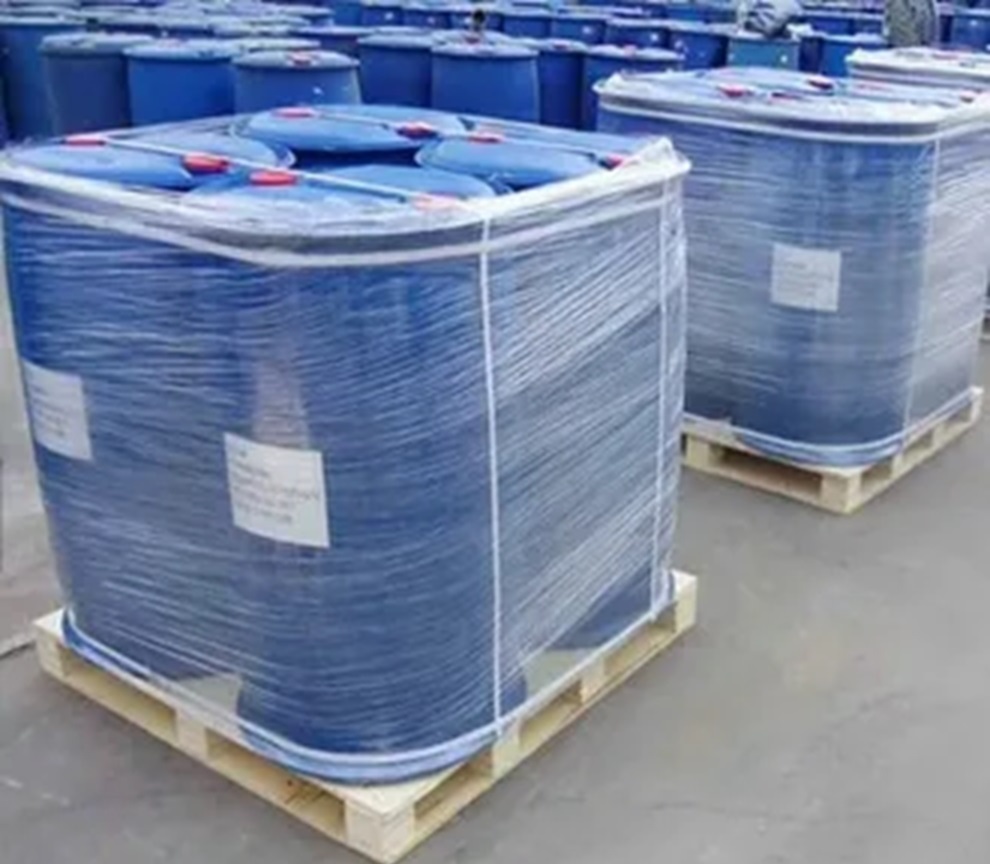
| IBC Tank | 1000 – 1450 kg | HDPE |
| Kraft bag (powder form) | 25 kg | Kraft paper + PE liner |
| Plastic pail | 25 kg | HDPE |
SECTION 17: TRANSPORTATION INFORMATION
| Parameter | Information |
|---|---|
| UN Number | UN 3265 (Corrosive Liquid, Acidic, Organic, n.o.s.) |
| Hazard Class | 8 (Corrosive) |
| Packing Group | III |
| ADR/RID | UN 3265, Corrosive Liquid, 8, PG III |
| IMDG Code | UN 3265, Corrosive Liquid, 8, PG III |
| IATA (Air) | UN 3265, Corrosive Liquid, 8, PG III |
| Marine Pollutant | No |
| Transport Temperature | Ambient; protect from freezing |
SECTION 18: REGULATORY STATUS
| Region / Authority | Status |
|---|---|
| European Union | REACH registered; approved for water treatment and industrial applications |
| USA (EPA) | Registered; approved for cooling water and boiler treatment |
| FDA (Indirect Food Contact) | Approved for boiler water additives (21 CFR 173.310) |
| Drinking Water | Approved in some countries as drinking water additive |
| Turkey | Industrial chemical; subject to chemical registration regulations |
| Swimming Pools | Approved for use in swimming pool chemicals |
SECTION 19: OTHER NAMES AND SYNONYMS
| Type | Name |
|---|---|
| Common Names | Etidronic Acid, HEDP, HEDPA, Hydroxyethylidene Diphosphonic Acid |
| Chemical Names | 1-Hydroxyethylidene-1,1-diphosphonic acid, (1-Hydroxyethane-1,1-diyl)bis(phosphonic acid) |
| Salt Form | Etidronate (Sodium Etidronate, Potassium Etidronate) |
| Turkish Names | Etidronik Asit, Hidroksietiliden Difosfonik Asit |
| CAS Number | 2809-21-4 |
| EC Number | 220-552-8 |
SECTION 20: APPLICATION DOSAGE SUMMARY TABLE
| Sector | Application | Typical Dosage |
|---|---|---|
| Energy/Water Treatment | Scale and corrosion inhibitor | 2 – 50 mg/L |
| Municipal/Drinking Water | Iron, manganese oxide prevention | 1 – 10 mg/L |
| Swimming Pools | Stain and scale prevention | 5 – 15 mg/L |
| Electroplating | Complexing agent | 100 – 120 mL/L (60% solution) |
| Detergents/Cosmetics | Peroxide stabilization | 1000 – 2000 mg/L |
| Textile/Dye | Auxiliary agent | 10 – 50 mg/L |
| Oil & Gas | Acidizing solutions | 50 – 200 mg/L |
| Electronics | Cleaning agent | 5 – 20 mg/L |
SECTION 21: INDUSTRIAL ADVANTAGES SUMMARY
| Advantage | Description |
|---|---|
| High Temperature Tolerance | Stable up to 250°C; suitable for boiler and high-temperature applications |
| Wide pH Tolerance | Effective across broad pH range (pH 2-11) |
| Chlorine Stability | Does not degrade in presence of chlorine; ideal for pools and municipal water |
| Synergistic Effect | Works synergistically with zinc salts, polycarboxylates, molybdates, and other inhibitors |
| Low Dosage Efficiency | Effective at very low concentrations (2-5 mg/L for scale inhibition) |
| Metal Complexation | Forms stable complexes with multiple metal ions; prevents precipitation |
SECTION 22: SUMMARY TABLE
| Parameter | Value |
|---|---|
| Product | Etidronic Acid (HEDP) |
| CAS Number | 2809-21-4 |
| Molecular Formula | C₂H₈O₇P₂ |
| Molecular Weight | 206.03 g/mol |
| Appearance (60% Solution) | Colorless to pale yellow liquid |
| Appearance (Solid) | White crystalline powder |
| pH (1% Solution) | 1.3 – 1.8 |
| Primary Function | Scale inhibitor, corrosion inhibitor, metal chelating agent |
| Shelf Life (60% Solution) | ~10 months |
| Shelf Life (Solid) | 24 months |
| GHS Signal Word | Danger |
| UN Number | UN 3265 (Corrosive Liquid, 8, PG III) |
SECTION 23: CRITICAL WARNINGS AND BEST PRACTICES
CRITICAL WARNINGS:
-
Eye Damage: Causes serious eye damage (H318). Always wear chemical splash goggles and face shield.
-
Skin Irritation: Causes skin irritation (H315). Wear acid-resistant gloves and protective clothing.
-
Harmful if Swallowed: May cause gastrointestinal irritation (H302).
-
Strong Acid: 60% solution is strongly acidic (pH 1.3-1.8); handle with appropriate acid-resistant equipment.
-
Environmental Persistence: Not readily biodegradable; prevent release to the environment.
BEST PRACTICE RECOMMENDATIONS:
-
Scale Inhibition: Use at 2-10 mg/L in cooling water systems; combine with zinc salts and polycarboxylates for enhanced performance.
-
Corrosion Inhibition: Use at 10-50 mg/L; particularly effective on carbon steel in combination with zinc and molybdate.
-
Electroplating: Use at 100-120 mL/L (60% solution) as complexing agent in non-cyanide copper plating baths.
-
Detergents: Use at 1000-2000 mg/L as peroxide stabilizer and metal ion chelator.
-
Swimming Pools: Use at 5-15 mg/L for stain and scale prevention; compatible with chlorine disinfection.
-
Solid Form: In cold regions, prefer solid/powder form to avoid freezing and crystallization issues.
LEGAL DISCLAIMER:
The information provided in this document is presented in good faith based on our current knowledge and experience; however, since all usage conditions are beyond our control, it does not constitute a binding specification or warranty. This Technical Data Sheet is for informational purposes only. Users are obligated to test the suitability for their own applications. For complete safety, storage, handling, transportation, disposal, and regulatory compliance information, refer to the official Safety Data Sheet (SDS/MSDS) provided by the manufacturer/supplier.